

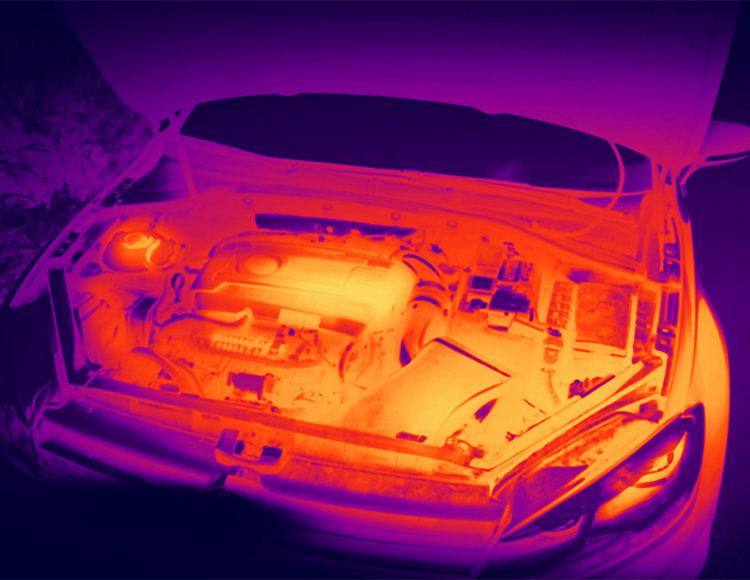
Just a Thought on Thermal Cameras and Batteries.
Have you ever been in the middle of a job and your device just dies?
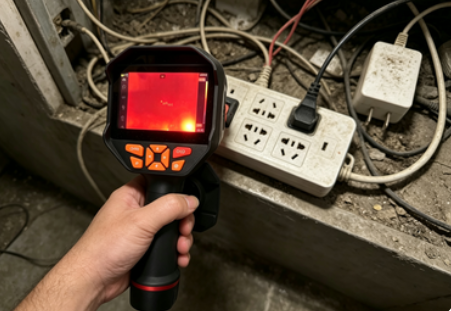
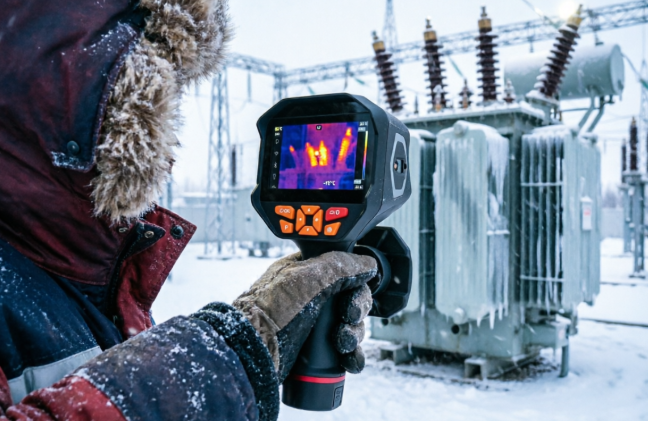
You’re using a thermal camera to check an electrical panel. Everything’s going smoothly—then suddenly, a low-battery warning pops up. A few minutes later, it shuts off.
Now you’re stuck choosing between waiting around for it to charge or going off to find a power outlet. Neither option is ideal.
The Problem with Built-in Batteries
Most devices today come with sealed, non-removable batteries. When they run out of power, you have to stop working. You wait. You find a place to charge. You lose time. And in many jobs — time is money.
For example, a safety inspector doing a routine check might need to cover 50 rooms in one day. If their thermal camera dies after room 30, they have to pause, find an outlet, and wait. That could take an hour or more. That’s not efficient.
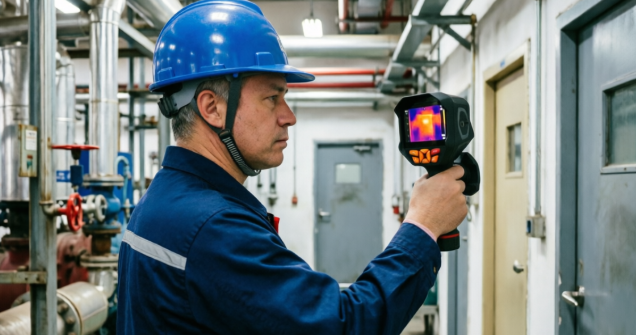
One Simple Solution: Removable Battery
With a removable battery, there’s no waiting — just swap it and keep going.
Example:
Safety inspectors and daily patrols
Think about people doing safety inspections in factories, warehouses, or large buildings. They’re constantly on the move all day, carrying different tools and needing them at a moment’s notice. If their equipment runs out of power, they can just swap in a spare battery and keep going without missing a beat.
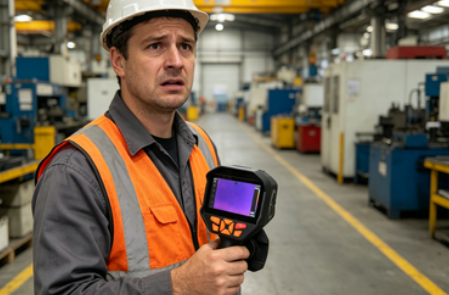
Car Checks and Home Renovation
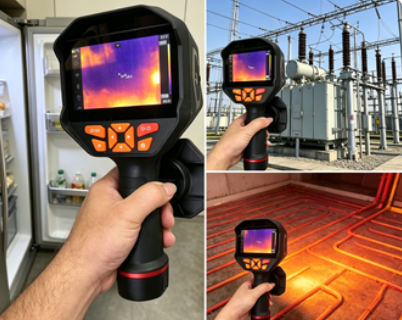
Think about someone checking a car for overheating problems, or a homeowner trying to figure out where heat is leaking out of the house in winter. It could be finding weak insulation, cold spots, or even hidden water leaks behind the walls, and all of that usually takes time. Having a spare battery just means you can keep going with the work while the other one is charging, instead of having to stop halfway.
Old Batteries Don’t Last Forever
Over time, all batteries naturally lose their capacity. After a year or two, a built-in battery usually won’t hold a charge as well as it did when it was new. When that happens, a device with a fixed battery can feel less convenient to use, and in some cases, people end up replacing the whole tool.
With a removable battery, it’s much simpler—you just swap in a new one and keep using the same device for longer.
A Practical Design That Just Works
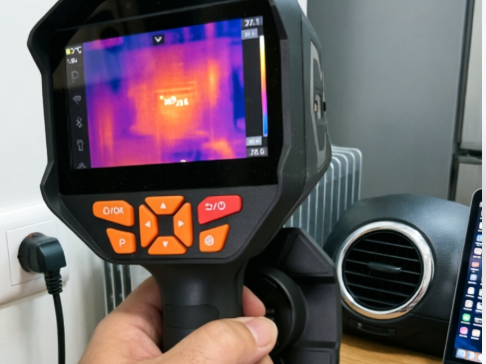
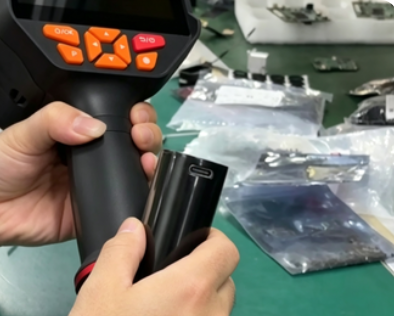
The DP-38D thermal camera uses a removable battery, so you can easily carry a spare and swap it in when needed—no need to stop working if the power runs out.
A few other practical details:
- Both the camera and the battery charge via USB Type-C, so you don’t need a special charger.
- The battery has its own power indicator, so you can quickly see how much charge is left.
- It follows the latest EU regulations for removable batteries, which helps keep it aligned with current standards and future requirements.
Real-Life Scenarios Where Problems Occur
- When something runs out of power, just swap in a fresh one and keep going with your work.
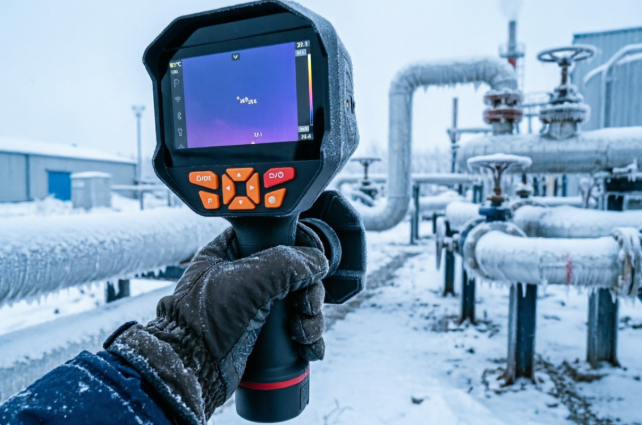
- When you’re working outdoors for long hours, whether it’s hot or cold, you just swap the equipment and continue without interruption.
- There’s no need to bring a charging dock. A regular USB-C cable—the same one you use for your phone or laptop—is enough.
Interactive discussion
We’ve all been there—right in the middle of something important, and suddenly the battery runs out. Maybe your phone shuts off during a crucial call, or your device dies halfway through a job and everything comes to a stop.
Tell me your story in the comments.