
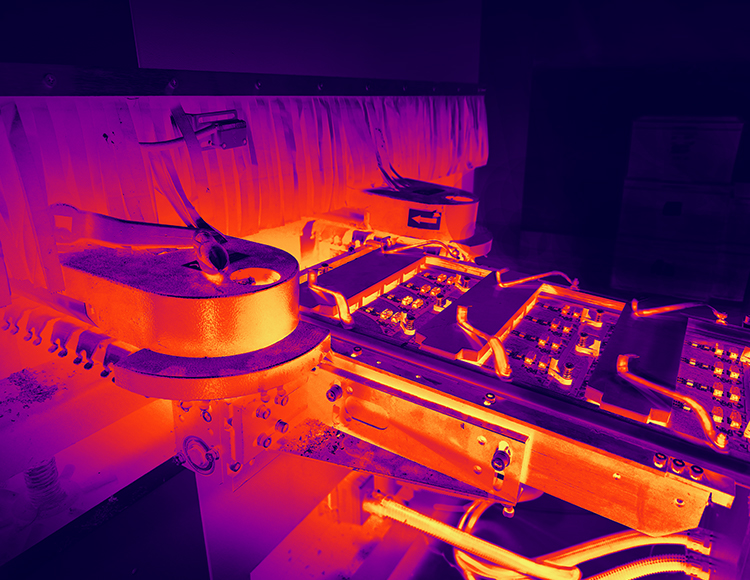
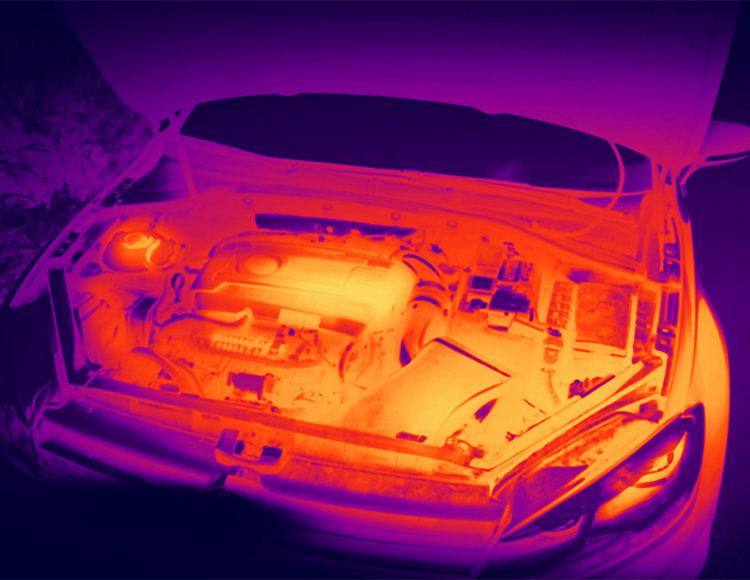
Why are thermal imagers equipped with visible light?
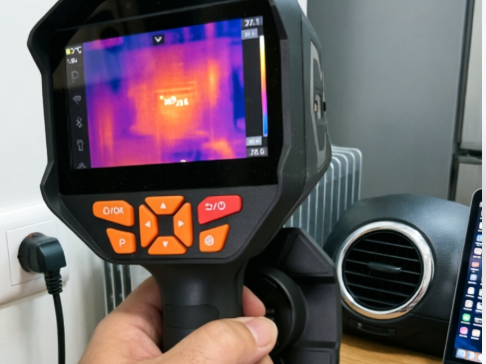
You point a thermal camera at a power strip. A bright red spot shows up. But behind the strip, there are cables, chargers, and dust. Is the strip itself hot? Or is it the phone charger? Or maybe a loose plug? A pure thermal image only shows a warm blur. No details. No clues.
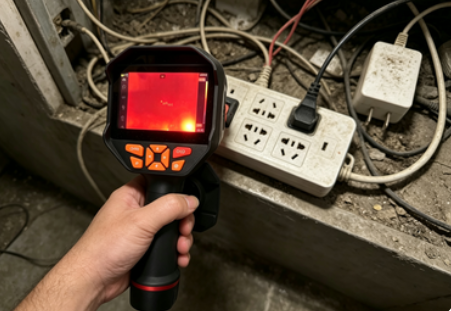
Pure thermal imaging lacks detail in complex environments
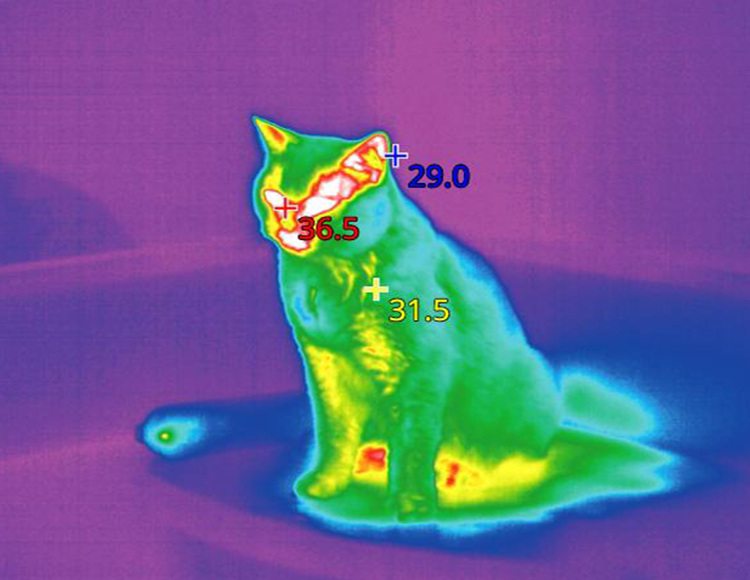
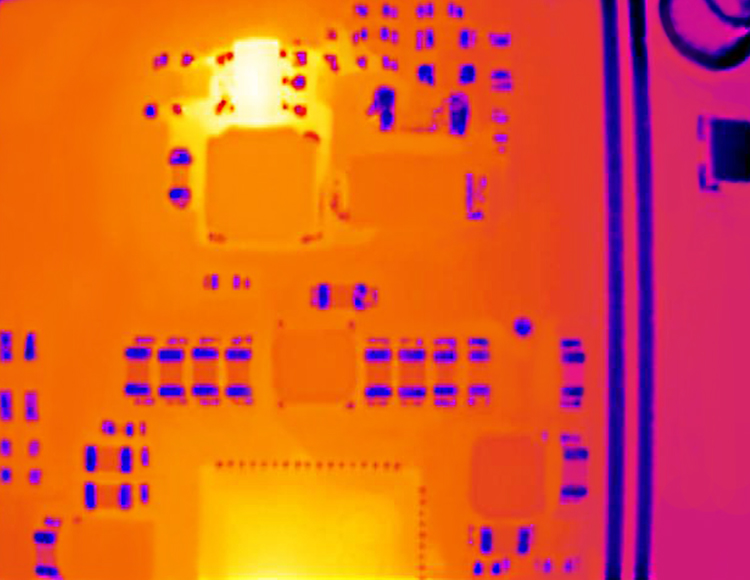
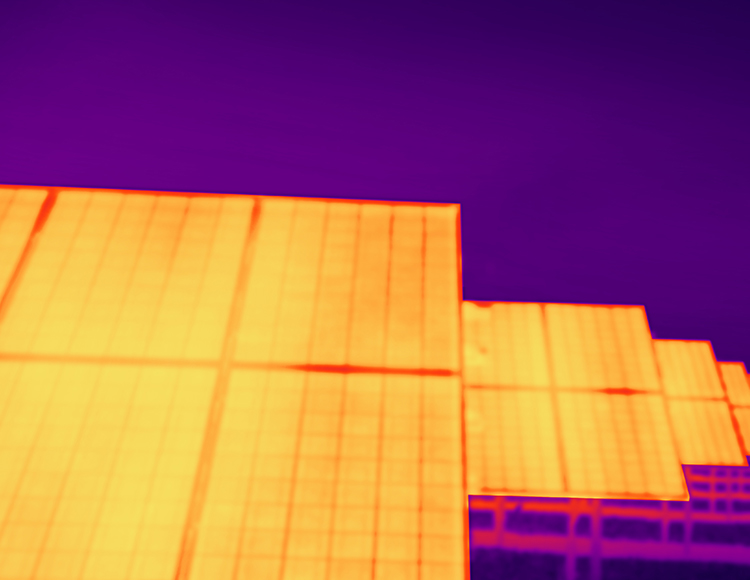
Pure thermal images are great at showing temperature. But they don't show text, edges, small objects, or patterns. In a crowded place — like behind a TV, inside a cabinet, or near a wall with pipes — you simply cannot tell what is actually causing the heat. This makes troubleshooting slow and frustrating.
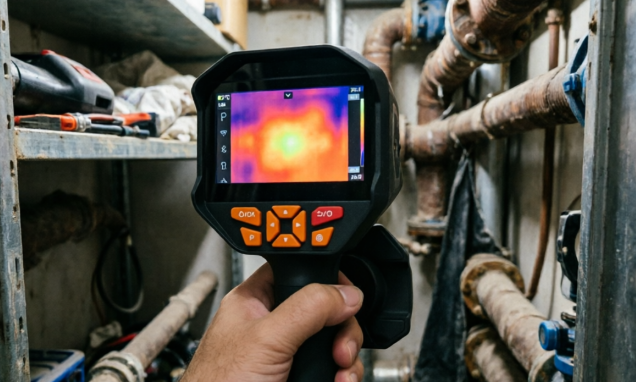
The simple solution: 8MP visible light + thermal fusion
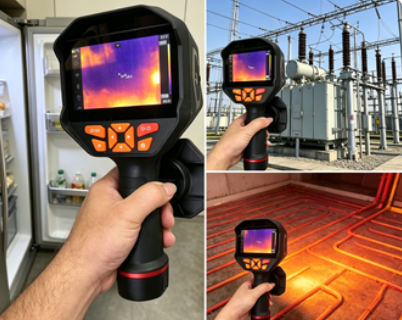
Here is what really helps: an 8-megapixel visible camera combined with a thermal sensor. The camera takes a sharp normal photo and a heat picture at the same time, then blends them together. You see the temperature and the real-world details — labels, shapes, edges, tiny cracks. No more guessing.
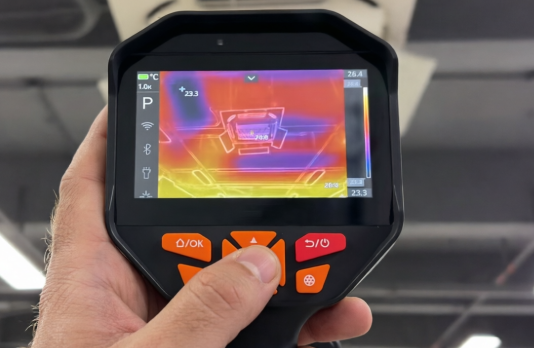
Life examples:
You’re standing on the ground, pointing the thermal camera toward a high structure.A hot spot appears on the screen, but from this distance, it’s hard to tell exactly where it is.Is it on the left side? The center unit? Or behind a panel?With visible light combined, the structure becomes clear.You can directly judge the position and quickly locate the abnormal area during high-altitude work.
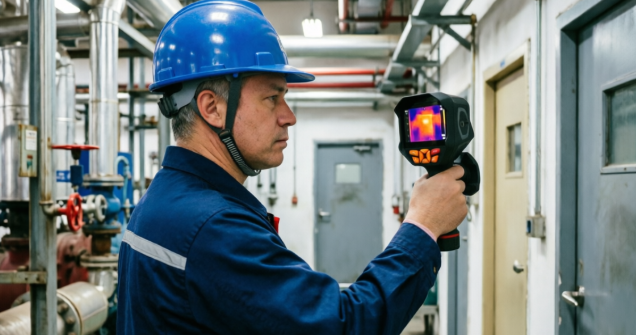
Factories often run large numbers of machines that share the same model and appearance.When a thermal anomaly appears, it is easy to detect the problem unit, but not always easy to know which machine it is.With 8MP visible light combined with thermal imaging, equipment labels and identification numbers become visible.This allows operators to match thermal results with the correct machine ID quickly, even in a dense production line.
Inside a breaker box, pure thermal might show warm lines. But you cannot tell which cable goes to which breaker. With fusion, you see the actual cable colors, labels, and connection points. You can quickly find the hottest cable and know exactly which circuit it belongs to. It is much safer.
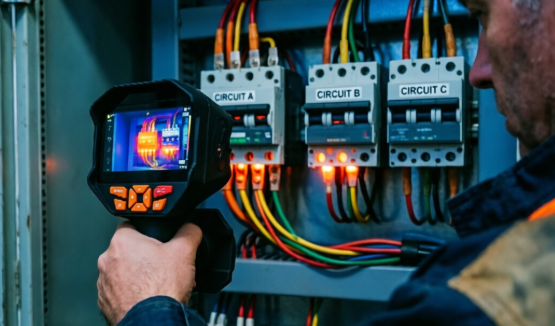
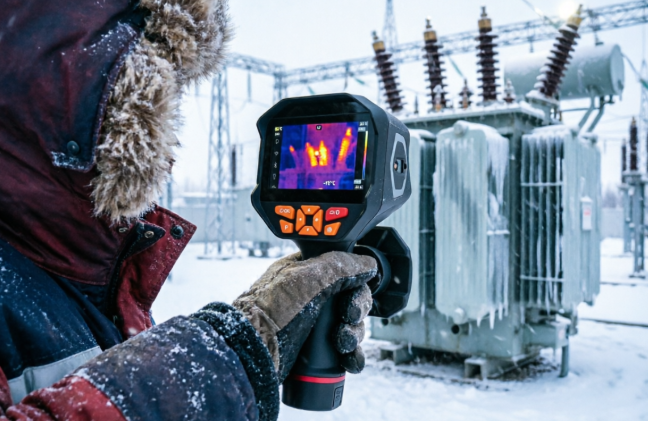
One example is the DP-38D. It has a good thermal sensor, but the real highlight is the 8-megapixel visible camera and five different fusion modes, like full fusion, picture-in-picture, and more. You can choose how much thermal or visible detail you want to see.
Everyday things you can check with fusion
You don't need to be an electrician to use this. Here are common things around the house:
- Refrigerator door seals – see where cold air is leaking out
- Electric heater – check if one spot gets too hot
- Laptop – find clogged cooling vents by seeing heat build-up
- Insulated bottle – test if it really keeps hot water hot
Let’s just talk
What's the first thing you'd want to check with a camera like this? Feel free to share anything – big or small, serious or just for fun. Let's talk in the comments.