
Why You Need a Thermal Imager That Measures from -20℃ to 1200℃
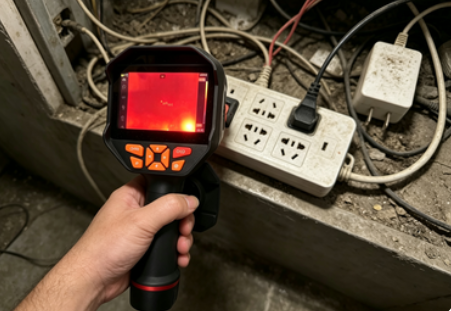
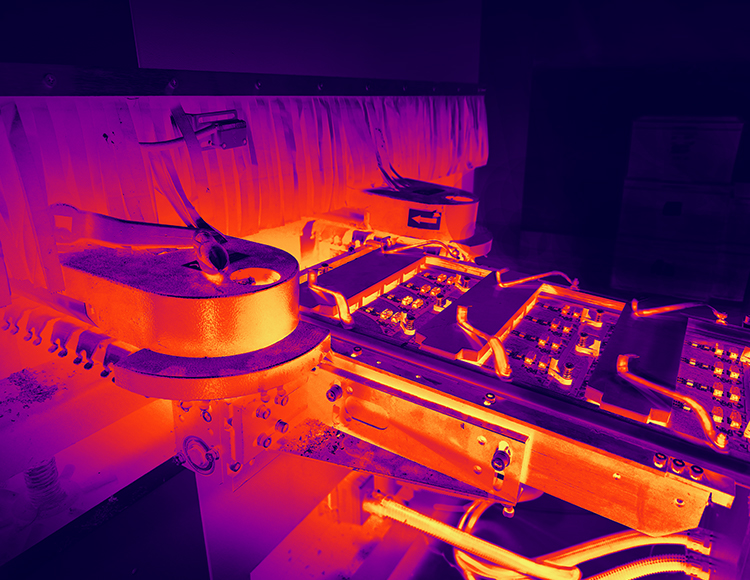
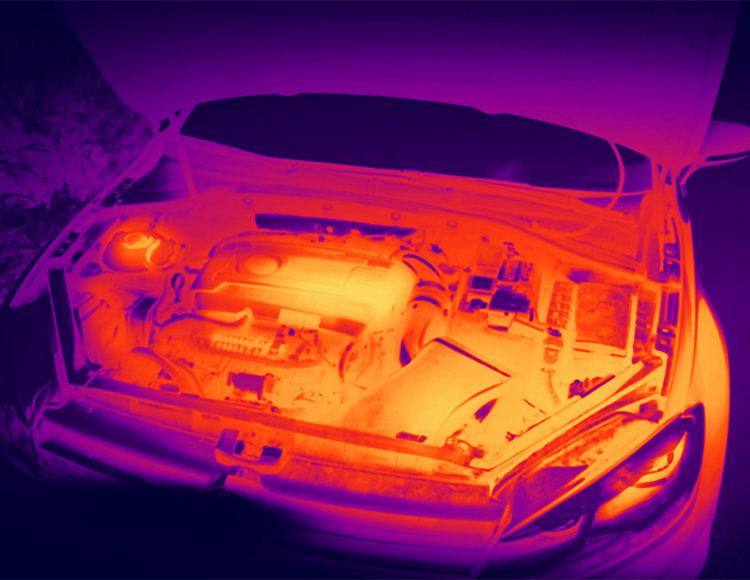
Between -20℃ and 1200℃ lies a world of invisible dangers. Not limited to the family environment and industrial environment. Many people think a thermal imager that reaches 1200℃ is only found in specialized factories and specific laboratories.
A 10kV cable joint runs cool and steady at 50–70°C. But if contact resistance spikes, the temperature can rocket to 300–500°C in seconds, when insulation carbonizes, cracks, and fails. Most thermal imagers (max. 400°C) only show "overheating".
Why Ordinary Thermal Imagers Can’t Do This
If your device tops out below 800°C, it’s basically blind in environments like ceramic kilns, high-voltage arcs, or molten metal.
A smartphone thermal camera (usually maxing out at around 400°C) will just show “OL” or a completely white, blown-out image once temperatures get too high.
A spot pyrometer (around 600°C max) only reads a single point — so you have no idea where the real hot spot is.
A typical handheld thermal imager (around 650°C max) gives you data, but it’s often incomplete or unreliable at higher temperatures.
That’s where the DP-38D stands out.
It measures from -20°C all the way up to 1200°C and still clearly shows temperature differences as small as 5°C — even at the high end.
Wide temperature range: -20°C to 1200°C
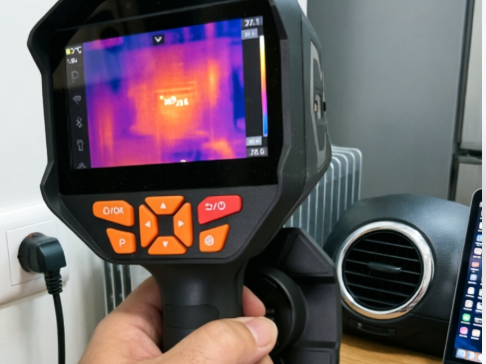
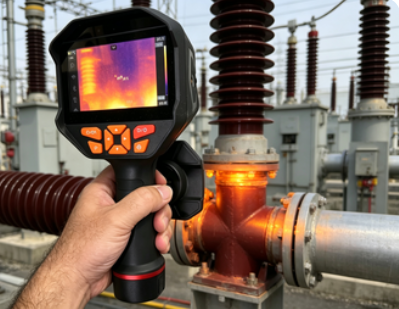
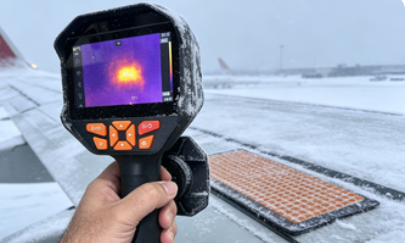
4.3-inch touchscreen + physical buttons for easy operation
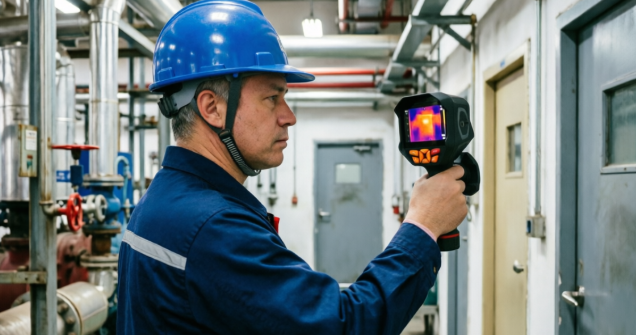
Safer inspections by keeping a distance from extreme heat
App connectivity for real-time viewing and data sharing
Real Cases
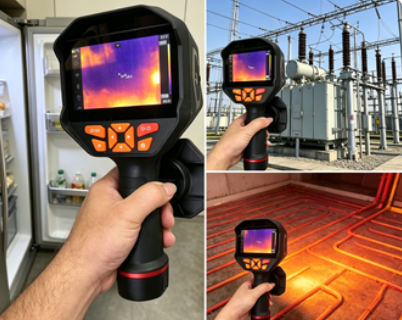
In a -20°C freezer warehouse, everything looked normal — until one refrigerant line stood out at -10°C instead of -20°C.
Just a small difference, but enough to reveal a blockage before the compressor failed.
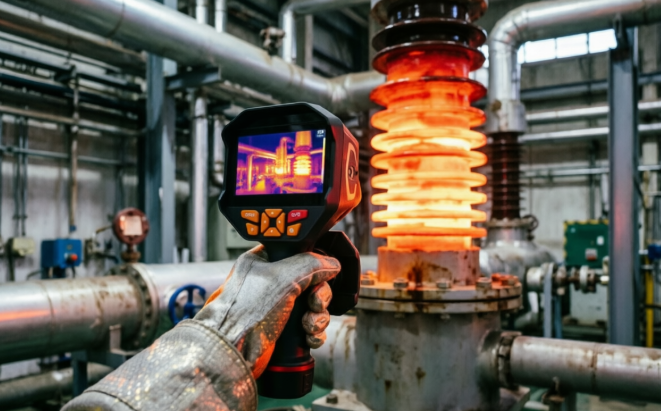
At a power plant, a high-voltage bushing was already at 950°C.
Still below copper’s melting point — but only 30 seconds away from a serious arc flash.
The line was shut down just in time.
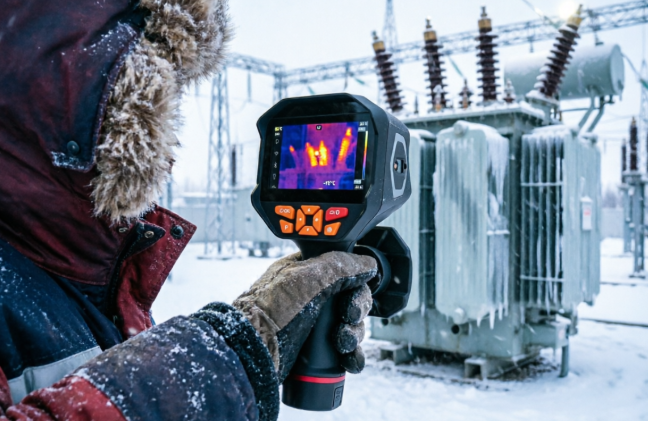
During a winter substation patrol at -20°C, an inspector spotted a transformer bushing terminal at 80°C while all others were at -18°C — that 98°C temperature rise identified a loose connection that would have caused a fire within hours.
If you work with extreme temperatures—in power systems, ceramics, metalworking, cold chain logistics, or substation maintenance—share your story. Let’s hear your story.