Leave Your Message
Engineered for high-precision thermal imaging, our top-tier products are customized to meet the rigorous demands of Israel's autonomous driving and smart mobility sectors.
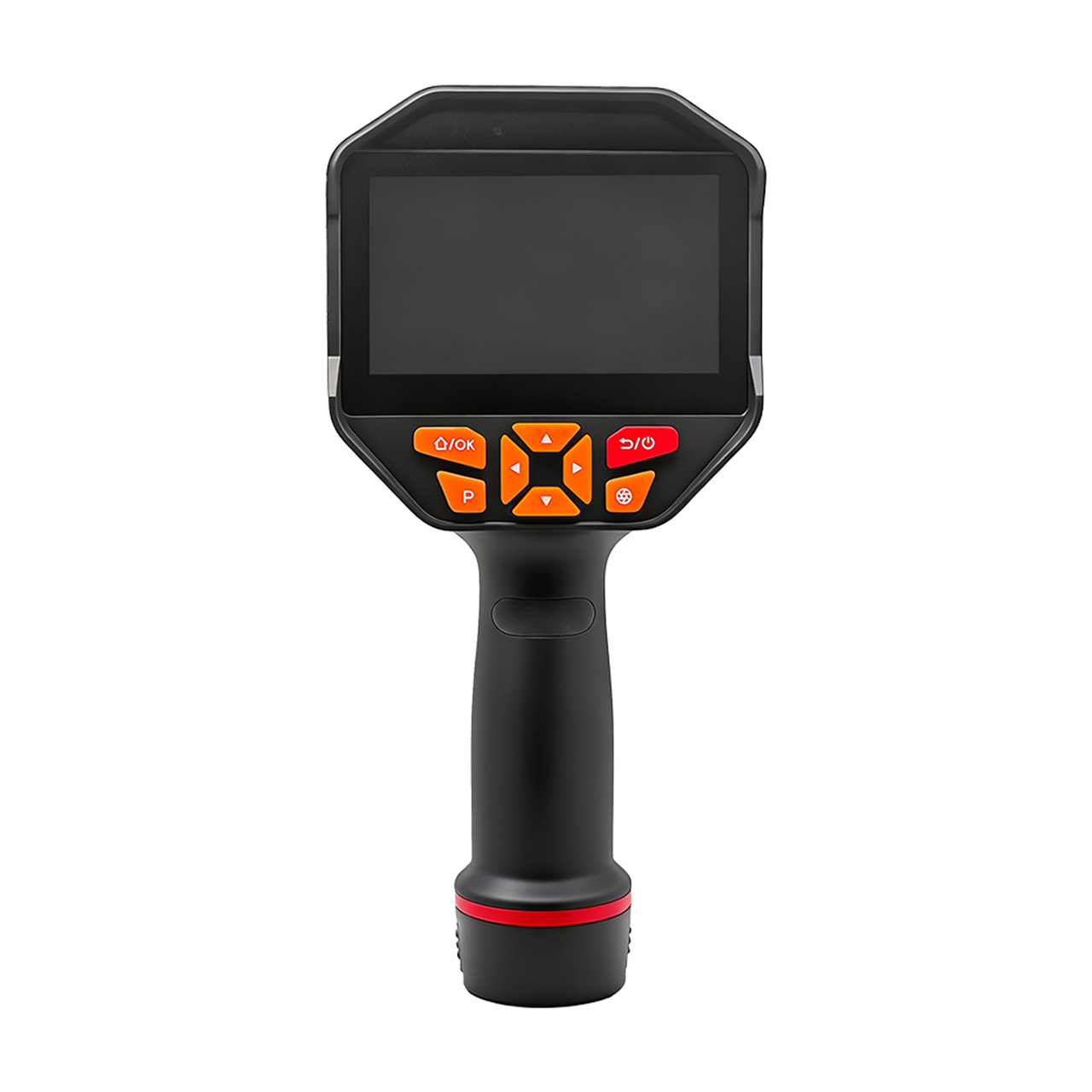
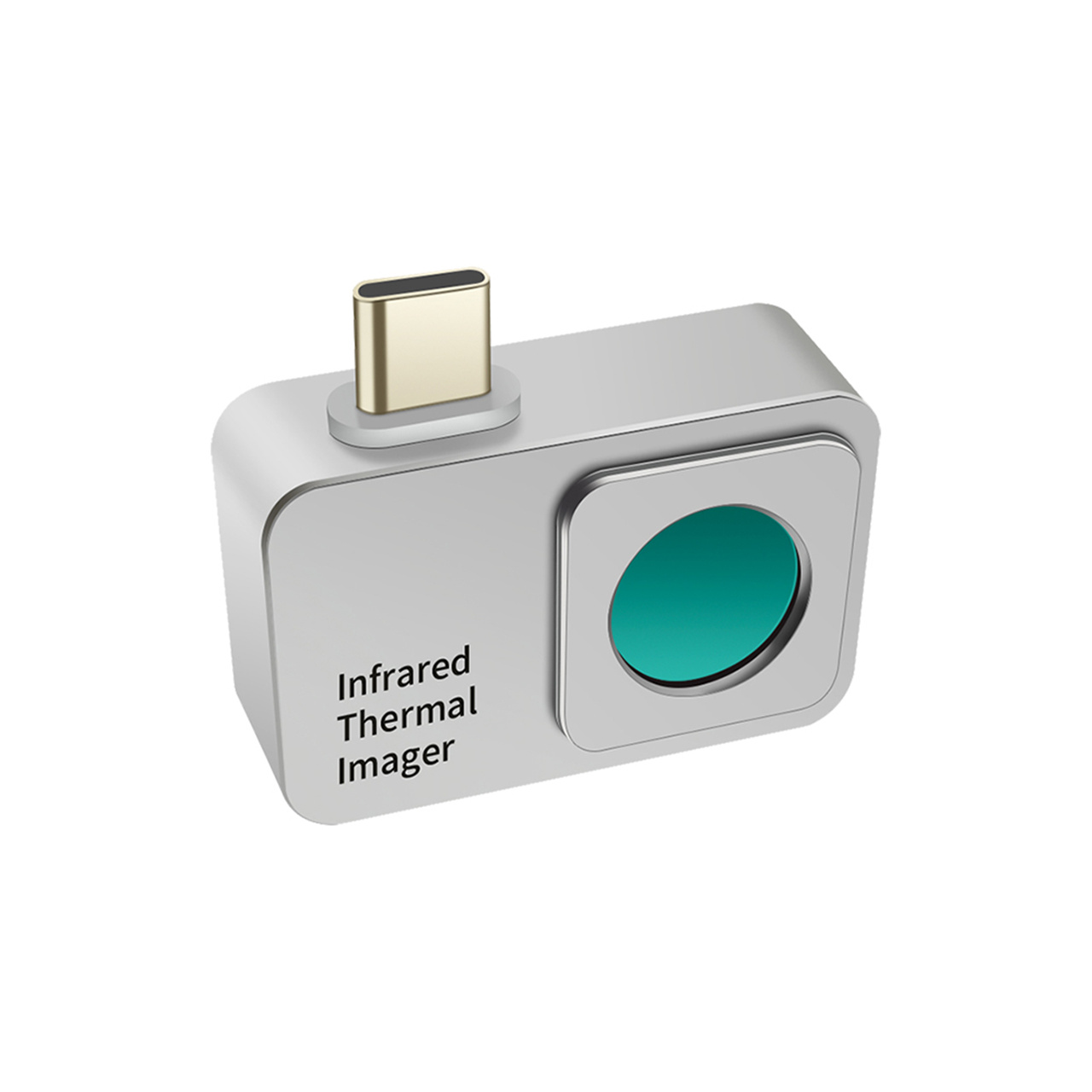
Israel has firmly established itself as a global powerhouse in the automotive technology and smart mobility sectors. Often referred to as "Silicon Wadi," the nation is home to hundreds of startups and established tech giants focusing on Advanced Driver Assistance Systems (ADAS), autonomous driving algorithms, LiDAR, and sensor fusion technologies. As the industry pushes towards Level 3, Level 4, and eventually Level 5 autonomous driving, the limitations of traditional optical cameras (CMOS) and radar systems have become increasingly apparent. This is where the integration of Automotive Thermal Cameras becomes an indispensable asset for the Israeli market.
Traditional sensors often fail in edge-case scenarios: complete darkness, blinding headlight glare, dense fog, or heavy dust storms. Automotive thermal imaging cameras operate on Long-Wave Infrared (LWIR) technology, detecting heat signatures rather than relying on visible light. For Israeli automotive tech companies developing robust autonomous vehicle (AV) platforms, integrating OEM/ODM thermal sensors from a reliable, high-capacity factory is a strategic imperative. By partnering with leading manufacturing facilities, Israeli software and AI developers can fuse thermal data with LiDAR and radar, creating a fail-safe perception layer that ensures maximum safety on the roads.
The demand for high-quality, factory-direct automotive thermal cameras in Israel is surging. Local R&D centers require hardware that is not only technologically advanced but also compliant with stringent international automotive standards. Our factory provides the critical hardware foundation—offering scalable manufacturing, rapid prototyping, and rigorous quality control—allowing Israeli innovators to focus on what they do best: developing world-class AI and machine learning algorithms for the future of mobility.
From the bustling streets of Tel Aviv to the expansive Negev Desert, Israel presents unique geographical and environmental challenges that make thermal imaging a critical component for vehicle safety.
Driving through the Negev or Arava regions at night presents significant hazards, particularly wildlife such as camels and wild boars crossing unlit highways. Standard headlights only illuminate a fraction of the road ahead. Automotive thermal cameras can detect the body heat of animals from hundreds of meters away, far beyond the reach of high beams, giving drivers or autonomous systems ample time to brake and prevent catastrophic collisions in Israel's southern regions.
Cities like Tel Aviv and Jerusalem are characterized by dense traffic, narrow streets, and a high volume of pedestrians, cyclists, and e-scooter riders. In these complex urban environments, visual clutter and dynamic lighting (such as glare from storefronts or oncoming traffic) can confuse standard ADAS cameras. Thermal imaging instantly isolates human heat signatures, enabling Automatic Emergency Braking (AEB) systems to react swiftly to pedestrians stepping out from between parked cars, drastically reducing urban accidents.
Israel frequently experiences "Khamsin" (Sharav)—severe dry, hot, and dusty weather conditions that dramatically reduce visibility on highways. Airborne particulate matter can scatter visible light and laser pulses (LiDAR), rendering traditional sensors ineffective. LWIR thermal cameras cut through dust, smoke, and light fog with ease, maintaining a clear perception of the road ahead. This ensures that autonomous fleets and commercial vehicles can operate safely and continuously, regardless of extreme Middle Eastern weather conditions.
The commercial landscape for automotive thermal imaging in Israel is evolving rapidly. Historically, thermal technology was heavily restricted to military and defense applications. However, the commercialization of microbolometer technology and the reduction in manufacturing costs have democratized thermal sensors, making them viable for passenger vehicles, commercial fleets, and robotaxis. In Israel, the crossover of dual-use technology from defense to civilian automotive applications is a well-trodden path, accelerating the adoption of thermal vision in the private sector.
A dominant trend in the Israeli auto-tech ecosystem is Sensor Fusion. No single sensor is perfect. Israeli startups are pioneering AI control units that simultaneously process data from RGB cameras, LiDAR, Radar, and Thermal Imagers. Thermal data provides independent verification of living objects. If a radar detects an object but the optical camera is blinded by the setting Mediterranean sun, the thermal camera provides the decisive input: confirming whether the object is a metallic signpost or a human being. This redundancy is critical for achieving regulatory approval for Level 4 autonomous driving.
Furthermore, international automakers establishing R&D centers in Israel are actively seeking reliable supply chains for these sensors. They require manufacturing partners capable of delivering high-resolution, low-latency thermal cores that can withstand automotive-grade temperature fluctuations and vibrations. As a leading factory, we bridge this gap, offering ODM/OEM services that align perfectly with the agile, fast-paced development cycles of Israeli tech companies, ensuring that innovative concepts move swiftly from the laboratory to mass production.
Shenzhen Dianyang Technology Co., Ltd. is a subsidiary of VHD (Shenzhen VHD Technology Co., Ltd.), a publicly listed company on the Shenzhen Stock Exchange. This strategic affiliation gives Dianyang unique access to VHD’s advanced R&D platforms, high-precision manufacturing systems, and rigorous quality management practices—enabling us to deliver thermal imaging products of higher reliability and consistency than typical ODMs.
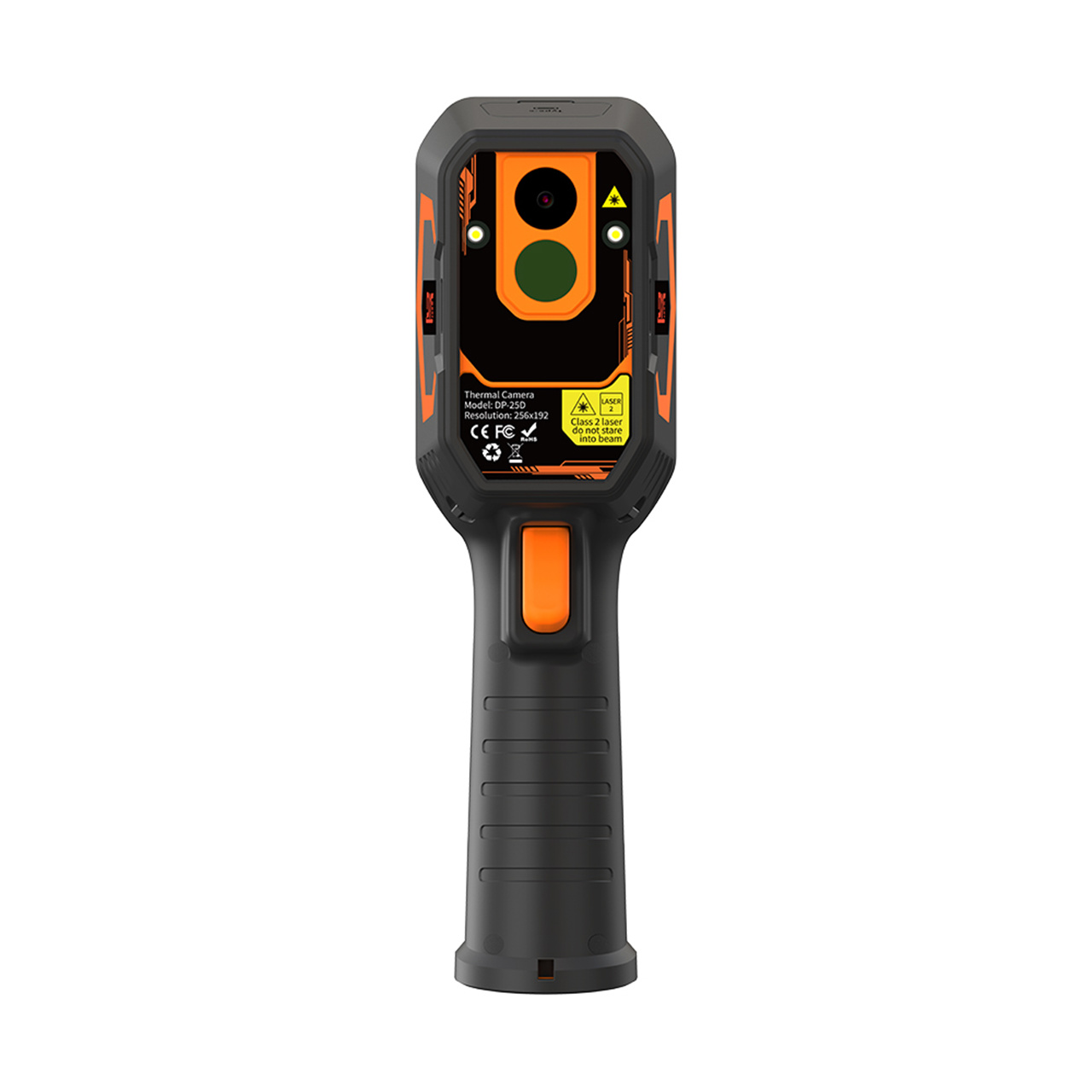
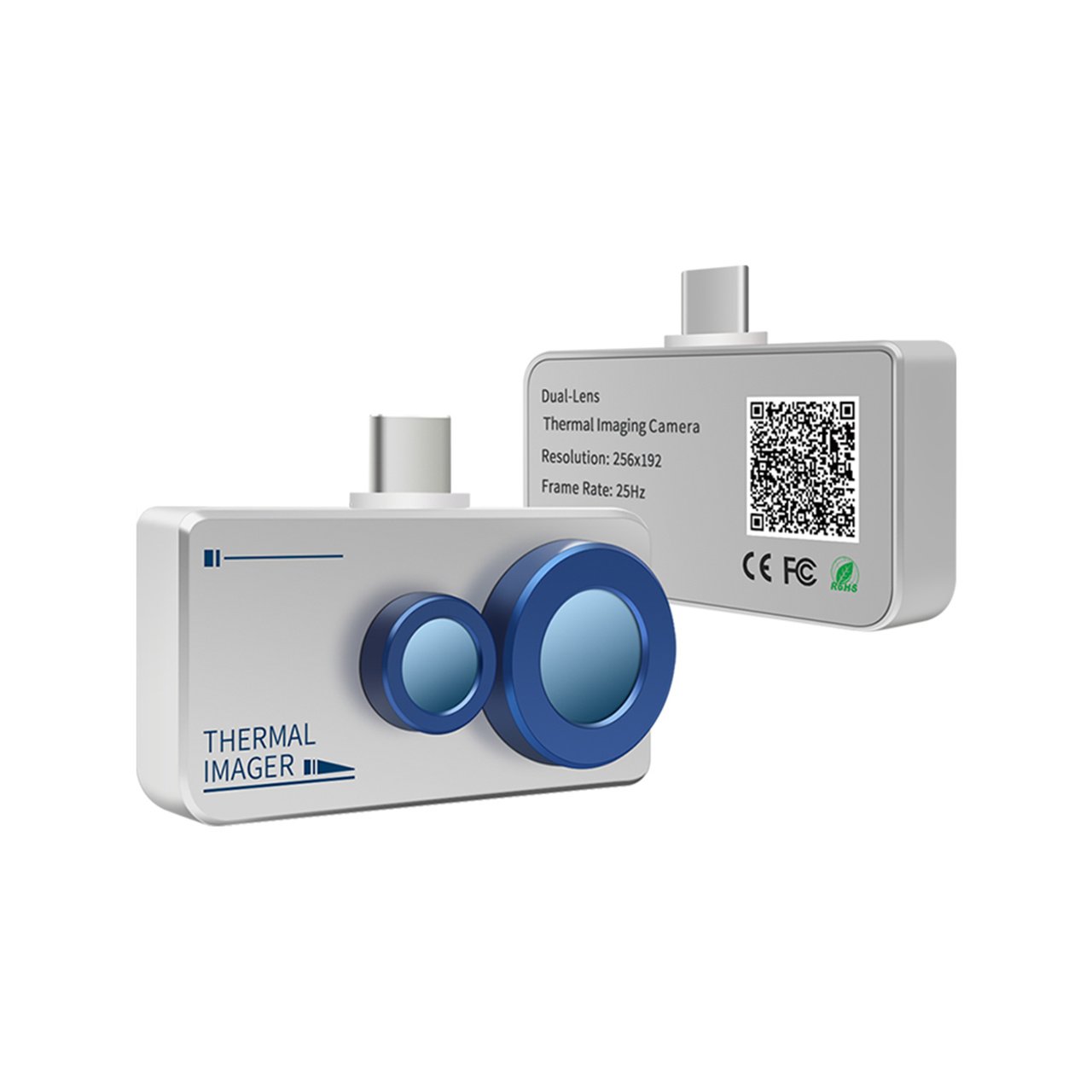
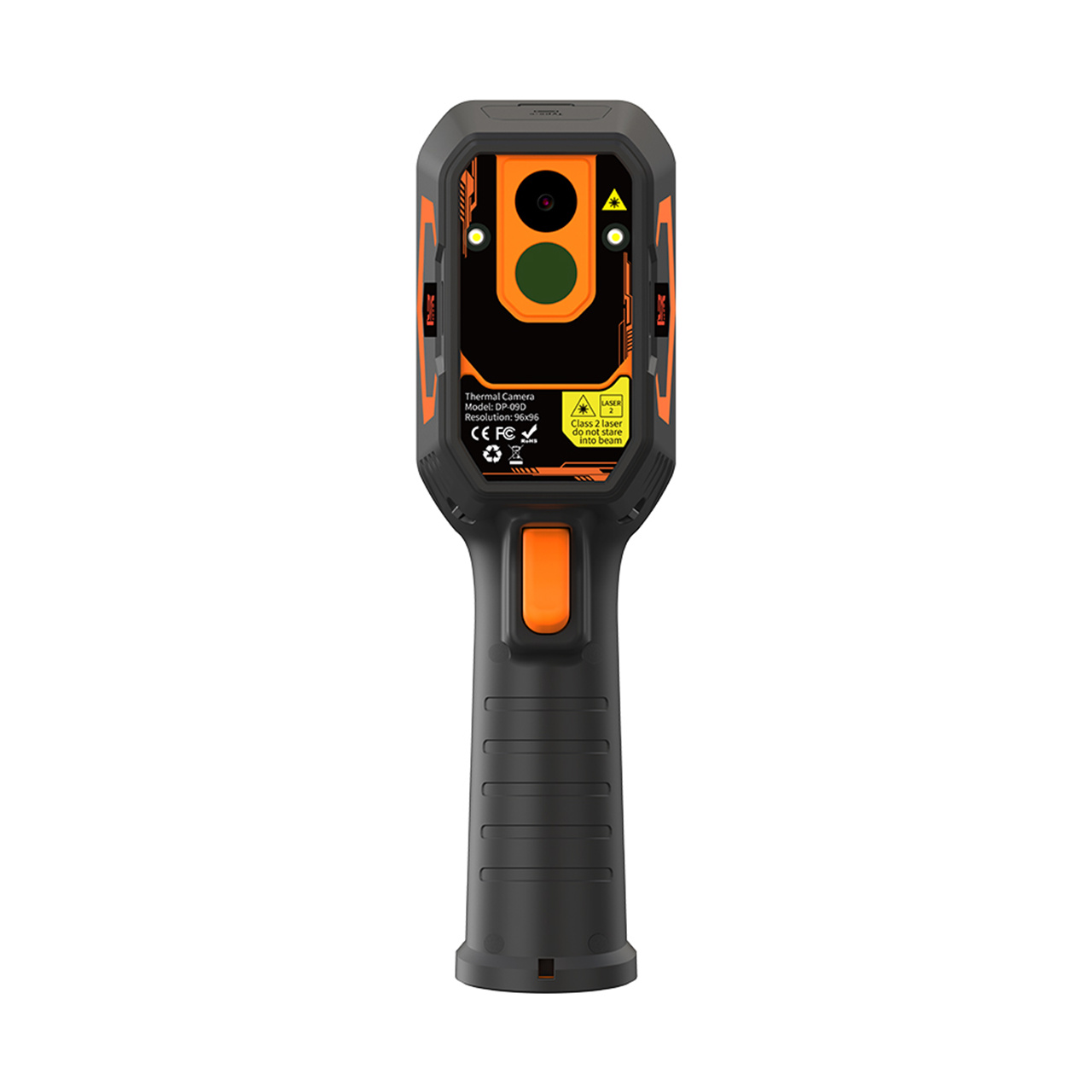
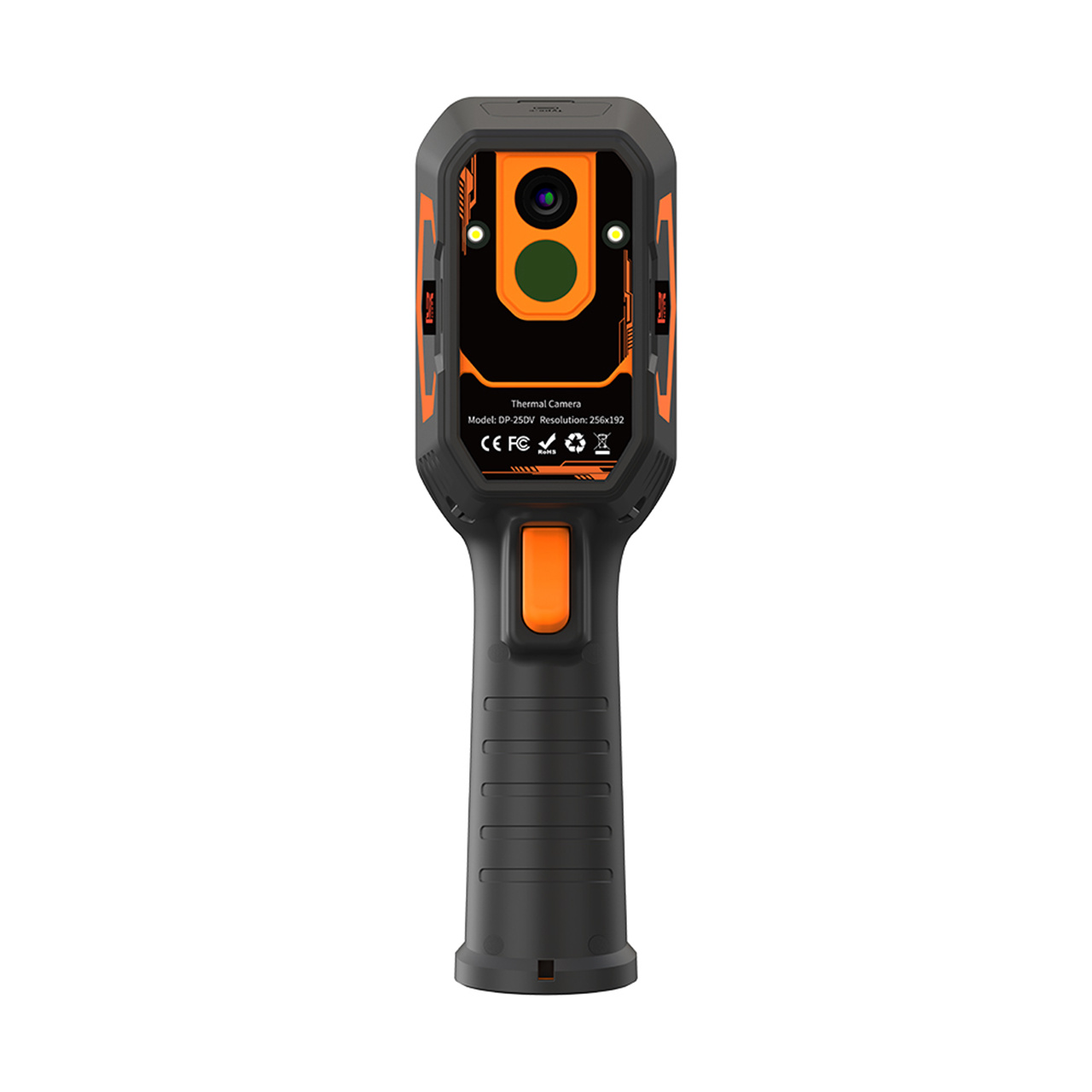
We specialize in ODM/OEM services for infrared thermal imaging solutions, including handheld thermal imagers, smartphone-connected thermal cameras, thermal analyzers, and thermal imaging telescopes. Our products serve global customers in power inspection, building diagnostics, firefighting, industrial maintenance, outdoor applications, and the rapidly growing automotive ADAS sector.
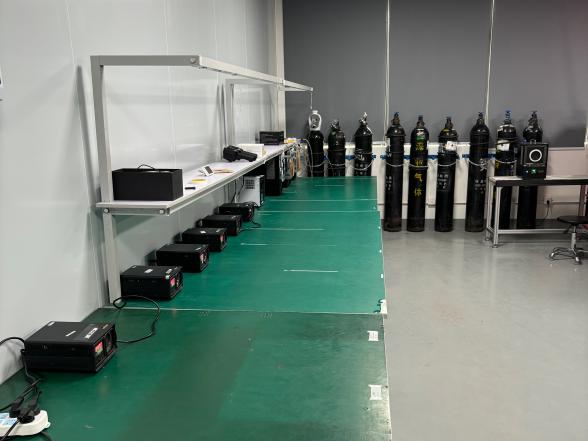
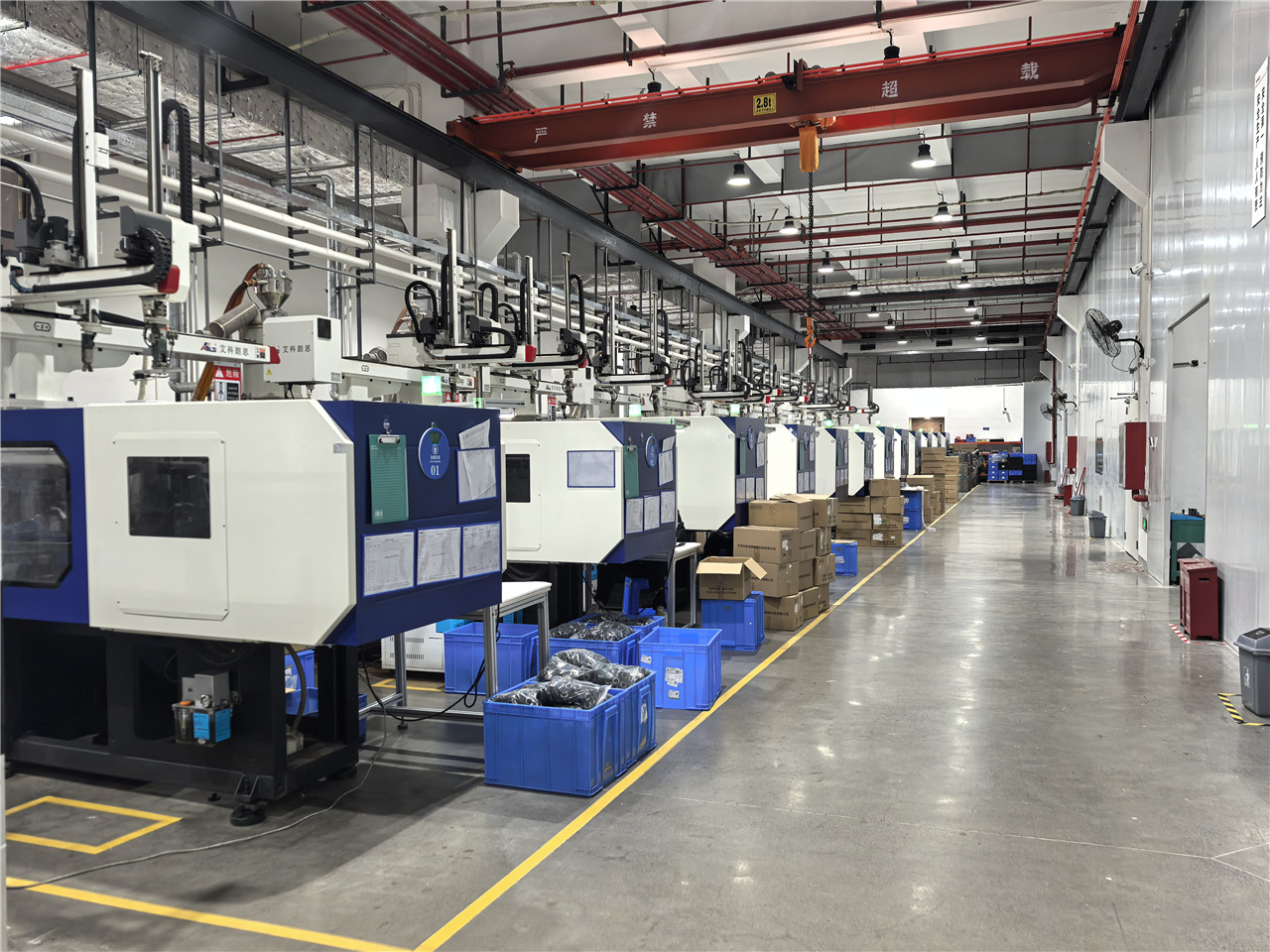
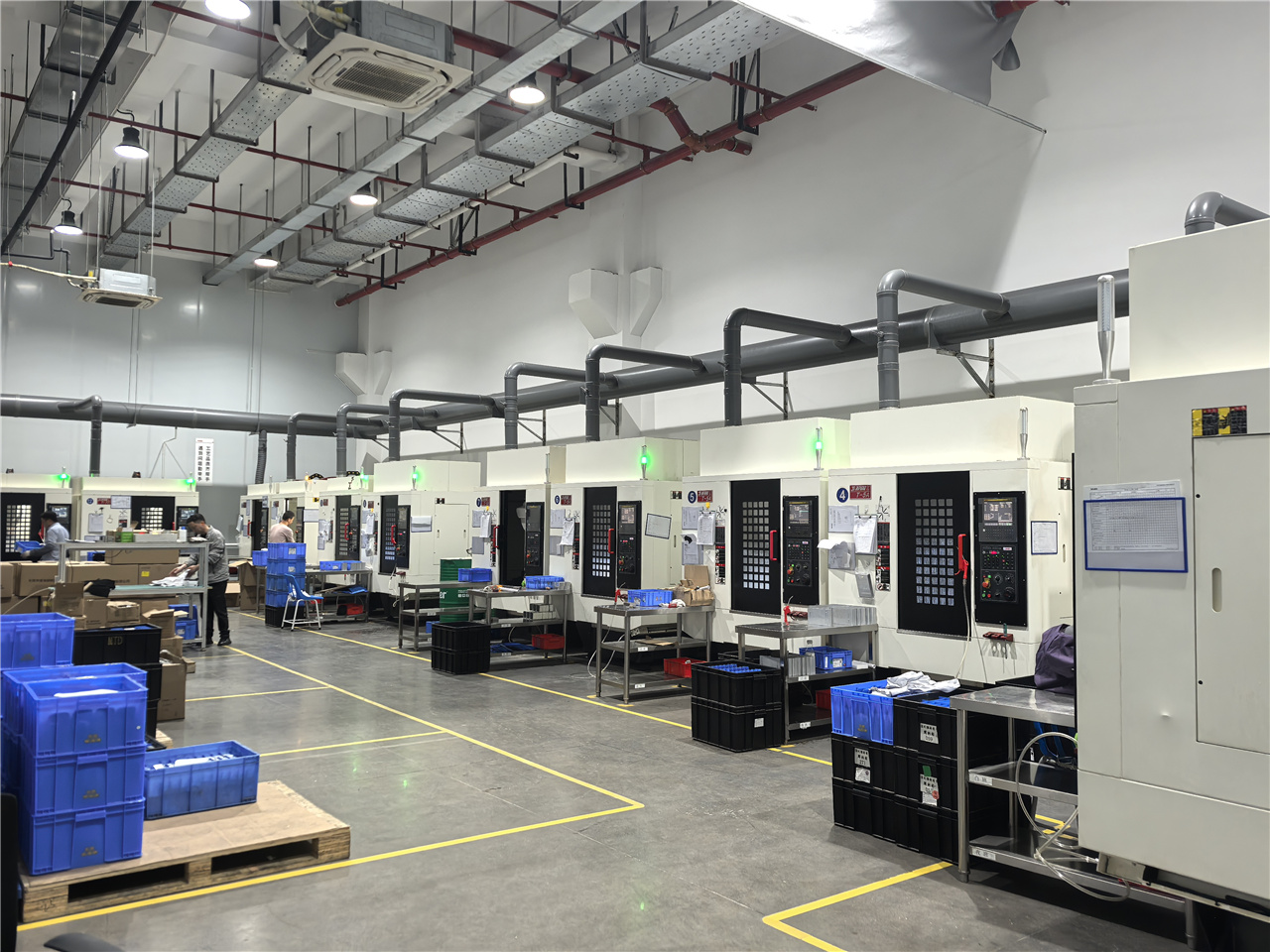
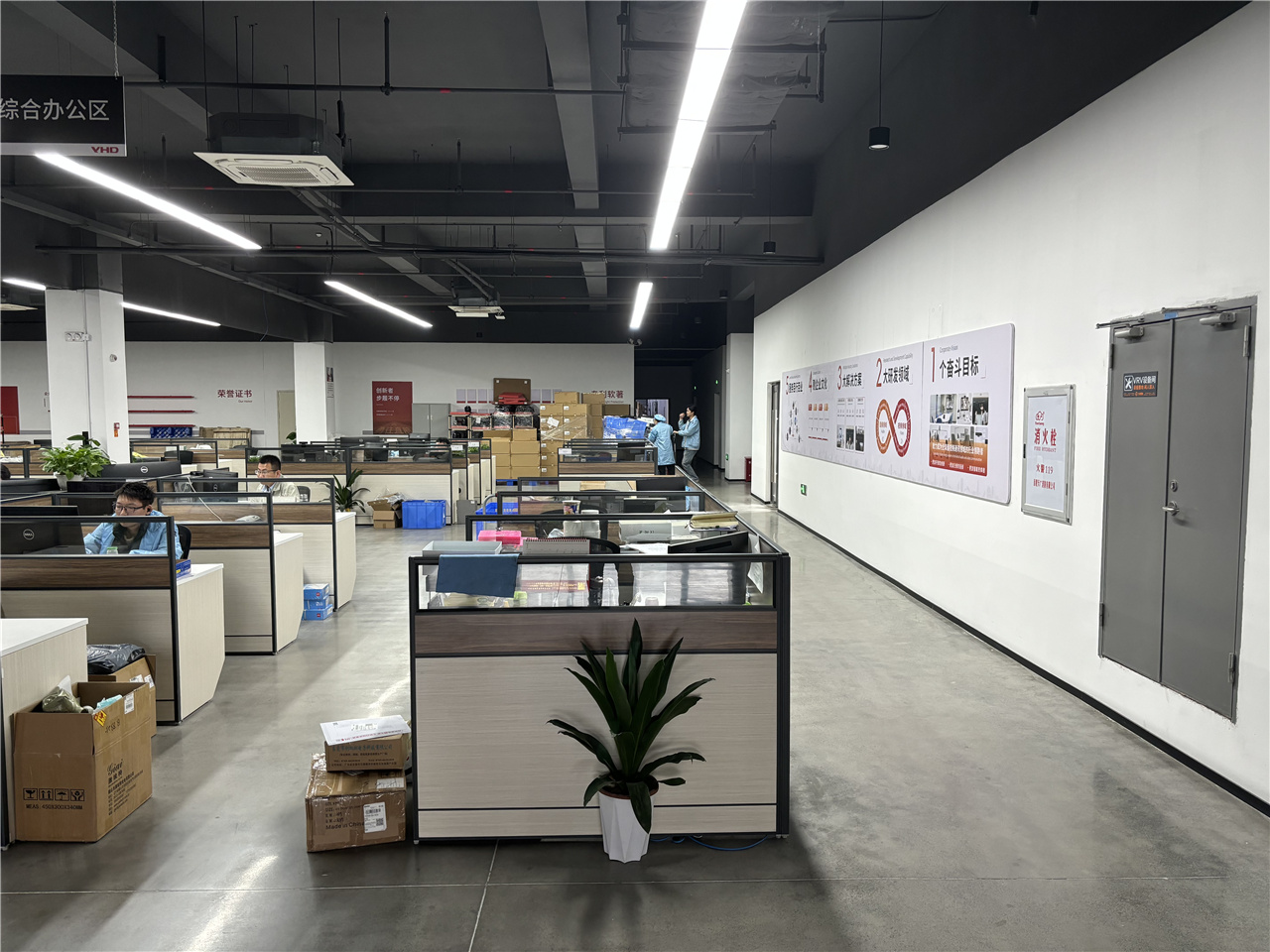
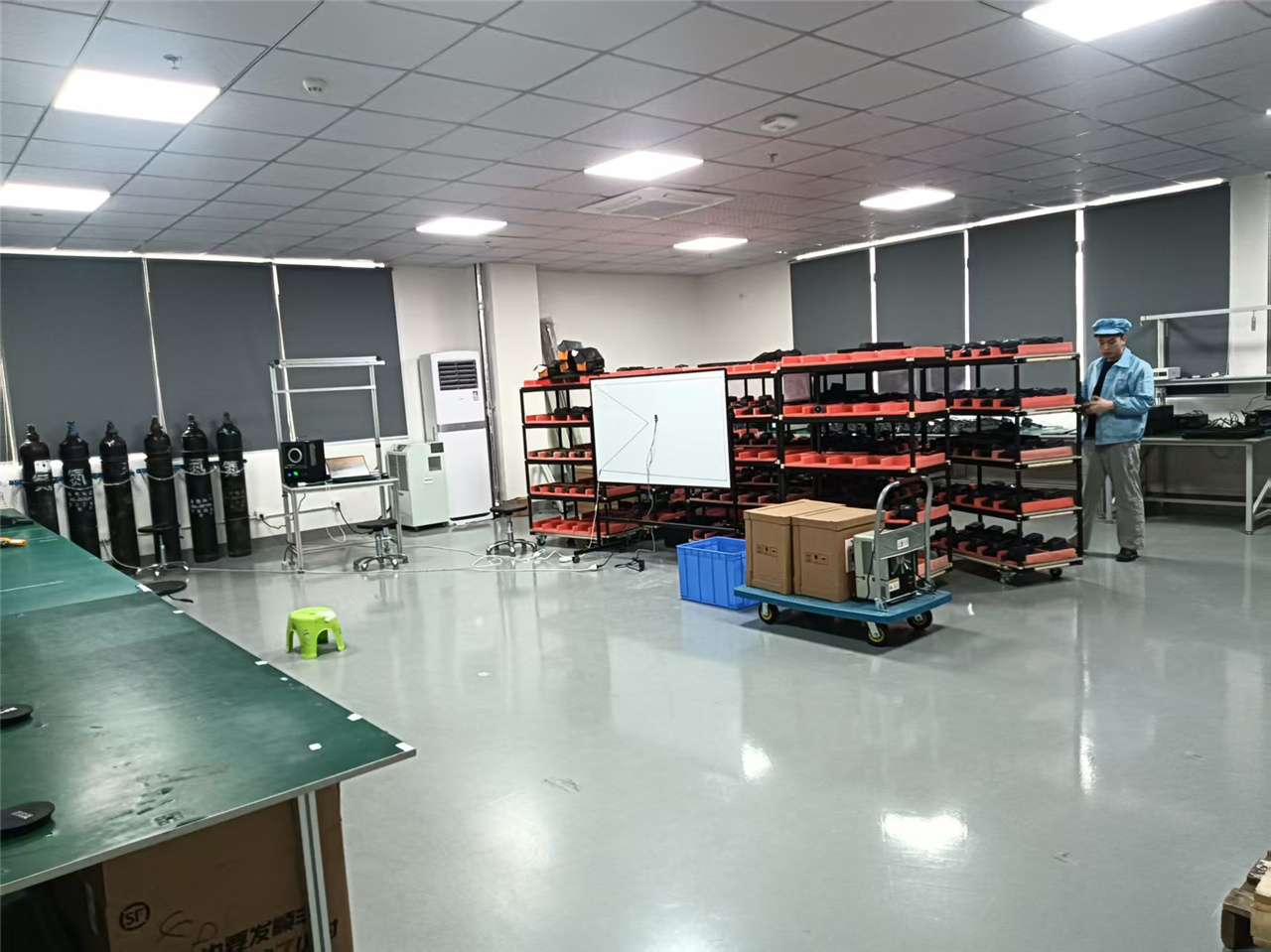
For Israeli automotive and tech companies looking to scale, hardware reliability is non-negotiable. Our dedicated engineering team applies Design for Manufacturing (DFM), Design for Testability (DFT), thermal simulation, and EMC pre-compliance analysis to optimize performance and accelerate development. We understand the strict regulatory environment of the global automotive market, which is why we also support clients in obtaining key certifications such as CE, FCC, RoHS, REACH, CB, UKCA, KC, and PSE.
Our structured New Product Introduction (NPI) process typically delivers certified prototypes within 8–12 weeks. Combined with stable supply chain support and group-level technical resources, we ensure on-time delivery and long-term product reliability for your automotive thermal camera projects in Israel.
By combining focused thermal imaging expertise with the backing of a listed parent company, Dianyang offers a rare blend of agility, quality, and scalability—helping global partners and Israeli tech innovators bring high-performance, certified thermal products to market with absolute confidence.
Explore our comprehensive OEM/ODM catalog. From automotive integration to industrial maintenance and personal smart devices, we provide the thermal hardware that powers Israel's technological innovations.