Leave Your Message
The convergence of automotive thermal imaging technology and building energy audits represents a transformative shift in how we approach energy efficiency analysis. Originally developed for advanced driver-assistance systems (ADAS) and autonomous vehicles, automotive thermal cameras have evolved to become indispensable tools in the building inspection and energy audit industry. These sophisticated devices offer unparalleled precision in detecting thermal anomalies, air leakage, insulation deficiencies, and moisture intrusion—critical factors that impact building energy performance.
Building energy audits have become increasingly crucial as global emphasis on sustainability and energy conservation intensifies. According to recent industry reports, buildings account for approximately 40% of global energy consumption and 36% of CO2 emissions. The implementation of thermal imaging technology in energy audits has demonstrated the potential to reduce building energy consumption by 20-30% through accurate identification of thermal inefficiencies. Automotive-grade thermal cameras, with their superior sensitivity, resolution, and durability, are now leading this transformation.
The commercial and industrial sectors are experiencing unprecedented demand for comprehensive energy audit services. Regulatory frameworks worldwide are mandating regular energy assessments for commercial buildings, while property owners recognize the substantial cost savings achievable through thermal imaging-based energy optimization. The integration of automotive thermal camera technology into building energy audits represents not just a technical advancement, but a fundamental shift toward data-driven, precision-focused energy management strategies.
The thermal imaging market for building energy audits is experiencing robust growth driven by multiple factors. Stringent building energy codes, green building certifications (LEED, BREEAM, Green Star), and corporate sustainability initiatives are creating sustained demand for advanced thermal inspection solutions. The automotive thermal camera segment, leveraging decades of research and development in vehicular safety systems, brings exceptional technological advantages to the building audit sector.
Commercial building owners and facility managers increasingly recognize thermal imaging as an essential preventive maintenance tool. The technology enables early detection of building envelope failures, HVAC system inefficiencies, and electrical system anomalies—issues that, if left unaddressed, can result in substantial energy waste and costly repairs. The return on investment for thermal imaging-based energy audits typically ranges from 6 months to 2 years, making it an economically compelling proposition.
Industrial facilities, particularly in manufacturing, data centers, and logistics, represent a rapidly expanding market segment. These facilities demand high-precision thermal cameras capable of operating in challenging environments while delivering consistent, accurate thermal data. Automotive-grade thermal cameras, designed to withstand extreme temperatures, vibrations, and environmental conditions, are ideally suited for these demanding industrial applications.
Automotive thermal cameras deliver exceptional thermal sensitivity (NETD
High-resolution thermal sensors (640×480 and beyond) provide detailed thermal imagery essential for comprehensive building analysis, allowing auditors to identify specific problem areas with pinpoint accuracy.
Advanced processing capabilities enable real-time thermal data analysis and visualization, facilitating immediate decision-making during energy audit fieldwork and reducing overall audit duration.
Automotive-grade thermal cameras operate across extensive temperature ranges (-20°C to +550°C), accommodating diverse building systems from refrigeration units to industrial heating equipment.
Built to automotive industry standards, these cameras withstand harsh environmental conditions, ensuring reliable performance in challenging audit scenarios including outdoor inspections and industrial facilities.
Seamless integration with building information modeling (BIM) systems, energy management software, and cloud-based reporting platforms enhances workflow efficiency and data management.
The integration of AI and machine learning algorithms with thermal imaging is revolutionizing energy audit capabilities. Advanced AI systems can automatically identify thermal anomalies, classify defect types, and prioritize remediation recommendations. Machine learning models trained on extensive thermal image databases enable predictive analytics, forecasting potential building system failures before they occur. This technology reduces audit time by 40-50% while improving accuracy and consistency of findings.
Cloud platforms are transforming thermal imaging data management and analysis. Real-time data upload, collaborative review capabilities, and automated report generation streamline the audit workflow. Cloud-based systems enable longitudinal analysis, tracking building thermal performance over time and measuring the effectiveness of energy conservation measures. Integration with building management systems creates comprehensive energy intelligence platforms.
The deployment of automotive-grade thermal cameras on unmanned aerial vehicles (UAVs) is expanding the scope and efficiency of building energy audits. Drone-based thermal imaging enables rapid, comprehensive roof and façade inspections of large commercial buildings without requiring scaffolding or lift equipment. This approach reduces audit costs by 30-40% while improving safety and enabling inspection of previously inaccessible areas.
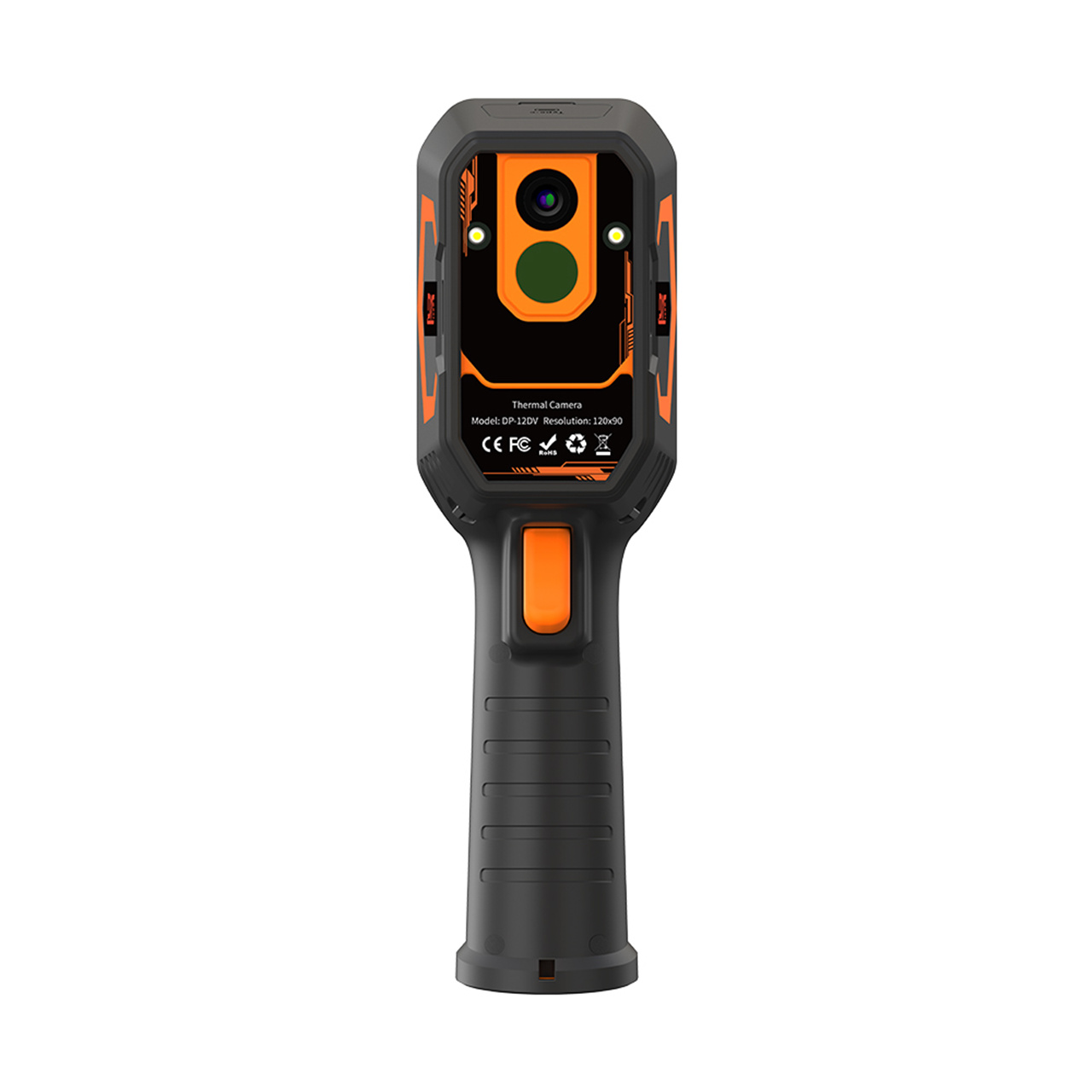
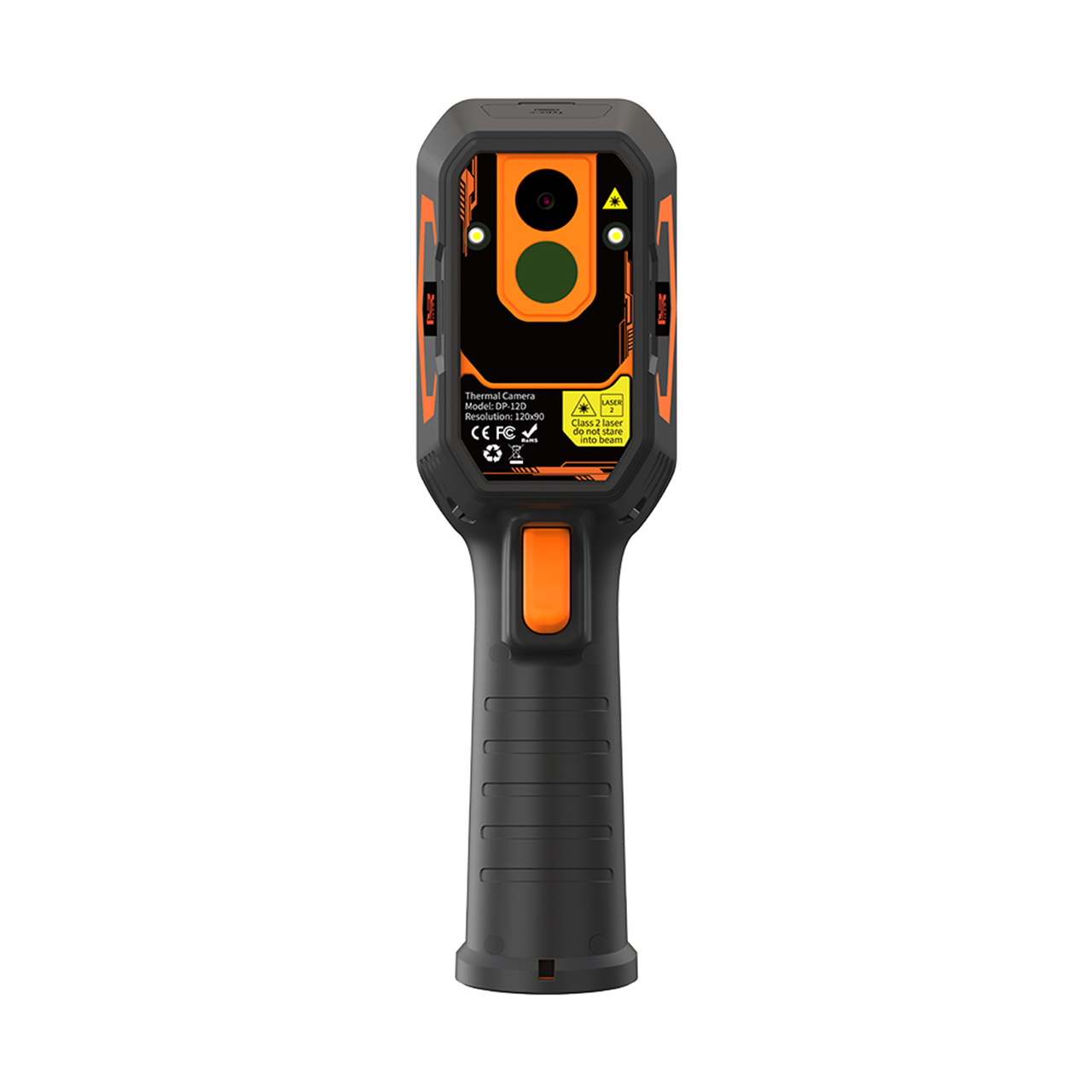
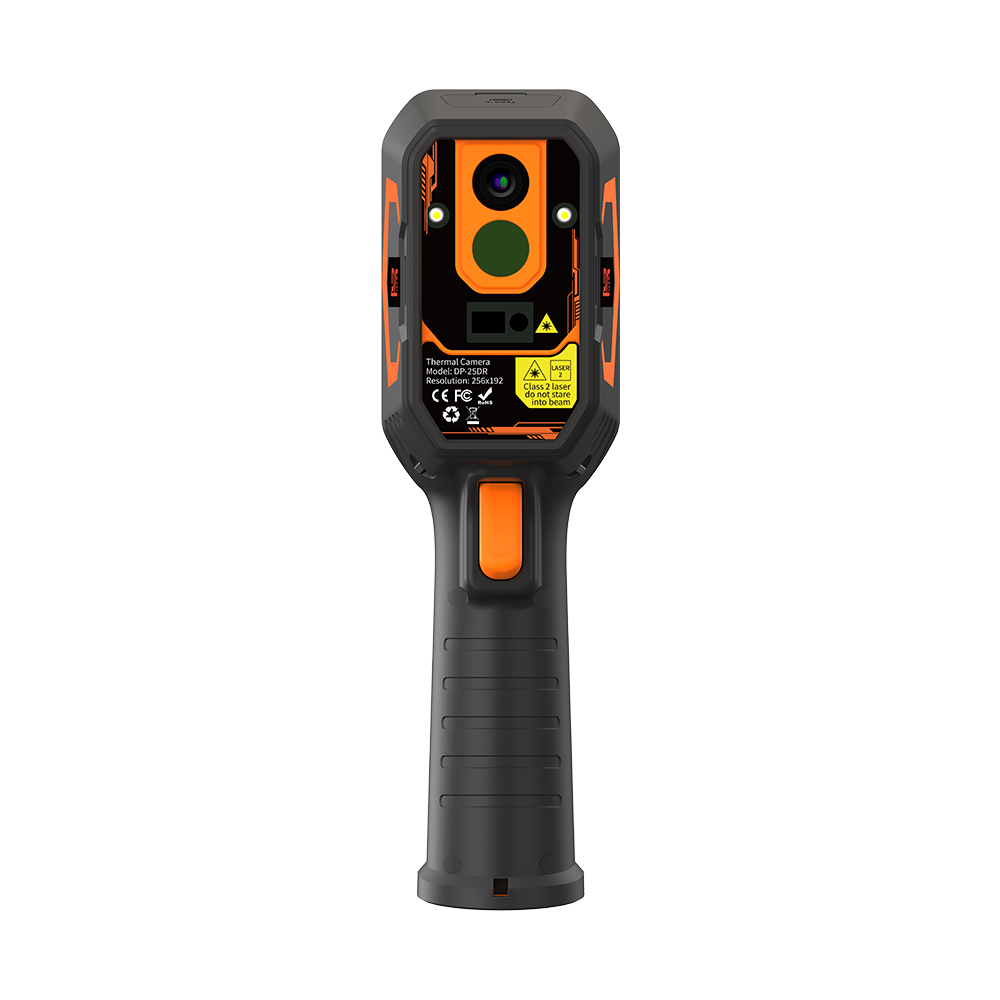
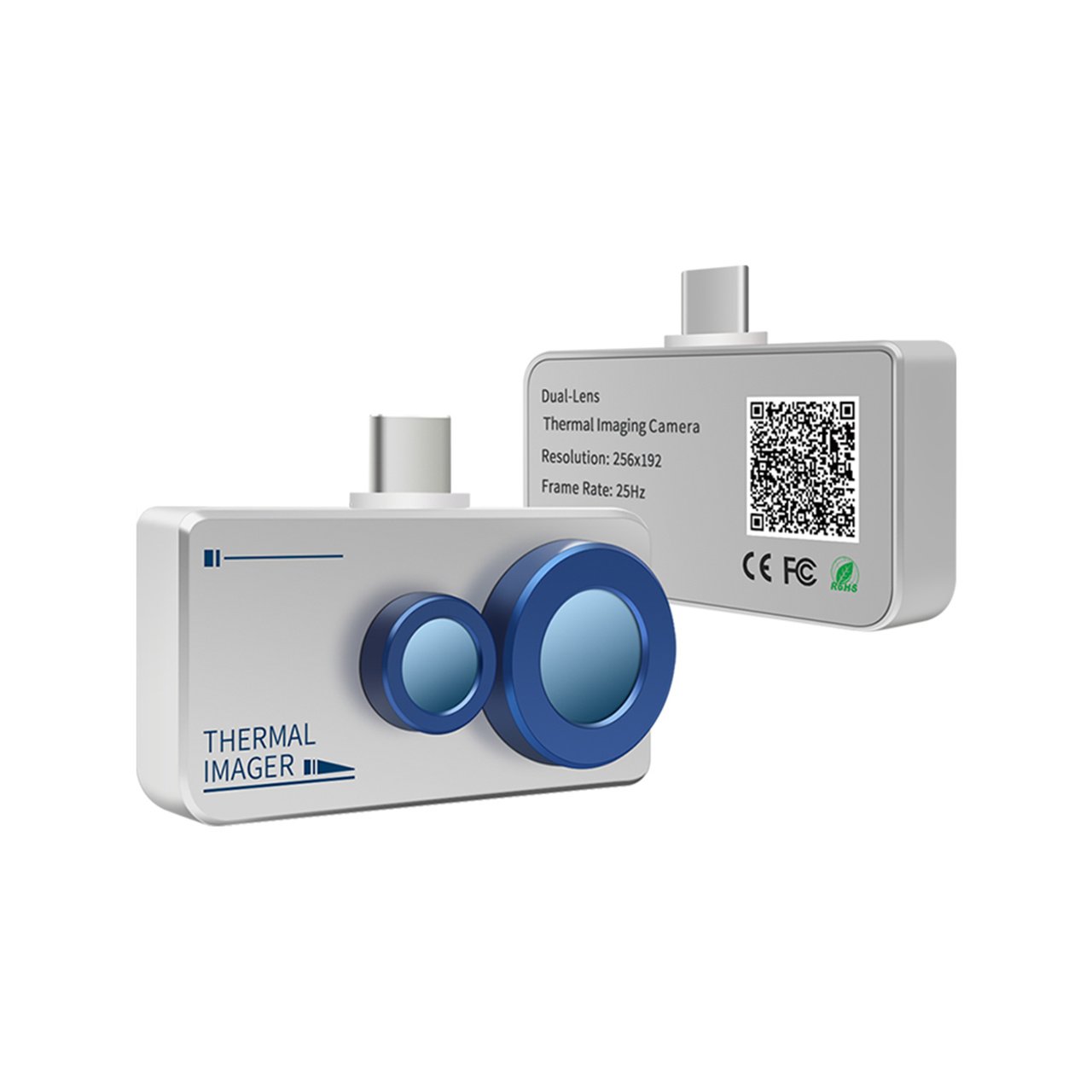
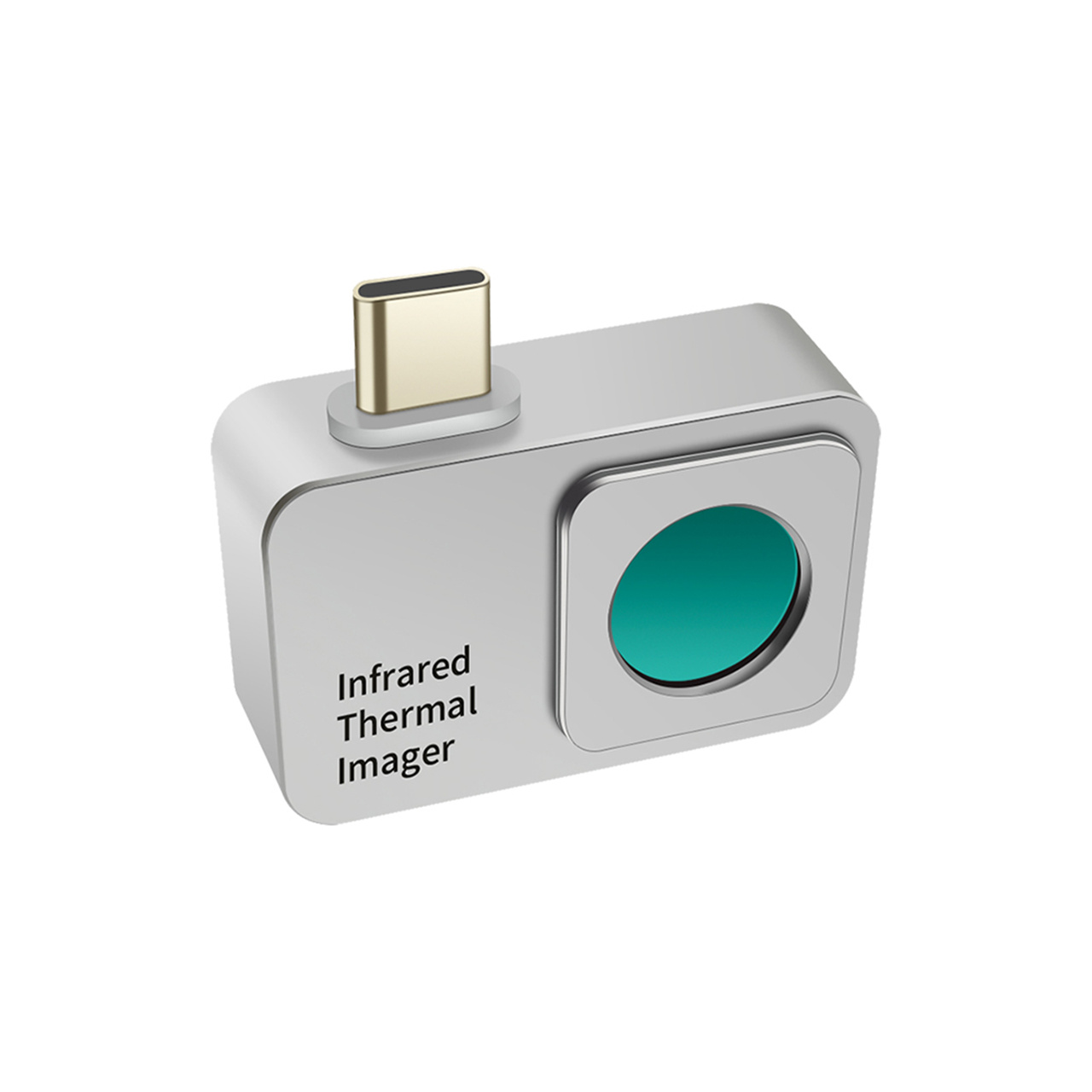
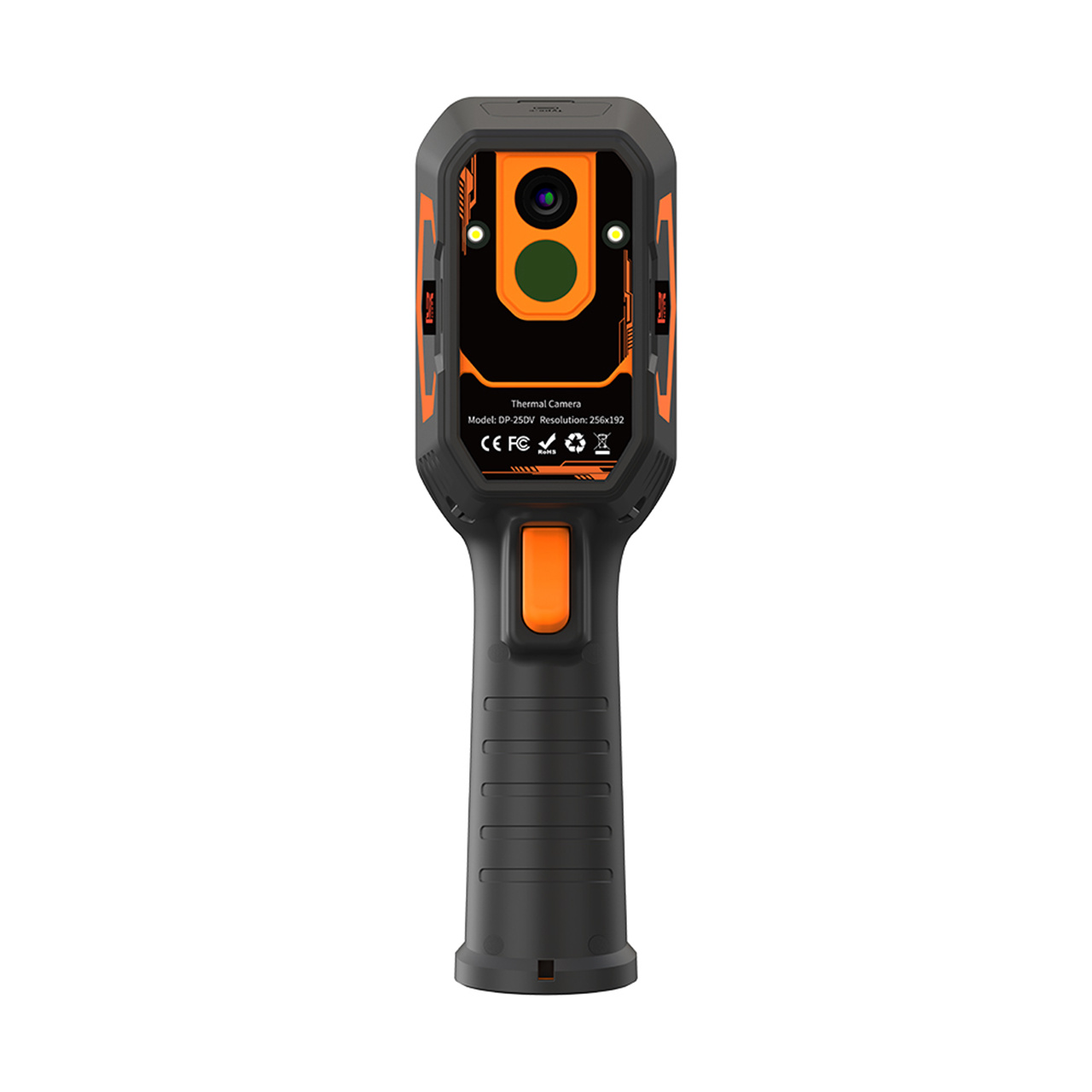
The development of smartphone-compatible thermal cameras and compact handheld devices is democratizing access to thermal imaging technology. These portable solutions enable facility managers and maintenance personnel to conduct routine thermal inspections without specialized equipment or extensive training. Integration with mobile apps provides instant analysis, report generation, and cloud synchronization capabilities.
Increasingly stringent building energy codes and mandatory energy audit requirements are accelerating thermal imaging adoption. The European Union's Energy Performance of Buildings Directive (EPBD), similar regulations in Asia-Pacific markets, and evolving North American standards are creating sustained demand for advanced thermal inspection capabilities. Green building certification programs increasingly require thermal imaging documentation as evidence of energy efficiency measures.
Ongoing advances in uncooled microbolometer technology and quantum detector systems are improving thermal camera performance while reducing costs. Next-generation sensors offer higher resolution, improved thermal sensitivity, and extended spectral ranges. These technological improvements enable detection of increasingly subtle thermal anomalies and expand application possibilities in building energy audits.
Recent studies demonstrate that comprehensive thermal imaging-based energy audits deliver average energy savings of 25-35% in commercial buildings and 20-30% in industrial facilities. For a typical 100,000 square foot commercial building with annual energy costs of $200,000, this translates to $50,000-70,000 in annual savings. The payback period for thermal imaging investment typically ranges from 6-18 months, making it one of the most cost-effective energy efficiency technologies available. Furthermore, thermal imaging identifies issues that prevent costly building system failures—the average cost of an unplanned HVAC system failure in a commercial building exceeds $50,000 when considering equipment replacement, emergency service calls, and business disruption.
Successful implementation of automotive thermal cameras in building energy audits requires understanding several technical considerations. Camera selection must account for the specific audit requirements: building size, system types, and expected thermal ranges. High-resolution cameras (640×480 or greater) are essential for large commercial buildings where detail is critical, while compact handheld units may suffice for residential applications.
Thermal sensitivity (NETD) is particularly important for building envelope assessments where temperature differences may be subtle. Cameras with NETD values below 50mK enable detection of minor insulation deficiencies and air infiltration that lower-sensitivity devices might miss. Field of view considerations impact audit efficiency—wider FOV cameras enable faster building scanning, while narrow FOV provides detailed analysis of specific components.
Environmental conditions significantly affect thermal imaging accuracy. Understanding emissivity values for different building materials, accounting for reflected temperature sources, and conducting audits under appropriate weather conditions are critical for reliable results. Professional energy auditors typically conduct building envelope assessments when the temperature differential between interior and exterior exceeds 10°C (18°F) to ensure adequate thermal contrast.

We provide professional consultation to help you choose the optimal thermal imaging solution based on your application, budget, and technical requirements. Our engineering team can recommend suitable sensors, lenses, temperature ranges, and interface options.
We support full customization, including: Housing & industrial design, PCB and hardware customization, Firmware / APP / PC software development, Branding, packaging, and UI customization, Specialized algorithms (temperature analysis, AI/ML, etc.). Our R&D team works closely with you from concept to mass production.
We offer detailed datasheets, SDK/API, integration guidelines, and sample testing reports to ensure clear understanding before purchase.
Evaluation samples are available for testing and validation. We provide quick dispatch and technical support during your trial phase.

Each project is assigned a dedicated project manager and engineer to ensure smooth communication, timely updates, and technical alignment.
We implement strict QC standards, including incoming testing, calibration, NUC tests, aging tests, and final inspections. All units follow ISO-based production workflows.
We support small-batch pilot runs, medium-volume scaling, and mass production with stable lead times and cost-effective solutions.
Production progress, inspection reports, and shipping timelines are shared with customers to ensure full transparency.
Our engineering team provides prompt technical support for integration, SDK usage, firmware configuration, and product debugging.
All products come with a standard warranty. We offer: Free repair or replacement for manufacturing defects, Paid maintenance for out-of-warranty products, Fast turnaround for urgent cases.
We regularly release firmware updates, bug fixes, and feature improvements to enhance product performance and stability.
We commit to stable supply, component lifecycle management, and long-term product support to ensure your business continuity.

Discover how automotive-grade thermal imaging technology can revolutionize your energy efficiency assessments and deliver measurable cost savings.