Leave Your Message
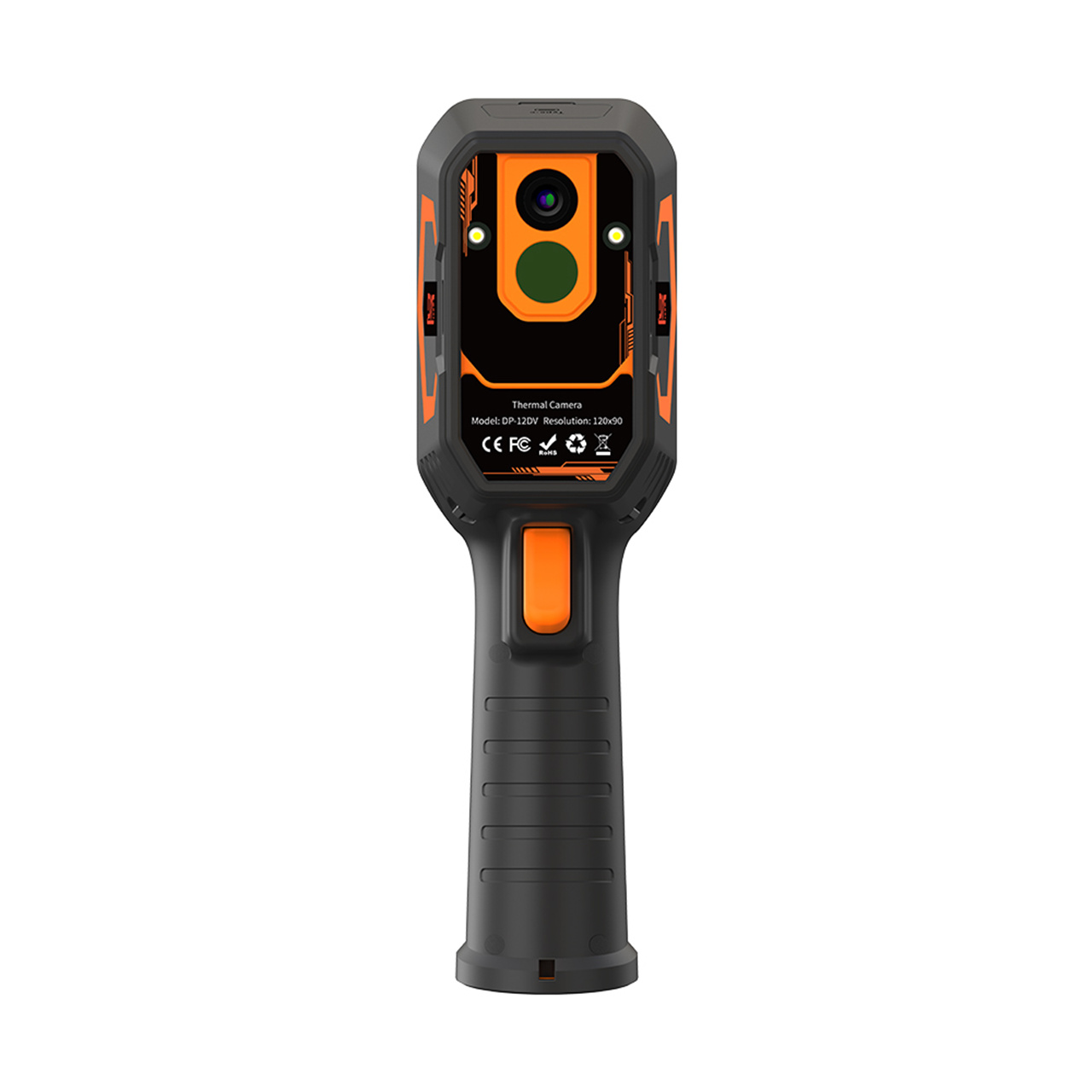
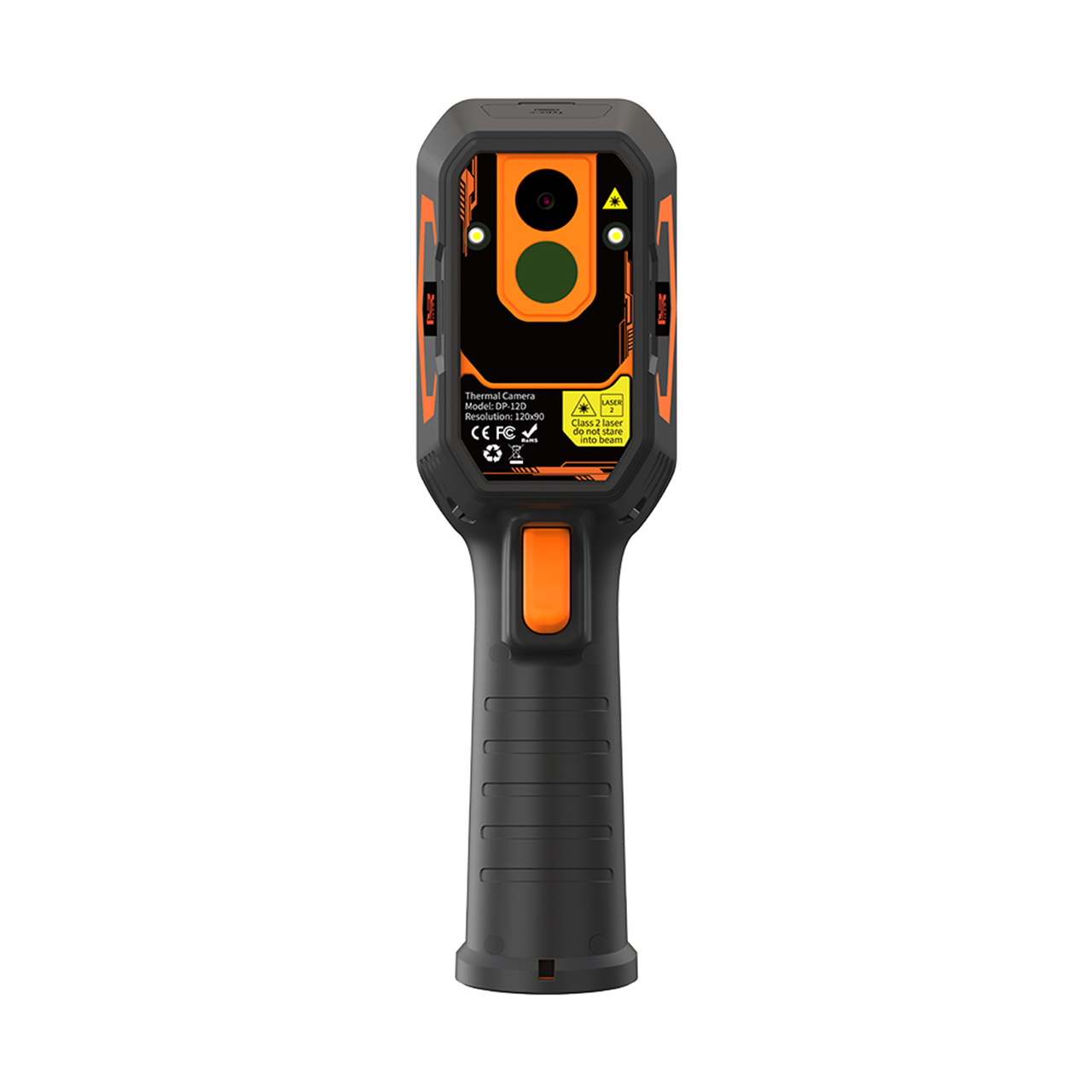
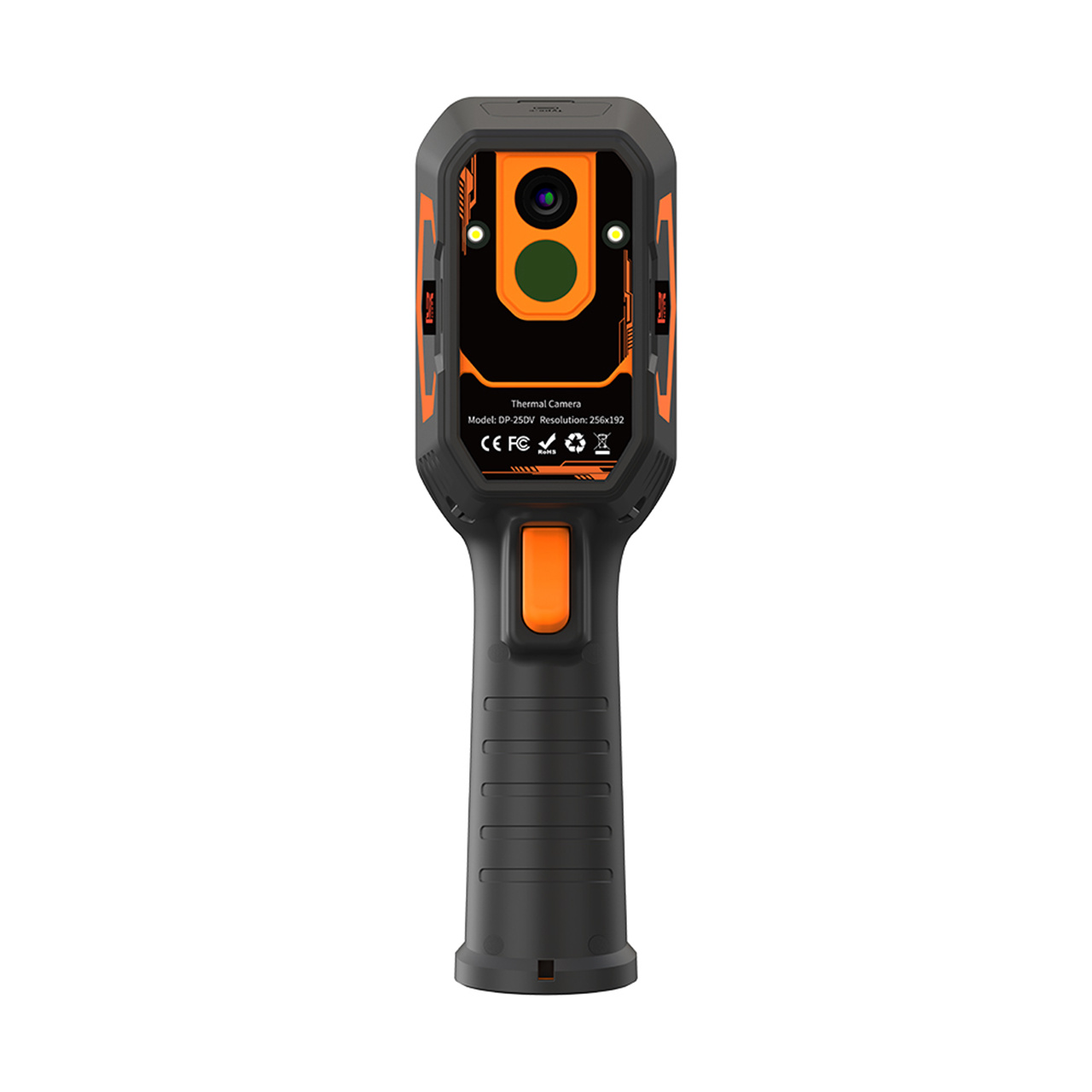
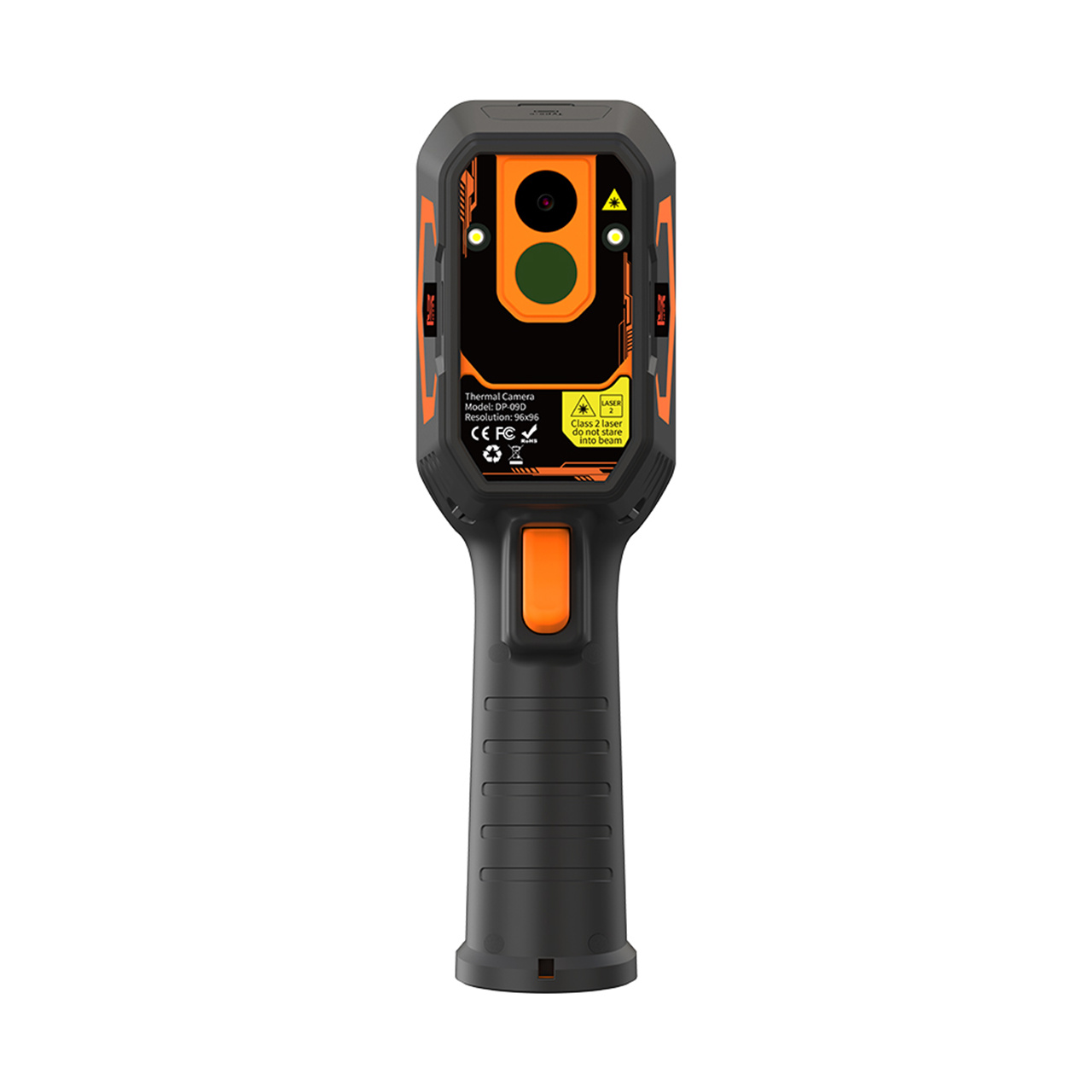
Electrical substations form the backbone of modern power distribution networks, managing the transformation and distribution of electricity from generation sources to end users. Within these critical infrastructures, battery backup systems serve as essential safety nets, ensuring continuous operation during power failures and supporting critical control systems. The maintenance and monitoring of these battery systems have evolved significantly with the introduction of thermal imaging technology, particularly battery thermal cameras designed specifically for electrical substation applications.
The global electrical substation equipment market is experiencing unprecedented growth, driven by increasing energy demands, grid modernization initiatives, and the integration of renewable energy sources. Battery thermal cameras have emerged as indispensable tools in this landscape, addressing the growing need for predictive maintenance and real-time monitoring. According to recent industry analyses, the thermal imaging market for industrial applications is projected to reach $8.9 billion by 2027, with electrical utilities representing one of the fastest-growing segments.
Modern substations typically employ large-scale battery banks, often consisting of hundreds of individual cells configured in series and parallel arrangements. These systems face numerous operational challenges including thermal runaway risks, cell imbalances, connection deterioration, and environmental stress. Traditional maintenance approaches rely on periodic manual inspections and voltage measurements, which often fail to detect early-stage thermal anomalies that precede catastrophic failures.
Battery thermal cameras provide non-contact, real-time temperature mapping of entire battery banks, enabling maintenance teams to identify problematic cells, connection points, and environmental hotspots before they escalate into serious failures. Unlike conventional inspection methods, thermal imaging can detect temperature differentials as small as 0.1°C, revealing issues invisible to the naked eye or standard electrical testing equipment. This capability is particularly crucial for lithium-ion battery systems, where thermal management directly impacts safety and longevity.
The integration of thermal cameras into substation maintenance programs represents a fundamental shift from reactive to predictive maintenance strategies. By establishing thermal baselines and monitoring temperature trends over time, facility managers can schedule interventions during planned outages rather than responding to emergency failures. This approach significantly reduces downtime costs, extends equipment lifespan, and improves overall system reliability.
Battery thermal cameras enable comprehensive thermal surveys of substation battery rooms during routine maintenance windows. Technicians can rapidly scan entire battery banks, documenting thermal patterns and identifying cells operating outside normal temperature ranges. Modern thermal cameras with high-resolution sensors (384×288 pixels or higher) can capture detailed thermal images from safe distances, reducing exposure to electrical hazards while maintaining inspection accuracy. The ability to store and compare thermal images over time creates valuable historical data for trend analysis and lifecycle management.
When battery system alarms trigger or unexpected behavior occurs, thermal cameras provide immediate diagnostic capabilities. Maintenance teams can quickly locate overheating cells, failed connections, or cooling system malfunctions without extensive disassembly or electrical testing. This rapid response capability is particularly valuable in critical substations where extended downtime directly impacts service reliability and regulatory compliance. The visual nature of thermal imaging also facilitates communication between field technicians and engineering support teams, enabling faster decision-making during emergency situations.
During new battery system installations or major upgrades, thermal cameras verify proper installation and initial performance. Thermal imaging can reveal installation defects such as loose connections, inadequate ventilation, or cell imbalances that might not be apparent through electrical testing alone. Establishing thermal baselines during commissioning provides reference data for future maintenance activities and warranty claims. This documentation proves increasingly important as battery systems become more sophisticated and warranty requirements more stringent.
Beyond battery monitoring, thermal cameras assess environmental conditions within battery rooms and substation enclosures. Inadequate cooling, air circulation problems, or HVAC system failures create temperature gradients that accelerate battery degradation. Thermal imaging identifies these environmental issues, enabling targeted improvements to cooling systems and ventilation designs. This holistic approach to thermal management extends battery life and reduces energy consumption associated with environmental control systems.
Artificial intelligence and machine learning algorithms are being integrated with thermal imaging systems to automate anomaly detection and predict failure modes. These smart systems learn normal thermal patterns and automatically flag deviations, reducing the expertise required for thermal image interpretation and enabling continuous automated monitoring.
Modern battery thermal cameras increasingly feature wireless connectivity and cloud integration, enabling remote monitoring and centralized data management across multiple substations. This connectivity supports enterprise-wide asset management strategies and facilitates collaboration between distributed maintenance teams.
Sensor technology continues advancing, with higher resolution thermal detectors becoming more affordable. Cameras with 640×480 or even 1024×768 resolution enable detailed inspection from greater distances and improve detection of subtle thermal anomalies in complex battery configurations.
Regulatory bodies and industry standards organizations increasingly recognize thermal imaging as a best practice for electrical asset maintenance. Standards such as NFPA 70B (Recommended Practice for Electrical Equipment Maintenance) and IEEE 450 (Recommended Practice for Maintenance, Testing, and Replacement of Vented Lead-Acid Batteries) now reference thermal imaging as recommended inspection methodology. Insurance companies also incentivize thermal inspection programs through reduced premiums, recognizing the risk mitigation benefits of proactive thermal monitoring.
The rapid growth of grid-scale energy storage systems presents new challenges and opportunities for battery thermal monitoring. Large-scale lithium-ion installations require more sophisticated thermal management than traditional lead-acid systems, with tighter temperature tolerances and greater consequences for thermal excursions. Battery thermal cameras designed for substation applications must evolve to address these emerging requirements, including higher sensitivity, faster scanning capabilities, and integration with battery management systems.
As thermal imaging becomes standard practice in substation maintenance, workforce training requirements expand accordingly. Effective thermal inspection requires understanding of both thermal imaging principles and electrical system characteristics. Leading utilities and maintenance organizations are developing comprehensive training programs that combine thermal imaging certification with electrical safety and battery system expertise. This investment in human capital ensures that sophisticated thermal imaging tools deliver maximum value through proper application and interpretation.
Shenzhen Dianyang Technology Co., Ltd. is a subsidiary of VHD (Shenzhen VHD Technology Co., Ltd.), a publicly listed company on the Shenzhen Stock Exchange. This strategic affiliation gives Dianyang unique access to VHD's advanced R&D platforms, high-precision manufacturing systems, and rigorous quality management practices—enabling us to deliver thermal imaging products of higher reliability and consistency than typical ODMs.
We specialize in ODM/OEM services for infrared thermal imaging solutions, including handheld thermal imagers, smartphone-connected thermal cameras, thermal analyzers, and thermal imaging telescopes. Our products serve global customers in power inspection, building diagnostics, firefighting, industrial maintenance, and outdoor applications.
Our dedicated engineering team applies Design for Manufacturing (DFM), Design for Testability (DFT), thermal simulation, and EMC pre-compliance analysis to optimize performance and accelerate development. We also support clients in obtaining key certifications such as CE, FCC, RoHS, REACH, CB, UKCA, KC, and PSE.
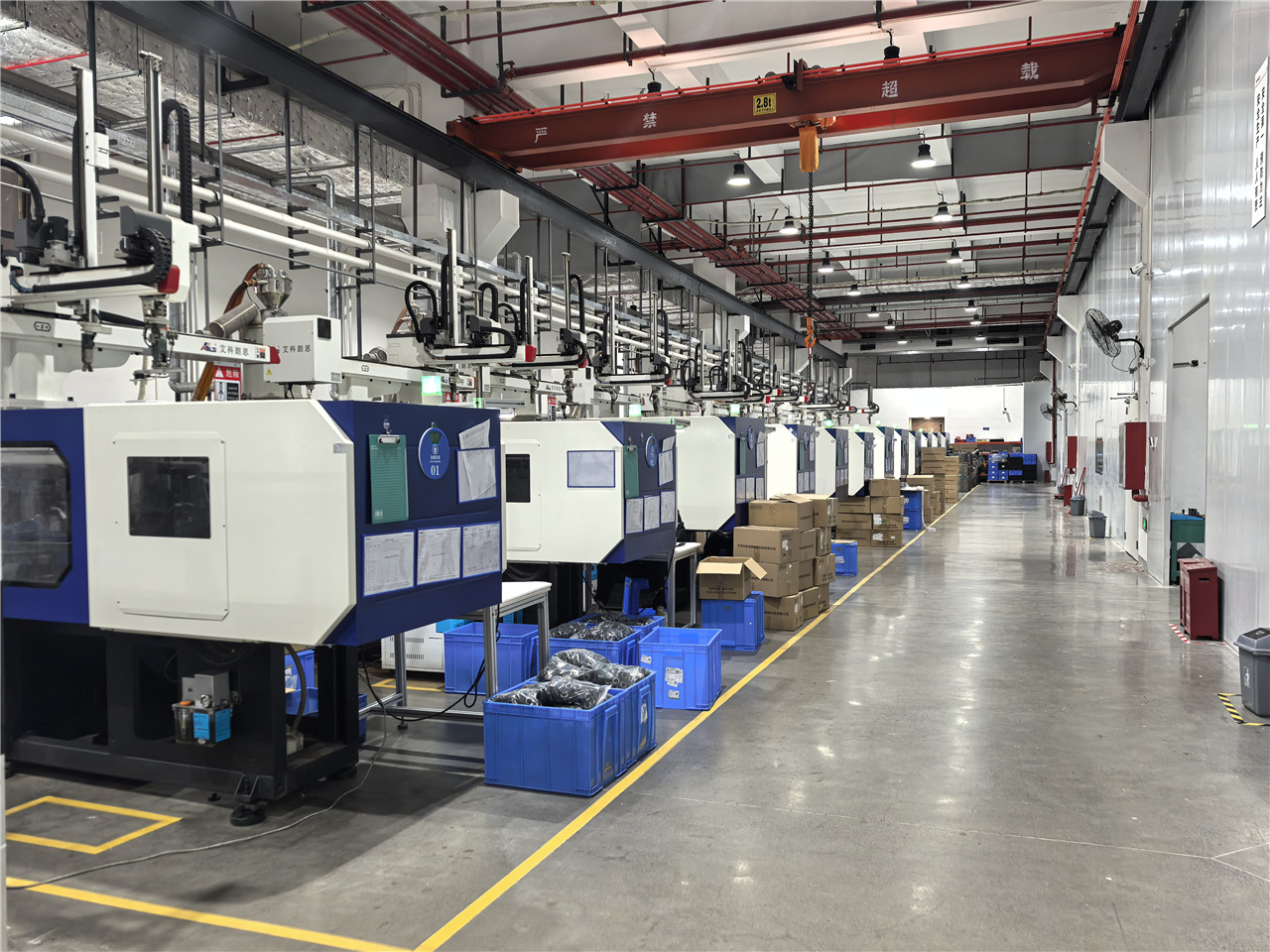
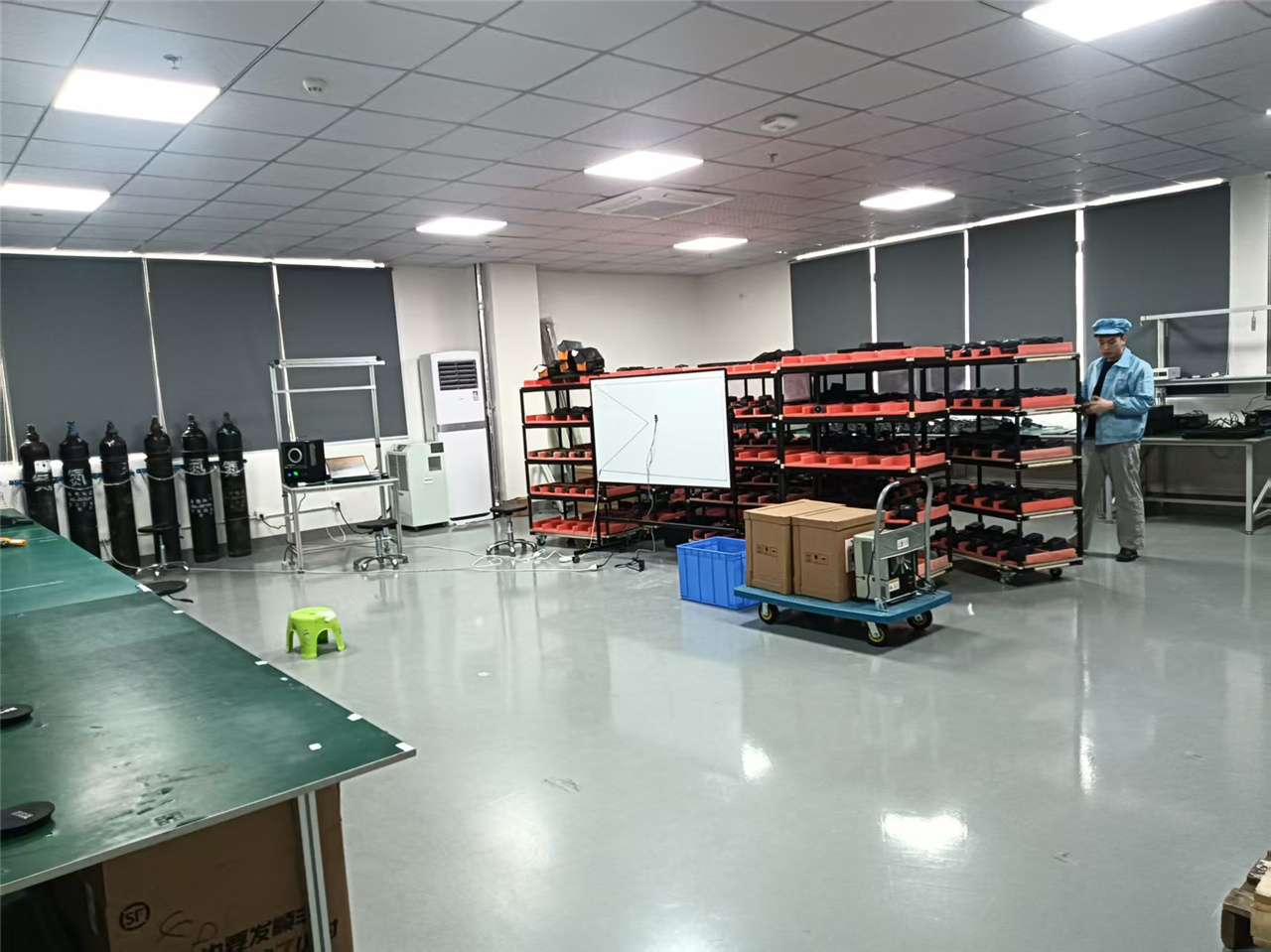
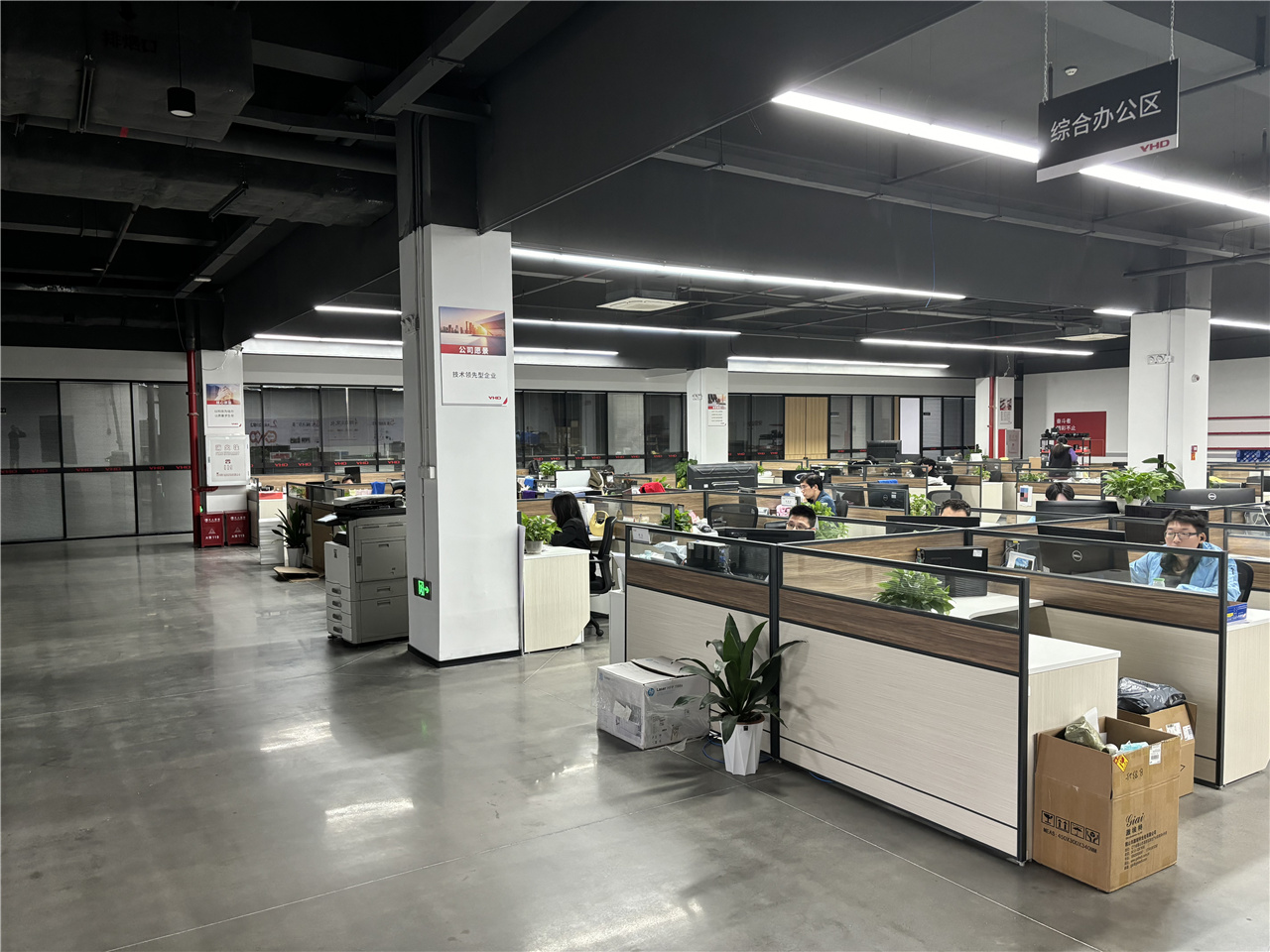
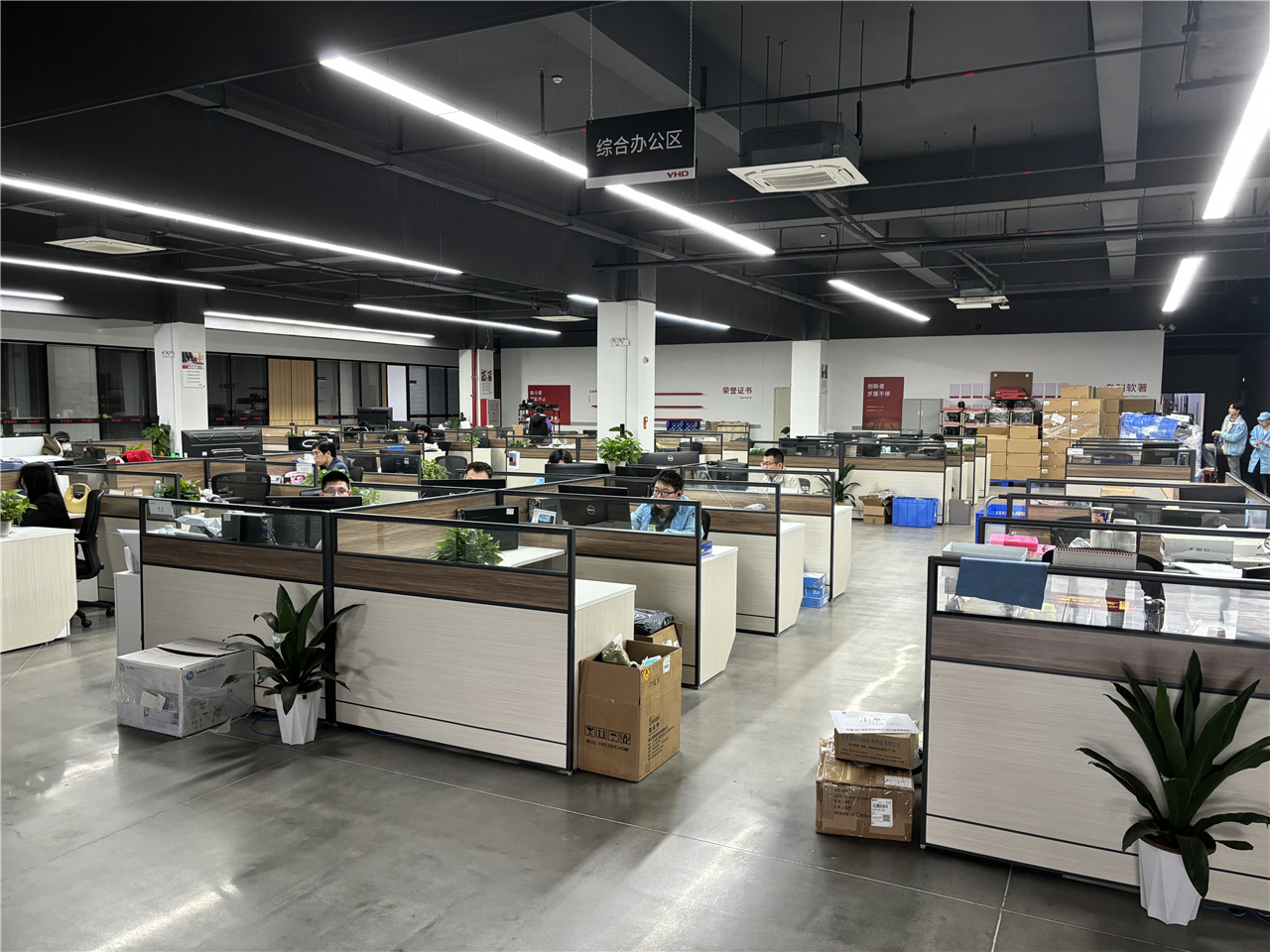
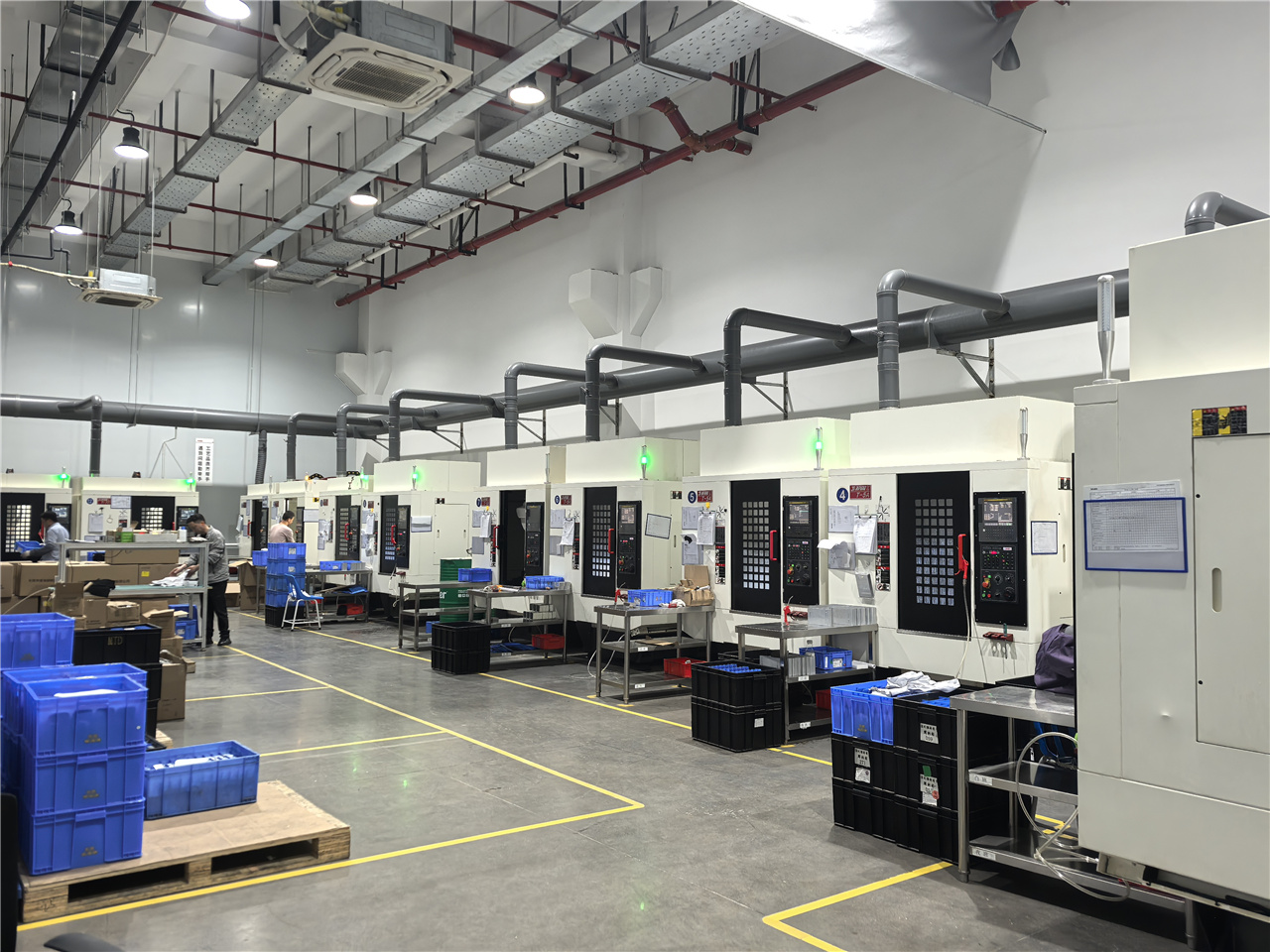
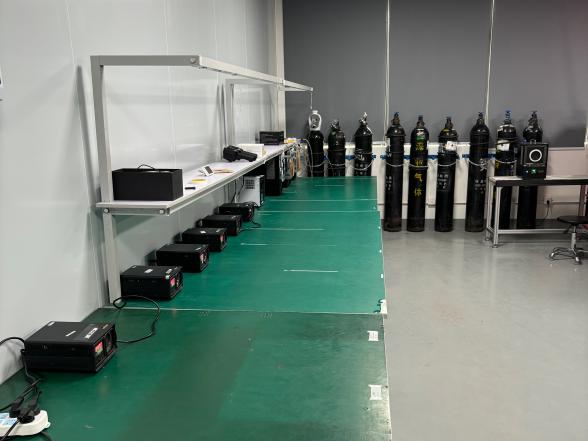
Our structured NPI process typically delivers certified prototypes within 8–12 weeks. Combined with stable supply chain support and group-level technical resources, we ensure on-time delivery and long-term product reliability.
By combining focused thermal imaging expertise with the backing of a listed parent company, Dianyang offers a rare blend of agility, quality, and scalability—helping global partners bring high-performance, certified thermal products to market with confidence.