Leave Your Message
In today's rapidly evolving electronics industry, printed circuit boards (PCBs) have become increasingly complex, with higher component density, multi-layer designs, and sophisticated power management systems. As battery-powered devices proliferate across consumer electronics, industrial equipment, medical devices, and automotive applications, the need for precise thermal diagnostics has never been more critical. Battery thermal cameras have emerged as indispensable tools for PCB board troubleshooting, offering engineers and technicians the ability to visualize temperature distributions in real-time, identify thermal anomalies, and prevent catastrophic failures before they occur.
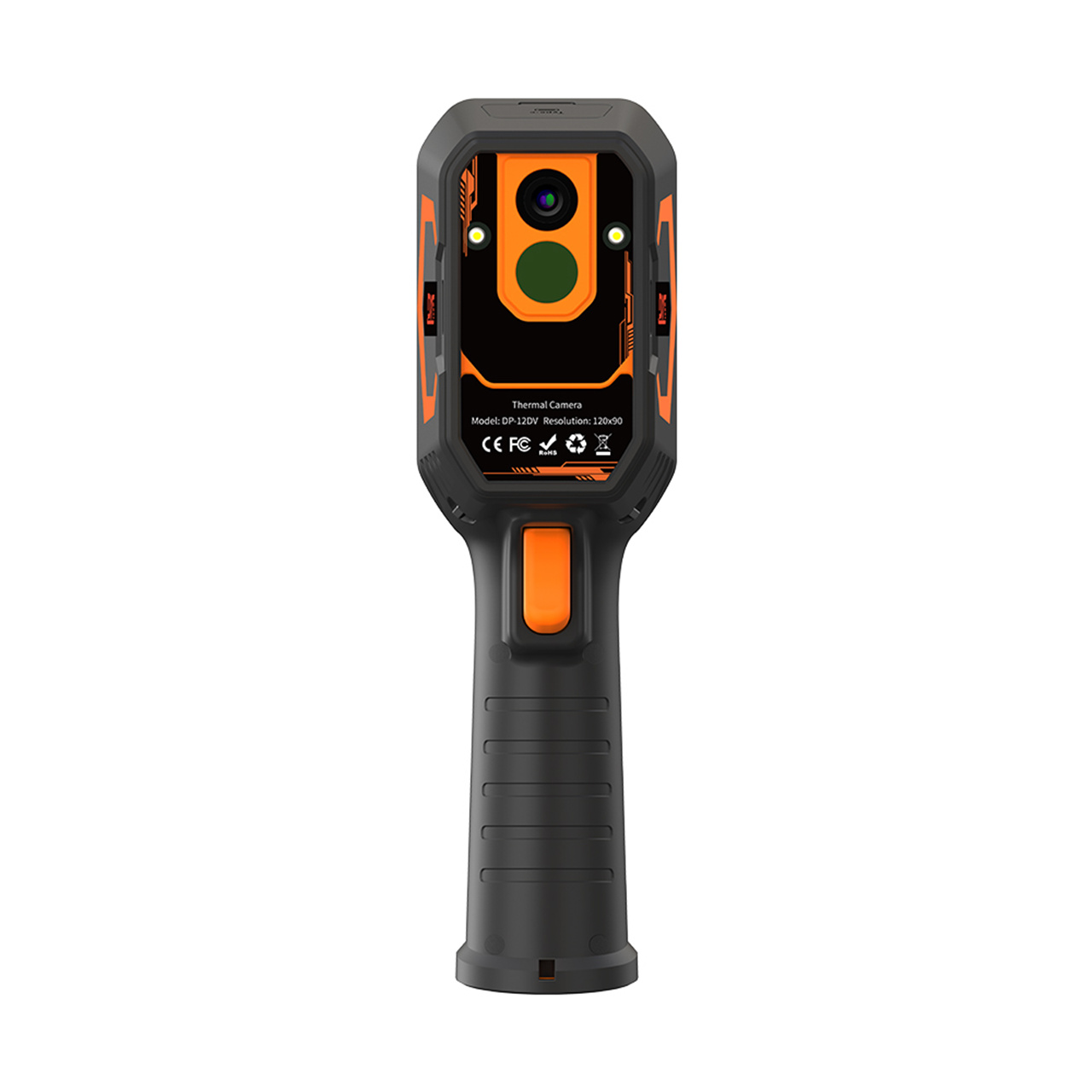
The integration of thermal imaging technology into PCB diagnostics represents a paradigm shift from traditional troubleshooting methods. Where conventional multimeters and oscilloscopes provide point measurements and electrical signatures, thermal cameras deliver comprehensive thermal maps that reveal the complete thermal behavior of circuits under various operating conditions. This capability is particularly valuable when diagnosing battery-related issues, power management problems, short circuits, component failures, and thermal runaway conditions that could lead to safety hazards.
Modern PCBs often operate at the limits of thermal design margins. With components miniaturized and power densities increasing, even minor thermal issues can cascade into major failures. Battery thermal cameras enable non-contact, non-invasive inspection that doesn't interfere with circuit operation, making them ideal for both development and field service applications. The ability to capture thermal data during actual operation provides insights that static testing simply cannot reveal.
The global thermal imaging market for electronics manufacturing and maintenance has experienced robust growth, driven by increasing quality standards, safety regulations, and the proliferation of battery-powered devices. Industry analysts project the thermal camera market for electronics applications will exceed $2.8 billion by 2027, with PCB troubleshooting representing a significant segment of this growth.
Several factors are driving this expansion. First, the consumer electronics sector's relentless push toward smaller, more powerful devices has created thermal management challenges that traditional inspection methods struggle to address. Second, electric vehicle (EV) battery management systems require rigorous thermal monitoring throughout development and production. Third, the Internet of Things (IoT) has spawned countless battery-powered edge devices that must operate reliably across extreme temperature ranges. Finally, regulatory bodies worldwide have implemented stricter safety standards for battery-powered products, mandating more comprehensive thermal testing protocols.
Battery management systems are the critical safety and performance controllers in modern battery-powered devices. Thermal cameras enable engineers to validate BMS functionality by monitoring cell balancing operations, charge/discharge thermal profiles, and protection circuit activation. During development, thermal imaging reveals whether individual cells within a battery pack are charging uniformly or if thermal gradients indicate potential reliability issues. In production, automated thermal inspection systems can identify defective BMS boards before they're integrated into final assemblies.
Switch-mode power supplies, voltage regulators, and power conversion circuits generate significant heat during operation. Thermal cameras allow engineers to verify that thermal design calculations match real-world performance, identify undersized components, detect inefficient switching behavior, and optimize PCB layout for better thermal distribution. The ability to capture thermal transients during load changes provides insights into dynamic thermal behavior that static analysis cannot predict.
One of the most valuable applications of battery thermal cameras in PCB troubleshooting is rapid fault localization. When a board exhibits abnormal behavior, thermal imaging can immediately identify the problematic area by revealing unexpected hot spots. This capability dramatically reduces troubleshooting time compared to methodically probing circuit nodes with conventional instruments. Shorts between power and ground planes, failed components drawing excessive current, and solder bridges all create distinctive thermal signatures that experienced technicians can recognize instantly.
Real-time thermal profiling of battery cells during charge/discharge cycles to identify imbalances and potential failures
Thermal analysis of voltage regulators, converters, and power distribution networks for efficiency improvements
Precise identification of failing ICs, capacitors, resistors, and other components through thermal signature analysis
Automated thermal inspection for production line quality control and reliability screening
Individual components on PCBs exhibit characteristic thermal behaviors under normal operation. When components begin to fail or operate outside specifications, their thermal signatures change. Thermal cameras enable technicians to identify failing voltage regulators running hot, capacitors with increased equivalent series resistance (ESR), corroded connections with elevated resistance, and counterfeit components with inferior thermal characteristics. This component-level diagnostic capability is particularly valuable in high-reliability applications such as medical devices, aerospace systems, and industrial control equipment.
During PCB development, thermal cameras serve as essential validation tools for thermal management strategies. Engineers can verify that heat sinks are properly sized and positioned, confirm that thermal vias effectively conduct heat to ground planes, validate that component placement minimizes thermal interactions, and ensure that enclosure ventilation provides adequate cooling. This validation process helps prevent costly redesigns after production has begun.
The next generation of battery thermal cameras for PCB troubleshooting will incorporate artificial intelligence and machine learning algorithms that automatically recognize thermal patterns associated with specific fault conditions. These intelligent systems will compare captured thermal images against databases of known failure modes, providing technicians with diagnostic suggestions and probability assessments. AI-powered thermal analysis will significantly reduce the expertise required for effective troubleshooting, democratizing advanced diagnostics across skill levels.
Thermal camera technology continues to advance, with newer sensors offering higher spatial resolution, improved thermal sensitivity, and faster frame rates. These improvements enable detection of smaller thermal anomalies, more precise temperature measurements, and better visualization of transient thermal events. As PCB component sizes continue to shrink, these enhanced capabilities become increasingly important for effective troubleshooting.
Emerging thermal camera systems combine infrared thermal imaging with visible light imaging and even UV imaging to provide comprehensive board analysis. This multi-spectral approach allows simultaneous thermal and visual documentation, simplifies component identification in thermal images, and enables detection of issues that manifest in non-thermal wavelengths such as corona discharge or photoemission from failing semiconductors.
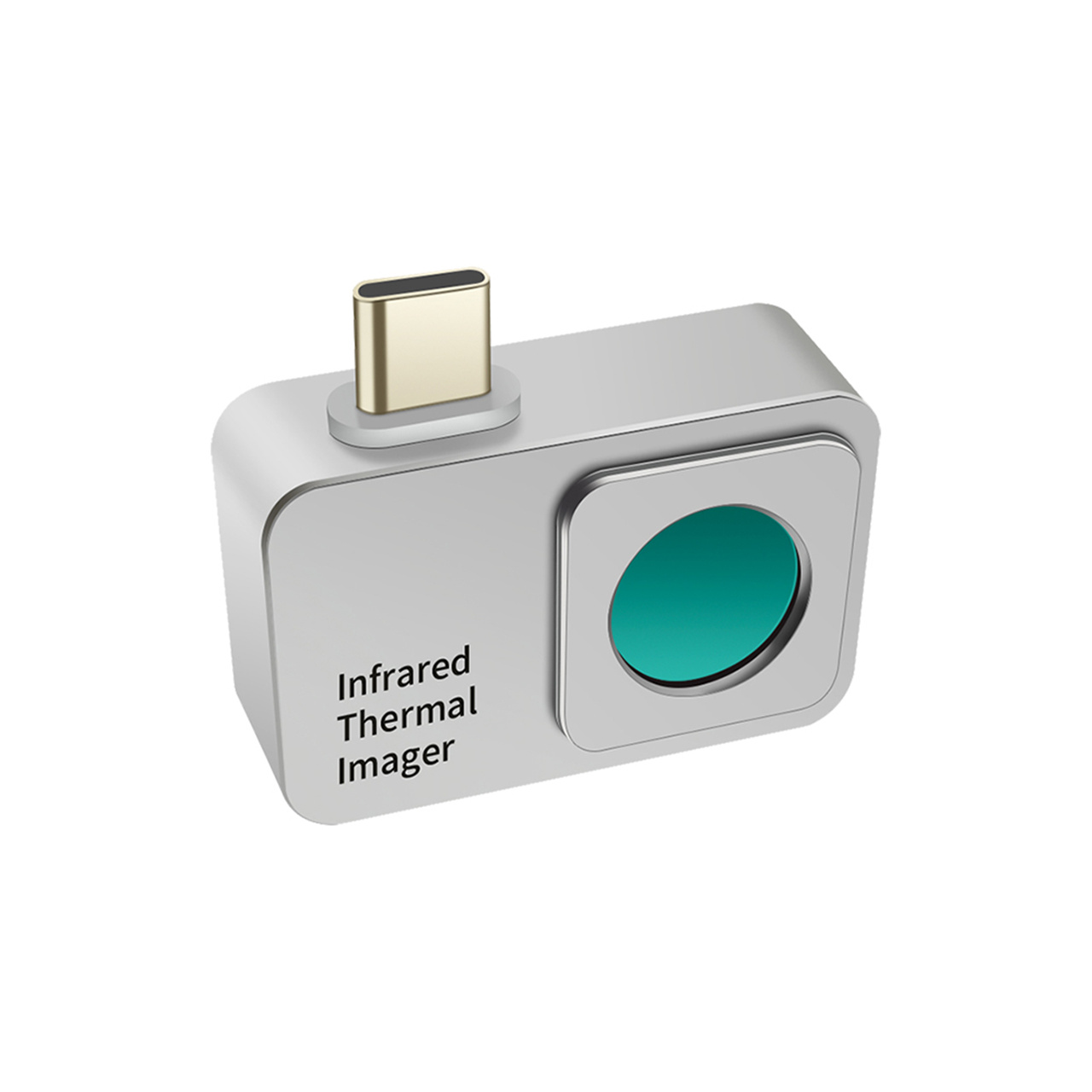
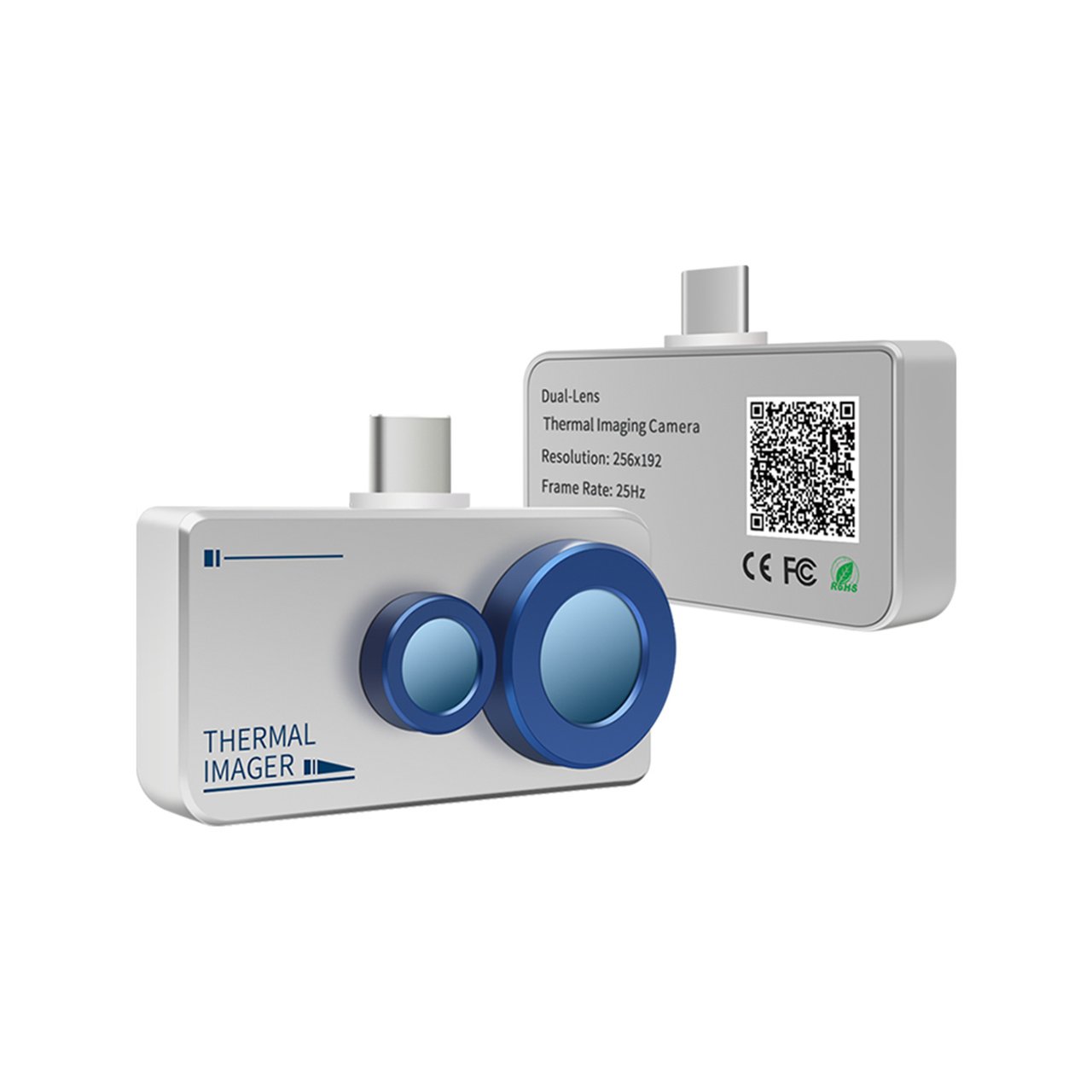
The development of compact, battery-powered thermal cameras that connect to smartphones and tablets has revolutionized field service and on-site troubleshooting. These portable solutions provide professional-grade thermal imaging capabilities in pocket-sized form factors, enabling technicians to perform sophisticated thermal diagnostics anywhere. Cloud connectivity allows instant sharing of thermal data with remote experts, facilitating collaborative troubleshooting and knowledge transfer.
As manufacturing facilities embrace Industry 4.0 principles, thermal cameras are being integrated into automated production lines and quality control systems. Automated optical inspection (AOI) systems now incorporate thermal imaging modules that perform real-time thermal screening of every PCB produced. This integration enables 100% inspection coverage, immediate identification of thermal defects, statistical process control based on thermal data, and predictive maintenance of production equipment. The combination of thermal imaging with other inspection technologies creates comprehensive quality assurance systems that dramatically reduce defect escape rates.
Effective use of battery thermal cameras for PCB troubleshooting requires understanding both the technology and proper measurement techniques. Key considerations include allowing adequate warm-up time for circuits to reach thermal equilibrium, accounting for emissivity differences between PCB materials and components, using appropriate temperature scales and color palettes for the application, documenting ambient conditions that affect thermal measurements, and establishing baseline thermal profiles of known-good boards for comparison.
Successful thermal troubleshooting also requires systematic methodology. Start with wide-area thermal surveys to identify general problem areas, then progressively zoom in on anomalies for detailed analysis. Compare thermal profiles under different operating conditions such as varying loads, input voltages, and ambient temperatures. Use time-lapse thermal recording to capture intermittent thermal events that may not be visible in single snapshots.
Choosing an appropriate thermal camera for PCB troubleshooting depends on several factors including the typical size of components being analyzed, the temperature ranges expected in your applications, whether handheld portability or fixed-mount installation is required, the need for thermal measurement accuracy versus relative comparison, and budget constraints balanced against required capabilities.
For general PCB troubleshooting, thermal cameras with resolution between 160x120 and 320x240 pixels provide adequate detail for most applications. Higher resolutions of 640x480 or greater become valuable when working with very small components or when precise spatial thermal analysis is required. Thermal sensitivity (NETD) of 0.1°C or better ensures detection of subtle thermal variations that may indicate developing problems.
Shenzhen Dianyang Technology Co., Ltd. is a subsidiary of VHD (Shenzhen VHD Technology Co., Ltd.), a publicly listed company on the Shenzhen Stock Exchange. This strategic affiliation gives Dianyang unique access to VHD's advanced R&D platforms, high-precision manufacturing systems, and rigorous quality management practices—enabling us to deliver thermal imaging products of higher reliability and consistency than typical ODMs.
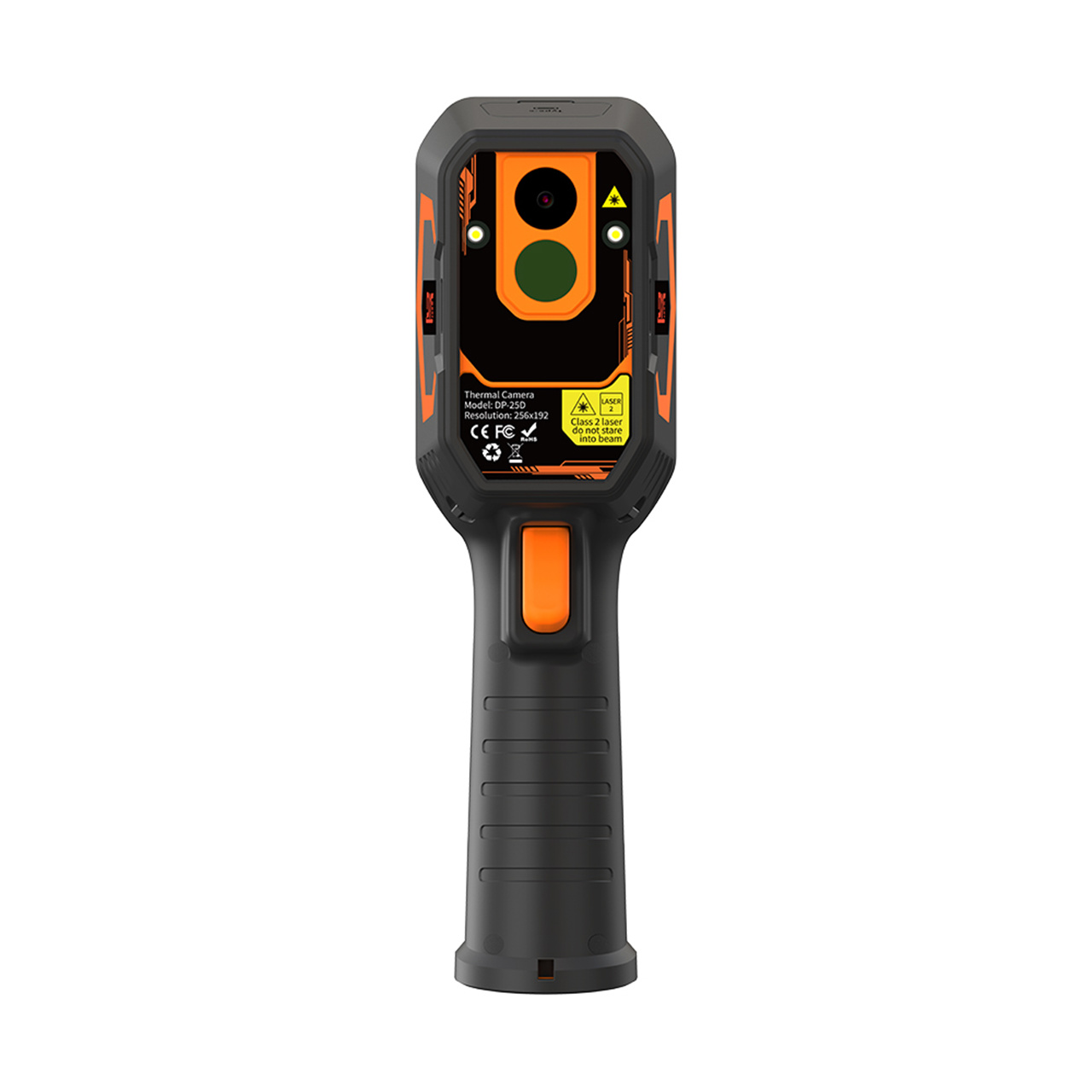
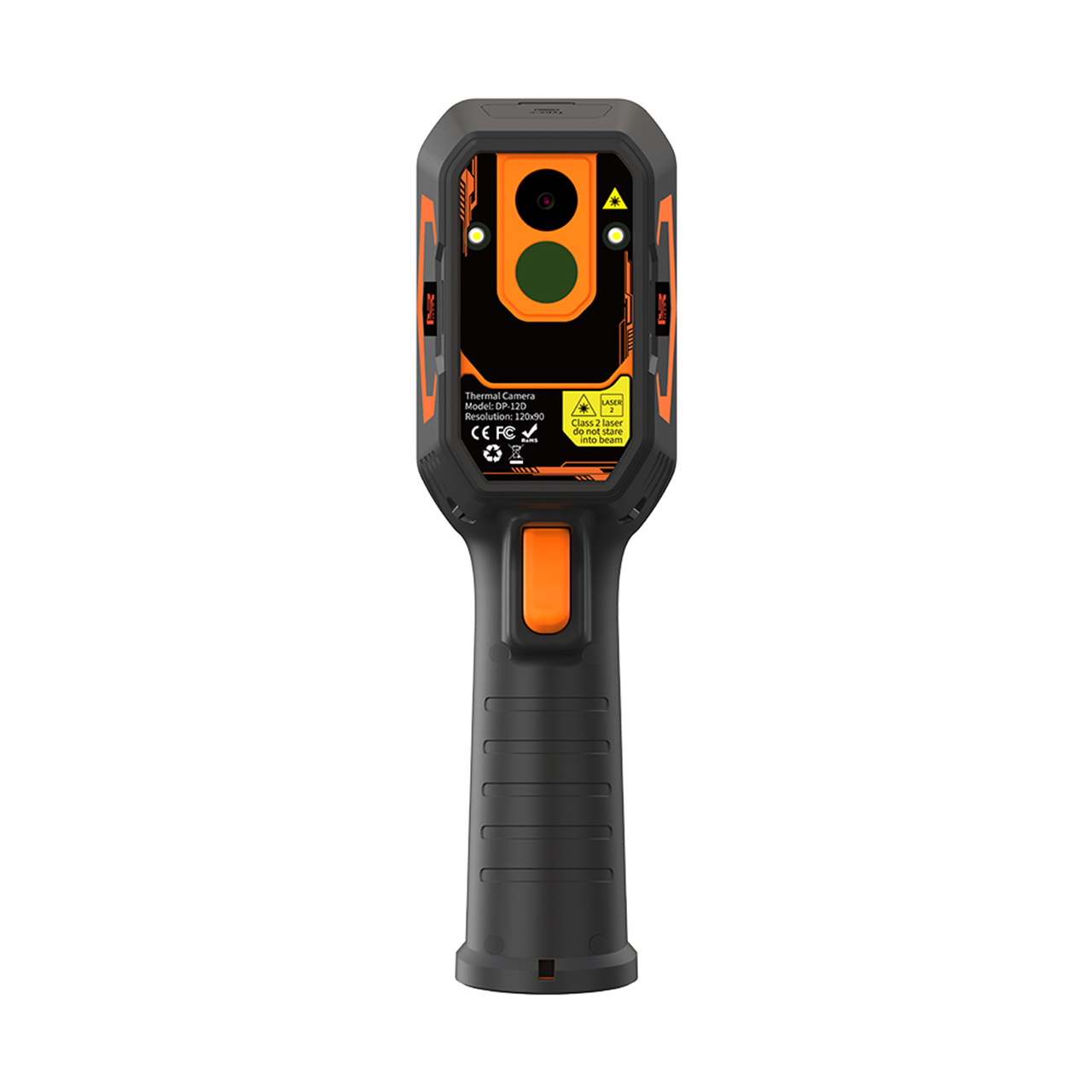
We specialize in ODM/OEM services for infrared thermal imaging solutions, including handheld thermal imagers, smartphone-connected thermal cameras, thermal analyzers, and thermal imaging telescopes. Our products serve global customers in power inspection, building diagnostics, firefighting, industrial maintenance, and outdoor applications.
Our dedicated engineering team applies Design for Manufacturing (DFM), Design for Testability (DFT), thermal simulation, and EMC pre-compliance analysis to optimize performance and accelerate development. We also support clients in obtaining key certifications such as CE, FCC, RoHS, REACH, CB, UKCA, KC, and PSE.
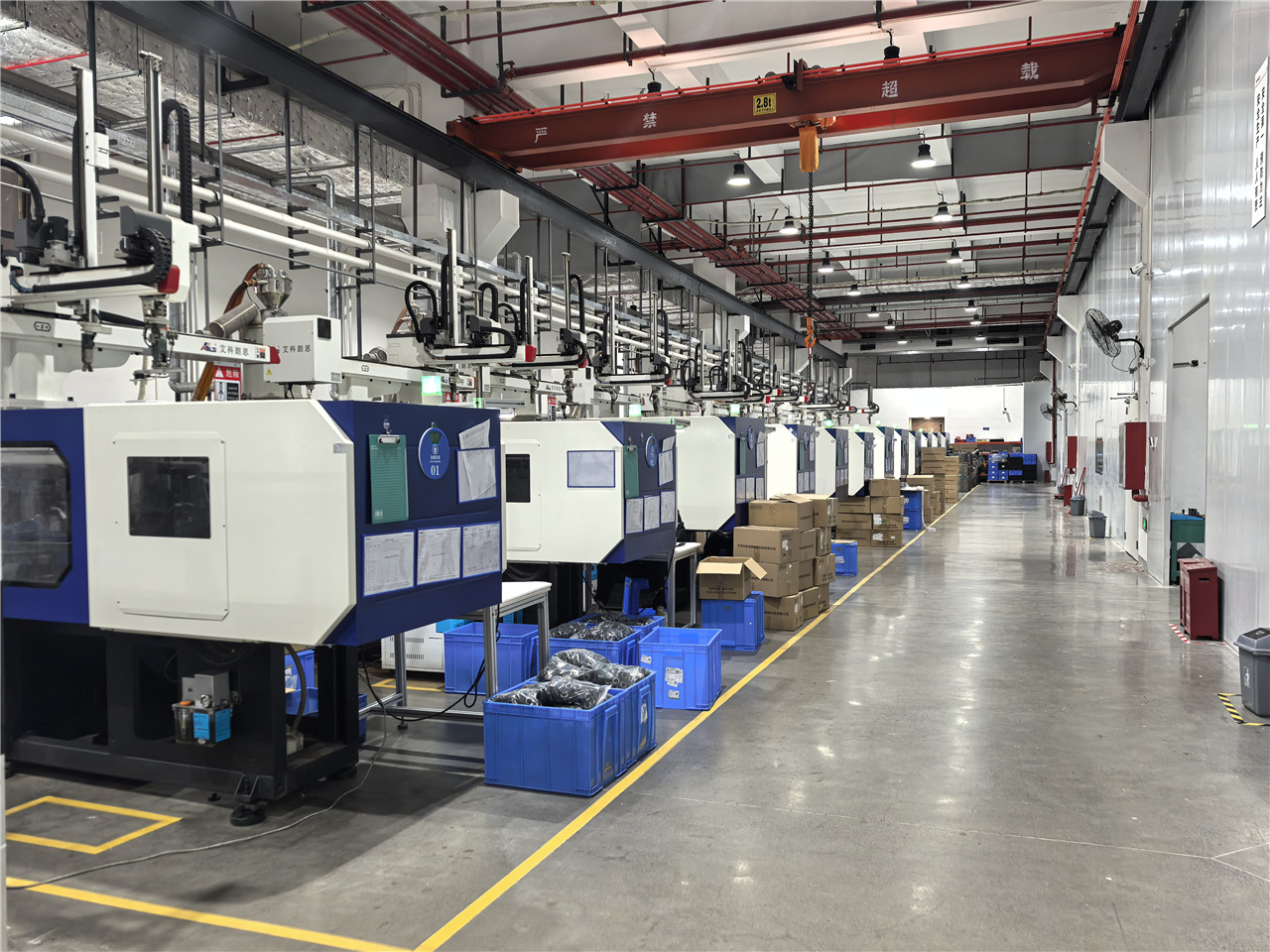
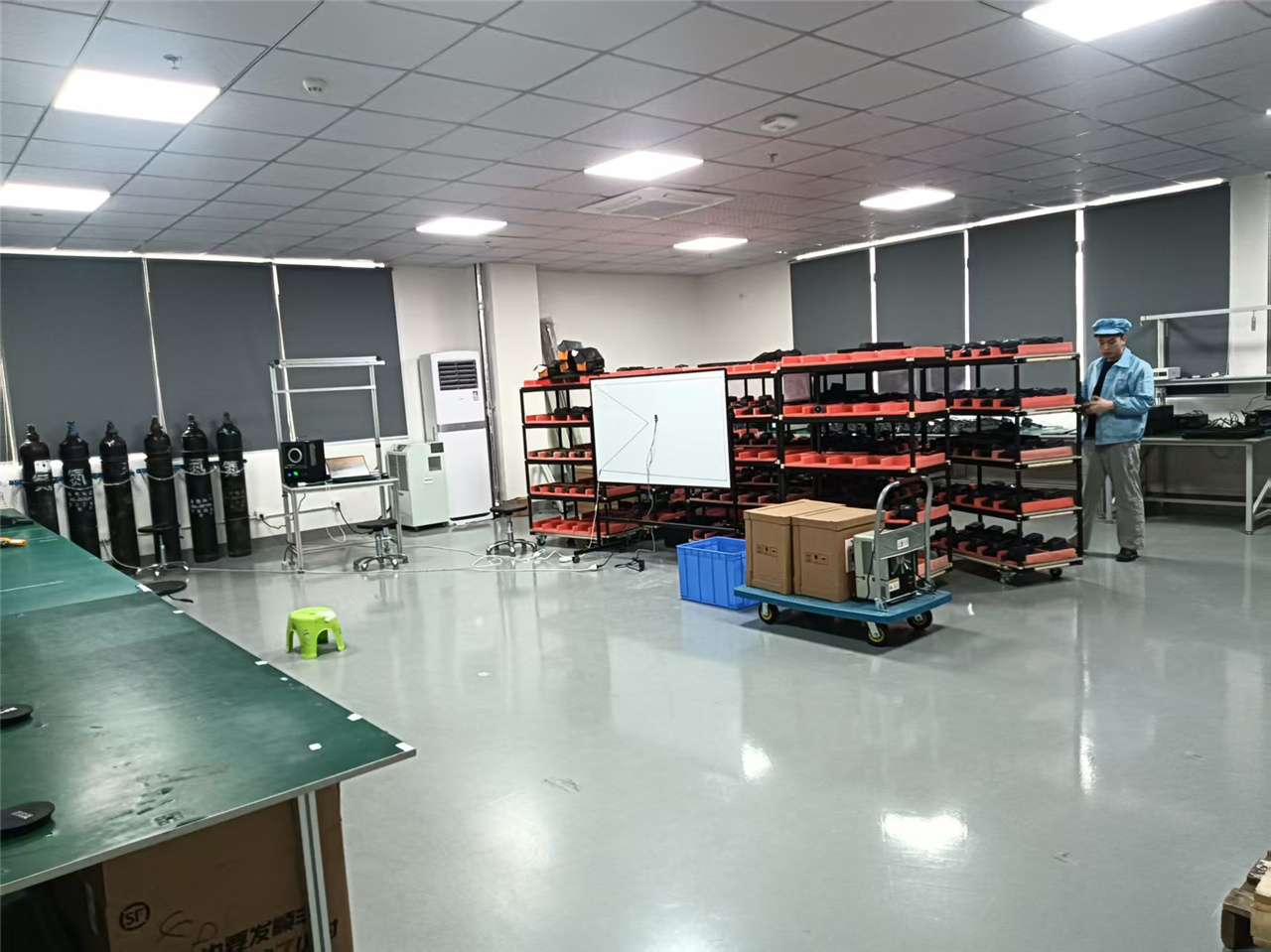
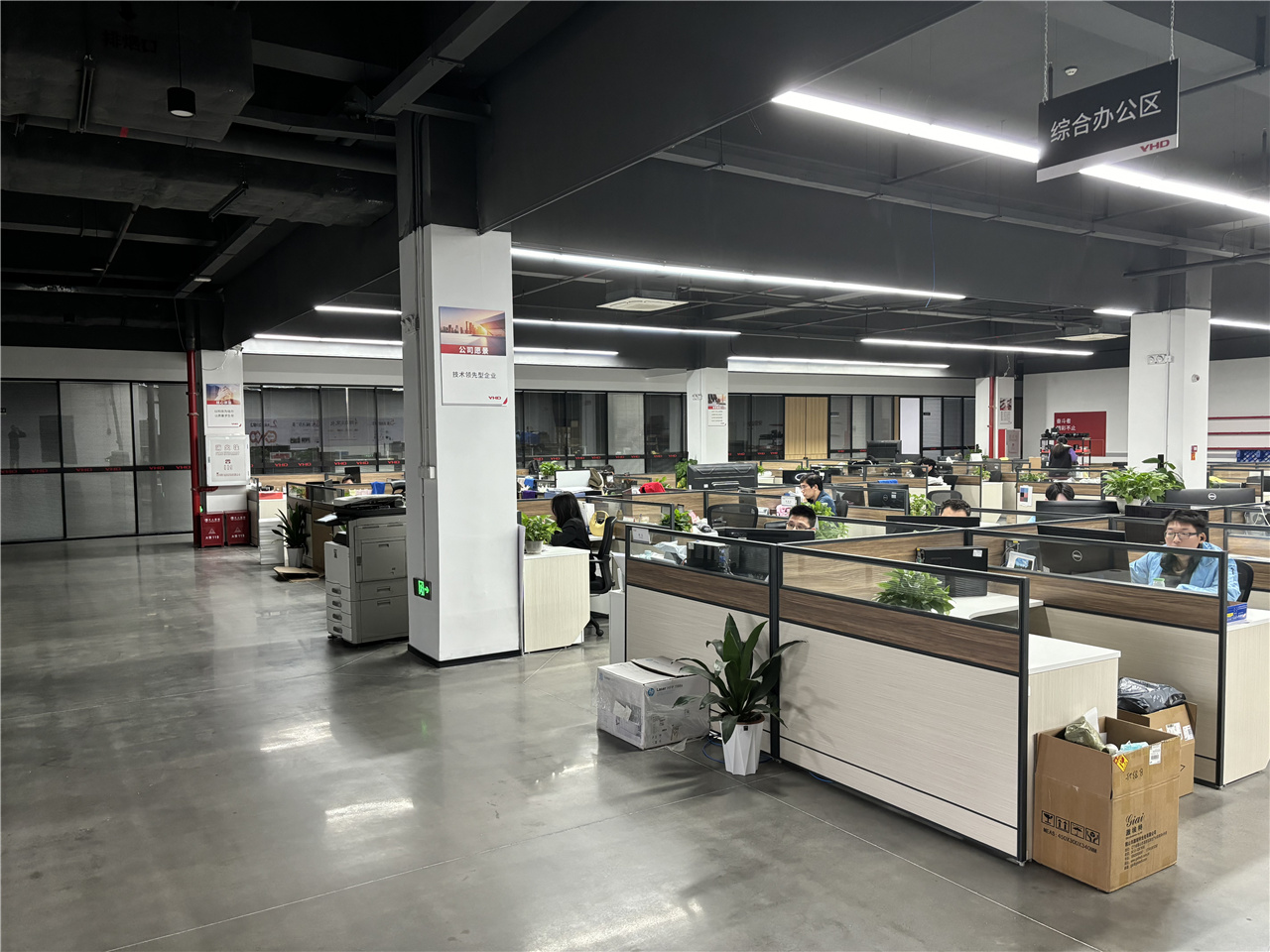
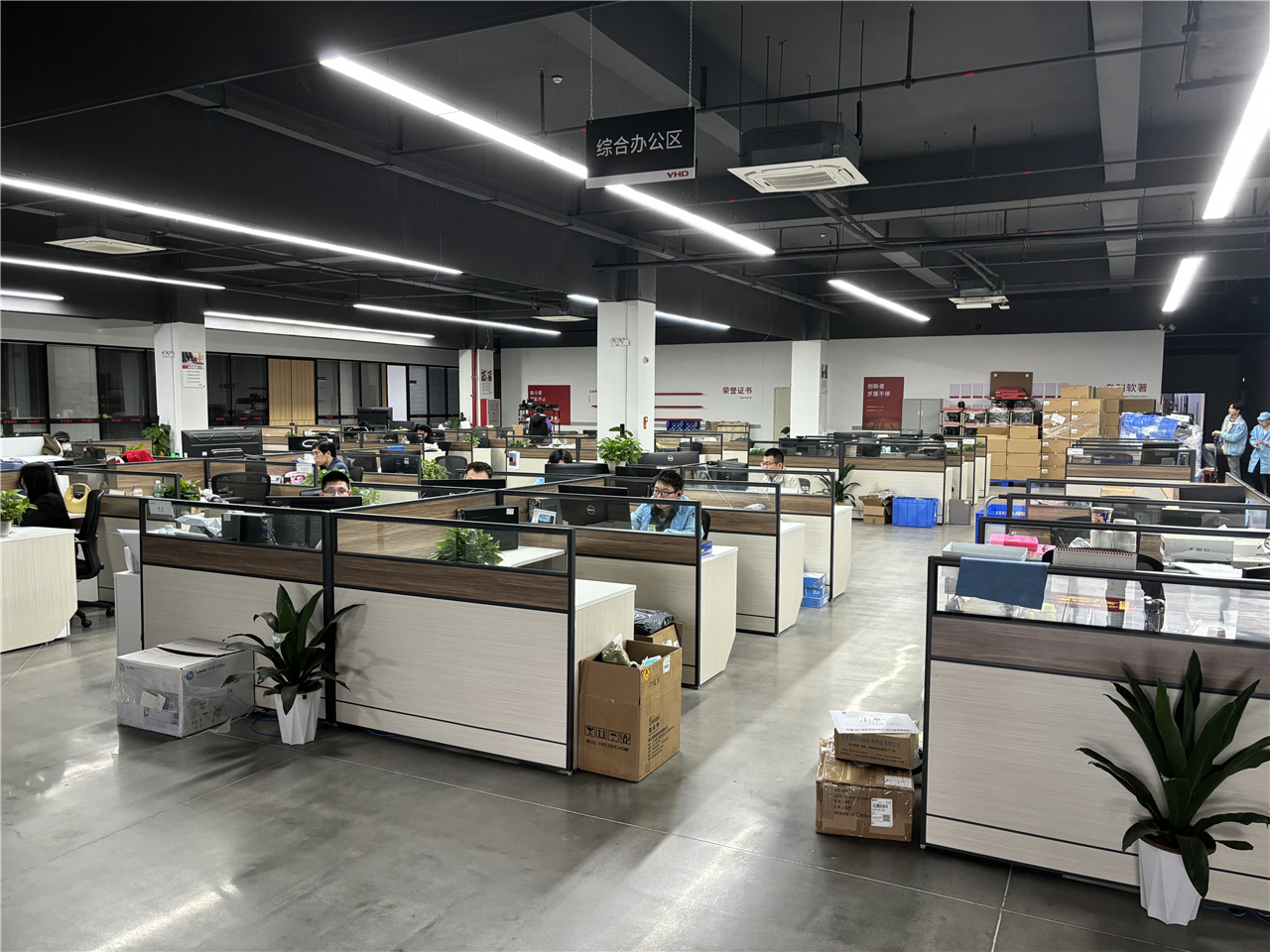
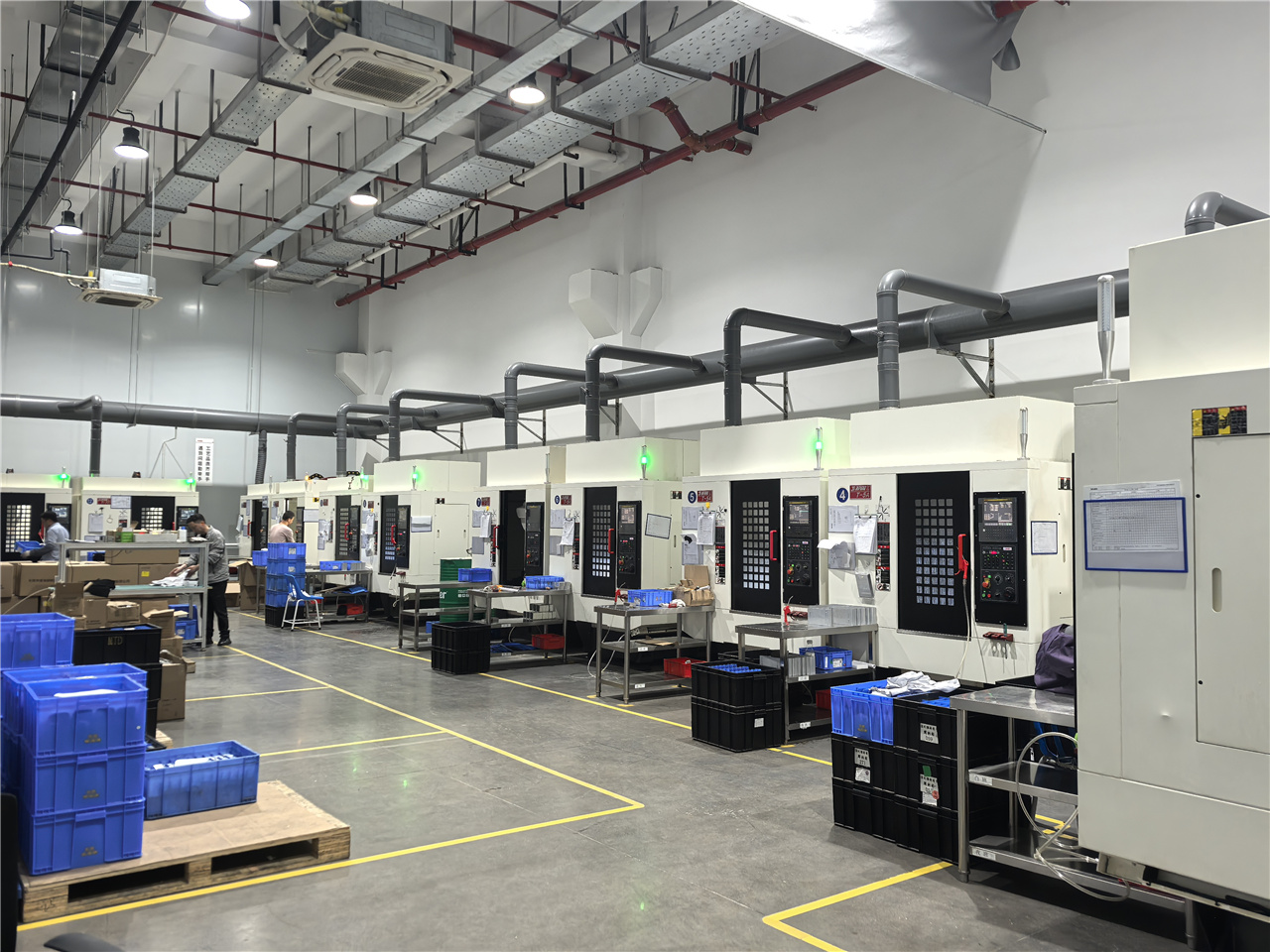
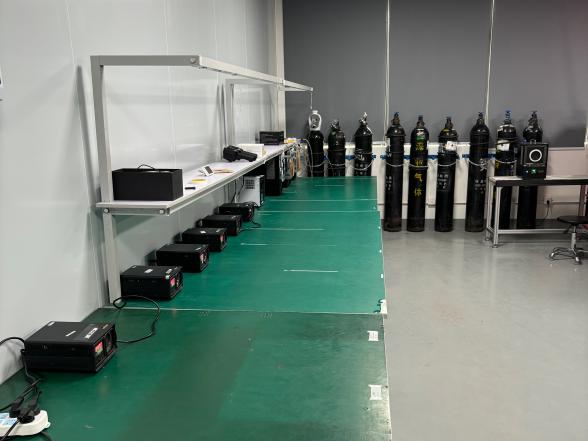
Our structured NPI process typically delivers certified prototypes within 8–12 weeks. Combined with stable supply chain support and group-level technical resources, we ensure on-time delivery and long-term product reliability.
By combining focused thermal imaging expertise with the backing of a listed parent company, Dianyang offers a rare blend of agility, quality, and scalability—helping global partners bring high-performance, certified thermal products to market with confidence.
Battery thermal cameras have become indispensable tools in modern PCB troubleshooting, offering capabilities that traditional diagnostic methods cannot match. As electronics continue to evolve toward higher power densities, smaller form factors, and more complex battery management requirements, thermal imaging technology will play an increasingly central role in development, production, and field service.
The convergence of thermal imaging with artificial intelligence, cloud connectivity, and automated inspection systems promises to further enhance the value of thermal diagnostics in the electronics industry. Organizations that invest in thermal imaging capabilities today position themselves to meet the quality, reliability, and safety challenges of tomorrow's electronic products.
Whether you're developing cutting-edge consumer electronics, manufacturing industrial control systems, or servicing battery-powered equipment in the field, battery thermal cameras provide the thermal visibility necessary to ensure optimal performance, prevent failures, and maintain the highest quality standards. The technology has matured to the point where thermal imaging should be considered an essential capability in any serious electronics development or service organization.