Leave Your Message
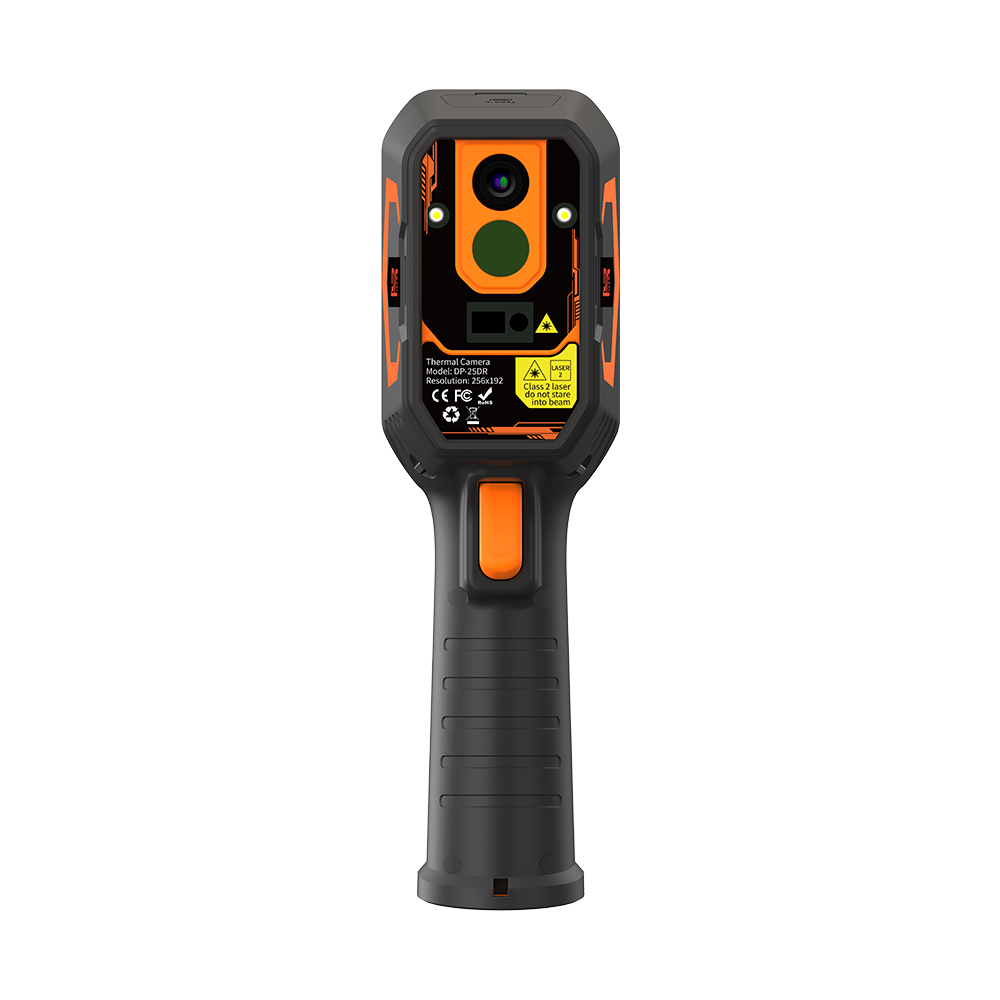
The United Kingdom is experiencing a transformative shift in its energy landscape, with battery technology playing a pivotal role in achieving net-zero carbon emissions by 2050. As the UK government invests heavily in electric vehicle infrastructure and renewable energy storage solutions, the demand for sophisticated battery thermal cameras has surged dramatically. The British battery manufacturing sector, particularly concentrated in the Midlands and North East England, requires advanced thermal imaging technology to ensure quality control, safety compliance, and optimal performance throughout the battery production lifecycle.
Battery thermal cameras have become indispensable tools across multiple UK industries, from automotive manufacturing plants in Sunderland and Oxford to renewable energy facilities in Scotland and Wales. These precision instruments enable engineers and technicians to detect thermal anomalies, prevent thermal runaway incidents, and optimize battery management systems. The UK's stringent safety regulations, combined with the growing complexity of lithium-ion and next-generation solid-state batteries, have created an unprecedented demand for high-resolution thermal imaging solutions that can operate reliably in diverse industrial environments.
The commercial deployment of battery thermal cameras in the United Kingdom spans numerous critical sectors. In the automotive industry, major manufacturers including Nissan's Sunderland plant, Jaguar Land Rover facilities, and emerging electric vehicle startups utilize thermal imaging for quality assurance during battery pack assembly and pre-delivery inspections. These cameras identify cell-level temperature variations that could indicate manufacturing defects or potential safety hazards before vehicles reach consumers.
UK energy storage facilities, which are proliferating across the country to support grid stability and renewable integration, rely heavily on thermal camera technology for continuous monitoring. Large-scale battery energy storage systems (BESS) deployed by National Grid ESO and independent power producers require 24/7 thermal surveillance to prevent catastrophic failures. Additionally, the UK's burgeoning electric bus fleets in cities like London, Manchester, and Edinburgh depend on thermal imaging for fleet maintenance and safety protocols.
The UK battery thermal camera market is experiencing exponential growth driven by several converging trends. The government's £1 billion Automotive Transformation Fund and investments in battery manufacturing infrastructure have created substantial demand for advanced inspection equipment. Industry analysts project the UK thermal imaging market for battery applications will grow at a compound annual growth rate (CAGR) exceeding 18% through 2030, significantly outpacing global averages.
Technological innovation is rapidly advancing, with UK-based research institutions collaborating with thermal camera manufacturers to develop AI-enhanced detection algorithms specifically optimized for battery applications. Universities such as Imperial College London, University of Warwick's WMG, and Cranfield University are pioneering research into automated thermal analysis systems that can predict battery degradation patterns and identify subtle thermal signatures indicative of internal defects.
The United Kingdom has established rigorous safety standards for battery systems, creating a regulatory environment that necessitates comprehensive thermal monitoring. Following Brexit, the UK has maintained alignment with European safety directives while developing additional domestic requirements through organizations like the British Standards Institution (BSI). Battery thermal cameras must now comply with UKCA marking requirements, demonstrating conformity with UK-specific safety, health, and environmental protection standards.
The Health and Safety Executive (HSE) has published specific guidance on lithium-ion battery safety in industrial settings, emphasizing the importance of thermal monitoring as a critical control measure. Insurance providers increasingly require documented thermal inspection protocols for facilities handling large-format batteries, driving adoption of professional-grade thermal imaging equipment across the UK commercial sector.
The geographic distribution of battery thermal camera applications in the UK reflects the country's industrial landscape. The West Midlands, home to the UK Battery Industrialisation Centre (UKBIC) in Coventry, represents a major hub for battery manufacturing research and pilot production. Thermal imaging equipment is extensively deployed throughout this facility for process optimization and quality validation of new battery chemistries and manufacturing techniques.
Scotland's renewable energy sector, particularly concentrated around offshore wind installations and grid-scale storage projects in the Highlands and Islands, utilizes ruggedized thermal cameras capable of operating in harsh maritime environments. These deployments require specialized equipment with enhanced environmental protection ratings to withstand Scotland's challenging weather conditions while maintaining measurement accuracy.
London's extensive electric bus network, operated by Transport for London (TfL), employs thermal cameras at depot charging facilities to monitor battery health across hundreds of vehicles. Similar deployments are expanding in Birmingham, Glasgow, and Manchester as cities transition their public transport fleets to zero-emission vehicles. The UK's logistics sector, including major operators like Royal Mail and DPD, increasingly relies on thermal imaging for their growing electric delivery van fleets.
The UK's maritime industry is pioneering electric and hybrid vessel technology, with battery thermal cameras playing crucial roles in naval applications and commercial shipping. Portsmouth Naval Base and shipyards across the UK utilize advanced thermal imaging for submarine battery systems and surface vessel hybrid propulsion installations. The aerospace sector, centered around Bristol and Derby, employs thermal cameras for testing aircraft battery systems and electric propulsion technologies.
The UK's world-class research institutions have established themselves as global leaders in battery technology development, creating sustained demand for cutting-edge thermal imaging equipment. The Faraday Institution, the UK's independent institute for electrochemical energy storage research, coordinates a network of universities conducting advanced battery research that relies heavily on thermal characterization. Facilities such as the Advanced Battery Research Centre at Oxford University and the Energy Storage Research Centre at Warwick employ multiple thermal camera systems for fundamental research into thermal behavior of novel battery materials.
Commercial R&D facilities operated by companies like Dyson in Wiltshire and Williams Advanced Engineering in Oxfordshire utilize thermal cameras throughout their battery development processes, from initial cell testing through full vehicle integration. These applications demand the highest resolution thermal imaging capabilities combined with sophisticated data analysis software to extract meaningful insights from complex thermal datasets.
Shenzhen Dianyang Technology Co., Ltd. is a subsidiary of VHD (Shenzhen VHD Technology Co., Ltd.), a publicly listed company on the Shenzhen Stock Exchange. This strategic affiliation gives Dianyang unique access to VHD's advanced R&D platforms, high-precision manufacturing systems, and rigorous quality management practices—enabling us to deliver thermal imaging products of higher reliability and consistency than typical ODMs.
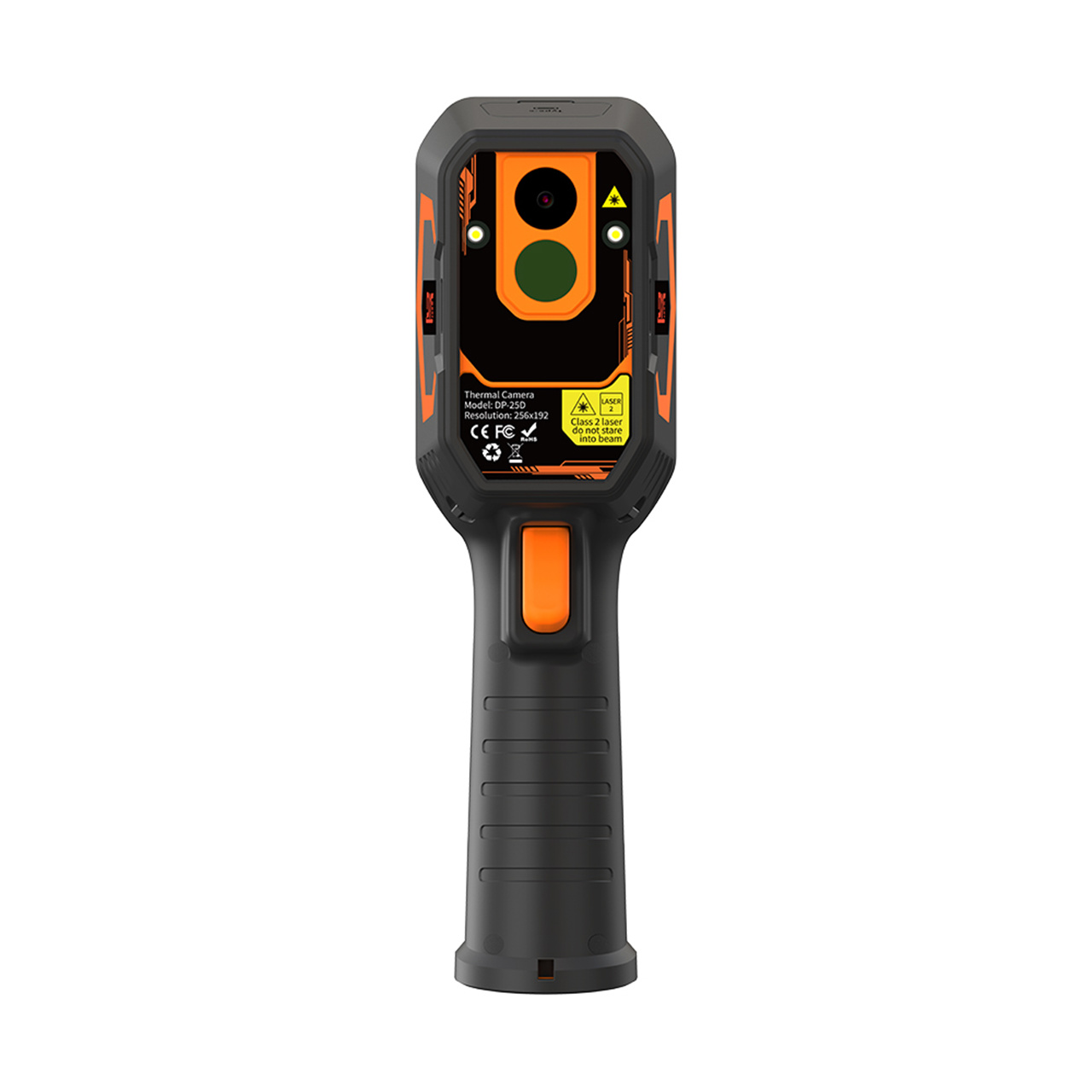
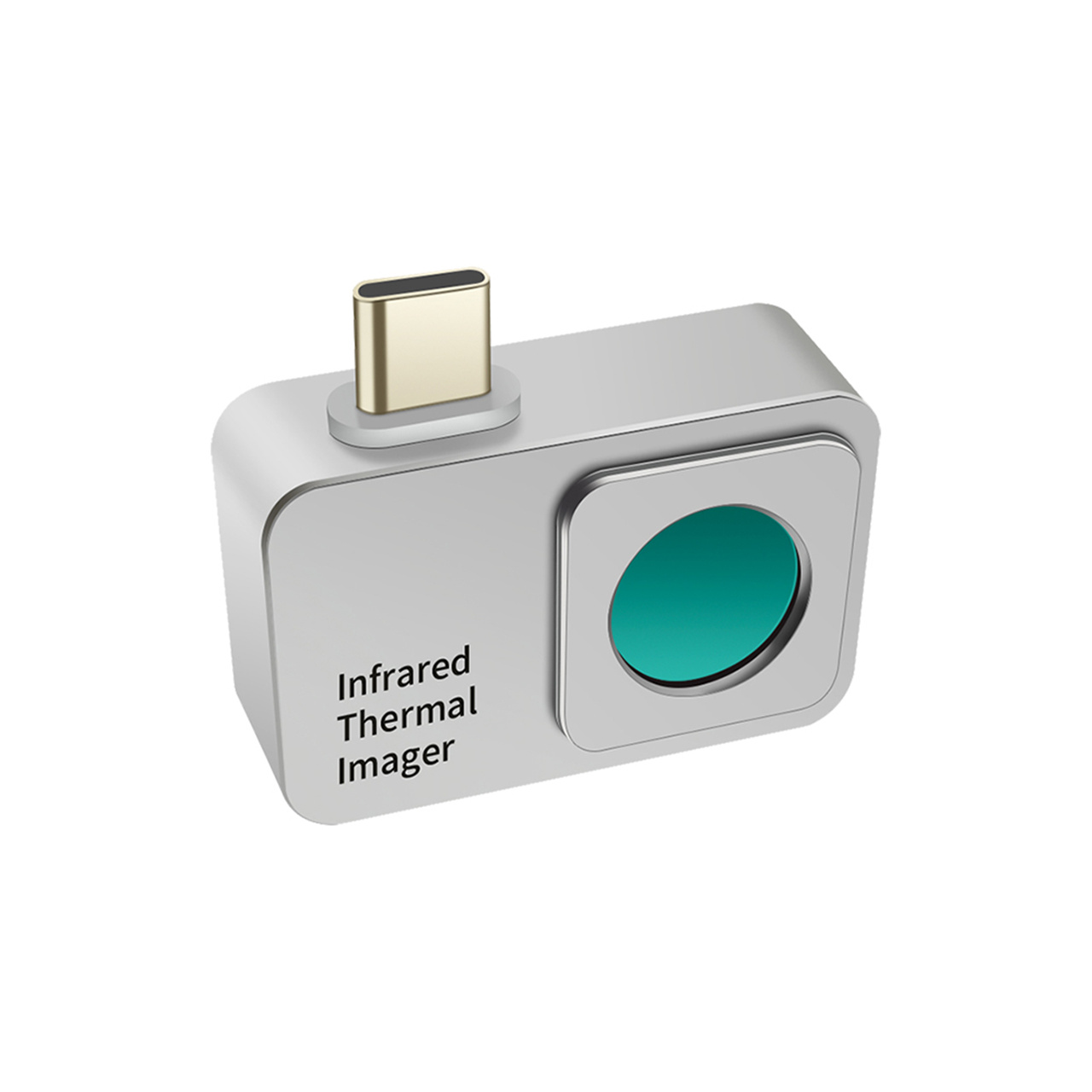
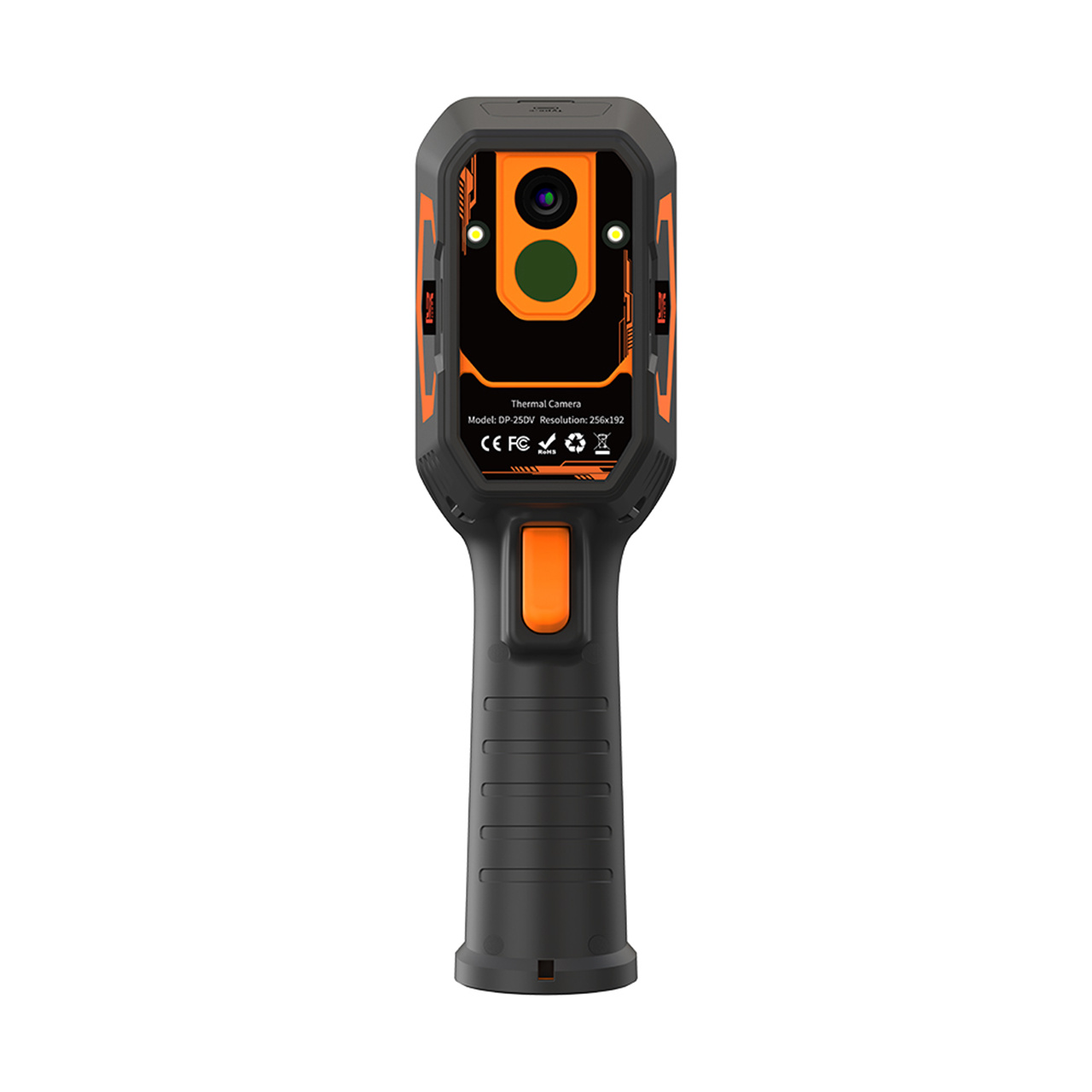
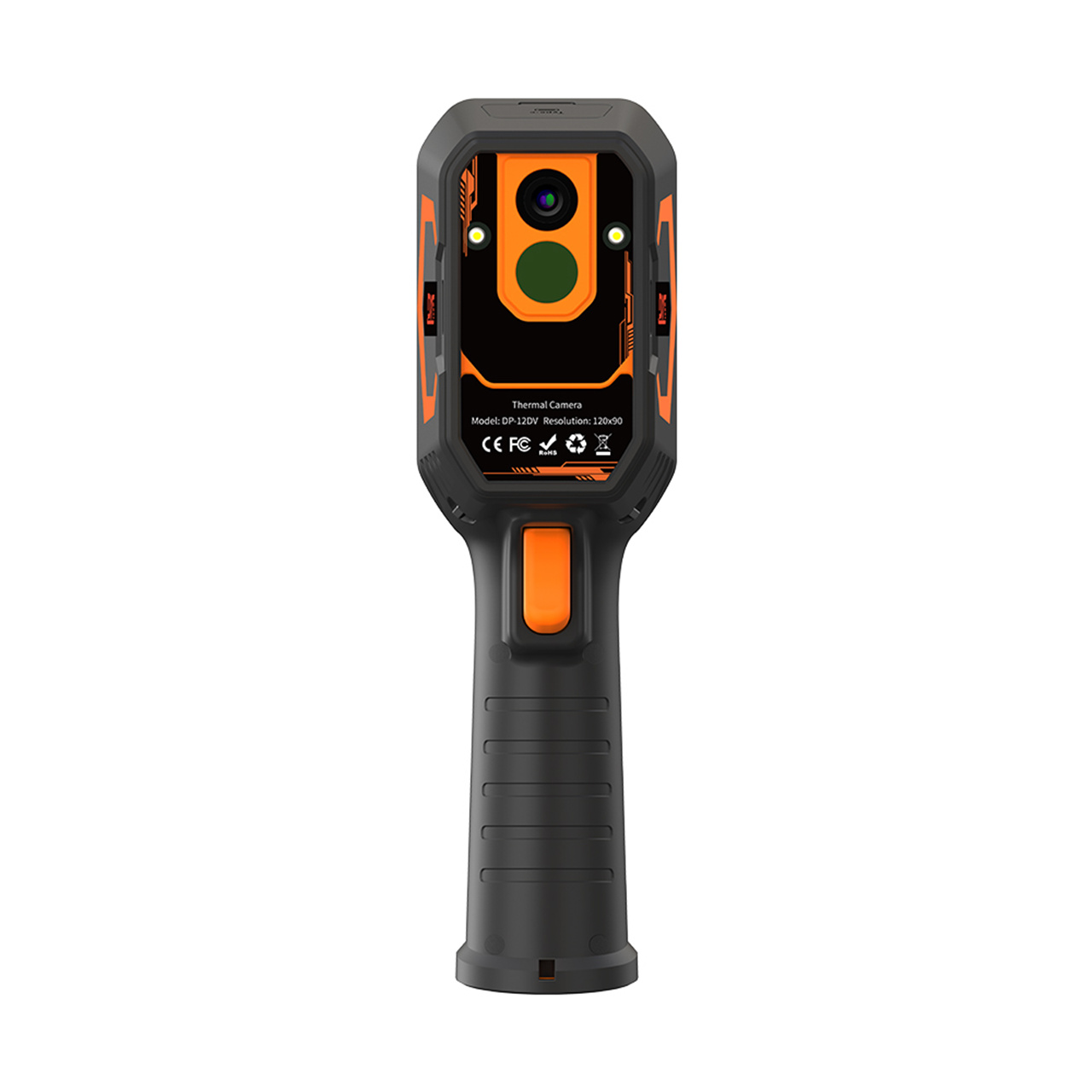
We specialize in ODM/OEM services for infrared thermal imaging solutions, including handheld thermal imagers, smartphone-connected thermal cameras, thermal analyzers, and thermal imaging telescopes. Our products serve global customers in power inspection, building diagnostics, firefighting, industrial maintenance, and outdoor applications.
Our dedicated engineering team applies Design for Manufacturing (DFM), Design for Testability (DFT), thermal simulation, and EMC pre-compliance analysis to optimize performance and accelerate development. We also support clients in obtaining key certifications such as CE, FCC, RoHS, REACH, CB, UKCA, KC, and PSE.
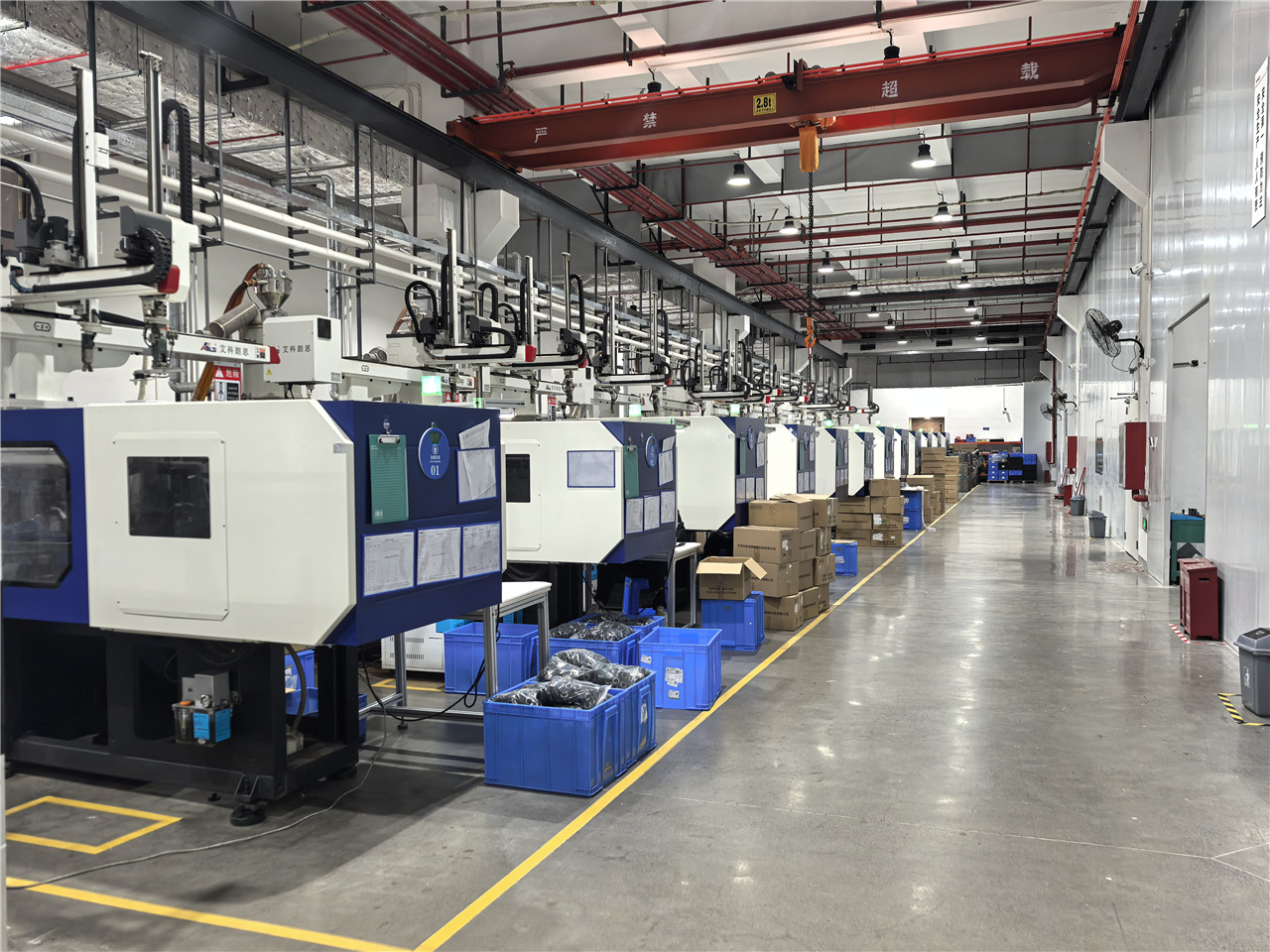
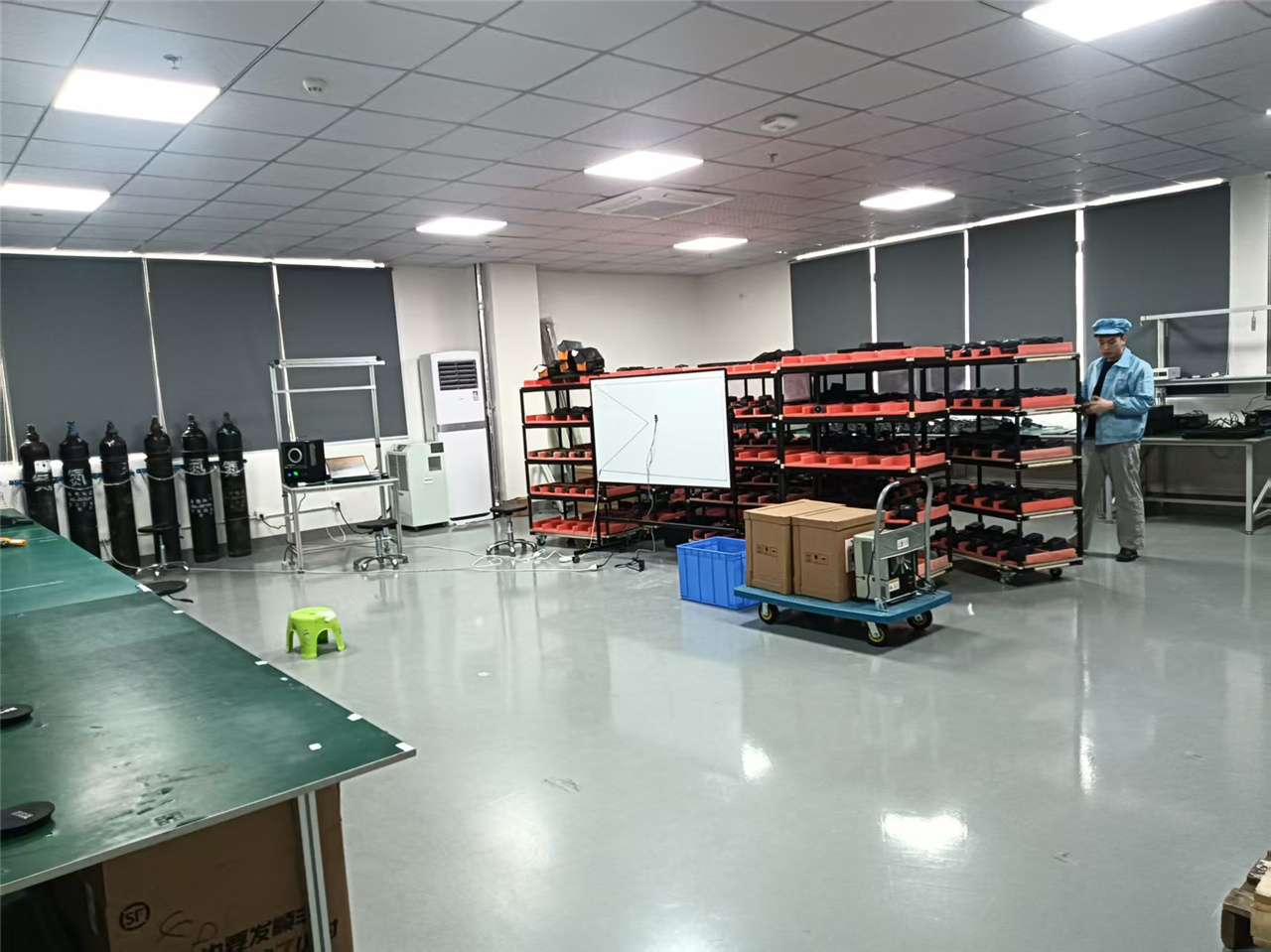


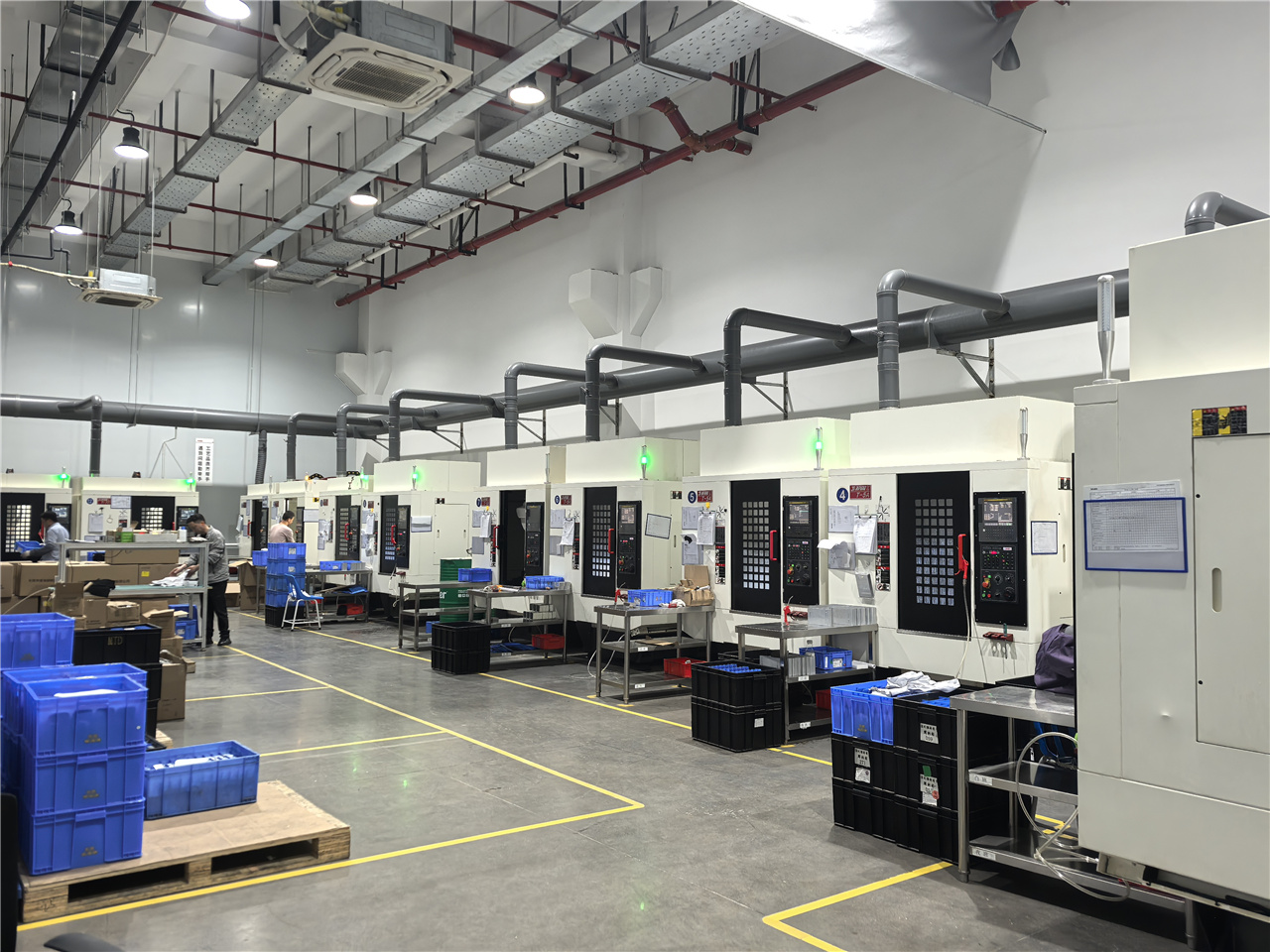
Our structured NPI process typically delivers certified prototypes within 8–12 weeks. Combined with stable supply chain support and group-level technical resources, we ensure on-time delivery and long-term product reliability.
By combining focused thermal imaging expertise with the backing of a listed parent company, Dianyang offers a rare blend of agility, quality, and scalability—helping global partners bring high-performance, certified thermal products to market with confidence.
Our commitment to the United Kingdom market extends beyond product supply. We understand the unique requirements of UK industries, from compliance with UKCA marking to meeting the specific environmental challenges of British industrial environments. Our thermal cameras are designed to perform reliably in the UK's variable climate conditions, from the cold, wet conditions of Scottish facilities to the demanding industrial environments of the Midlands manufacturing belt.
We provide comprehensive technical support including application engineering assistance, calibration services, and ongoing firmware updates to ensure our thermal imaging solutions continue to meet evolving UK regulatory requirements and industry best practices. Our partnership approach means we work closely with UK distributors, system integrators, and end users to deliver solutions perfectly tailored to British market needs.