Leave Your Message
0%

Hey there! So, as we slide into 2026, it’s pretty clear that buyers around the globe have a ton more options when it comes to infrared sensors than they did before. You’ve got everything from thermopiles and pyroelectric detectors to photodiodes, microbolometers, and InGaAs sensors—all tailored for different uses. Each of these behaves a bit differently depending on factors like heat, motion, distance, humidity, or vibration. And honestly, going for the newest tech isn’t always the smart move—it’s about finding what actually fits your specific needs.

We’re also seeing some solid market evidence that demand for infrared sensors keeps climbing. Reports from firms like Grand View Research show steady growth worldwide, fueled by areas like automotive safety, industrial monitoring, consumer electronics, and smart building systems. MarketsandMarkets points out hot spots like thermal imaging, gas detection, and temperature measurement as key areas. Meanwhile, Yole Group highlights that development in uncooled microbolometers is still bubbling away, especially for small thermal cameras and industrial systems. All these insights are super helpful, but it’s worth noting that forecasts can sometimes be a bit tricky since product definitions aren’t always the same across reports—something to watch out for.

Think about it this way: if you're inspecting a factory furnace, you might just need a tough-as-nails pyroelectric sensor to keep an eye on flames. But if you’re a car maker, maybe a calibrated thermopile or a small thermal array is more your style. Security folks? They’d probably want a microbolometer that’s quiet and reliable across different conditions. The thing is, just looking at specs can be misleading. Factors like response time, spectral sensitivity, field of view, calibration stability, protection against dust and water, and the reliability of supplier info all matter. The big-name brands like Hamamatsu, Excelitas, Teledyne FLIR, Texas Instruments, and Melexis each bring their own strengths to the table. But, just because a brand is well-known doesn’t mean it’s the right fit for your project—sometimes, field tests show weaknesses pretty fast. This guide aims to break down the main types of infrared sensors for 2026, considering tech specs, market trends, and real-world purchasing risks—so you can make smarter, more confident choices worldwide.
2026 Best Infrared Sensor Types for Global Buyers

What Infrared Sensors Are and How They Detect Thermal Radiation

Infrared sensors detect thermal radiation without touching the object. Every object above absolute zero emits infrared energy. Warmer surfaces usually produce stronger radiation.

The sensor collects this invisible energy through a lens or optical window. A detector then converts radiation into an electrical signal. Thermopile sensors measure broad heat levels, while pyroelectric sensors respond to changes in infrared energy. Infrared photodiodes can target narrower wavelength ranges. The best choice depends on temperature range, distance, response speed, and measurement accuracy.

In practical testing, a sensor mounted above a moving conveyor may read differently from one facing a still surface. Dust, steam, reflective metal, and changing room temperatures can distort results. An Infrared Water Sensor may monitor surface temperature, leakage patterns, or heating conditions, but water movement can complicate readings. Calibration against a trusted reference remains essential. A measurement can still be wrong.

Global buyers should examine the detector material, optical field of view, output method, and operating environment. A narrow field of view helps isolate small targets. A wider view suits large tanks or broad surfaces. Installation experience also matters. Even a technically capable sensor may perform poorly when its angle or distance is ignored. Check response data under realistic conditions, not only laboratory specifications. Small temperature differences often expose weak calibration or unstable mounting.

Main Infrared Sensor Types Available to Global Buyers in 2026

2026 Best Infrared Sensor Types for Global Buyers

Main Infrared Sensor Types Available to Global Buyers in 2026

In 2026, global buyers can choose among thermopile, pyroelectric, photodiode, and microbolometer sensors. Each type serves a different measurement problem. The right choice depends on temperature range, response speed, distance, and operating conditions. Cost alone misleads.

Thermopile sensors measure heat without physical contact. They work well in medical devices, appliances, and industrial temperature monitoring. Pyroelectric sensors detect changes in infrared energy. They are common in motion detection and occupancy systems.

Photodiodes provide fast optical responses for communication, flame monitoring, and proximity equipment. Their performance depends strongly on wavelength matching and optical filtering.

Microbolometers support thermal imaging by sensing tiny temperature differences across an array. They are useful for building inspection, equipment maintenance, and energy audits. However, calibration and ambient temperature can affect results. A detector may appear accurate in a laboratory but perform poorly near reflective metal or changing airflow.

Experienced buyers should examine sensitivity, noise, spectral range, response time, and calibration records. Housing materials also matter in humid or dusty environments. Ask for test data, not only headline specifications.

No sensor fits every application. Even careful selection can miss field conditions, especially when installation space is limited. Testing a small sample before volume purchasing remains sensible.

How Active and Passive Infrared Sensors Differ

For global buyers in 2026, choosing an infrared sensor starts with understanding its energy source. Active infrared sensors transmit infrared light and measure the returning signal. They can detect objects in darkness, dust-free indoor areas, and controlled outdoor zones. Distance, surface color, alignment, and reflective materials affect their accuracy.

Passive infrared sensors do not transmit light. They detect changes in infrared energy, usually from warm bodies moving across a cooler background. This design uses little power and suits occupancy detection, security lighting, and room monitoring. However, a stationary person may disappear from detection. Glass, direct sunlight, heaters, and strong airflow can also create confusing thermal patterns. Real conditions matter.

An Infrared Imaging Sensor provides a richer view than a simple presence detector. It can produce thermal or reflected-infrared images, depending on its design. During product evaluations, buyers should check detection range, field of view, response time, pixel resolution, and operating temperature. Certification requirements also vary by market. A wider range is not always better. It may increase false alarms near roads, windows, or machinery. I have seen specifications look impressive while installation angles reduced real performance. Testing a sample at the actual site remains wise. Leave room for human error. Sensor selection is partly engineering, and partly observation.

Key Performance Factors for Comparing Infrared Sensors

Choosing the right Infrared Detection Sensor starts with the measurement task, not the product label. Thermal sensors suit temperature mapping, while photonic sensors often deliver faster responses. Spectral range matters too. A sensor tuned for 8–14 micrometers may perform poorly on a narrow industrial target.

Sensitivity should be checked beside response time. A lower noise-equivalent temperature difference can reveal small heat changes, but it may reduce speed or increase cost. For moving objects, milliseconds matter. For a storage room, stable readings may matter more. Field of view also changes results. A wide lens can measure a whole pipe, while a narrow view can isolate one hot bearing. Ask for test conditions, not only headline figures.

Environmental performance often decides reliability. Dust, vibration, humidity, and reflective metal can distort readings. Look for stated operating temperatures, ingress protection, calibration intervals, and output compatibility. A practical trial should compare readings at several distances and angles. Record drift after continuous operation. It is easy to overlook installation errors. Even a strong sensor may fail when its window fogs or its cable picks up electrical noise. Specifications are useful, but they are not the entire truth. Calibration evidence and responsive technical support deserve equal attention.

Infrared Sensor Applications Across Major Global Industries

Industrial Infrared Sensor applications now extend from factory floors to farms, hospitals, buildings, and transport systems. Each sector needs a different balance of wavelength, response speed, accuracy, and environmental protection.

In manufacturing,

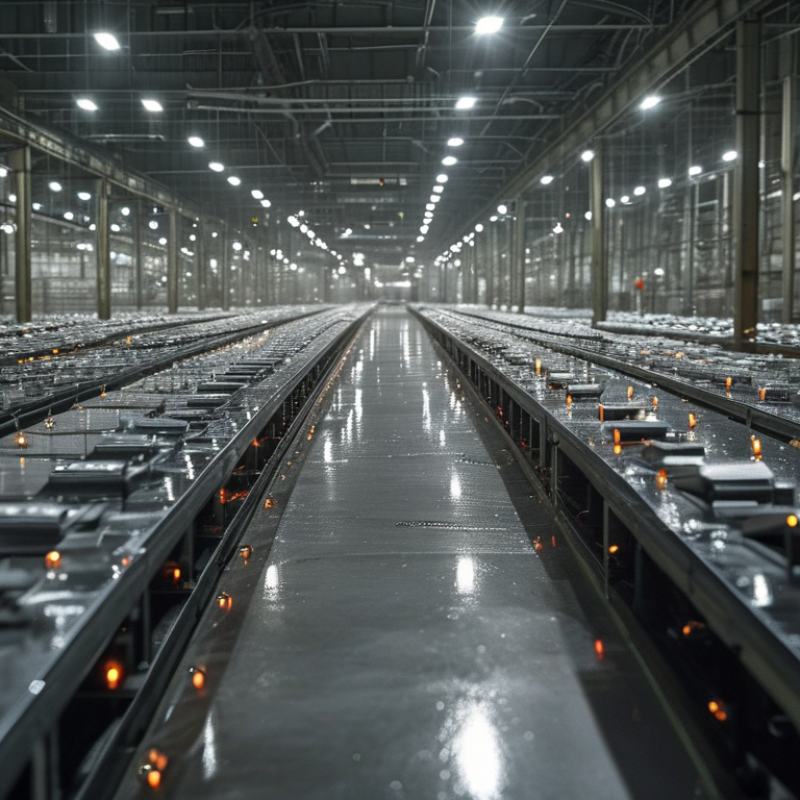
short-wave infrared sensors inspect heat seals, coatings, circuit boards, and moving machinery. A thermal camera can reveal an overheated motor before vibration becomes obvious.

The International Energy Agency reported that buildings used about 30% of global final energy in 2022. Infrared occupancy and temperature sensors can support smarter heating, cooling, and ventilation control. Small savings matter at large scale.

Still, poor calibration can create false confidence. Surface emissivity, dust, steam, and reflective metal may distort readings.

Agriculture uses infrared sensing

to identify crop stress, uneven irrigation, and soil temperature changes.

FAO data indicates that agriculture accounts for roughly 70% of global freshwater withdrawals. This makes targeted irrigation increasingly practical.

In healthcare, non-contact infrared devices help measure surface temperature, but they should not replace clinical diagnosis. Transport operators also use infrared systems for passenger counting, night detection, and battery thermal monitoring.

Sensor selection should consider operating distance, IP protection, calibration records, and local climate.

Buyers often focus on resolution first. That can be a mistake. Reliability usually depends on the complete installation, not the sensor alone.

How to Select, Source, and Verify the Right Infrared Sensor

2026 Best Infrared Sensor Types for Global Buyers

How to Select, Source, and Verify the Right Infrared Sensor

Selecting an infrared sensor starts with the target scene, not the supplier’s catalog. For temperature measurement, compare spectral range, field of view, response time, emissivity control, and noise-equivalent temperature difference. Pyroelectric sensors suit motion detection, while thermopile sensors fit compact, contactless temperature devices. Uncooled microbolometers support thermal imaging without cryogenic cooling. Keep the application visible.

MarketsandMarkets’ 2024 Infrared Sensors Market report forecasts approximately 7% annual growth through 2029. That expansion increases product variety, but it also increases specification risk. Request the full datasheet, optical window material, operating-temperature limits, calibration method, and batch traceability. Do not trust a clean sample sheet alone. I have seen similar-looking sensors produce different readings under reflective metal surfaces.

During sourcing, purchase samples from at least two production lots. Test them at several known temperatures and distances. Record ambient temperature, humidity, target emissivity, supply voltage, and mounting angle. A calibrated reference should be traceable to a laboratory operating under ISO/IEC 17025. Check repeatability, drift, warm-up behavior, and failure rates, not only average accuracy. The International Trade Centre’s 2023 trade data shows broad cross-border electronics activity, yet customs descriptions may not reveal sensor-grade differences. Verify certificates independently. A failed pilot is useful. It exposes assumptions before volume purchasing.

2026 Best Infrared Sensor Types for Global Buyers

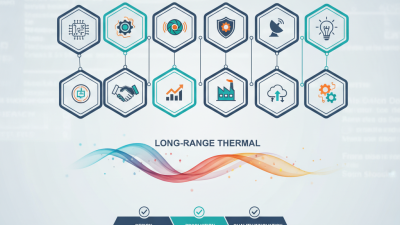
Select the sensor according to the target wavelength, environmental conditions, measurement distance, and required verification standards.

How to read this chart: The bands show commonly used infrared detection windows: near-infrared for reflective and short-range measurements, short-wave infrared for material analysis, mid-wave infrared for high-temperature targets, and long-wave infrared for thermal imaging and heat detection. Actual sensor limits vary by detector material, optics, calibration, and application.

Buyer verification checklist: Confirm spectral response, sensitivity, noise-equivalent temperature difference, operating temperature, ingress protection, calibration traceability, compliance documentation, sample testing, and performance results under the intended environmental conditions.

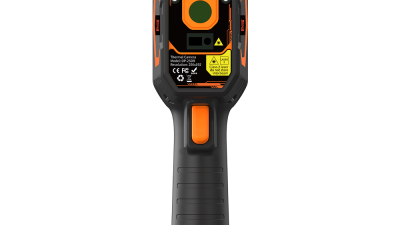
DP-25DR Thermal Camera for Power Line Inspection: Insights from MarketsandMarkets and Grand View Research Reports

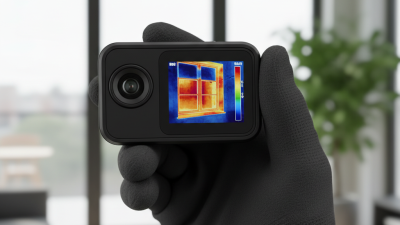
The growing demand for predictive maintenance, grid modernization, and non-contact diagnostics is driving wider adoption of thermal cameras for power line inspection. Industry research reports point to increasing interest in portable, high-resolution devices that can identify overheating connectors, damaged conductors, insulation problems, and abnormal load conditions before they lead to costly failures. The DP-25D dual-light handheld thermal imager is designed for these field requirements, combining a 256×192 infrared sensor with a dedicated 1080P visible-light camera for clearer inspection records.

With a measurement range of -20°C to 550°C, the DP-25D supports inspections across changing weather and operating conditions. Its TisoView image technology combines infrared and visible images, while multiple viewing modes help technicians interpret targets against complex backgrounds. Photo and video recording enable convenient documentation for maintenance reports, fault tracking, and follow-up analysis. A built-in laser distance measurement function reaches up to 40 meters, helping users estimate target locations and improve inspection efficiency. Beyond power infrastructure, the device can support equipment maintenance, leak detection, building diagnostics, and selected medical screening applications, offering practical functionality for professionals seeking a reliable handheld solution.

FAQS

: Where are infrared sensors commonly used?

: They support factories, farms, hospitals, buildings, and transport systems. Each setting requires different speed, accuracy, wavelength, and protection.

How can factories use infrared sensors?

Sensors can inspect heat seals, coatings, circuit boards, and moving machinery. A thermal camera may reveal an overheated motor early. The warning may arrive before vibration becomes obvious.

Can infrared sensors reduce building energy use?

Occupancy and temperature sensors can adjust heating, cooling, and ventilation. Buildings consume substantial energy worldwide. Small savings can matter at large scale.

What can damage infrared measurement accuracy?

Dust, steam, reflective metal, and incorrect surface emissivity can distort readings. Poor calibration may create false confidence. Clean readings are not always reliable.

How do farms use infrared sensing?

Infrared systems can identify crop stress, uneven irrigation, and soil temperature changes. They may support targeted watering. Field conditions remain messy.

Can infrared devices diagnose illness?

Non-contact devices can measure surface temperature without touching skin. They should support screening, not replace clinical diagnosis. Surface temperature is not a complete medical answer.

Which infrared sensor type fits each application?

Pyroelectric sensors suit motion detection. Thermopile sensors fit compact, contactless temperature devices. Uncooled microbolometers support thermal imaging. Match the sensor to the scene.

What specifications should buyers compare?

Review spectral range, field of view, response time, emissivity control, and measurement noise. Also check operating distance, protection rating, climate limits, and calibration records. Resolution is not everything.

How should buyers verify sensor quality?

Request the complete datasheet, optical window material, temperature limits, calibration method, and batch records. Buy samples from at least two production lots. Test known temperatures at different distances. Record humidity, voltage, angle, and target emissivity.

What testing results matter before volume purchasing?

Check repeatability, measurement drift, warm-up behavior, and failure rates. Use a traceable reference from an accredited laboratory. A failed pilot can reveal hidden assumptions. Test before scaling.

Conclusion

This guide explains what an Infrared Sensor is and how it detects thermal radiation without relying on visible light. It introduces the main sensor types available to global buyers in 2026, including passive devices that measure naturally emitted infrared energy and active systems that use an external infrared source. Readers will learn how these technologies differ in operating principles, detection range, response speed, accuracy, sensitivity, spectral performance, environmental resistance, power requirements, and integration options.

The article also reviews practical applications across automation, security, healthcare, transportation, energy management, environmental monitoring, and consumer electronics. It concludes with a structured approach to selecting, sourcing, and verifying the right Infrared Sensor by defining application needs, checking technical specifications, evaluating quality consistency, confirming compliance documentation, reviewing supplier capabilities, and testing samples under realistic conditions. This approach helps buyers balance performance, reliability, cost, and long-term availability in international procurement.
Olivia

Olivia

Olivia is a dedicated marketing professional at Shenzhen Dianyang Technology Co., Ltd., a subsidiary focused on delivering cutting-edge products for power inspection, building diagnostics, firefighting, industrial maintenance, and various outdoor applications. With a deep understanding of the......
Previous China Best Battery Thermal Camera Supplier?