Leave Your Message
0%

Picking the right Military Thermal Camera in 2026 isn't just about comparing resolution or zoom levels. The best choice usually starts with the mission itself — the environment, and what you're legally allowed to do with it. A camera for border observation may have very different demands than one used for search and rescue, infrastructure protection, or vehicle awareness. Knowing the purpose upfront saves you from some expensive mistakes.

This guide looks at the practical specs: thermal resolution, NETD, spectral range, lens options, refresh rate, and image processing. But it also gets into ruggedization, battery life, calibration stability, and how well the camera integrates with approved command systems. A sharp image isn't always a useful image. Humidity, fog, dust, reflective surfaces, and fast temperature changes can all make the display less trustworthy. That's why field testing matters.

And honestly? No camera is perfect.

Reliable selection also means looking at evidence from manufacturers, independent testing, warranty terms, training support, and documented compliance with applicable national and international regulations. Before buying, check cybersecurity controls, data protection practices, export restrictions, and supply-chain transparency. Product claims deserve scrutiny. Marketing language can hide practical limitations.

I've seen specs look great on paper but behave differently in real weather. It's an uncomfortable point, but it deserves attention. The best Military Thermal Camera isn't necessarily the most expensive model. It's the system that gives authorized users dependable, interpretable images within its intended range and operating conditions. This article gives you a structured framework for comparing options responsibly in 2026.
How to Choose a Military Thermal Camera in 2026?

Define the Mission and Operating Environment

Choosing a Thermal Camera in 2026 starts with the mission, not the specification sheet. A perimeter-monitoring team needs different performance from a search-and-rescue unit. Define the target, viewing distance, movement speed, and required identification detail. Then record the terrain, weather, and available power.

The operating environment changes everything. In open desert, heat shimmer can reduce image stability during afternoon hours. In forests, foliage creates clutter and shortens practical detection distance. Maritime air adds salt, moisture, and corrosion risks. The 2024 U.S. Department of Defense MIL-STD-810H guidance emphasizes environmental testing for temperature, rain, humidity, vibration, and shock. Request evidence of those tests, not only a marketing claim.

Sensor resolution matters, but it is not the whole decision. The European Commission’s 2024 Defence Data report highlights growing investment in electro-optical and infrared surveillance systems, reflecting demand for persistent observation and reliable data sharing. A 2024 MarketsandMarkets analysis also identifies uncooled infrared sensors as a major segment because of their lower size, weight, and power burden. That advantage may disappear in severe cold or long-range identification tasks. Field trials should include dawn, rain, dust, and partial concealment. Test with gloves. Test tired. Real operators often miss small controls. I would also question impressive range figures, because atmospheric conditions can make them optimistic.

Compare Thermal Sensor Types and Image Resolution

How to Choose a Military Thermal Camera in 2026?

Thermal performance begins with the sensor type, not the housing. Uncooled microbolometers are lighter, quieter, and usually easier to maintain. Cooled sensors detect finer temperature differences, especially across long distances or humid terrain. However, cooling systems add weight, power demands, cost, and possible maintenance concerns. I have found that a powerful sensor can still disappoint when the lens, display, or software is poorly matched.

Resolution also deserves careful comparison. A 640×512 detector provides more visible detail than a 384×288 unit. It can better separate a person from a warm vehicle or cluttered background. Yet resolution alone does not guarantee identification. Pixel pitch, lens focal length, image processing, and refresh rate change the real experience. A narrow lens may show detail but reduce situational awareness. That trade-off is easy to overlook.

Tips: Test the Thermal Camera Core outdoors, not only in a showroom. Compare targets at short, medium, and extended distances. Check images during rain, dust, darkness, and rapid temperature changes. Ask for measured detection and recognition results, not vague marketing claims. Confirm battery endurance with the chosen display and recording settings. Small flaws matter. Also review training needs, maintenance access, cybersecurity controls, and applicable procurement laws. A device that looks excellent on paper may feel awkward after hours of field use. That is an uncomfortable, but useful, lesson.

How to Choose a Military Thermal Camera in 2026?

Comparing Thermal Sensor Types and Image Resolution

LWIR Sensor

Long-wave infrared sensors typically operate in the 8–14 μm atmospheric window. They are widely used for passive thermal imaging because they detect heat emitted by people, vehicles, and terrain.

MWIR Sensor

Mid-wave infrared sensors typically operate in the 3–5 μm band. They can provide strong performance for hot targets and are often selected when higher-temperature contrast or long-range identification is important.

Resolution Selection

Higher pixel counts improve detail and digital identification at the same field of view, but lens quality, pixel pitch, noise-equivalent temperature difference, atmospheric conditions, and image processing also affect real-world performance.

The chart shows representative image formats used in modern thermal imaging systems. The same detector formats may be available in either LWIR or MWIR; resolution alone does not determine sensor-band performance.

Evaluate Detection, Recognition, and Identification Ranges

When choosing a military thermal camera in 2026, range claims deserve careful scrutiny. Detection, recognition, and identification are different performance levels. Detection means noticing a heat signature against the background. Recognition suggests understanding its class, such as a person, vehicle, or animal. Identification requires enough detail to distinguish specific features. These distances are not interchangeable.

A disciplined evaluator records target size, temperature contrast, lens focal length, sensor resolution, atmospheric visibility, and observer training. A figure measured on a cold, dry night may fall sharply in rain, fog, dust, or heat haze. Test at multiple distances, not only the advertised maximum. Use fixed targets and moving targets. Compare detection near the field edge, then check recognition and identification at the center. Small details disappear quickly.

Image stabilization and refresh rate also influence practical results. A narrow field of view can extend identification range, but it may slow scanning. Digital zoom enlarges pixels; it does not create missing detail. That mistake is common. Ask whether quoted ranges follow a recognized test method, and request the raw test conditions. Independent trials are valuable, yet they are not perfect. Different observers may reach different judgments. Even experienced evaluators can misread a low-contrast scene. Record uncertainty, repeat the test, and judge whether the identification range remains useful in real weather.

Assess Durability, Power Supply, and Field Usability

How to Choose a Military Thermal Camera in 2026?

Durability should match the environment, not the brochure. Check verified drop, vibration, dust, and water-resistance testing before purchase. An impact-resistant housing helps, but weak lens protection can still end a mission. Look for sealed controls, reinforced connectors, and a secure battery compartment. Cold-weather performance also matters. Batteries lose capacity quickly below freezing. Ask for test results from realistic temperatures, not only laboratory conditions.

Power supply affects every hour of field use. Choose a camera with dependable battery runtime, replaceable packs, and clear remaining-power indicators. A backup charging method can prevent unnecessary equipment returns. USB-C charging may be convenient, but confirm its reliability in wet or dusty conditions. Some systems advertise long endurance under ideal settings. Continuous imaging, recording, and wireless features may reduce it sharply. That gap deserves honest testing.

Field usability is often less impressive than specifications suggest. Operators should be able to adjust focus, brightness, and viewing modes while wearing gloves. Menus must remain readable in darkness without creating distracting light. A short startup time helps, but controls should not feel rushed or confusing. Check weight distribution, eyepiece comfort, mounting stability, and cleaning access. Test the camera during rain, fatigue, and movement. It may perform perfectly on a desk. That does not prove it belongs outside. A practical evaluation should record failures, awkward controls, and battery surprises, not hide them.

Review Mounting, Connectivity, and System Integration

How to Choose a Military Thermal Camera in 2026?

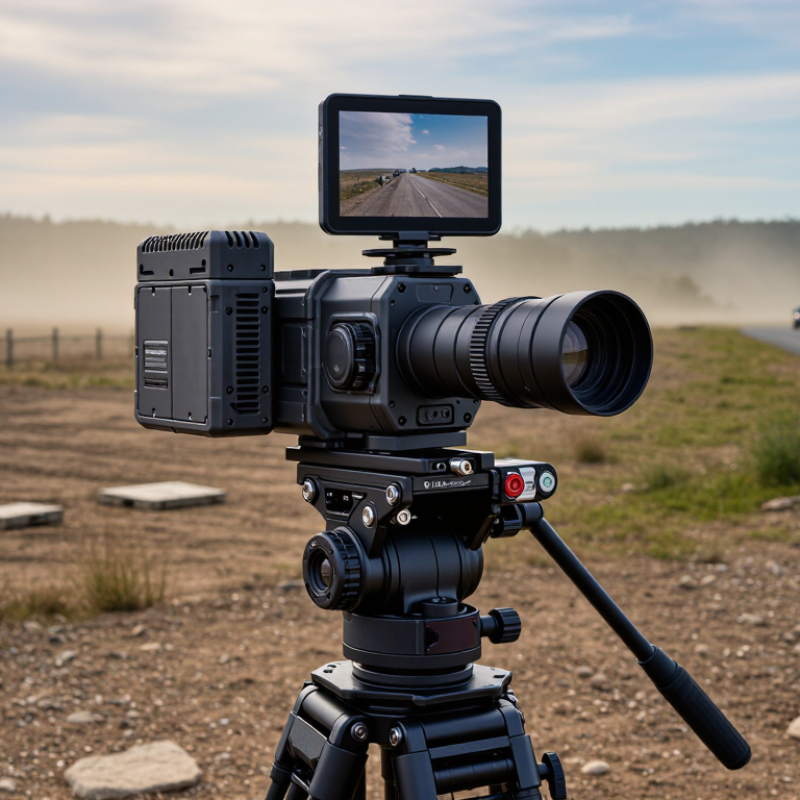
Mounting should match the mission, not just the camera’s weight. A Compact Thermal Camera may fit a vehicle mast, tripod, or handheld observation kit. Check the mounting pattern, center of gravity, and cable clearance before field trials. Vibration can loosen fasteners and shift the image. A stable bracket matters. Quick-release systems save time, but they can introduce repeatability problems. Test removal and reinstallation under dust, rain, and low light.

Connectivity affects more than data transfer. Confirm available power input, video output, network protocols, and connector protection. Ethernet may simplify integration, while serial control can support older equipment. Wireless links require careful security and interference assessments. Keep latency low when operators need live imagery. Also verify whether the camera exports temperature data, timestamps, and location metadata. These details support evidence review and system coordination.

System integration deserves practical testing. The camera should communicate reliably with displays, recording units, and command software. An open software interface can reduce custom engineering, but documentation quality varies. Ask for interface specifications, sample data, and long-duration test results. A camera that works on a laboratory bench may fail inside a vibrating vehicle. That lesson is easy to overlook. Leave room for firmware updates, calibration checks, and maintenance access. Real users should test the complete setup, not only the sensor.

Verify Compliance, Support, and Total Ownership Cost

How to Choose a Military Thermal Camera in 2026?

A reliable Handheld Thermal Camera needs more than sharp imagery. Verify its compliance documents before comparing prices. Request conformity records, environmental test results, and applicable export-control information. Procurement teams should also confirm local rules and end-user requirements. Documents must match the exact model and configuration.

Support can decide mission readiness. Ask about calibration intervals, repair turnaround, firmware updates, and spare battery availability. A clear service agreement should define response times and replacement procedures. Test the camera at night, in rain, and near hot vehicle engines. Small details matter. A difficult menu can waste valuable seconds.

Tips: Build a five-year ownership worksheet. Include training, calibration, batteries, protective cases, software support, shipping, and unexpected repairs. Compare the warranty carefully, especially for sensors and displays. A cheaper unit may become expensive after repeated servicing. No checklist catches everything. Review field feedback from trained users, then record why each model passed or failed. That reflection may reveal weaknesses that laboratory data misses.

FAQS

What is the main difference between uncooled and cooled thermal sensors?

Uncooled sensors are lighter, quieter, and easier to maintain. Cooled sensors reveal finer temperature differences over long distances. Cooling adds weight, power use, cost, and maintenance needs.

Does higher image resolution always provide better identification?

No. A 640×512 detector usually shows more detail than a 384×288 detector. Lens quality, pixel pitch, image processing, and refresh rate also matter.

How can I test thermal performance realistically?

Test outdoors across short, medium, and long distances. Compare people, vehicles, and background clutter during rain, dust, darkness, and temperature changes. Show measured results.

What lens trade-off should buyers consider?

A narrow lens can reveal distant detail but reduce situational awareness. A wider lens shows more surroundings but may lose fine detail. The best choice depends on field tasks.

Which durability features deserve close attention?

Look for verified drop, vibration, dust, and water-resistance testing. Check sealed controls, protected lenses, reinforced connectors, and a secure battery compartment. Brochures are not enough.

How does cold weather affect battery performance?

Batteries lose capacity below freezing. Ask for runtime results at realistic temperatures. Carry a suitable backup power method when field access is difficult.

What should operators test during hands-on evaluation?

Test focus, brightness, viewing modes, menus, weight balance, eyepiece comfort, and mounting stability while wearing gloves. Repeat the test during rain, movement, and fatigue.

How should battery endurance be judged?

Measure runtime with continuous viewing, recording, and wireless functions enabled. Check the remaining-power indicator and battery replacement process. Ideal laboratory numbers may disappoint outdoors.

What non-performance issues should buyers review?

Review training requirements, maintenance access, cybersecurity controls, and applicable procurement laws. A capable camera may still fail if operators find it awkward.

What is an easy mistake when choosing a thermal camera?

Trusting specifications without field testing is common. I might still choose poorly after a short demonstration. Record awkward controls, image problems, and battery surprises. Small details matter.

Conclusion

Choosing a Military Thermal Camera in 2026 requires matching the equipment to its intended mission and operating environment. Start by considering terrain, weather, visibility conditions, operating distance, and whether the camera will be used for observation, navigation, inspection, or perimeter awareness. Compare available thermal sensor types, image resolution, sensitivity, and refresh performance, while evaluating detection, recognition, and identification ranges under realistic conditions rather than relying only on specifications.

Practical field performance is equally important. Assess durability against shock, moisture, dust, temperature changes, and extended use, along with battery life, charging options, weight, and ease of operation. The camera should also support suitable mounting methods, data connectivity, and integration with existing monitoring or command systems. Finally, verify applicable compliance requirements, warranty coverage, training, maintenance, spare parts availability, and long-term ownership costs. A balanced evaluation of capability, reliability, usability, support, and total value will help organizations select a thermal imaging solution that remains effective throughout its service life.
Olivia

Olivia

Olivia is a dedicated marketing professional at Shenzhen Dianyang Technology Co., Ltd., a subsidiary focused on delivering cutting-edge products for power inspection, building diagnostics, firefighting, industrial maintenance, and various outdoor applications. With a deep understanding of the......
Previous What Is an Infrared Thermal Camera and How Does It Work?