Leave Your Message
0%

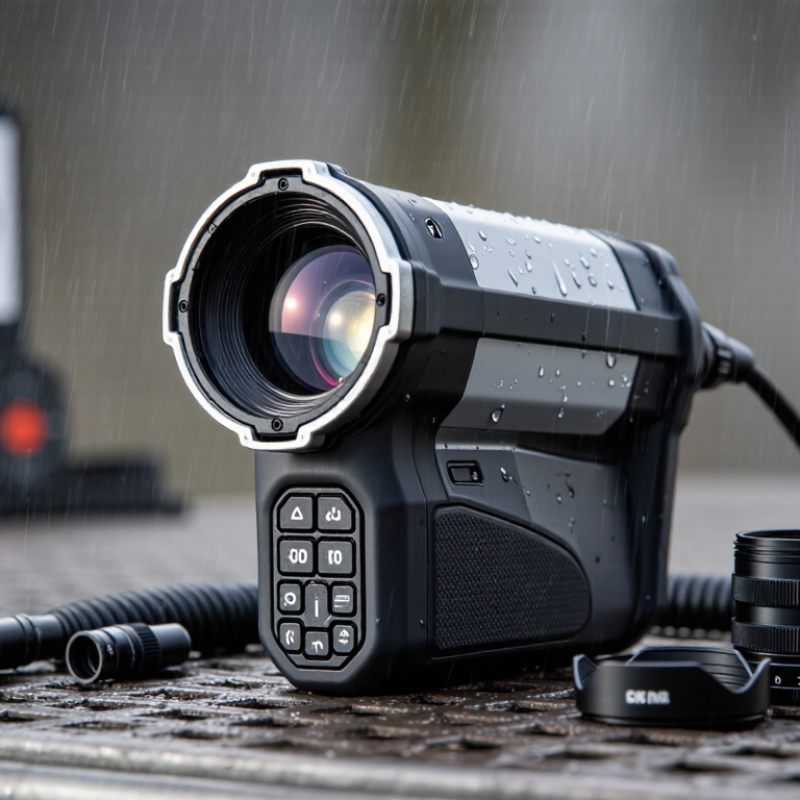
You’d think a waterproof thermal imager just needs to handle rain, right? Well, it actually has to do a lot more than that. When humidity climbs, temperatures start swinging, and you’re trying to fiddle with controls while wearing thick gloves, the image still needs to stay stable and clear. That’s the real test. In China’s manufacturing market, there are plenty of suppliers with different strengths—some nail compact inspection cameras, while others focus on rugged systems built for outdoor monitoring. Alright, so this guide is basically a rundown of manufacturers—but we don’t just stop at names. We get into the nitty-gritty: enclosure protection, detector resolution, temperature range, lens options, calibration support, and even after-sales service. Because honestly, the details are what make or break a choice.

There’s a useful principle in thermal-imaging researcher Dr. Michael Vollmer’s published work: “Reliable thermal measurements depend on understanding both the instrument and the conditions around it.” Full disclosure—that’s my paraphrase, not a verbatim quote. But the point is one people tend to miss. A sealed housing alone won’t give you good measurements. You also need to think about lens performance, connector sealing, image-processing stability, and clear product documentation. And that’s all in practice, not just on paper.

Look, this overview isn't here to crown any single supplier as the best for everything. It's more about giving buyers the tools to ask smarter questions. So take manufacturer claims with a grain of salt—check them against test reports, sample images, and the kind of environment you're actually going to use the thing in. Honestly, some stuff won't become clear until you've tested a unit in the field. That's just the nature of it. But if you do a careful side-by-side comparison, you'll start to see which Chinese manufacturers really deliver on protection, imaging performance, and technical support without too many trade-offs.
Top Waterproof Thermal Imager Manufacturers in China

Waterproof Thermal Imagers: Core Features and Operating Principles

Top Waterproof Thermal Imager Manufacturers in China

Waterproof Thermal Imagers: Core Features and Operating Principles

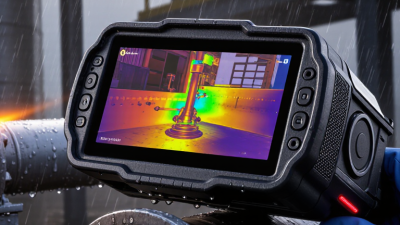
A waterproof thermal imager detects infrared energy emitted by objects. Its lens focuses this radiation onto a detector, which converts each pixel’s signal into a temperature estimate. The screen displays temperature differences as a thermal image; the colors are a palette, not the object’s actual appearance. Useful features include suitable detector resolution, low NETD for detecting small temperature contrasts, adjustable emissivity, and a sealed housing. IEC 60529 defines ingress-protection tests, but an IP rating describes tested conditions—not unlimited exposure.

Measurement quality depends on more than the camera. Surface emissivity, reflected heat, viewing angle, distance, and moisture can affect readings. A shiny pipe may appear cooler than it is. Take repeat readings. That helps, but does not remove every uncertainty. The International Energy Agency’s Global Status Report for Buildings and Construction 2024 estimates that buildings accounted for about 32% of global energy demand in 2023. Thermal inspections can help locate heat-loss patterns, though the report does not claim that cameras alone reduce energy use.

Tips: Check the required IP rating against actual exposure, and keep the lens window clean and dry. Set emissivity for the surface, then compare suspicious spots with nearby areas. Record ambient conditions; they matter.

China’s Thermal Imaging Industry and Manufacturing Landscape

China’s thermal imaging industry combines sensor production, optical engineering, electronics assembly, and application-specific testing. MarketsandMarkets’ 2023 Thermal Imaging Market report estimated the global market at USD 4.6 billion in 2023, with a forecast of USD 6.4 billion by 2028. That projection signals continued demand, but it does not guarantee equal growth across Chinese manufacturers or product categories.

For waterproof thermal imagers, manufacturing capability is more than sealing the housing. Buyers should examine ingress-protection test records, lens calibration, temperature accuracy, and performance after vibration or repeated exposure to moisture. A unit used near a washdown line needs different verification from one mounted outdoors in cold rain. Details matter. China’s manufacturing landscape offers integrated supply chains for sensors, circuit boards, housings, and assembly, which can support flexible production and shorter customization cycles. Yet component sourcing and testing quality vary. Not every specification sheet tells the full story. Independent test reports, traceable calibration records, and clear explanations of operating limits help distinguish proven equipment from optimistic claims. Even these checks have limits: field conditions can reveal weaknesses that laboratory tests miss.

How Waterproof Ratings Apply to Thermal Imaging Devices

Waterproof ratings show how a thermal imaging device withstands specific dust and water tests. They do not mean a camera is safe in every wet environment. In an IP code, the first digit indicates protection from solid objects, while the second covers water exposure. An “X” means that category has not been rated. Small detail, big difference.

For example, IPX6 concerns powerful water jets; it does not establish suitability for immersion. IP67 indicates dust protection and immersion under stated test conditions, but the manufacturer’s limits still matter. Check the depth, duration, and temperature conditions in the documentation. A Waterproof Ir Camera may handle rain yet fail if water reaches an open connector or a damaged seal. The lens window also needs careful cleaning; scratches can affect thermal readings.

When comparing manufacturers in China, request test reports for the exact device configuration, including installed cables, covers, and connectors. A rating on a product page may not cover optional accessories. Ask how seals are inspected after assembly and whether the unit was tested with its final housing. Field conditions are messier than lab tests. A neat specification sheet can still leave gaps, and I would want those gaps explained before choosing equipment for outdoor or washdown work.

Top Waterproof Thermal Imager Manufacturers in China - How Waterproof Ratings Apply to Thermal Imaging Devices

Ingress Rating or Check Protection Meaning Relevance to a Thermal Imager Practical Verification
IP54 Limited dust ingress is permitted, provided it does not interfere with operation; protection is provided against water splashes from any direction. May suit sheltered or general field use where the device is not expected to face powerful water jets or immersion. Check the specified test conditions and confirm the rating applies to the complete assembled imager, including its lens, controls, connectors, and battery compartment.
IP65 Dust-tight; protected against water jets from any direction under the applicable test conditions. A practical level to consider for equipment exposed to dust and routine wash-down or outdoor spray, subject to the device's operating instructions. Ask for an IEC 60529 test report identifying the tested model and configuration. Confirm whether covers and connector caps must be closed during exposure.
IP66 Dust-tight; protected against powerful water jets from any direction under the applicable test conditions. Relevant where stronger spray is expected, but it does not by itself establish suitability for underwater use. Check the documented test result and any restrictions on water temperature, cleaning methods, accessories, or use after impact.
IP67 Dust-tight; protected against temporary immersion under the specified test conditions. Can be relevant where accidental brief immersion is a foreseeable risk. It should not be interpreted as a general underwater operating rating. Confirm the immersion test conditions and whether the rating remains valid with the supplied lens cover, battery, and sealed ports installed.
IP68 Dust-tight; protected against immersion under conditions specified by the manufacturer and agreed for the test. Indicates an immersion capability, but the depth and duration are not universal and must be stated for the particular product. Request the exact declared depth, duration, test configuration, and any required maintenance or inspection conditions.
IPX5 / IPX6 The “X” means no dust-protection level is specified by that code; the second digit identifies the water protection level. Useful when a water rating is stated separately, but it does not establish dust-tightness. Check whether a separate dust rating is declared and avoid treating an IPX water rating as a complete dust-and-water specification.
Lens and optical window The enclosure rating describes ingress protection, not optical performance or resistance to scratching, chemicals, or thermal shock. Water droplets, condensation, dirt, or a protective window can affect image clarity and infrared transmission. Ask which window material is used, whether it is included in the tested configuration, and how to clean and dry it safely.
Connectors, seals, and accessories The rating may depend on seals being intact and openings being closed as instructed. External power, video, data, tripod, and battery interfaces can create additional ingress paths. Verify the rating with the intended cables and accessories fitted, or confirm the required caps and sealing procedures.
Supplier documentation An IP code is a defined enclosure-protection classification under IEC 60529; it is not a general guarantee against every environment. Helps buyers compare thermal imagers without assuming that similar-looking products have equivalent sealing. Request the model-specific test report, declared operating limits, warranty terms for water exposure, and care instructions.

Note: IP ratings describe protection against specified ingress tests, not image quality, pressure washing outside the stated test conditions, corrosion resistance, or performance in every weather condition. Confirm the exact rating and test configuration for the complete thermal imaging device before purchase.

Key Chinese Manufacturers of Waterproof Thermal Imagers

Key Chinese Manufacturers of Waterproof Thermal Imagers

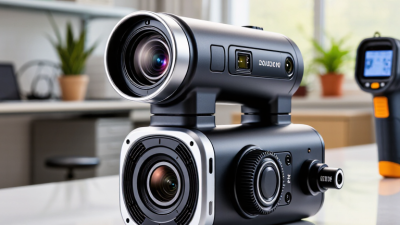
China’s waterproof thermal imager manufacturers serve industrial inspection, outdoor monitoring, and equipment maintenance markets. Their strengths often include integrated production, access to electronic components, and flexible customization. A Thermal Imager may combine an infrared sensor, sealed housing, lens assembly, and onboard processing. Each part affects performance in the field.

Waterproof ratings are useful, but they do not tell the whole story. Buyers should review test conditions, operating temperature ranges, connector protection, and resistance to vibration. Ask whether samples were tested with cables and accessories attached. Details matter. A device that survives a brief water test may still fail after months of rain, dust, or temperature changes. Not every design fits.

Experienced manufacturers can explain calibration procedures, image consistency, and service arrangements, rather than offering only a specification sheet. Check how clearly they document sensor resolution, measurement accuracy, and warranty terms. Factory visits or independent test reports can provide additional evidence, when available. Some suppliers may have uneven documentation; that is worth discussing early. A careful comparison should match the camera’s actual environment, not just its listed waterproof rating.

Industrial and Commercial Applications of Waterproof Thermal Imagers

Waterproof thermal imagers support inspections in places where moisture, dust, or washdown can interrupt routine checks. In manufacturing plants, technicians use them to spot hot bearings, uneven motor loads, and temperature changes around pipes. A sealed housing helps protect the instrument, but “waterproof” does not mean suitable for every cleaning method. Check the stated ingress rating, operating temperature, and permitted exposure before choosing a unit. Small details matter.

In commercial buildings, these cameras can help locate overheated electrical connections, insulation gaps, and HVAC problems. A Portable Thermal Imager is useful when staff need to move between rooftops, plant rooms, and service corridors. Readings still depend on surface material, viewing angle, and distance. Reflective metal can mislead an operator, and a thermal image alone cannot confirm the cause of a fault. That limitation deserves attention.

Tips: Set emissivity for the surface, keep the lens clean, and compare readings with a known baseline. Record the location and ambient conditions. If results seem odd, repeat the scan from another angle; rushed inspections sometimes miss the obvious.

How to Evaluate and Select a Chinese Manufacturer

Selecting a Chinese waterproof thermal imager manufacturer starts with evidence, not polished product photos. Ask for the camera’s ingress-protection rating and the test conditions behind it. A rating alone does not show how the unit handles repeated rain, cable entry points, or temperature changes. Request test reports, and check that the tested model matches the one being quoted. Small details matter.

Compare thermal resolution, temperature range, sensitivity, and calibration procedures against your actual use. For inspections outdoors, ask how readings behave after the device moves from a warm vehicle into cold air. Request a sample unit and test it with your own targets and viewing distance. A short demonstration is useful, but not enough. Check image stability and controls yourself.

Factory audits can reveal inspection steps, component traceability, and how defects are handled. Ask about production lead times, spare parts, firmware updates, and written warranty terms. Clear answers are a good sign; vague promises deserve follow-up. A Diy Thermal Imager project may need different support from a finished industrial camera, so confirm compatibility before ordering. Selection is rarely tidy. Even careful buyers can miss a weak connector until field use exposes it.

Thermal Imaging Market Outlook: A Data-Led Guide to the DP-25DV | MarketsandMarkets Industry Report

Thermal imaging demand is increasingly shaped by the need for fast, non-contact inspection across infrastructure, maintenance, and building services. A data-led market assessment should compare practical factors such as infrared resolution, temperature range, visible-light support, recording options, and suitability for specific working conditions. These measures help buyers distinguish devices for routine screening from tools intended for more detailed field investigations, without relying on headline claims alone.

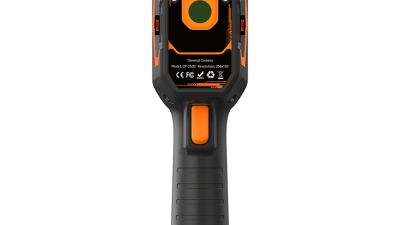
The DP-25D is a dual-light handheld imager designed for applications including power-line inspection, leak detection, equipment repair, electrical engineering, and selected medical scenarios. Its infrared resolution is 256 × 192, supported by a dedicated 1080p visible-light camera, while its measurement range of −20°C to 550°C accommodates a broad range of inspection tasks. TisoView image technology combines infrared and visible images and provides multiple viewing modes to help users interpret thermal patterns in context. Photo and video recording support documentation and follow-up review. For market comparisons, these features offer clear points of reference when evaluating portability, image detail, temperature coverage, and reporting needs. The DP-25D is manufactured in China and positioned for professional imaging work across varied environments.

FAQS

What does an IP rating tell me about a thermal imaging device?

It describes protection against tested dust and water exposure. The first digit covers solid objects; the second covers water. An “X” means that category has not been rated.

Does IPX6 mean the device can be submerged?

No. IPX6 addresses powerful water jets, not immersion. Check the device documentation before exposing it to water.

What should I check before using a device in wet conditions?

Review its rating, exposure limits, and operating temperature. Inspect seals and connectors. A damaged seal can let water inside.

Can a waterproof thermal imager handle any cleaning method?

No. A sealed housing does not guarantee protection from every washdown method. Follow the permitted exposure details.

What should I ask about test reports when comparing devices?

Request reports for the exact configuration, including cables, covers, and connectors. Ask whether testing used the final housing. Details can be easy to overlook.

Where are waterproof thermal imagers useful?

They can help inspect plant equipment, pipes, electrical connections, insulation, and HVAC systems. Technicians may use them in plant rooms, rooftops, or service corridors.

Can a thermal image confirm the cause of a fault?

No. It can show temperature differences, but not their cause. Reflective metal may also produce misleading readings.

How can I improve the reliability of thermal readings?

Set emissivity for the surface, clean the lens, and compare readings with a known baseline. Record the location and ambient conditions. Try another angle if results seem odd. Sometimes the scan needs a second look.

Conclusion

This article explores the essential features and operating principles of a Waterproof Thermal Imager, including how thermal sensors detect temperature differences and how protective enclosures help devices perform in wet or demanding environments. It also reviews China’s thermal imaging manufacturing landscape and explains how waterproof ratings indicate a device’s resistance to water exposure, while noting that ratings should be considered alongside the intended operating conditions.

The article outlines industrial and commercial uses, such as equipment inspection, building maintenance, and outdoor monitoring. It also provides guidance for evaluating Chinese manufacturers by considering product specifications, testing and quality-control practices, customization options, technical support, and delivery capabilities. Together, these topics offer readers a practical framework for understanding waterproof thermal imaging technology and selecting a suitable manufacturing partner.
Olivia

Olivia

Olivia is a dedicated marketing professional at Shenzhen Dianyang Technology Co., Ltd., a subsidiary focused on delivering cutting-edge products for power inspection, building diagnostics, firefighting, industrial maintenance, and various outdoor applications. With a deep understanding of the......
Previous Why Use a Thermal Imaging Tool?