
Leave Your Message
Explore our leading-edge infrared thermal imaging modules calibrated for precision measurement and integration across British commercial and industrial sectors.
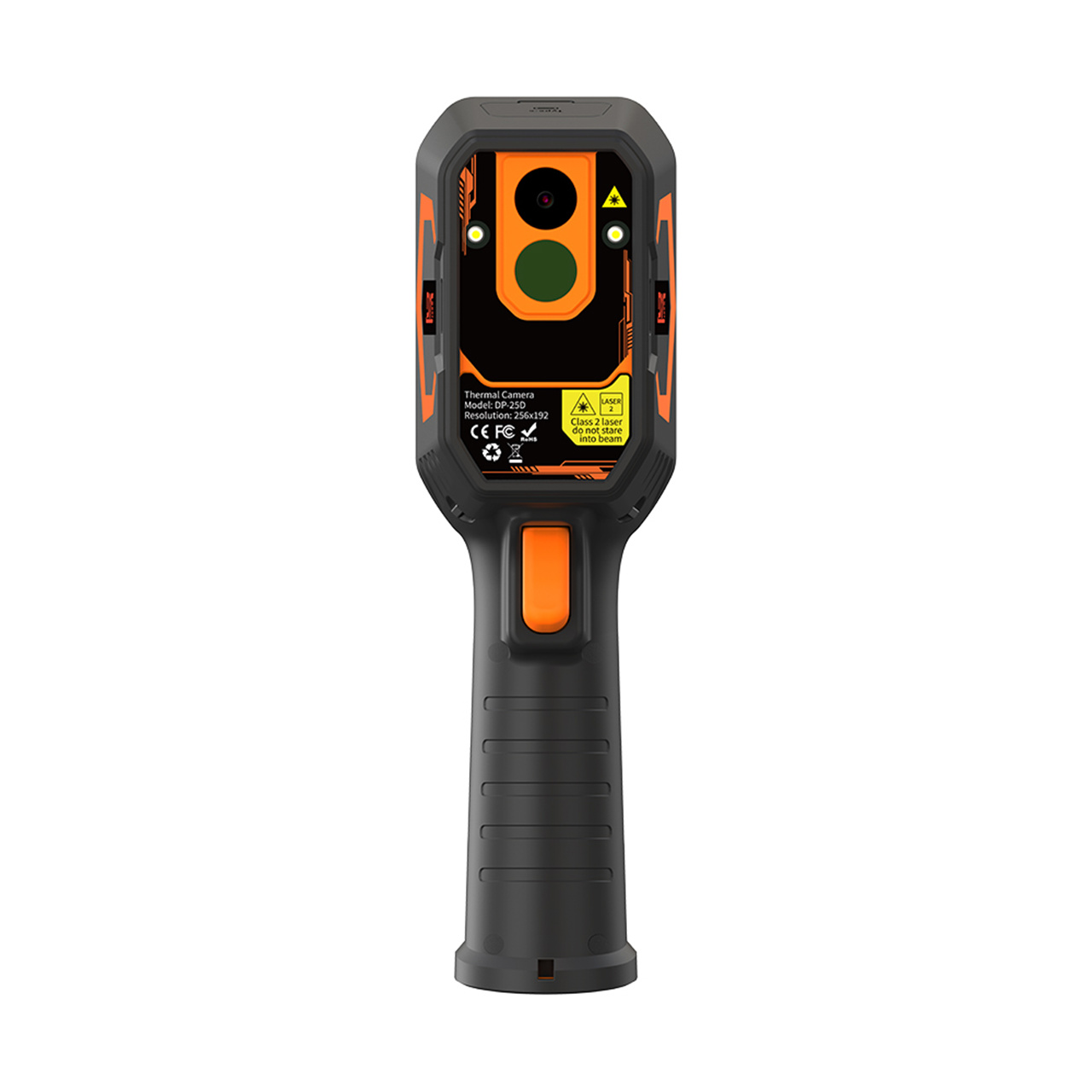
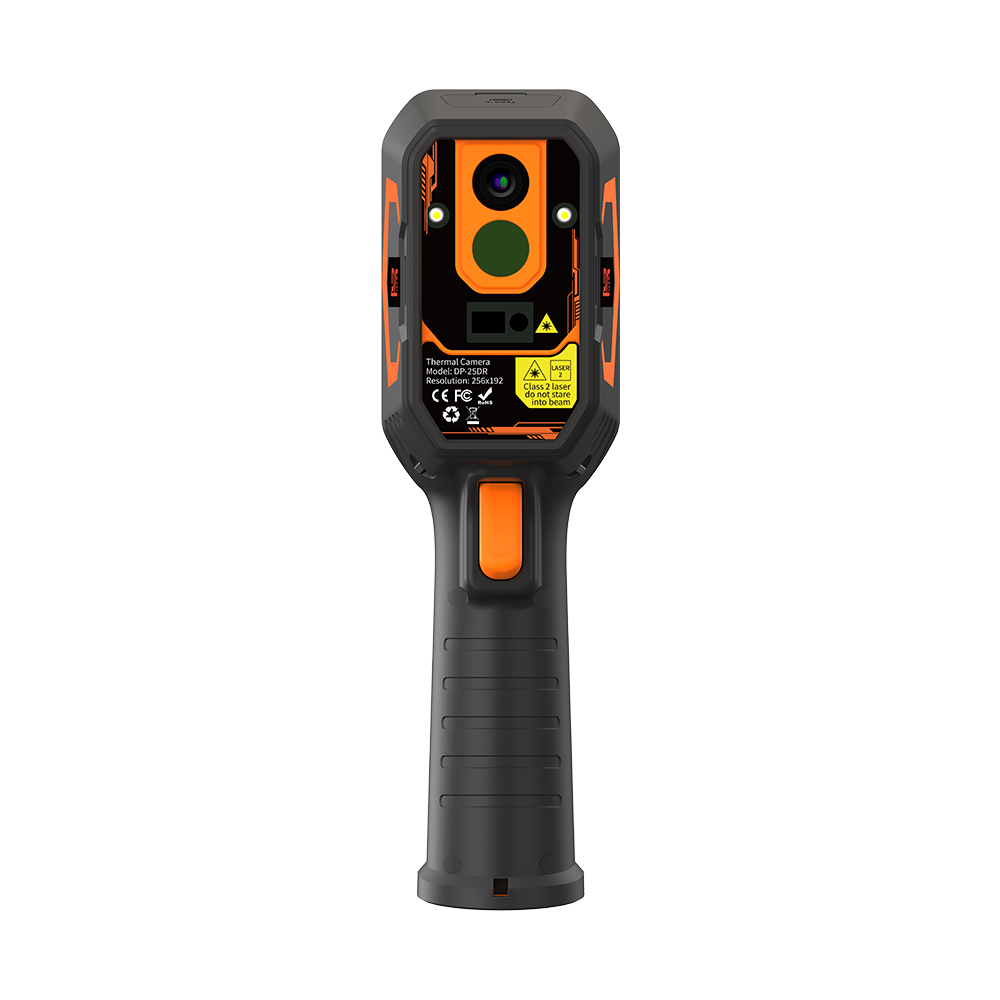
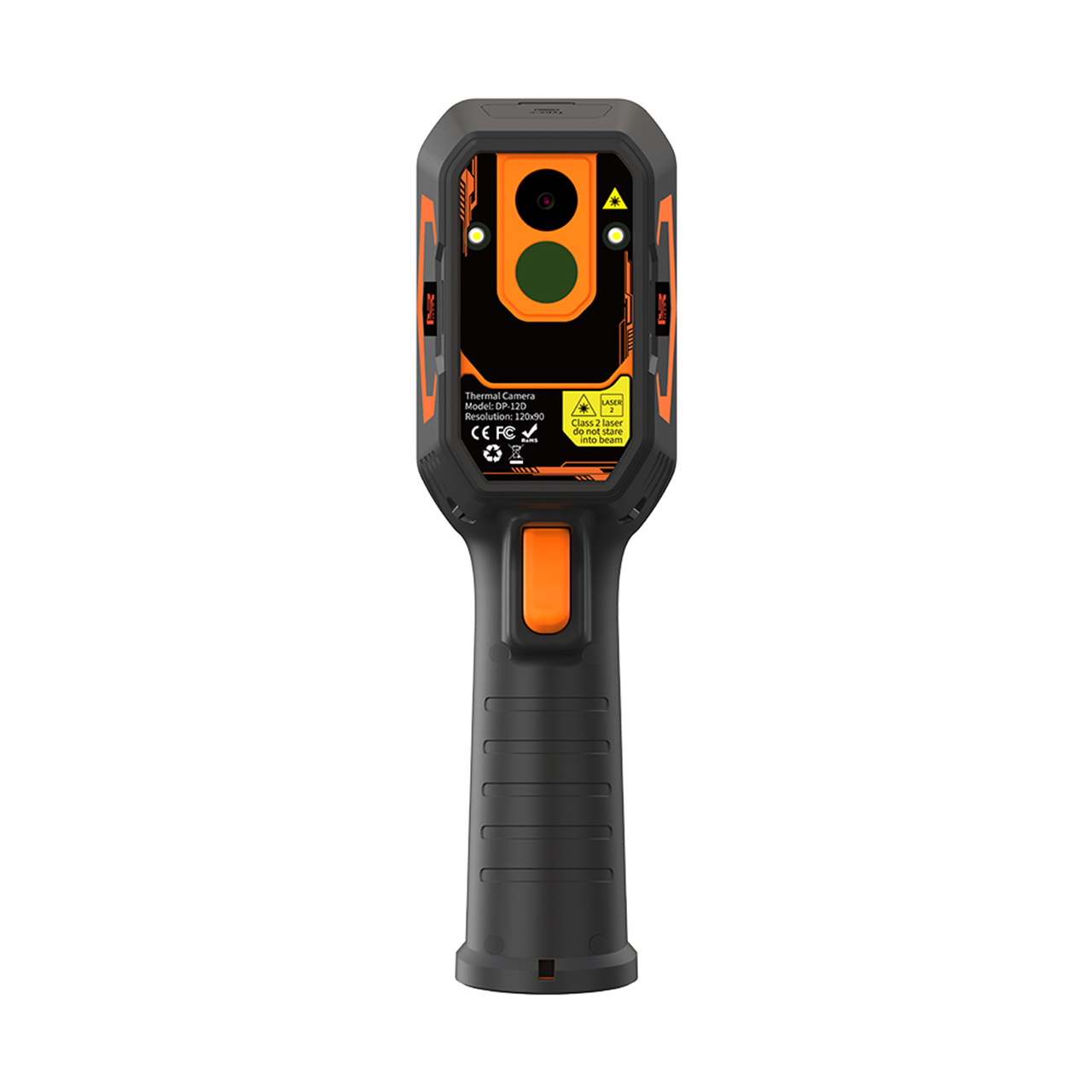
The United Kingdom is undergoing a rapid industrial transformation driven by automation, decarbonisation, and strict safety regulations. As British industries align with the "Net Zero 2050" strategy, the demand for high-efficiency embedded thermal modules has escalated. From the manufacturing hubs of the West Midlands to the technology corridors of London and Cambridge, non-contact temperature measurement is no longer a luxury—it is an operational necessity.
In the UK, embedded thermal modules are increasingly integrated into smart building management systems (BMS), automated assembly lines, and electrical distribution grids. These modules allow continuous, real-time monitoring of critical assets, preventing catastrophic failures before they occur. Furthermore, following updated UK building safety acts, thermal mapping for structural integrity and energy insulation audits has become standard practice across both residential and commercial properties.
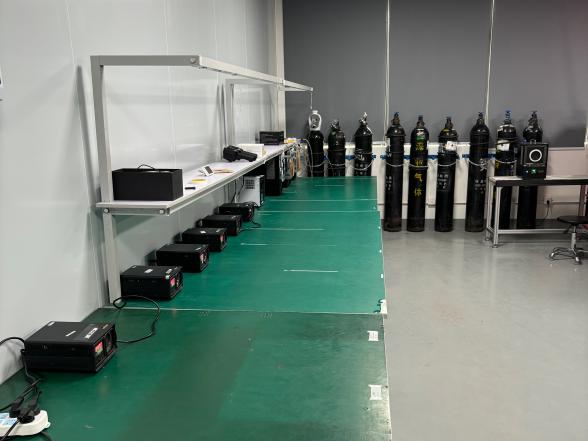
How embedded thermal imaging cores are solving real-world challenges across British infrastructure and services.
With the UK's expanding renewable energy network, electrical substations from Scotland to Cornwall utilize embedded thermal modules. These modules continuously monitor transformers, switchgear, and cable terminations, automatically triggering alerts when anomalous heat signatures are detected, preventing grid failures during peak winter loads.
The UK boasts a rich heritage of historic structures. To meet modern energy efficiency standards without damaging heritage fabric, surveyors use compact thermal modules on drones or handheld devices to pinpoint drafts, dampness, and heat loss in Grade I and II listed buildings across London, Edinburgh, and Bath.
At manufacturing plants in the Midlands, embedded thermal cores are integrated into robotic arms and laser welding machines. By monitoring thermal signatures in real-time, the system ensures precision welds and warns operators of tool wear, maintaining the high quality expected in the UK's advanced engineering sector.
Lithium-ion battery fires are a growing concern for UK waste management facilities. Embedded dual-light thermal cameras provide 24/7 surveillance, identifying hot spots in waste piles before visible smoke or flames appear, enabling automated suppression systems to react instantly.
Shenzhen Dianyang Technology Co., Ltd. is a subsidiary of VHD (Shenzhen VHD Technology Co., Ltd.), a publicly listed company on the Shenzhen Stock Exchange. This strategic affiliation gives Dianyang unique access to VHD’s advanced R&D platforms, high-precision manufacturing systems, and rigorous quality management practices—enabling us to deliver thermal imaging products of higher reliability and consistency than typical ODMs.
We specialize in ODM/OEM services for infrared thermal imaging solutions, including handheld thermal imagers, smartphone-connected thermal cameras, thermal analyzers, and thermal imaging telescopes. Our products serve global customers in power inspection, building diagnostics, firefighting, industrial maintenance, and outdoor applications.
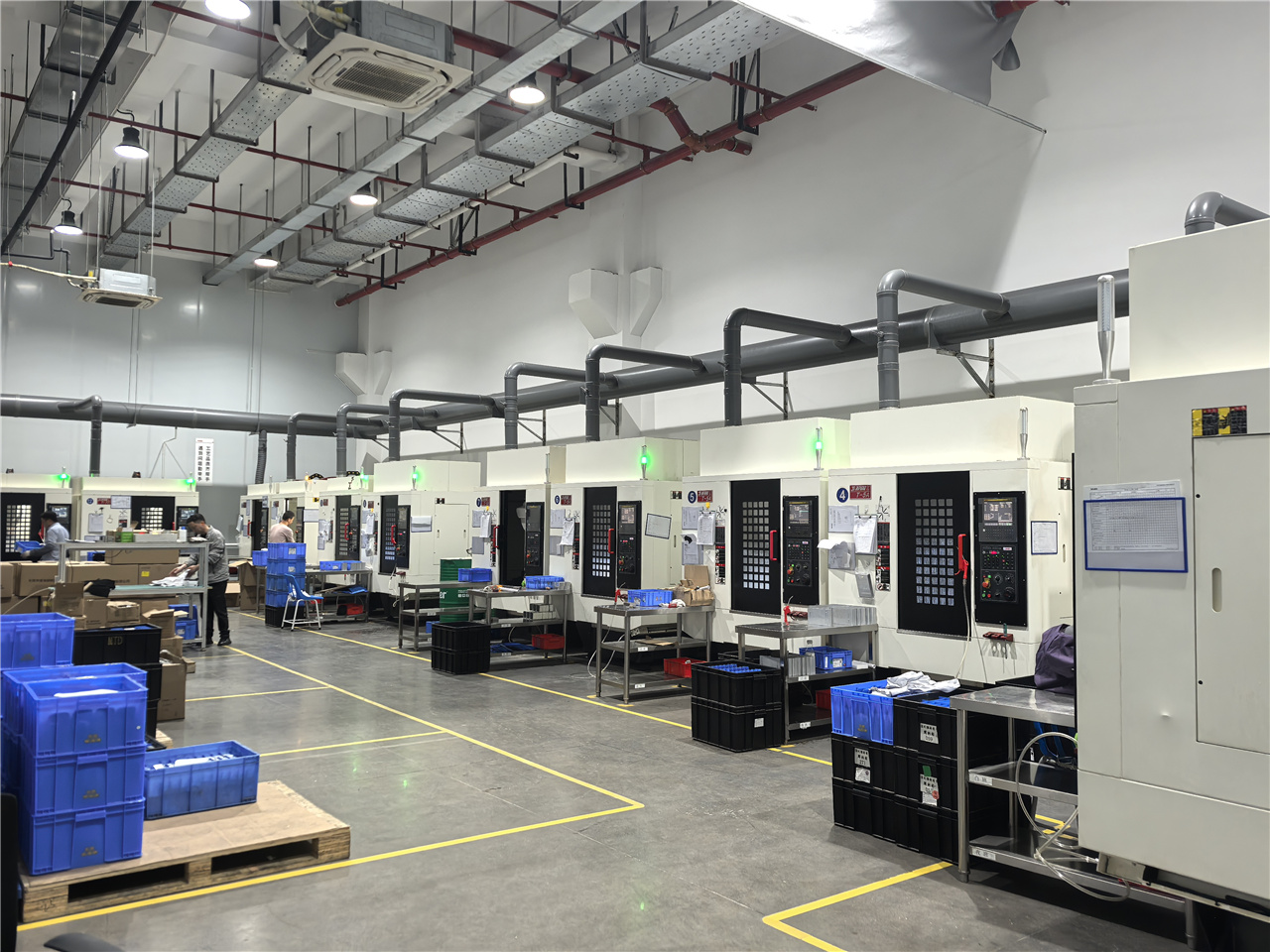
Meeting stringent European and British regulatory standards for seamless deployment.
Our dedicated engineering team applies Design for Manufacturing (DFM), Design for Testability (DFT), thermal simulation, and EMC pre-compliance analysis to optimize performance and accelerate development. We also support clients in obtaining key certifications such as CE, FCC, RoHS, REACH, CB, UKCA, KC, and PSE. This ensures that every embedded thermal module exported to the United Kingdom complies fully with local safety, environmental, and electromagnetic compatibility regulations.
Just Diligent, Keen on Control: Our structured NPI (New Product Introduction) process typically delivers certified prototypes within 8–12 weeks. Combined with stable supply chain support and group-level technical resources, we ensure on-time delivery and long-term product reliability.
By combining focused thermal imaging expertise with the backing of a listed parent company, Dianyang offers a rare blend of agility, quality, and scalability—helping global partners bring high-performance, certified thermal products to market with confidence.
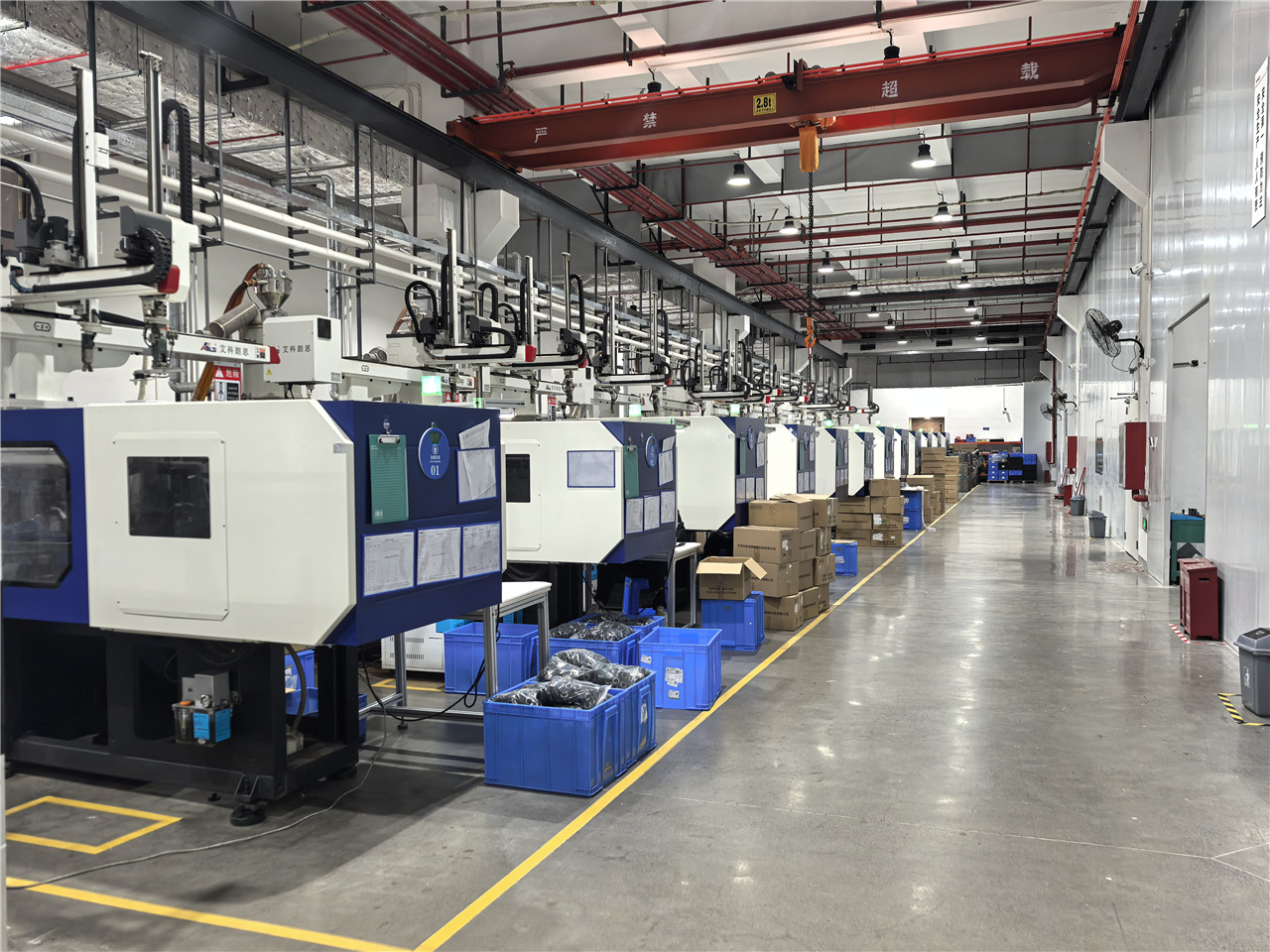
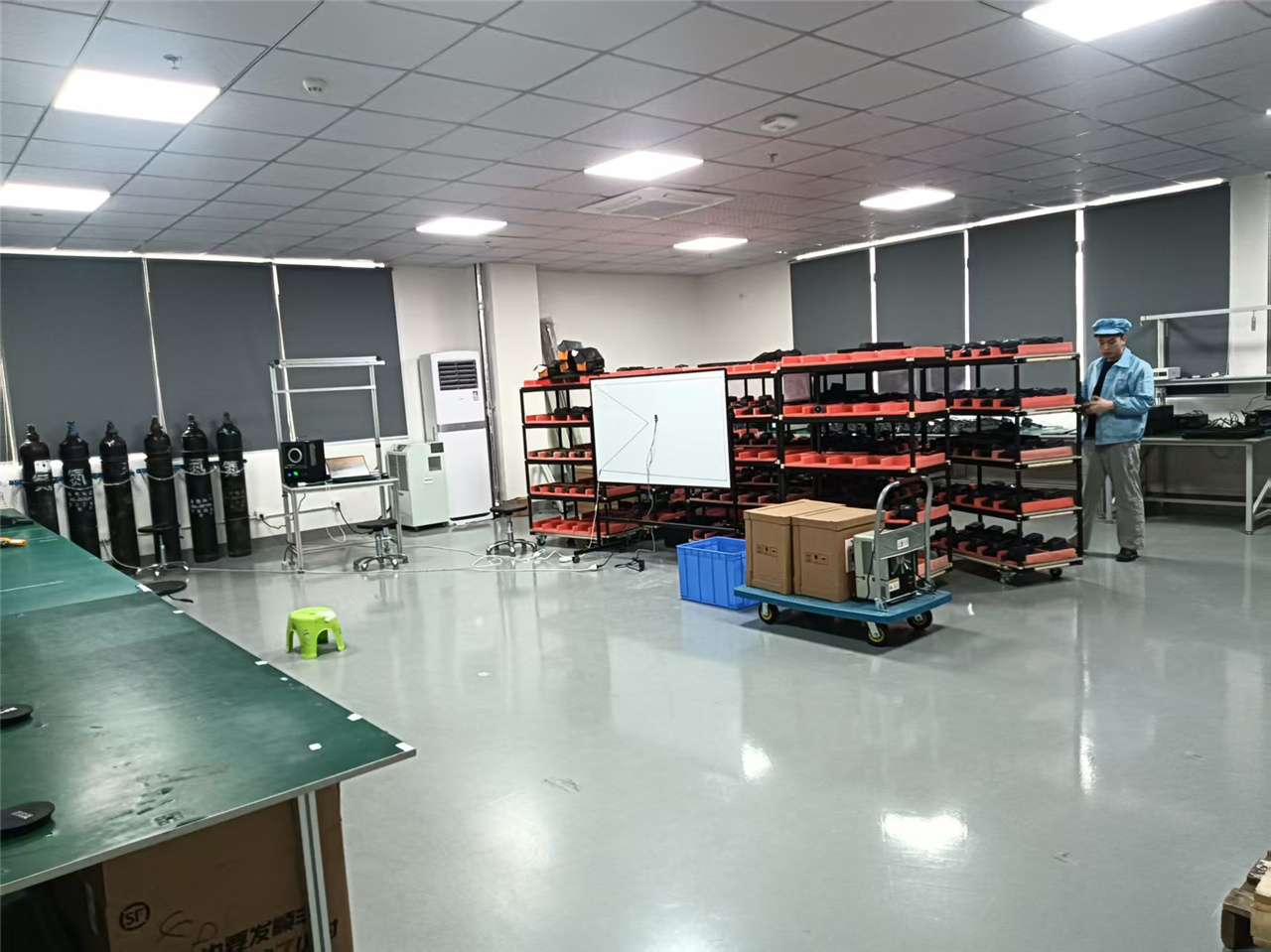

Exported globally with comprehensive certification and technical support for system integrators.
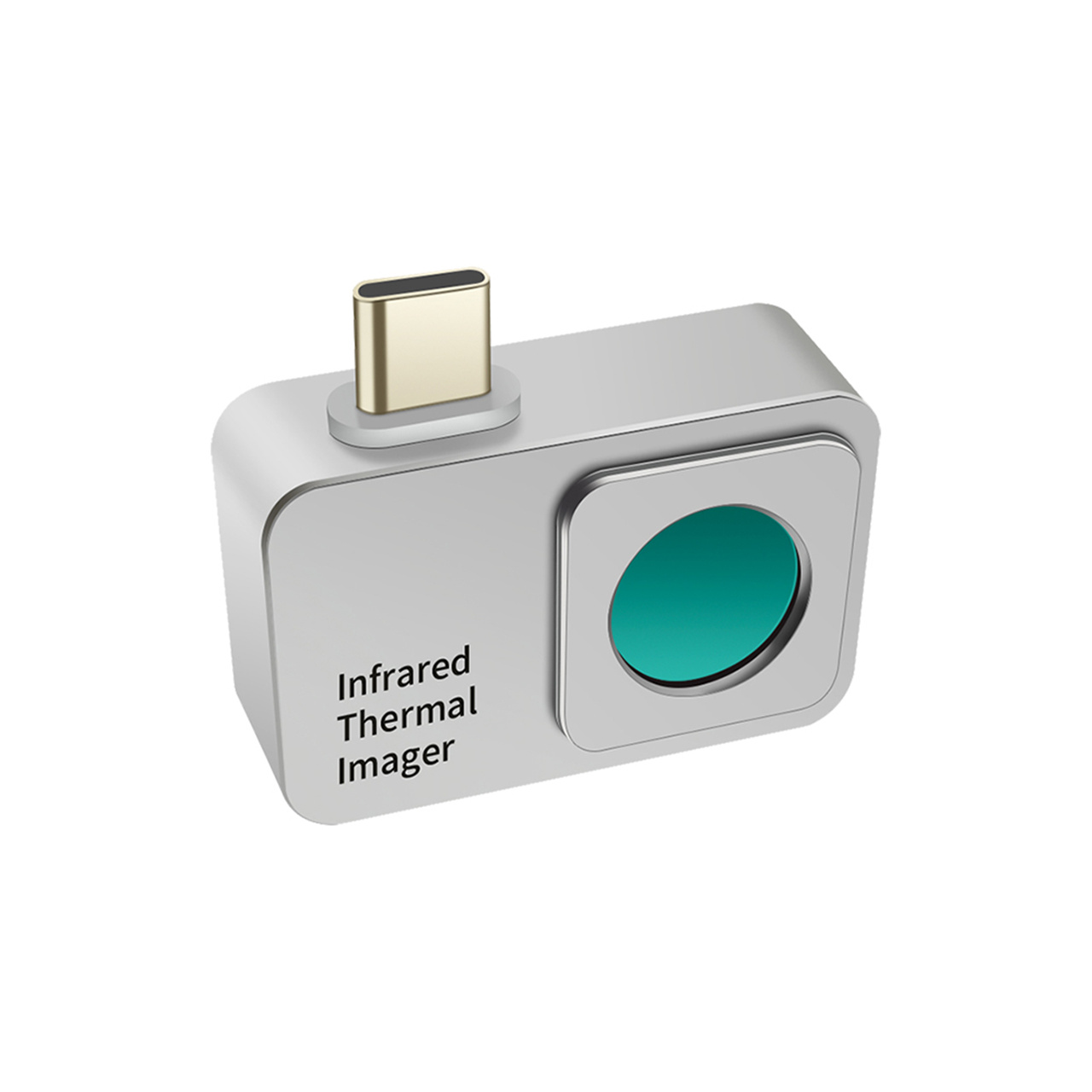
Navigating compliance, reliability, and precision in the United Kingdom's high-tech landscape.
For UK system integrators, compliance is not just about legality—it is about market trust. The transition from the CE mark to the UKCA (UK Conformity Assessed) mark has introduced regulatory nuances that importers and manufacturers must carefully navigate. By sourcing thermal imaging modules that carry both CE and UKCA certifications, UK distributors ensure seamless entry into both the British and wider European markets without costly delays or re-testing.
Our engineering team does not just supply hardware; we act as a technological partner. Through comprehensive Design for Manufacturing (DFM) and Design for Testability (DFT), we align our thermal cores with your final housing and electronic control units. Whether you are developing a smart security camera, an automated medical screening terminal, or an airborne agricultural inspection system, our modules integrate seamlessly via standard interfaces (USB, SPI, or MIPI).
Operating electronic equipment in industrial environments like automotive plants or power grids exposes them to significant electromagnetic interference (EMI). Our pre-compliance EMC analysis mitigates risk early in the design cycle, saving months of troubleshooting. Combined with rigorous thermal simulation, we guarantee that our embedded modules operate stably within their specified temperature ranges, even when enclosed in sealed, weatherproof housings designed for the damp British climate.
As a subsidiary of the publicly listed VHD Technology, Dianyang benefits from massive purchasing power and established semiconductor supply networks. This minimizes lead times and shields our UK partners from the components shortages that frequently disrupt the electronics industry. With our structured NPI process, we move from initial concept to certified, production-ready prototypes in just 8 to 12 weeks, helping you capture market opportunities ahead of the competition.