Leave Your Message
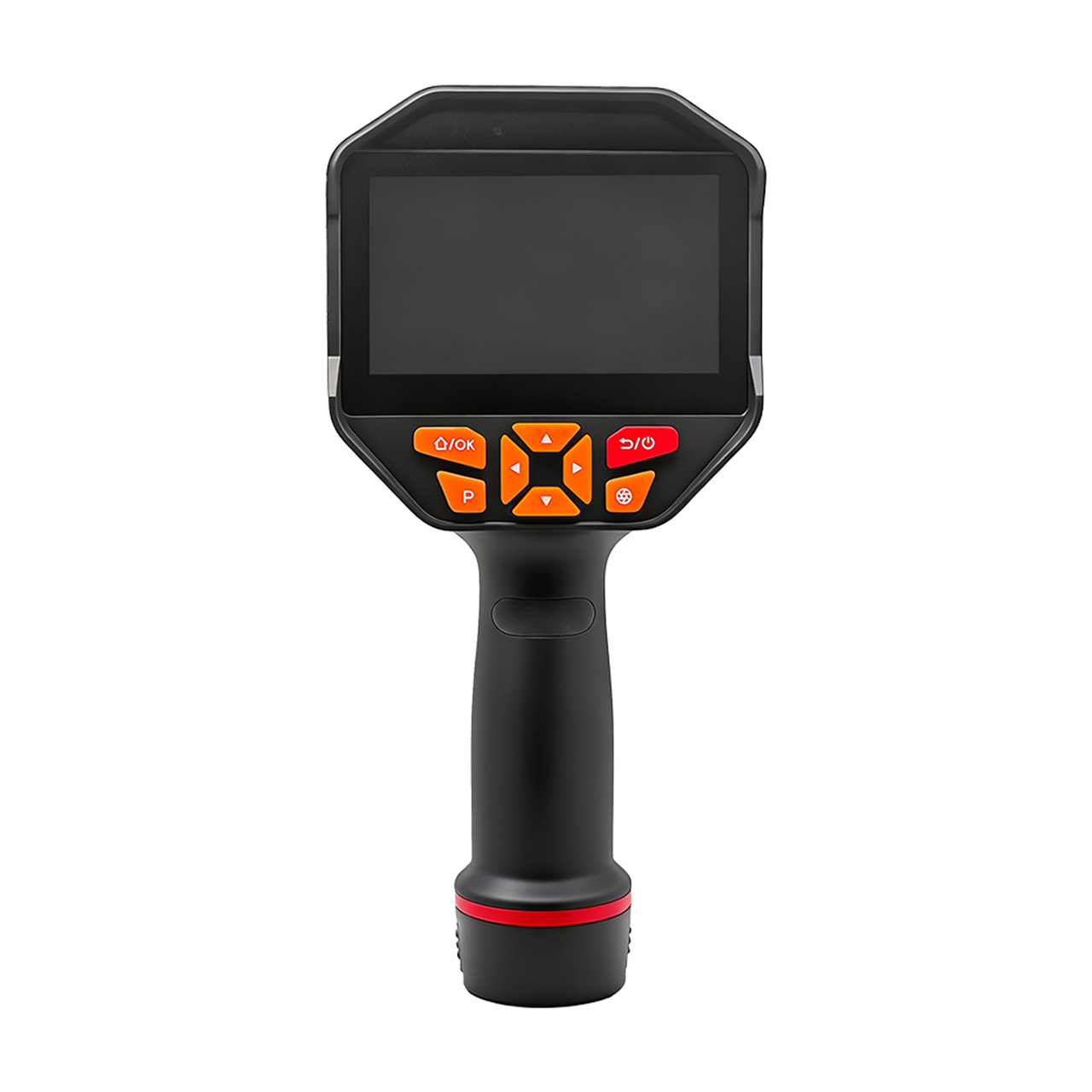
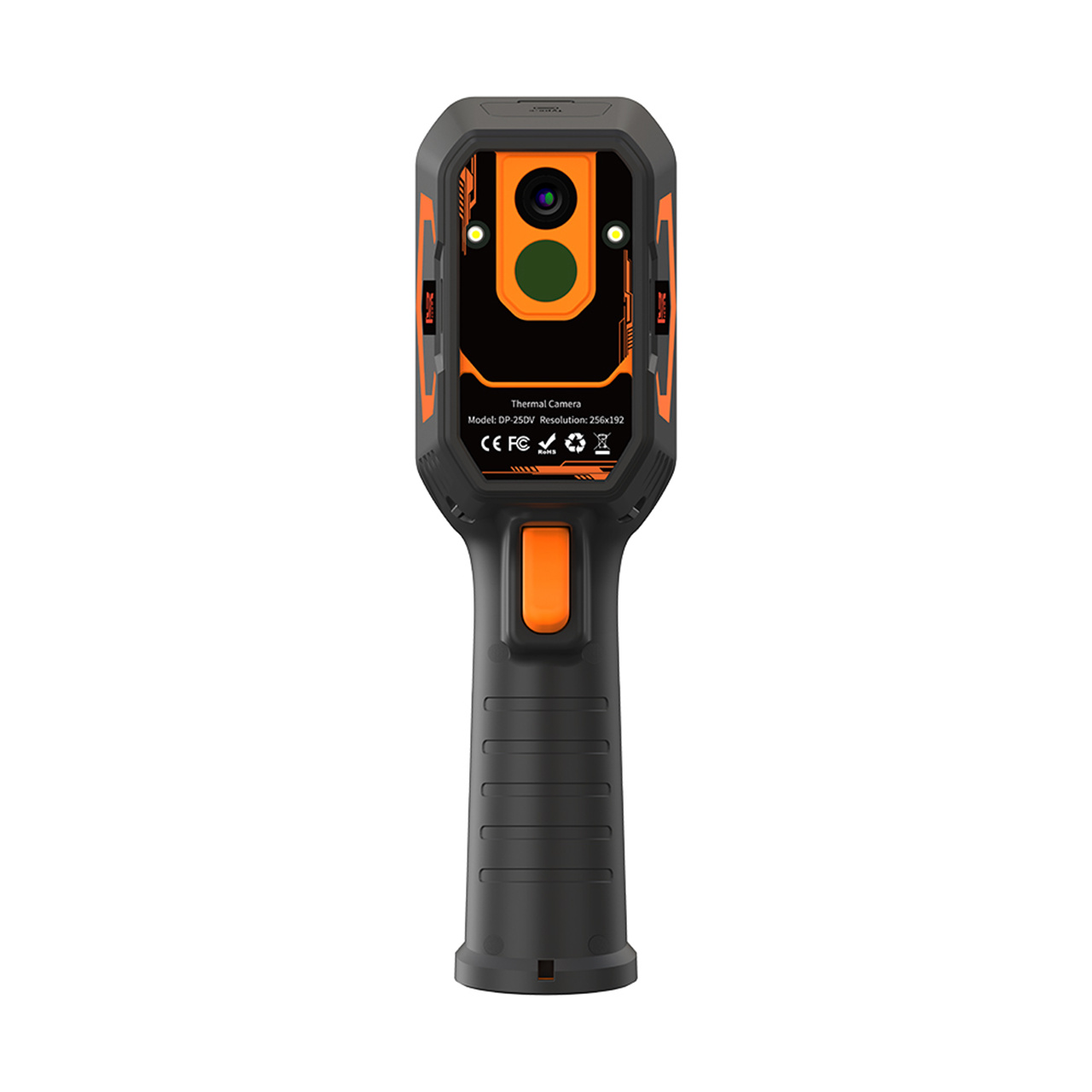
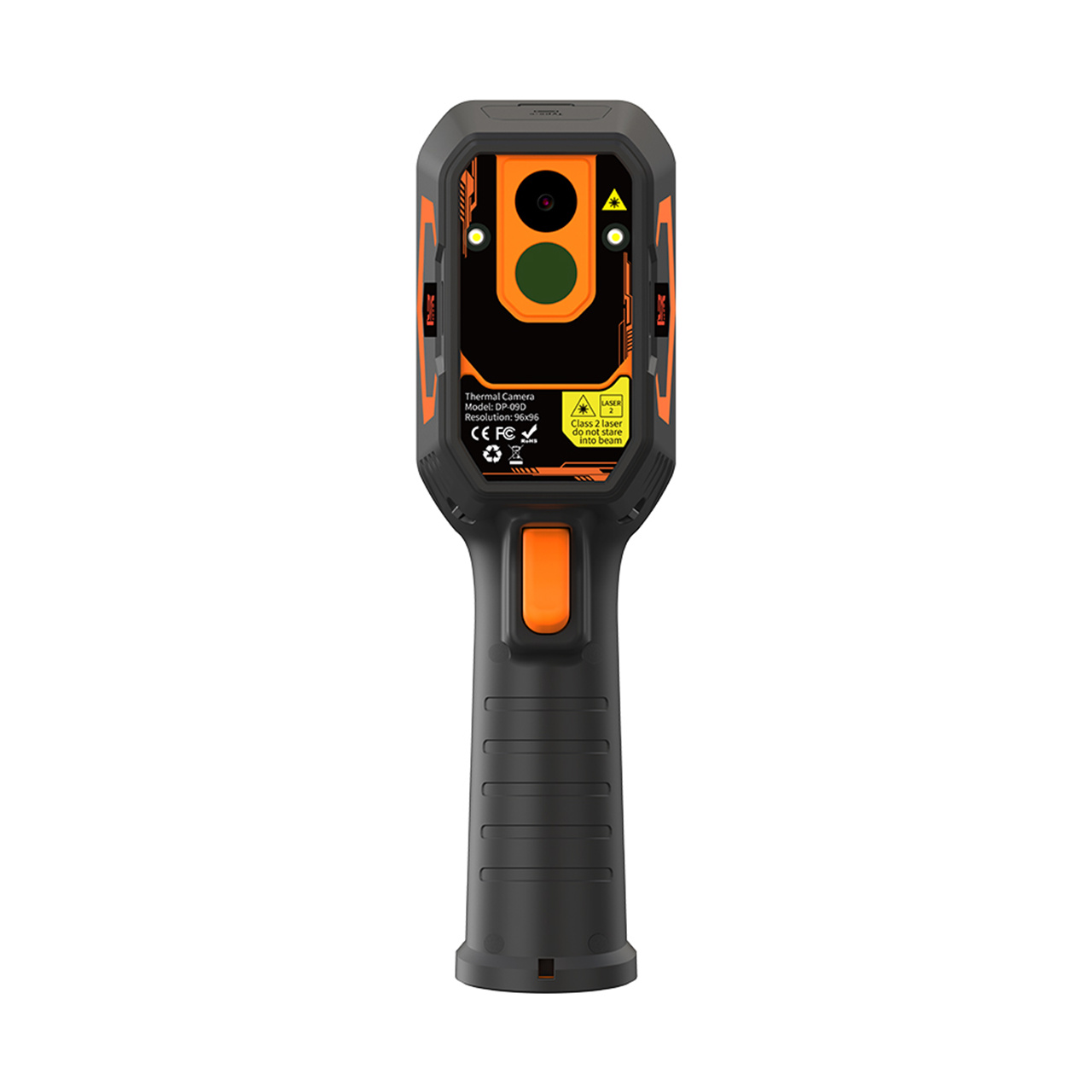
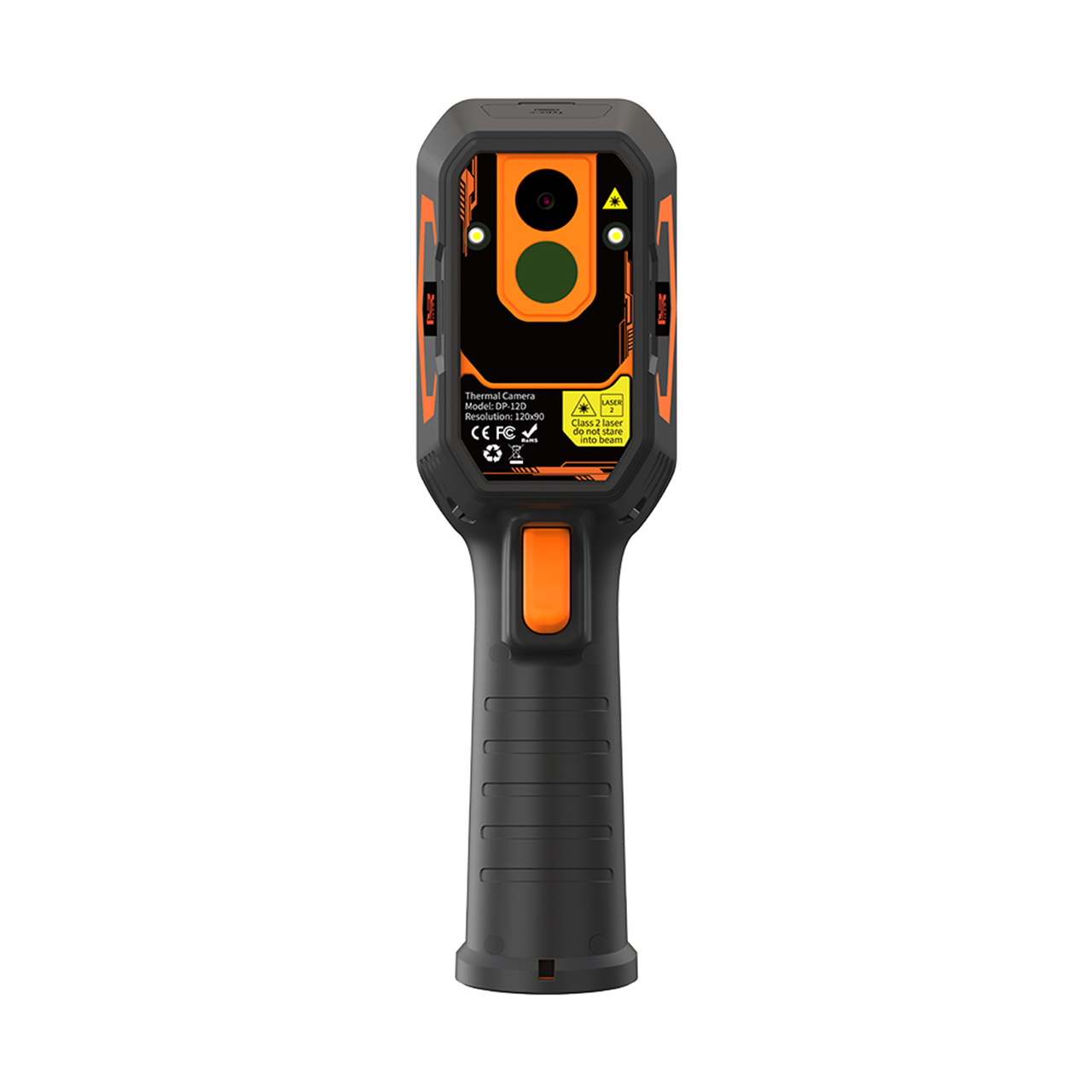
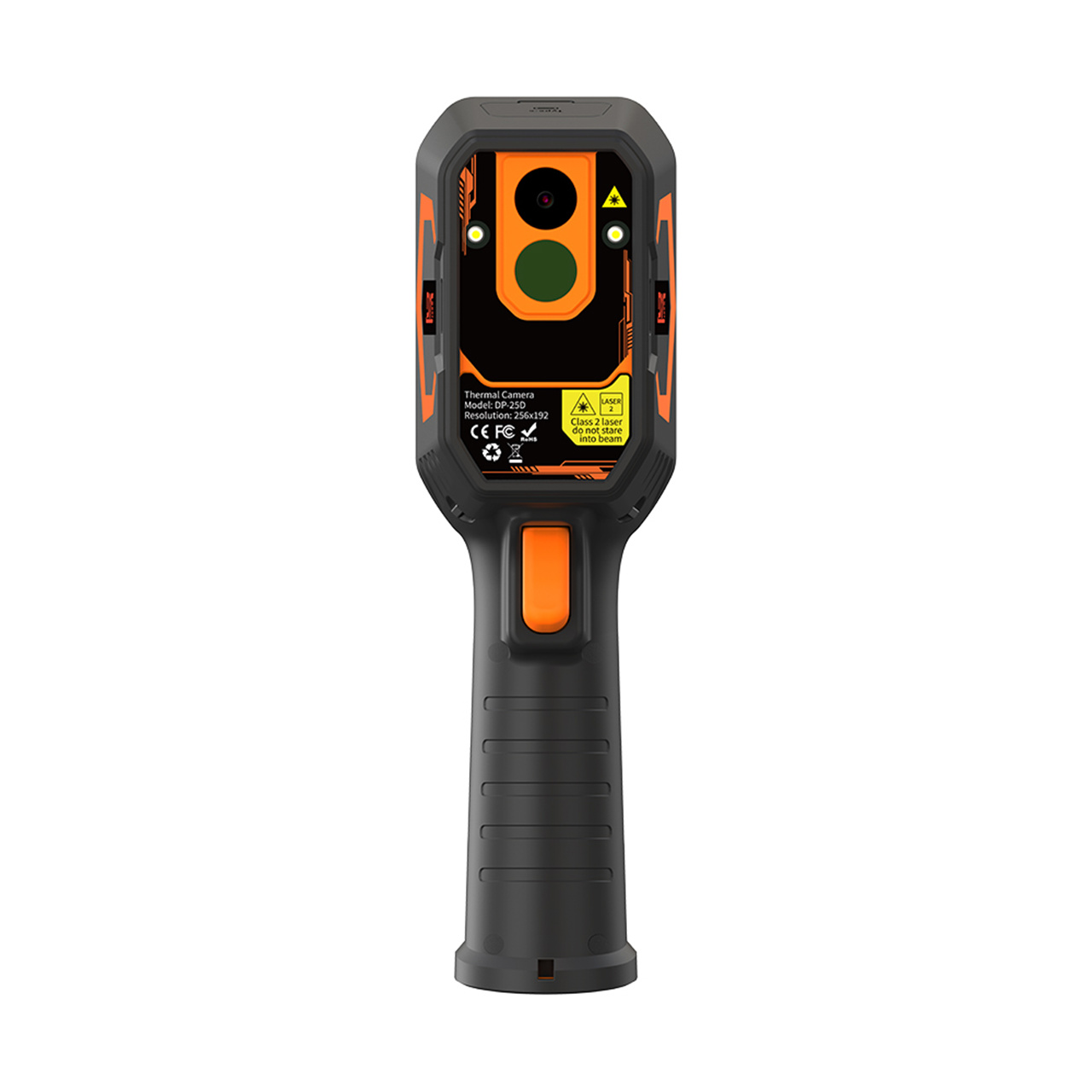
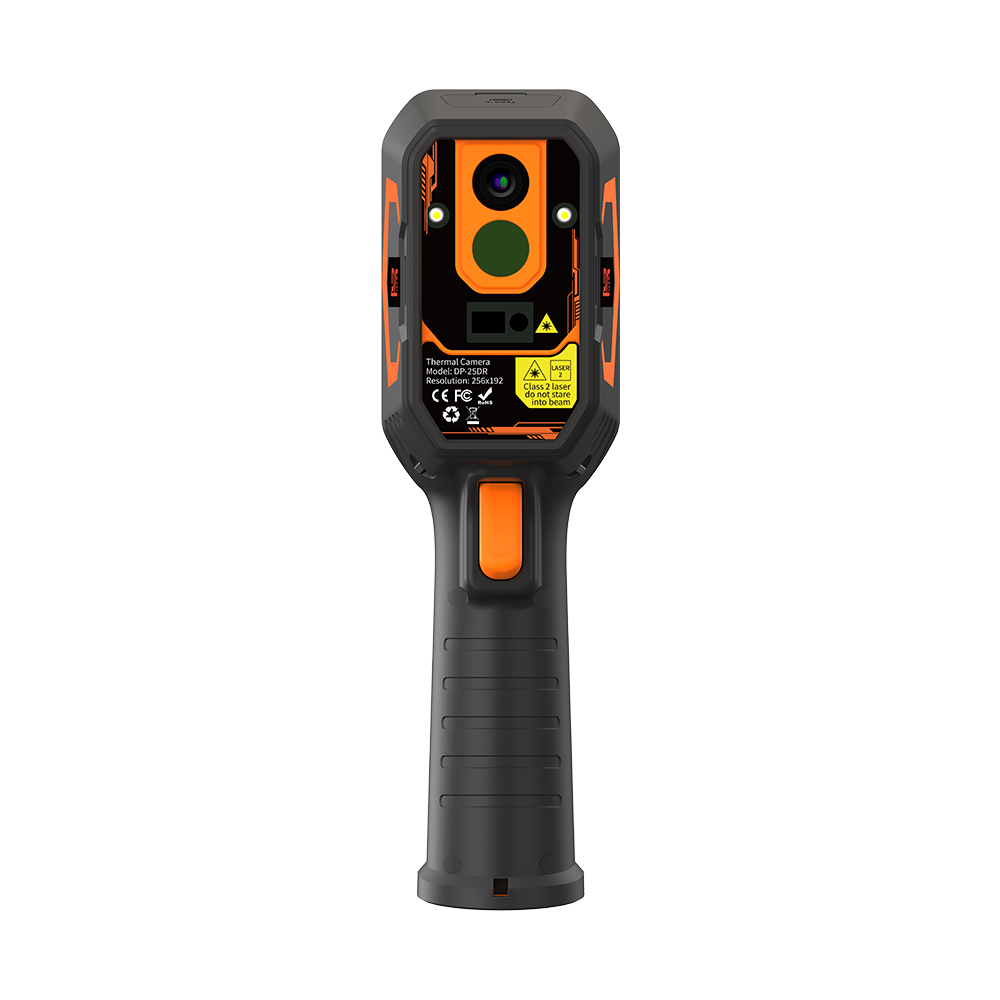
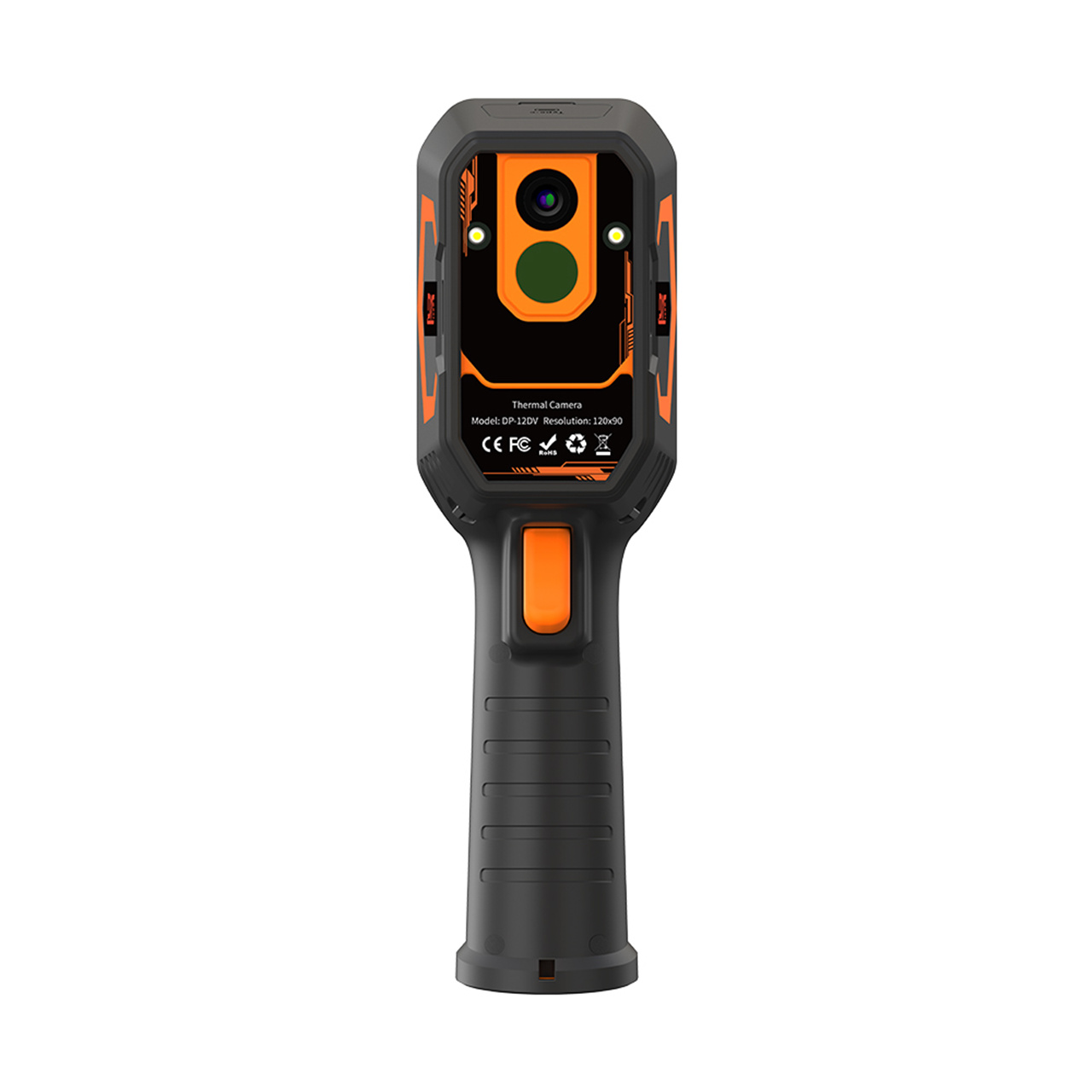
In today's rapidly evolving manufacturing landscape, automated production line monitoring has become a critical component of Industry 4.0 initiatives. Display thermal imagers represent a breakthrough technology that combines real-time temperature visualization with advanced analytics capabilities, enabling manufacturers to maintain optimal production efficiency while ensuring product quality and worker safety.
The integration of thermal imaging technology into automated production environments has transformed traditional quality control methodologies. Unlike conventional inspection methods that rely on random sampling or periodic manual checks, display thermal imagers provide continuous, non-contact monitoring of critical processes, allowing for immediate detection of thermal anomalies that could indicate equipment malfunction, product defects, or process deviations.
The global market for thermal imaging solutions in industrial automation has experienced exponential growth, driven by increasing demands for quality assurance, predictive maintenance, and energy efficiency. Manufacturing facilities across automotive, electronics, food processing, pharmaceutical, and metal fabrication sectors are rapidly adopting display thermal imagers as essential tools for maintaining competitive advantage in an increasingly quality-conscious marketplace.
Recent industry reports indicate that the thermal imaging market for industrial applications is projected to reach unprecedented levels, with compound annual growth rates exceeding 8% through 2030. This growth is fueled by several converging factors: stricter regulatory requirements for product quality, rising energy costs necessitating efficiency optimization, labor shortages requiring automation solutions, and the increasing complexity of manufacturing processes demanding more sophisticated monitoring capabilities.
The adoption of display thermal imagers in automated production lines is accelerated by the convergence of advanced sensor technology, artificial intelligence, and cloud computing. Modern thermal imaging systems now offer unprecedented resolution, accuracy, and integration capabilities, making them indispensable tools for smart manufacturing initiatives.
1. Real-Time Quality Control and Defect Detection: Display thermal imagers excel at identifying temperature variations that indicate product defects before they progress through the production line. In plastic injection molding, for example, thermal cameras can detect uneven cooling patterns that lead to warping or structural weaknesses. In electronics manufacturing, they identify overheating components, poor solder joints, or inadequate thermal management in circuit boards. This real-time detection capability reduces waste, minimizes rework costs, and ensures consistent product quality.
2. Predictive Maintenance and Equipment Health Monitoring: One of the most valuable applications of thermal imaging in automated production is predictive maintenance. Display thermal imagers continuously monitor critical equipment components such as motors, bearings, electrical connections, and hydraulic systems. By detecting abnormal temperature patterns before catastrophic failures occur, maintenance teams can schedule interventions during planned downtime, avoiding costly unplanned stoppages and extending equipment lifespan. Advanced systems integrate with maintenance management software to automatically generate work orders when thermal thresholds are exceeded.
3. Process Optimization and Energy Efficiency: Thermal imaging provides invaluable insights into process efficiency and energy consumption. In heat treatment operations, display thermal imagers ensure uniform temperature distribution across workpieces, optimizing material properties while minimizing energy waste. In drying and curing processes, they verify that products receive adequate thermal exposure without overconsumption of energy. Food processing facilities use thermal cameras to monitor cooking, pasteurization, and freezing processes, ensuring food safety while optimizing throughput and energy utilization.
4. Safety and Compliance Monitoring: Workplace safety is paramount in industrial environments, and display thermal imagers contribute significantly to hazard prevention. They detect overheating equipment that poses fire risks, identify hot surfaces that could cause worker injuries, and monitor high-temperature processes to ensure they remain within safe operating parameters. In chemical processing and pharmaceutical manufacturing, thermal cameras verify that temperature-sensitive materials are handled within specified ranges, ensuring regulatory compliance and product integrity.
Modern display thermal imagers offer resolutions up to 640×480 pixels or higher, providing detailed thermal maps that reveal subtle temperature variations critical for quality control and process monitoring.
Advanced processing capabilities enable instantaneous thermal analysis with frame rates up to 60 Hz, allowing detection of rapid thermal transients in high-speed production environments.
Seamless connectivity with PLCs, SCADA systems, and Industry 4.0 platforms through standard protocols like Modbus, OPC-UA, and Ethernet/IP enables automated decision-making and process control.
Machine learning algorithms automatically identify anomalous thermal patterns, reducing false alarms and enabling predictive insights that traditional threshold-based systems cannot provide.
Comprehensive data storage and analysis capabilities support quality documentation, regulatory compliance, and continuous improvement initiatives through trend analysis and statistical process control.
Cloud connectivity enables remote access to thermal data, allowing engineers and managers to monitor production lines from anywhere, facilitating multi-site operations and expert consultation.
Automotive Manufacturing: In automotive production, display thermal imagers monitor welding operations to ensure proper heat penetration and joint quality, inspect paint curing processes for uniform temperature distribution, and verify proper functioning of climate control systems during final vehicle testing. Integration with robotic systems enables automated inspection of every vehicle component, ensuring zero-defect quality standards.
Electronics Assembly: The electronics industry leverages thermal imaging for reflow soldering profile verification, component temperature monitoring during wave soldering, and thermal characterization of assembled circuit boards. Advanced systems detect cold solder joints, component misalignment, and thermal design issues that could lead to field failures, significantly improving product reliability.
Food and Beverage Processing: Food safety regulations demand precise temperature control throughout processing. Display thermal imagers verify pasteurization temperatures, monitor cooking processes for pathogen elimination, and ensure proper cooling rates to prevent bacterial growth. In packaging operations, they detect seal integrity by identifying heat patterns that indicate incomplete seals, preventing product spoilage and recalls.
Pharmaceutical Manufacturing: Pharmaceutical production requires stringent environmental controls and process validation. Thermal cameras monitor lyophilization (freeze-drying) processes, verify sterilization temperatures in autoclaves, and ensure proper temperature maintenance in clean rooms and storage areas. Documentation capabilities support FDA validation requirements and batch record keeping.
Metal Processing and Fabrication: In metalworking, thermal imaging is indispensable for monitoring forging temperatures, verifying heat treatment processes, and controlling welding parameters. Display thermal imagers ensure that materials achieve specified metallurgical properties while preventing overheating that could degrade material characteristics or cause equipment damage.
The future of display thermal imagers in automated production line monitoring is characterized by several transformative trends that will further enhance their capabilities and expand their applications:
Artificial Intelligence and Deep Learning Integration: Next-generation thermal imaging systems will incorporate sophisticated AI algorithms capable of learning normal thermal patterns specific to each production line. These systems will automatically adapt to process variations, distinguish between benign temperature fluctuations and genuine anomalies, and provide predictive insights that anticipate problems before they manifest as detectable thermal signatures.
Miniaturization and Cost Reduction: Advances in microbolometer technology and manufacturing scale economies are driving down the cost of thermal imaging sensors while improving their performance. This democratization of thermal imaging technology will enable its deployment in applications previously considered cost-prohibitive, expanding monitoring coverage across entire production facilities.
Hyperspectral Thermal Imaging: Emerging technologies combine thermal imaging with spectral analysis, providing simultaneous information about temperature and material composition. This capability will enable new applications in quality control, such as detecting material contamination, verifying coating uniformity, and identifying counterfeit components based on their thermal and spectral signatures.
Edge Computing and Distributed Intelligence: Future thermal imaging systems will incorporate powerful edge computing capabilities, performing complex analysis locally without requiring data transmission to central servers. This architecture reduces latency, enhances data security, and enables real-time control actions critical for high-speed production environments.
Augmented Reality Integration: The convergence of thermal imaging with augmented reality technologies will revolutionize maintenance and troubleshooting procedures. Technicians equipped with AR glasses will see thermal overlays on equipment, with AI-generated annotations highlighting potential issues and suggesting corrective actions based on thermal analysis.
Display thermal imagers are becoming integral components of digital twin implementations, where virtual models of production lines are continuously updated with real-time thermal data. These digital twins enable simulation-based optimization, virtual commissioning of process changes, and training of AI models in safe, virtual environments before deployment in actual production settings.
Successful deployment of display thermal imagers in automated production lines requires careful planning and execution. Key considerations include proper camera positioning to ensure optimal viewing angles of critical processes, selection of appropriate thermal resolution and temperature ranges for specific applications, and integration with existing automation infrastructure to maximize return on investment.
Environmental factors such as ambient temperature variations, humidity, and airborne contaminants must be addressed through proper camera housing and environmental controls. Calibration protocols should be established to maintain measurement accuracy over time, and personnel should receive comprehensive training not only in system operation but also in thermal image interpretation and troubleshooting.
Data management strategies are crucial for leveraging the full value of thermal imaging systems. Organizations should implement robust data storage, retrieval, and analysis frameworks that support both real-time monitoring and historical trend analysis. Integration with enterprise resource planning (ERP) and manufacturing execution systems (MES) enables correlation of thermal data with production parameters, quality metrics, and business outcomes.
Shenzhen Dianyang Technology Co., Ltd. is a subsidiary of VHD (Shenzhen VHD Technology Co., Ltd.), a publicly listed company on the Shenzhen Stock Exchange. This strategic affiliation gives Dianyang unique access to VHD's advanced R&D platforms, high-precision manufacturing systems, and rigorous quality management practices—enabling us to deliver thermal imaging products of higher reliability and consistency than typical ODMs.
We specialize in ODM/OEM services for infrared thermal imaging solutions, including handheld thermal imagers, smartphone-connected thermal cameras, thermal analyzers, and thermal imaging telescopes. Our products serve global customers in power inspection, building diagnostics, firefighting, industrial maintenance, and outdoor applications.
Our dedicated engineering team applies Design for Manufacturing (DFM), Design for Testability (DFT), thermal simulation, and EMC pre-compliance analysis to optimize performance and accelerate development. We also support clients in obtaining key certifications such as CE, FCC, RoHS, REACH, CB, UKCA, KC, and PSE.
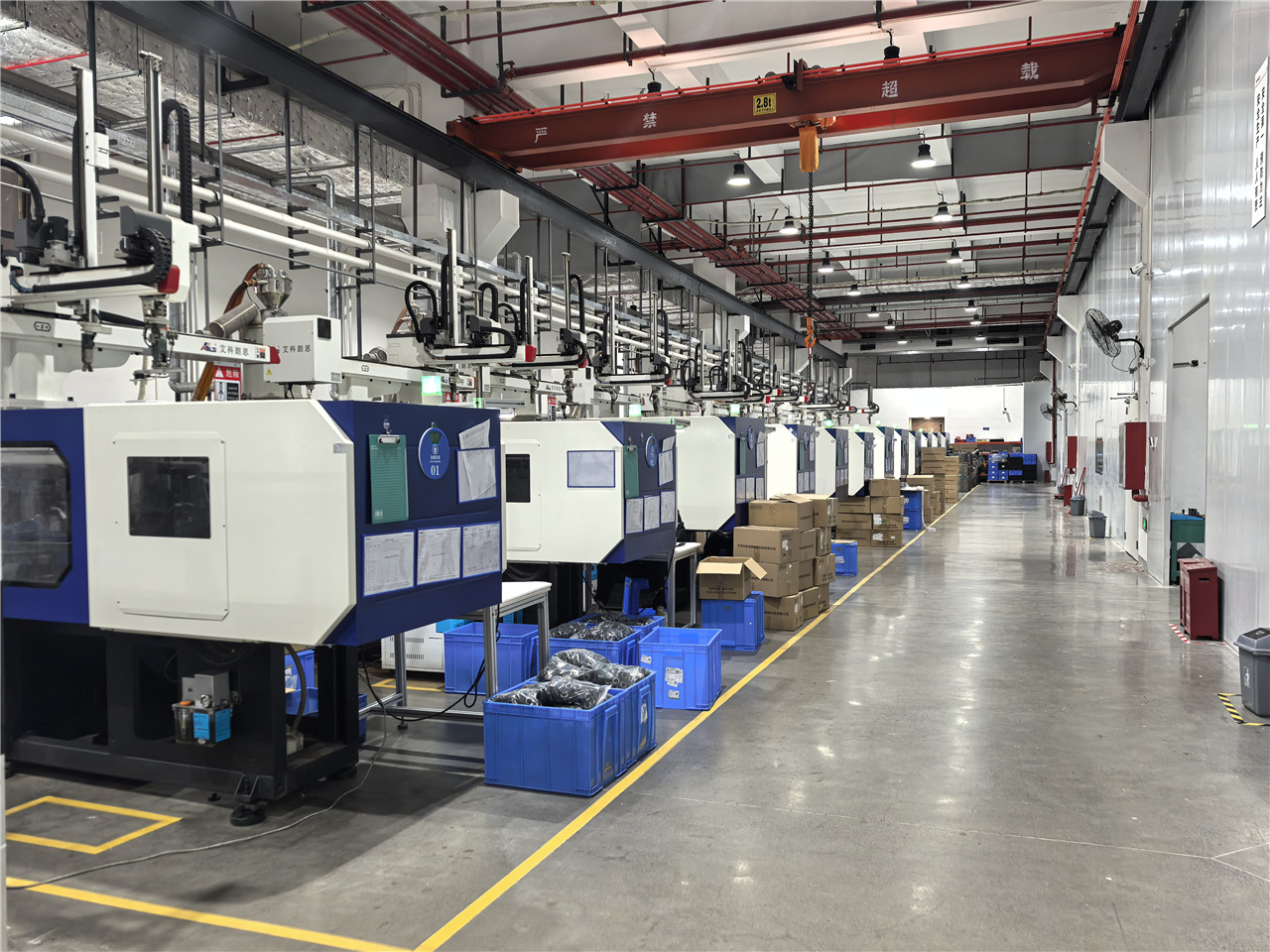
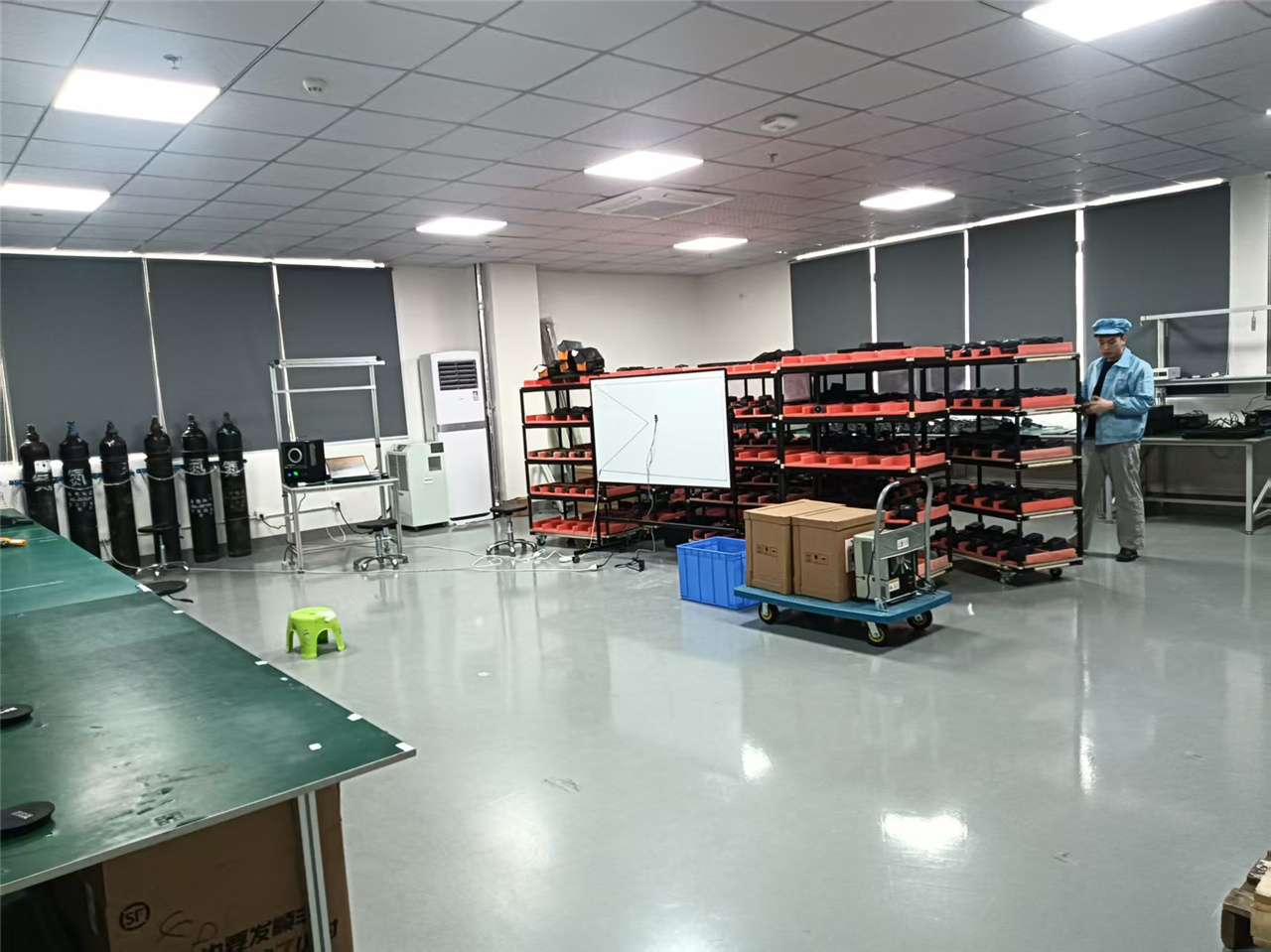
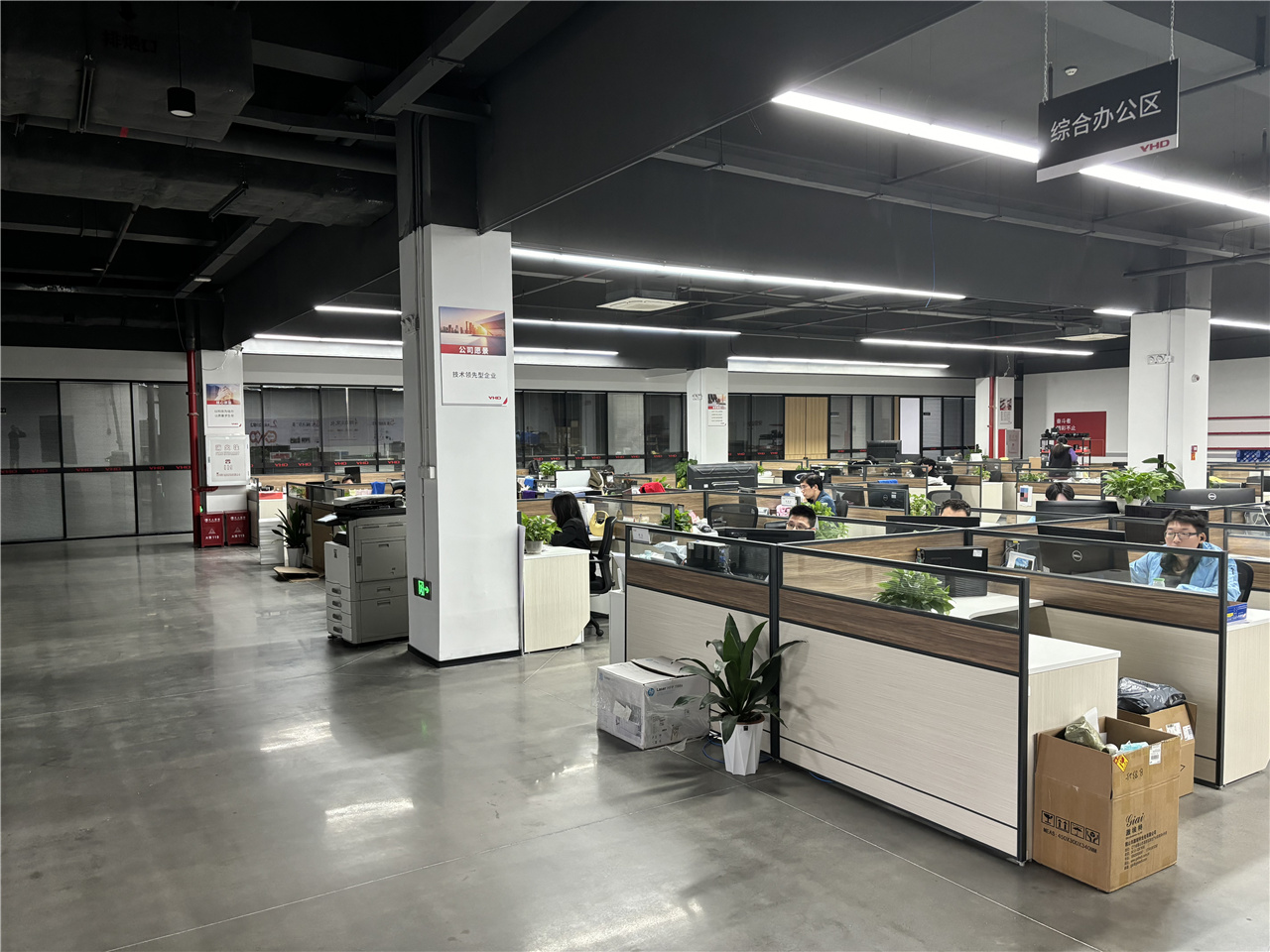
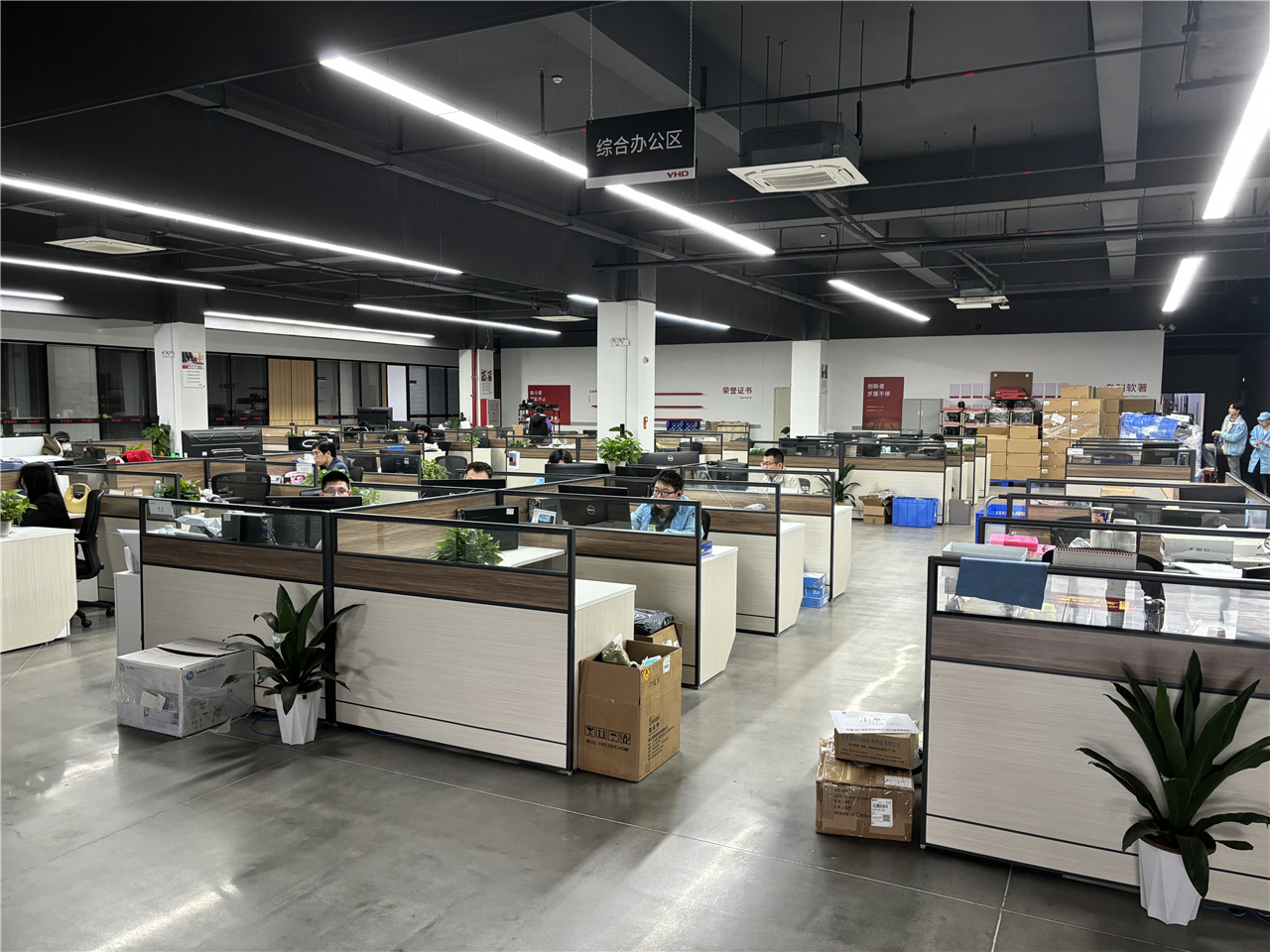
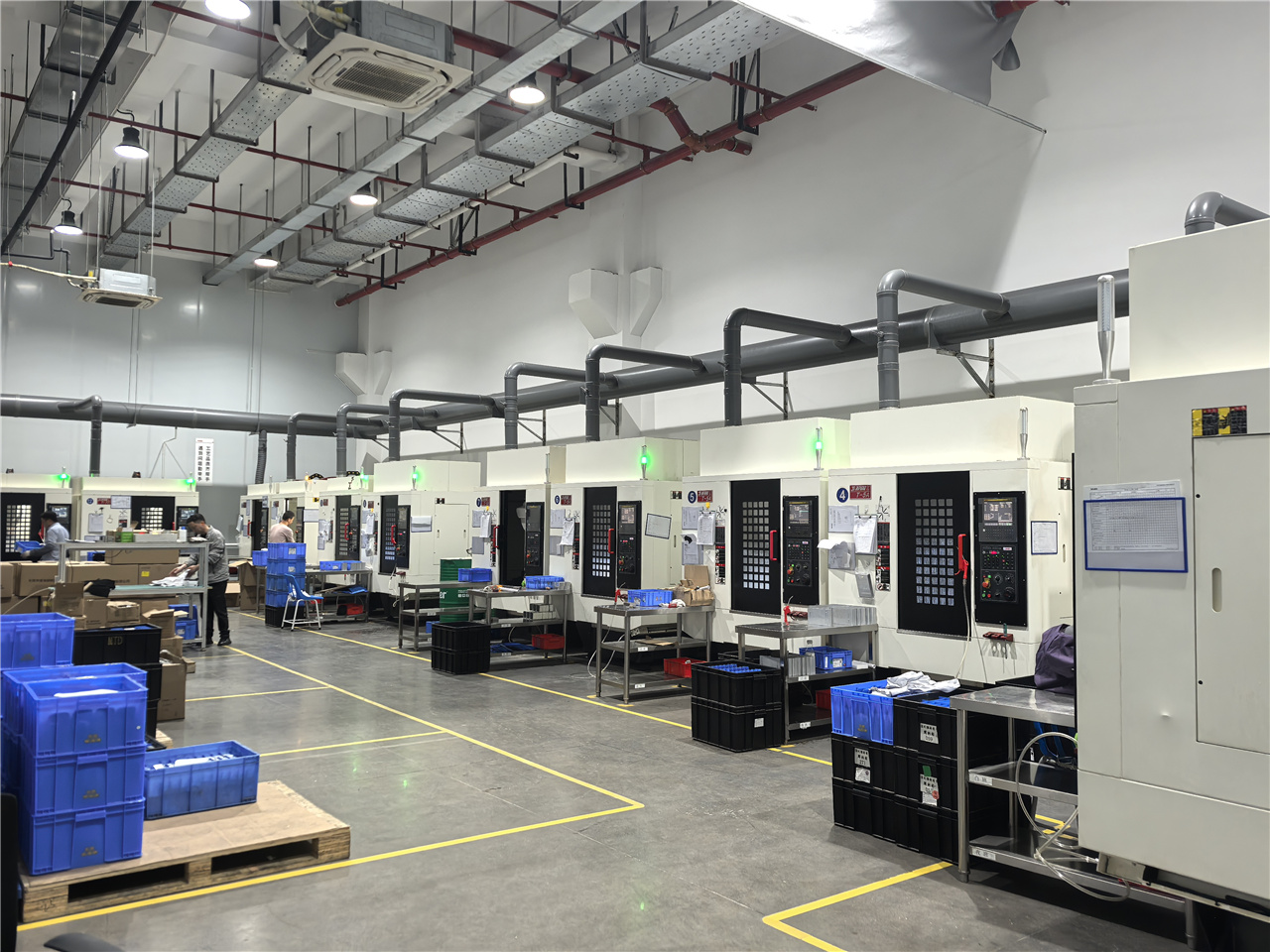
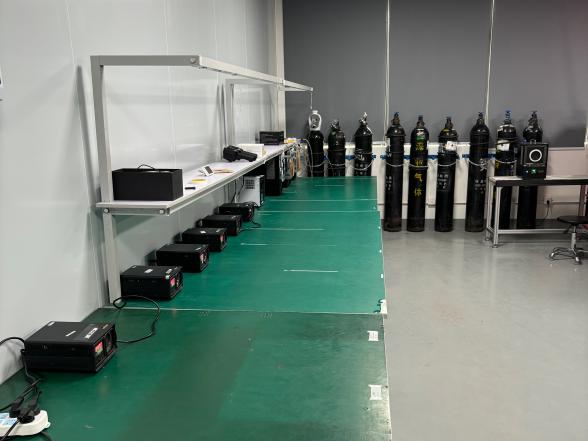
Our structured NPI process typically delivers certified prototypes within 8–12 weeks. Combined with stable supply chain support and group-level technical resources, we ensure on-time delivery and long-term product reliability.
By combining focused thermal imaging expertise with the backing of a listed parent company, Dianyang offers a rare blend of agility, quality, and scalability—helping global partners bring high-performance, certified thermal products to market with confidence.
Display thermal imagers have evolved from specialized diagnostic tools to essential components of modern automated production lines. Their ability to provide non-contact, real-time temperature monitoring across diverse industrial applications makes them invaluable for maintaining product quality, optimizing processes, ensuring safety, and reducing operational costs.
As manufacturing continues its digital transformation journey, the role of thermal imaging technology will only expand. Organizations that strategically implement display thermal imagers in their production monitoring systems position themselves to achieve superior operational excellence, respond proactively to quality issues, and maintain competitive advantage in increasingly demanding global markets.
The convergence of thermal imaging with artificial intelligence, cloud computing, and Industry 4.0 technologies promises to unlock new capabilities and applications that we are only beginning to imagine. For forward-thinking manufacturers, now is the time to embrace this technology and harness its transformative potential for automated production line monitoring.