Leave Your Message
The automotive industry is experiencing a transformative shift in diagnostic methodologies, with display thermal imagers emerging as indispensable tools for engine analysis and maintenance. These sophisticated devices enable technicians and engineers to visualize temperature distributions across engine components in real-time, identifying potential failures before they escalate into costly repairs or catastrophic breakdowns.
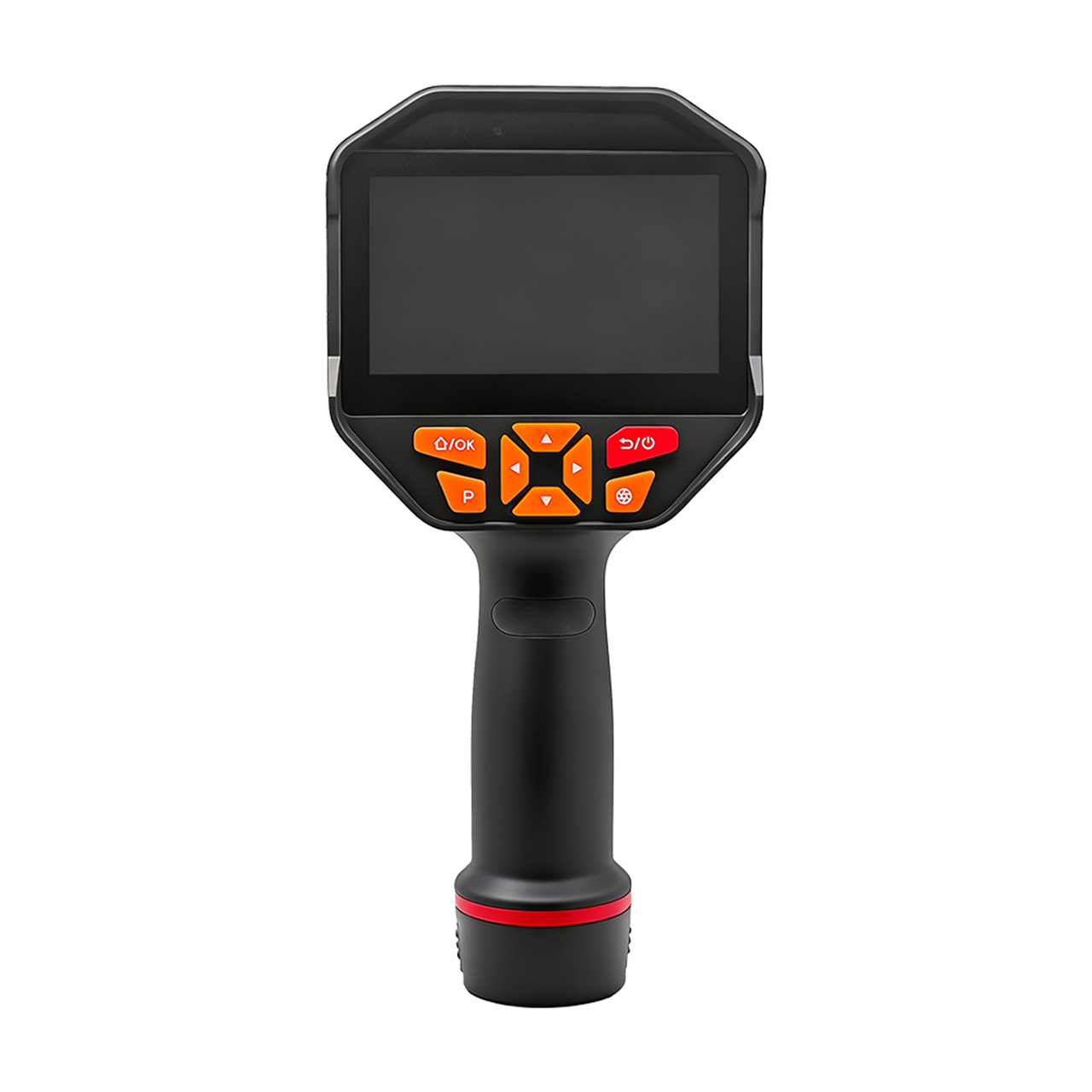
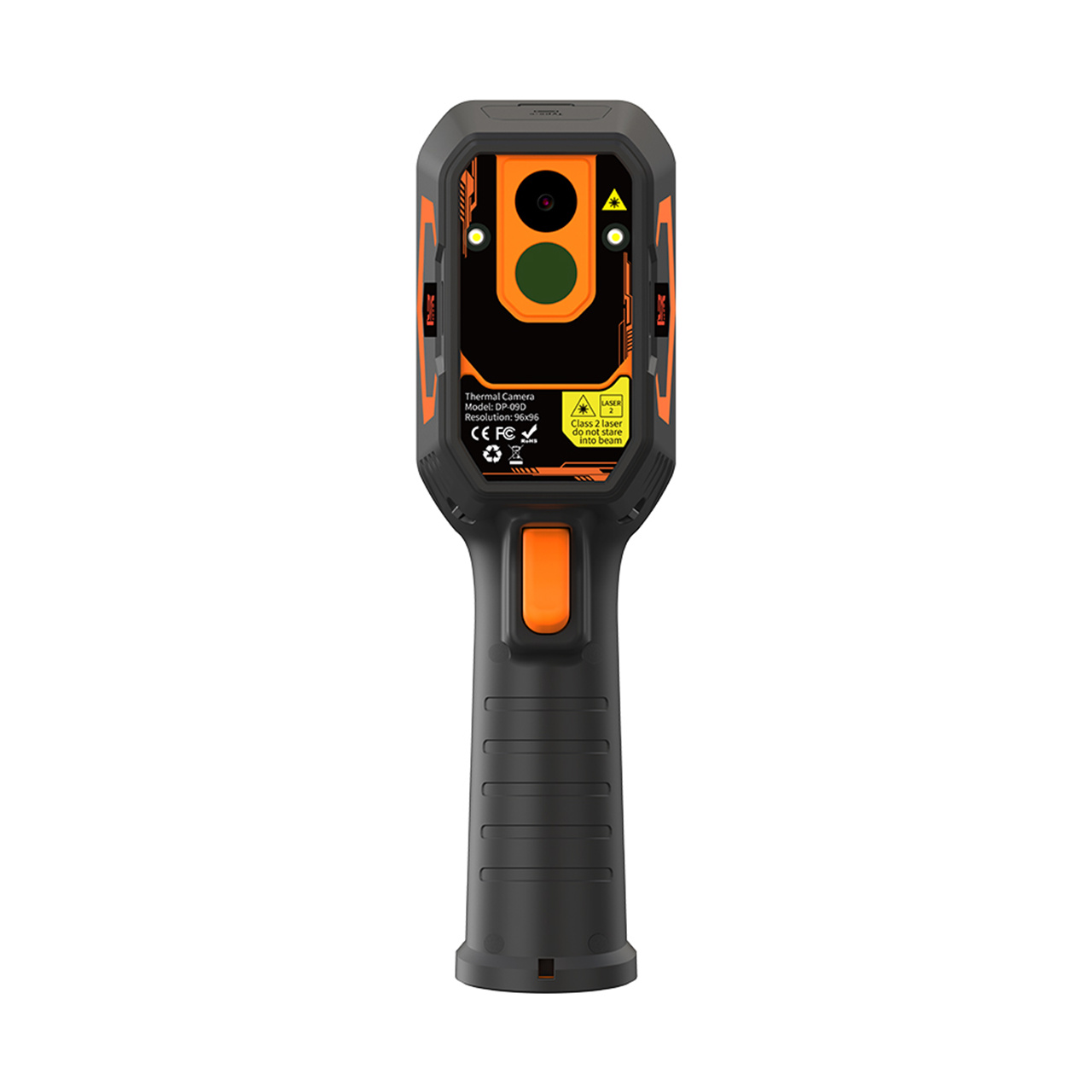
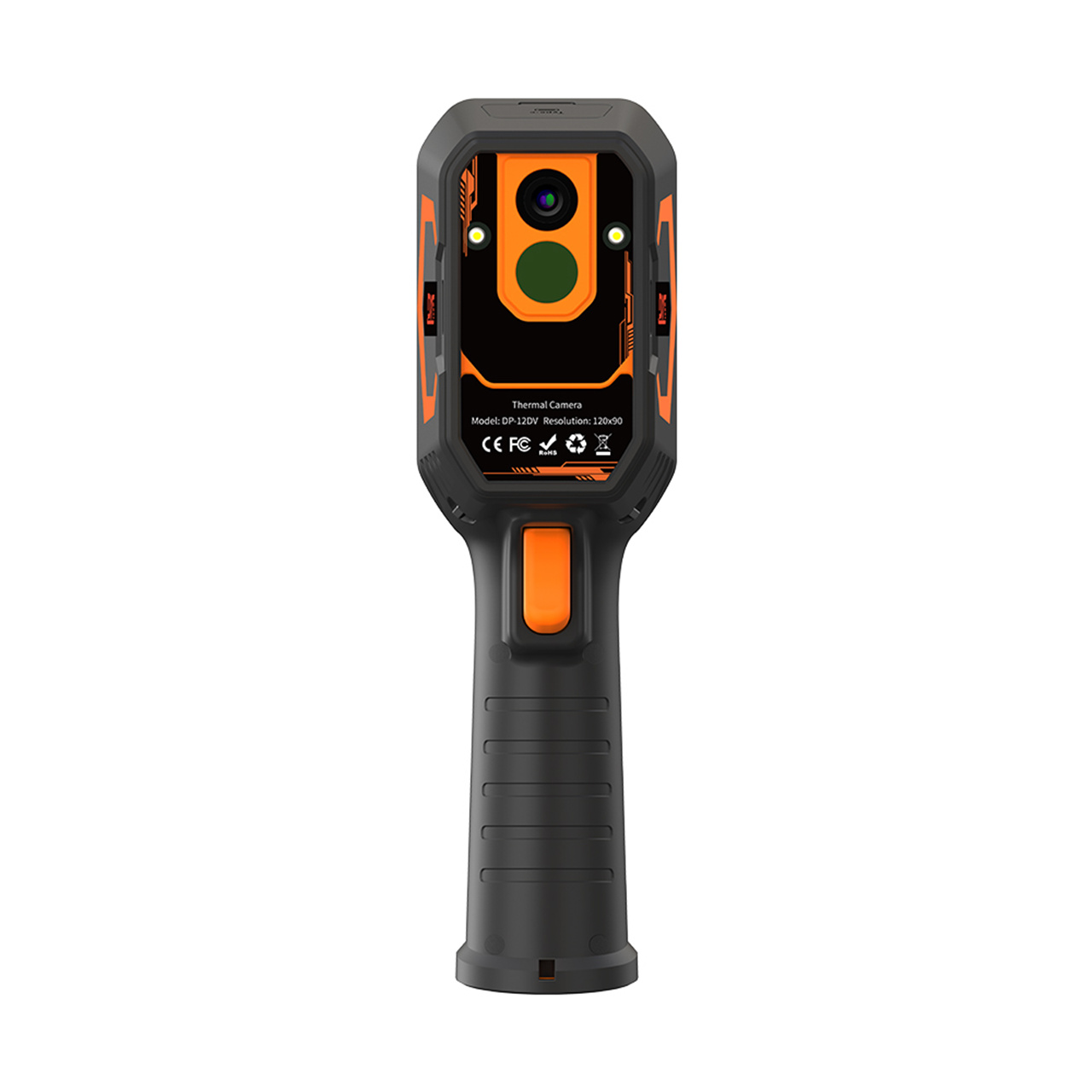
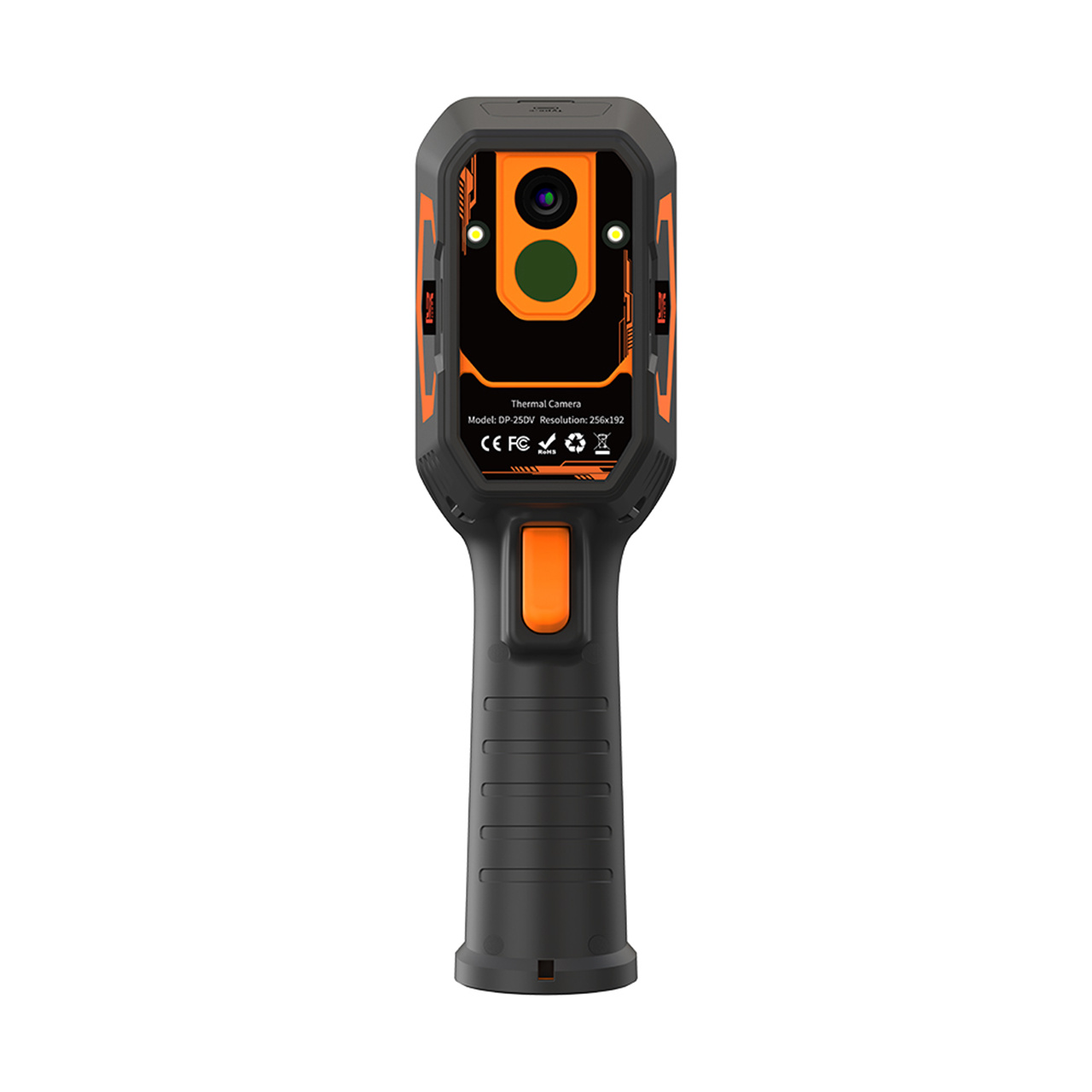
Display thermal imagers for automotive engine diagnostics represent a convergence of infrared sensing technology, advanced image processing, and ergonomic design. Unlike traditional diagnostic methods that rely on physical contact or invasive procedures, thermal imaging provides non-contact, comprehensive thermal mapping of engine systems, revealing anomalies invisible to the naked eye or conventional tools.
Modern thermal imagers serve multiple critical functions in automotive diagnostics: detecting overheating components, identifying coolant leaks, analyzing exhaust system efficiency, monitoring turbocharger performance, and verifying proper thermal management in electric vehicle battery systems. The technology has become particularly vital as engine designs grow more complex and thermal management becomes increasingly critical to performance and longevity.
High-resolution thermal imaging enables detection of temperature variations as small as 0.1°C, allowing technicians to identify bearing wear, valve timing issues, and combustion irregularities with unprecedented accuracy.
By establishing thermal baselines and monitoring deviations over time, automotive service centers can transition from reactive repairs to predictive maintenance strategies, reducing downtime and extending vehicle lifespan.
As EV adoption accelerates, thermal imagers have become essential for battery thermal management analysis, power electronics monitoring, and charging system verification—applications that traditional diagnostic tools cannot address.
The global market for automotive thermal imaging diagnostic equipment has experienced robust growth, driven by increasing vehicle complexity, stricter emissions regulations, and the proliferation of hybrid and electric powertrains. Professional automotive service facilities, dealership service departments, and independent repair shops are rapidly integrating thermal imaging into their diagnostic workflows.
Major automotive manufacturers now incorporate thermal analysis into their quality control processes during engine development and production validation. This industrial adoption has created demand for thermal imagers with specialized features such as high-temperature measurement ranges (up to 1200°C for exhaust systems), rapid thermal response times, and integration capabilities with diagnostic software platforms.
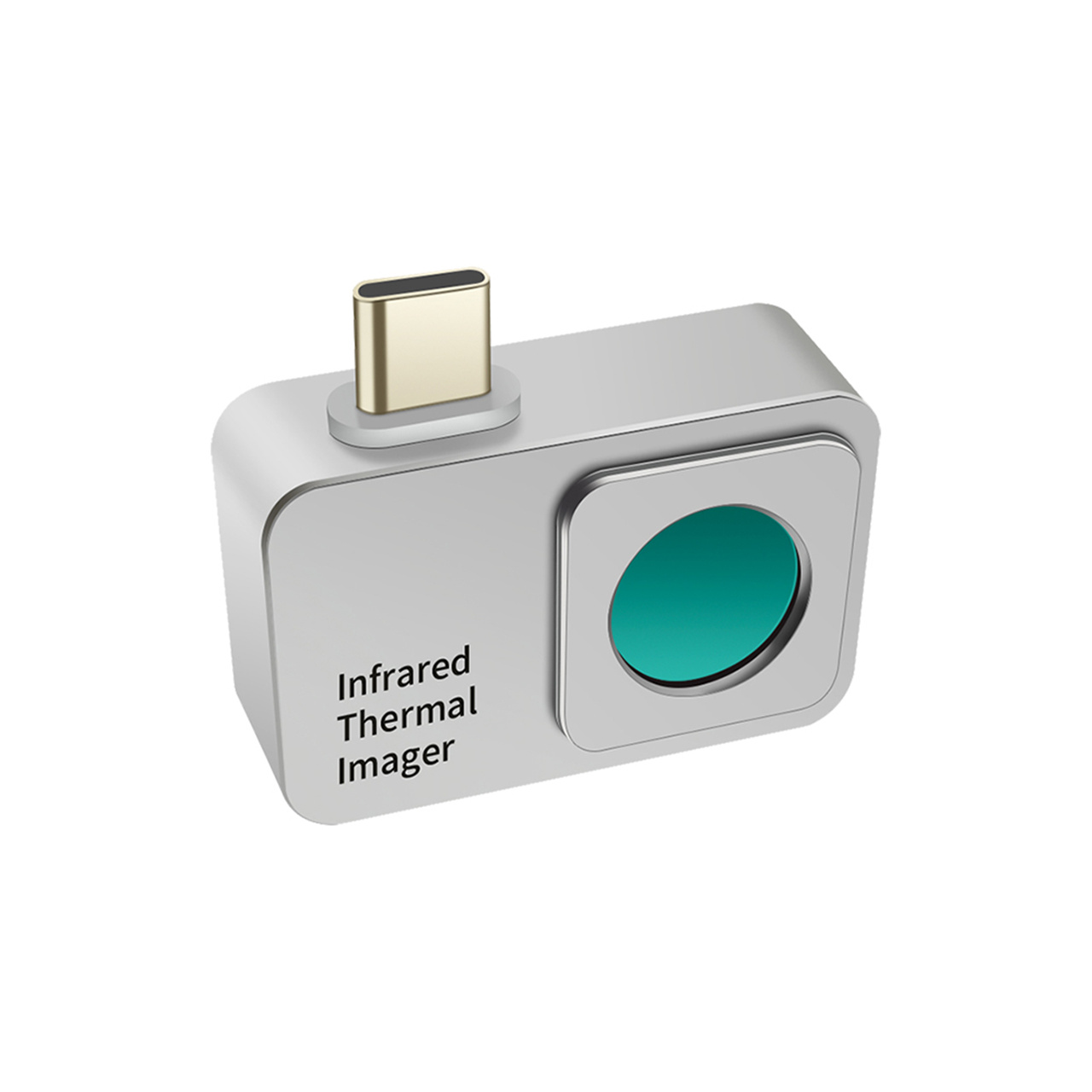
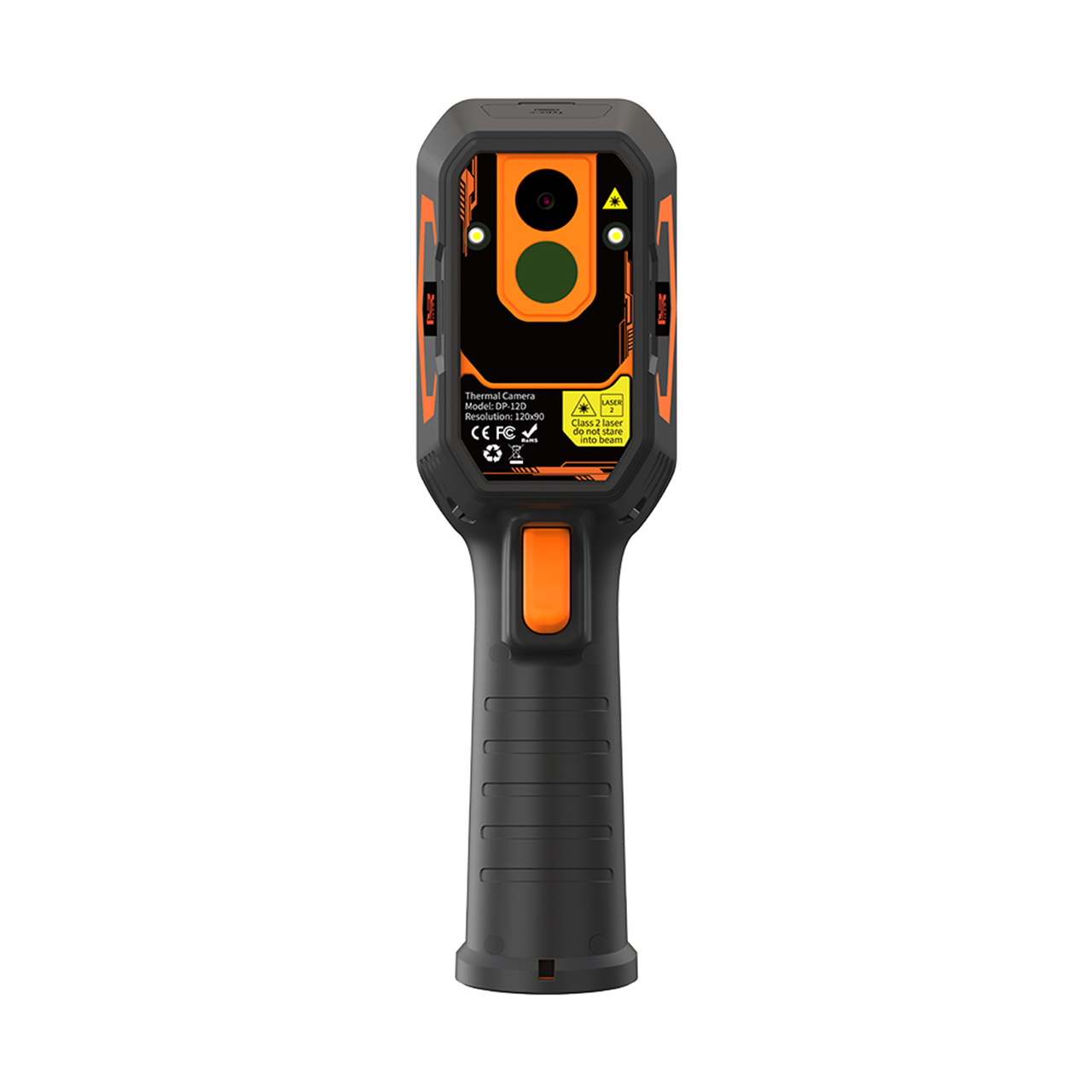
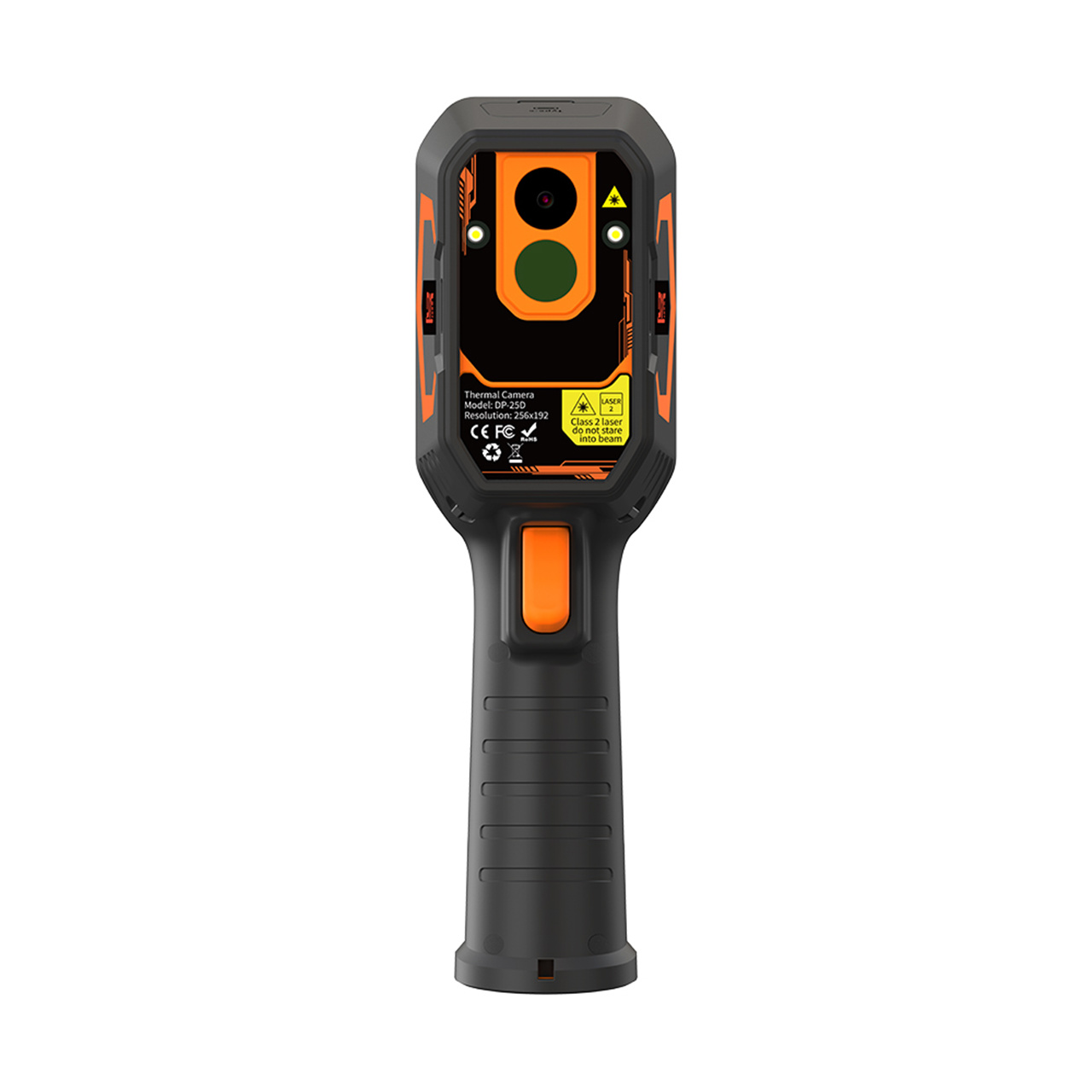
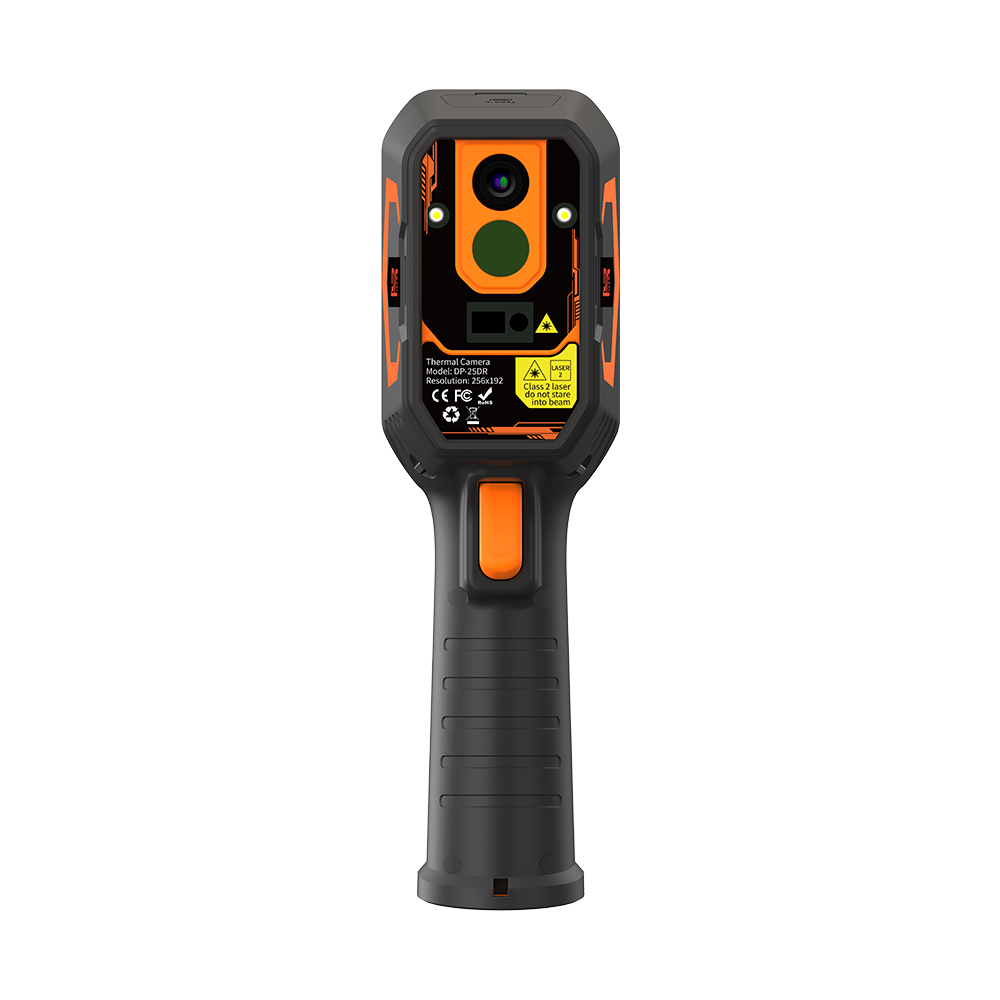
The commercial landscape features a diverse ecosystem of thermal imaging solutions, ranging from smartphone-connected compact devices for mobile technicians to professional-grade handheld units with advanced analytics for specialized diagnostic centers. Price points have become increasingly accessible, with entry-level automotive thermal imagers now available at price points that make them viable for small independent shops, while high-end models offer advanced features such as thermal fusion imaging, automated anomaly detection, and cloud-based diagnostic reporting.
The thermal imaging industry for automotive diagnostics is witnessing several transformative trends that are reshaping the technology landscape and expanding application possibilities:
Artificial Intelligence Integration: Next-generation thermal imagers incorporate machine learning algorithms that can automatically identify common engine faults, compare thermal patterns against databases of known issues, and provide diagnostic recommendations. This AI-assisted analysis reduces the skill barrier for effective thermal diagnostics and accelerates troubleshooting processes.
Enhanced Resolution and Sensitivity: Sensor technology advances have enabled thermal imagers with resolutions exceeding 640×480 pixels and thermal sensitivity below 40mK. These improvements allow detection of subtle thermal anomalies that previous generations of equipment would miss, enabling earlier intervention and more precise diagnostics.
Connectivity and Data Integration: Modern thermal imagers feature wireless connectivity (Wi-Fi, Bluetooth) enabling seamless integration with diagnostic software platforms, vehicle data systems, and cloud-based maintenance management systems. This connectivity transforms thermal imaging from a standalone diagnostic tool into an integrated component of comprehensive vehicle health monitoring ecosystems.
Miniaturization and Portability: Engineering advances have produced thermal imaging modules compact enough to integrate into smartphones and tablets, democratizing access to thermal diagnostic capabilities. Mobile technicians can now carry professional-grade thermal imaging in their pockets, enabling on-site diagnostics without dedicated equipment.
Beyond traditional engine diagnostics, thermal imaging is expanding into autonomous vehicle sensor validation, advanced driver assistance system (ADAS) calibration verification, and thermal comfort analysis for cabin climate systems. These emerging applications represent significant growth opportunities for thermal imaging technology in the automotive sector.
1. Cooling System Analysis: Thermal imagers excel at identifying cooling system inefficiencies by visualizing coolant flow patterns, detecting blockages in radiator cores, and revealing air pockets in cooling circuits. Technicians can observe temperature gradients across radiator surfaces to identify clogged passages, assess thermostat operation by monitoring coolant temperature transitions, and verify water pump performance by analyzing flow distribution patterns.
2. Exhaust System Evaluation: High-temperature thermal imaging enables comprehensive exhaust system analysis, including catalytic converter efficiency assessment (by measuring temperature differentials between inlet and outlet), exhaust manifold crack detection through thermal anomaly identification, and turbocharger bearing condition monitoring via housing temperature analysis. These capabilities are particularly valuable for diagnosing emissions-related issues and preventing catastrophic turbocharger failures.
3. Engine Mechanical Diagnostics: Thermal imaging reveals mechanical issues through their thermal signatures. Cylinder misfires manifest as cooler exhaust runners, worn bearings generate localized hot spots, valve train problems create asymmetric temperature patterns across valve covers, and oil contamination or degradation affects thermal dissipation characteristics. Experienced technicians can interpret these thermal patterns to diagnose complex mechanical issues without engine disassembly.
4. Electrical System Troubleshooting: Modern engines incorporate extensive electrical systems vulnerable to thermal issues. Thermal imagers quickly identify corroded connections (which generate resistance heating), overloaded circuits, failing alternators (through bearing temperature monitoring), and starter motor problems. This capability is especially valuable for diagnosing intermittent electrical faults that traditional multimeter testing might miss.
5. Hybrid and Electric Powertrain Diagnostics: Electric vehicle and hybrid powertrains present unique diagnostic challenges where thermal imaging proves invaluable. Battery pack thermal management analysis reveals cell imbalances, cooling system deficiencies, and potential thermal runaway risks. Power electronics thermal monitoring identifies failing inverter components, motor controller issues, and charging system anomalies. As electrification accelerates, these applications are becoming increasingly critical.
6. Performance Tuning and Optimization: Enthusiast and racing applications leverage thermal imaging for performance optimization. Intake air temperature mapping guides intercooler upgrades, brake system thermal analysis informs cooling duct design, differential and transmission temperature monitoring prevents overheating during track use, and engine bay heat management visualization guides thermal barrier installation and ventilation modifications.
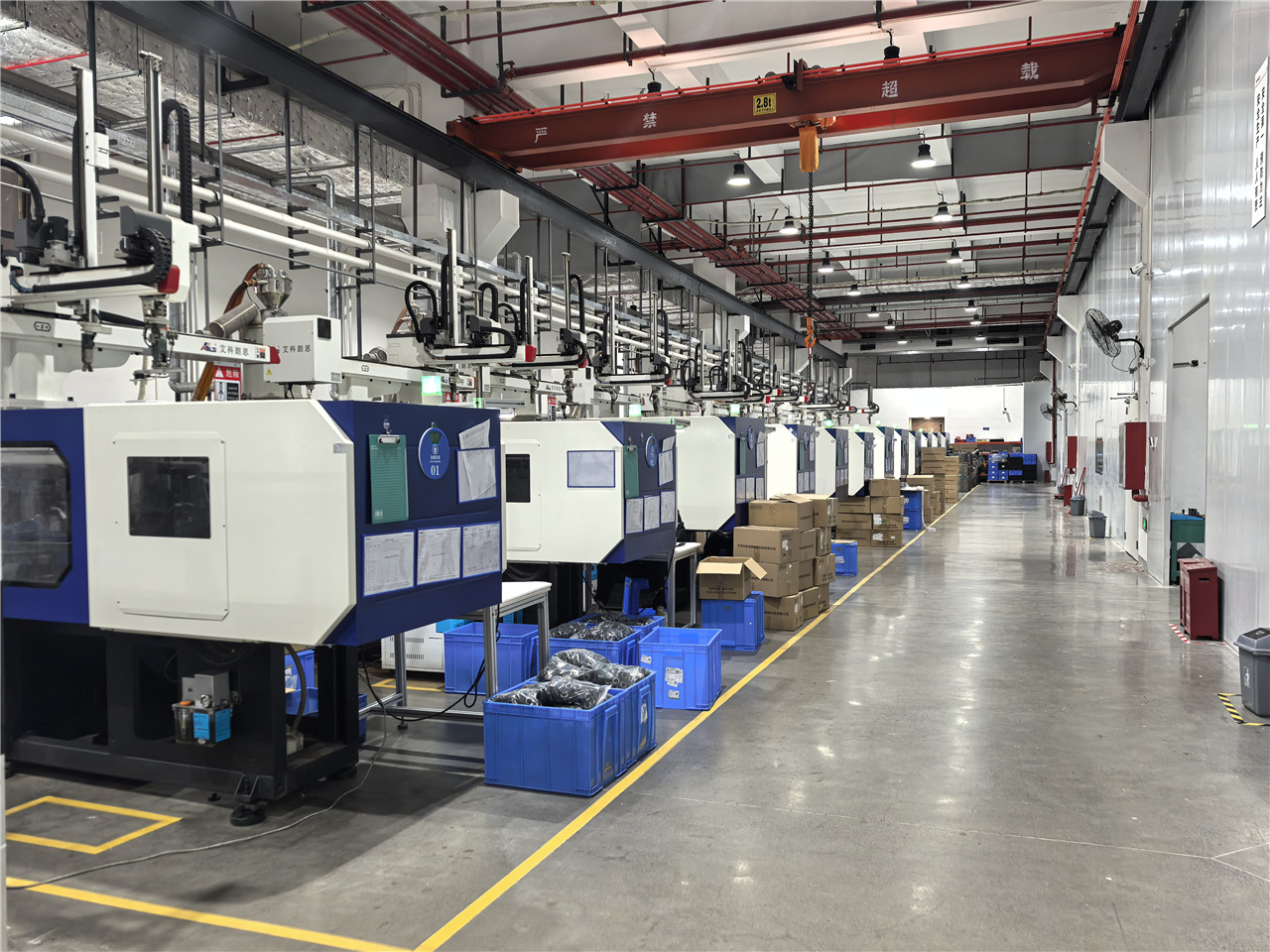
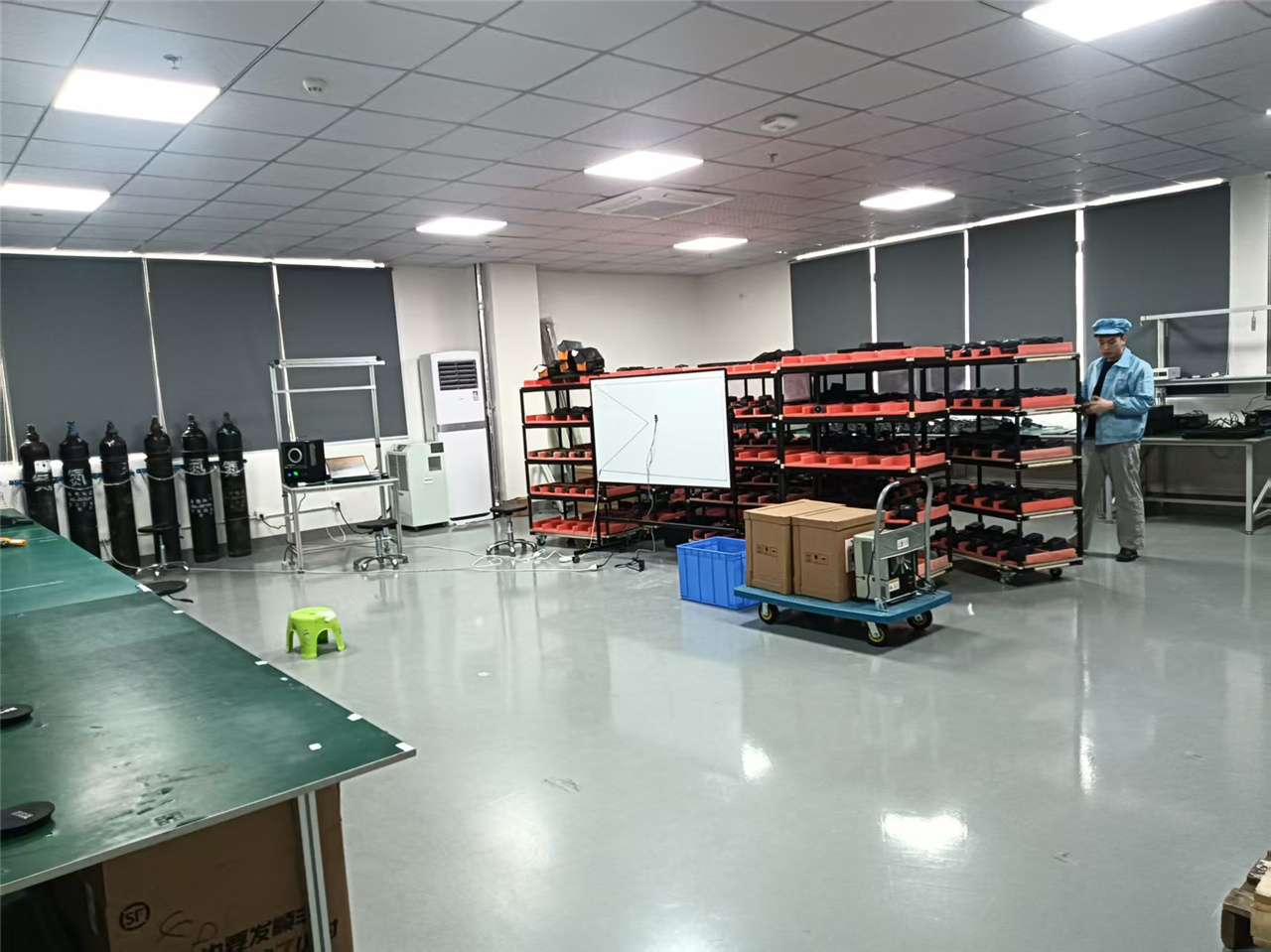
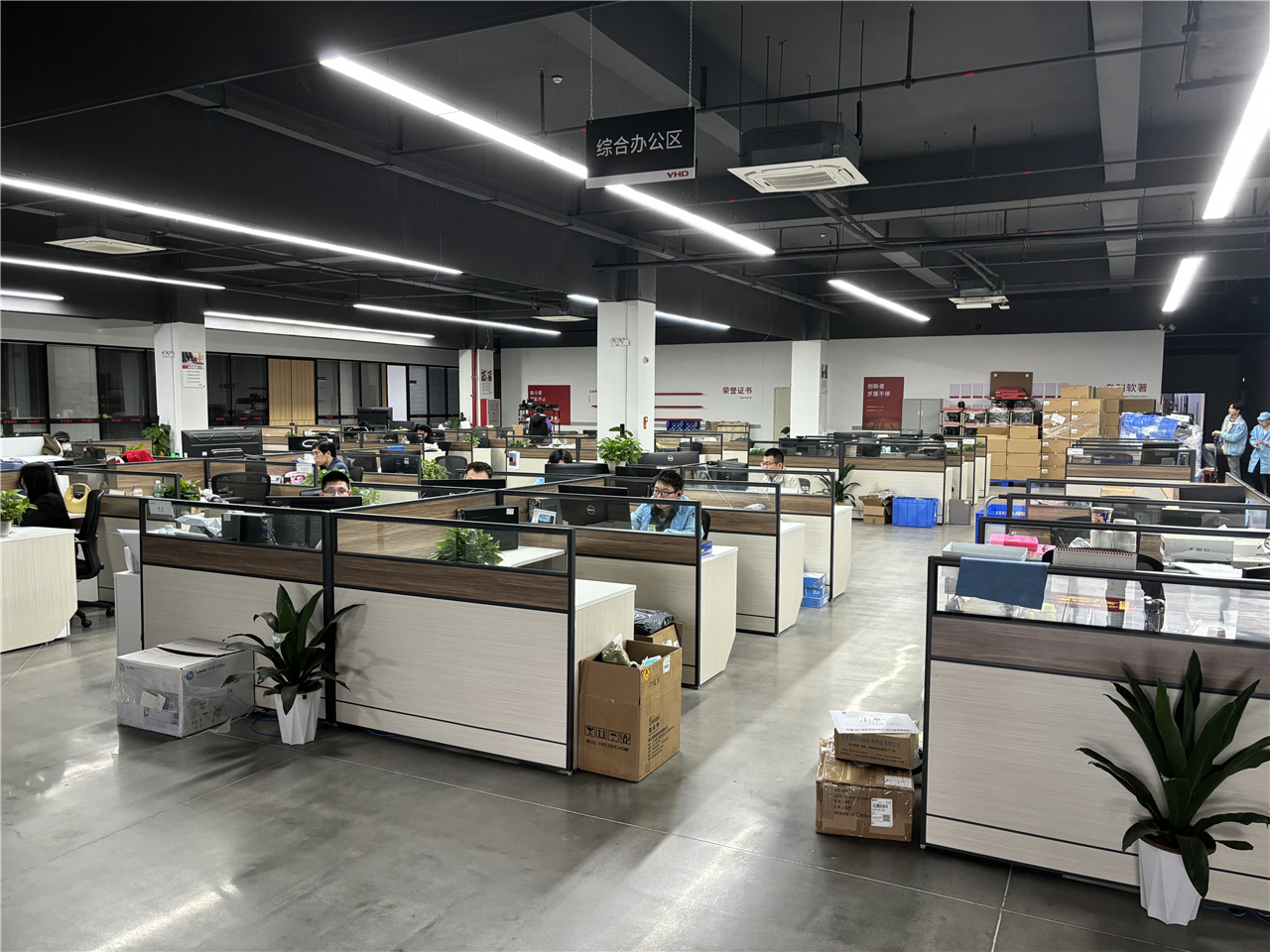
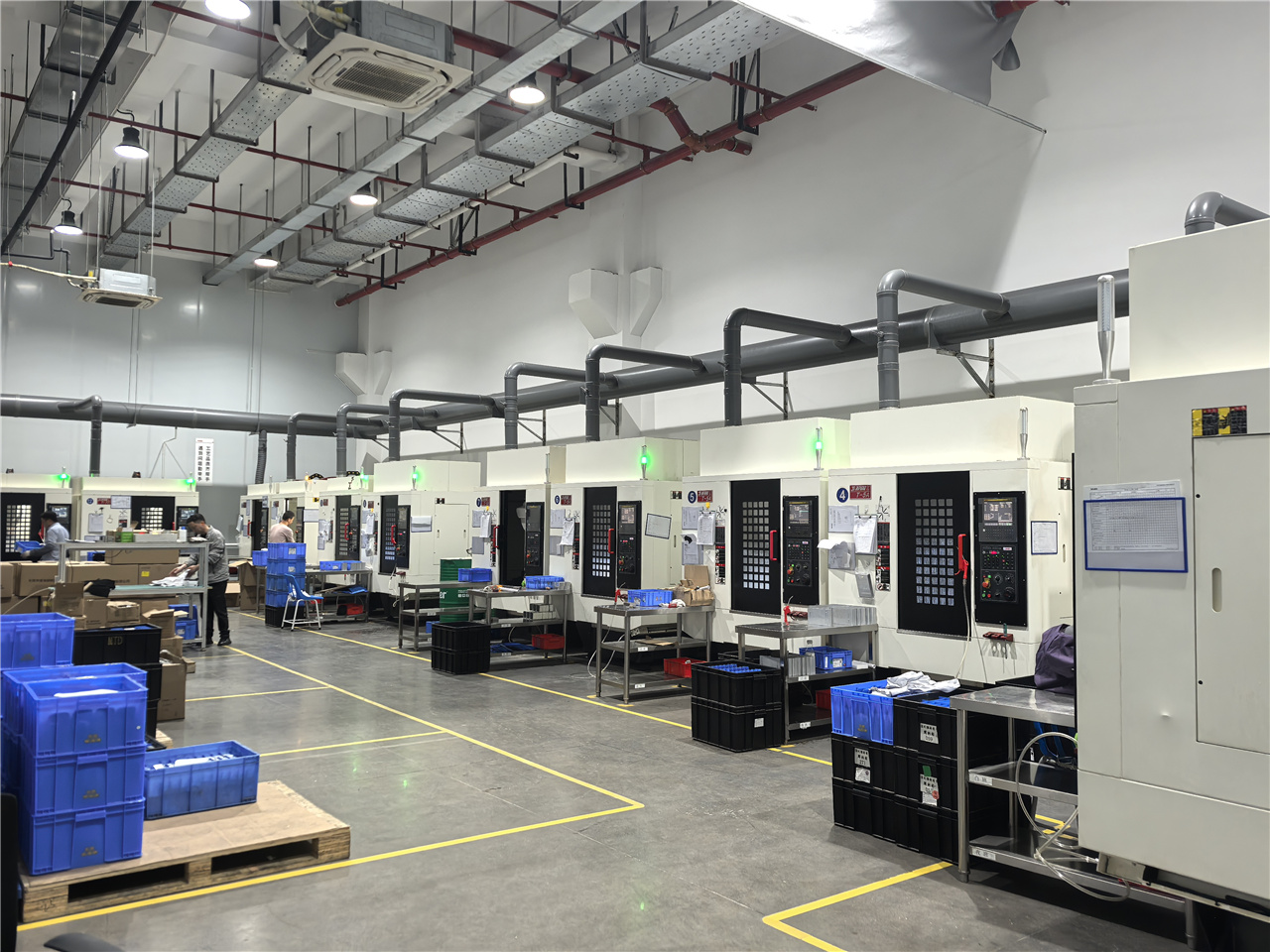
Shenzhen Dianyang Technology Co., Ltd. is a subsidiary of VHD (Shenzhen VHD Technology Co., Ltd.), a publicly listed company on the Shenzhen Stock Exchange. This strategic affiliation gives Dianyang unique access to VHD's advanced R&D platforms, high-precision manufacturing systems, and rigorous quality management practices—enabling us to deliver thermal imaging products of higher reliability and consistency than typical ODMs.
We specialize in ODM/OEM services for infrared thermal imaging solutions, including handheld thermal imagers, smartphone-connected thermal cameras, thermal analyzers, and thermal imaging telescopes. Our products serve global customers in power inspection, building diagnostics, firefighting, industrial maintenance, and automotive applications.
Selecting the appropriate thermal imager for automotive engine diagnostics requires understanding key technical specifications and their practical implications:
Temperature Range: Automotive applications demand wide temperature measurement ranges. Engine block surfaces may operate at 80-120°C, while exhaust manifolds can exceed 800°C. Professional automotive thermal imagers should offer measurement ranges from -20°C to at least 650°C, with high-end models extending to 1200°C for specialized exhaust system analysis.
Thermal Sensitivity (NETD): Thermal sensitivity determines the smallest temperature difference the imager can detect. For automotive diagnostics, sensitivity of 0.1°C or better enables detection of subtle anomalies such as early-stage bearing wear or minor coolant flow restrictions that might be missed by less sensitive instruments.
Spatial Resolution: Higher pixel counts (320×240, 384×288, or 640×480) provide more detailed thermal images, enabling precise localization of hot spots and better differentiation of adjacent components. For engine bay diagnostics where components are densely packed, higher resolution significantly improves diagnostic accuracy.
Refresh Rate: Frame rates of 9Hz or higher enable real-time thermal monitoring during engine operation, allowing technicians to observe dynamic thermal events such as thermostat opening, coolant circulation patterns, and transient thermal spikes during acceleration.
Weeks Prototype Delivery
Global Partners
Years Experience
Quality Assurance
Our dedicated engineering team applies Design for Manufacturing (DFM), Design for Testability (DFT), thermal simulation, and EMC pre-compliance analysis to optimize performance and accelerate development. We also support clients in obtaining key certifications such as CE, FCC, RoHS, REACH, CB, UKCA, KC, and PSE.
Our structured NPI process typically delivers certified prototypes within 8–12 weeks. Combined with stable supply chain support and group-level technical resources, we ensure on-time delivery and long-term product reliability.
By combining focused thermal imaging expertise with the backing of a listed parent company, Dianyang offers a rare blend of agility, quality, and scalability—helping global partners bring high-performance, certified thermal products to market with confidence.

The future of thermal imaging in automotive diagnostics promises continued innovation and expanded capabilities. Emerging trends include augmented reality overlays that superimpose thermal data onto real-world views, integration with vehicle telematics for remote diagnostics, and advanced predictive algorithms that forecast component failures based on thermal trend analysis.
As autonomous vehicles proliferate, thermal imaging will play crucial roles in sensor validation, ensuring LIDAR, radar, and camera systems maintain optimal operating temperatures. The technology will also support validation of autonomous vehicle decision-making by providing thermal context for environmental perception systems.
The convergence of thermal imaging with other diagnostic technologies—such as vibration analysis, acoustic monitoring, and chemical sensing—will create comprehensive diagnostic platforms offering unprecedented insight into vehicle health and performance. These integrated systems will enable predictive maintenance strategies that maximize vehicle uptime while minimizing maintenance costs.
Whether you're developing next-generation automotive diagnostic equipment or seeking reliable thermal imaging solutions for your service operations, Dianyang delivers the expertise, quality, and support you need to succeed in the rapidly evolving automotive technology landscape.
Join Us