Comprehensive Insights Into Display Thermal Imagers For Building Energy Audits
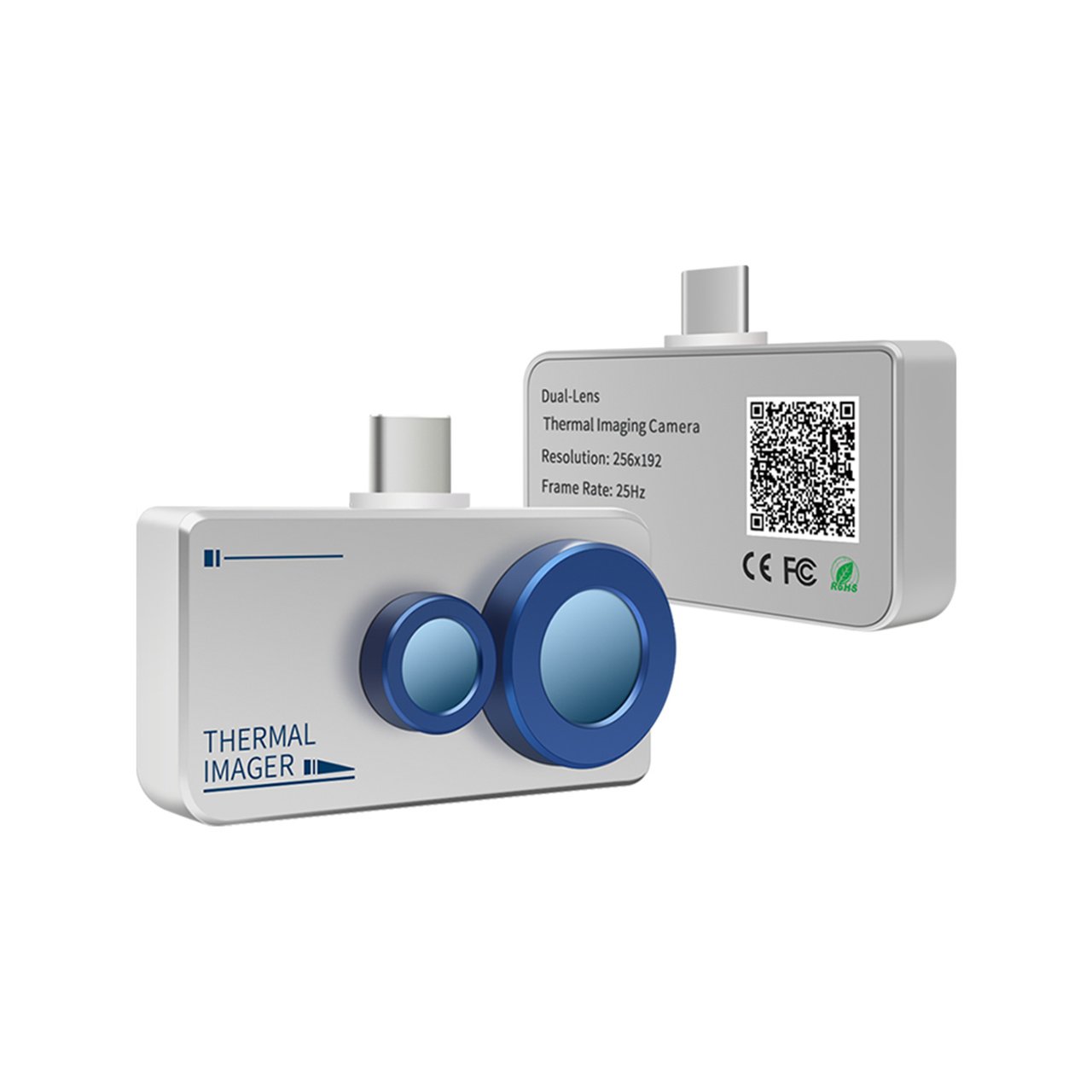
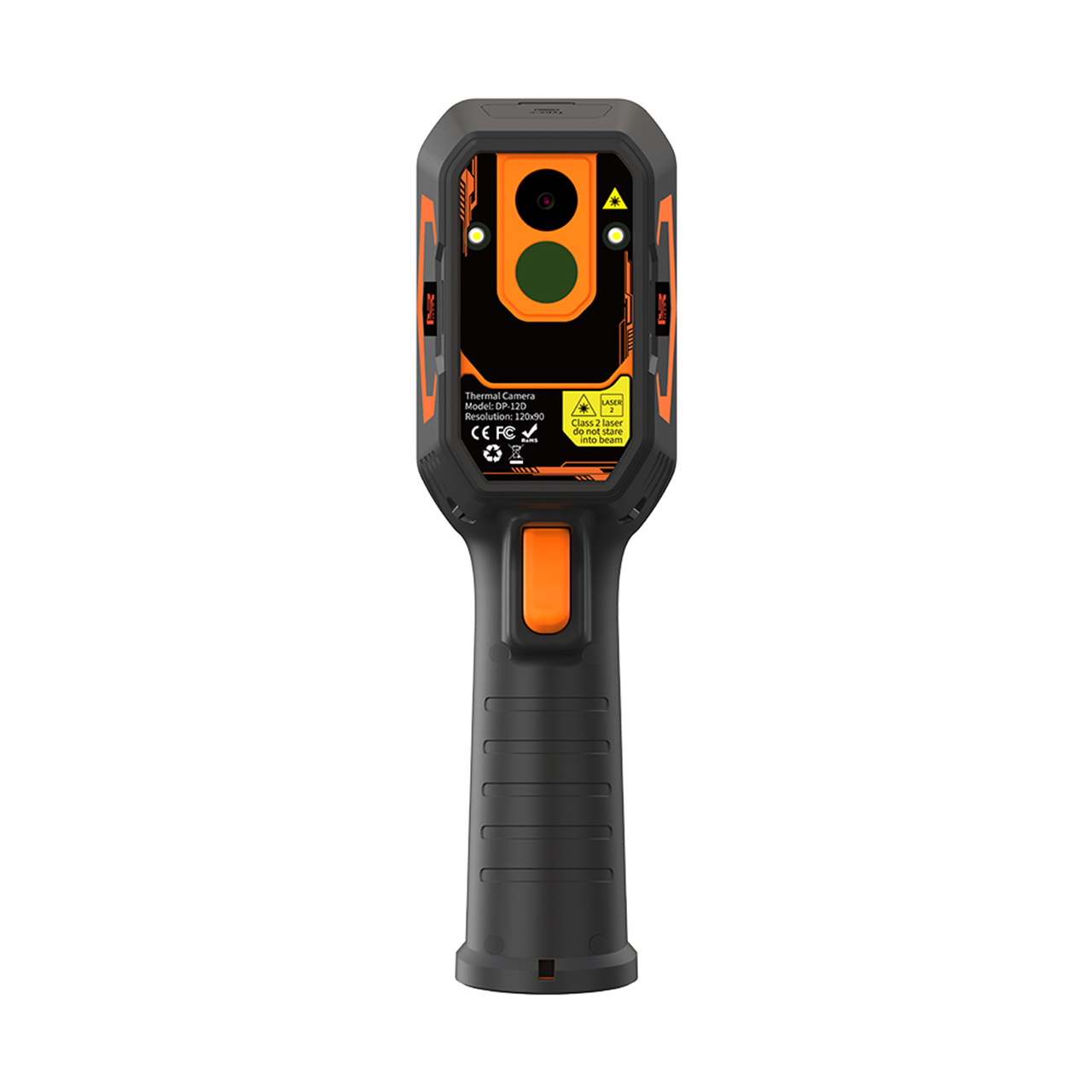
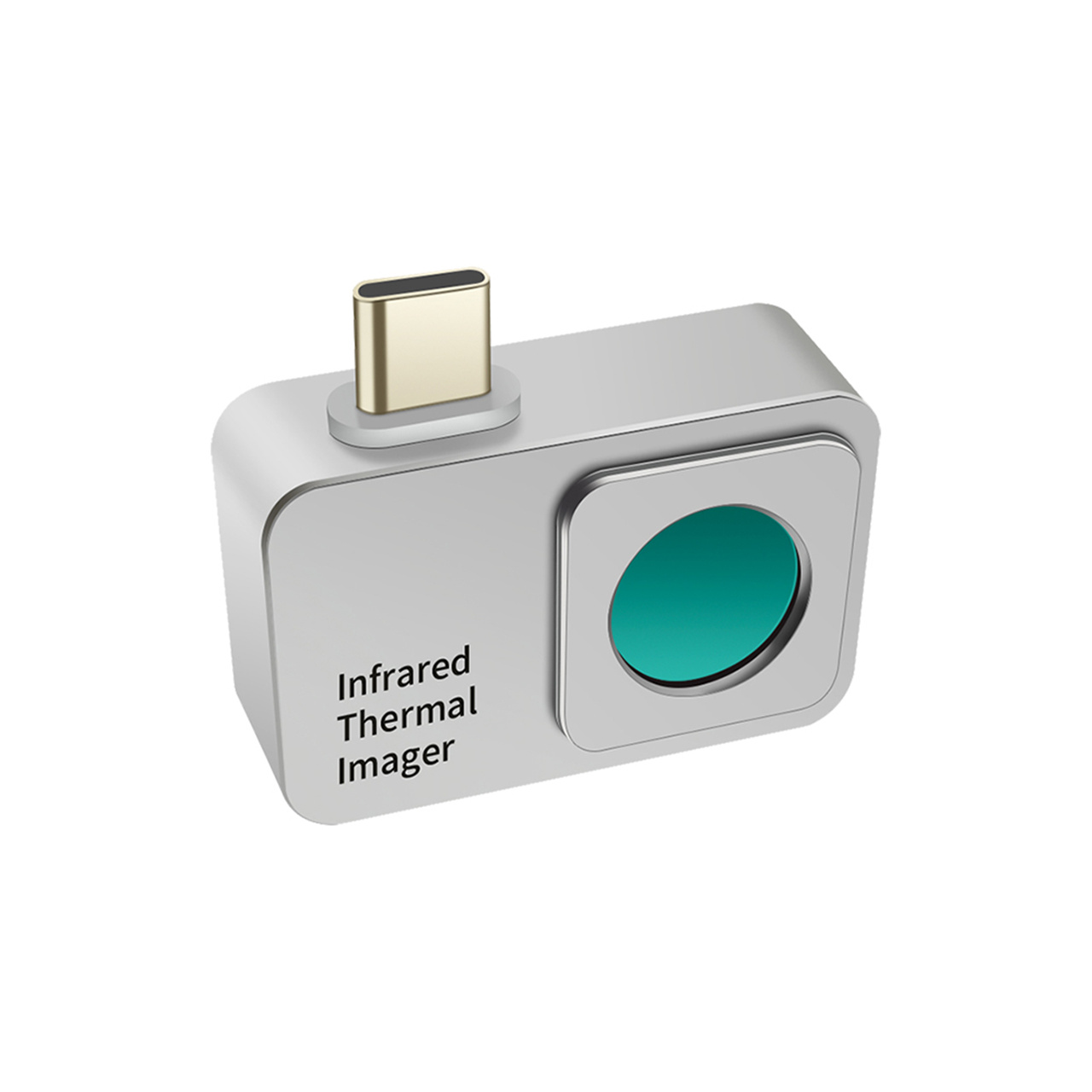
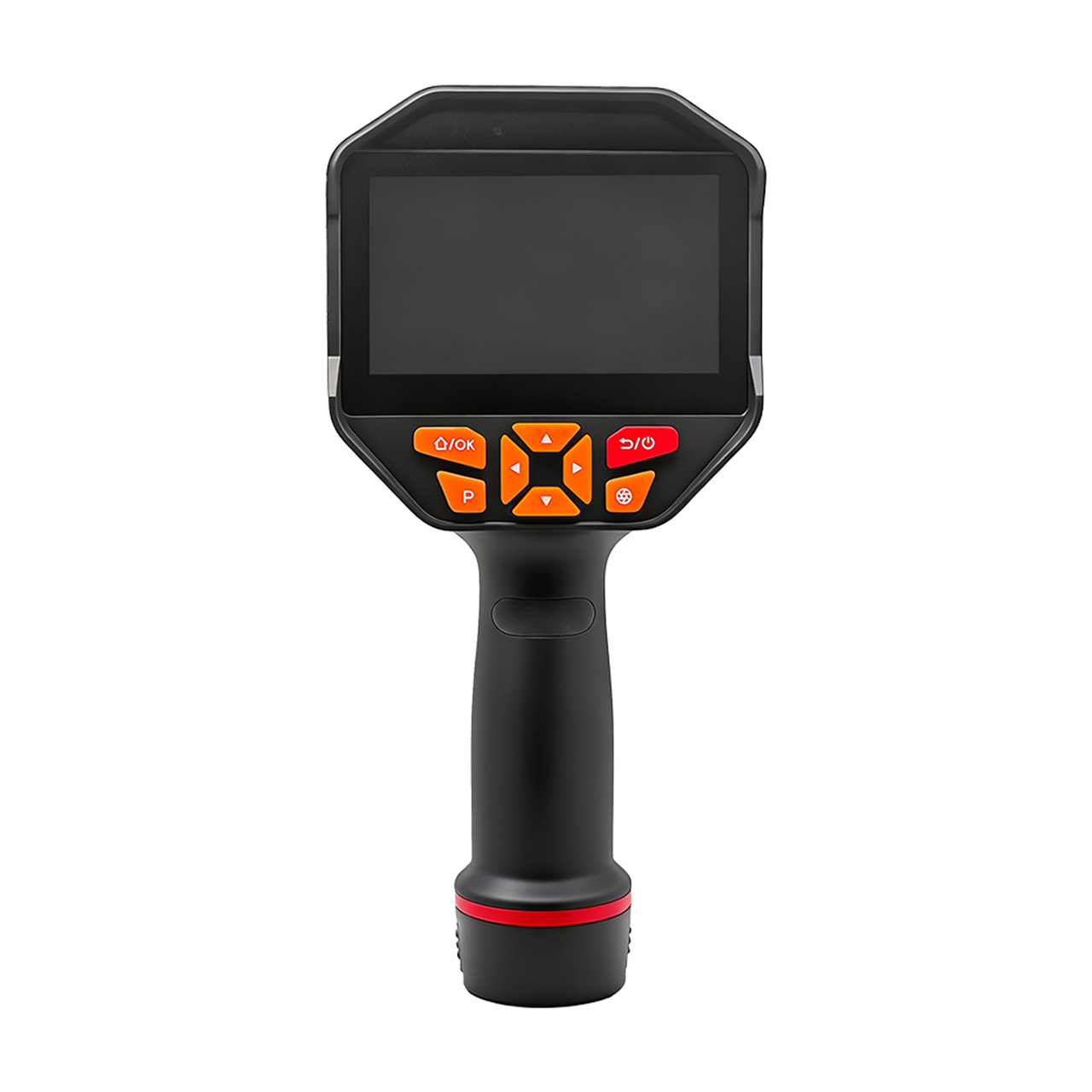
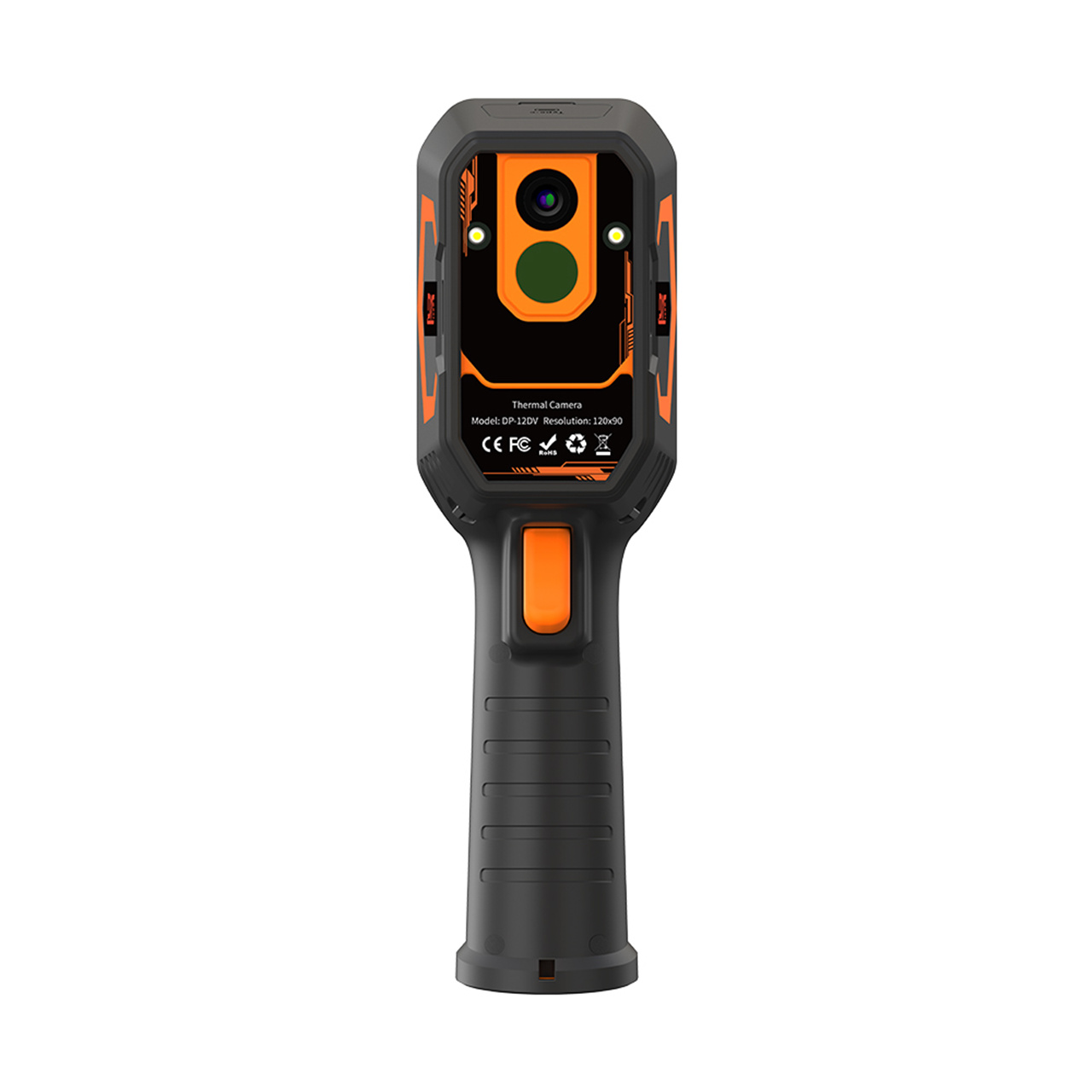
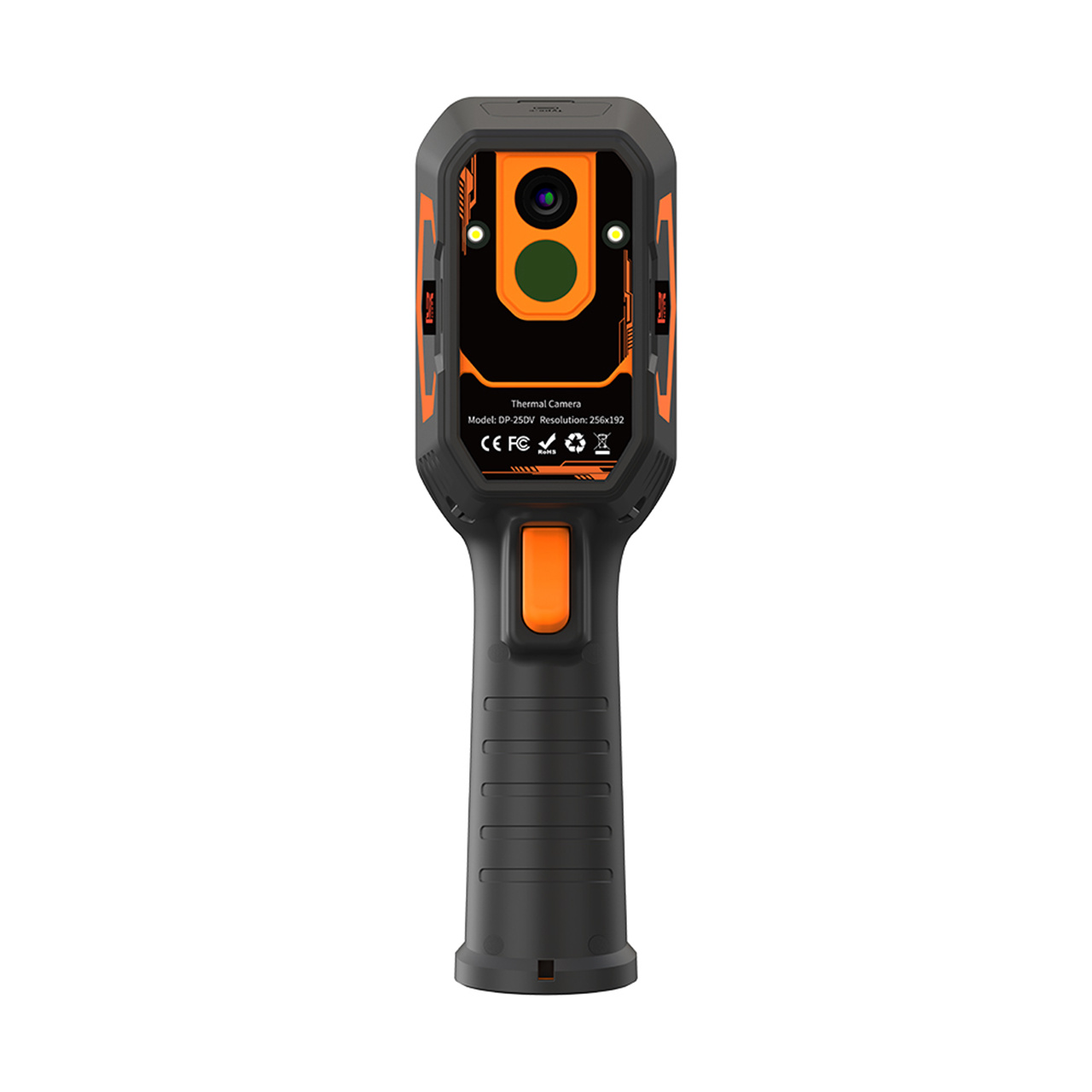
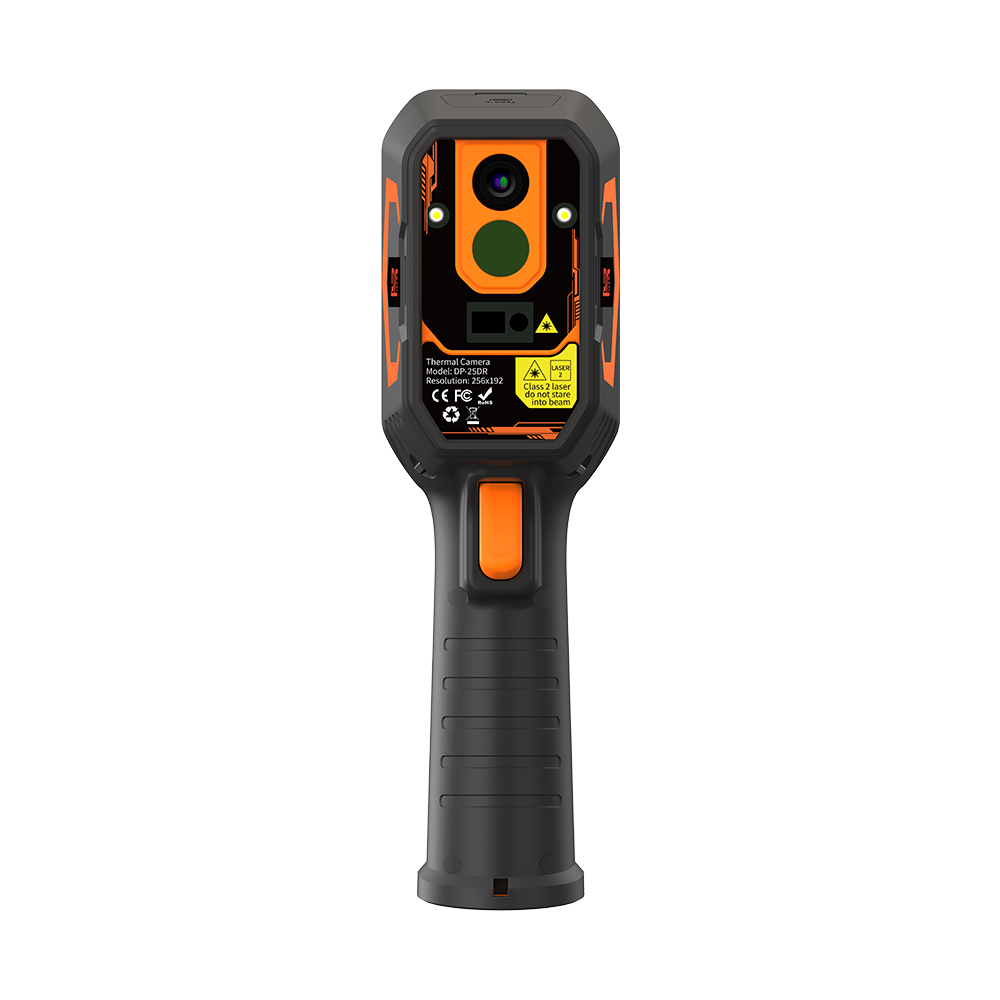
Display thermal imagers have revolutionized the way building energy audits are performed by enabling real-time thermal visualization of structures, detecting heat loss, insulation issues, water infiltration, and electrical faults. This article elaborates on the fundamental role of display thermal imagers in energy auditing and explores the current industry landscape, emerging technological trends, and advanced application scenarios driving the rapid adoption of these devices in commercial and industrial settings.
Current Commercial and Industrial Landscape for Display Thermal Imagers
Buildings are among the largest consumers of energy worldwide, contributing significantly to environmental challenges and operational costs. Energy audits serve a critical role in diagnosing inefficiencies within building envelopes and systems. Display thermal imagers facilitate this by offering intuitive thermal imaging capabilities with built-in displays, providing direct visual feedback without requiring additional external monitors or devices.
In commercial real estate, maintenance teams deploy display thermal imagers to quickly assess HVAC performance, identify moisture intrusion behind walls, inspect solar panel arrays, and detect electrical hotspots that can signal potential fire hazards. Industrial facilities utilize these imagers in predictive maintenance of equipment, thermal profiling of complex systems, and pinpointing energy losses in piping and insulated vessels.
The market demand is shifting from standalone thermal cameras towards integrated display thermal imagers that combine user-friendly interfaces with high precision sensors. This shift is driven by the need for faster onsite decision making and enhanced operational safety, especially important in industries like manufacturing plants, warehousing, and commercial offices.
Emerging Technological Trends Transforming Thermal Imaging in Energy Audits
Technological advancements have accelerated the capabilities of display thermal imagers. Here are some key trends shaping their future:
- Artificial Intelligence & Machine Learning Integration: AI-powered algorithms for automatic defect detection, heat pattern recognition, and predictive diagnostics reduce human error and accelerate audit reporting.
- Higher Resolution and Sensitivity Sensors: Progress in sensor design is delivering infrared cameras with enhanced thermal sensitivity and spatial resolution, enabling detection of minute temperature anomalies.
- Compact & Mobile Designs: Handheld display thermal imagers are becoming lighter and more ergonomic, increasing ease of use during long inspection sessions and challenging environments.
- Cloud Connectivity & Data Integration: Devices now often include Wi-Fi or Bluetooth, allowing instant cloud upload of audit images, live remote monitoring, and integration with Building Information Modeling (BIM) systems.
- Extended Battery Life & Ruggedization: Enhanced battery tech and durable housings ensure consistent operation in outdoor, industrial, and harsh environments without interruption.
In-Depth Application Scenarios for Building Energy Audits Using Display Thermal Imagers
1. Detecting Building Envelope Thermal Bridges and Air Leakage
Display thermal imagers provide immediate visual proof of thermal bridges typically caused by structural weaknesses or poor insulation. Energy auditors utilize this to locate hidden air leaks around windows, doors, wall penetrations, and roofs. The visual feedback enables targeted retrofit recommendations improving building envelope efficiency.
2. Identifying Moisture and Water Intrusion Issues
Thermal imagers can detect temperature differences caused by moisture accumulation even behind walls or under floors. Early detection prevents costly mold remediation and structural damages. Using display thermal imagers onsite can accelerate moisture surveys in large commercial buildings or multifamily residences.
3. Inspecting HVAC System Performance
HVAC energy inefficiencies due to duct leaks, dampers stuck open or closed, or failing components are critical energy drains in buildings. Display thermal imagers allow technicians to rapidly scan ductwork, airflow outlets, and mechanical units for abnormal heat signatures ensuring swift repair.
4. Evaluating Electrical Systems Safety in Commercial Buildings
Overheated electrical connections, switches, and panel boards present safety risks and lead to energy waste. Display thermal imagers are essential tools for electrical maintenance audits to flag problematic circuits and avoid fire hazards.
5. Monitoring Solar Panel Arrays for Maximum Efficiency
In energy audits of solar installations, display thermal imagers pinpoint malfunctioning or shaded photovoltaic cells by highlighting temperature irregularities. This allows for proper cleaning, realignment, or repair to maintain peak power generation.
Pre-Sales (Before Purchase)

Product Consultation & Solution Design
We provide professional consultation to help you choose the optimal thermal imaging solution based on your application, budget, and technical requirements. Our engineering team can recommend suitable sensors, lenses, temperature ranges, and interface options.
OEM / ODM / Custom Development
We support full customization, including: Housing & industrial design, PCB and hardware customization, Firmware / APP / PC software development, Branding, packaging, and UI customization, Specialized algorithms (temperature analysis, AI/ML, etc.), Our R&D team works closely with you from concept to mass production.
Technical Specifications & Documentation
We offer detailed datasheets, SDK/API, integration guidelines, and sample testing reports to ensure clear understanding before purchase.
Sample Evaluation
Evaluation samples are available for testing and validation. We provide quick dispatch and technical support during your trial phase.

In-Sales (During Order & Production)
Project Management & Engineering Support
Each project is assigned a dedicated project manager and engineer to ensure smooth communication, timely updates, and technical alignment.
Quality Assurance & Production Control
We implement strict QC standards, including incoming testing, calibration, NUC tests, aging tests, and final inspections. All units follow ISO-based production workflows.
Flexible Manufacturing
We support small-batch pilot runs, medium-volume scaling, and mass production with stable lead times and cost-effective solutions.
Real-Time Order Tracking
Production progress, inspection reports, and shipping timelines are shared with customers to ensure full transparency.
After-Sales (Post-Purchase Support)

Technical Support & Troubleshooting
Our engineering team provides prompt technical support for integration, SDK usage, firmware configuration, and product debugging.
Warranty & Repair Services
All products come with a standard warranty. We offer: Free repair or replacement for manufacturing defects, Paid maintenance for out-of-warranty products, Fast turnaround for urgent cases.
Firmware & Software Updates
We regularly release firmware updates, bug fixes, and feature improvements to enhance product performance and stability.
Long-Term Partnership Guarantee
We commit to stable supply, component lifecycle management, and long-term product support to ensure your business continuity.