Leave Your Message
Electrical substations are critical nodes in power distribution networks, responsible for transforming voltage levels and routing electricity to end users. The reliability of these facilities directly impacts grid stability, operational safety, and economic efficiency. Traditional maintenance approaches—relying on periodic manual inspections and reactive repairs—are increasingly inadequate in meeting the demands of modern power infrastructure. Display thermal imagers have emerged as indispensable tools for predictive maintenance, enabling real-time visualization of thermal anomalies that indicate equipment degradation, overloading, or imminent failure.
Thermal imaging technology detects infrared radiation emitted by objects, converting it into visible images that reveal temperature distributions. In electrical substations, components such as transformers, circuit breakers, bus bars, insulators, and cable connections generate heat during normal operation. Excessive heat, however, signals problems like loose connections, corrosion, insulation breakdown, or imbalanced loads. By identifying these issues before they escalate into catastrophic failures, thermal imagers reduce unplanned downtime, prevent safety hazards, and extend equipment lifespan.
Modern electrical substations operate under increasingly complex conditions—higher loads, aging infrastructure, and stringent uptime requirements. Thermal imagers provide non-contact, non-invasive inspection capabilities, allowing maintenance teams to assess equipment health without interrupting operations. This proactive approach aligns with Industry 4.0 principles, integrating sensor data, analytics, and automation to optimize asset performance and minimize lifecycle costs.
The global thermal imaging market for industrial applications, particularly in power utilities, has experienced robust growth driven by regulatory mandates, infrastructure modernization, and the adoption of predictive maintenance strategies. According to industry reports, the thermal imaging market in the energy sector is projected to grow at a CAGR exceeding 8% through 2030, fueled by investments in smart grid technologies and renewable energy integration.
Electrical utilities worldwide face mounting pressure to improve grid reliability while managing aging assets. In North America, approximately 70% of transmission infrastructure is over 25 years old, while European and Asian grids contend with similar challenges. Thermal imaging has become a cornerstone of condition-based maintenance (CBM) programs, replacing time-based inspection schedules with data-driven approaches that prioritize interventions based on actual equipment condition.
Increasing grid complexity, renewable energy integration, and regulatory compliance requirements are accelerating thermal imager adoption across utility sectors globally.
Advanced detectors, AI-powered analytics, and wireless connectivity are transforming thermal imagers from simple diagnostic tools into integrated condition monitoring systems.
Asia-Pacific leads in deployment volume due to rapid electrification, while North America and Europe focus on retrofitting aging infrastructure with smart monitoring solutions.
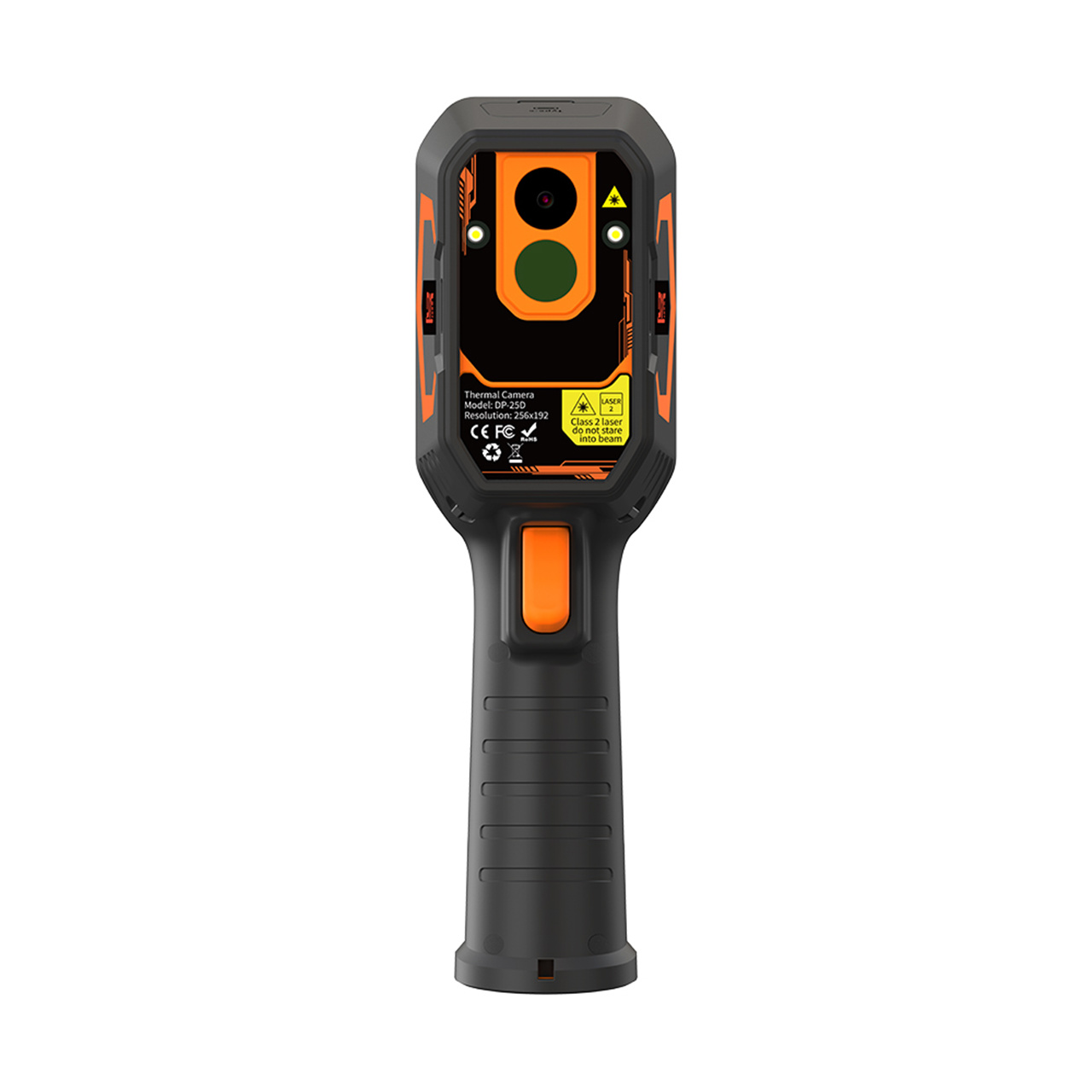
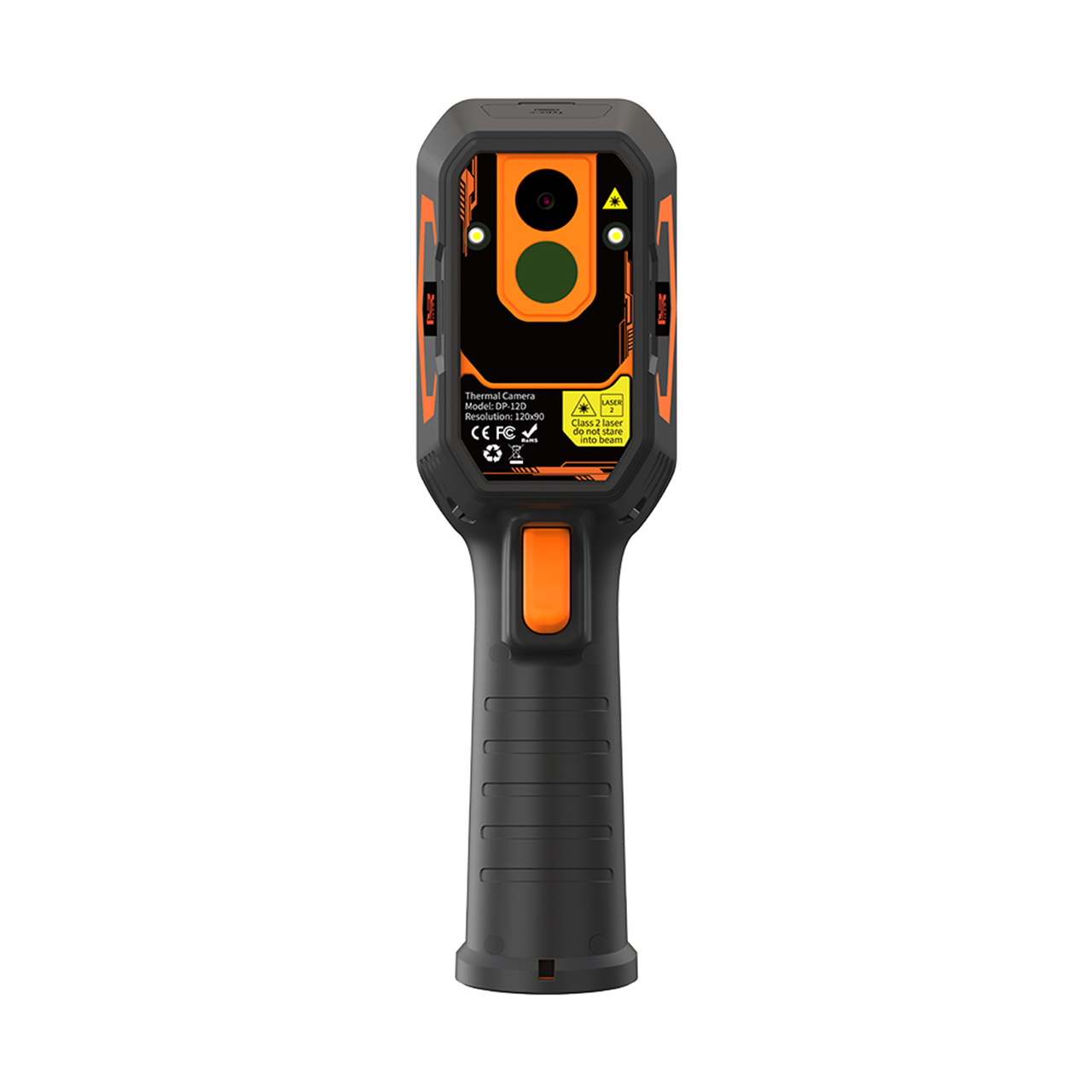
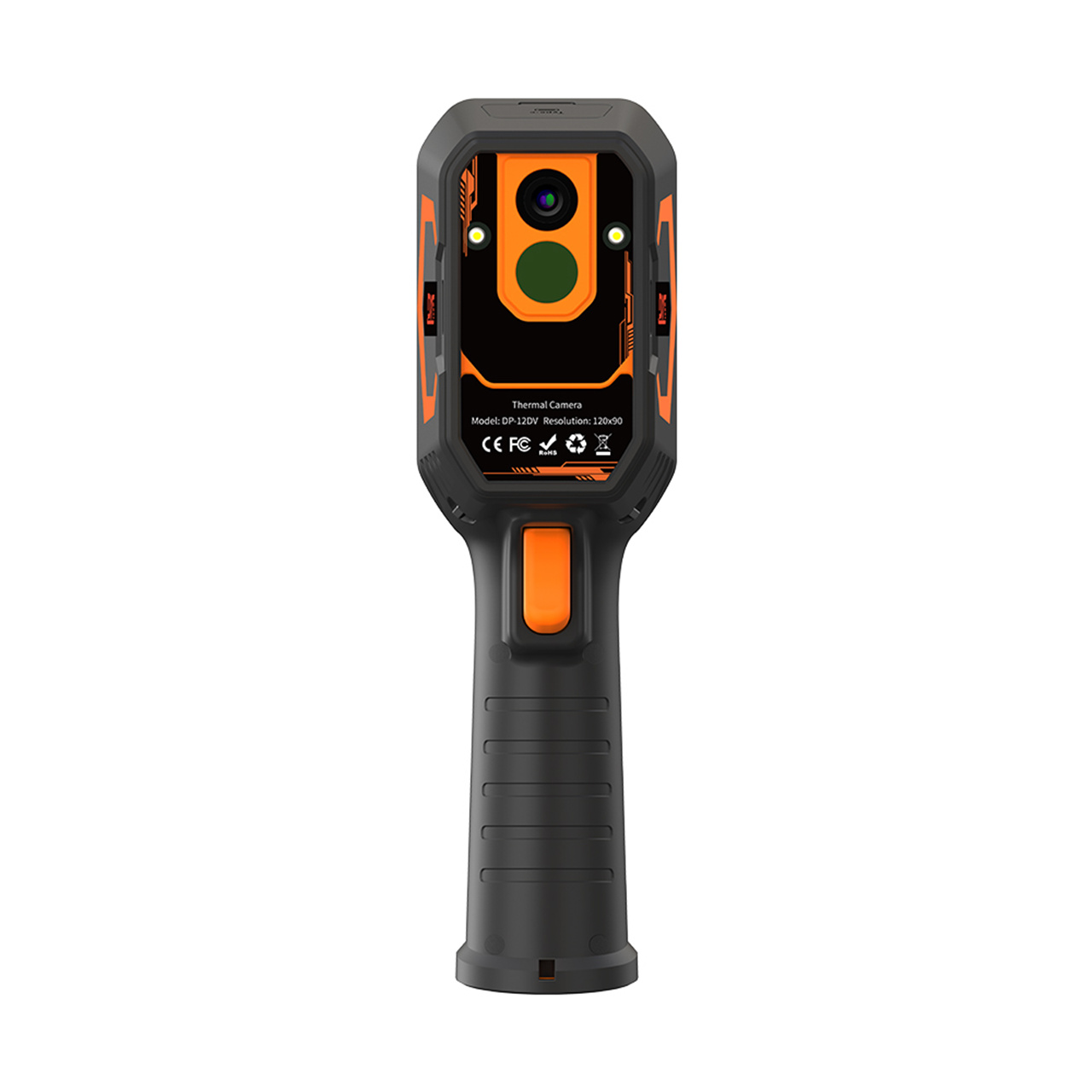
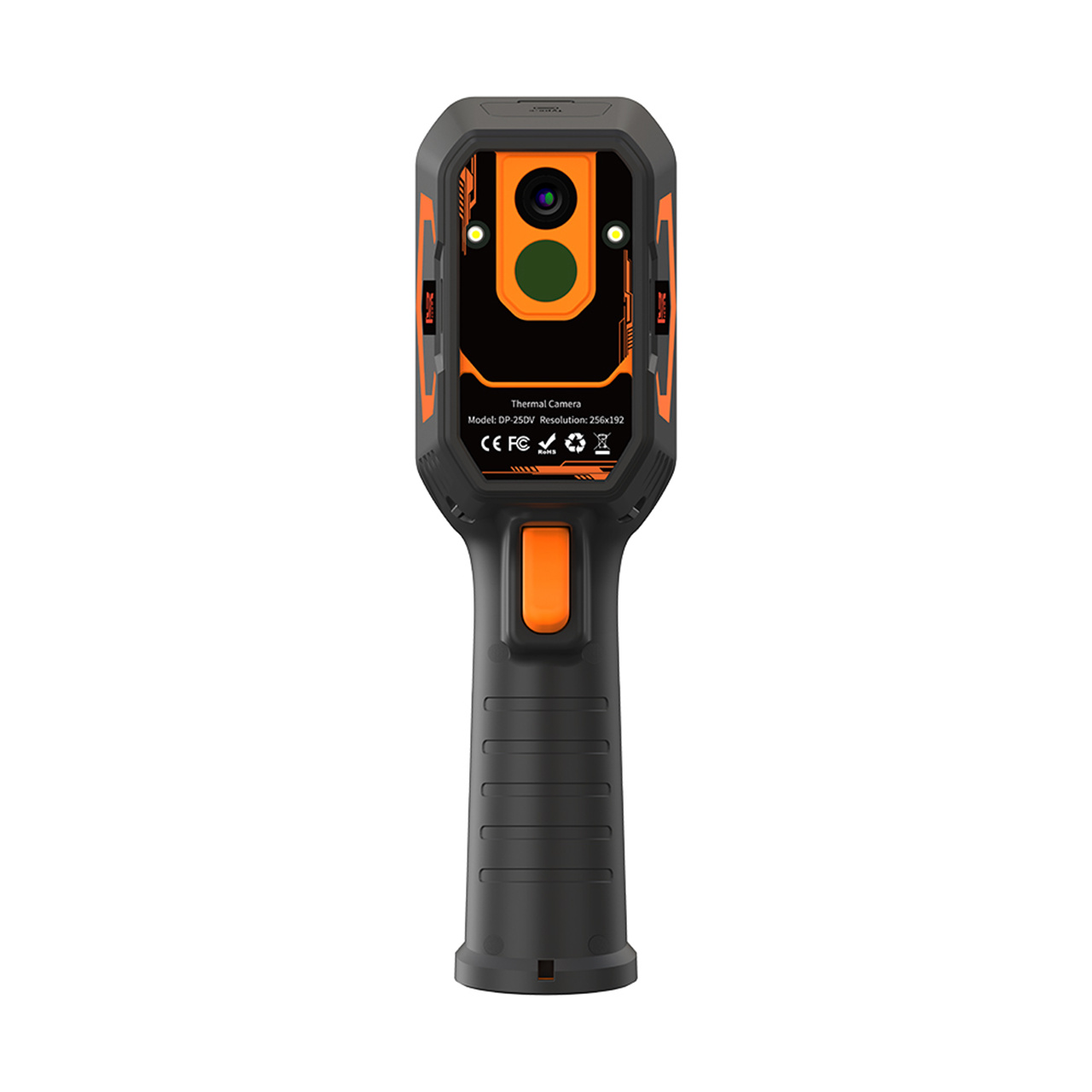
Key industry trends include the shift toward handheld devices with high-resolution displays, integration with cloud-based asset management platforms, and the development of automated inspection systems using drones and robots. Display thermal imagers—featuring large, high-contrast screens—are particularly valued in field environments where real-time decision-making is critical.
Power transformers are among the most critical and expensive assets in substations. Thermal imagers detect hotspots in windings, bushings, and cooling systems that indicate insulation degradation, oil contamination, or cooling system failures. Early detection prevents catastrophic failures that can cost millions in repairs and lost revenue. Display thermal imagers enable technicians to quickly assess transformer health during routine patrols, comparing current thermal profiles against baseline data to identify deviations.
Bus bars and electrical connections are prone to thermal issues caused by loose bolts, corrosion, or oxidation. These problems increase resistance, generating excessive heat that can lead to arcing, equipment damage, or fires. Thermal imaging allows maintenance teams to scan entire bus bar assemblies rapidly, identifying problem areas that would be invisible to visual inspection. High-resolution displays ensure that subtle temperature differences are clearly visible, even in bright outdoor environments.
Circuit breakers must operate reliably under fault conditions to protect downstream equipment. Thermal anomalies in breaker contacts or operating mechanisms indicate wear, contamination, or mechanical issues. Regular thermal surveys help utilities schedule maintenance during planned outages rather than responding to emergency failures. Display thermal imagers with temperature measurement capabilities provide quantitative data for trending analysis and compliance reporting.
Insulators and surge arresters are critical for maintaining electrical isolation and protecting equipment from voltage surges. Moisture ingress, contamination, or internal defects cause localized heating that compromises performance. Thermal imaging detects these issues before they lead to flashovers or equipment damage. In high-voltage substations, where physical access is limited, display thermal imagers enable safe, remote inspection from ground level or aerial platforms.
Underground and overhead cable systems rely on properly installed terminations and splices. Poor workmanship, environmental degradation, or overloading can cause these connection points to overheat. Thermal imagers identify problematic terminations before they fail, preventing service interruptions and safety hazards. Display screens with adjustable color palettes help technicians distinguish between normal operating temperatures and critical hotspots in complex cable layouts.
Thermal imaging provides insights into load distribution across substation equipment, revealing imbalances that reduce efficiency and accelerate wear. By analyzing thermal patterns during peak demand periods, utilities can optimize load distribution, defer capital investments, and improve system reliability. Display thermal imagers with data logging capabilities support long-term trending analysis and integration with supervisory control and data acquisition (SCADA) systems.
Leading utilities are embedding thermal imaging data into comprehensive predictive maintenance frameworks that combine multiple diagnostic techniques—oil analysis, partial discharge testing, vibration monitoring—to create holistic equipment health profiles. Display thermal imagers serve as frontline diagnostic tools, triggering deeper investigations when anomalies are detected. This multi-layered approach maximizes asset availability while minimizing maintenance costs.
The evolution of display thermal imagers is characterized by continuous improvements in detector sensitivity, image resolution, processing power, and user interface design. Modern devices incorporate uncooled microbolometer detectors with resolutions exceeding 640×480 pixels, enabling detection of temperature differences as small as 0.03°C. High-brightness displays with anti-reflective coatings ensure visibility in direct sunlight, while touchscreen interfaces simplify operation and data annotation.
Artificial intelligence algorithms are being integrated into thermal imagers to automatically identify anomalies, classify defect severity, and recommend corrective actions. Machine learning models trained on historical failure data can predict equipment remaining useful life (RUL), enabling truly predictive maintenance strategies.
Wi-Fi, Bluetooth, and cellular connectivity enable real-time data sharing between field technicians and remote experts. Cloud-based platforms aggregate thermal imaging data from multiple sites, supporting enterprise-wide asset management and benchmarking. Mobile apps allow engineers to review inspection results, approve work orders, and update maintenance schedules from anywhere.
Advances in power management and energy-efficient components have extended battery life to support full-shift operation without recharging. Hot-swappable battery designs minimize downtime during extended inspection campaigns, while USB-C charging provides compatibility with standard power banks and vehicle charging systems.
Improved calibration techniques and environmental compensation algorithms enhance temperature measurement accuracy, even in challenging conditions. Some devices now incorporate ambient temperature, humidity, and wind speed sensors to automatically adjust emissivity and atmospheric transmission parameters, reducing measurement uncertainty.
Thermal imaging modules are being integrated into drones and robotic platforms for automated substation inspections. These systems can execute pre-programmed inspection routes, capturing thermal and visual data without human intervention. Display thermal imagers serve as portable verification tools, allowing technicians to investigate anomalies flagged by automated systems.
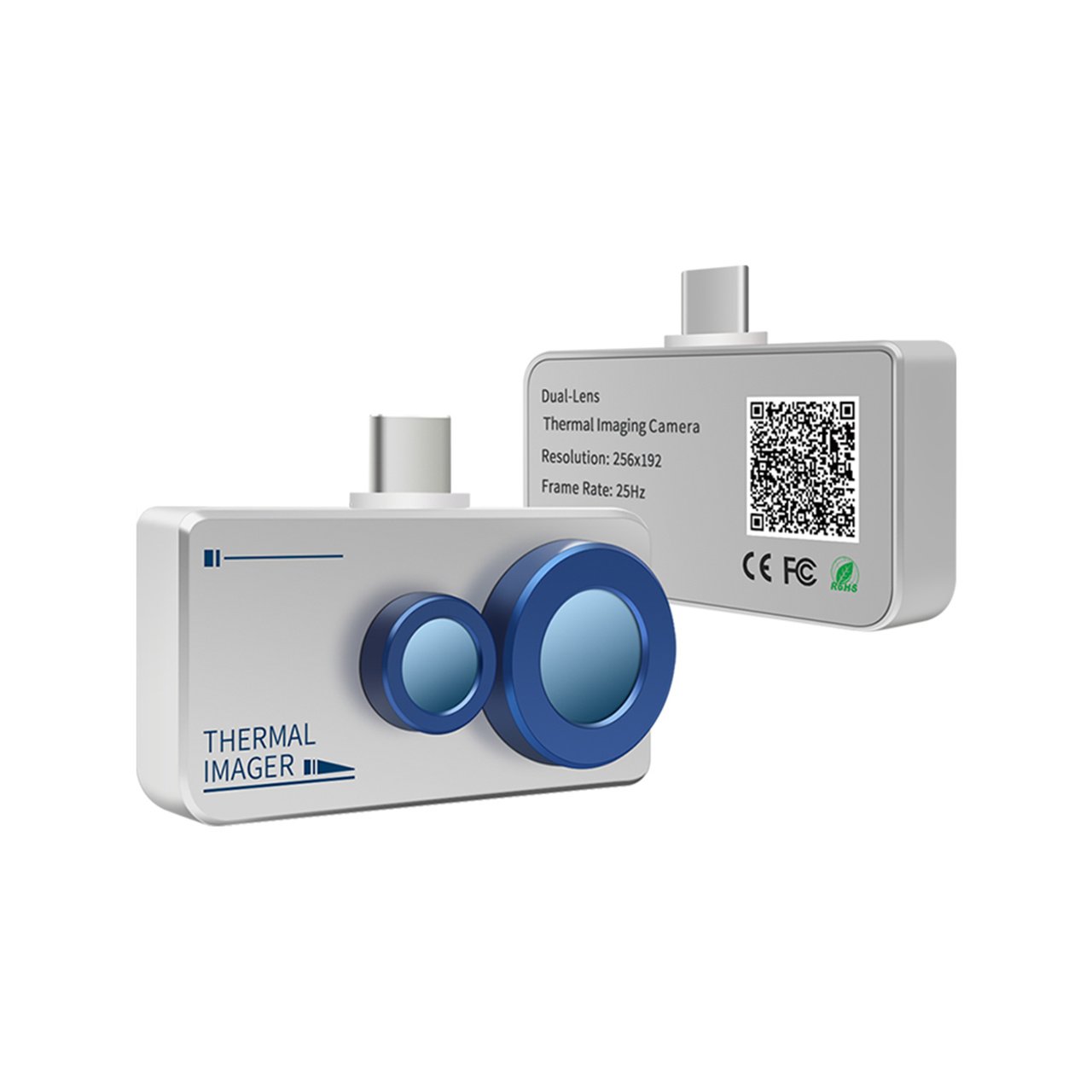
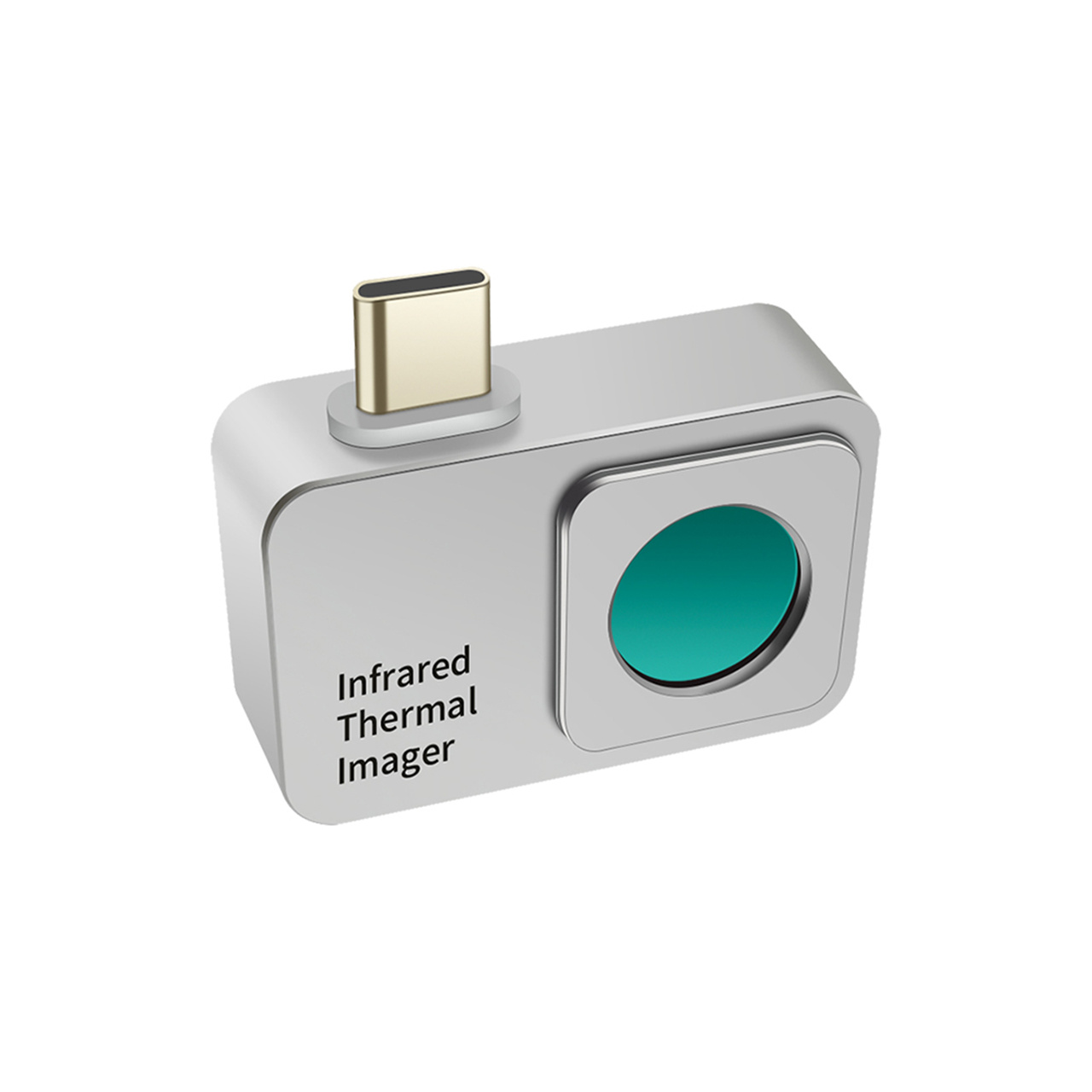
Compact thermal imaging modules that attach to smartphones are democratizing access to thermal diagnostics. While not replacing professional-grade equipment, these devices enable preliminary assessments and support training programs. Display thermal imagers remain essential for detailed analysis and compliance documentation.
Looking ahead, the convergence of thermal imaging, digital twins, and augmented reality (AR) promises to transform substation maintenance. AR-enabled display thermal imagers could overlay real-time thermal data onto 3D models of substations, guiding technicians through complex inspection procedures and highlighting equipment with abnormal thermal signatures. Digital twin platforms will integrate thermal imaging data with electrical, mechanical, and environmental parameters to simulate equipment behavior and optimize maintenance strategies.
Thermal imaging in electrical substations is governed by various international standards and regulatory frameworks that ensure safety, reliability, and consistency. Organizations such as the International Electrotechnical Commission (IEC), Institute of Electrical and Electronics Engineers (IEEE), and National Fire Protection Association (NFPA) have established guidelines for thermographic inspections of electrical systems.
Key standards include IEC 60050-841, which defines terminology for infrared thermography, and IEEE 1524, which provides a guide for conducting infrared inspections of electrical equipment. The NFPA 70B standard recommends thermographic surveys as part of preventive maintenance programs for electrical systems. Compliance with these standards not only ensures inspection quality but also provides legal protection and supports insurance claims in the event of equipment failures.
Professional certification programs, such as those offered by the Infrared Training Center (ITC) and American Society for Nondestructive Testing (ASNT), establish competency standards for thermographers. These programs cover thermal imaging principles, equipment operation, data interpretation, and report writing. Display thermal imagers with intuitive interfaces and built-in guidance features help bridge the gap between novice and expert users, accelerating skill development and improving inspection consistency.
Regulatory trends are moving toward more frequent and comprehensive thermal inspections, particularly for critical infrastructure. Some jurisdictions now mandate annual thermographic surveys of high-voltage substations, with documented evidence of corrective actions for identified defects. Display thermal imagers that support comprehensive reporting—including annotated images, temperature data, and GPS coordinates—streamline compliance documentation and audit processes.
The economic case for display thermal imagers in substation maintenance is compelling. Studies show that predictive maintenance programs incorporating thermal imaging reduce maintenance costs by 25-30% compared to reactive approaches, while improving equipment availability by 10-15%. The cost of a thermal imager is typically recovered within the first year through avoided failures and optimized maintenance scheduling.
A single transformer failure can cost $2-5 million in equipment replacement, emergency repairs, and lost revenue. By detecting problems early, thermal imaging prevents catastrophic failures and their associated costs. Even minor issues—such as a loose connection—can be repaired for a few hundred dollars if caught early, versus tens of thousands if allowed to escalate.
Thermal imaging data enables condition-based maintenance, eliminating unnecessary preventive maintenance activities while ensuring timely intervention for equipment showing signs of degradation. This optimization reduces labor costs, spare parts inventory, and equipment downtime. Utilities report 20-40% reductions in maintenance labor hours after implementing thermal imaging programs.
By identifying and correcting problems before they cause damage, thermal imaging extends the operational life of substation equipment. Transformers, circuit breakers, and other assets can operate reliably for decades when properly maintained. Deferring capital replacement costs by even a few years generates significant savings, particularly for expensive high-voltage equipment.
Thermal imaging reduces the risk of electrical fires, explosions, and worker injuries by identifying hazardous conditions before they cause accidents. Beyond the human cost, safety incidents result in regulatory fines, litigation expenses, and reputational damage. Enhanced reliability also improves customer satisfaction and regulatory compliance, avoiding penalties for service interruptions.
When evaluating thermal imaging solutions, utilities should consider total cost of ownership (TCO), including initial equipment cost, training, software licenses, and ongoing calibration. Display thermal imagers with rugged construction, long warranty periods, and comprehensive support services offer the best long-term value. Devices that integrate seamlessly with existing asset management systems reduce implementation costs and accelerate ROI realization.
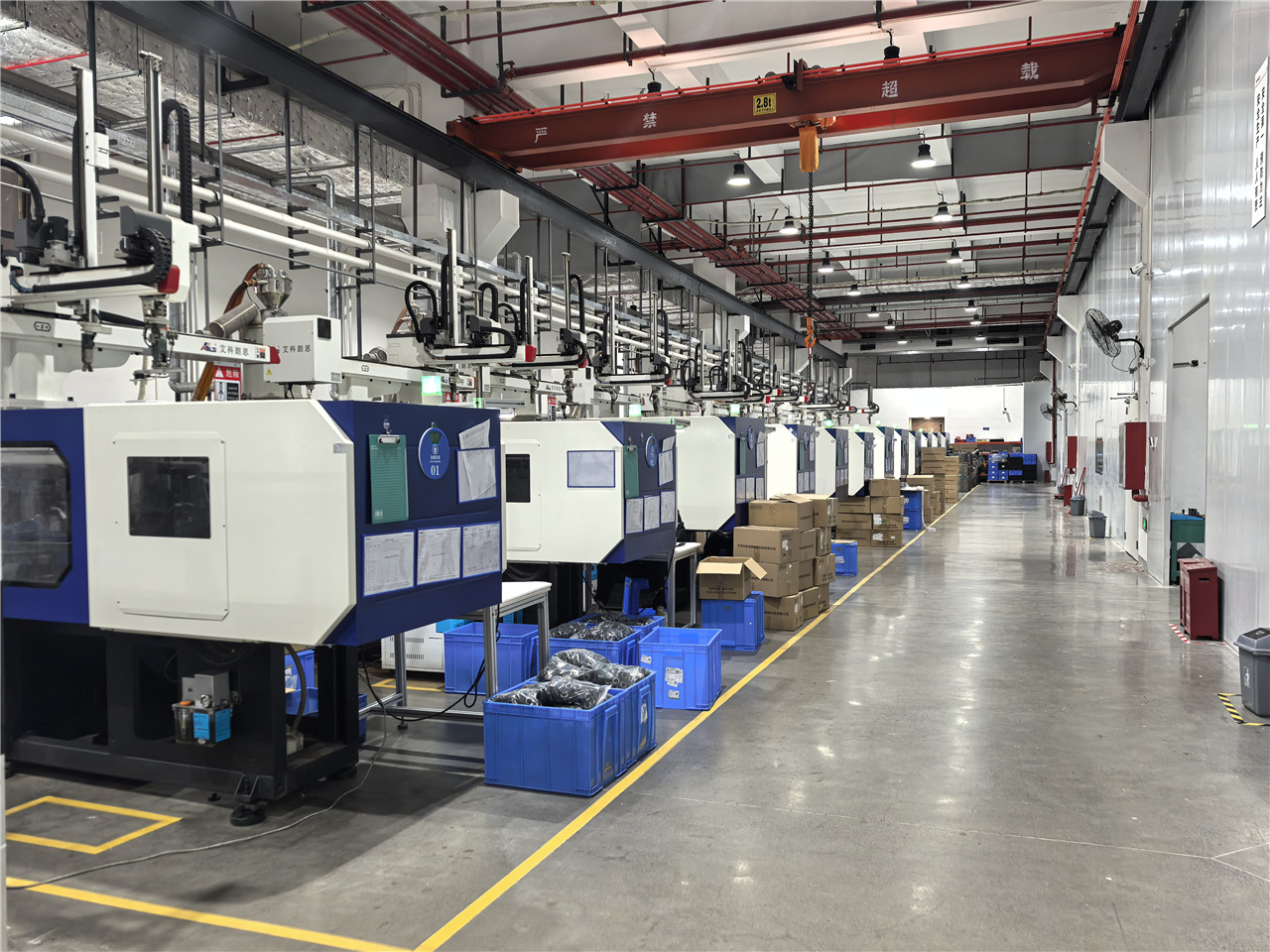
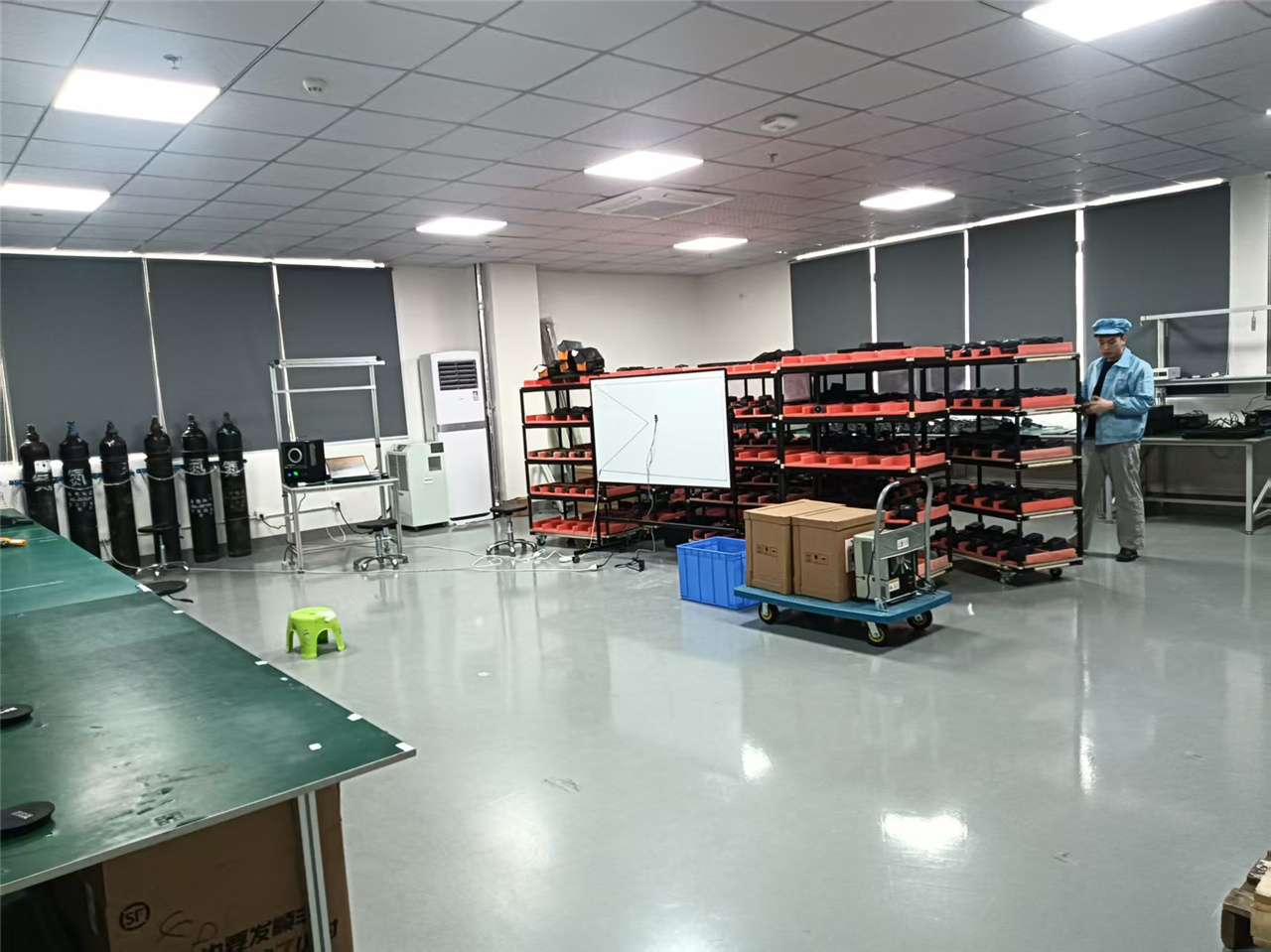
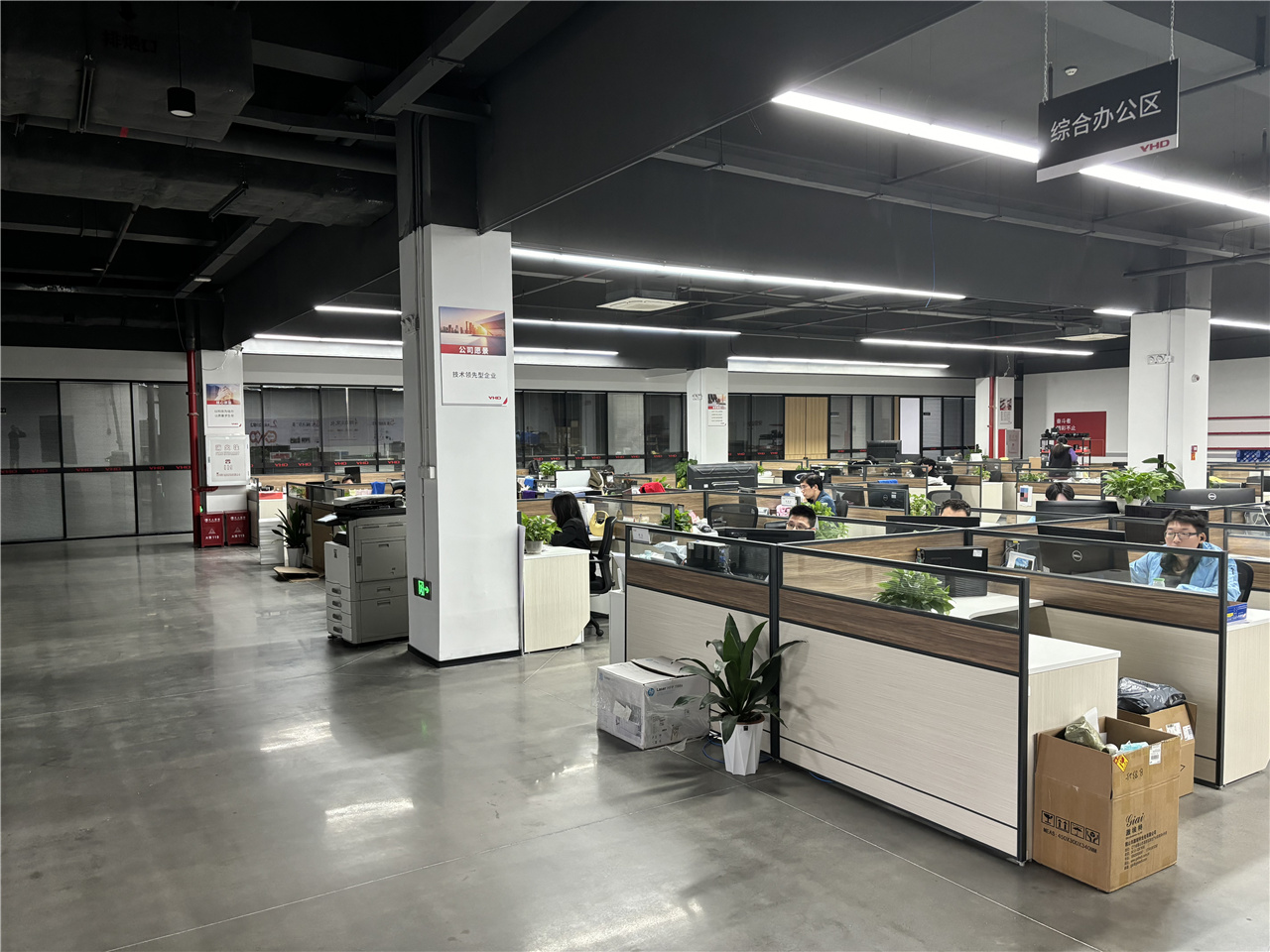
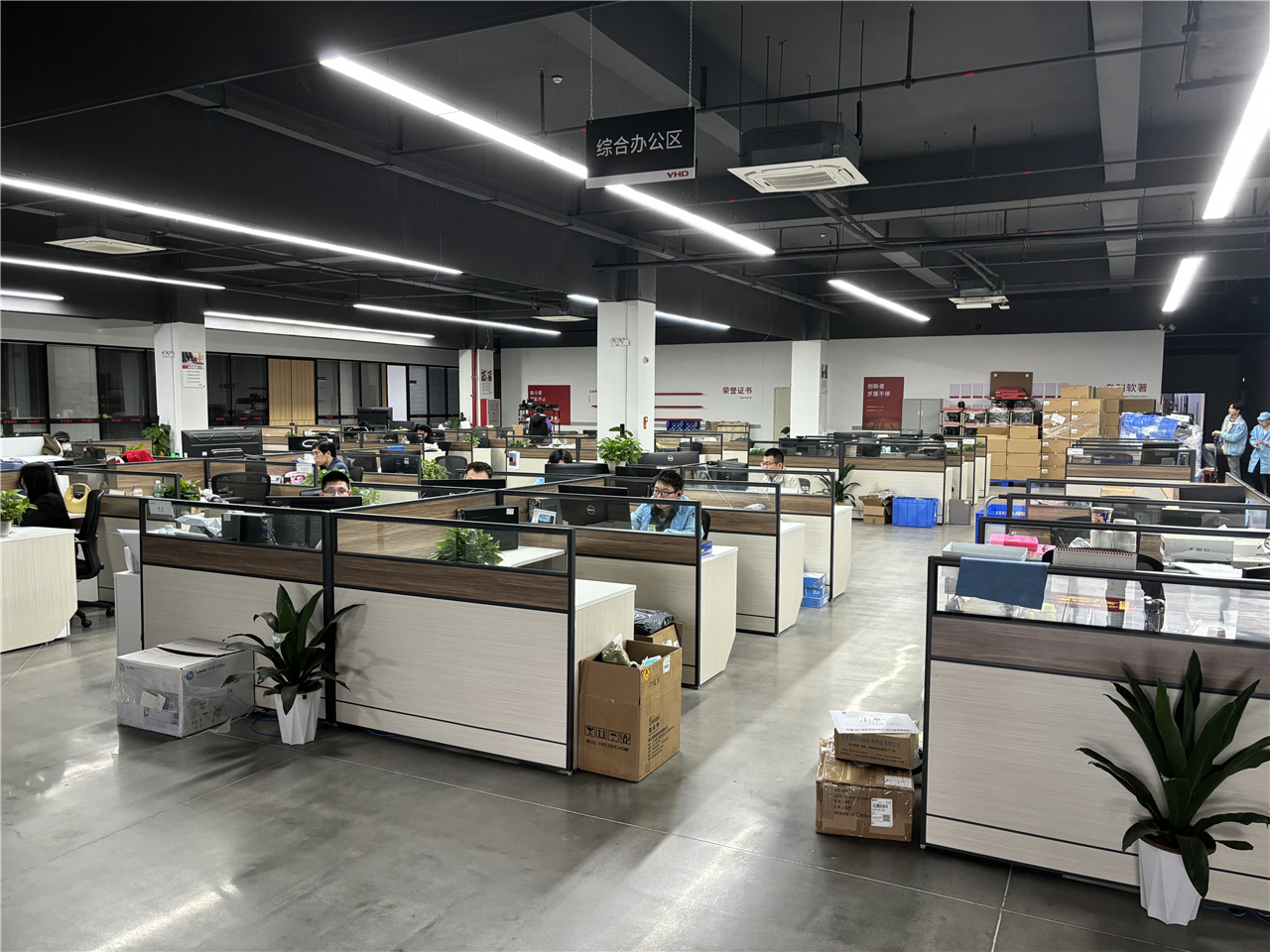
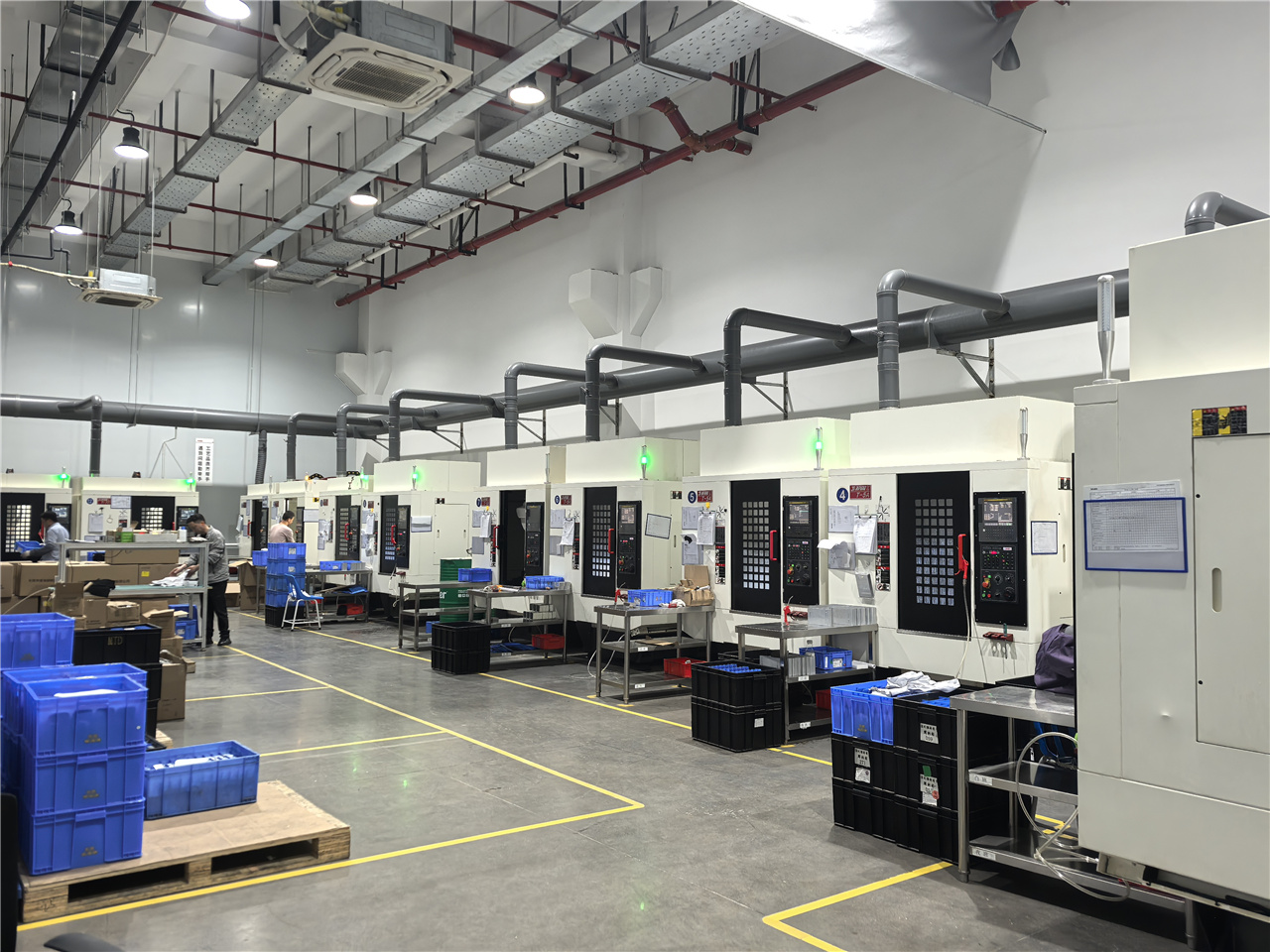
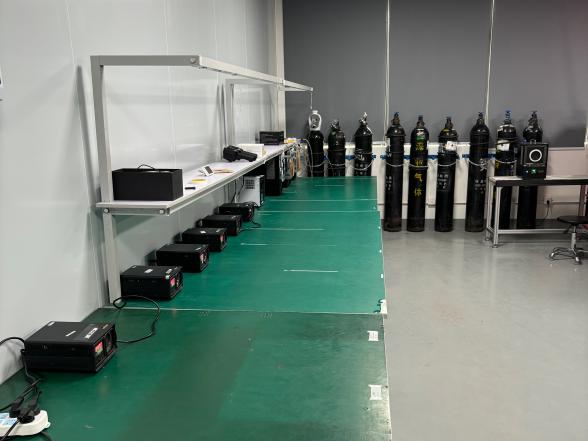
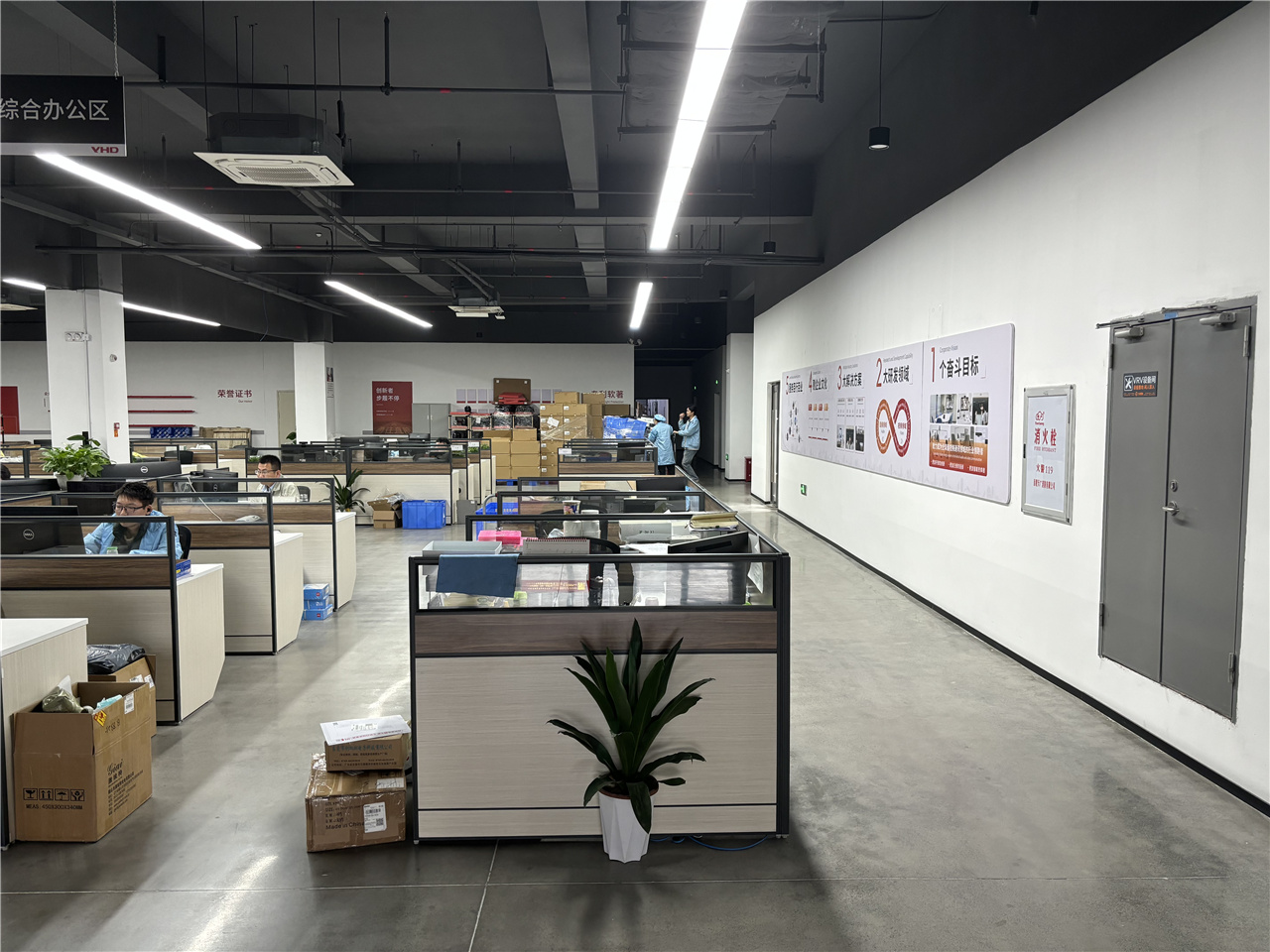
Shenzhen Dianyang Technology Co., Ltd. is a subsidiary of VHD (Shenzhen VHD Technology Co., Ltd.), a publicly listed company on the Shenzhen Stock Exchange. This strategic affiliation gives Dianyang unique access to VHD's advanced R&D platforms, high-precision manufacturing systems, and rigorous quality management practices—enabling us to deliver thermal imaging products of higher reliability and consistency than typical ODMs.
We specialize in ODM/OEM services for infrared thermal imaging solutions, including handheld thermal imagers, smartphone-connected thermal cameras, thermal analyzers, and thermal imaging telescopes. Our products serve global customers in power inspection, building diagnostics, firefighting, industrial maintenance, and outdoor applications.