Leave Your Message
Cutting-edge embedded thermal modules designed for French industrial, commercial, and research applications
France stands at the forefront of European innovation in thermal imaging technology, with a robust industrial ecosystem spanning from aerospace giants in Toulouse to automotive manufacturers in the Grand Est region. The embedded thermal module industry in France has experienced significant growth, driven by increasing demands in predictive maintenance, building energy efficiency, and advanced manufacturing processes.
French companies and research institutions are pioneering applications of thermal imaging technology across multiple sectors. The country's commitment to Industry 4.0 and digital transformation has accelerated the adoption of embedded thermal modules in smart factories, particularly in regions like Auvergne-Rhône-Alpes, which hosts numerous high-tech manufacturing facilities.
The French market for embedded thermal modules is experiencing exponential growth due to stringent energy efficiency regulations (RE2020), increased focus on preventive maintenance in critical infrastructure, and the expansion of autonomous vehicle testing programs. Government initiatives supporting green technology and smart city development have created unprecedented opportunities for thermal imaging solutions across urban centers like Paris, Lyon, and Marseille.
French industries have embraced embedded thermal modules across diverse applications:
French tech companies are leading the integration of artificial intelligence with thermal imaging. Advanced algorithms developed in collaboration with institutions like INRIA and École Polytechnique enable predictive maintenance, automated defect detection, and real-time anomaly identification. This trend is particularly strong in French manufacturing sectors, where AI-powered thermal solutions reduce downtime by up to 40%.
France's commitment to carbon neutrality by 2050 has positioned thermal imaging as a critical technology for energy management. The RE2020 regulation mandates rigorous energy performance standards for buildings, driving demand for thermal modules in construction and renovation projects. French companies are developing low-power embedded thermal solutions that align with circular economy principles.
France's autonomous vehicle testing programs in cities like Paris, Rouen, and Toulouse have accelerated the development of compact, high-resolution thermal modules. These systems enhance pedestrian detection, operate in adverse weather conditions, and improve night-time navigation capabilities. French automotive suppliers are partnering with thermal imaging manufacturers to create next-generation ADAS systems.
French manufacturers are embracing thermal imaging as part of comprehensive Industry 4.0 strategies. Embedded thermal modules integrated with IoT platforms enable real-time monitoring of production lines, early detection of equipment failures, and optimization of manufacturing processes. This trend is particularly evident in France's aerospace, pharmaceutical, and electronics industries.
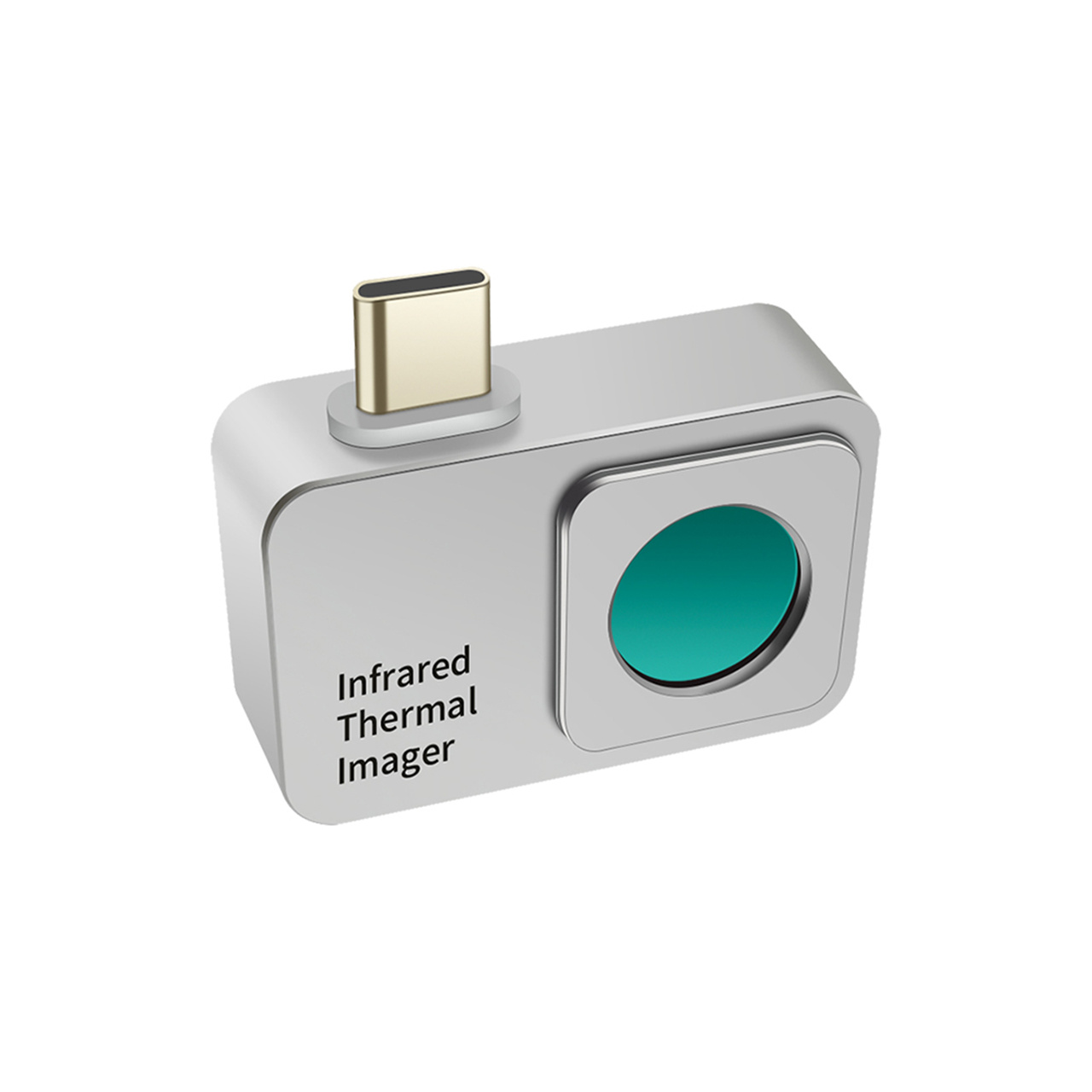
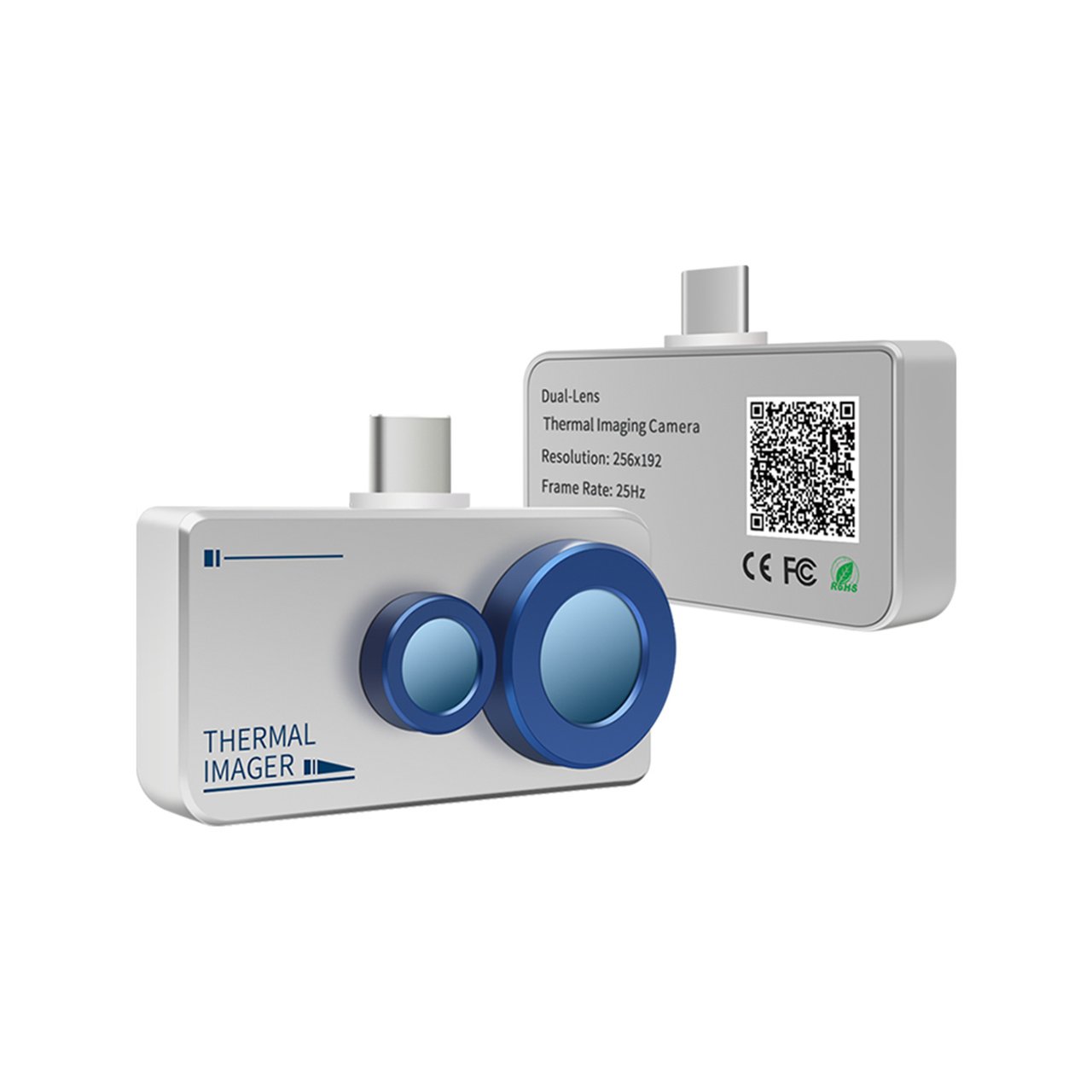
The demand for portable and smartphone-compatible thermal imaging solutions is growing rapidly in France. Professionals in building inspection, electrical maintenance, and HVAC services increasingly prefer compact thermal modules that integrate with mobile devices, enabling instant analysis and cloud-based reporting capabilities.
France's rich architectural heritage requires specialized conservation techniques. Thermal imaging has become indispensable for assessing historical buildings, detecting moisture intrusion in centuries-old structures, and planning restoration projects for landmarks like châteaux, cathedrals, and UNESCO World Heritage sites. The French Ministry of Culture collaborates with thermal imaging specialists to preserve national treasures while maintaining energy efficiency standards.
French vineyards, particularly in Bordeaux, Burgundy, and Champagne regions, utilize thermal imaging for precision viticulture. Embedded thermal modules mounted on drones monitor vine health, optimize irrigation schedules, detect disease outbreaks early, and determine optimal harvest timing. This technology helps maintain France's position as a global leader in premium wine production.
Temperature monitoring during fermentation and storage processes ensures consistent quality, while thermal inspections of wine cellars prevent spoilage and maintain ideal aging conditions.

As France generates approximately 70% of its electricity from nuclear power, thermal imaging plays a critical safety role. EDF employs advanced embedded thermal modules for continuous monitoring of reactor cooling systems, detecting hot spots in electrical infrastructure, and conducting preventive maintenance on critical components. These systems must meet stringent nuclear safety standards specific to French regulations.
French cities are implementing thermal imaging in smart city projects. Paris, Lyon, and other major urban centers use thermal modules for:
France hosts world-class research institutions advancing thermal imaging technology. Organizations like CEA (Commissariat à l'énergie atomique), CNRS (Centre national de la recherche scientifique), and leading engineering schools collaborate with industry partners to develop next-generation embedded thermal modules. French innovation in sensor technology, signal processing, and miniaturization continues to drive global advancements in the field.

We provide professional consultation to help you choose the optimal thermal imaging solution based on your application, budget, and technical requirements. Our engineering team can recommend suitable sensors, lenses, temperature ranges, and interface options.
We support full customization, including: Housing & industrial design, PCB and hardware customization, Firmware / APP / PC software development, Branding, packaging, and UI customization, Specialized algorithms (temperature analysis, AI/ML, etc.). Our R&D team works closely with you from concept to mass production.
We offer detailed datasheets, SDK/API, integration guidelines, and sample testing reports to ensure clear understanding before purchase.
Evaluation samples are available for testing and validation. We provide quick dispatch and technical support during your trial phase.
Each project is assigned a dedicated project manager and engineer to ensure smooth communication, timely updates, and technical alignment.
We implement strict QC standards, including incoming testing, calibration, NUC tests, aging tests, and final inspections. All units follow ISO-based production workflows.
We support small-batch pilot runs, medium-volume scaling, and mass production with stable lead times and cost-effective solutions.
Production progress, inspection reports, and shipping timelines are shared with customers to ensure full transparency.

Our engineering team provides prompt technical support for integration, SDK usage, firmware configuration, and product debugging.
All products come with a standard warranty. We offer: Free repair or replacement for manufacturing defects, Paid maintenance for out-of-warranty products, Fast turnaround for urgent cases.
We regularly release firmware updates, bug fixes, and feature improvements to enhance product performance and stability.
We commit to stable supply, component lifecycle management, and long-term product support to ensure your business continuity.
The French embedded thermal module market is projected to grow significantly over the next decade, driven by several key factors:
We actively seek partnerships with French distributors, system integrators, and OEM manufacturers. Our flexible business models, comprehensive technical support, and commitment to innovation make us an ideal partner for companies looking to leverage thermal imaging technology in the French market. Whether you're developing smart building solutions, industrial automation systems, or next-generation automotive applications, our embedded thermal modules provide the foundation for success.
Comprehensive thermal imaging solutions tailored for diverse French industrial and commercial needs