
Leave Your Message
 DP-64D professional-grade handheld thermal imager
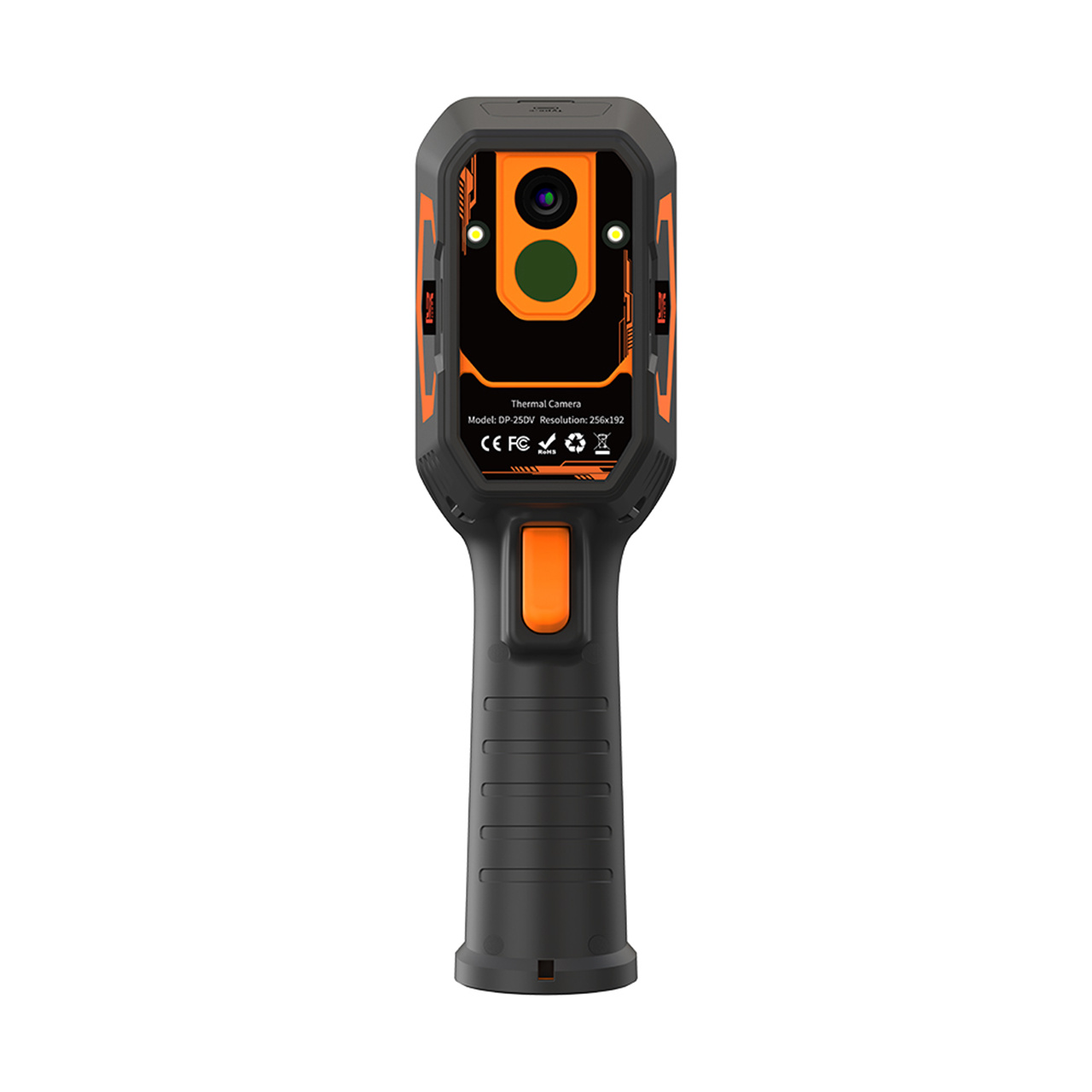 DP-25DV Infrared Thermal Camera
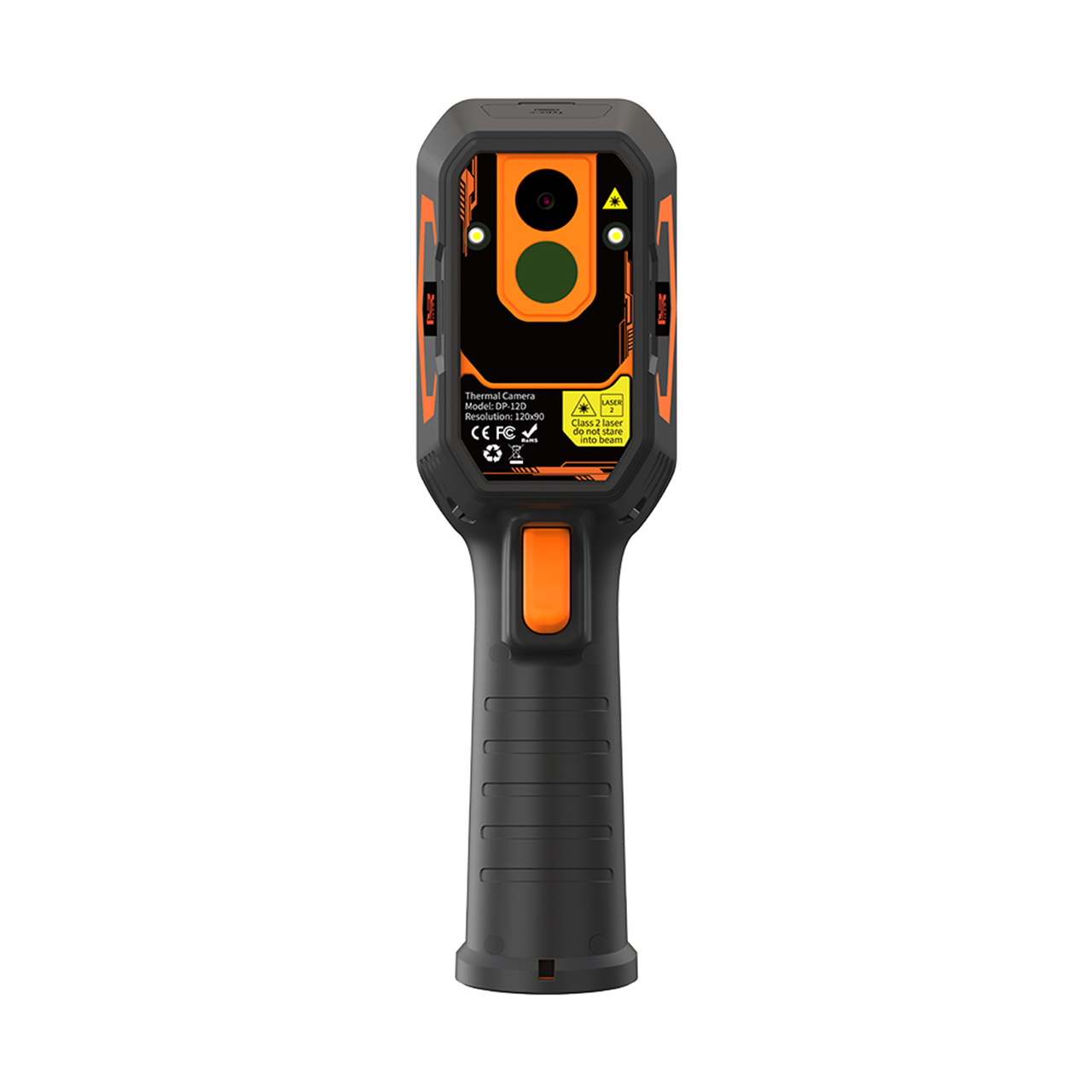 DP-12D Infrared Thermal Camera
DP-38D professional-grade handheld thermal imager
Embedded thermal modules represent the cutting-edge technology in modern automotive diagnostics, particularly in the domain of engine monitoring and failure detection. Unlike traditional thermal imagers or standalone handheld devices, these modules are integrated directly into automotive systems, enabling continuous, real-time thermal analysis of critical engine components. This capability not only improves fault detection precision but also streamlines preventive maintenance, reducing downtime and repair costs for automotive manufacturers and service providers.
Within the automotive industry, the increasing complexity of engines—ranging from combustion internal combustion engines (ICE) to hybrid and fully electric powertrains—requires deeper thermal insight to optimize performance, ensure safety, and comply with increasingly stringent environmental regulations. Embedded thermal modules are therefore evolving as indispensable tools supporting diagnostics, condition monitoring, and predictive maintenance frameworks.
The automotive thermal diagnostics market is witnessing rapid growth, driven by a surging demand for reliable engine condition monitoring systems capable of detecting overheating, insulation failures, coolant leaks, and abnormal combustion events through thermal signatures. Embedded thermal modules serve as vital subsystems within advanced driver-assistance systems (ADAS) and electronic control units (ECU), enabling early warning indications and reducing recall risks.
Commercially, companies investing in embedded thermal diagnostics are gaining competitive advantages by offering enhanced vehicle safety guarantees and optimized long-term maintenance contracts. Fleet operators leverage these systems not only to monitor individual vehicle health but also to gather aggregated thermal data to inform fleet-wide predictive analytics. This industrial adoption supports reduced operational costs and improves overall asset lifecycle management.
Moving beyond standard thermal imaging, embedded thermal modules are increasingly combined with AI-powered analytics and IoT connectivity for deep engine health insights. For example, machine learning algorithms analyze temperature patterns over time to predict component degradation before visible signs emerge. These developments are transforming thermal diagnostics from reactive measures into proactive management tools.
Additionally, in hybrid and electric vehicles, thermal modules help monitor battery packs and electric motor systems, ensuring safe operation under variable loads and environmental conditions. Their miniaturized, low-power design supports installation within confined spaces—an essential factor for electric powertrains' complex layouts.
In industrial settings, embedded thermal solutions extend beyond detection into automated control loops, where temperature data triggers adaptive cooling strategies or engine parameter adjustments in real time, optimizing fuel efficiency and emission outputs.
An exemplar application of embedded thermal modules is in automotive engine test benches, where high-precision thermal cameras monitor multiple engine zones during performance testing cycles. These modules provide thermal maps with spatial and temporal resolution that enable engineers to identify hotspots, combustion irregularities, and cooling inefficiencies dynamically.
By integrating this data directly into the test bench control system, operators can automate pass/fail decisions, modify test parameters instantly, and accumulate large datasets for design optimization—all while minimizing human error and testing duration.
Shenzhen Dianyang Technology Co., Ltd., a subsidiary of VHD (Shenzhen VHD Technology Co., Ltd.), listed on the Shenzhen Stock Exchange, leverages advanced R&D platforms, high-precision manufacturing, and rigorous quality management systems to deliver thermal imaging products with exceptional reliability.
Specializing in ODM/OEM services, Dianyang offers a broad spectrum of infrared thermal imaging solutions—ranging from handheld imagers to smartphone-integrated cameras and telescope-grade units—serving global markets such as power inspections, industrial maintenance, firefighting, building diagnostics, and automotive engineering diagnostics.
Dianyang applies advanced engineering methods, including Design for Manufacturing (DFM), Design for Testability (DFT), thermal simulation, and EMC pre-compliance analysis, to ensure product excellence. Their products adhere to key international certifications such as CE, FCC, RoHS, REACH, CB, UKCA, KC, and PSE—offering clients confidence in global market compatibility.
The company's New Product Introduction (NPI) process delivers certified prototypes typically within 8–12 weeks. Coupled with strong supply chain management and the technical resources of a publicly listed parent, Dianyang provides scalability, agility, and quality assurance rarely matched in the infrared thermal imaging sector.
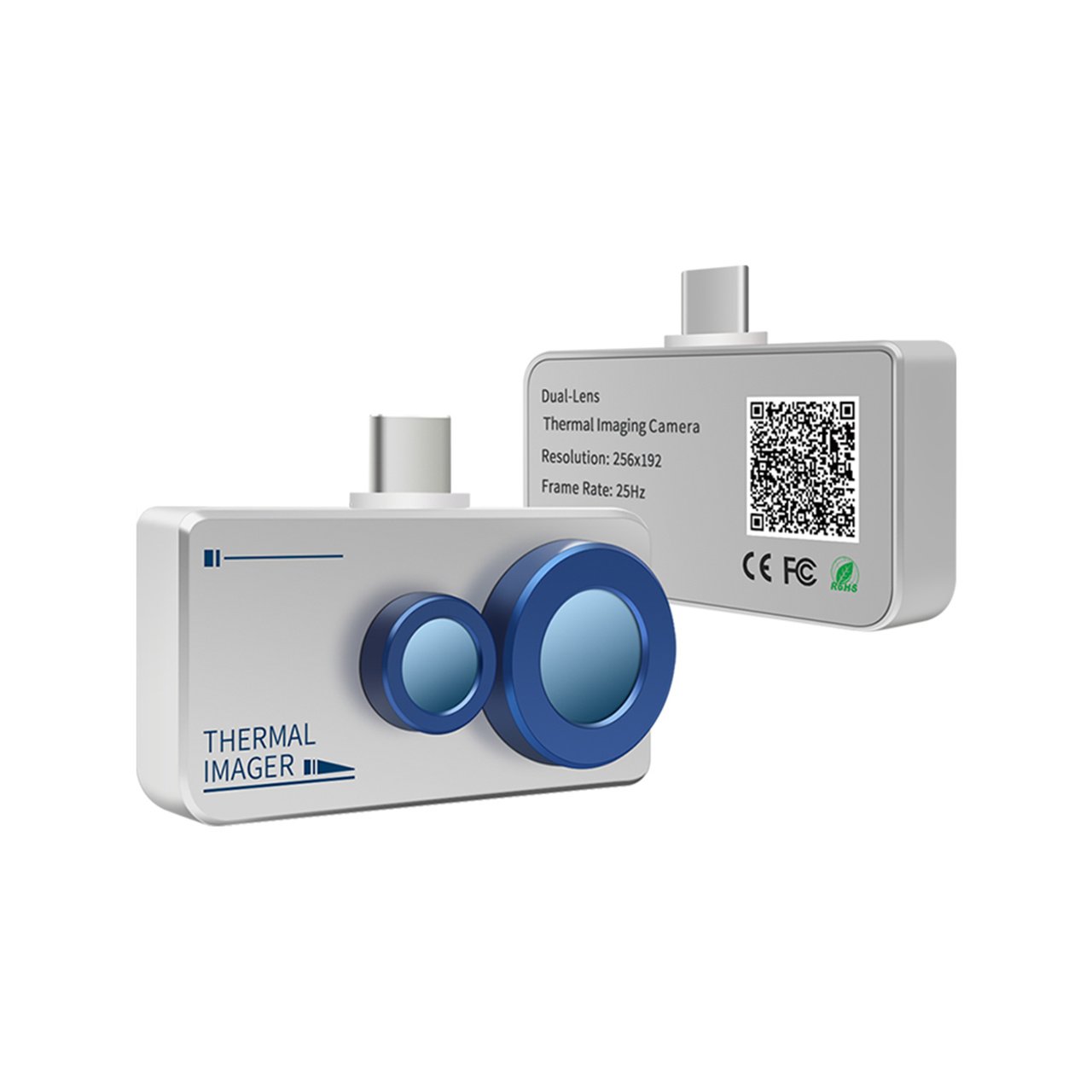 H2F6B mobile phone infrared thermal imager
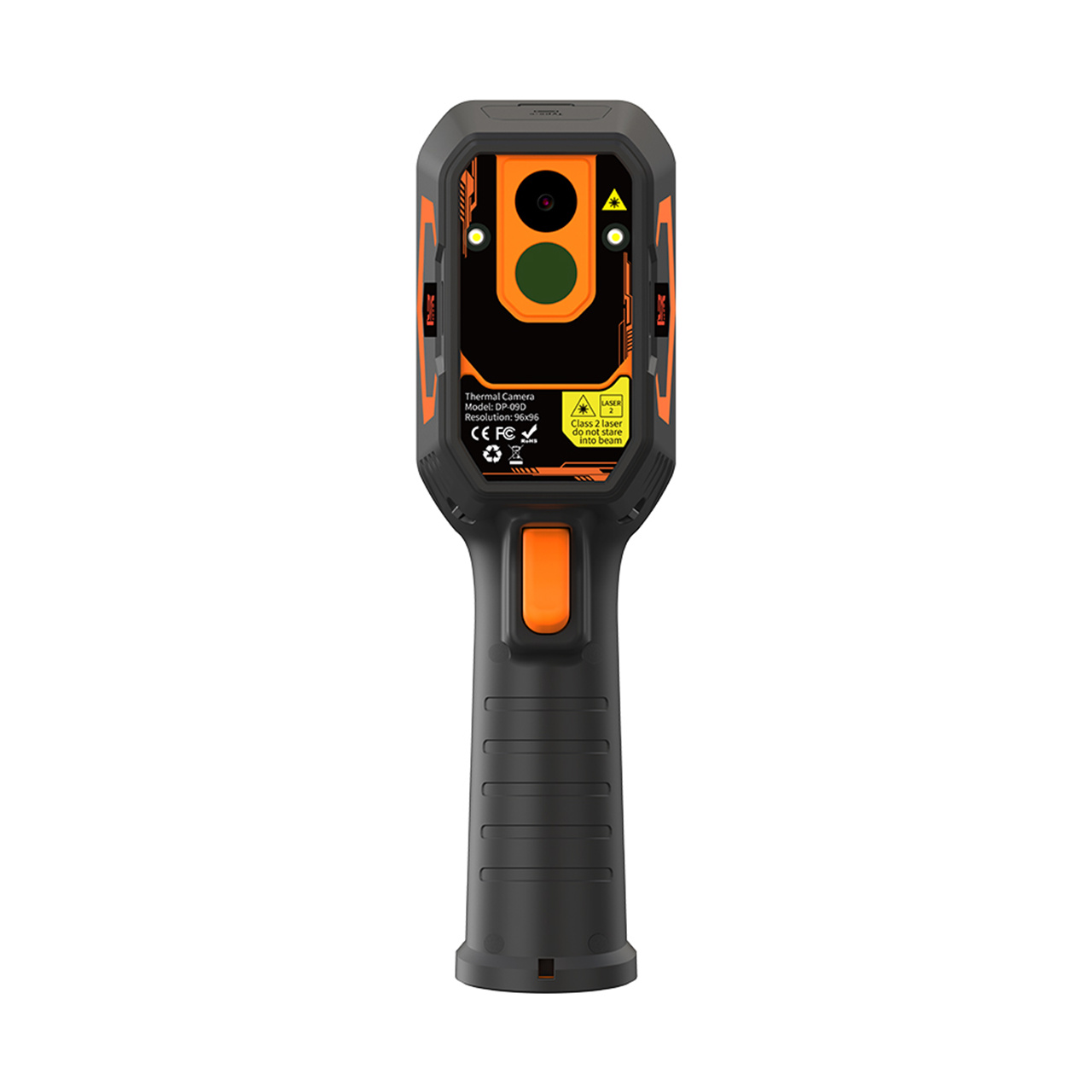 DP-09D Infrared Thermal Camera
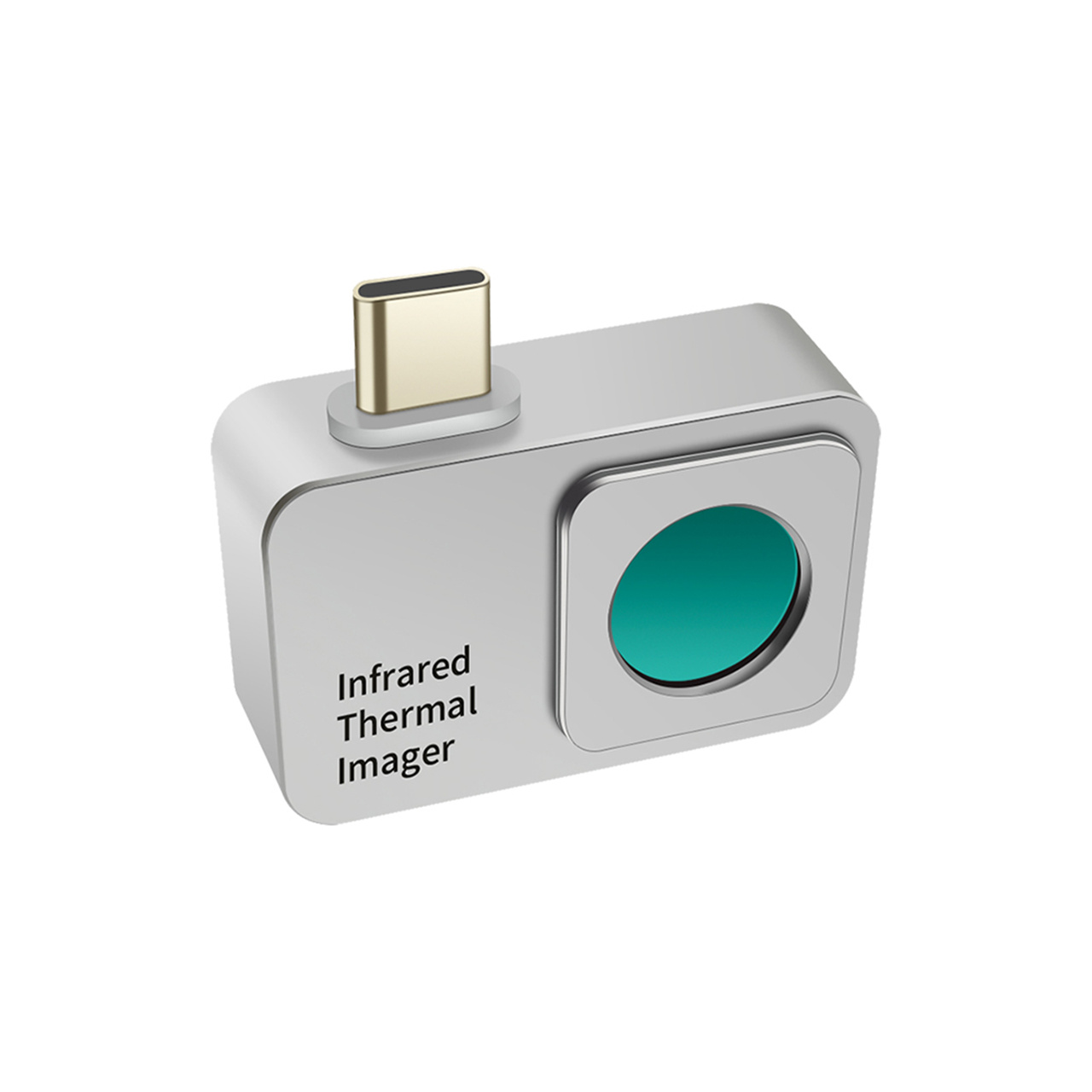 H2FB mobile phone infrared thermal imager
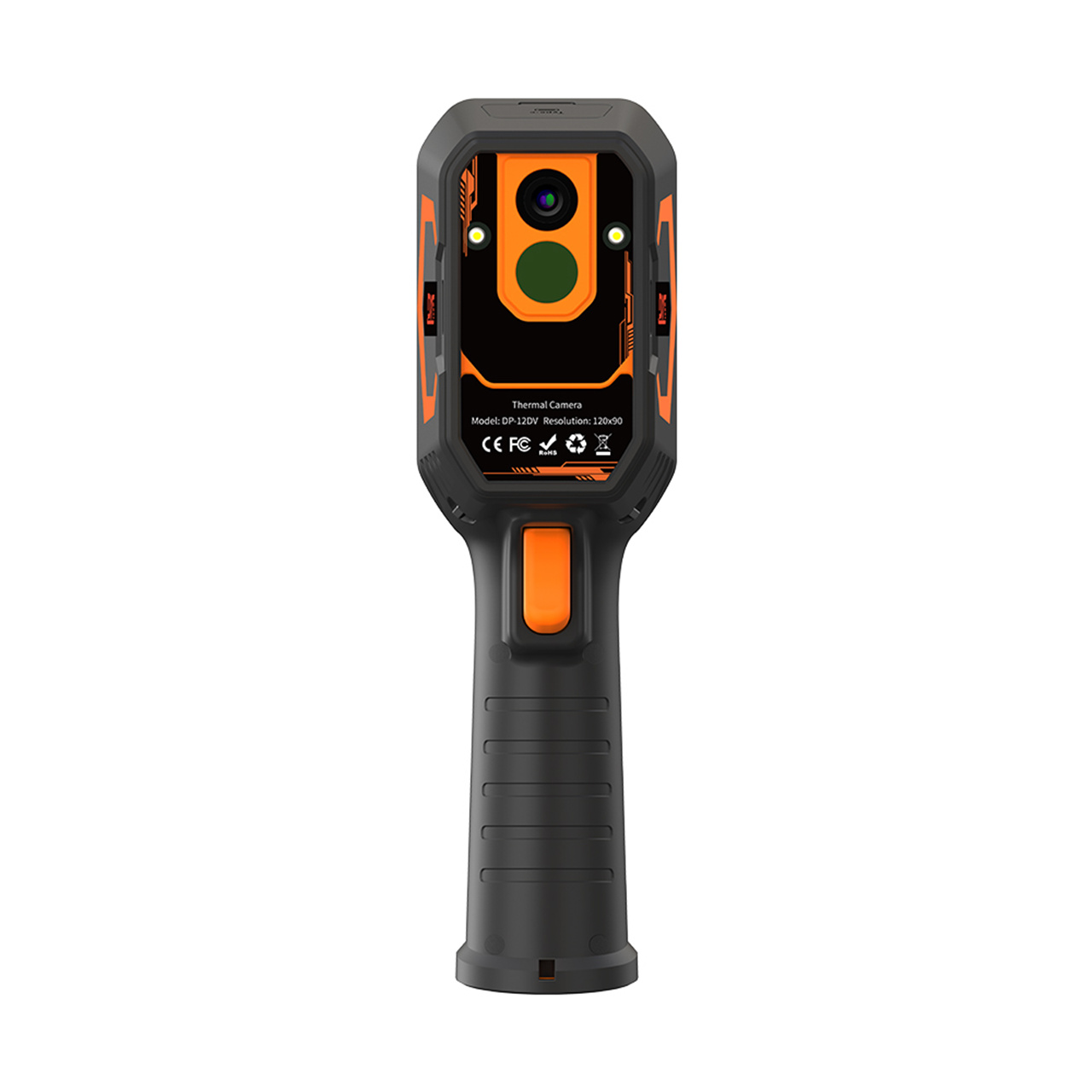 DP-12DV Infrared Thermal Camera
DP-64D professional-grade handheld thermal imager
DP-25DV Infrared Thermal Camera
DP-12D Infrared Thermal Camera
DP-38D professional-grade handheld thermal imager