Leave Your Message
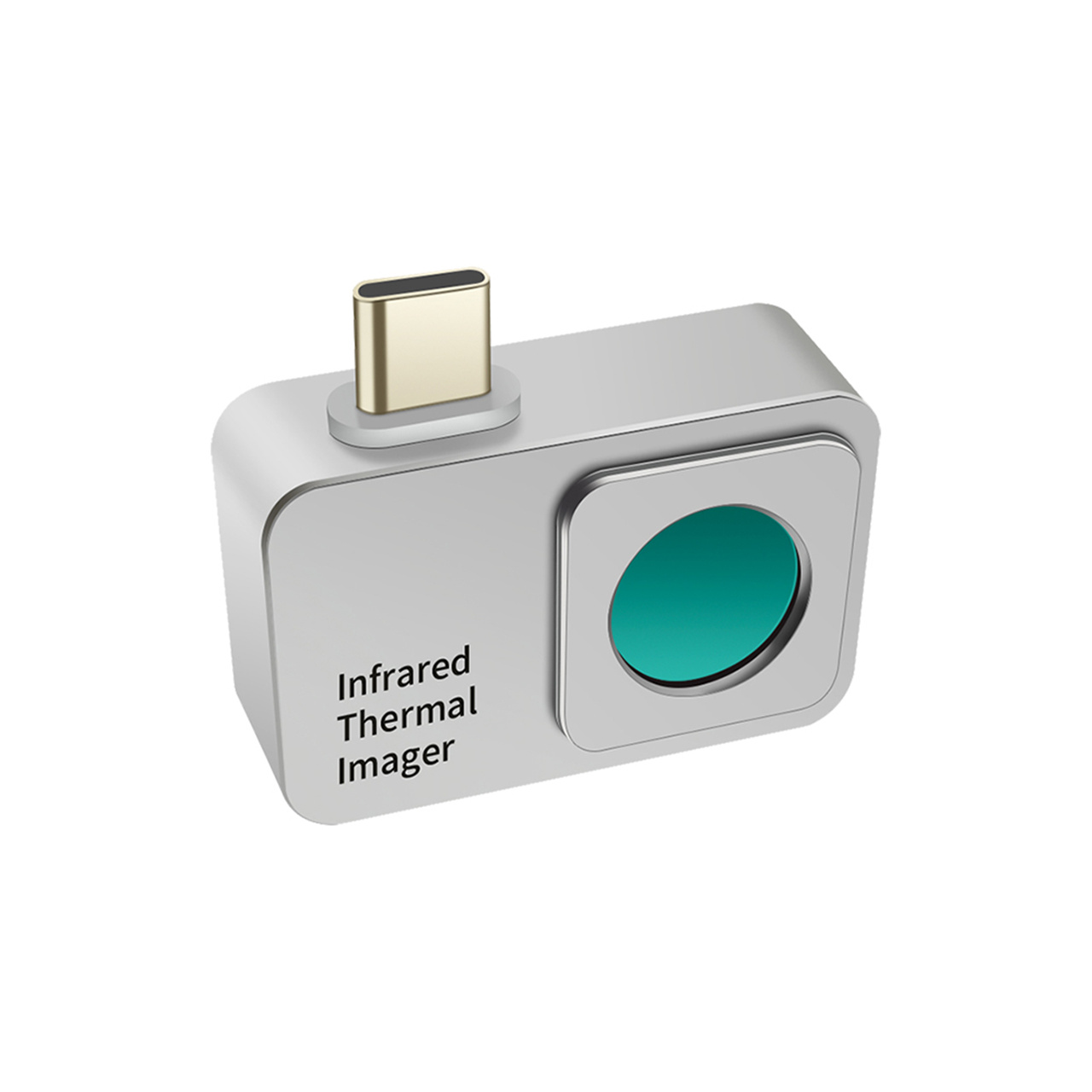
In the modern era of sustainable construction and energy efficiency, embedded thermal modules have emerged as indispensable tools for building energy audits. These sophisticated devices leverage advanced infrared technology to provide comprehensive thermal analysis, enabling energy auditors, building managers, and facility operators to identify heat loss, air leakage, moisture intrusion, and insulation deficiencies with unprecedented accuracy.
The global building energy audit market is experiencing exponential growth, driven by stringent energy regulations, rising utility costs, and increasing awareness of environmental sustainability. According to recent industry reports, the thermal imaging market for building diagnostics is projected to reach $5.2 billion by 2028, with embedded thermal modules representing a significant portion of this growth. This surge reflects the construction industry's shift toward data-driven decision-making and predictive maintenance strategies.
Embedded thermal modules integrate seamlessly into existing building management systems, providing continuous monitoring capabilities that traditional handheld devices cannot match. These compact, high-resolution sensors detect temperature variations as small as 0.05°C, enabling early detection of energy inefficiencies before they escalate into costly problems. With real-time data transmission and cloud-based analytics, building operators can now monitor thermal performance across entire portfolios simultaneously.
The technology behind embedded thermal modules has evolved dramatically over the past decade. Modern devices feature uncooled microbolometer sensors with resolutions ranging from 160×120 to 640×480 pixels, wide temperature measurement ranges (-40°C to +550°C), and advanced image processing algorithms that enhance thermal contrast and detail. Many modules now incorporate AI-powered analytics that automatically identify anomalies and generate actionable recommendations, significantly reducing the expertise required for effective energy auditing.
Embedded thermal modules excel in identifying thermal bridging, insulation gaps, and air infiltration points in commercial structures. By mounting modules at strategic locations, facility managers can continuously monitor building envelope performance across seasons, detecting degradation patterns that indicate failing insulation or seal integrity. This proactive approach prevents energy waste and extends building component lifespan, with typical ROI achieved within 18-24 months through reduced HVAC loads.
Manufacturing facilities face unique thermal management challenges due to high-temperature processes and extensive equipment networks. Embedded thermal modules provide 24/7 monitoring of furnaces, boilers, steam lines, and process equipment, identifying heat losses that can account for 20-30% of total energy consumption. Integration with SCADA systems enables automated alerts when thermal signatures deviate from optimal parameters, facilitating immediate corrective action and preventing production disruptions.
Property managers of apartment complexes and condominiums utilize embedded thermal modules to conduct comparative energy audits across units, identifying outliers that indicate HVAC inefficiencies or occupant behavior issues. Thermal data helps prioritize retrofit investments, demonstrating to residents the tangible benefits of energy-efficient upgrades. Advanced systems can even detect unauthorized space heater usage or window seal failures that compromise overall building performance.
Preserving historic structures while improving energy efficiency requires non-invasive diagnostic methods. Embedded thermal modules offer the perfect solution, revealing hidden structural issues, moisture migration patterns, and thermal performance characteristics without damaging original materials. This capability is invaluable for architects and conservators developing sympathetic retrofit strategies that respect heritage values while achieving modern energy standards.
Heating, ventilation, and air conditioning systems represent 40-60% of commercial building energy consumption. Embedded thermal modules monitor supply and return air temperatures, ductwork thermal losses, and equipment cycling patterns, providing insights that optimize system operation. Predictive maintenance algorithms analyze thermal trends to forecast component failures, reducing emergency repairs and extending equipment service life by up to 35%.
As buildings incorporate solar thermal collectors, heat pumps, and geothermal systems, embedded thermal modules verify installation quality and ongoing performance. Thermal imaging detects hotspots in photovoltaic arrays, inefficient heat exchanger operation, and ground loop thermal depletion, ensuring renewable energy investments deliver projected returns. This monitoring capability is essential for validating energy performance contracts and renewable energy credit calculations.
Advanced sensors detect temperature differences as small as 0.05°C (50mK), revealing subtle energy losses invisible to conventional methods. This sensitivity enables early detection of insulation degradation and air leakage before significant energy waste occurs.
Built-in Wi-Fi, Bluetooth, and LoRaWAN capabilities enable seamless integration with building management systems and cloud platforms. Real-time data streaming supports remote monitoring and multi-site portfolio management from centralized dashboards.
Machine learning algorithms automatically identify thermal anomalies, classify defect types, and prioritize remediation actions. Continuous learning improves detection accuracy over time, reducing false positives and enhancing audit efficiency.
Optimized electronics and power management enable months of continuous operation on battery power or energy harvesting systems. This makes embedded modules ideal for temporary installations during comprehensive energy audits or permanent monitoring in remote locations.
Advanced modules combine thermal and visible light imaging, providing context-rich documentation that simplifies defect communication with stakeholders. Overlaid thermal data on visible images accelerates defect location identification and repair verification.
Automated report generation includes thermal images, temperature data, trend analysis, and energy savings calculations formatted to meet ASHRAE, ISO, and local building code requirements. Customizable templates accelerate audit documentation and client deliverables.
The building energy audit industry is undergoing rapid transformation driven by regulatory pressures, technological innovation, and economic incentives. The European Union's Energy Performance of Buildings Directive mandates regular energy audits for large buildings, while similar regulations in California, New York, and other jurisdictions are creating sustained demand for efficient audit technologies. Embedded thermal modules are positioned at the intersection of these trends, offering scalable solutions that meet compliance requirements while delivering measurable ROI.
Several converging factors are accelerating embedded thermal module adoption: (1) Net-zero building commitments requiring continuous performance verification, (2) Insurance companies offering premium reductions for buildings with thermal monitoring systems, (3) Utility demand response programs incentivizing real-time energy management, (4) ESG reporting requirements demanding verifiable energy data, and (5) Advances in sensor miniaturization reducing installation costs by 40% over five years.
Emerging trends point toward increased integration with digital twin technologies, where embedded thermal data feeds virtual building models that simulate energy performance under various scenarios. This convergence enables predictive optimization strategies that proactively adjust building systems before inefficiencies develop. Additionally, the rise of Building Information Modeling (BIM) integration allows thermal performance data to be mapped directly onto 3D architectural models, revolutionizing how energy audits are conducted and communicated.
The competitive landscape is evolving as traditional thermal imaging manufacturers face new entrants from the IoT sensor and building automation sectors. This competition is driving innovation in form factors, with ultra-compact modules now available that integrate into standard electrical boxes or HVAC registers. Price points have decreased by approximately 25% annually, making enterprise-scale deployments economically viable for mid-sized commercial properties that previously relied on periodic manual audits.
Looking ahead, industry experts predict that embedded thermal modules will become standard components in smart building ecosystems by 2030. Integration with occupancy sensors, indoor air quality monitors, and lighting systems will enable holistic building performance optimization that balances energy efficiency with occupant comfort and productivity. Regulatory bodies are already discussing standards for continuous commissioning that would mandate thermal monitoring capabilities in new construction and major renovations.
The technical sophistication of embedded thermal modules has advanced dramatically, incorporating innovations from semiconductor manufacturing, optical engineering, and data science. Modern devices utilize vanadium oxide (VOx) or amorphous silicon microbolometer arrays with pixel pitches as small as 12μm, delivering thermal images comparable to professional-grade cameras at a fraction of the size and cost. Athermalized lens systems maintain focus accuracy across wide temperature ranges, crucial for year-round outdoor monitoring applications.
Signal processing improvements have enhanced image quality through advanced noise reduction algorithms, non-uniformity correction (NUC), and dynamic range optimization. These enhancements enable reliable detection of subtle thermal signatures in challenging environments with high ambient temperature variations or reflective surfaces. Radiometric calibration accuracy has improved to ±2°C or ±2% of reading, meeting requirements for quantitative energy loss calculations and code compliance verification.
Edge computing capabilities represent a significant leap forward, with embedded processors running complex analytics locally without cloud dependency. This reduces bandwidth requirements, improves response times, and addresses data privacy concerns in sensitive applications. Onboard storage buffers ensure no data loss during network interruptions, while intelligent data compression reduces transmission costs for cellular-connected installations.
Next-generation embedded thermal modules employ sophisticated power management strategies including adaptive frame rate adjustment, region-of-interest processing, and scheduled dormancy periods that extend battery life to 12+ months. Energy harvesting options utilizing building vibration, temperature differentials, or ambient light are enabling truly wireless installations that eliminate maintenance requirements for battery replacement.
Shenzhen Dianyang Technology Co., Ltd. is a subsidiary of VHD (Shenzhen VHD Technology Co., Ltd.), a publicly listed company on the Shenzhen Stock Exchange. This strategic affiliation gives Dianyang unique access to VHD's advanced R&D platforms, high-precision manufacturing systems, and rigorous quality management practices—enabling us to deliver thermal imaging products of higher reliability and consistency than typical ODMs.
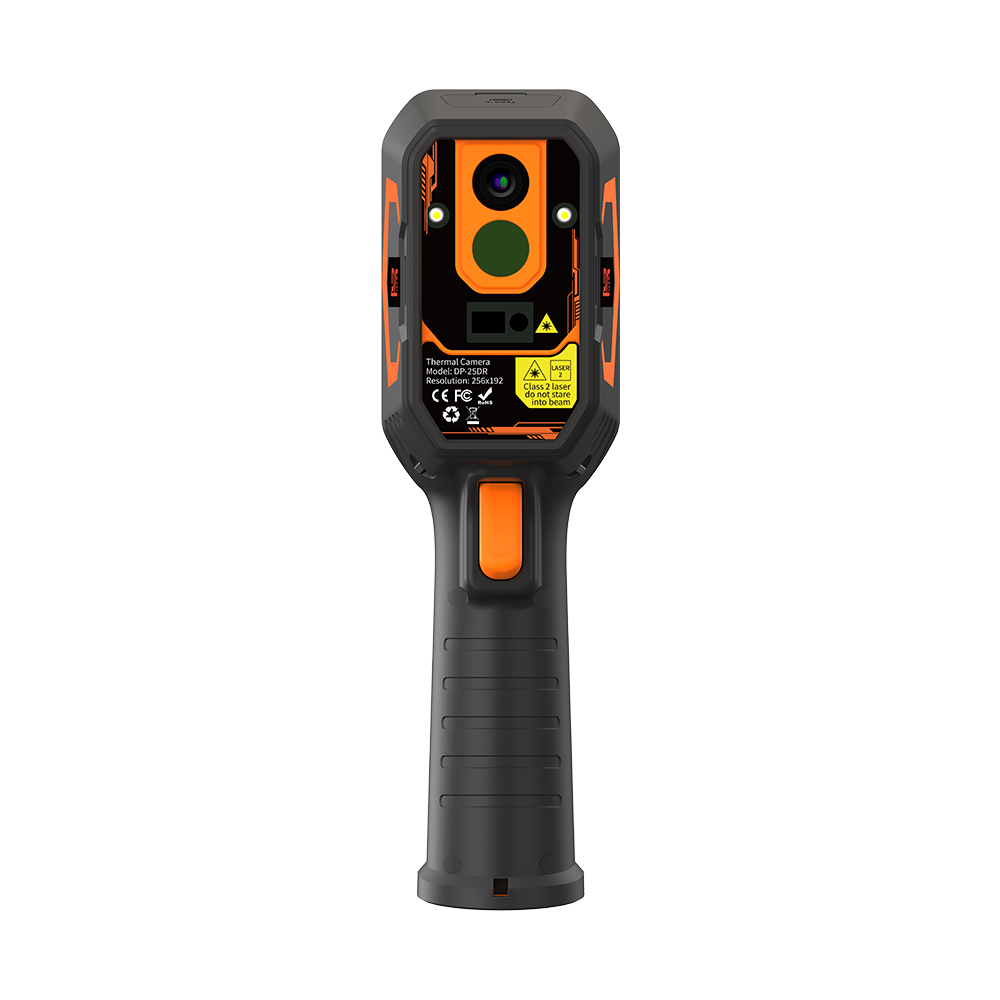
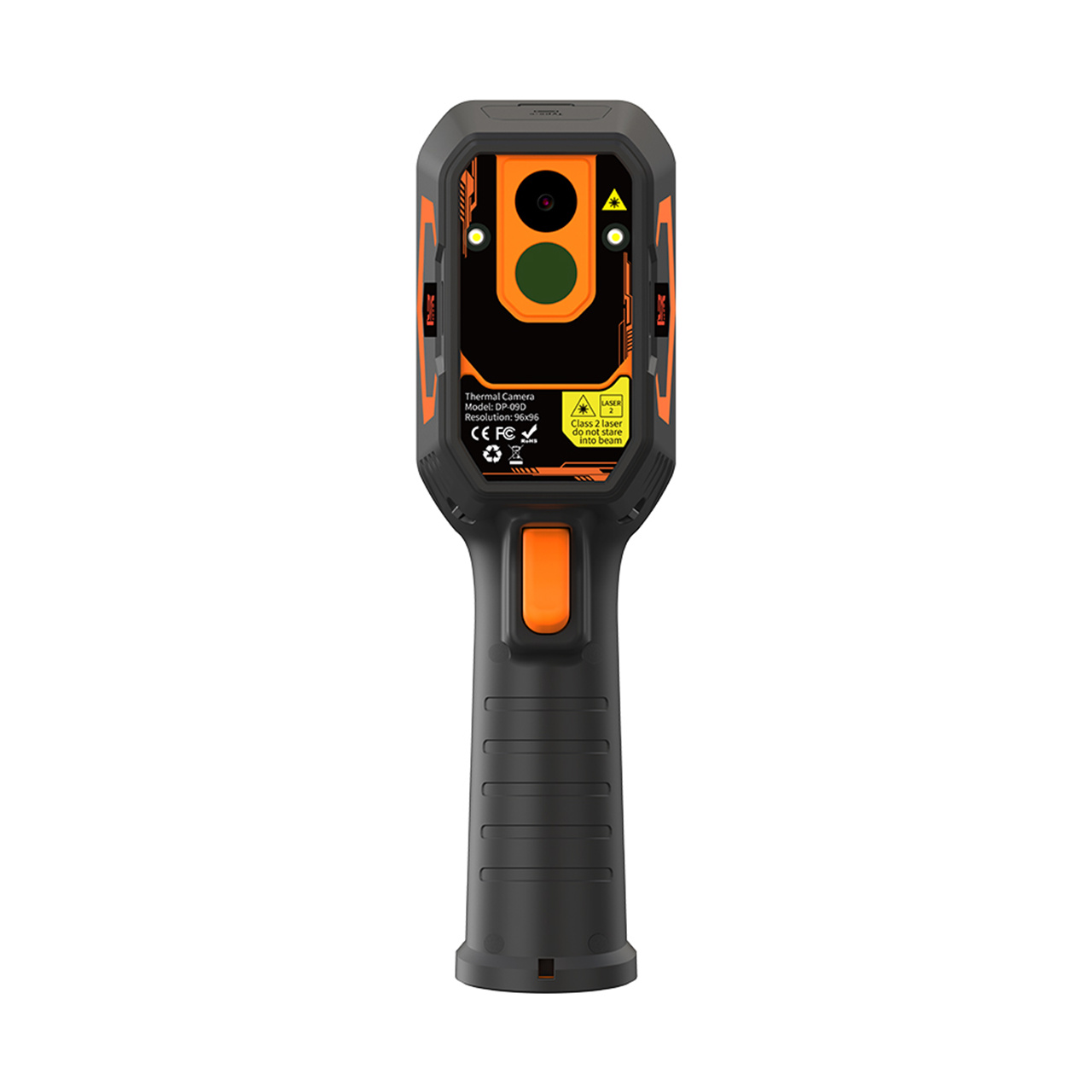
We specialize in ODM/OEM services for infrared thermal imaging solutions, including handheld thermal imagers, smartphone-connected thermal cameras, thermal analyzers, and thermal imaging telescopes. Our products serve global customers in power inspection, building diagnostics, firefighting, industrial maintenance, and outdoor applications.
Our dedicated engineering team applies Design for Manufacturing (DFM), Design for Testability (DFT), thermal simulation, and EMC pre-compliance analysis to optimize performance and accelerate development. We also support clients in obtaining key certifications such as CE, FCC, RoHS, REACH, CB, UKCA, KC, and PSE.
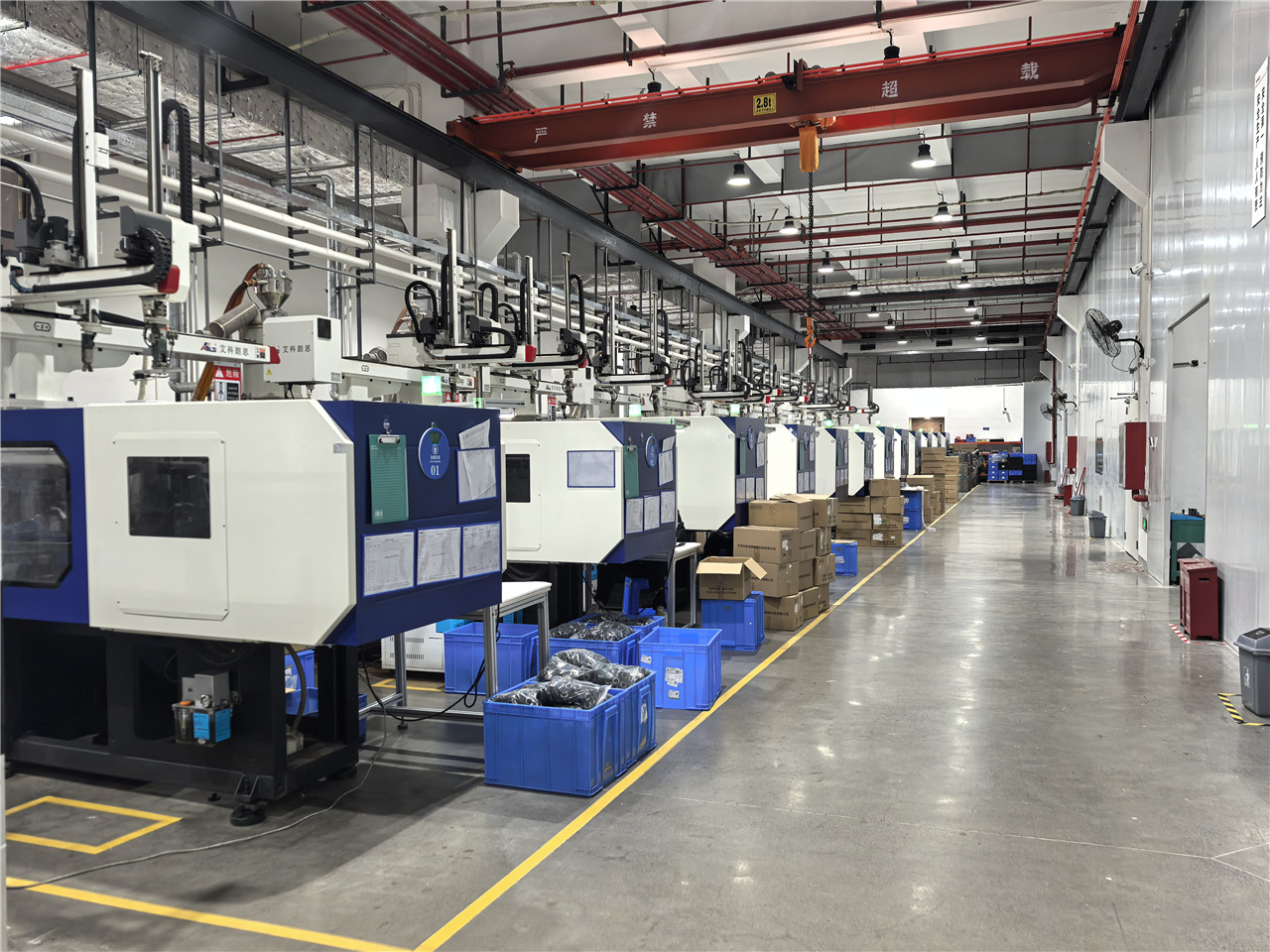
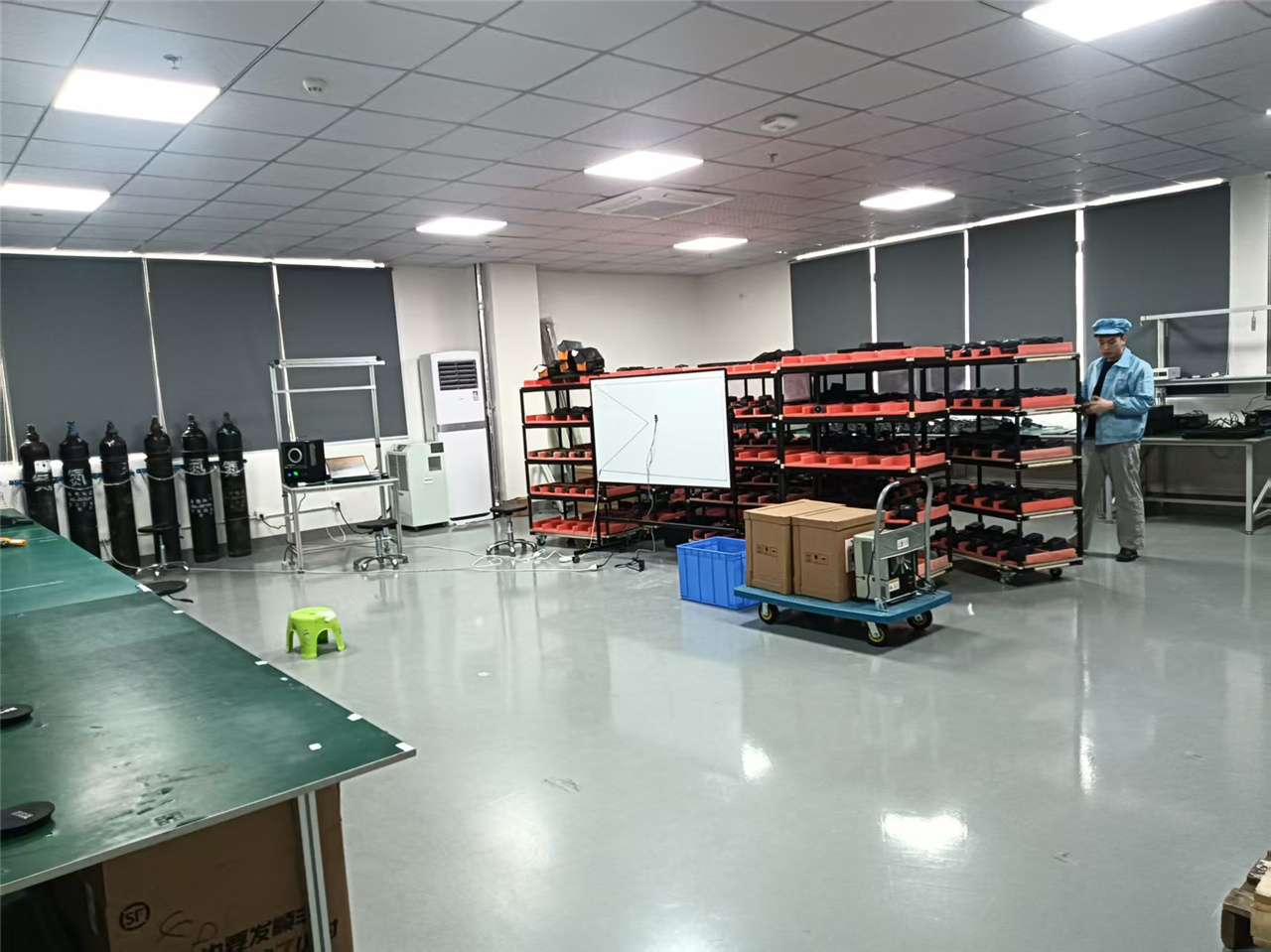
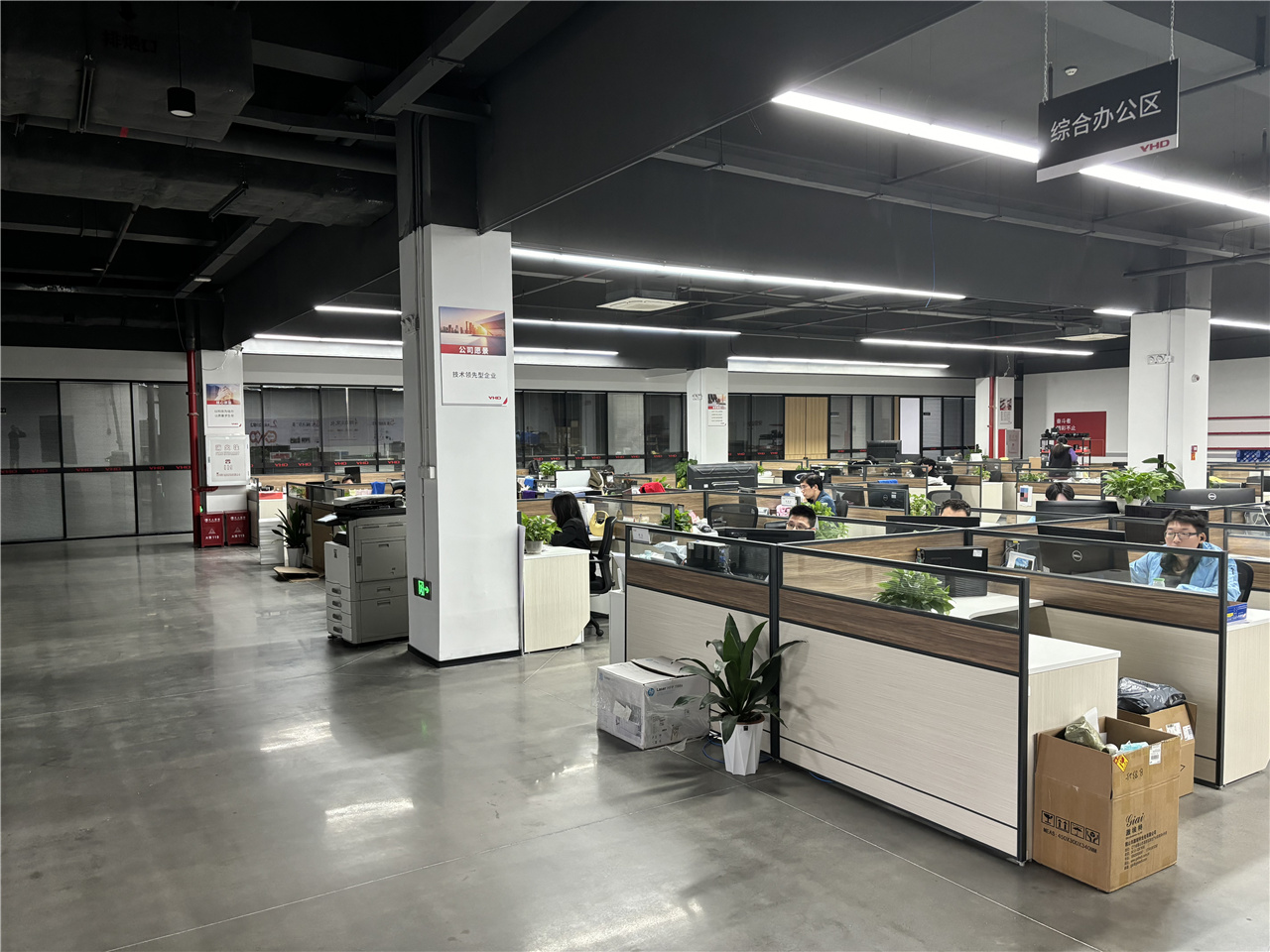
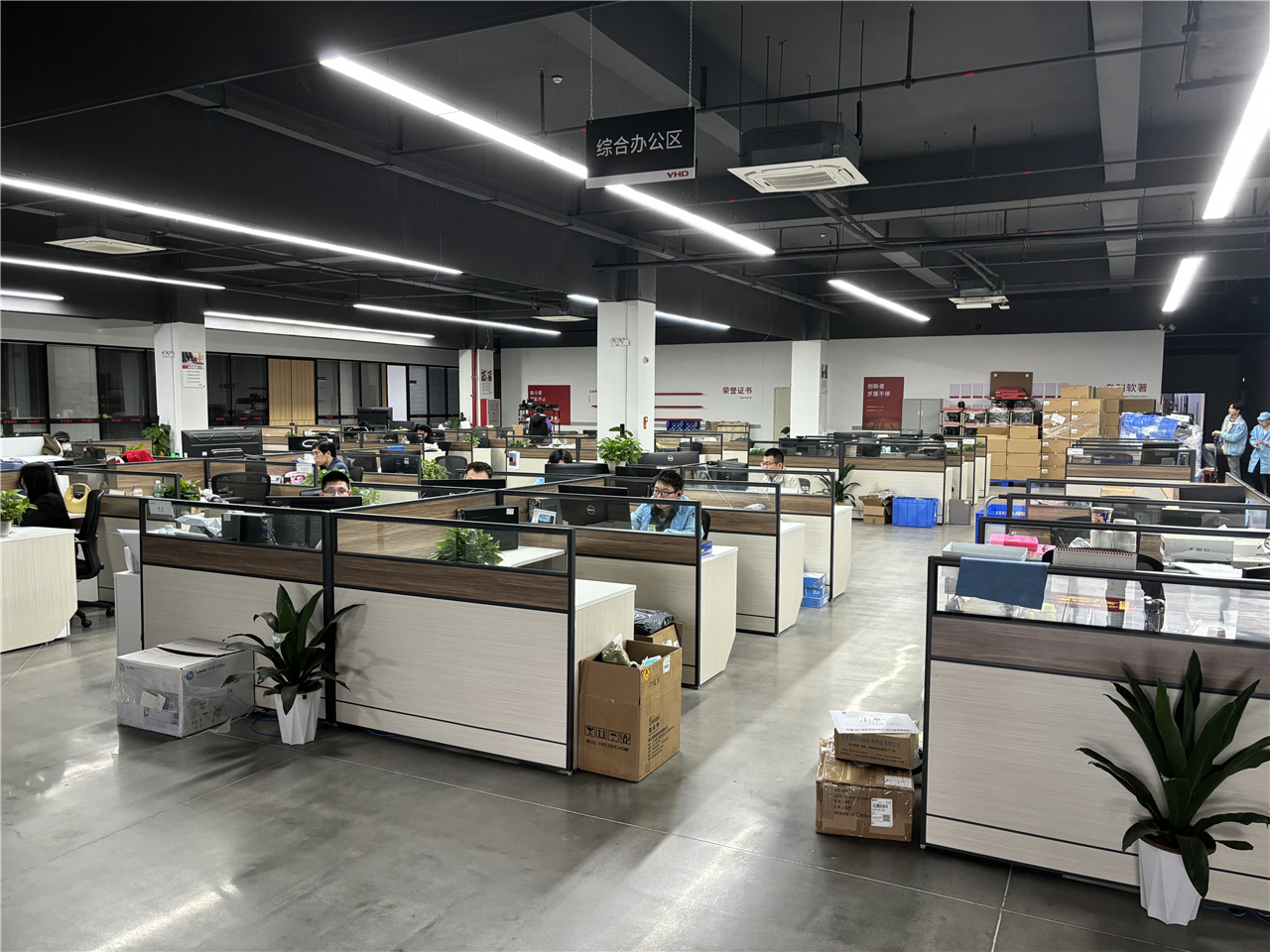
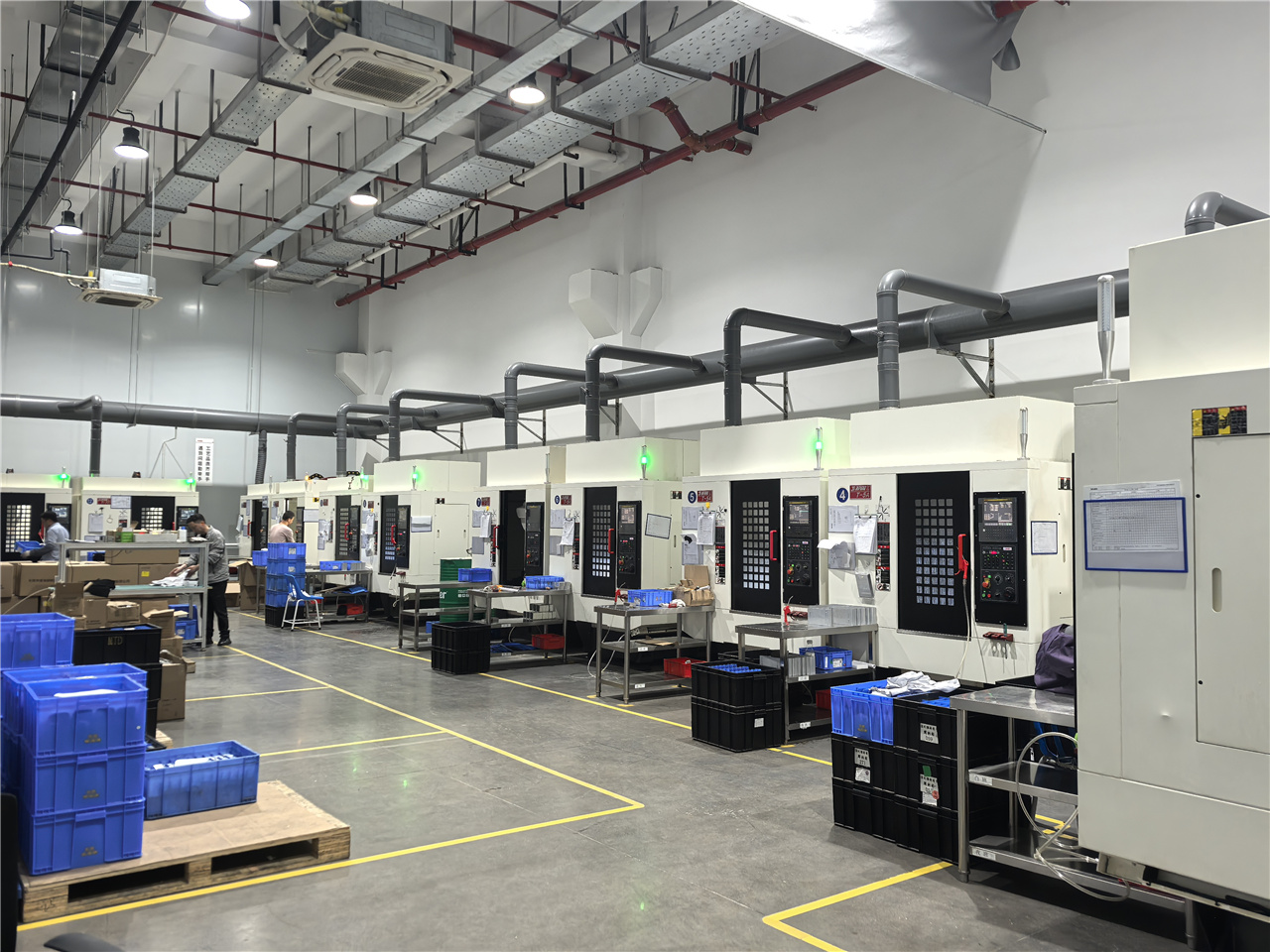
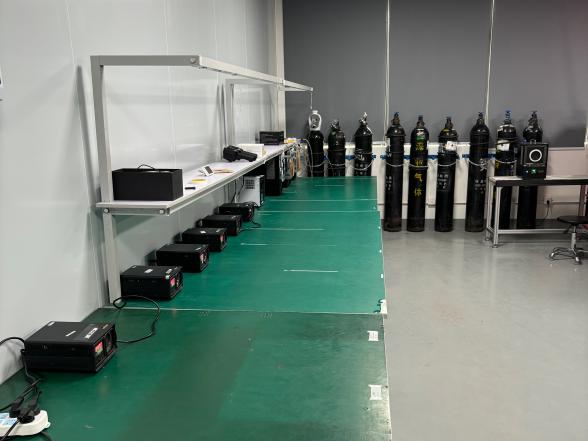
Our structured NPI process typically delivers certified prototypes within 8–12 weeks. Combined with stable supply chain support and group-level technical resources, we ensure on-time delivery and long-term product reliability.
By combining focused thermal imaging expertise with the backing of a listed parent company, Dianyang offers a rare blend of agility, quality, and scalability—helping global partners bring high-performance, certified thermal products to market with confidence.
Global Clients
Countries Served
Years Experience
Client Satisfaction
The practical value of embedded thermal modules is best demonstrated through real-world implementations. A Fortune 500 technology company deployed 2,400 embedded thermal modules across its global data center portfolio, achieving 18% energy reduction in the first year through optimized cooling strategies informed by continuous thermal mapping. The system paid for itself in 14 months and now provides predictive maintenance alerts that have reduced HVAC downtime by 67%.
A municipal government in Northern Europe utilized embedded thermal modules to audit 350 public buildings, identifying €12 million in potential energy savings. The thermal data guided a phased retrofit program that prioritized buildings with the greatest inefficiencies, maximizing the impact of limited capital budgets. Post-retrofit thermal monitoring verified energy savings and provided accountability for contractor performance guarantees.
In the residential sector, a property management company serving 15,000 apartment units installed embedded thermal modules in common areas and mechanical rooms. The system detected numerous issues including improperly commissioned heat pumps, failed pipe insulation, and unauthorized window replacements that compromised building envelope integrity. Addressing these issues reduced heating costs by 23% and improved tenant comfort scores by 31%, significantly reducing turnover rates.
Successful deployment of embedded thermal modules requires careful planning and strategic placement. Energy auditors should conduct preliminary assessments to identify critical monitoring locations including building envelope penetrations, HVAC distribution points, and areas with historical performance issues. Module placement should consider field of view requirements, power access, network connectivity, and environmental protection needs.
Integration with existing building management systems (BMS) enhances value by correlating thermal data with HVAC operation, occupancy patterns, and weather conditions. Standard protocols including BACnet, Modbus, and MQTT facilitate seamless data exchange. Cloud-based platforms aggregate multi-site data, enabling portfolio-level benchmarking and identification of systemic issues affecting multiple properties.
Training building operations staff to interpret thermal data is essential for maximizing ROI. Effective programs include baseline thermal signature documentation, anomaly recognition protocols, and escalation procedures for identified issues. Regular calibration verification and system health checks ensure continued accuracy and reliability of thermal measurements.
As embedded thermal modules become standard energy audit tools, professional certification programs are evolving to include thermal imaging competencies. Organizations such as the Building Performance Institute (BPI) and Association of Energy Engineers (AEE) now offer specialized training in thermal imaging interpretation, helping energy auditors leverage these technologies effectively and maintain professional credibility.
The trajectory of embedded thermal module development points toward increasingly autonomous, intelligent systems that require minimal human intervention. Next-generation devices will incorporate multi-sensor fusion, combining thermal imaging with humidity detection, air velocity measurement, and gas sensing to provide comprehensive building envelope diagnostics. Augmented reality interfaces will overlay thermal data onto real-world views through smartphone apps or AR glasses, revolutionizing how auditors document and communicate findings.
Blockchain technology is emerging as a solution for energy audit data integrity and verification, creating immutable records of building thermal performance that support green building certifications, energy performance contracts, and carbon credit trading. Smart contracts could automatically trigger maintenance work orders when thermal anomalies exceed predefined thresholds, streamlining building operations and reducing administrative overhead.
The convergence of embedded thermal modules with artificial intelligence will enable predictive building performance modeling that anticipates energy inefficiencies before they manifest. Machine learning algorithms trained on vast thermal datasets will recognize subtle patterns indicating incipient equipment failures, deteriorating insulation, or occupant behavior changes affecting energy consumption. This predictive capability will transform building energy management from reactive problem-solving to proactive optimization.
As the built environment accounts for approximately 40% of global energy consumption and 33% of greenhouse gas emissions, embedded thermal modules represent a critical technology for achieving international climate goals. The Paris Agreement's targets and subsequent national commitments require dramatic improvements in building energy efficiency—improvements that are only measurable and verifiable through continuous thermal monitoring. The widespread adoption of embedded thermal modules will play an essential role in the global transition to sustainable building operations.