Leave Your Message
Advanced thermal imaging technology designed for American industrial and commercial markets
The United States represents one of the world's largest and most technologically advanced markets for infrared thermal imaging solutions. With a robust industrial base, cutting-edge defense sector, and rapidly growing commercial applications, the American infrared camera industry has experienced remarkable growth over the past decade. The market is projected to reach over $8 billion by 2027, driven by increasing demand across multiple sectors including manufacturing, energy, healthcare, security, and building inspection.
American manufacturers and distributors of infrared cameras serve diverse customer segments ranging from Fortune 500 industrial corporations to small businesses, government agencies, research institutions, and individual professionals. The country's emphasis on workplace safety regulations, predictive maintenance practices, energy efficiency standards, and homeland security has created sustained demand for thermal imaging technology.
US-based production facilities ensure quality control, rapid delivery, and compliance with American standards and regulations
American companies lead in thermal imaging R&D, with advanced sensor technology and AI-powered analytics
Products meet NDAA compliance, ITAR regulations, and cybersecurity standards for government and defense applications
American manufacturers are at the forefront of integrating AI algorithms with thermal imaging systems. These smart cameras can automatically detect anomalies, predict equipment failures, and generate actionable insights without human intervention. Applications include automated quality control in manufacturing, intelligent perimeter security, and advanced medical diagnostics.
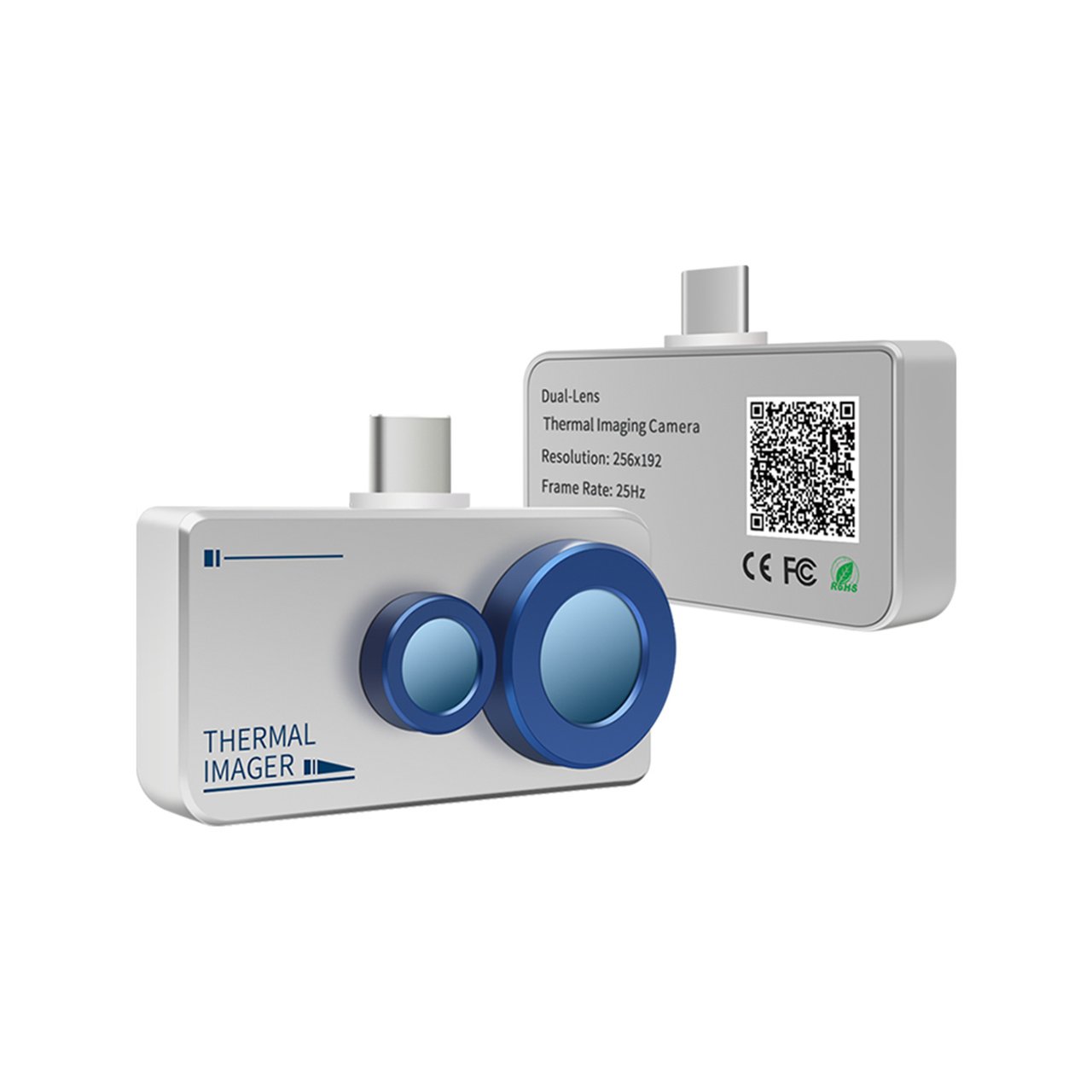
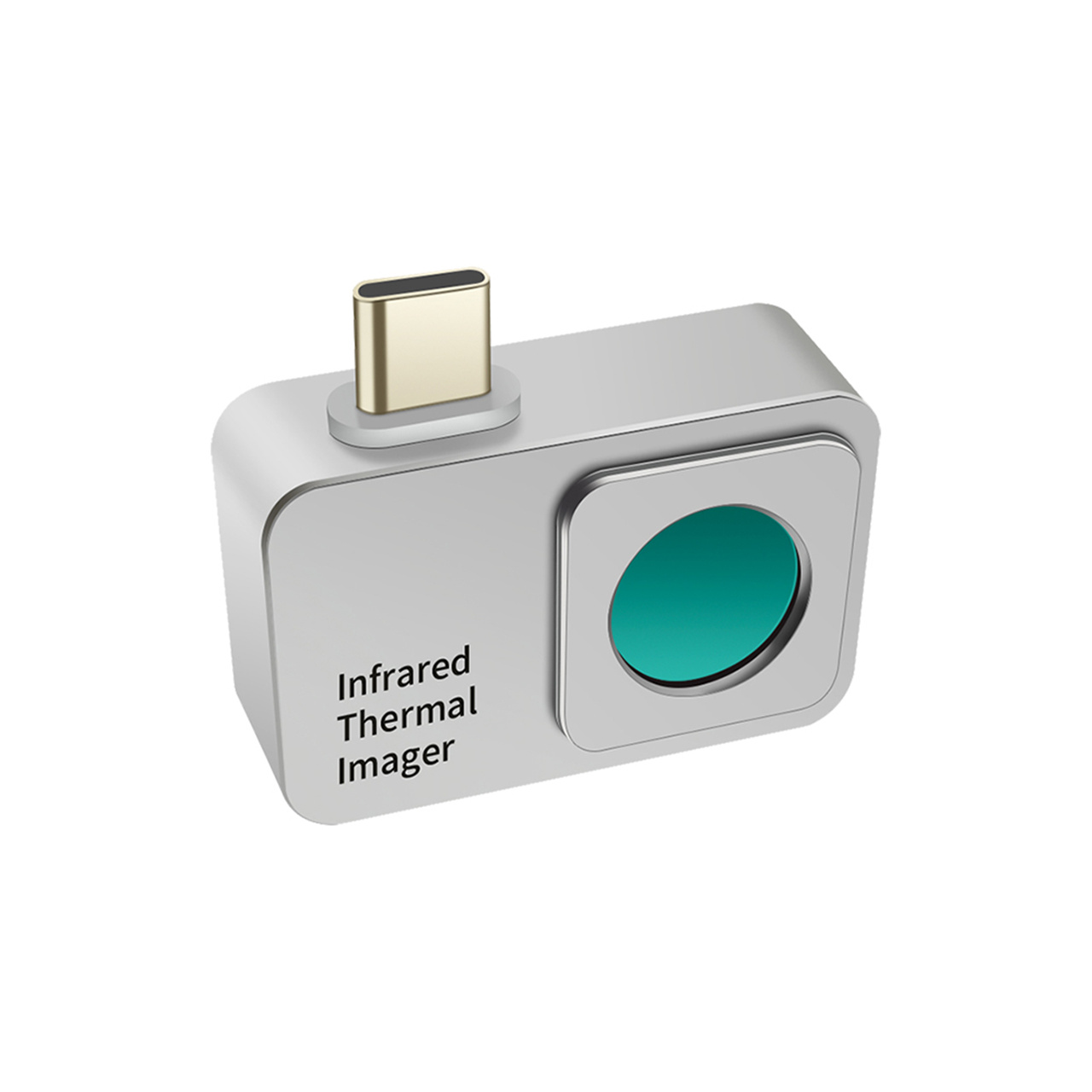
The trend toward compact, smartphone-compatible thermal cameras has opened new market segments. Professional contractors, home inspectors, and HVAC technicians now have access to affordable, pocket-sized thermal imaging tools that connect directly to mobile devices, democratizing access to this technology across the American workforce.
Cloud-enabled infrared cameras allow American businesses to monitor multiple facilities from centralized control centers. This trend accelerated during the pandemic and continues to grow as companies embrace remote operations, predictive maintenance platforms, and data-driven decision making.
The market is shifting toward higher resolution sensors (640x480 and above) with improved thermal sensitivity (NETD
With growing emphasis on ESG initiatives and carbon neutrality goals, American companies increasingly use thermal cameras for energy audits, building envelope assessments, solar panel inspection, and HVAC optimization. Federal tax incentives for energy efficiency improvements further drive this trend.
Texas, Louisiana, and North Dakota's extensive petroleum infrastructure relies heavily on thermal imaging for pipeline monitoring, refinery safety inspections, flare stack analysis, and leak detection. American oil and gas companies use infrared cameras to comply with EPA methane emission regulations and prevent costly equipment failures.
From nuclear facilities in South Carolina to wind farms in Iowa and solar installations in California, thermal cameras are essential for monitoring electrical systems, transformer health, and renewable energy infrastructure. Utilities use aerial thermal surveys via drones to inspect thousands of miles of transmission lines across the American grid.
Michigan's automotive industry, along with manufacturing hubs in Ohio, Indiana, and the Southeast, employs thermal imaging for quality control, process monitoring, and predictive maintenance. Applications include welding inspection, casting defect detection, and thermal profiling of electronic assemblies.
Major metropolitan areas like New York, Chicago, Los Angeles, and Miami have stringent building codes and energy efficiency requirements. Certified thermographers use infrared cameras for moisture detection, insulation assessment, HVAC diagnostics, and compliance documentation in commercial properties.
American hospitals and medical research facilities utilize specialized thermal cameras for fever screening, vascular imaging, early cancer detection, and veterinary diagnostics. The COVID-19 pandemic significantly accelerated adoption of thermal screening systems at airports, corporate campuses, and healthcare facilities nationwide.
The US military and border protection agencies represent major customers for advanced thermal imaging systems. Applications include perimeter security, surveillance, search and rescue operations, and force protection. Domestic manufacturing capability is critical for NDAA compliance and national security considerations.
California's agricultural industry and Midwest farming operations increasingly adopt thermal imaging drones for crop health monitoring, irrigation management, and livestock surveillance. Precision agriculture techniques using thermal data help optimize water usage and identify plant stress before visible symptoms appear.
Fire departments across California, the Western states, and nationwide rely on thermal imaging cameras for search and rescue, structural assessment, and wildfire management. These tools enable first responders to see through smoke, locate victims, and identify hot spots in challenging environments.
Partnering with US-based suppliers offers distinct advantages for domestic customers
American manufacturers provide rapid delivery, local technical support, compliance with federal regulations, and the ability to customize solutions for specific US market requirements. Domestic production ensures supply chain security, supports American jobs, and facilitates collaboration on custom projects requiring close engineering coordination.

We provide professional consultation to help you choose the optimal thermal imaging solution based on your application, budget, and technical requirements. Our engineering team can recommend suitable sensors, lenses, temperature ranges, and interface options.
We support full customization, including housing & industrial design, PCB and hardware customization, firmware/APP/PC software development, branding, packaging, and UI customization, specialized algorithms (temperature analysis, AI/ML, etc.). Our R&D team works closely with you from concept to mass production.
We offer detailed datasheets, SDK/API, integration guidelines, and sample testing reports to ensure clear understanding before purchase.
Evaluation samples are available for testing and validation. We provide quick dispatch and technical support during your trial phase.

Each project is assigned a dedicated project manager and engineer to ensure smooth communication, timely updates, and technical alignment.
We implement strict QC standards, including incoming testing, calibration, NUC tests, aging tests, and final inspections. All units follow ISO-based production workflows.
We support small-batch pilot runs, medium-volume scaling, and mass production with stable lead times and cost-effective solutions.
Production progress, inspection reports, and shipping timelines are shared with customers to ensure full transparency.
All products meet FCC, UL, and relevant American safety and electromagnetic compatibility standards for seamless market entry.
Streamlined shipping to major US distribution centers with options for expedited delivery to meet your project timelines.

Our engineering team provides prompt technical support for integration, SDK usage, firmware configuration, and product debugging.
All products come with a standard warranty. We offer free repair or replacement for manufacturing defects, paid maintenance for out-of-warranty products, and fast turnaround for urgent cases.
We regularly release firmware updates, bug fixes, and feature improvements to enhance product performance and stability.
We commit to stable supply, component lifecycle management, and long-term product support to ensure your business continuity.
The American infrared camera market is poised for continued expansion driven by technological innovation and evolving application requirements. Key developments on the horizon include:
As American industries continue to prioritize automation, safety, energy efficiency, and predictive maintenance, infrared camera technology will remain an indispensable tool across virtually every sector of the economy. Manufacturers who invest in innovation, maintain domestic production capabilities, and provide exceptional customer support will be best positioned to serve this dynamic and growing market.
Comprehensive thermal imaging solutions for every application requirement