Leave Your Message
In today's rapidly evolving electronics manufacturing industry, Printed Circuit Board (PCB) troubleshooting has become increasingly complex and demanding. As electronic devices become more compact with higher component density, traditional diagnostic methods often fall short in identifying thermal anomalies, component failures, and design flaws. This is where infrared thermal imaging technology emerges as an indispensable tool for engineers, quality control specialists, and R&D teams worldwide.
Infrared cameras for PCB board troubleshooting provide non-contact, real-time thermal analysis that enables professionals to visualize heat distribution patterns across circuit boards with exceptional precision. These advanced diagnostic instruments detect temperature variations as small as 0.1°C, allowing engineers to identify overheating components, short circuits, poor solder joints, and thermal design issues before they lead to catastrophic failures or costly production delays.
The global market for thermal imaging in electronics manufacturing has experienced remarkable growth, with industry analysts projecting a compound annual growth rate (CAGR) of over 8% through 2030. This expansion is driven by increasing demand for quality assurance in consumer electronics, automotive electronics, aerospace systems, telecommunications infrastructure, and industrial automation equipment. As electronic systems become more mission-critical and safety-sensitive, the role of infrared cameras in PCB troubleshooting continues to expand across multiple sectors.
Identify overheating ICs, capacitors, resistors, and power management components before failure occurs. Thermal cameras reveal hot spots indicating excessive current draw, voltage irregularities, or component degradation.
Analyze voltage regulators, DC-DC converters, and power distribution networks. Detect inefficient power conversion, parasitic losses, and thermal runaway conditions in real-time during operation.
Inspect solder connections for cold joints, insufficient solder, bridging, and voiding. Thermal imaging reveals poor thermal conductivity at connection points that may not be visible through optical inspection.
Verify thermal management designs, heat sink effectiveness, and component placement strategies. Optimize PCB layouts by identifying thermal bottlenecks and improving heat dissipation pathways.
Implement automated thermal inspection systems for high-volume manufacturing. Detect assembly defects, component misalignment, and process variations that affect thermal performance.
Accelerate product development cycles by identifying thermal issues early in the design phase. Conduct thermal stress testing, reliability studies, and comparative analysis of design iterations.
The infrared camera market for PCB troubleshooting is experiencing transformative changes driven by technological innovation and evolving industry requirements. Artificial Intelligence (AI) and Machine Learning (ML) integration is revolutionizing thermal analysis, enabling automated defect detection, predictive maintenance algorithms, and intelligent pattern recognition that significantly reduces inspection time and human error.
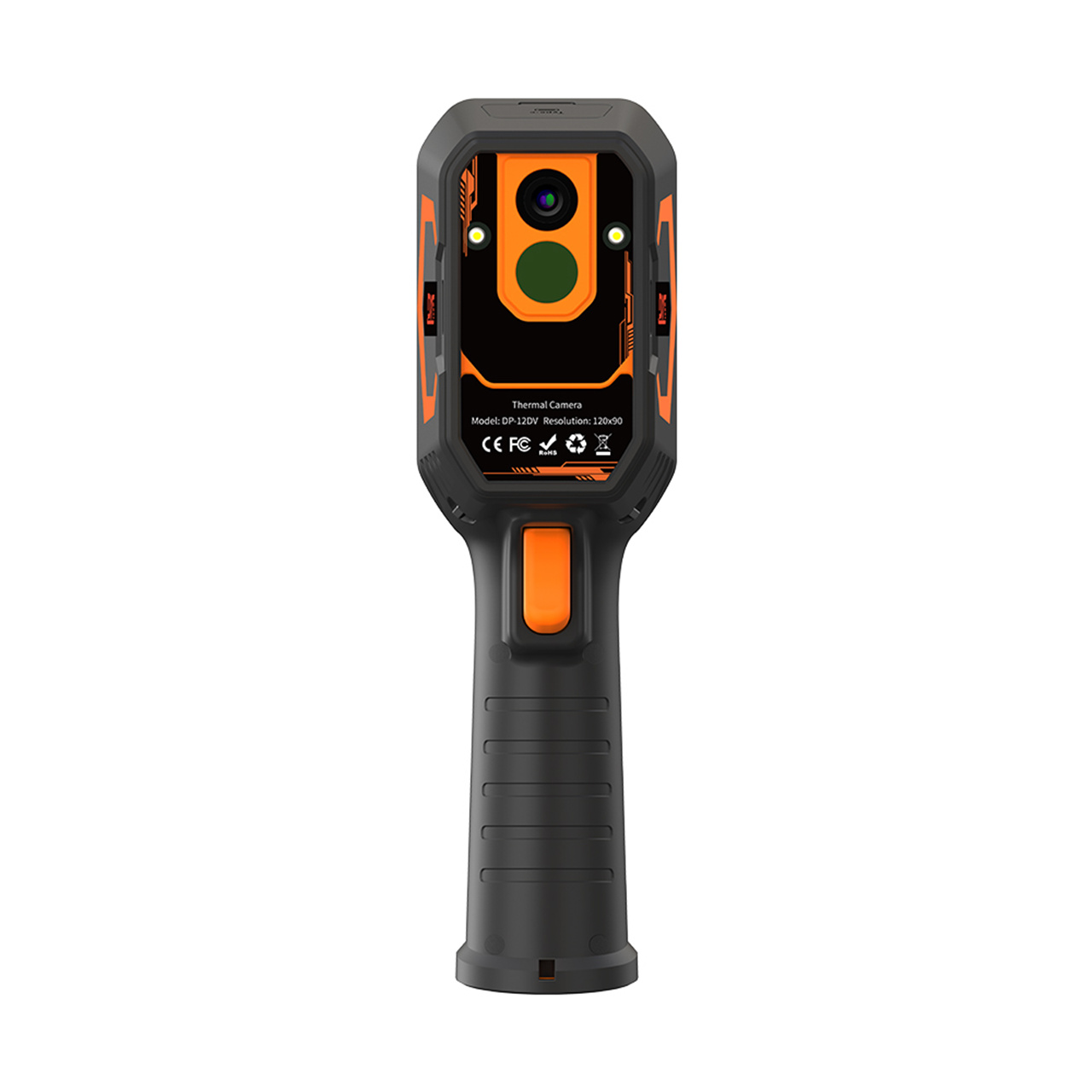
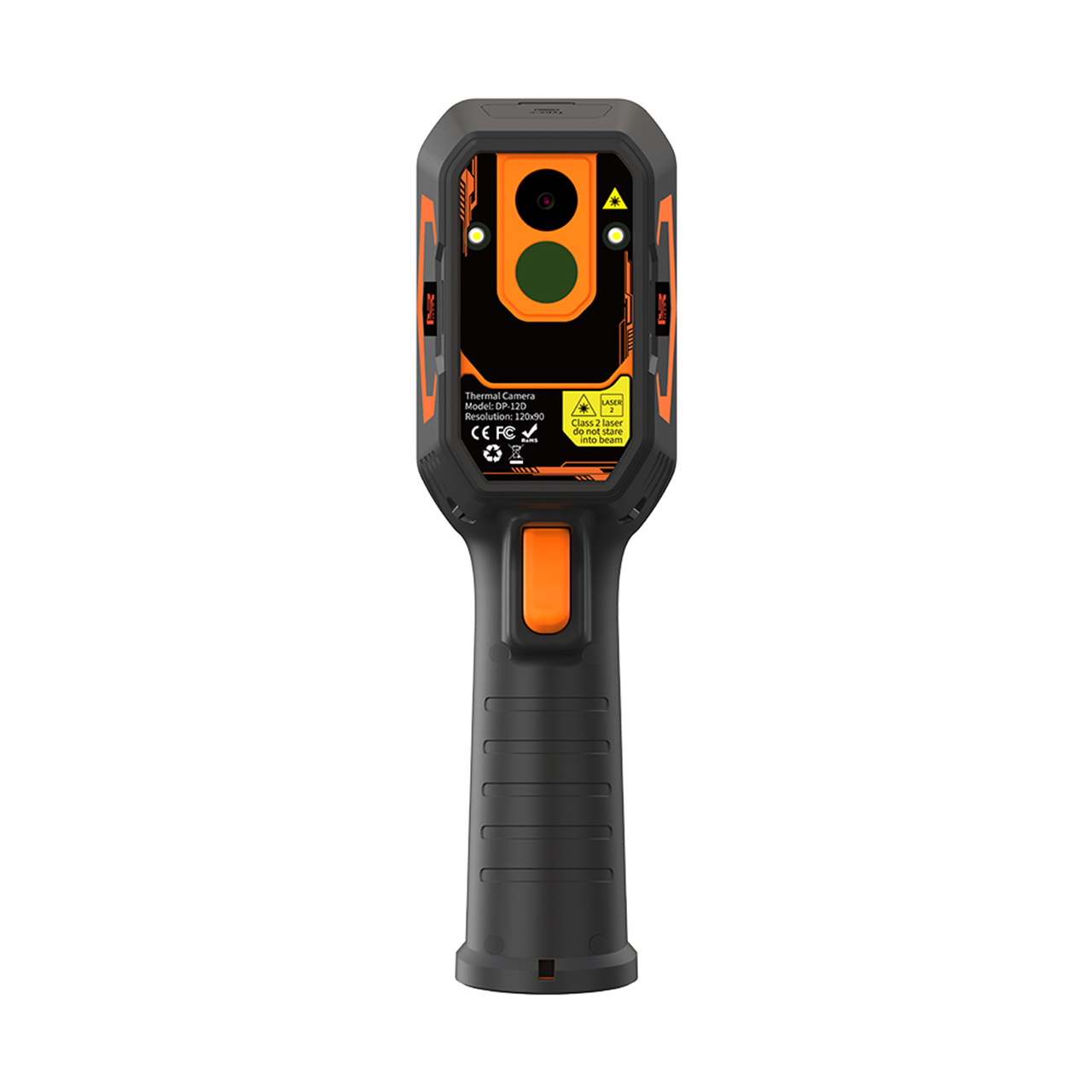
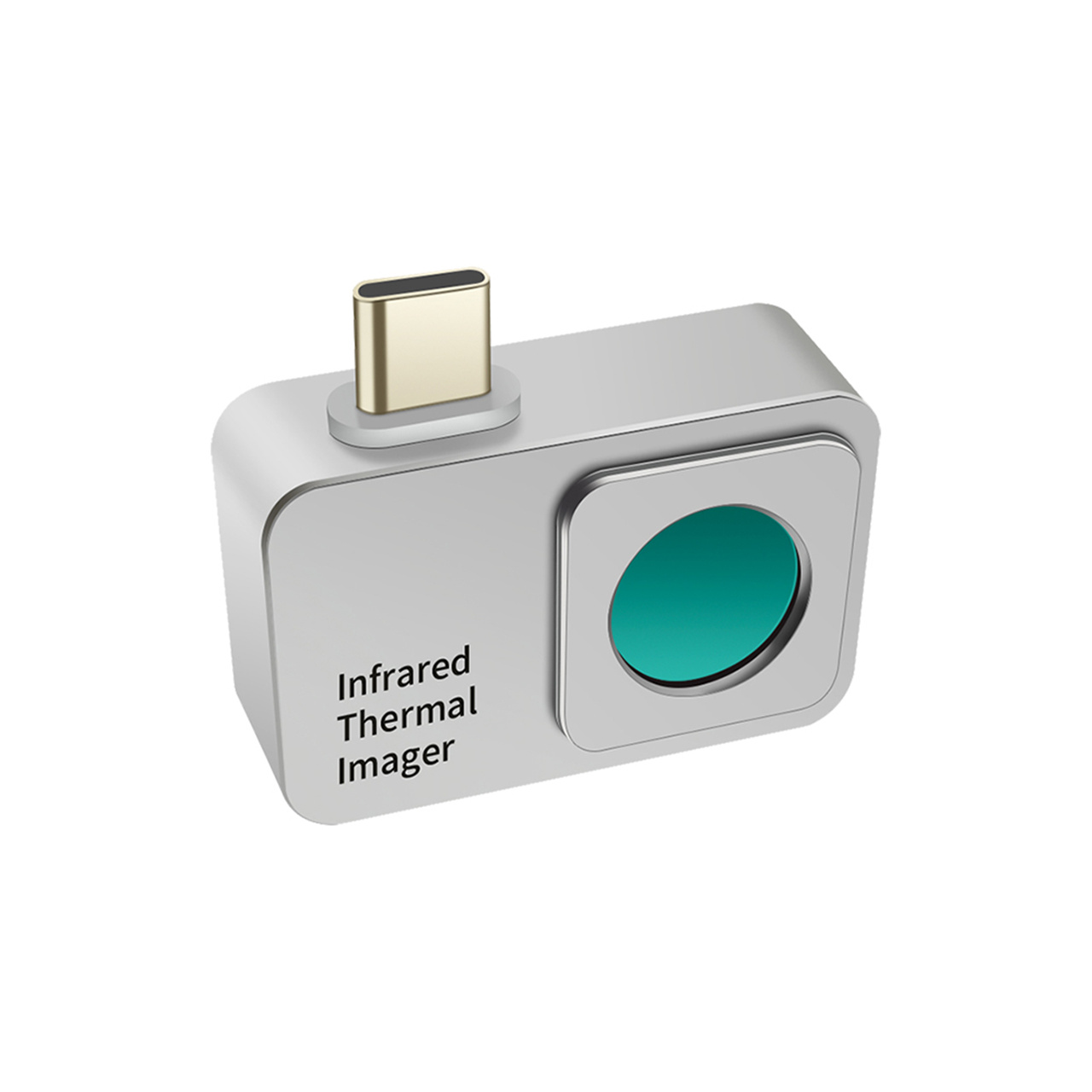
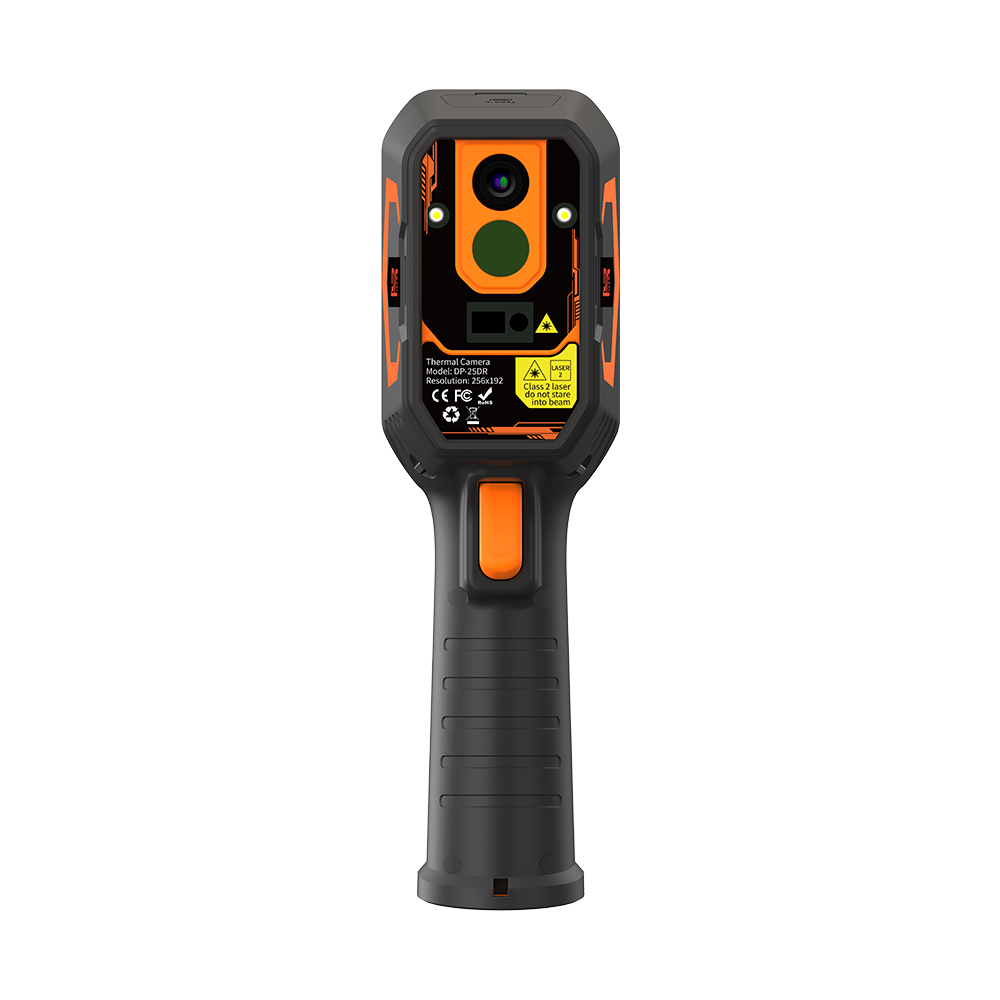
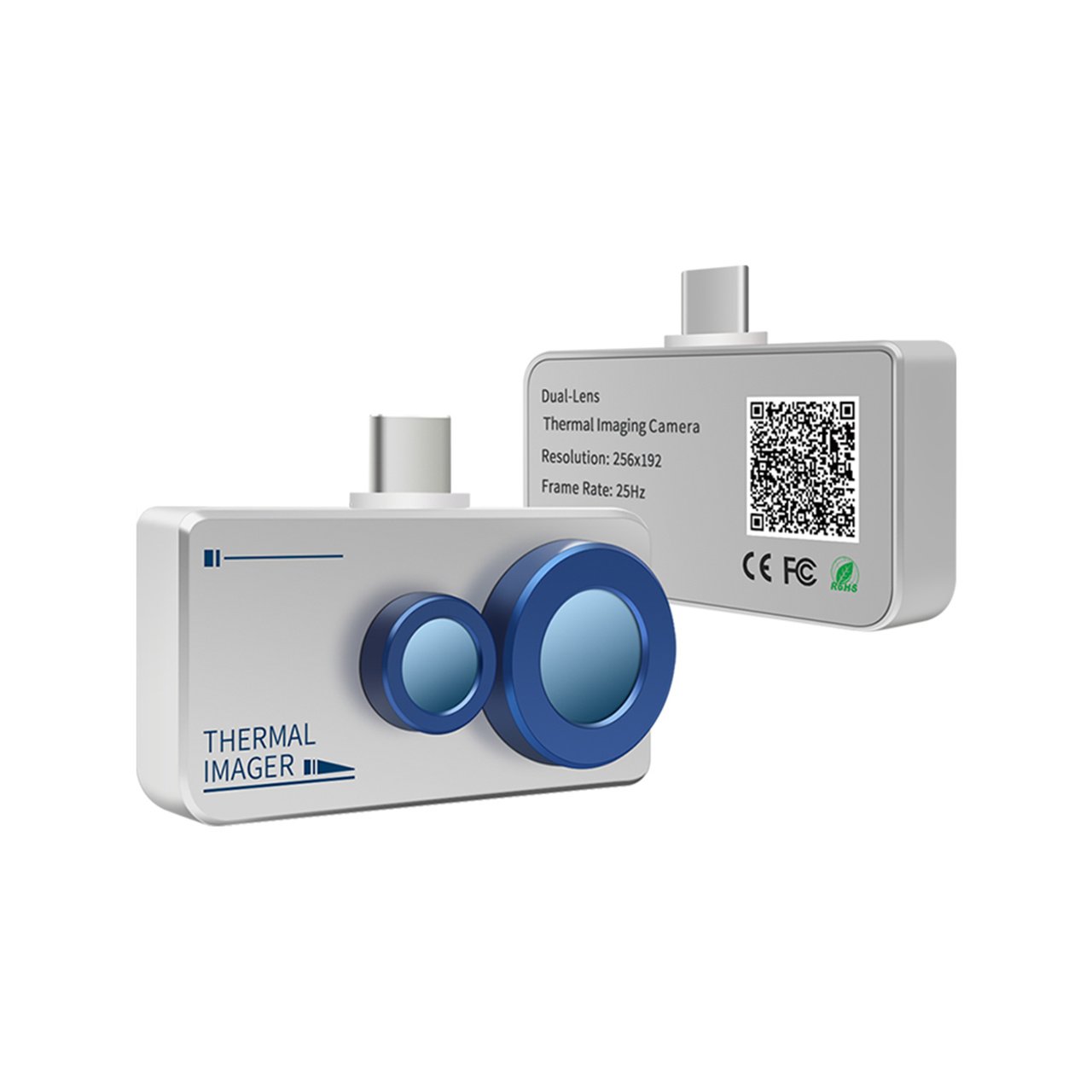
Miniaturization and portability represent another major trend, with smartphone-attachable thermal cameras and compact handheld devices making professional-grade thermal imaging accessible to field service technicians and small-scale manufacturers. Meanwhile, higher resolution sensors (640×480 and beyond) combined with improved thermal sensitivity (NETD < 40mK) are enabling detection of increasingly subtle thermal anomalies in densely packed modern PCBs.
The integration of Industry 4.0 technologies is creating smart manufacturing ecosystems where thermal cameras communicate with MES systems, cloud analytics platforms, and automated handling equipment. This connectivity enables real-time quality monitoring, statistical process control, and comprehensive traceability throughout the production lifecycle.
Automotive Electronics: The automotive industry's transition to electric vehicles (EVs) and advanced driver assistance systems (ADAS) has created unprecedented demand for reliable PCB thermal analysis. Battery management systems, power inverters, charging controllers, and sensor arrays all require rigorous thermal validation. Infrared cameras enable engineers to verify thermal performance under various load conditions, ambient temperatures, and operational scenarios, ensuring safety and longevity in mission-critical automotive applications.
5G and Telecommunications Infrastructure: The deployment of 5G networks demands high-frequency PCBs operating at millimeter-wave frequencies, where thermal management becomes exponentially more challenging. Infrared thermal imaging helps telecommunications equipment manufacturers identify signal integrity issues related to thermal expansion, verify proper heat dissipation in compact base station designs, and ensure reliable operation in outdoor environments with extreme temperature variations.
Medical Device Manufacturing: Medical electronics require exceptional reliability and regulatory compliance. Infrared cameras play a crucial role in validating thermal performance of implantable devices, diagnostic equipment, and patient monitoring systems. Thermal analysis helps ensure that devices remain within safe temperature ranges during extended operation, preventing patient harm and meeting stringent FDA and CE marking requirements.
Consumer Electronics Quality Control: Smartphone, tablet, and wearable device manufacturers utilize infrared cameras for rapid thermal profiling during production. These cameras identify battery charging anomalies, processor throttling issues, and display driver problems that could lead to product returns or safety concerns. High-speed thermal imaging systems integrated into production lines enable 100% inspection without slowing manufacturing throughput.
Aerospace and Defense Applications: Aerospace electronics operate in extreme environments with stringent reliability requirements. Infrared thermal imaging validates PCB performance across wide temperature ranges (-55°C to +125°C), identifies potential failure modes under vibration and shock conditions, and ensures redundant systems maintain proper thermal margins. Defense contractors use thermal cameras for failure analysis of mission-critical avionics, radar systems, and communication equipment.
Infrared cameras measure temperature without physical contact, eliminating thermal loading effects and enabling measurement of live circuits under actual operating conditions without disrupting normal operation.
Capture thermal images at frame rates up to 60 Hz or higher, allowing observation of transient thermal events, startup behavior, and dynamic thermal responses to changing load conditions.
Modern infrared cameras with macro lenses can resolve thermal features smaller than 100 microns, enabling precise temperature measurement of individual SMD components on densely populated PCBs.
Measure temperatures from -20°C to +650°C or higher with a single instrument, covering the full operational range of electronic components from cryogenic cooling to high-power semiconductors.
Record thermal videos, export temperature data for statistical analysis, generate thermal trend reports, and integrate with test automation systems for comprehensive documentation and traceability.
Combine thermal imaging with visible light cameras, creating fused images that overlay thermal data on optical images for easier component identification and more intuitive interpretation.

We provide professional consultation to help you choose the optimal thermal imaging solution based on your application, budget, and technical requirements. Our engineering team can recommend suitable sensors, lenses, temperature ranges, and interface options.
We support full customization, including: Housing & industrial design, PCB and hardware customization, Firmware / APP / PC software development, Branding, packaging, and UI customization, Specialized algorithms (temperature analysis, AI/ML, etc.). Our R&D team works closely with you from concept to mass production.
We offer detailed datasheets, SDK/API, integration guidelines, and sample testing reports to ensure clear understanding before purchase.
Evaluation samples are available for testing and validation. We provide quick dispatch and technical support during your trial phase.

Each project is assigned a dedicated project manager and engineer to ensure smooth communication, timely updates, and technical alignment.
We implement strict QC standards, including incoming testing, calibration, NUC tests, aging tests, and final inspections. All units follow ISO-based production workflows.
We support small-batch pilot runs, medium-volume scaling, and mass production with stable lead times and cost-effective solutions.
Production progress, inspection reports, and shipping timelines are shared with customers to ensure full transparency.

Our engineering team provides prompt technical support for integration, SDK usage, firmware configuration, and product debugging.
All products come with a standard warranty. We offer: Free repair or replacement for manufacturing defects, Paid maintenance for out-of-warranty products, Fast turnaround for urgent cases.
We regularly release firmware updates, bug fixes, and feature improvements to enhance product performance and stability.
We commit to stable supply, component lifecycle management, and long-term product support to ensure your business continuity.