Leave Your Message
In the era of Industry 4.0, automated production line monitoring has become a critical component of manufacturing excellence. Infrared detectors and thermal imaging technology are at the forefront of this revolution, enabling real-time, non-contact monitoring of industrial processes with unprecedented accuracy and efficiency. As manufacturing facilities worldwide embrace smart factory concepts, the integration of infrared detection systems has proven essential for maintaining operational efficiency, ensuring product quality, and preventing costly equipment failures.
The global market for infrared detectors in industrial automation is experiencing exponential growth, driven by increasing demands for predictive maintenance, quality control, and process optimization. Modern production lines require continuous monitoring capabilities that can detect temperature anomalies, identify defective products, and predict equipment failures before they occur. Infrared detection technology meets these demands by providing non-invasive, highly accurate thermal data that enables manufacturers to make informed decisions in real-time.
The industrial automation sector is witnessing a paradigm shift as manufacturers increasingly adopt infrared detection systems for production line monitoring. According to recent industry analyses, the market for thermal imaging in industrial applications is projected to reach $8.5 billion by 2027, with a compound annual growth rate (CAGR) of 8.2%. This growth is fueled by several key factors including the rising adoption of predictive maintenance strategies, stringent quality control requirements, and the need for enhanced workplace safety protocols.
Manufacturing facilities across automotive, electronics, food and beverage, pharmaceutical, and metal processing industries are implementing infrared detector systems to optimize their operations. The technology's ability to detect temperature variations as small as 0.01°C makes it invaluable for identifying potential issues before they escalate into major problems. In semiconductor manufacturing, for instance, infrared detectors monitor wafer processing temperatures with extreme precision, ensuring product consistency and reducing defect rates by up to 40%.
The integration of artificial intelligence and machine learning algorithms with infrared detection systems has further enhanced their capabilities. Modern systems can now automatically analyze thermal patterns, identify anomalies, and trigger alerts or corrective actions without human intervention. This level of automation is particularly crucial in high-speed production environments where manual monitoring would be impractical or impossible.
Infrared detectors serve multiple critical functions in automated production line monitoring. One of the most significant applications is predictive maintenance, where thermal imaging identifies overheating components, bearing failures, and electrical anomalies before they cause equipment breakdowns. Studies show that implementing infrared-based predictive maintenance can reduce unplanned downtime by up to 50% and extend equipment lifespan by 20-30%.
Quality control represents another vital application area. In plastic injection molding, infrared detectors monitor mold temperatures to ensure consistent product quality and detect defects such as incomplete fills or excessive flash. In the food processing industry, thermal imaging verifies proper cooking temperatures, detects foreign objects, and ensures packaging seal integrity. The pharmaceutical sector utilizes infrared detection for monitoring critical processes such as tablet coating, freeze-drying, and sterile packaging operations.
Process optimization benefits significantly from continuous infrared monitoring. By analyzing thermal data across production cycles, manufacturers can identify inefficiencies, optimize energy consumption, and improve throughput. In metal processing, infrared detectors monitor furnace temperatures, detect hot spots in rolling mills, and verify proper heat treatment of components. This real-time feedback enables operators to make immediate adjustments, reducing waste and improving product consistency.
Early detection of equipment anomalies through continuous thermal monitoring, reducing downtime by up to 50% and preventing catastrophic failures.
Real-time defect detection and process verification ensuring consistent product quality and compliance with industry standards.
Identification of thermal inefficiencies and energy waste, enabling targeted improvements that reduce operational costs by 15-25%.
Detection of overheating hazards, electrical faults, and fire risks, protecting personnel and assets while ensuring regulatory compliance.
Integration with IIoT platforms for advanced analytics, enabling data-driven decision making and continuous process improvement.
Automated feedback loops for real-time process adjustments, maintaining optimal operating conditions and maximizing productivity.
The infrared detection technology landscape is evolving rapidly, with several emerging trends shaping the future of production line monitoring. Uncooled microbolometer arrays have become increasingly sophisticated, offering higher resolution and sensitivity at lower costs. Modern detectors feature resolutions up to 1280×1024 pixels with thermal sensitivity below 20mK, enabling detection of minute temperature variations critical for advanced manufacturing processes.
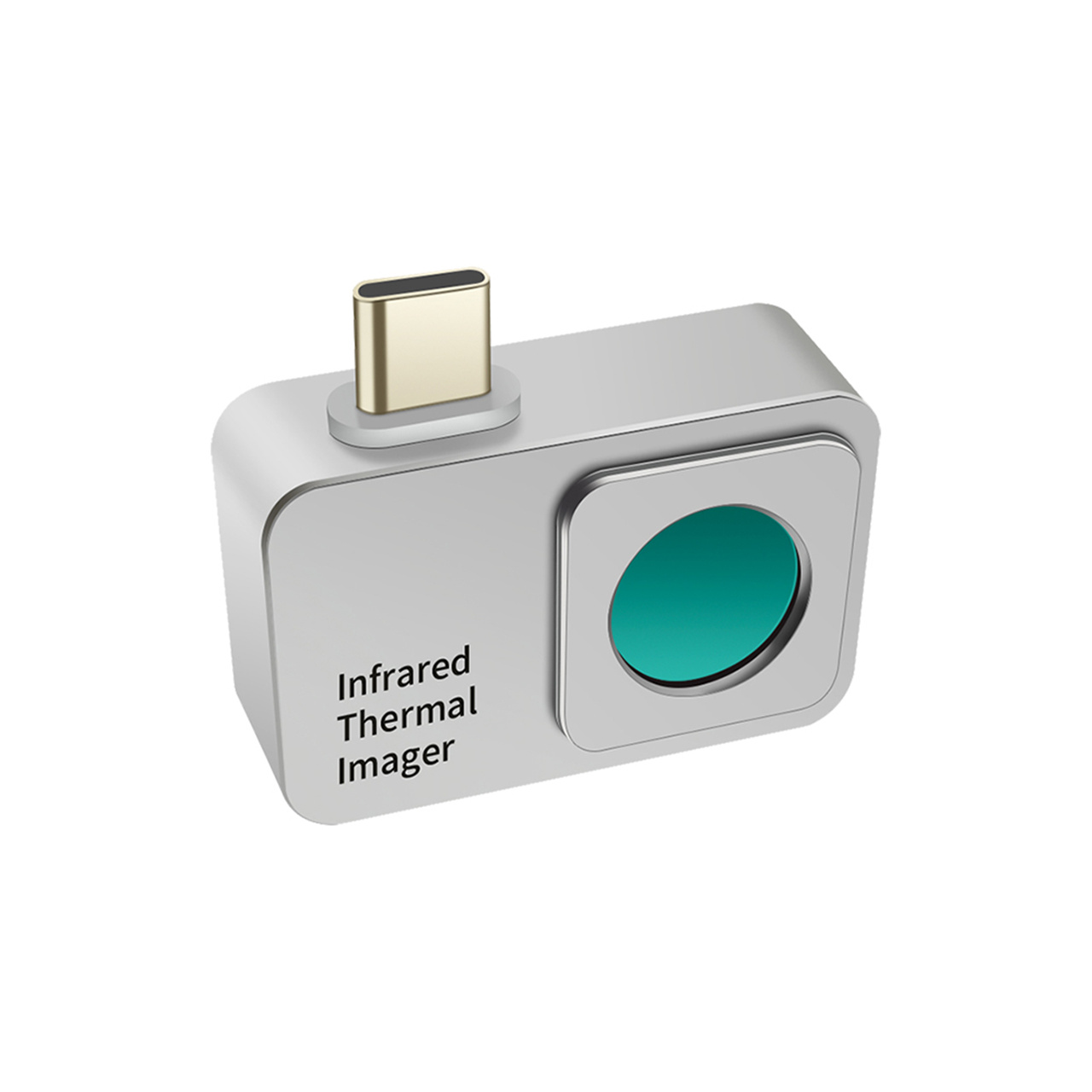
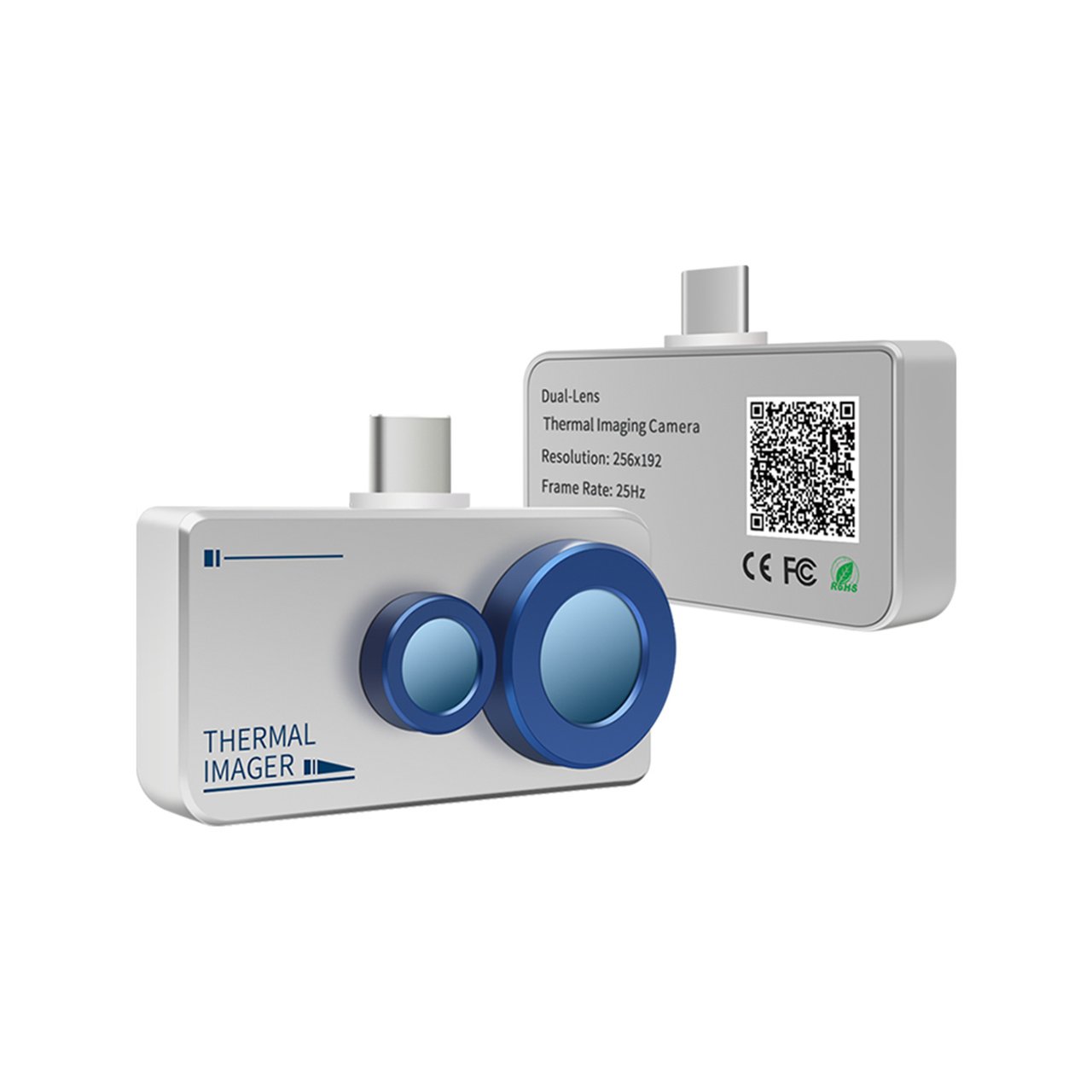
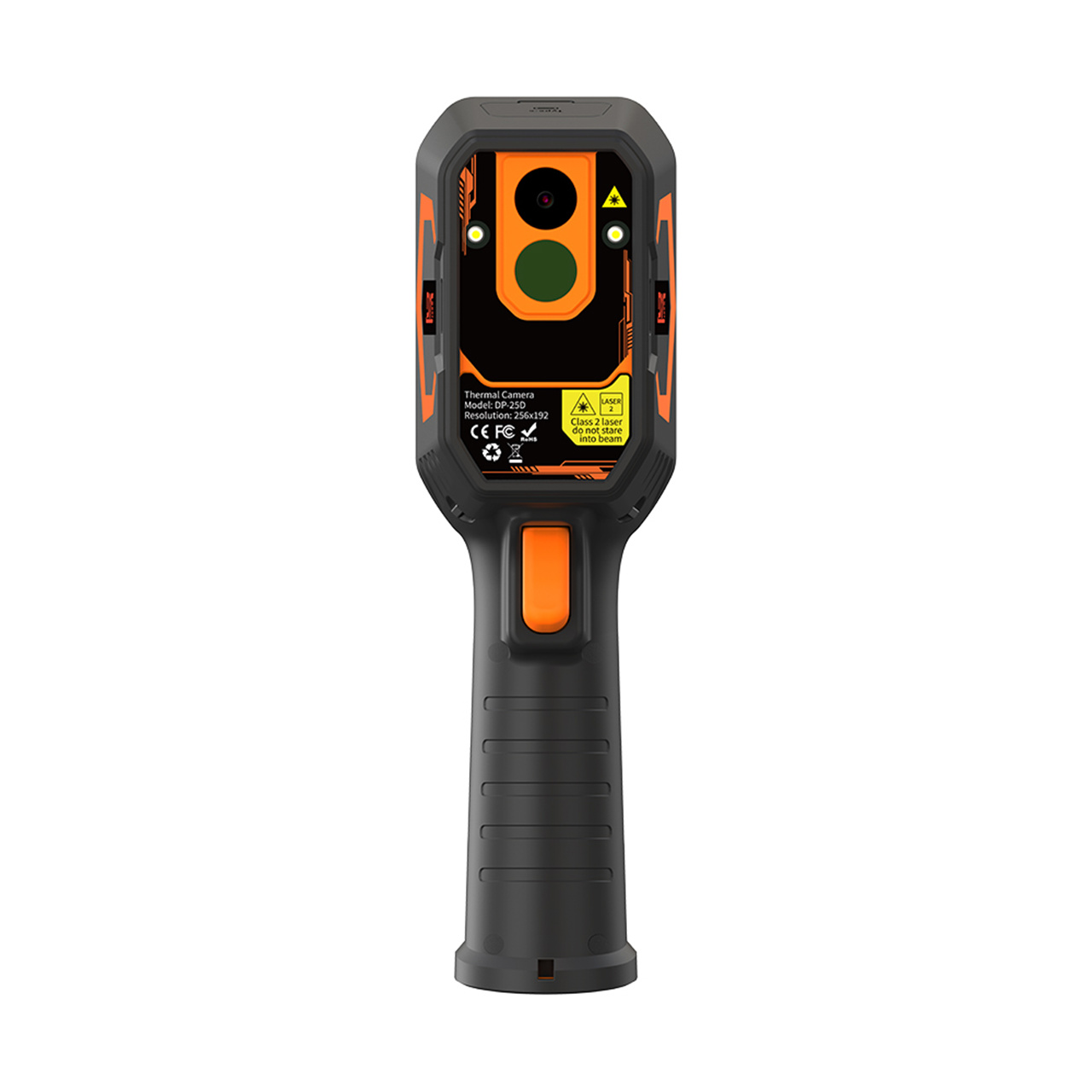
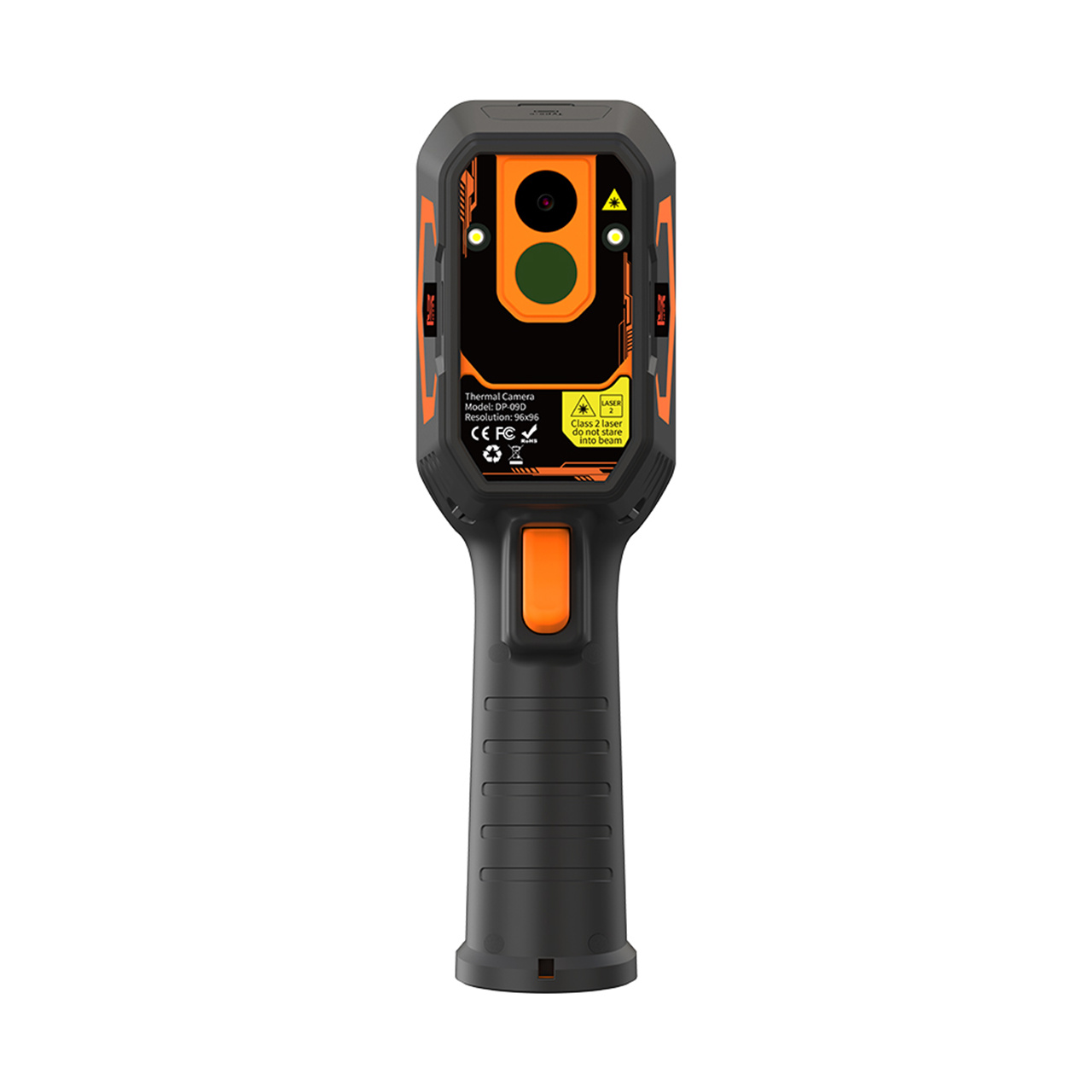
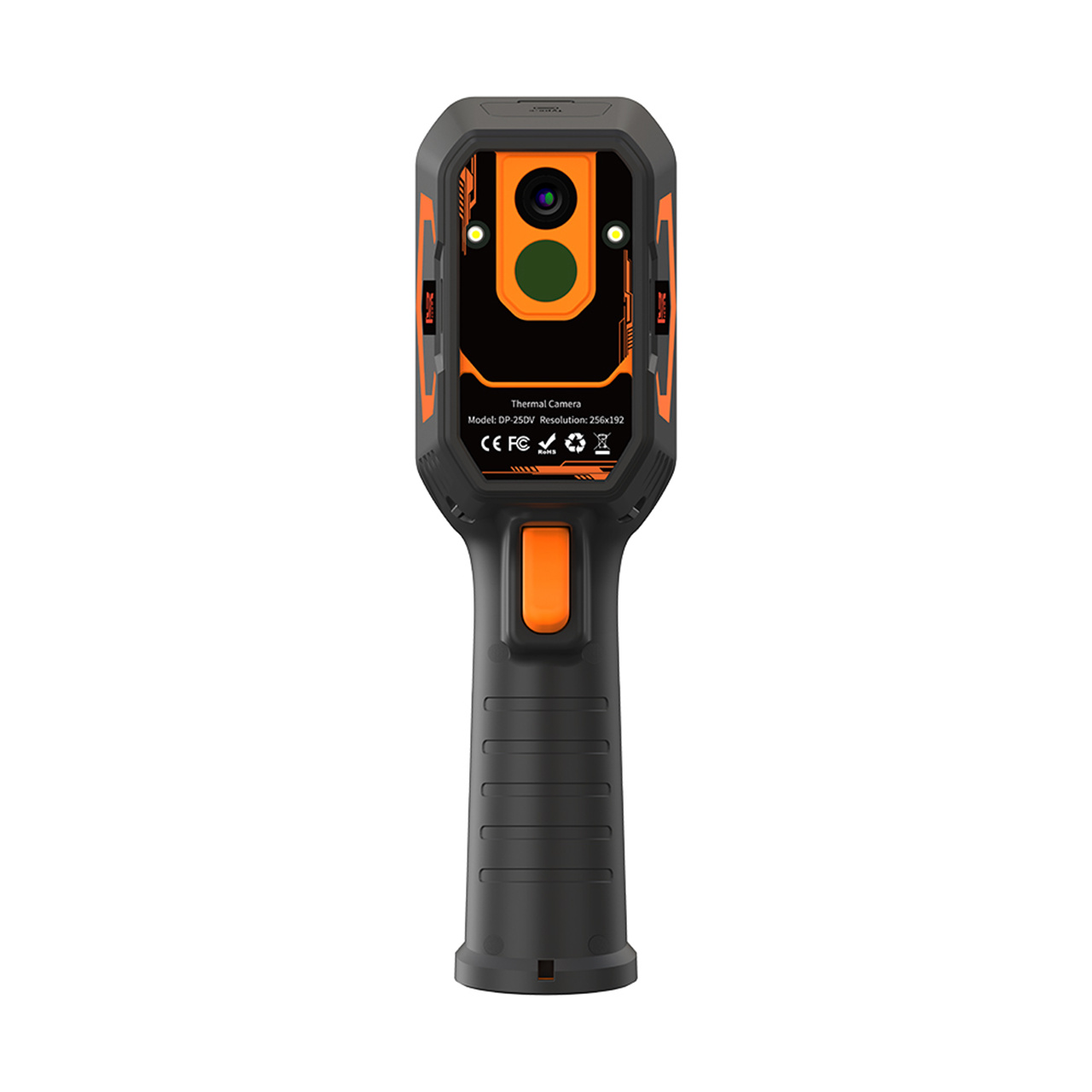
Miniaturization represents a significant trend, with compact infrared cameras now available for integration into tight spaces within production equipment. Smartphone-connected thermal imagers, such as those in Dianyang's product line, democratize access to thermal imaging technology, enabling maintenance technicians and quality inspectors to perform spot checks efficiently. These portable solutions complement fixed installation systems, providing flexibility in monitoring strategies.
The convergence of infrared detection with edge computing and cloud analytics is creating powerful new capabilities. Edge devices process thermal data locally for immediate response while simultaneously uploading data to cloud platforms for long-term trend analysis and machine learning model training. This hybrid approach balances real-time responsiveness with advanced analytical capabilities, enabling predictive algorithms that continuously improve accuracy over time.
Multispectral imaging systems that combine infrared detection with visible light cameras are gaining traction, providing comprehensive visual context alongside thermal data. This fusion enables more accurate defect identification and simplifies operator training by presenting intuitive, overlay-based visualizations. Advanced software algorithms automatically correlate thermal anomalies with specific production line components, streamlining troubleshooting and maintenance activities.
Wireless connectivity and IIoT integration have transformed infrared detectors from standalone instruments into networked sensors within comprehensive monitoring ecosystems. Modern systems support industrial communication protocols such as OPC UA, MQTT, and Modbus, enabling seamless integration with existing SCADA systems and manufacturing execution systems (MES). This connectivity facilitates centralized monitoring of multiple production lines across geographically distributed facilities.
Shenzhen Dianyang Technology Co., Ltd. is a subsidiary of VHD (Shenzhen VHD Technology Co., Ltd.), a publicly listed company on the Shenzhen Stock Exchange. This strategic affiliation gives Dianyang unique access to VHD's advanced R&D platforms, high-precision manufacturing systems, and rigorous quality management practices—enabling us to deliver thermal imaging products of higher reliability and consistency than typical ODMs.
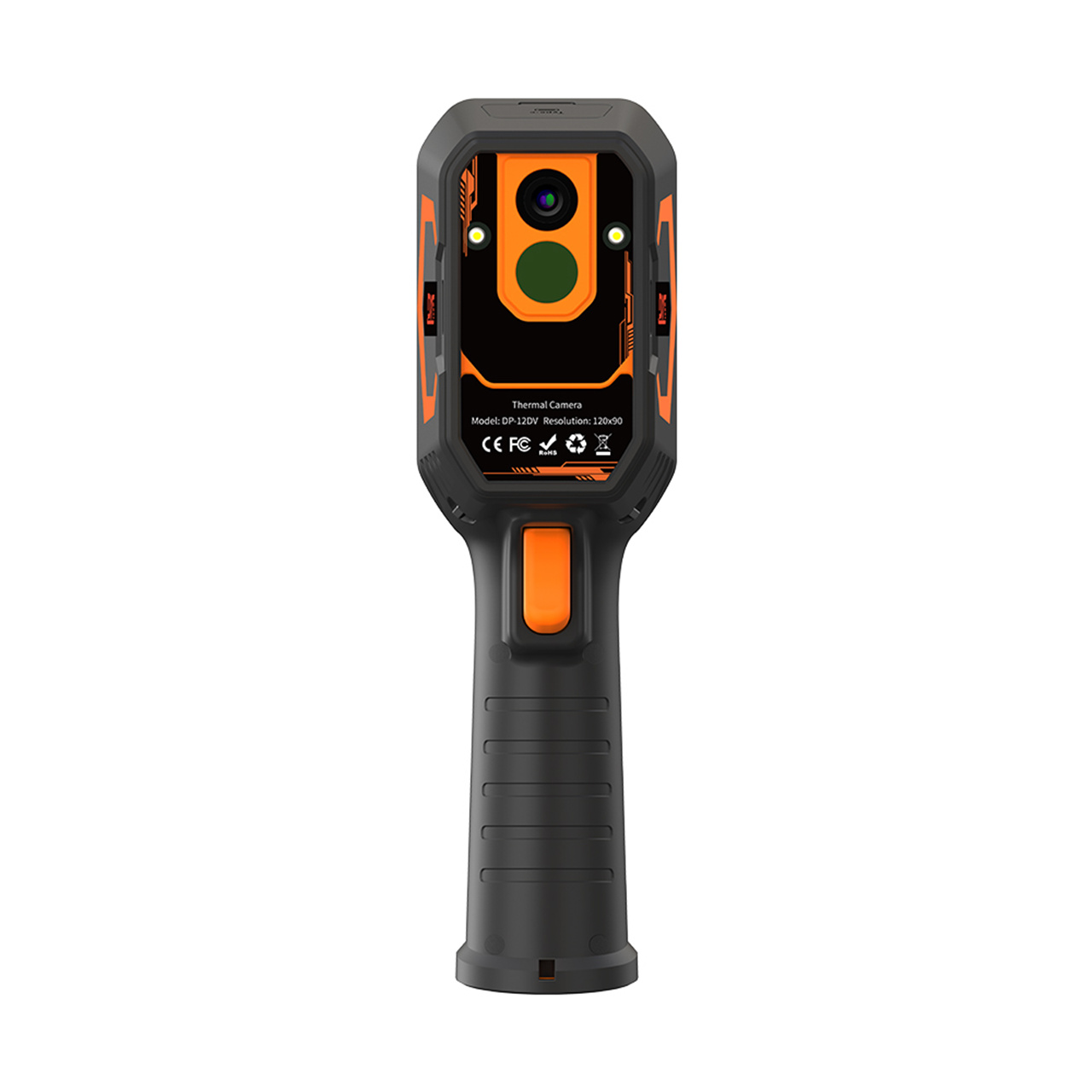
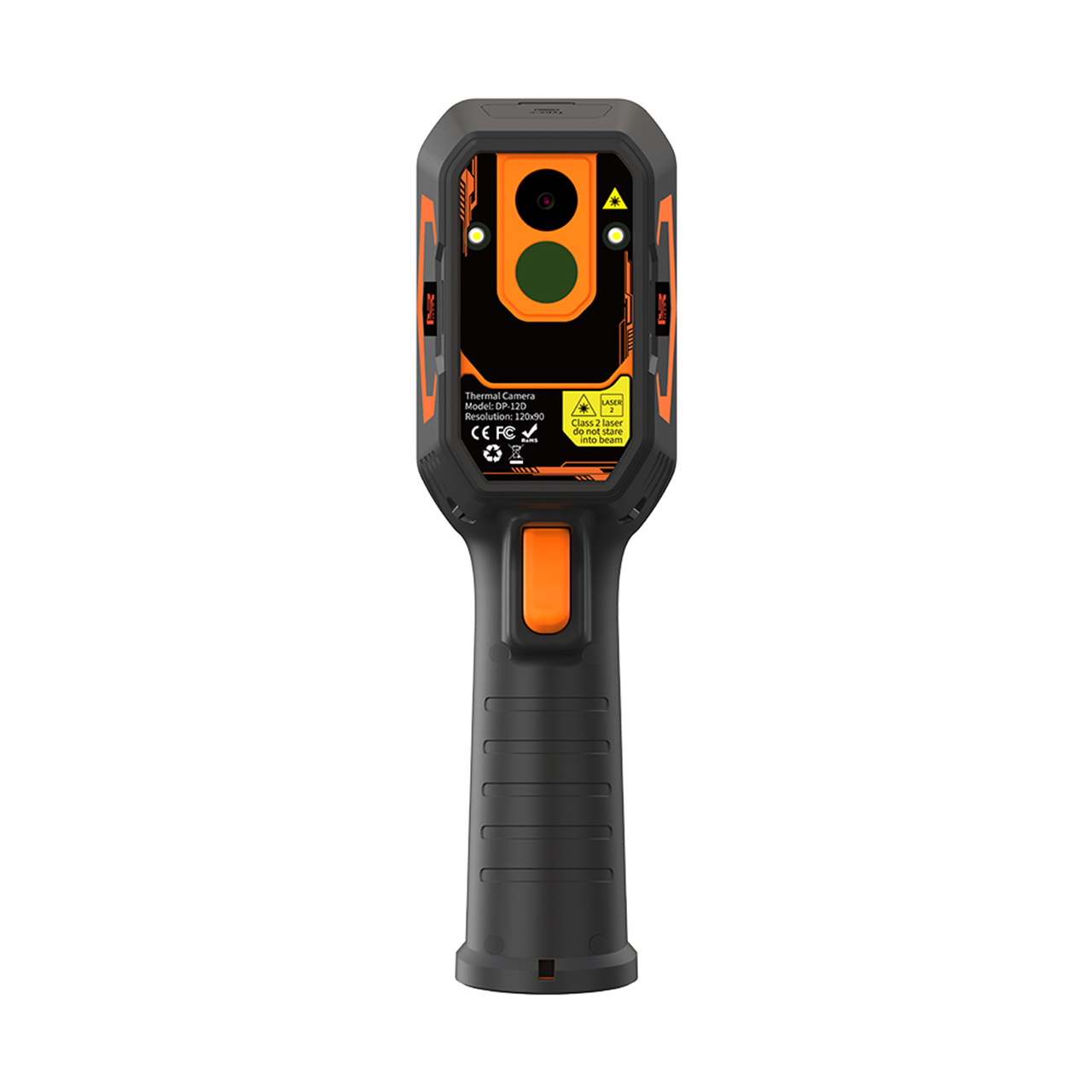
We specialize in ODM/OEM services for infrared thermal imaging solutions, including handheld thermal imagers, smartphone-connected thermal cameras, thermal analyzers, and thermal imaging telescopes. Our products serve global customers in power inspection, building diagnostics, firefighting, industrial maintenance, and outdoor applications.
Our dedicated engineering team applies Design for Manufacturing (DFM), Design for Testability (DFT), thermal simulation, and EMC pre-compliance analysis to optimize performance and accelerate development. We also support clients in obtaining key certifications such as CE, FCC, RoHS, REACH, CB, UKCA, KC, and PSE.
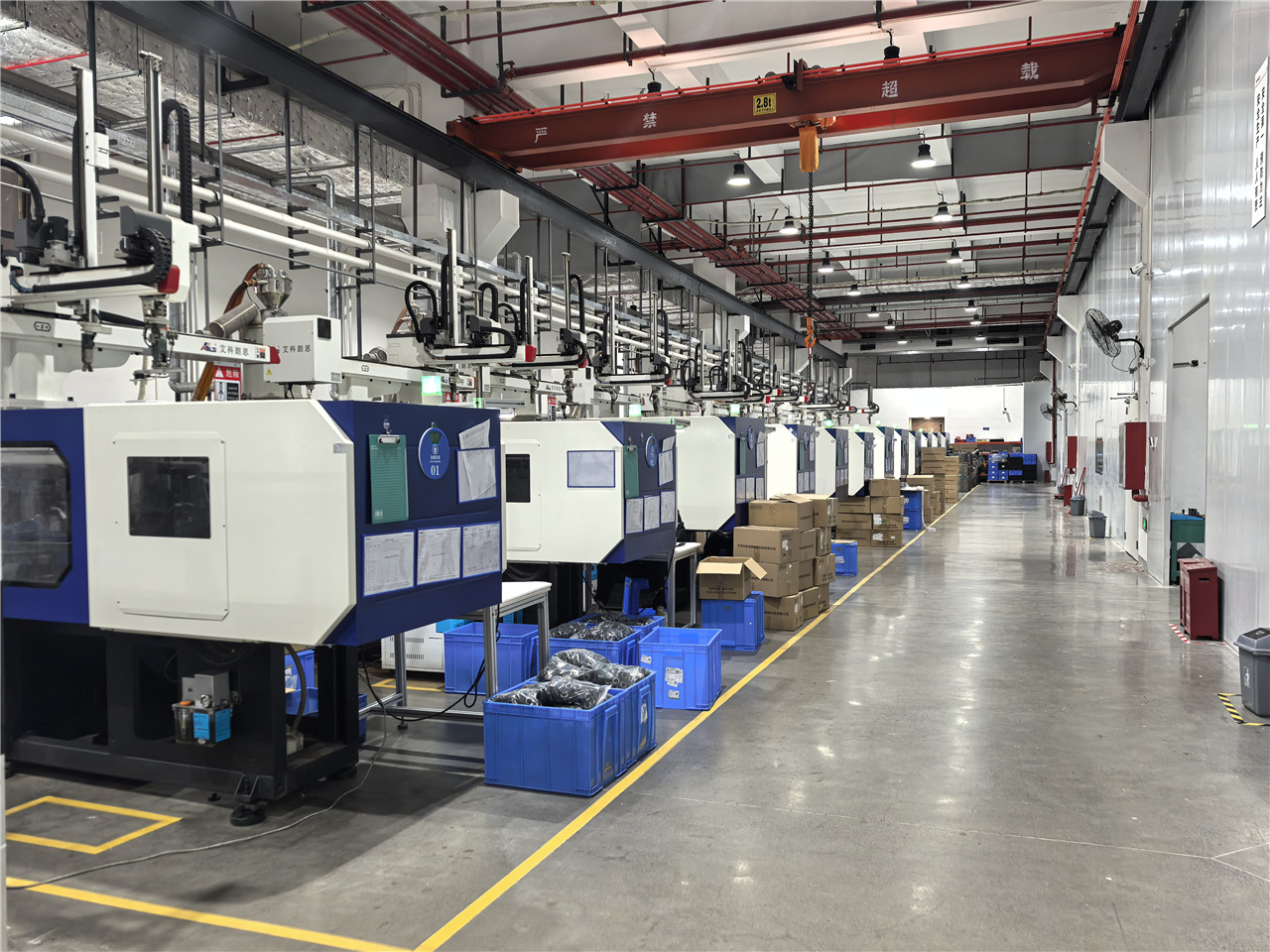
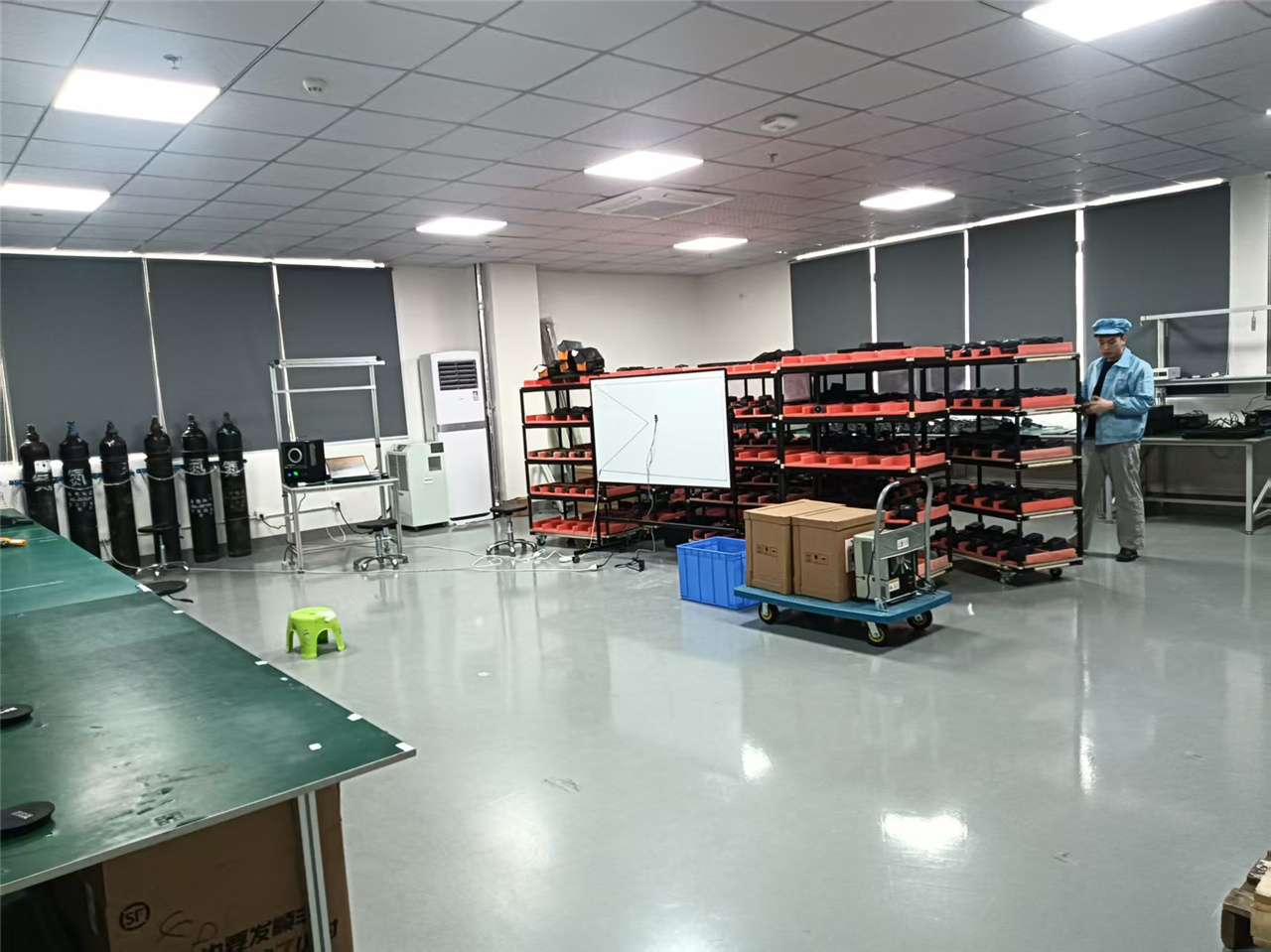
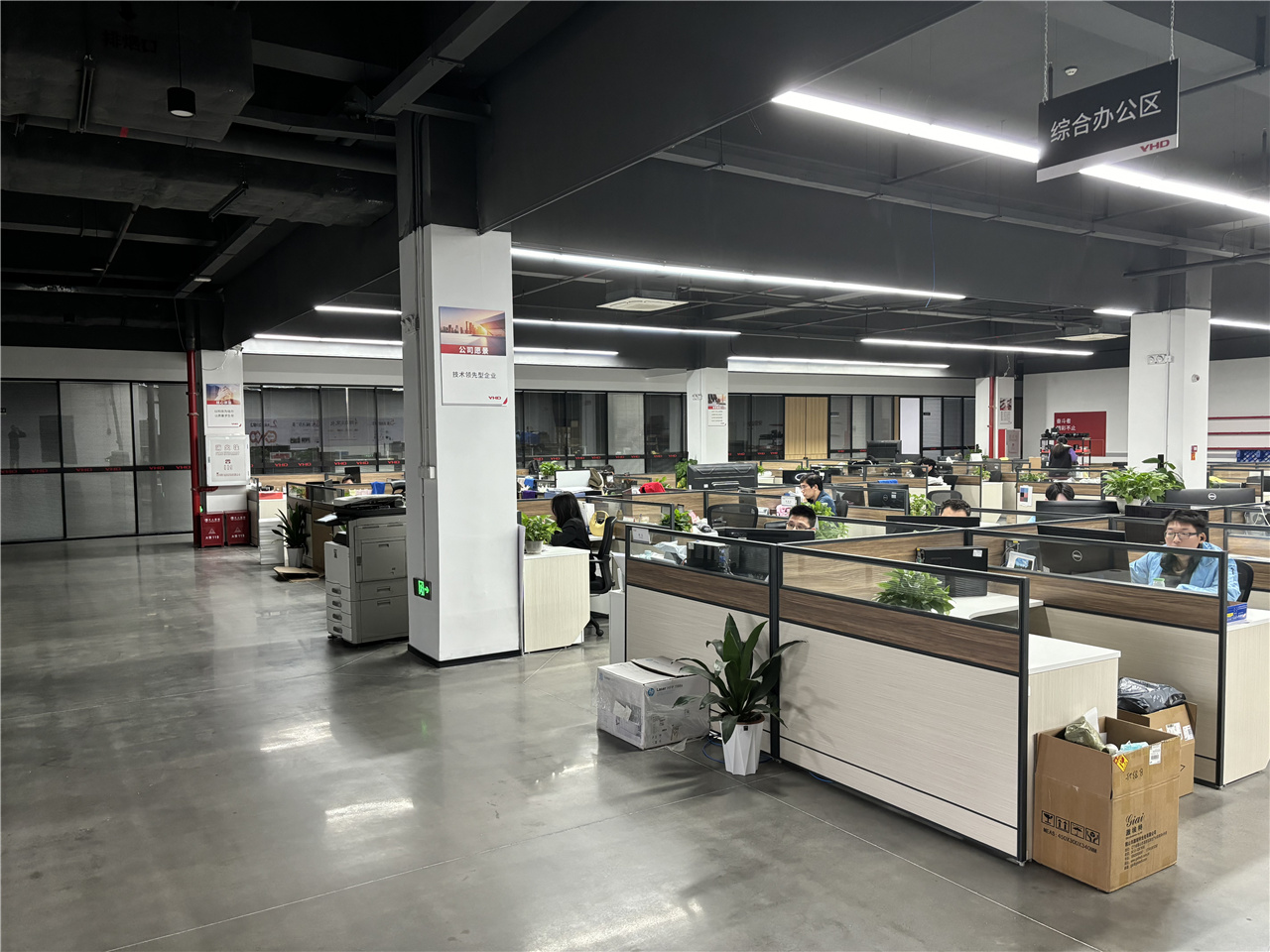
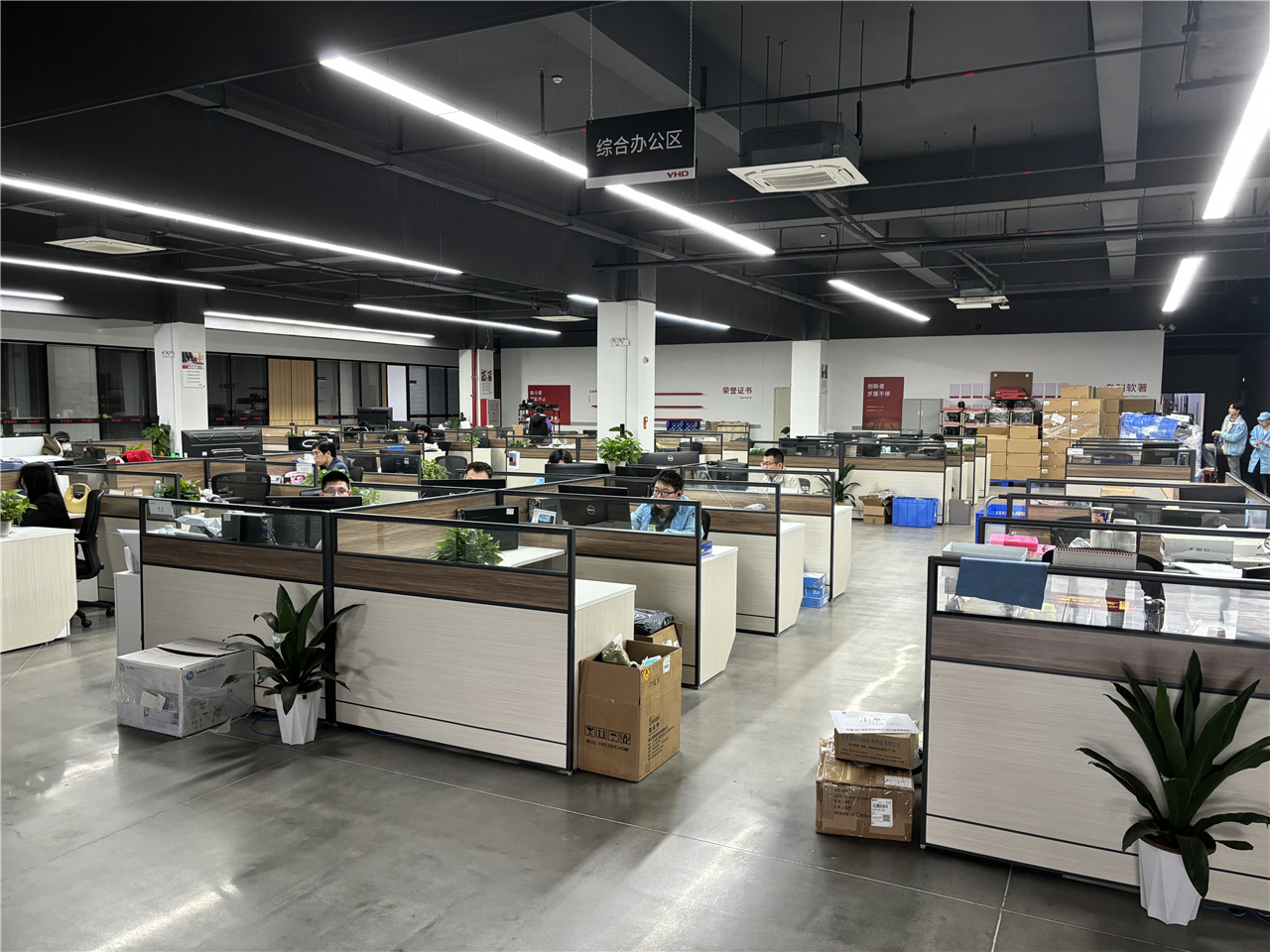
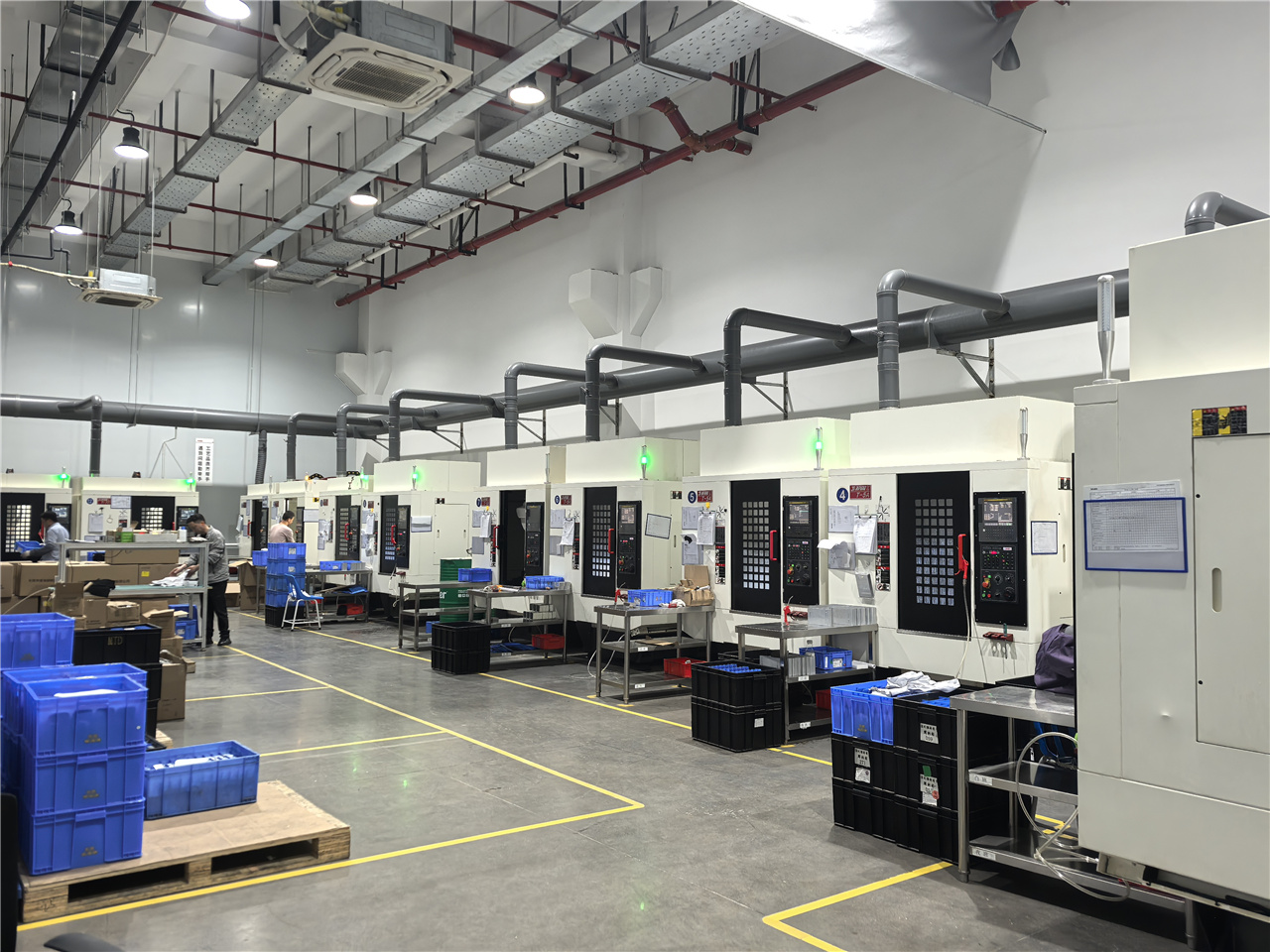
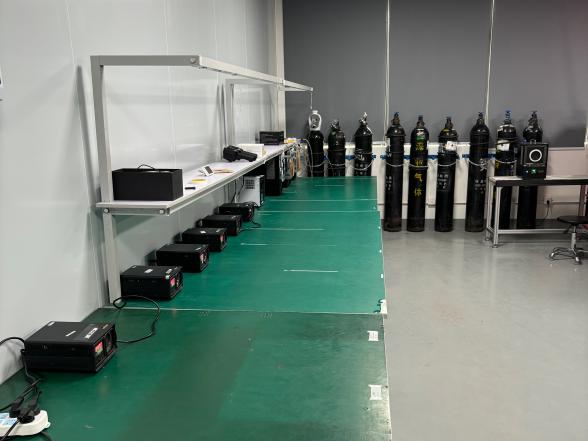
Our structured NPI process typically delivers certified prototypes within 8–12 weeks. Combined with stable supply chain support and group-level technical resources, we ensure on-time delivery and long-term product reliability.
By combining focused thermal imaging expertise with the backing of a listed parent company, Dianyang offers a rare blend of agility, quality, and scalability—helping global partners bring high-performance, certified thermal products to market with confidence.
Join UsSuccessfully implementing infrared detection systems in automated production lines requires careful planning and strategic execution. The first consideration involves selecting appropriate detector specifications based on application requirements. Factors such as temperature range, spatial resolution, thermal sensitivity, and frame rate must align with specific monitoring objectives. For high-speed production lines processing thousands of units per hour, cameras with frame rates exceeding 100 Hz may be necessary to capture thermal data for every product.
Installation positioning critically impacts system effectiveness. Infrared detectors must have unobstructed views of monitored areas while avoiding interference from ambient heat sources, reflective surfaces, and environmental contaminants. In many applications, multiple cameras positioned at strategic locations provide comprehensive coverage, enabling 360-degree thermal profiling of products or equipment. Mounting systems must accommodate production line vibrations while maintaining precise alignment for consistent measurements.
Calibration and maintenance protocols ensure long-term accuracy and reliability. Regular calibration against certified reference sources maintains measurement precision, while protective enclosures shield detectors from dust, moisture, and mechanical damage. In harsh industrial environments, purge systems or cooling jackets may be necessary to protect sensitive detector elements. Establishing clear maintenance schedules and training personnel in proper calibration procedures maximizes system uptime and data quality.
Software configuration represents another critical implementation aspect. Modern infrared detection systems offer extensive customization options including temperature alarm thresholds, region-of-interest definitions, and automated reporting functions. Integration with existing quality management systems enables automatic documentation of thermal measurements for compliance purposes. Advanced systems support recipe-based configurations that automatically adjust parameters when production lines switch between different products or processes.
The financial benefits of implementing infrared detection for production line monitoring extend far beyond the initial investment. Comprehensive ROI analyses consistently demonstrate payback periods of 12-24 months through multiple value streams. Reduced downtime from predictive maintenance typically accounts for 30-40% of total savings, with a single prevented catastrophic failure often justifying the entire system cost.
Quality improvements deliver substantial financial benefits through reduced scrap rates, fewer warranty claims, and enhanced customer satisfaction. Manufacturers report defect rate reductions of 25-60% after implementing thermal imaging quality control systems. In industries with high material costs or complex assemblies, preventing even a small percentage of defects generates significant savings. Additionally, early defect detection reduces rework costs by identifying issues before products undergo additional processing steps.
Energy efficiency gains represent an often-overlooked benefit of infrared monitoring. By identifying thermal inefficiencies in equipment and processes, manufacturers can implement targeted improvements that reduce energy consumption by 15-25%. In energy-intensive industries such as metal processing or glass manufacturing, these savings can amount to hundreds of thousands of dollars annually. Furthermore, demonstrating commitment to energy efficiency supports corporate sustainability initiatives and may qualify facilities for regulatory incentives.
Operational efficiency improvements manifest through optimized process parameters, reduced cycle times, and increased throughput. Real-time thermal feedback enables operators to fine-tune processes for maximum productivity while maintaining quality standards. Some manufacturers report production capacity increases of 10-15% after implementing comprehensive infrared monitoring systems, effectively expanding output without capital investment in additional production lines.
The automotive industry has embraced infrared detection across numerous production processes. In welding operations, thermal cameras verify weld quality by monitoring heat distribution and cooling rates, detecting defects such as incomplete penetration or excessive porosity. Paint curing processes utilize infrared monitoring to ensure uniform temperature distribution, preventing defects like orange peel or insufficient adhesion. Engine assembly lines employ thermal imaging to verify proper gasket installation and detect coolant leaks before engines undergo final testing.
Electronics manufacturing relies heavily on precise temperature control throughout assembly processes. Reflow soldering operations use infrared profiling to ensure proper solder joint formation across complex circuit boards. Component placement accuracy can be verified through thermal signatures, as improperly seated components exhibit different thermal characteristics than correctly installed ones. In semiconductor fabrication, infrared detectors monitor wafer temperatures during deposition and etching processes, maintaining the tight tolerances required for modern chip manufacturing.
The food and beverage industry utilizes infrared detection to ensure product safety and quality. Cooking and pasteurization processes require precise temperature control to eliminate pathogens while preserving product quality. Thermal imaging verifies that all portions of products reach required temperatures for appropriate durations. In packaging operations, infrared detectors verify seal integrity by identifying temperature anomalies that indicate incomplete seals or contamination. Cold chain monitoring applications use thermal imaging to ensure refrigerated products maintain proper temperatures throughout processing and storage.
Pharmaceutical manufacturing demands rigorous process control and documentation, making infrared detection particularly valuable. Tablet coating operations use thermal monitoring to ensure uniform coating thickness and proper drying. Freeze-drying processes rely on precise temperature control monitored through infrared detection to maintain product efficacy. Sterile packaging operations employ thermal imaging to verify seal integrity and detect potential contamination risks. The comprehensive data logging capabilities of modern systems support regulatory compliance requirements and facilitate process validation activities.
As manufacturing continues its digital transformation journey, infrared detection technology will play an increasingly central role in production line monitoring. The convergence of thermal imaging with artificial intelligence, edge computing, and Industrial Internet of Things platforms is creating unprecedented opportunities for operational optimization. Manufacturers who embrace these technologies position themselves to achieve new levels of efficiency, quality, and competitiveness in global markets.
The ongoing development of more affordable, capable, and accessible infrared detection systems democratizes access to this powerful technology. Small and medium-sized manufacturers can now implement solutions previously available only to large enterprises, leveling the competitive playing field. As the technology continues advancing, we can expect even more innovative applications that further enhance manufacturing capabilities and drive industry progress.
Dianyang Technology stands ready to support manufacturers in their automation journeys with comprehensive infrared detection solutions backed by the resources of a publicly listed parent company. Our commitment to quality, innovation, and customer success ensures that partners receive not just products, but complete solutions that deliver measurable business value. Whether you're implementing your first thermal imaging system or expanding an existing monitoring infrastructure, our team provides the expertise and support needed for successful deployment.