Leave Your Message
Canada's infrared detector market is experiencing significant growth driven by diverse industrial applications across the country's vast geography and extreme climate conditions. From monitoring critical infrastructure in the oil and gas sectors of Alberta to building diagnostics in Ontario's urban centers, thermal imaging technology has become essential for Canadian businesses and institutions.
The Canadian market for infrared detection systems is valued at over $250 million annually, with projected growth of 8-12% through 2028. Key drivers include stringent energy efficiency regulations, aging infrastructure requiring predictive maintenance, and increasing adoption in public safety and security applications. Major sectors utilizing infrared detector technology include energy and utilities, manufacturing, construction, transportation, and emergency services.
Canadian winters, with temperatures regularly dropping below -30°C in many regions, create unique demands for thermal imaging equipment. Infrared detectors are crucial for identifying heat loss in buildings, monitoring power transmission systems under extreme cold, and ensuring operational safety in remote mining and forestry operations across the territories and northern provinces.
Canada's extensive electrical grid and renewable energy infrastructure rely on infrared detectors for predictive maintenance. Hydro-Québec, BC Hydro, and other utilities use thermal imaging to inspect transmission lines, substations, and wind turbine installations across challenging terrain and weather conditions.
With Canada's focus on energy efficiency and green building standards, thermal imaging is essential for building envelope assessments, HVAC optimization, and compliance with National Building Code requirements. Toronto, Vancouver, and Montreal lead in adoption of thermal diagnostics for both new construction and retrofit projects.
Alberta's oil sands facilities and offshore operations in Newfoundland utilize infrared detectors for equipment monitoring, leak detection, and safety inspections. Thermal imaging helps identify hot spots in processing equipment and ensures compliance with environmental regulations in remote locations.
Fire departments across Canada increasingly deploy thermal imaging cameras for search and rescue operations, structural firefighting, and wildfire management. The devastating wildfires in British Columbia and Alberta have accelerated adoption of advanced thermal detection systems for early fire detection and monitoring.
Ontario and Quebec's manufacturing sectors use infrared detectors for quality control, process optimization, and equipment maintenance. Automotive plants, aerospace facilities, and food processing operations rely on thermal imaging to ensure product quality and operational efficiency.
Mining, forestry, and agricultural operations across Canada's provinces and territories employ thermal imaging for equipment monitoring, wildlife management, and environmental monitoring. The technology is particularly valuable in remote locations where equipment failure can have severe operational and safety consequences.
Shenzhen Dianyang Technology Co., Ltd. is a subsidiary of VHD (Shenzhen VHD Technology Co., Ltd.), a publicly listed company on the Shenzhen Stock Exchange. This strategic affiliation gives Dianyang unique access to VHD's advanced R&D platforms, high-precision manufacturing systems, and rigorous quality management practices—enabling us to deliver thermal imaging products of higher reliability and consistency than typical ODMs.
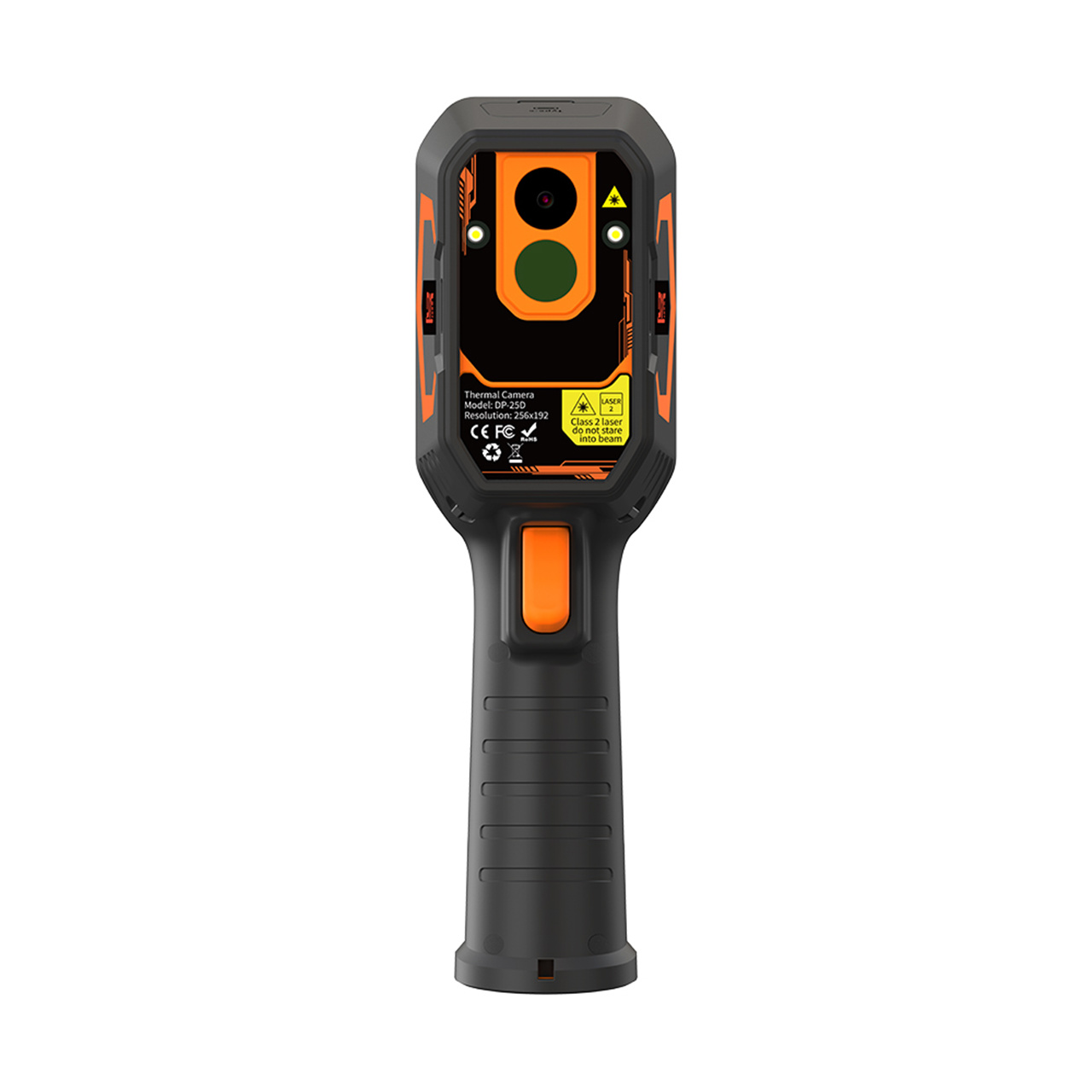
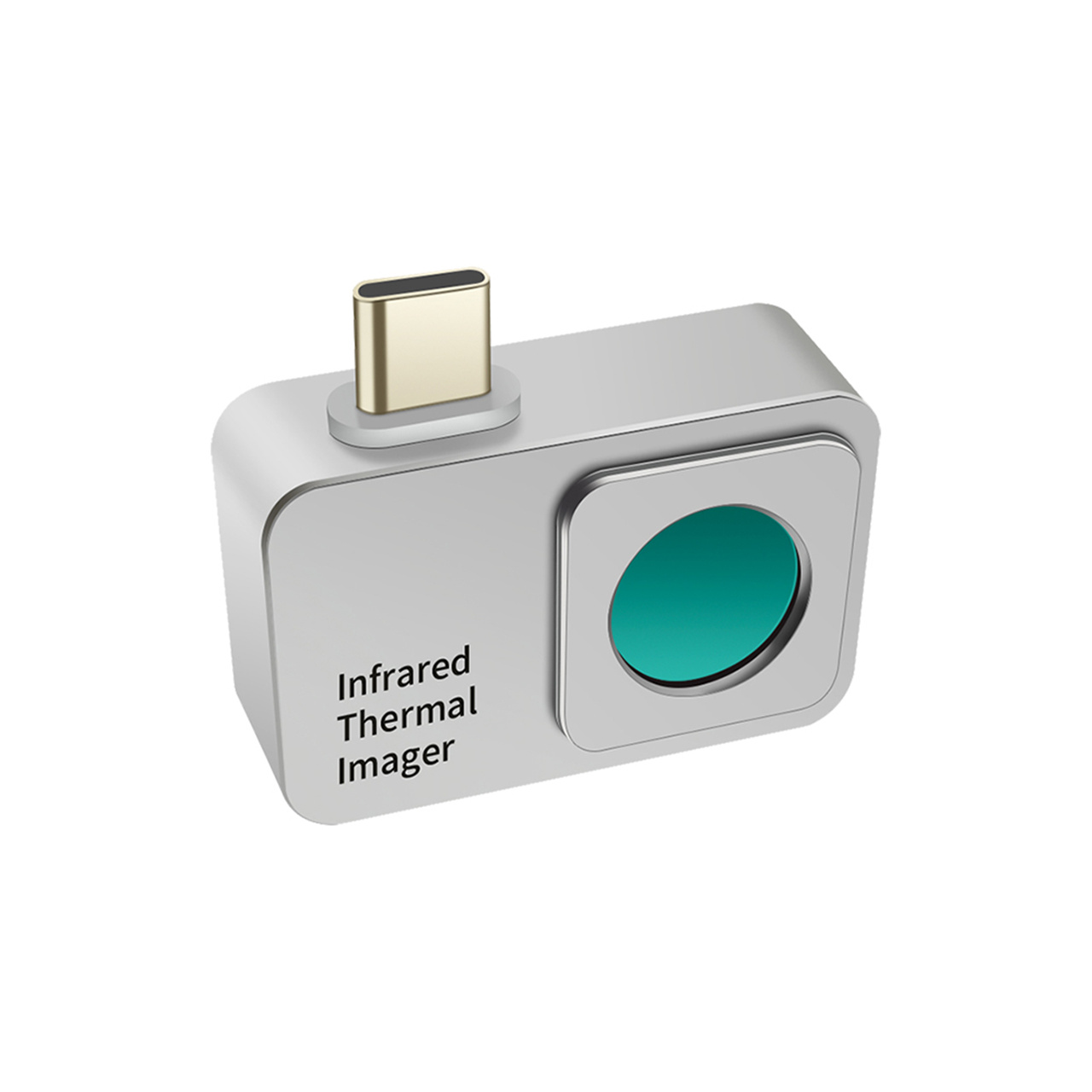
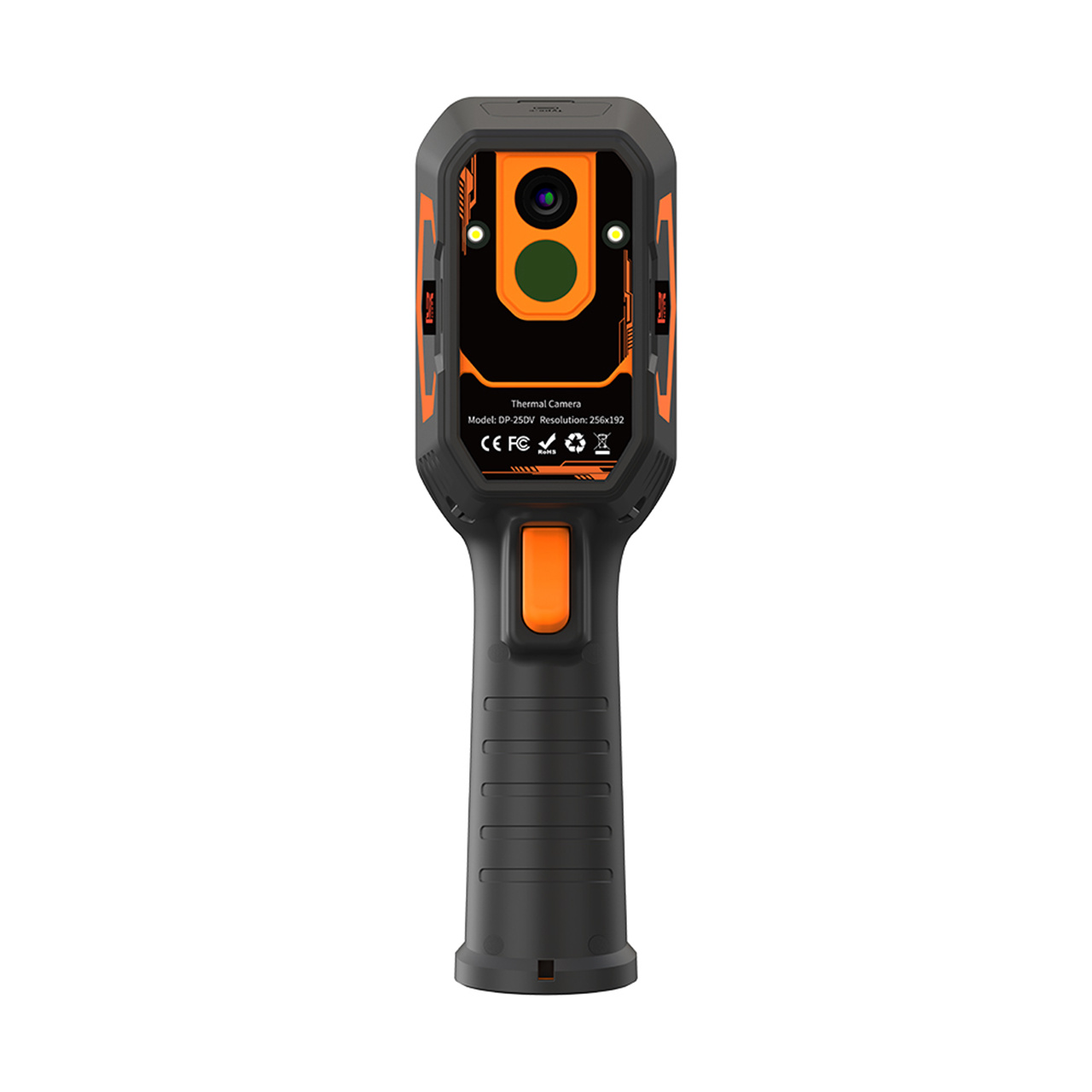
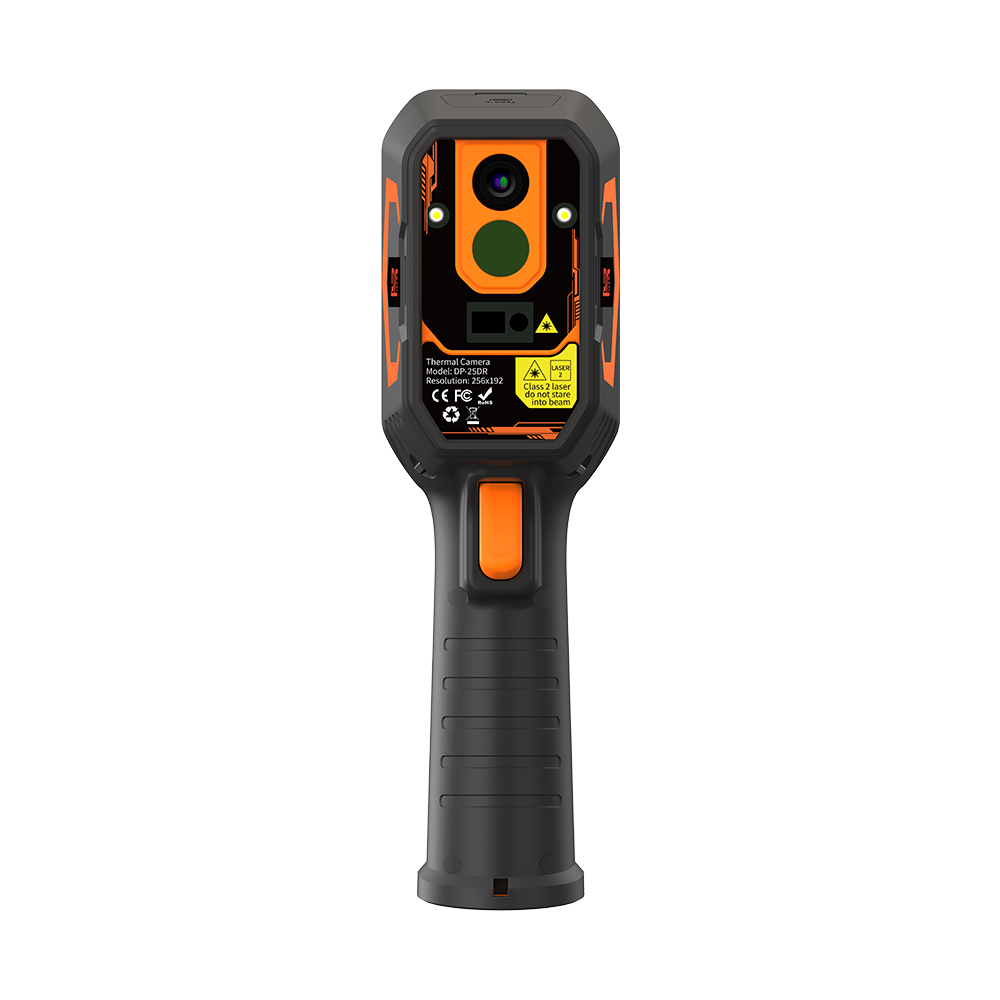
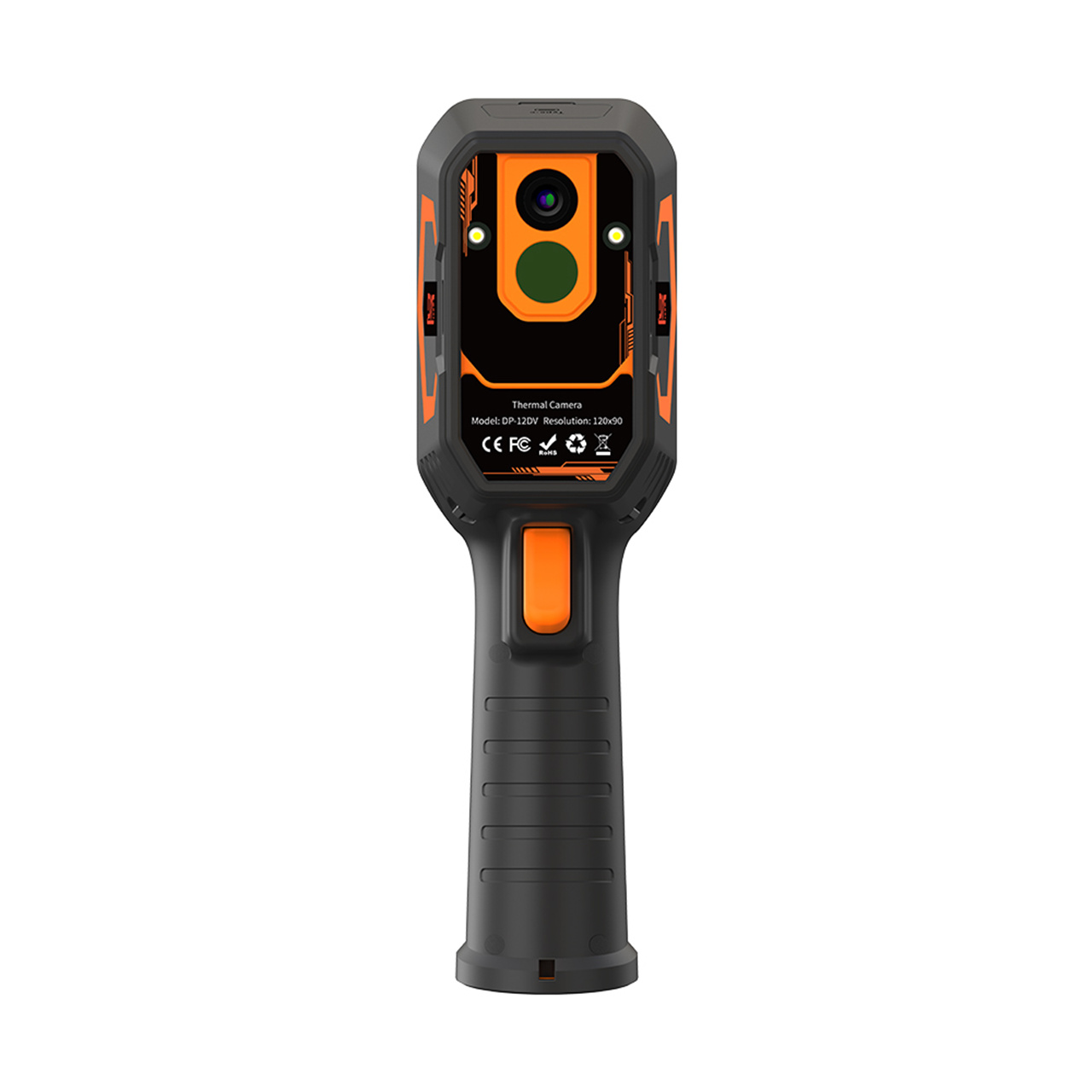
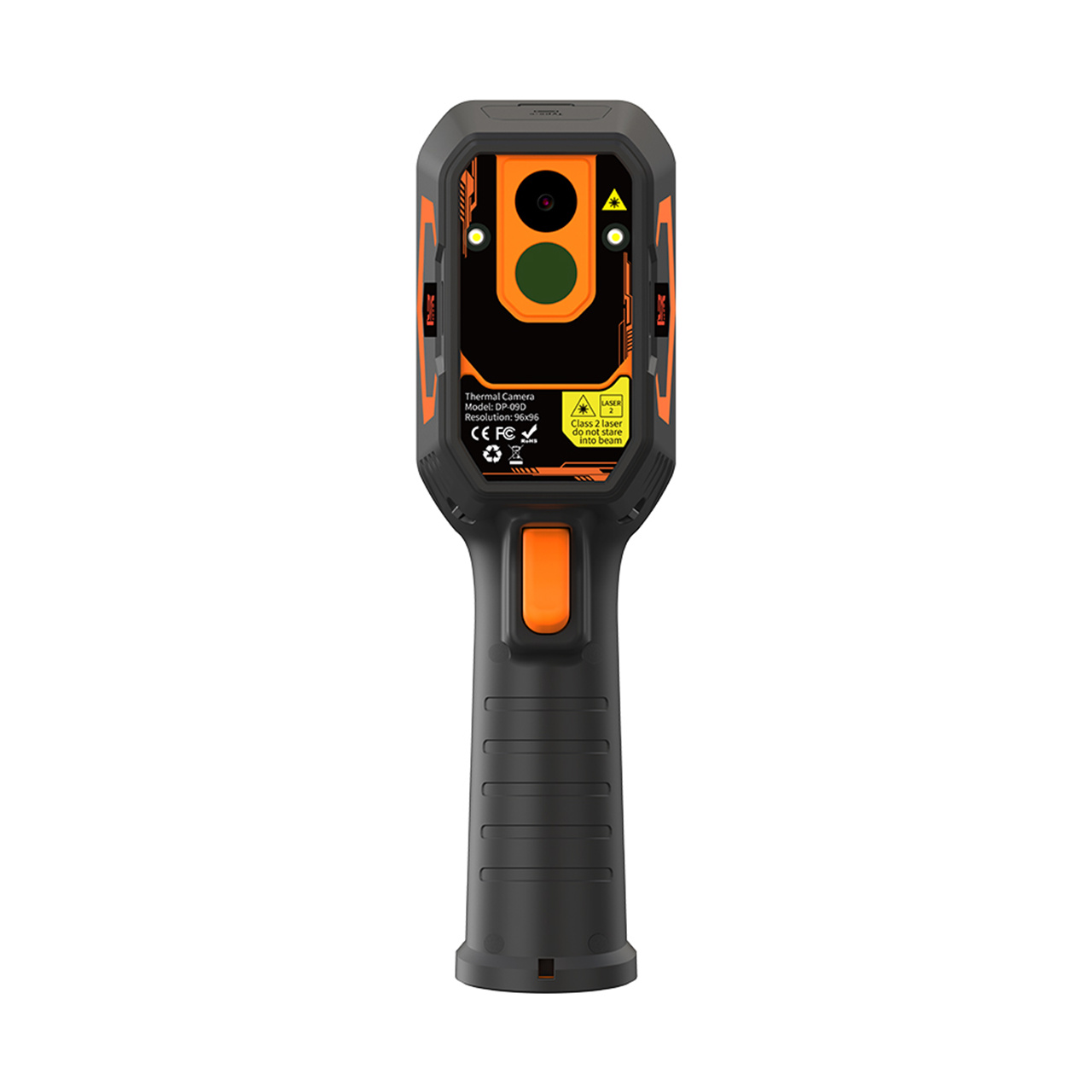
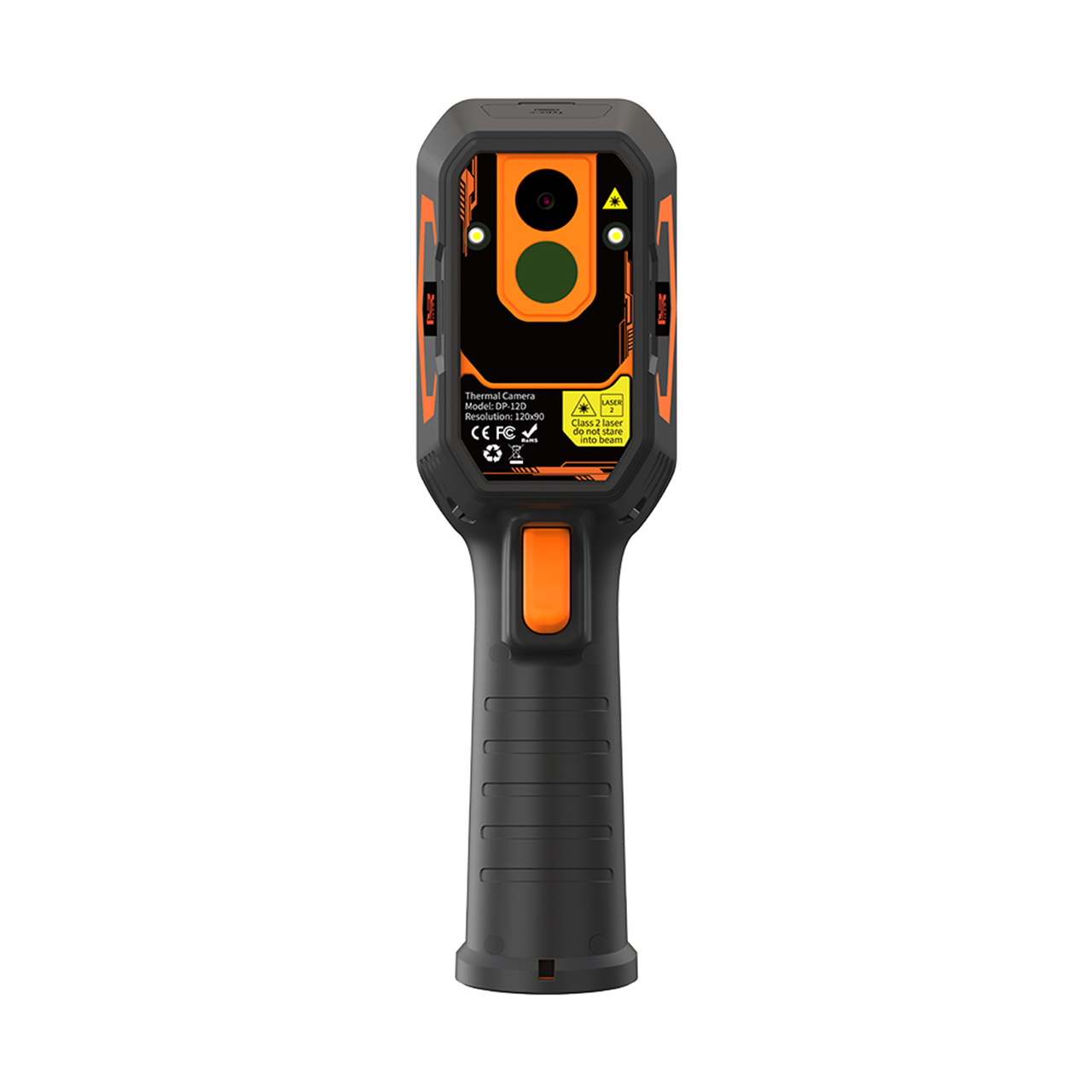
We specialize in ODM/OEM services for infrared thermal imaging solutions, including handheld thermal imagers, smartphone-connected thermal cameras, thermal analyzers, and thermal imaging telescopes. Our products serve global customers in power inspection, building diagnostics, firefighting, industrial maintenance, and outdoor applications.
The Canadian infrared detector market is evolving rapidly with several key trends shaping its future. Integration with artificial intelligence and machine learning is enabling automated anomaly detection and predictive analytics, particularly valuable for monitoring Canada's extensive infrastructure networks. Cloud-based thermal imaging platforms are gaining traction, allowing remote monitoring of assets across the country's vast geography.
Regulatory developments are driving market growth. Canada's commitment to reducing greenhouse gas emissions by 40-45% below 2005 levels by 2030 has intensified focus on energy efficiency. Provincial building codes increasingly mandate thermal imaging assessments for new construction and major renovations, particularly in British Columbia, Ontario, and Quebec.
The miniaturization of thermal sensors and integration with smartphones and drones is democratizing access to infrared technology. Canadian inspection companies, contractors, and facility managers are adopting portable, affordable thermal imaging solutions that were previously accessible only to large enterprises. This trend is particularly significant in the residential and small commercial building sectors.
Investment in research and development is accelerating, with Canadian universities and research institutions collaborating with industry partners to advance thermal imaging applications. The University of Waterloo, McGill University, and the University of British Columbia are conducting cutting-edge research in thermal sensor technology, image processing algorithms, and novel applications in healthcare, agriculture, and environmental monitoring.
Our dedicated engineering team applies Design for Manufacturing (DFM), Design for Testability (DFT), thermal simulation, and EMC pre-compliance analysis to optimize performance and accelerate development. We also support clients in obtaining key certifications such as CE, FCC, RoHS, REACH, CB, UKCA, KC, and PSE.
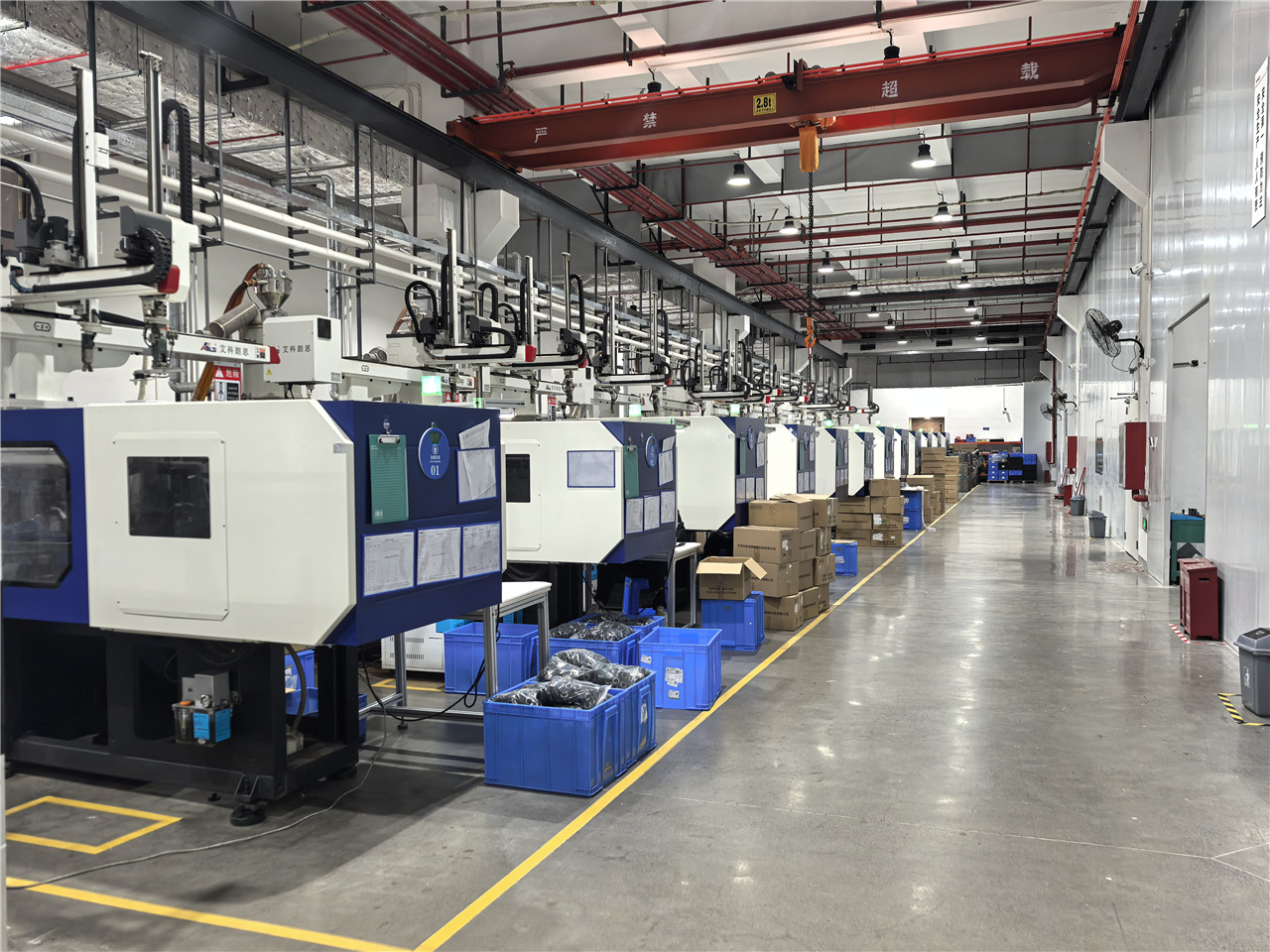
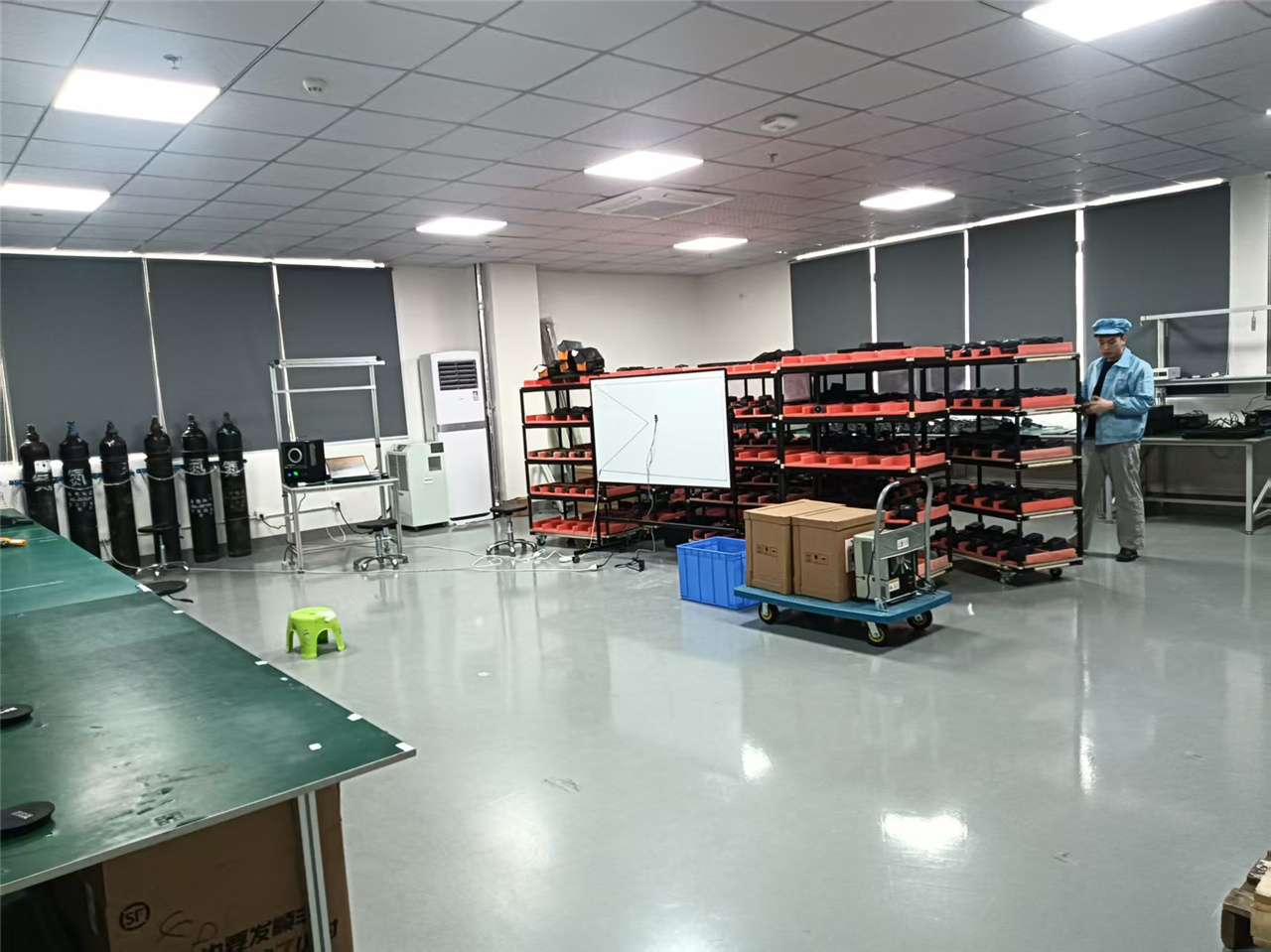
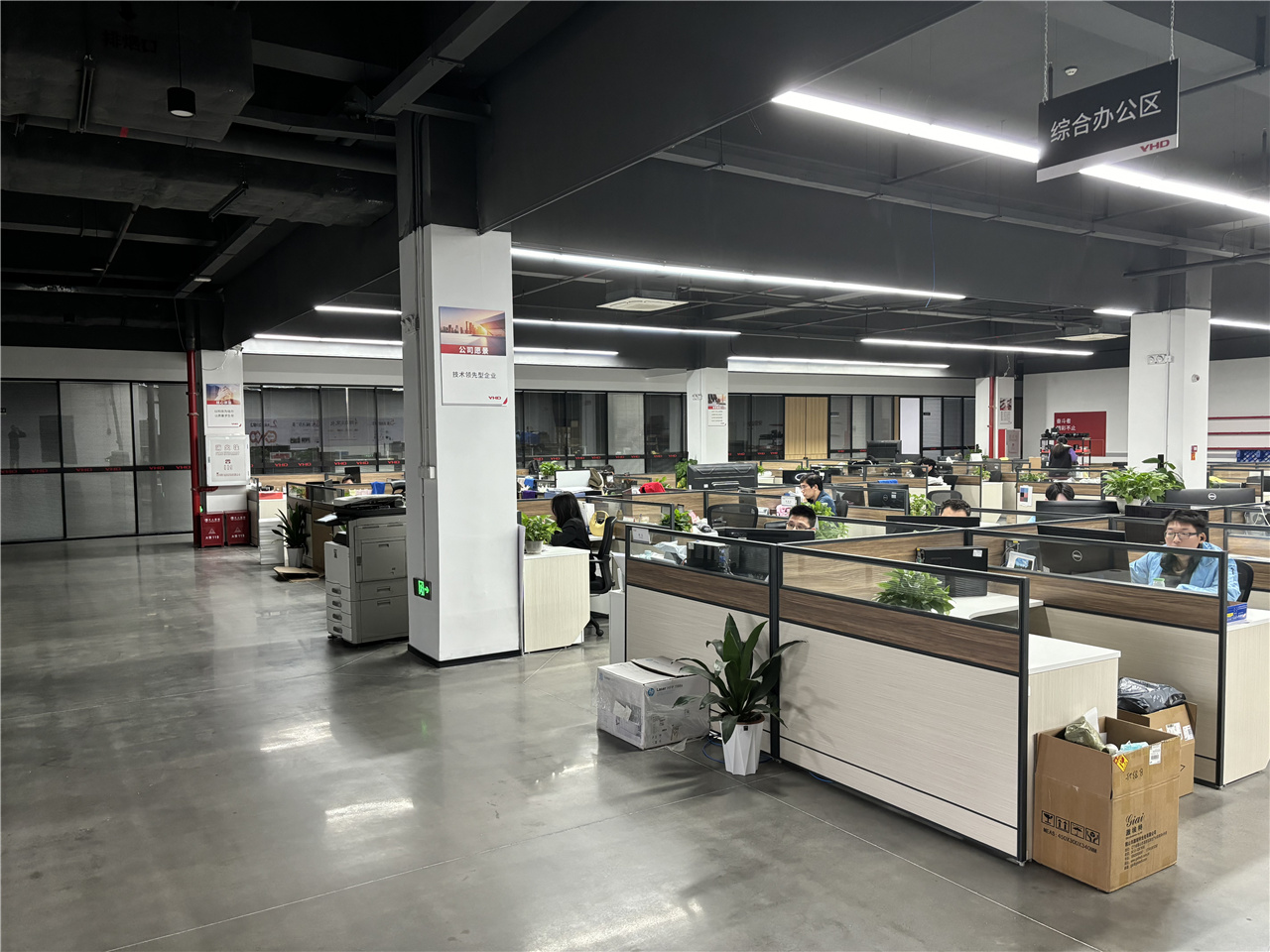
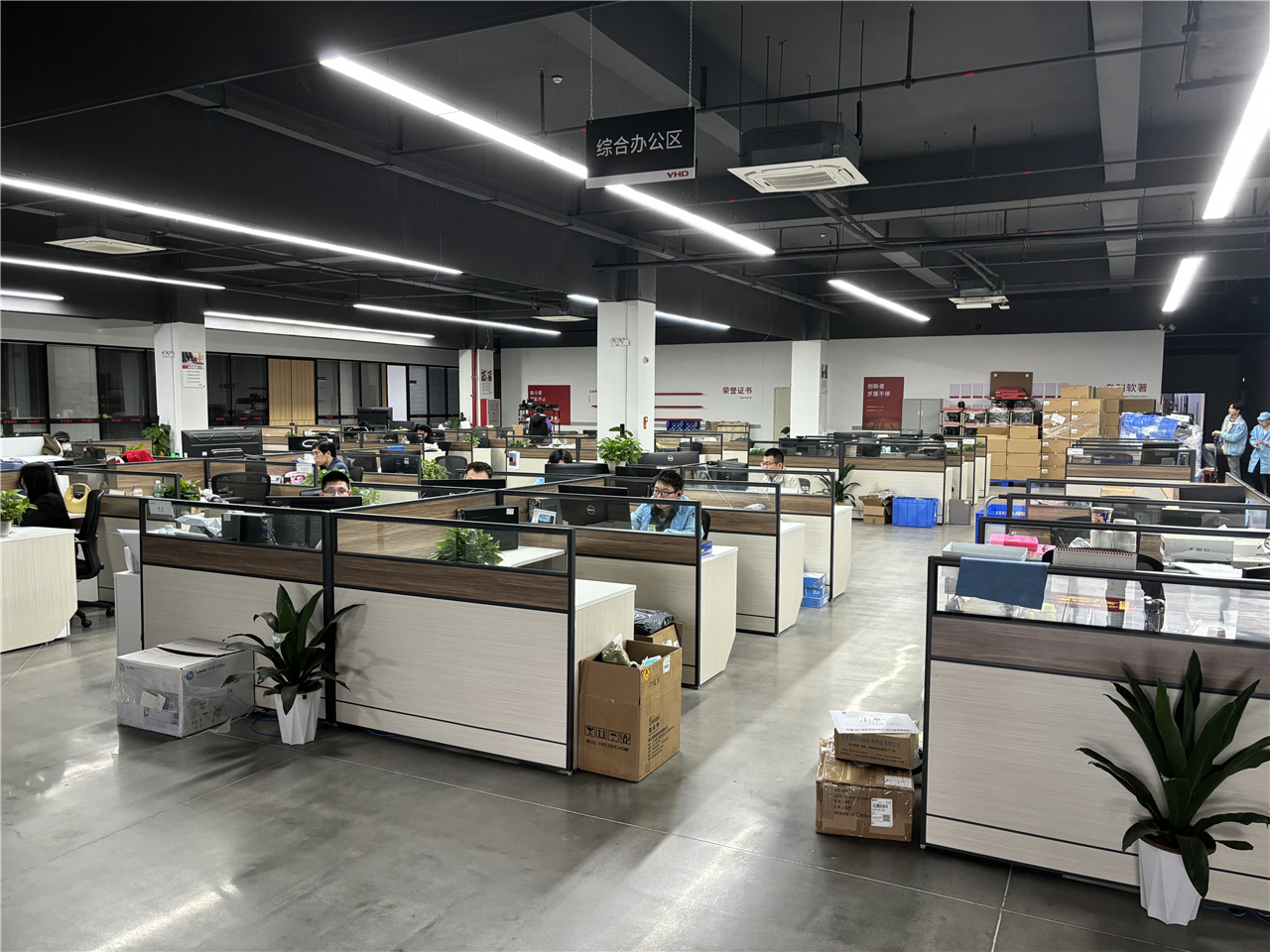
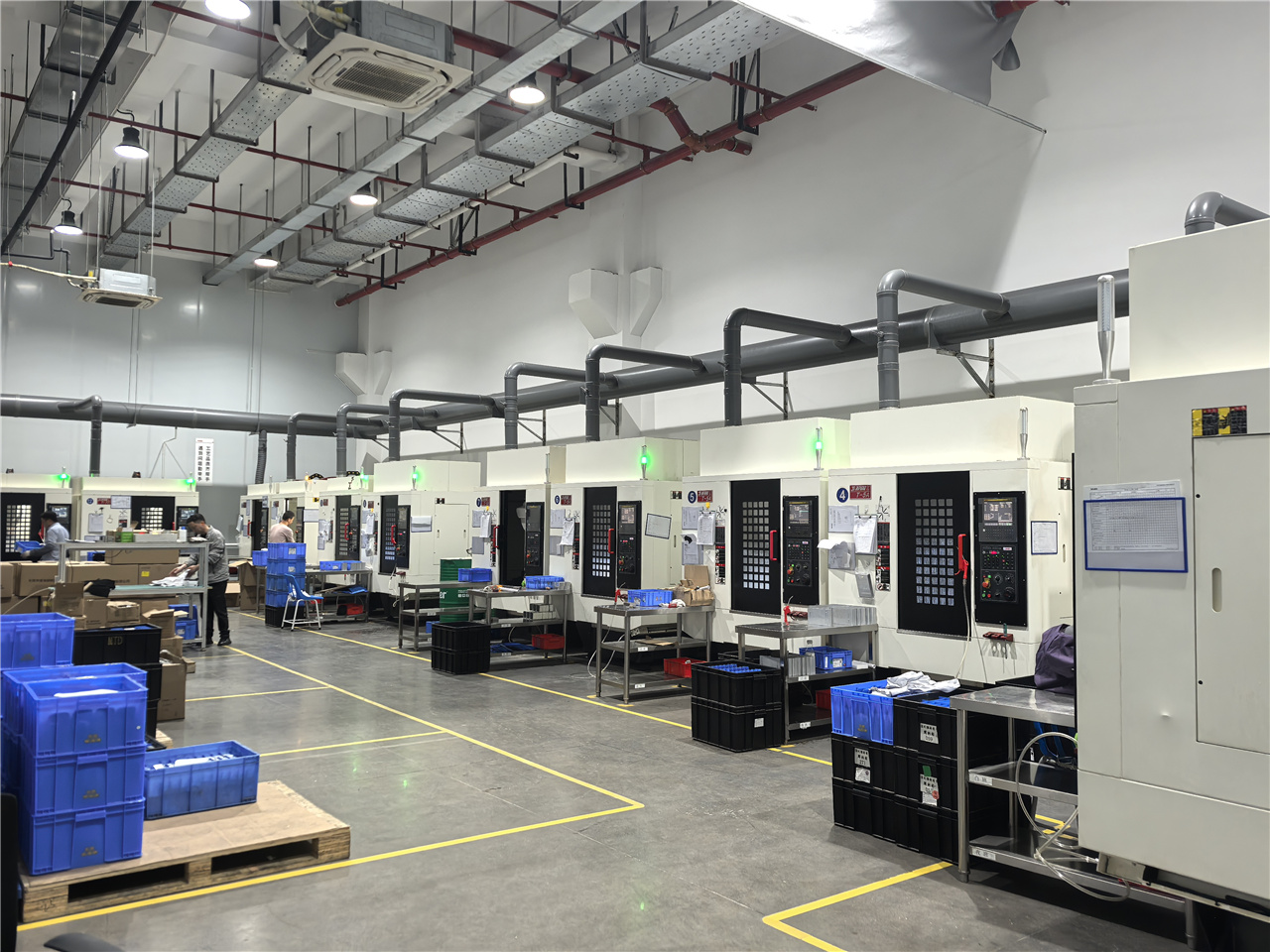
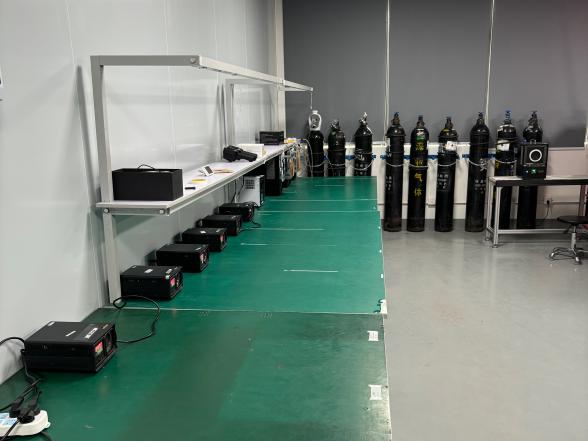
Our structured NPI process typically delivers certified prototypes within 8–12 weeks. Combined with stable supply chain support and group-level technical resources, we ensure on-time delivery and long-term product reliability.
By combining focused thermal imaging expertise with the backing of a listed parent company, Dianyang offers a rare blend of agility, quality, and scalability—helping global partners bring high-performance, certified thermal products to market with confidence.
Understanding the unique requirements of the Canadian market, we provide comprehensive support for businesses across all provinces and territories. Our products are designed to perform reliably in extreme Canadian weather conditions, from the humid maritime climate of the Atlantic provinces to the harsh Arctic conditions of Nunavut and the Northwest Territories.
We work closely with Canadian distributors, system integrators, and end-users to ensure our thermal imaging solutions meet local regulatory requirements and industry standards. Our commitment includes providing technical support in both English and French, accommodating Canada's bilingual business environment, and ensuring compliance with Canadian electrical and safety standards.
Major Canadian cities including Toronto, Montreal, Vancouver, Calgary, Edmonton, Ottawa, and Winnipeg have access to our growing network of authorized service centers and technical support teams. We understand that downtime is costly, particularly in critical infrastructure and industrial applications, and we prioritize rapid response and efficient service delivery across Canada's diverse geography.