Leave Your Message
Electrical substations form the backbone of modern power distribution networks, serving as critical nodes that transform voltage levels, regulate power flow, and ensure reliable electricity delivery to millions of consumers. As these facilities age and demand increases, the need for advanced predictive maintenance technologies has never been more urgent. Infrared thermal imaging sensors have emerged as indispensable tools for electrical substation maintenance, offering non-contact, real-time detection of potential failures before they escalate into catastrophic events.
The global electrical infrastructure is facing unprecedented challenges. According to industry research, over 70% of power transformers and substations in developed nations are more than 25 years old, operating beyond their designed lifespan. Simultaneously, the integration of renewable energy sources, electric vehicle charging infrastructure, and smart grid technologies is placing additional stress on these aging assets. This convergence has created a $4.8 billion market for infrared thermal imaging equipment in the power sector, projected to grow at 8.2% CAGR through 2030.
Infrared sensors detect electromagnetic radiation in the infrared spectrum (wavelengths between 0.75 to 1000 micrometers), which all objects emit based on their temperature. In electrical substations, abnormal heat signatures indicate potential problems such as loose connections, overloaded circuits, insulation degradation, or component failures. Modern infrared thermal cameras used in substation maintenance typically operate in two key spectral bands:
Optimal for detecting thermal patterns in electrical equipment, as most substation components emit peak radiation in this range. LWIR sensors provide superior performance in outdoor environments and through atmospheric interference.
Offers higher thermal contrast and better performance for detecting high-temperature anomalies in switchgear and circuit breakers, particularly useful for identifying arc flash precursors.
Infrared thermal imaging has evolved from periodic manual inspections to continuous automated monitoring systems integrated with SCADA (Supervisory Control and Data Acquisition) networks. The technology now serves multiple critical functions in substation maintenance:
Detecting hotspots at connection points where resistance increases due to corrosion, loosening, or inadequate contact pressure. Temperature differentials exceeding 15°C typically warrant immediate investigation.
Monitoring thermal patterns across transformer surfaces to identify cooling system failures, winding hot spots, and oil circulation problems that could lead to catastrophic failure.
Identifying internal contact degradation, improper lubrication, and mechanical wear that manifests as abnormal thermal signatures during operation.
Leading utilities report that implementing comprehensive infrared inspection programs reduces unplanned outages by 40-60% and extends equipment lifespan by 15-25%. For example, a major European transmission operator documented savings of €12 million annually after deploying fixed infrared monitoring systems across 230 substations, detecting 847 anomalies before they caused service interruptions.
The infrared sensor industry is experiencing rapid innovation driven by advances in detector technology, image processing algorithms, and artificial intelligence integration. Several key trends are reshaping substation maintenance practices:
Regulatory frameworks increasingly mandate thermal inspection programs for critical electrical infrastructure. NFPA 70B (Recommended Practice for Electrical Equipment Maintenance) recommends quarterly to annual infrared inspections based on equipment criticality. IEEE standards 1415 and 1584 provide guidelines for infrared inspection procedures and arc flash hazard assessment. In Europe, EN 13306 maintenance terminology standards incorporate condition-based maintenance using thermal imaging as a best practice.
Different substation components require tailored thermal imaging approaches based on their operational characteristics, accessibility, and failure modes:
Requires cameras with telephoto lenses (24° - 6° FOV) to maintain safe distances (minimum 10 feet per kV). Temperature measurement accuracy of ±2°C or ±2% is essential for detecting 10-15°C anomalies indicative of contact degradation. Cameras must operate reliably in electromagnetic environments with field strengths up to 50kV/m.
Standard lenses (42° - 25° FOV) suffice for closer inspection. Focus on load break switches, fuse holders, and cable terminations where resistive heating from poor connections is common. Thermal sensitivity of 50mK enables early detection of 5-8°C temperature rises.
For outdoor substations in harsh environments, cameras must withstand temperature extremes (-40°C to +60°C), precipitation (IP66/67 rating), and solar loading while maintaining calibration accuracy. Advanced systems incorporate automatic temperature compensation and solar reflection rejection algorithms to ensure measurement reliability.
The financial case for infrared-based predictive maintenance is compelling. Utilities typically achieve ROI within 18-24 months through multiple value streams:
The convergence of thermal imaging with IEC 61850 digital substation standards is creating new paradigms for asset management. Next-generation systems will feature:
Mobile platforms with integrated thermal sensors performing scheduled patrols, eliminating human exposure to hazardous environments.
Real-time thermal data feeding physics-based models that predict equipment behavior under various operating scenarios.
On-camera neural networks providing instant anomaly classification without cloud connectivity requirements.
As electrical grids evolve toward greater complexity with bidirectional power flows, distributed generation, and dynamic loading patterns, infrared thermal monitoring will transition from a maintenance tool to a critical operational asset—providing real-time visibility into equipment health and enabling proactive grid management strategies that enhance reliability while optimizing asset utilization.
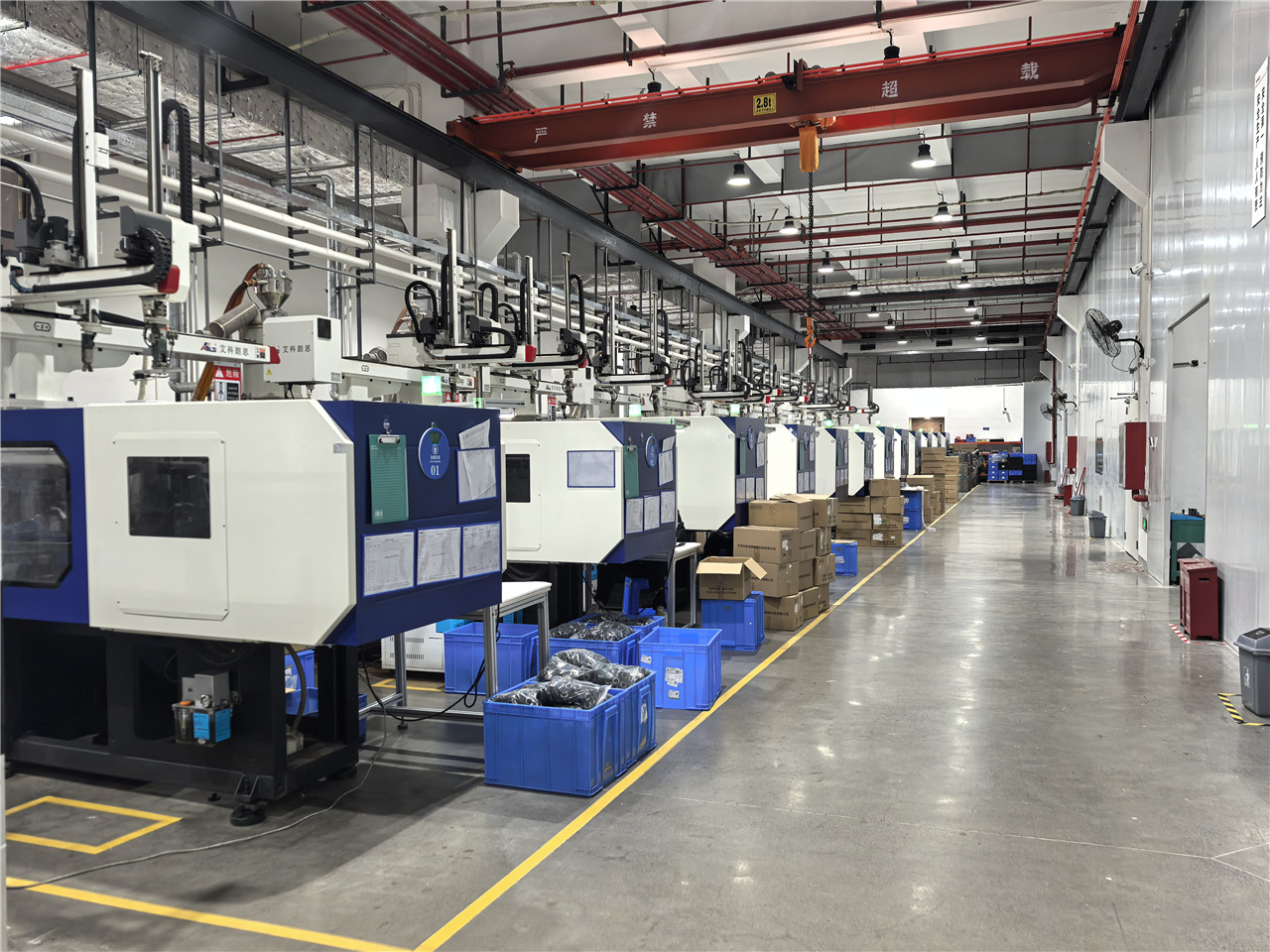
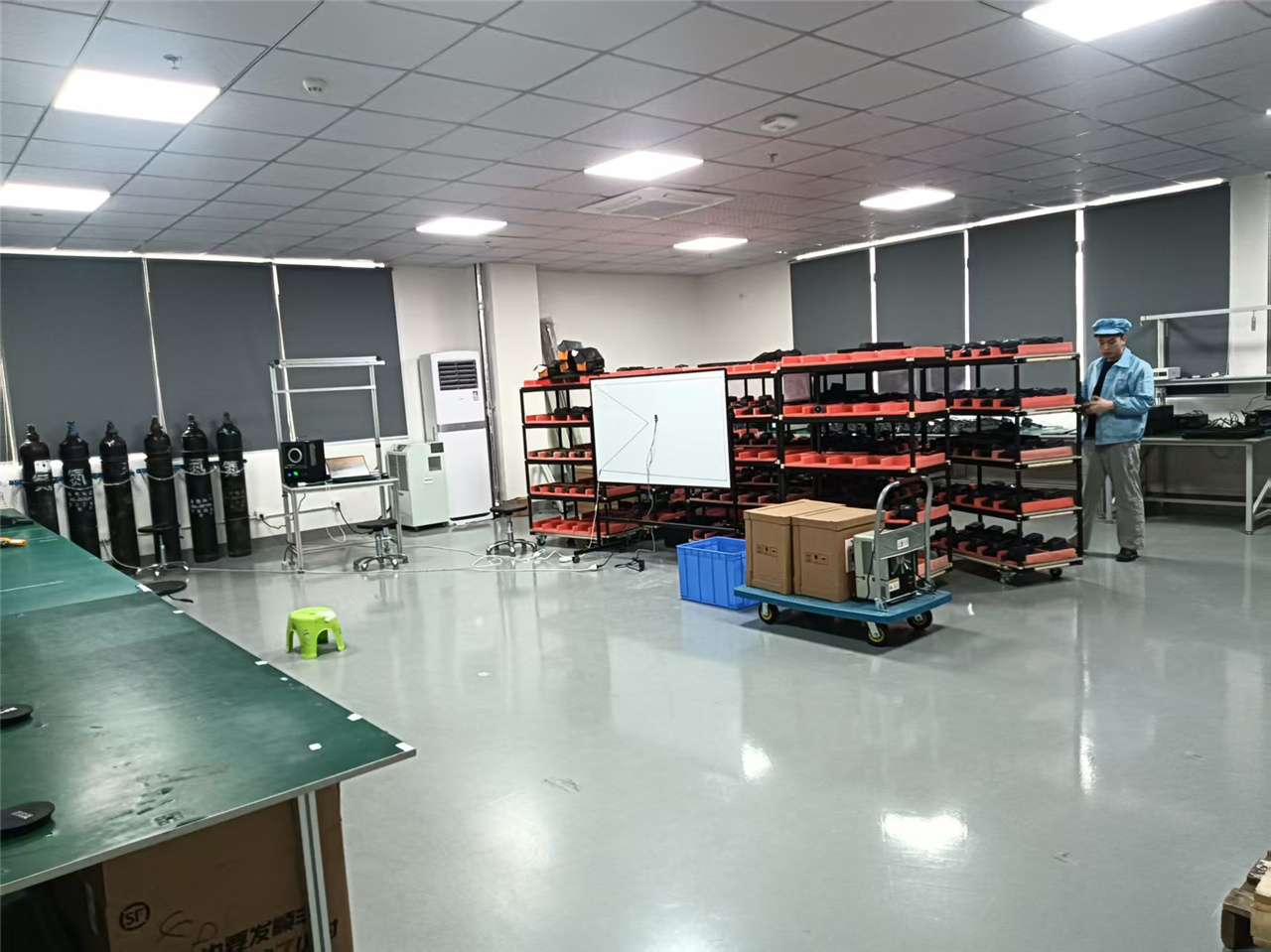
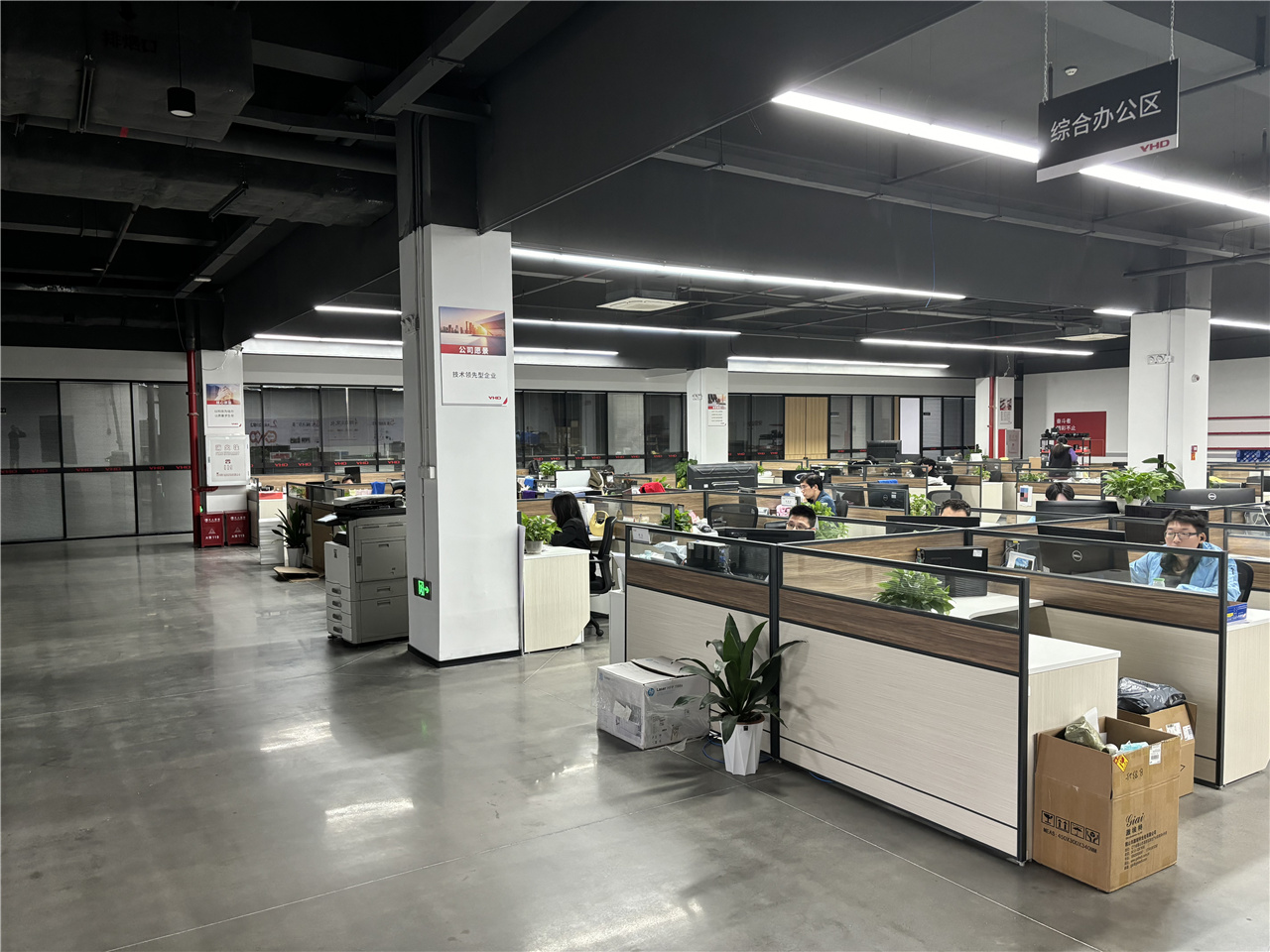
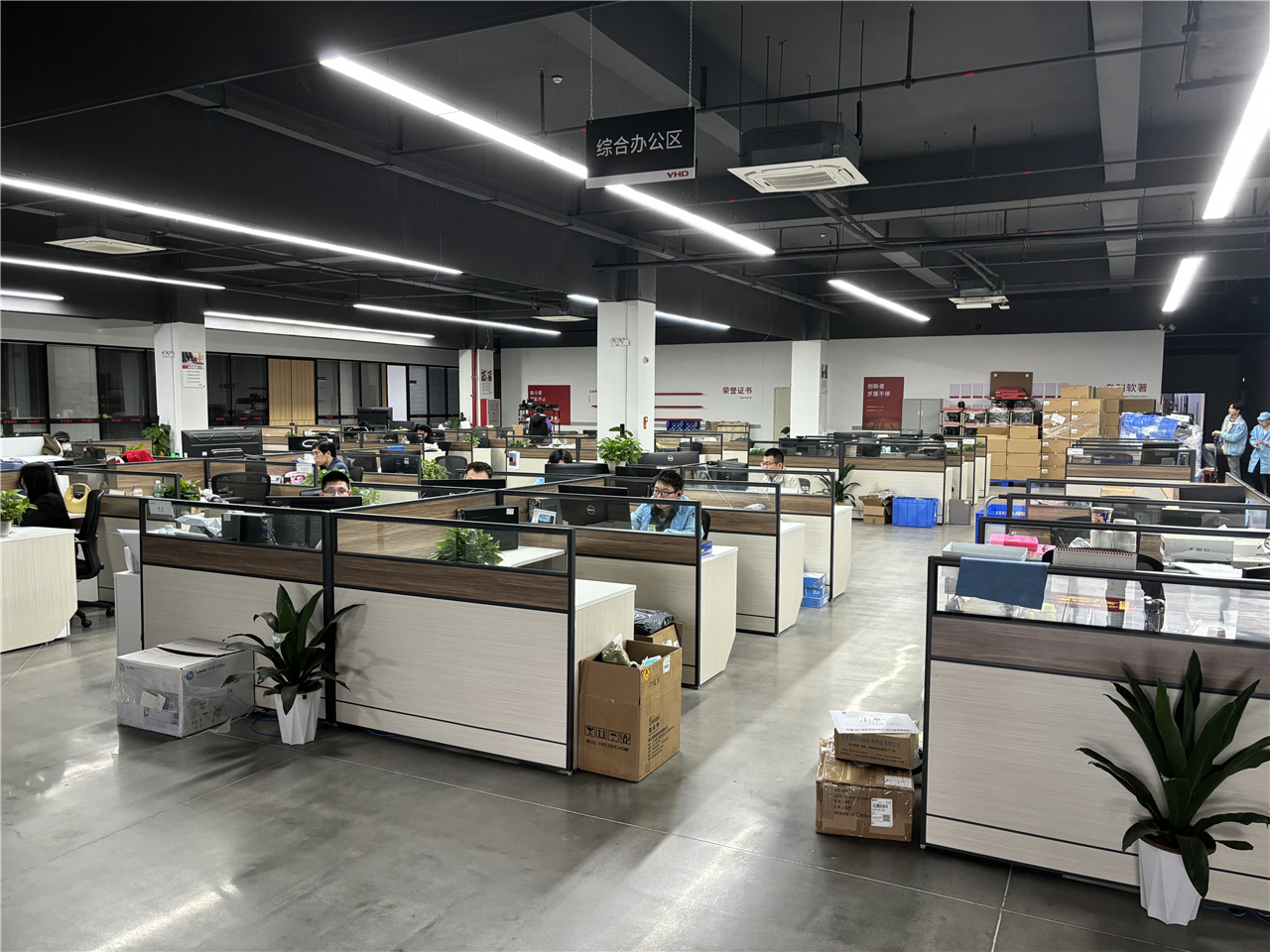
Shenzhen Dianyang Technology Co., Ltd. is a subsidiary of VHD (Shenzhen VHD Technology Co., Ltd.), a publicly listed company on the Shenzhen Stock Exchange. This strategic affiliation gives Dianyang unique access to VHD's advanced R&D platforms, high-precision manufacturing systems, and rigorous quality management practices—enabling us to deliver thermal imaging products of higher reliability and consistency than typical ODMs.
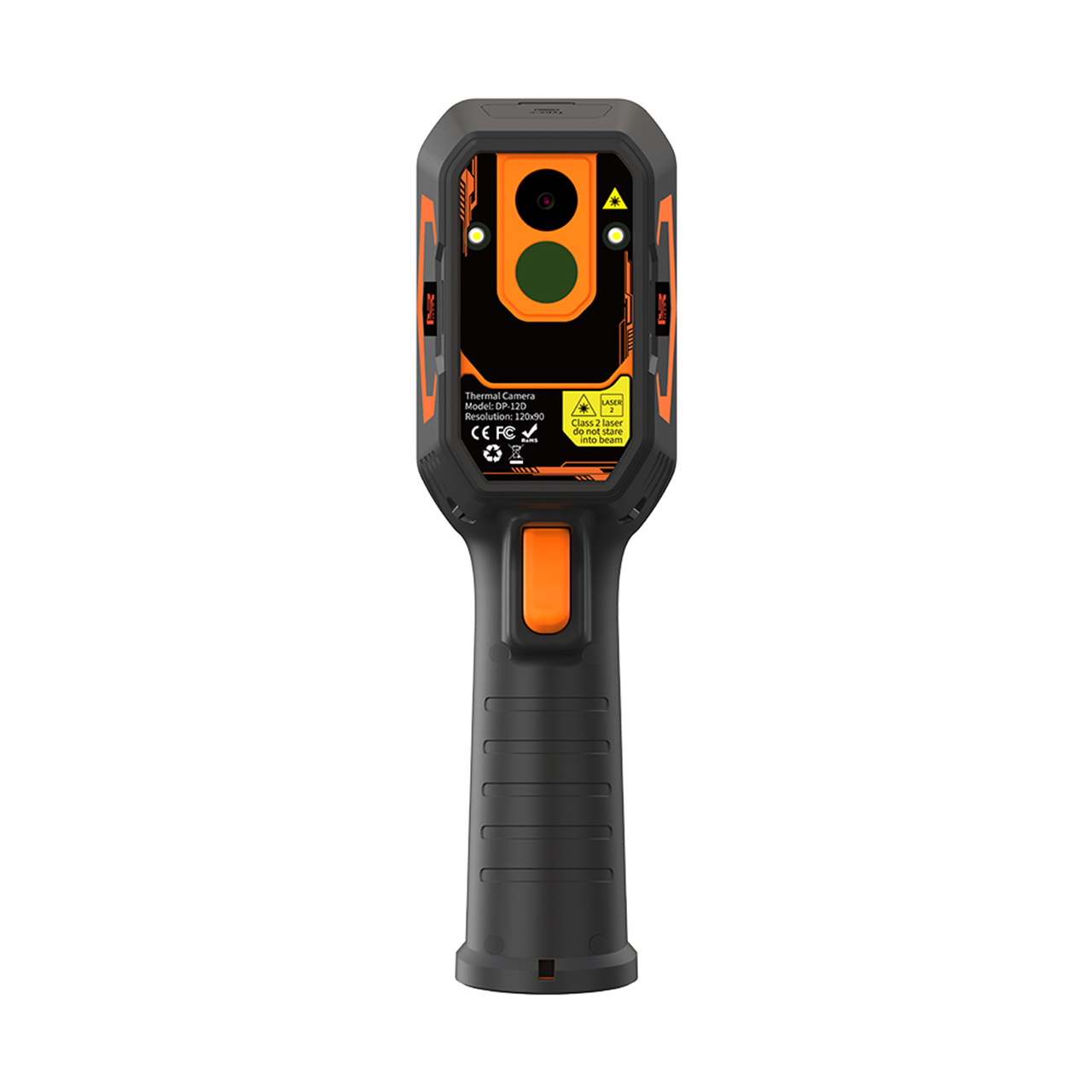
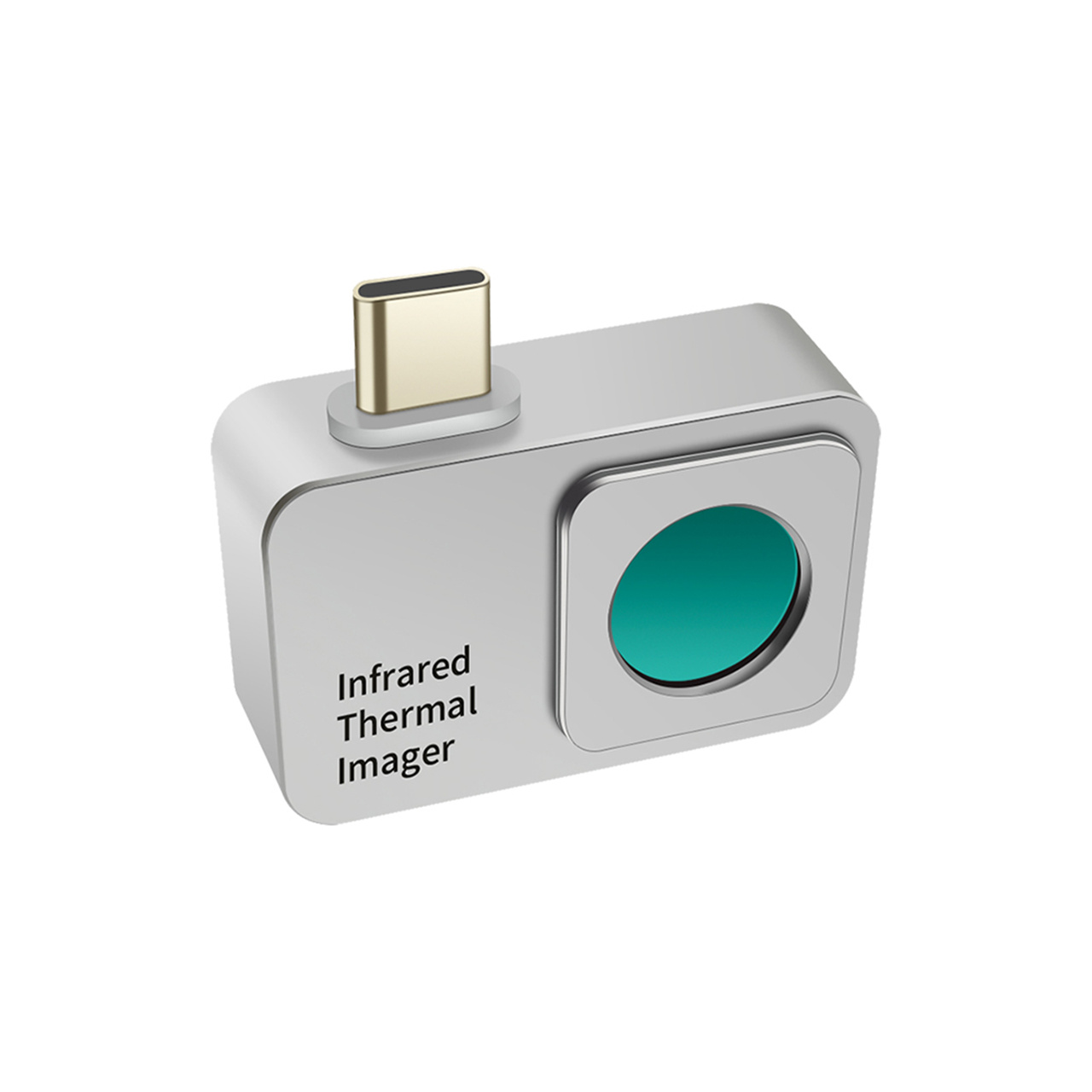
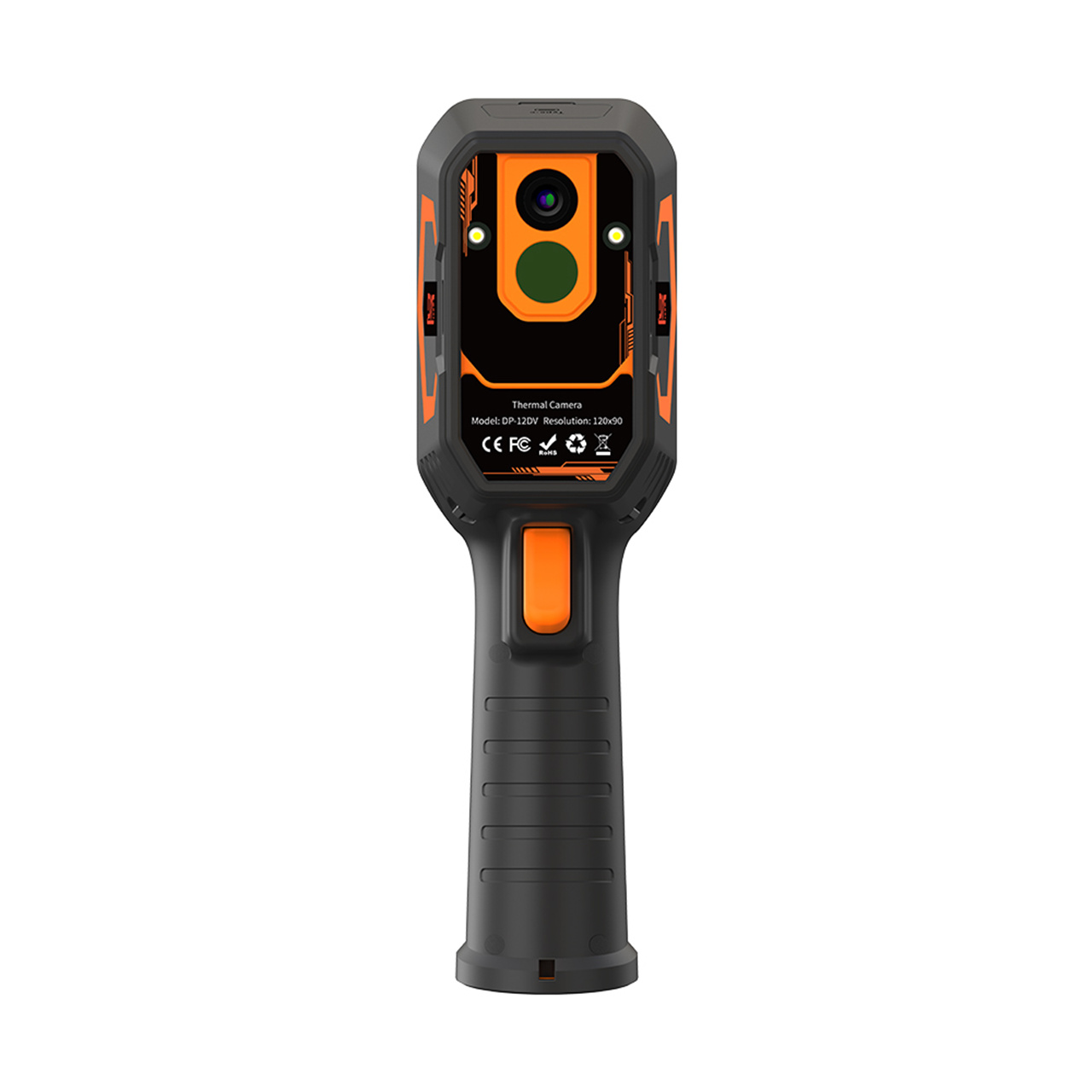
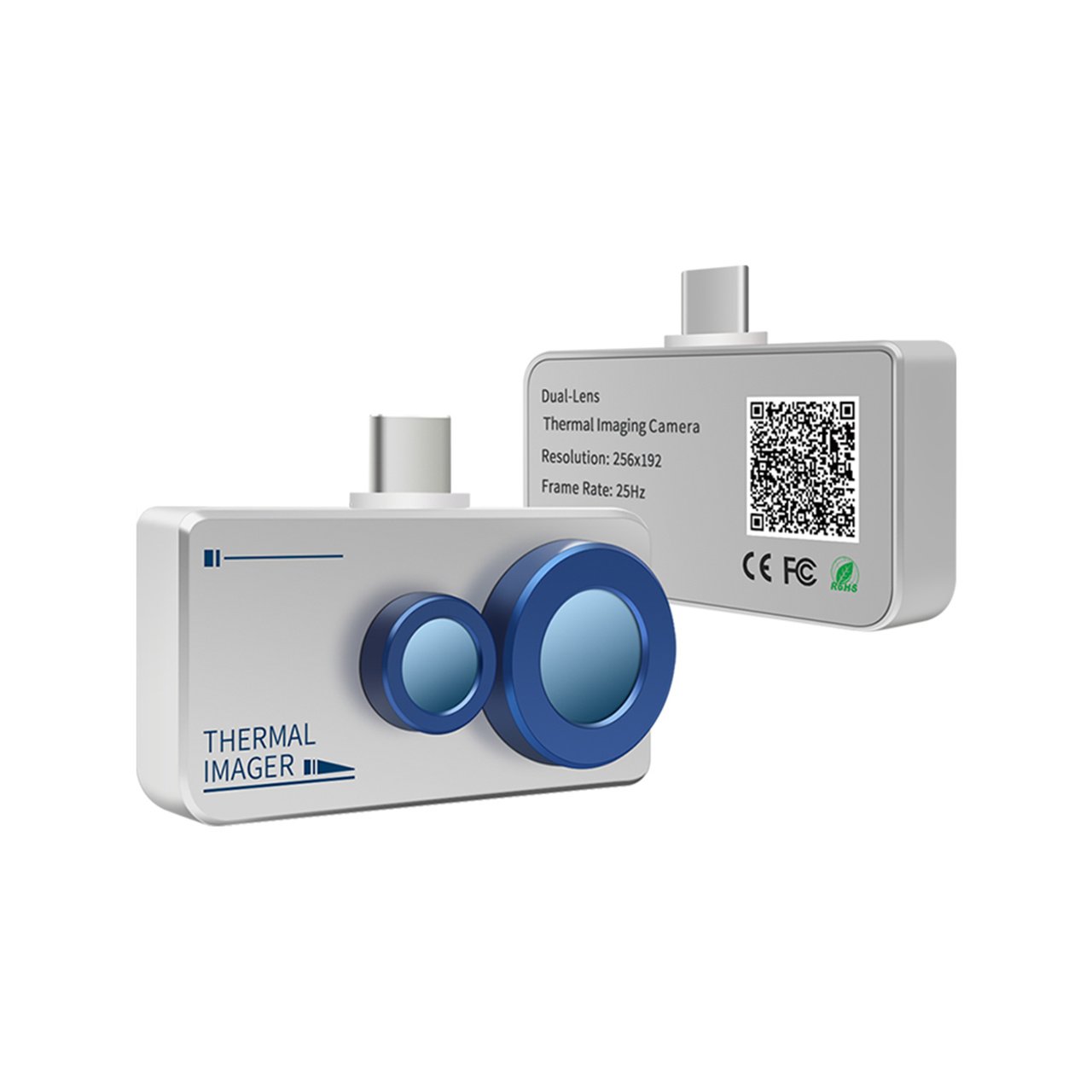
We specialize in ODM/OEM services for infrared thermal imaging solutions, including handheld thermal imagers, smartphone-connected thermal cameras, thermal analyzers, and thermal imaging telescopes. Our products serve global customers in power inspection, building diagnostics, firefighting, industrial maintenance, and outdoor applications.