Leave Your Message
Japan's military thermal imaging market has experienced significant growth in recent years, driven by increasing defense modernization initiatives and heightened security concerns in the Asia-Pacific region. The Japan Self-Defense Forces (JSDF) have been actively upgrading their surveillance and reconnaissance capabilities, with thermal imaging technology playing a crucial role in border security, maritime patrol, and tactical operations.
The Japanese government's commitment to strengthening national defense has resulted in substantial investments in advanced thermal camera systems. According to recent defense procurement reports, Japan allocated approximately ¥5.4 trillion (USD $40 billion) for defense spending in 2024, with a significant portion dedicated to cutting-edge surveillance technologies including military-grade thermal imaging systems.
Military thermal cameras in Japan serve multiple strategic purposes: coastal surveillance along Japan's extensive maritime borders, mountain terrain monitoring in regions like Hokkaido and the Japanese Alps, urban security applications in major metropolitan areas like Tokyo and Osaka, and disaster response operations where thermal imaging assists in search and rescue missions during earthquakes and typhoons.

The integration of artificial intelligence with thermal imaging technology represents a major trend in Japan's military thermal camera sector. Japanese defense contractors are developing AI-powered thermal systems capable of automatic target recognition, threat classification, and predictive analytics. These systems can distinguish between civilian and military vehicles, identify personnel movements in complex environments, and provide real-time intelligence to command centers.
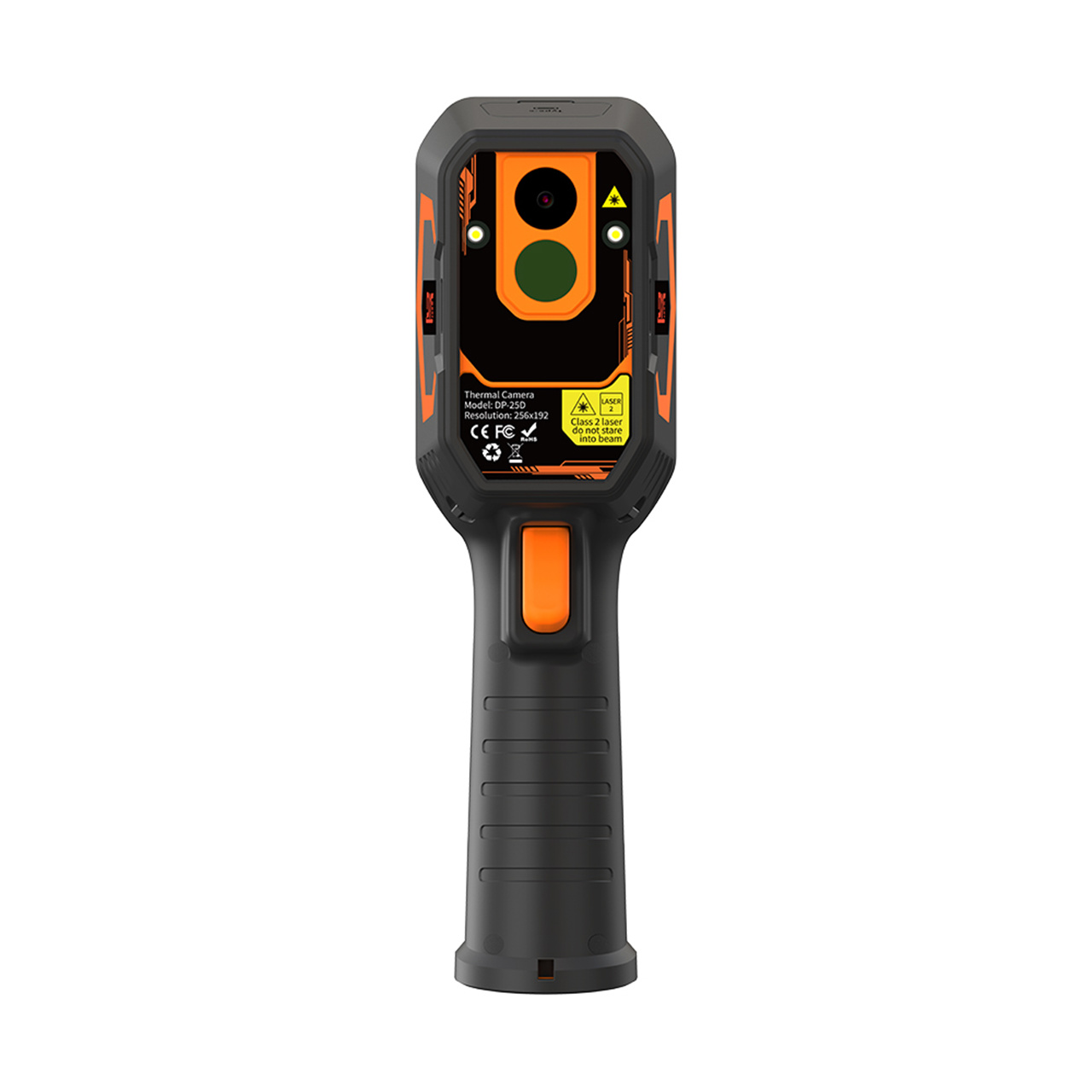
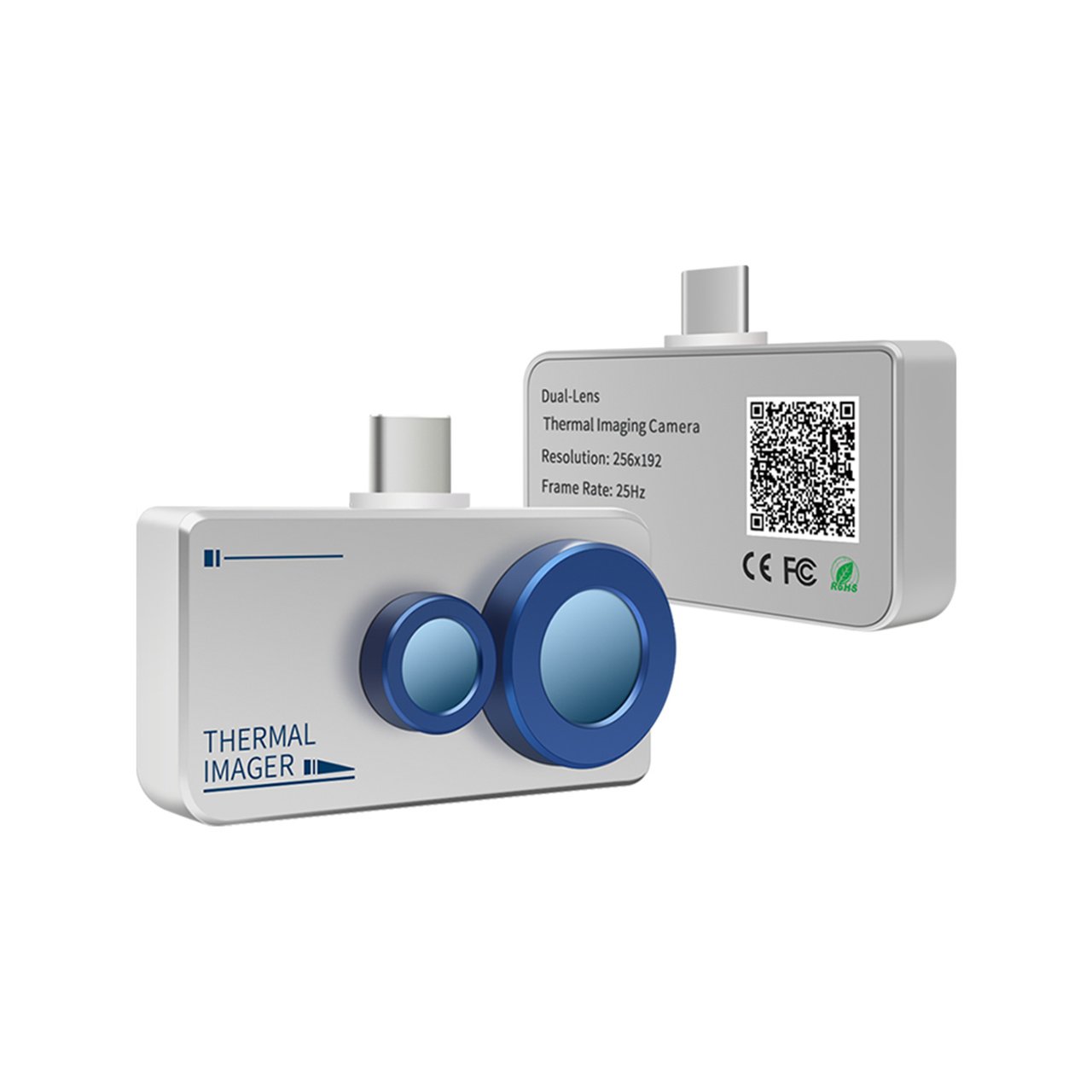
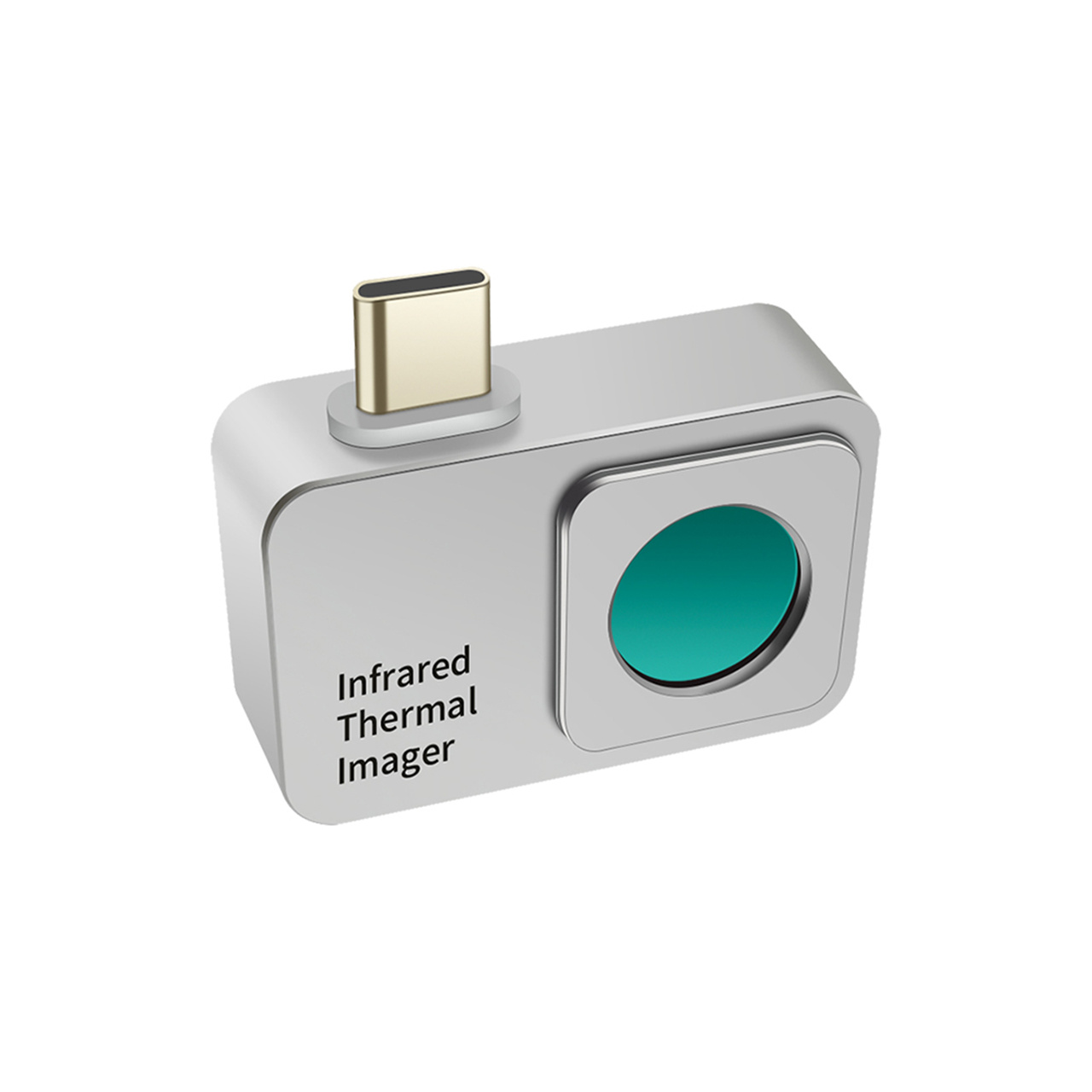
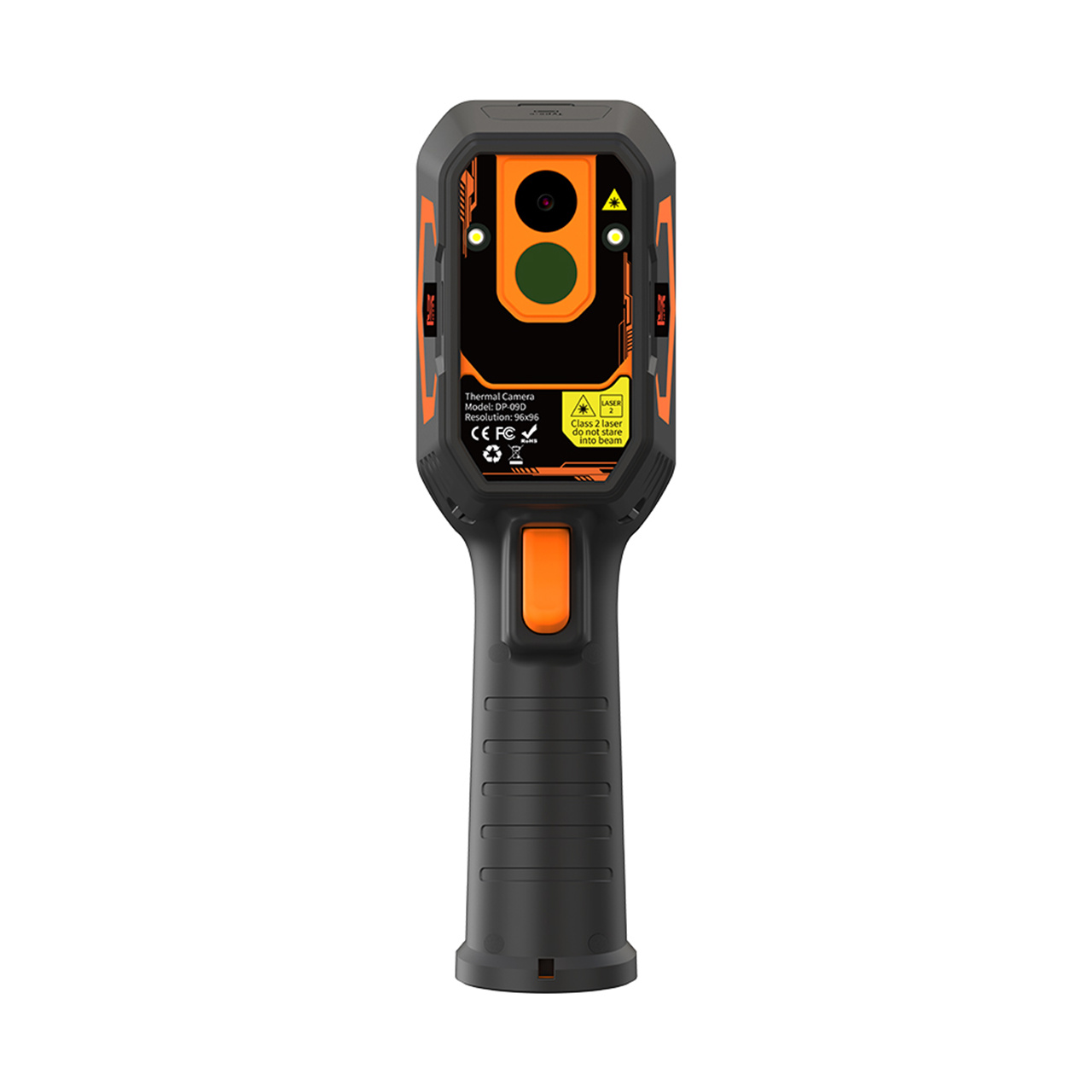
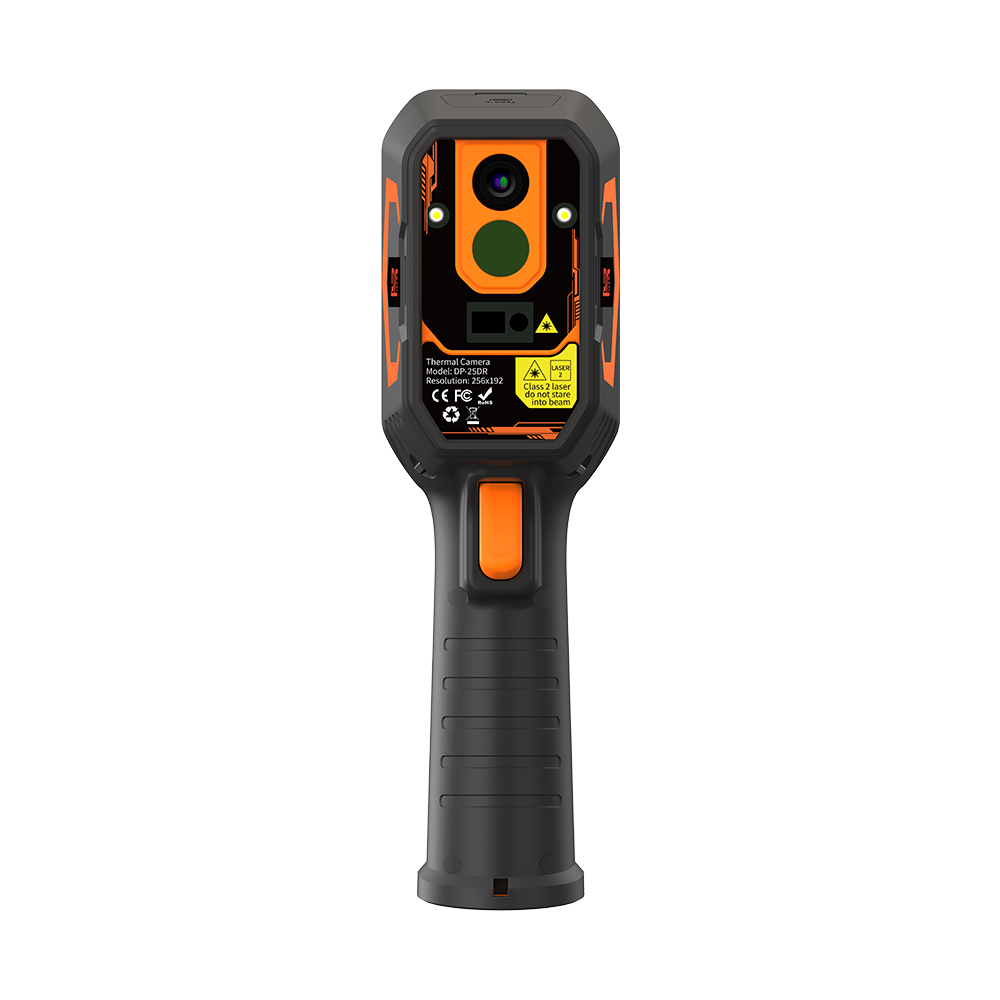
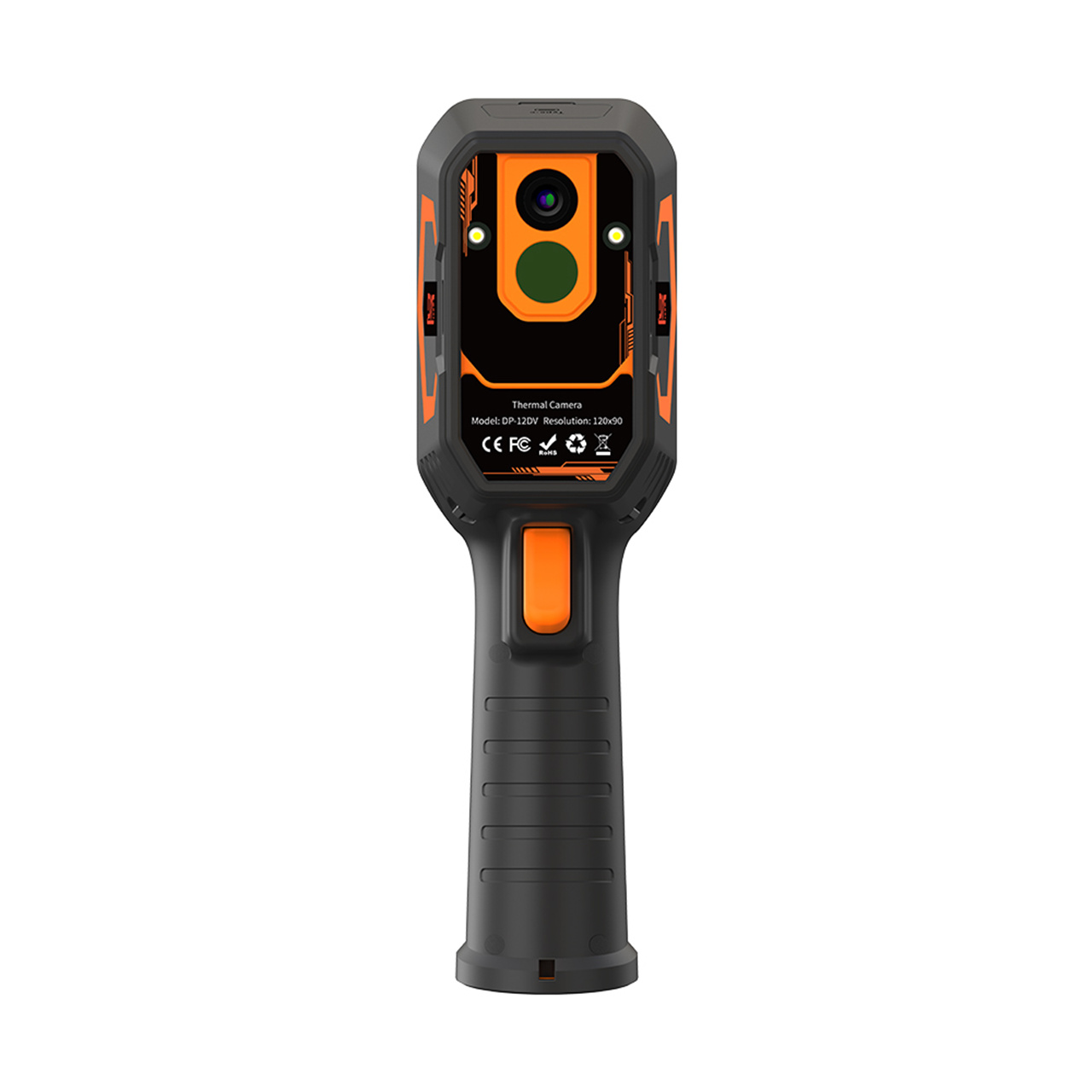
Japanese manufacturers are pioneering the development of compact, lightweight thermal cameras suitable for drone deployment and individual soldier equipment. The trend toward miniaturization allows for greater tactical flexibility, with thermal imaging capabilities now available in handheld devices, smartphone attachments, and unmanned aerial vehicles (UAVs). This is particularly relevant for Japan's mountainous terrain and island defense requirements.
The Japan Maritime Self-Defense Force has shown particular interest in maritime-specific thermal imaging solutions for vessel detection, anti-piracy operations, and monitoring activities in disputed waters. Advanced thermal cameras with long-range detection capabilities are being deployed on patrol vessels and coastal monitoring stations throughout Japan's extensive coastline.
Another significant trend is the dual-use application of military thermal technology for civilian purposes. Japan's frequent natural disasters have created demand for thermal cameras that serve both defense and disaster response functions. Systems deployed for border security can be quickly repurposed for earthquake victim detection, volcanic activity monitoring, and typhoon damage assessment.
Advanced thermal imaging systems monitor Japan's 29,751 km coastline, detecting unauthorized vessels and potential security threats in all weather conditions, day and night.
Thermal cameras secure power plants, military bases, government facilities, and communication centers across Japan, providing 24/7 perimeter surveillance and intrusion detection.
Portable thermal imaging devices enhance JSDF ground operations, enabling night vision capabilities, target acquisition, and situational awareness in urban and rural environments.
Military-grade thermal cameras assist in earthquake rescue operations, volcanic monitoring, and typhoon damage assessment, demonstrating versatile dual-use capabilities.
The northernmost prefecture of Hokkaido presents unique challenges for military surveillance due to harsh winter conditions, remote terrain, and proximity to disputed territories. Military thermal cameras deployed in this region must operate effectively in temperatures as low as -30°C while providing clear imaging through snow, fog, and blizzard conditions. Fixed installations along the coastline and mobile units patrol the Soya Strait and surrounding waters.
In Okinawa and the Ryukyu Islands, thermal imaging systems play a critical role in maritime domain awareness. The strategic location of these islands requires sophisticated thermal camera networks capable of long-range vessel detection, small boat identification, and coordination with aerial surveillance platforms. The warm, humid climate necessitates specialized equipment resistant to salt corrosion and moisture intrusion.
The capital city's security requirements include protection of government buildings, diplomatic facilities, and critical transportation hubs. Urban-optimized thermal cameras with facial recognition integration and crowd monitoring capabilities are deployed throughout Tokyo, providing multi-layered security for high-value targets and public spaces.

Military thermal imaging technology contributes to monitoring Japan's active volcanoes, particularly Mount Fuji. These systems detect temperature anomalies, gas emissions, and surface changes that may indicate increased volcanic activity, supporting both national security and public safety objectives.
Major ports handling sensitive cargo and military shipments utilize thermal camera systems for container inspection, perimeter security, and vessel tracking. These installations integrate with customs systems and provide real-time alerts for suspicious activities or unauthorized access attempts.

We provide professional consultation to help you choose the optimal thermal imaging solution based on your application, budget, and technical requirements. Our engineering team can recommend suitable sensors, lenses, temperature ranges, and interface options tailored to Japan's specific defense and security needs.
We support full customization, including housing & industrial design, PCB and hardware customization, firmware/APP/PC software development, branding, packaging, and UI customization, specialized algorithms (temperature analysis, AI/ML, etc.). Our R&D team works closely with you from concept to mass production, ensuring compliance with Japanese military specifications.
We offer detailed datasheets, SDK/API, integration guidelines, and sample testing reports to ensure clear understanding before purchase. All documentation is available in both English and Japanese to facilitate seamless communication with JSDF procurement teams.
Evaluation samples are available for testing and validation in Japan's diverse environmental conditions. We provide quick dispatch and technical support during your trial phase, including on-site demonstrations at customer facilities across Japan.
Each project is assigned a dedicated project manager and engineer to ensure smooth communication, timely updates, and technical alignment. Our team coordinates with Japanese defense contractors and maintains strict adherence to delivery schedules.
We implement strict QC standards, including incoming testing, calibration, NUC tests, aging tests, and final inspections. All units follow ISO-based production workflows and meet Japanese Industrial Standards (JIS) requirements for military equipment.
We support small-batch pilot runs, medium-volume scaling, and mass production with stable lead times and cost-effective solutions. Our manufacturing capacity accommodates urgent defense procurement requirements and long-term supply agreements.
Production progress, inspection reports, and shipping timelines are shared with customers to ensure full transparency. Our online portal provides 24/7 access to order status, quality certificates, and logistics information.
Our engineering team provides prompt technical support for integration, SDK usage, firmware configuration, and product debugging. We maintain a support office in Japan with Japanese-speaking technical staff available for on-site assistance.
All products come with a standard warranty. We offer free repair or replacement for manufacturing defects, paid maintenance for out-of-warranty products, and fast turnaround for urgent cases. Our Japan service center ensures minimal downtime for critical defense installations.
We regularly release firmware updates, bug fixes, and feature improvements to enhance product performance and stability. Security patches and performance optimizations are provided to maintain operational readiness of deployed systems.
We commit to stable supply, component lifecycle management, and long-term product support to ensure your business continuity. Our partnership approach includes technology transfer options and local manufacturing support for qualified Japanese defense contractors.
Operating in Japan's military thermal camera market requires strict adherence to various regulatory frameworks and standards. Our products comply with Japanese export control regulations under the Foreign Exchange and Foreign Trade Act, ensuring proper licensing for defense-related equipment. We maintain certifications for electromagnetic compatibility (EMC) standards as specified by Japan's Ministry of Internal Affairs and Communications.
Environmental compliance is paramount, with all products meeting Japan's stringent RoHS (Restriction of Hazardous Substances) requirements and the country's unique recycling regulations. Our thermal cameras are designed to withstand Japan's diverse climate conditions, from Hokkaido's sub-zero winters to Okinawa's tropical humidity, meeting or exceeding MIL-STD-810G environmental testing standards.
In alignment with Japan's Act on the Protection of Specially Designated Secrets, our systems incorporate advanced encryption protocols, secure data transmission, and tamper-proof hardware designs. We provide comprehensive security documentation and work closely with Japanese cybersecurity agencies to ensure our thermal imaging systems meet national security requirements.
Our commitment to the Japanese market extends beyond product delivery. We maintain strategic partnerships with local system integrators, provide training programs for JSDF personnel, and contribute to Japan's defense industrial base through technology sharing and collaborative development initiatives. This localized approach ensures our thermal camera solutions are not just imported products, but integrated components of Japan's comprehensive defense strategy.