Leave Your Message
Belgium, strategically positioned at the heart of Europe, plays a crucial role in the continental defense and security landscape. As home to NATO headquarters in Brussels and a member of the European Union, Belgium maintains sophisticated military capabilities and robust security infrastructure. The demand for advanced military thermal cameras in Belgium continues to grow, driven by modernization programs, border security requirements, and participation in international peacekeeping operations.
The Belgian defense sector has consistently invested in cutting-edge surveillance and reconnaissance technologies. Military thermal cameras serve as essential tools for the Belgian Armed Forces, enabling night operations, perimeter security, search and rescue missions, and threat detection across various operational environments. From the dense Ardennes forests to urban security operations in major cities like Brussels, Antwerp, and Liège, thermal imaging technology provides Belgian military and security forces with critical situational awareness capabilities.
Belgium's unique position as a NATO hub and EU member state creates significant opportunities for military thermal camera suppliers and exporters. The country's defense procurement processes emphasize technological excellence, interoperability with allied forces, and compliance with stringent European standards. Belgian military organizations regularly collaborate with international partners, creating demand for standardized, high-performance thermal imaging systems that meet both national security requirements and multinational operational standards.
Belgium's thermal camera industry extends far beyond military applications, encompassing a diverse commercial and industrial ecosystem. The country hosts several world-class research institutions, including IMEC (Interuniversity Microelectronics Centre) and various universities conducting advanced research in photonics, sensor technology, and infrared imaging. This academic excellence contributes to Belgium's reputation as a European center for thermal imaging innovation.
The Belgian market for thermal cameras spans multiple sectors including defense contractors, security companies, industrial maintenance providers, and infrastructure management organizations. Major Belgian ports such as Antwerp and Zeebrugge utilize thermal imaging for security surveillance and cargo inspection. The country's extensive rail network, managed by SNCB/NMBS, employs thermal technology for infrastructure monitoring and safety applications.
Belgium's position within the Schengen Area requires sophisticated border monitoring capabilities. Thermal cameras enable 24/7 surveillance along Belgium's borders with France, Germany, Luxembourg, and the Netherlands, detecting unauthorized crossings and supporting customs operations.
Belgian energy facilities, including nuclear power plants at Doel and Tihange, chemical processing plants in the Antwerp region, and telecommunications infrastructure require advanced perimeter security systems incorporating military-grade thermal imaging technology.
Belgian federal and local police forces utilize thermal cameras for surveillance operations, search and rescue missions, crowd monitoring during large events, and tactical operations in urban environments. The integration of thermal imaging with helicopter and drone platforms enhances operational effectiveness.
The Belgian defense industry includes prominent companies such as FN Herstal, CMI Defence, and Thales Belgium, which integrate thermal imaging systems into various military platforms. These companies often seek reliable thermal camera suppliers capable of meeting stringent military specifications, providing opportunities for qualified exporters to enter the Belgian market through partnership arrangements.
Belgium's chemical and pharmaceutical industries, concentrated in regions around Antwerp and Ghent, represent another significant market segment. These facilities require thermal imaging for process monitoring, safety inspections, and security applications. The country's commitment to industrial safety standards creates ongoing demand for high-quality thermal camera systems.
The Belgian market increasingly demands thermal cameras with enhanced capabilities including higher resolution sensors, artificial intelligence integration, multi-spectral imaging, and improved connectivity features. The trend toward networked security systems drives demand for thermal cameras with advanced data processing, cloud connectivity, and integration with command and control platforms.
Belgian defense modernization programs emphasize unmanned systems, with thermal cameras playing crucial roles in UAV (Unmanned Aerial Vehicle) and UGV (Unmanned Ground Vehicle) applications. The Belgian Armed Forces' investment in drone technology for reconnaissance and surveillance creates opportunities for lightweight, high-performance thermal imaging modules suitable for aerial platforms.
Belgium actively participates in European defense cooperation initiatives including PESCO (Permanent Structured Cooperation) and European Defence Fund programs. These collaborative frameworks encourage standardization and interoperability, influencing procurement decisions toward thermal imaging systems that meet pan-European specifications and can integrate seamlessly with allied forces' equipment.
Belgian research institutions focus on several cutting-edge areas relevant to military thermal imaging:
The Belgian government's commitment to defense spending, aligned with NATO's 2% GDP target, ensures continued investment in military equipment modernization. This policy environment creates favorable conditions for thermal camera suppliers offering advanced, cost-effective solutions that enhance Belgian defense capabilities.
Belgium's strong environmental regulations and commitment to sustainability influence procurement decisions. Military thermal camera suppliers entering the Belgian market should emphasize energy efficiency, recyclable materials, long product lifecycles, and compliance with EU environmental directives including RoHS and REACH. The Belgian Armed Forces increasingly prioritize equipment with reduced environmental footprints, creating competitive advantages for suppliers demonstrating environmental responsibility.
Belgian military installations, including the Leopoldsburg military base, Florennes Air Base, and various army barracks throughout the country, require comprehensive perimeter security systems. Military-grade thermal cameras provide 24/7 monitoring capabilities, detecting intrusions regardless of lighting conditions or weather. These systems integrate with access control, alarm systems, and command centers to provide layered security for sensitive military facilities.
The unique challenge of securing military bases in densely populated Belgium requires thermal imaging systems with advanced analytics to distinguish between genuine threats and civilian activity in adjacent areas. Suppliers offering systems with intelligent video analytics, false alarm reduction, and integration capabilities find strong demand in this application segment.
The Port of Antwerp, Europe's second-largest port, and the Port of Zeebrugge represent critical economic infrastructure requiring sophisticated security measures. Military-grade thermal cameras monitor port facilities, detect unauthorized vessel movements, support customs inspections, and enhance maritime domain awareness. Belgium's position as a major gateway for European trade necessitates robust security measures to prevent smuggling, terrorism, and other maritime threats.
Thermal imaging systems deployed in Belgian ports must withstand harsh maritime environments including salt spray, fog, and temperature variations. Long-range thermal cameras enable monitoring of extensive waterfront areas, while shorter-range systems provide detailed surveillance of cargo handling zones and critical infrastructure.
Belgium's varied geography, from the coastal plains of West Flanders to the forested hills of the Ardennes, requires versatile thermal imaging solutions. Border surveillance operations must adapt to different environmental conditions, vegetation densities, and topographical challenges. Military thermal cameras enable Belgian border security forces to maintain effective surveillance across this diverse landscape.
The Ardennes region, with its dense forests and limited road infrastructure, presents particular challenges for border monitoring. Thermal cameras mounted on mobile platforms, temporary observation posts, and fixed installations provide comprehensive coverage, detecting cross-border movement that might evade visual surveillance.
Brussels, as the de facto capital of the European Union and home to NATO headquarters, hosts numerous diplomatic missions, international organizations, and government buildings requiring high-level security. Military-grade thermal cameras contribute to multi-layered security systems protecting these sensitive facilities against various threats including terrorism, espionage, and unauthorized access.
The concentration of high-value targets in Brussels' European Quarter creates demand for sophisticated, networked thermal imaging systems capable of coordinating with broader security infrastructure. Integration with facial recognition systems, vehicle identification technology, and centralized monitoring platforms enhances the effectiveness of thermal cameras in this application.
The Belgian Air Component operates various aircraft and helicopters that can benefit from advanced thermal imaging systems. Airborne thermal cameras support search and rescue operations, border patrol, maritime surveillance, and tactical reconnaissance missions. The integration of thermal imaging with Belgium's NH90 helicopters and other platforms enhances operational capabilities across various mission profiles.
Belgium's participation in international peacekeeping missions creates requirements for thermal imaging systems suitable for deployment in diverse global environments. Suppliers offering ruggedized, adaptable thermal cameras capable of performing in extreme climates find opportunities in this market segment.
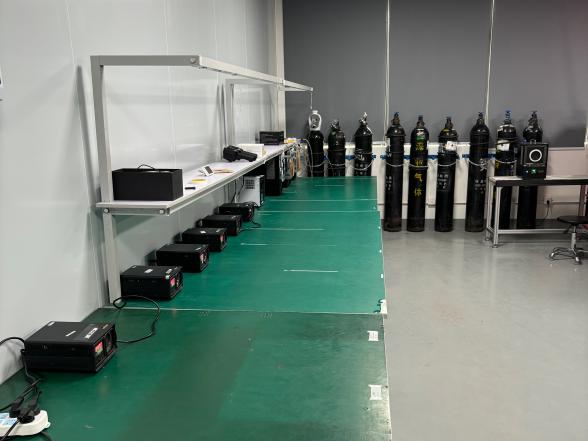
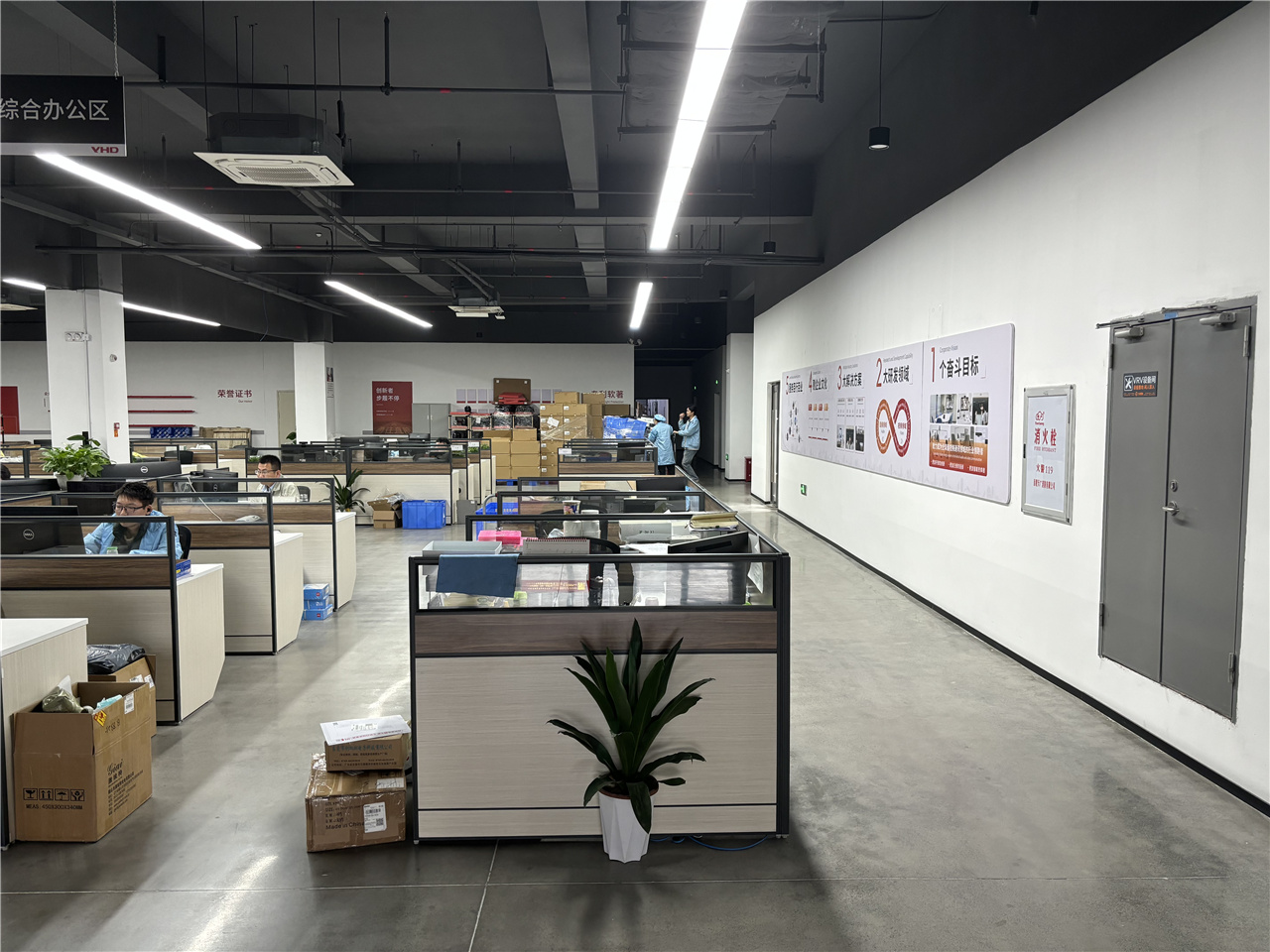
Shenzhen Dianyang Technology Co., Ltd. is a subsidiary of VHD (Shenzhen VHD Technology Co., Ltd.), a publicly listed company on the Shenzhen Stock Exchange. This strategic affiliation gives Dianyang unique access to VHD's advanced R&D platforms, high-precision manufacturing systems, and rigorous quality management practices—enabling us to deliver thermal imaging products of higher reliability and consistency than typical ODMs.
We specialize in ODM/OEM services for infrared thermal imaging solutions, including handheld thermal imagers, smartphone-connected thermal cameras, thermal analyzers, and thermal imaging telescopes. Our products serve global customers in power inspection, building diagnostics, firefighting, industrial maintenance, and outdoor applications.
Our dedicated engineering team applies Design for Manufacturing (DFM), Design for Testability (DFT), thermal simulation, and EMC pre-compliance analysis to optimize performance and accelerate development. We also support clients in obtaining key certifications such as CE, FCC, RoHS, REACH, CB, UKCA, KC, and PSE.
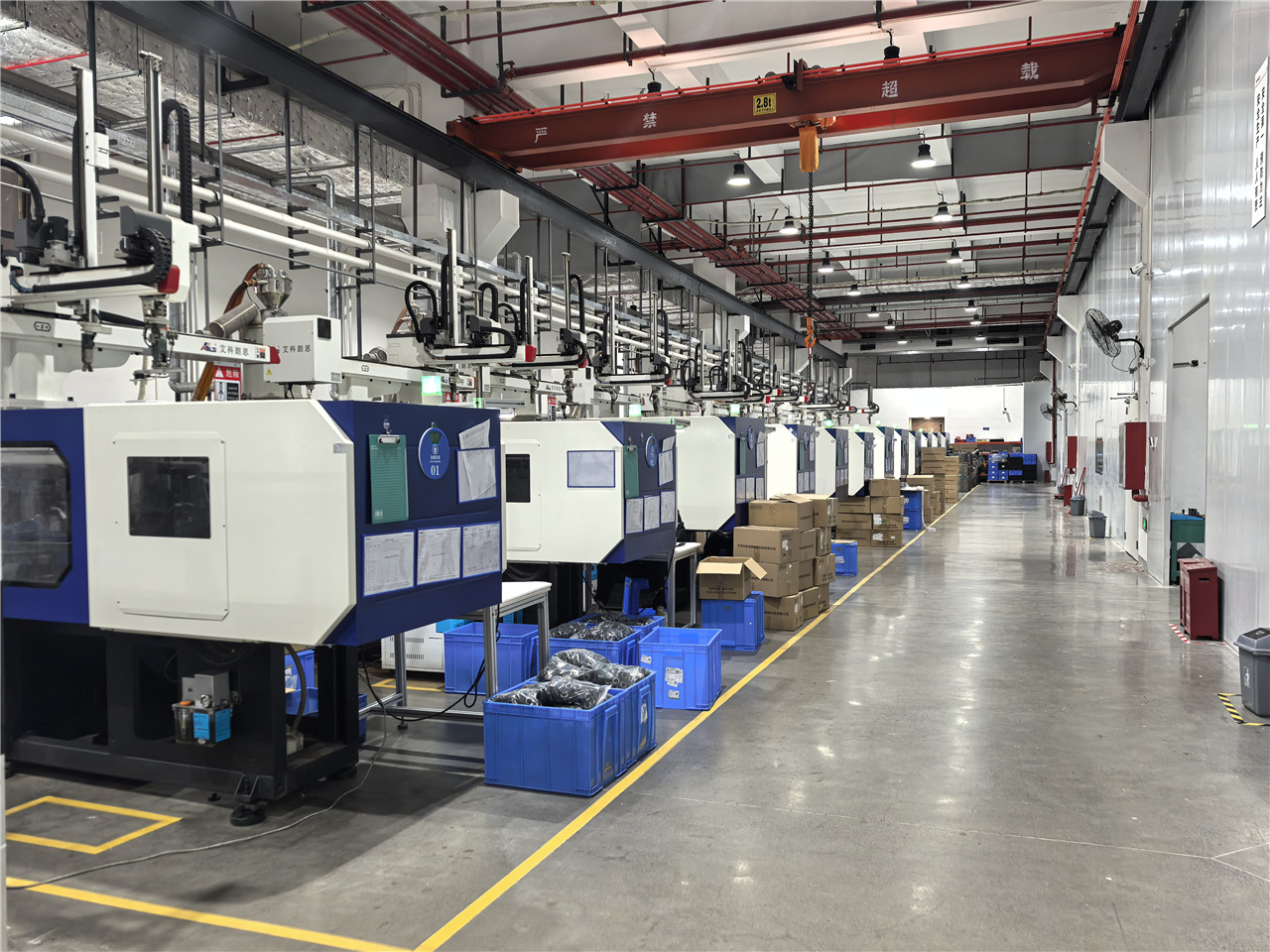
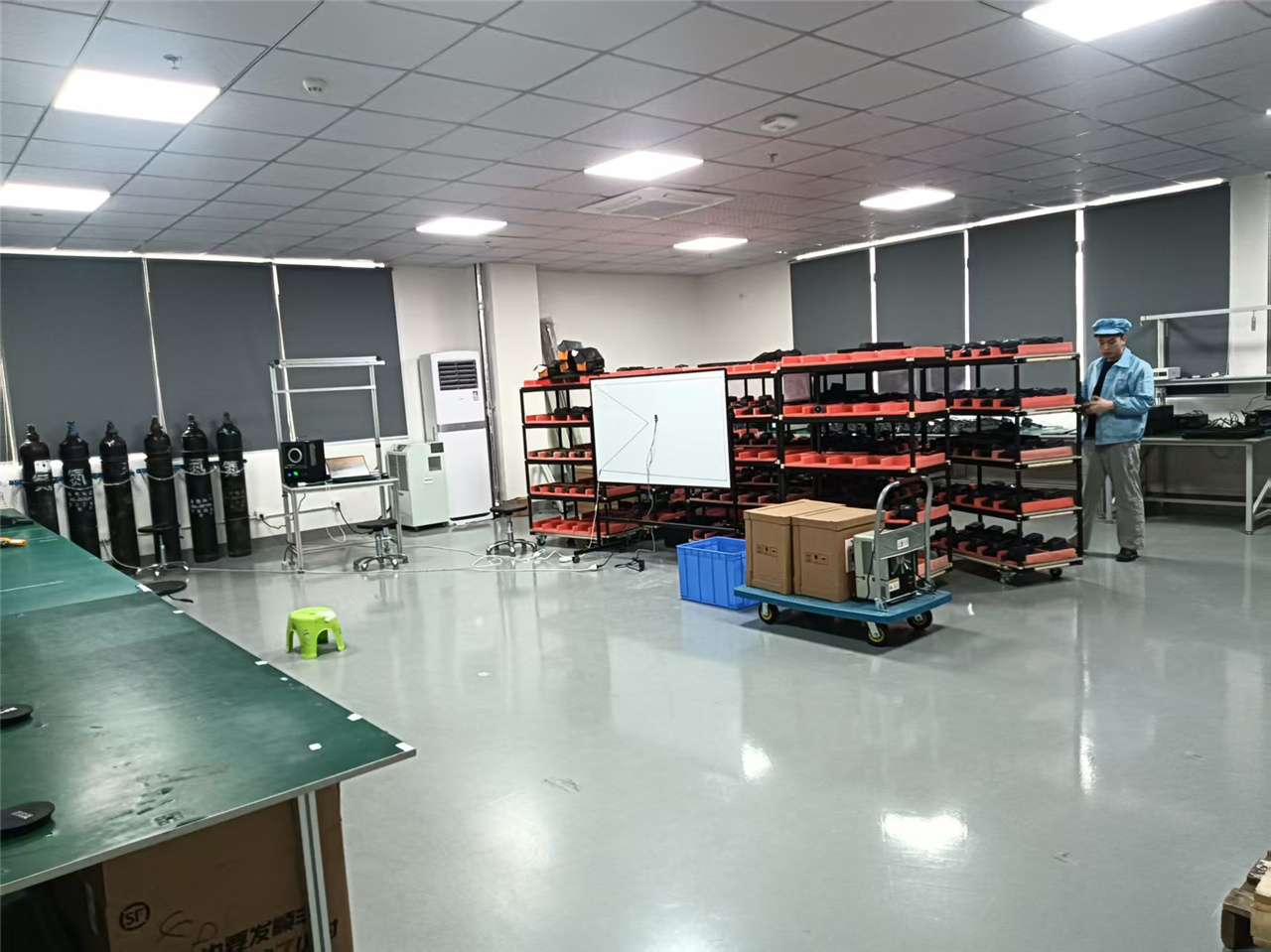
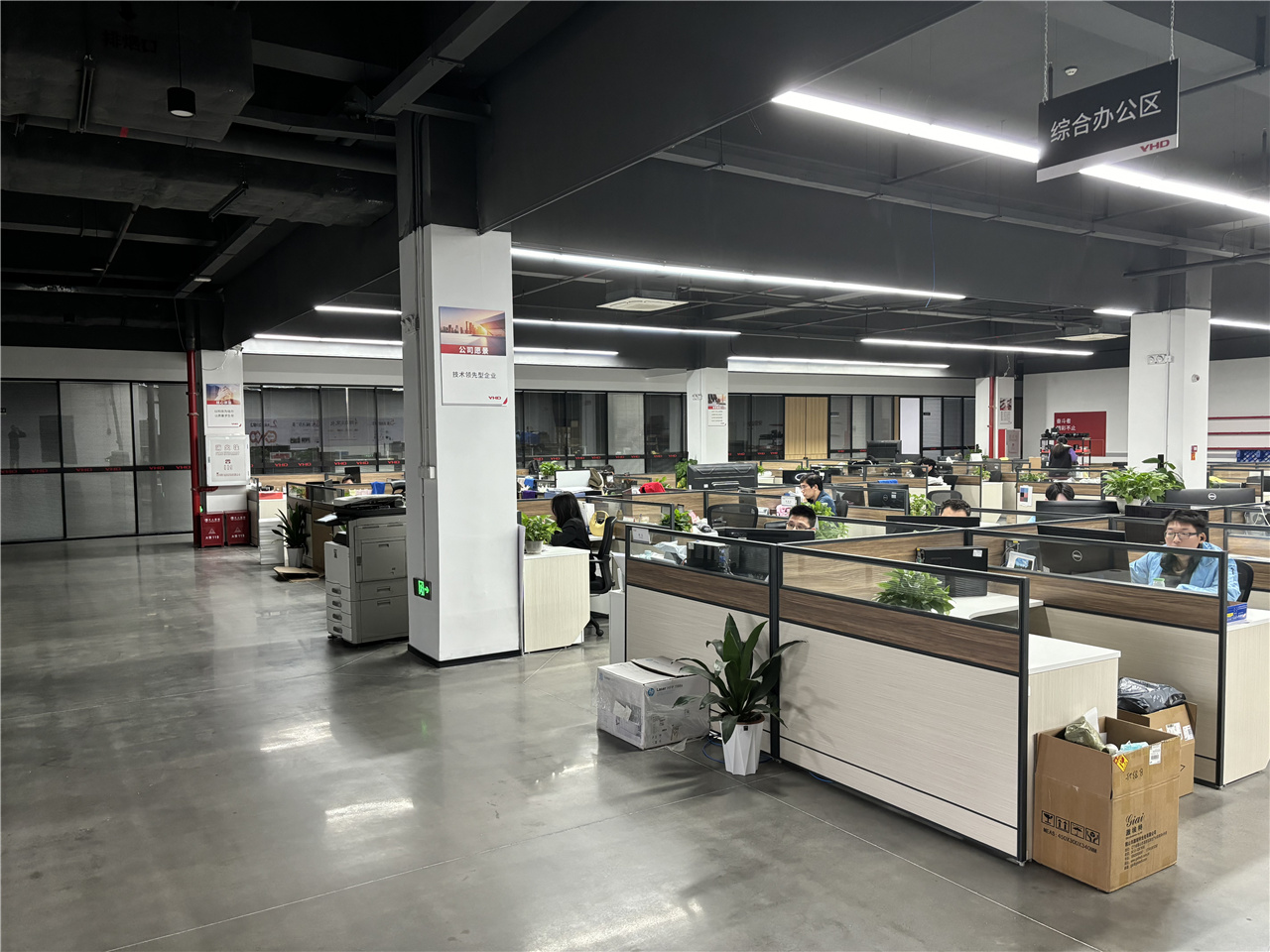
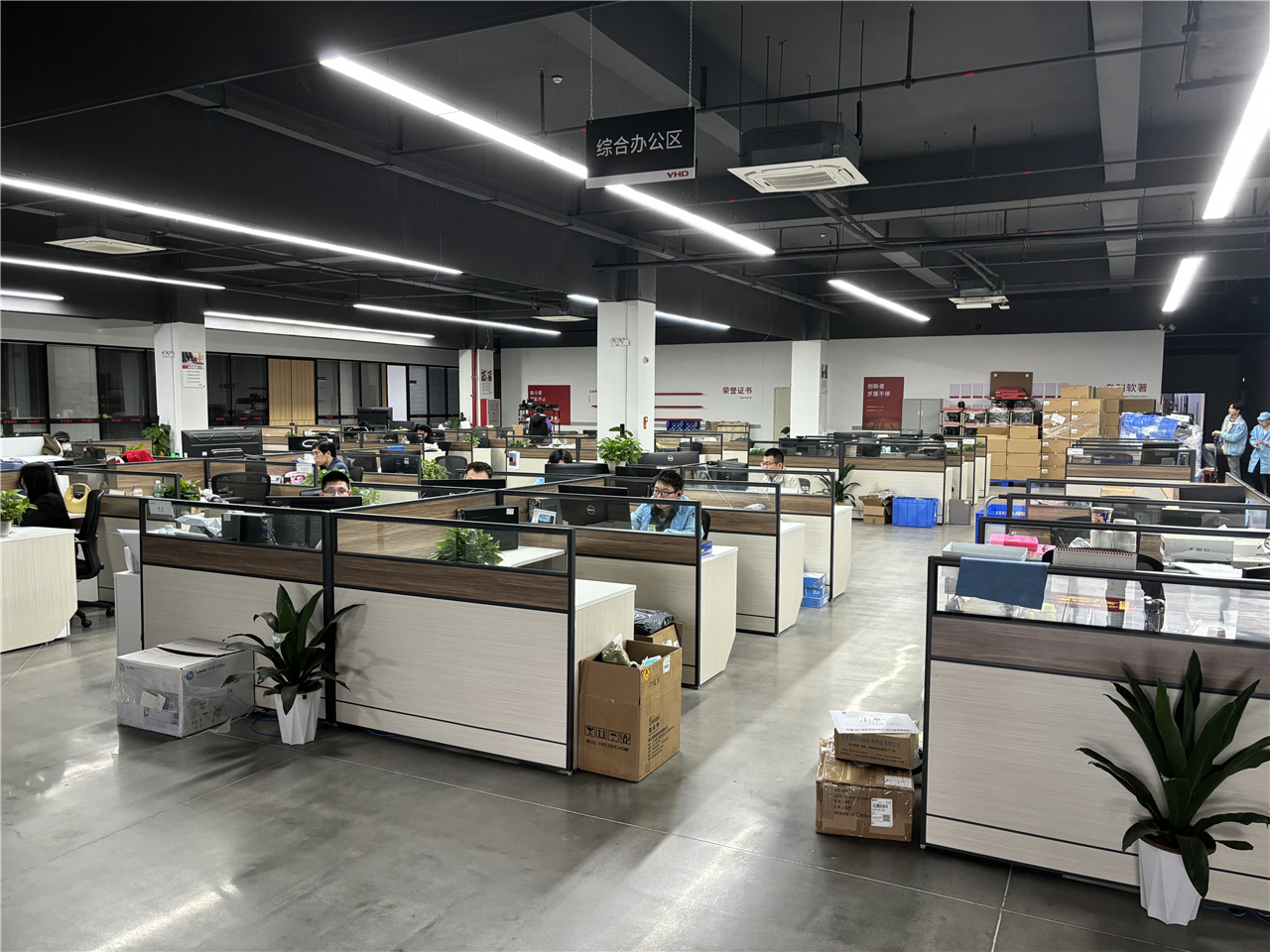
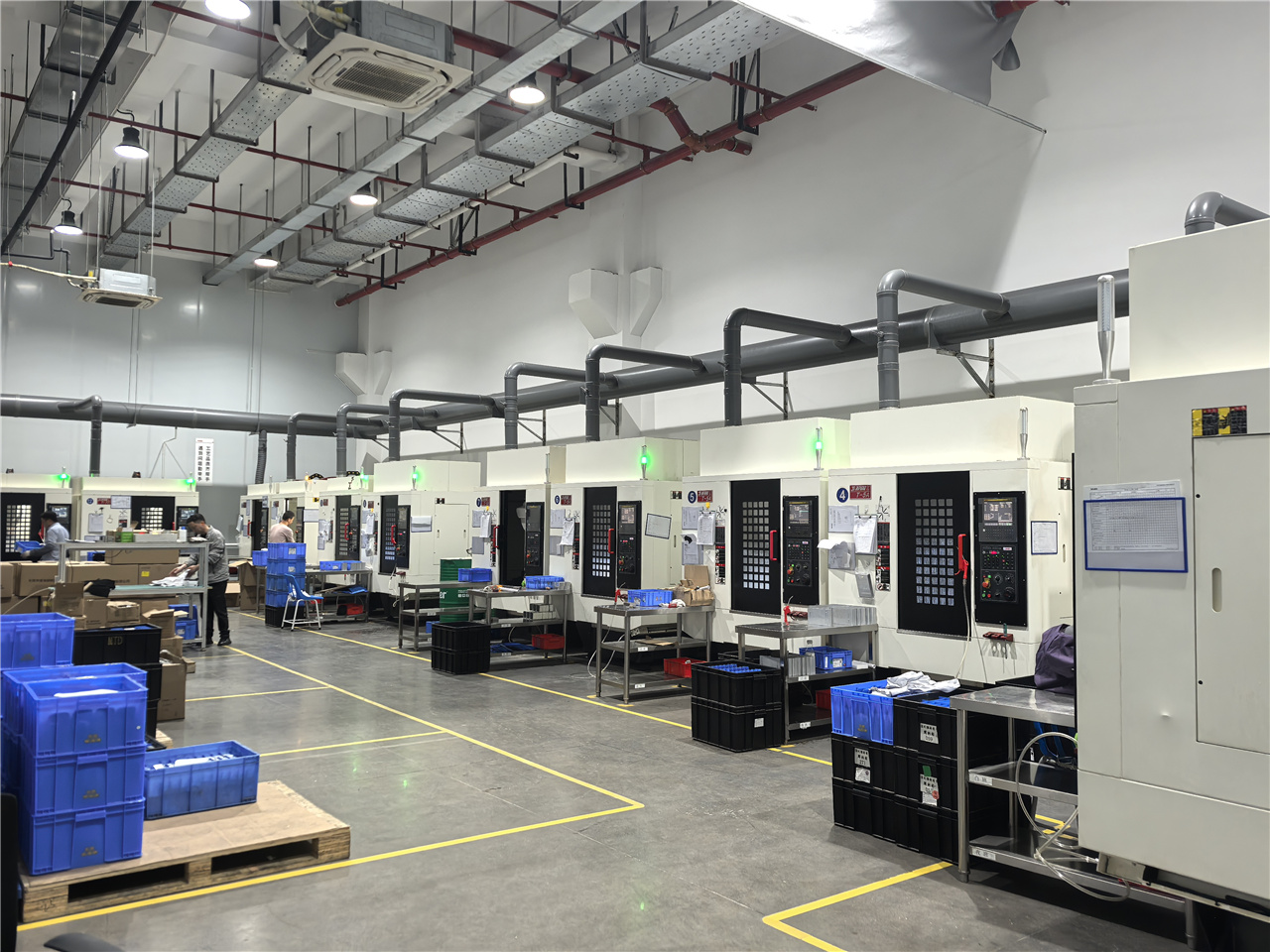
Our structured NPI process typically delivers certified prototypes within 8–12 weeks. Combined with stable supply chain support and group-level technical resources, we ensure on-time delivery and long-term product reliability.
By combining focused thermal imaging expertise with the backing of a listed parent company, Dianyang offers a rare blend of agility, quality, and scalability—helping global partners bring high-performance, certified thermal products to market with confidence.