News
Why Do People Often consider Infrared Thermal Imaging Cameras Are Inaccurate When Measuring Body Temperature
2025-11-11
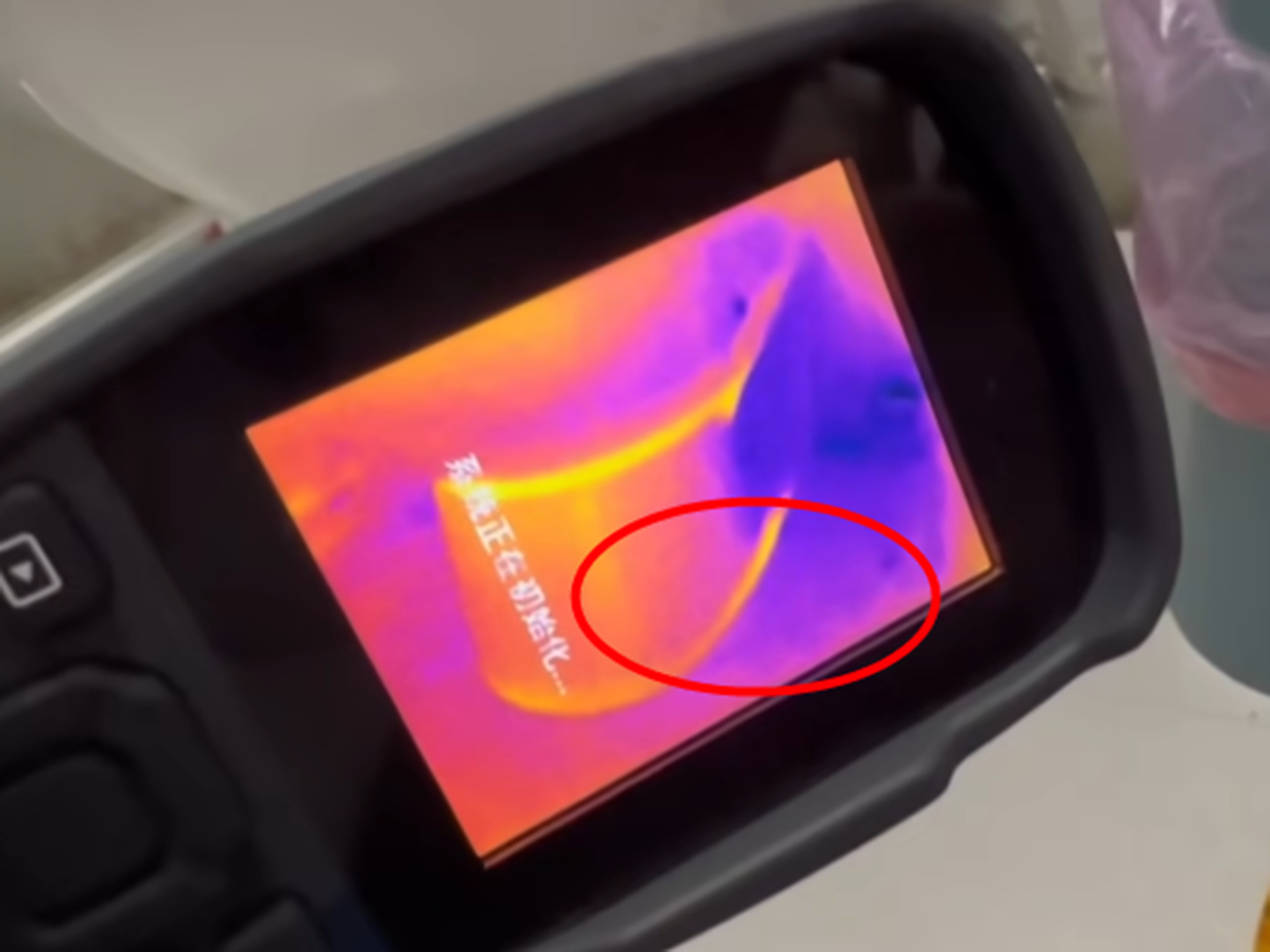
Customers often complain to customer service after purchasing an infrared thermal imager, claiming it's inaccurate because the measured body temperature doesn't read around 36.5°C (97.7°F). This misconception arises from the widespread understanding that humans are "homeothermic" (warm-blooded) and that normal body temperature should consistently be 36.5°C—the value typically obtained using mercury thermometers in clinical settings, such as under the tongue or in the armpit.
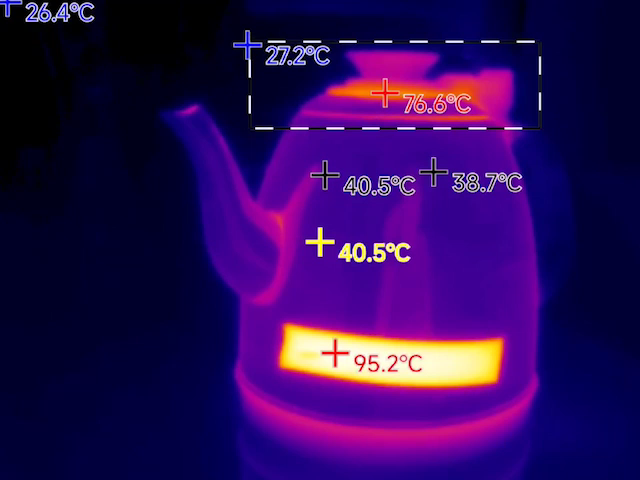
However, it’s essential to clarify that “homeothermic” refers specifically to the body’s ability to maintain a stable internal temperature in core organs—including the brain, heart, and liver—not that the entire skin surface remains at that same temperature. In fact, skin temperature is highly variable and influenced by numerous external factors, such as ambient air temperature, humidity, wind, and even recent physical activity. For example, in cold environments, the body actively reduces blood flow to the skin to conserve heat, which can cause surface temperatures to fall below 27°C (80.6°F). Conversely, in warm or humid conditions, skin temperature may rise closer to core levels due to vasodilation.
Because of this natural variation, using skin temperature readings as a standard to judge the accuracy of an infrared thermal imager is fundamentally flawed. The most reliable method to verify performance is to calibrate the device using a professional reference source, such as a blackbody calibrator. If such equipment is unavailable, a practical field check can be performed: ask the subject to keep their mouth closed for approximately two minutes to allow the oral cavity to stabilize near core temperature. Then, quickly measure the temperature just inside the mouth opening, adhering strictly to the imager’s specified measurement distance. A reading close to 36.5°C (97.7°F) strongly suggests the thermal imager is operating correctly. This approach offers a reasonable, accessible way to assess functionality without specialized tools.