Leave Your Message
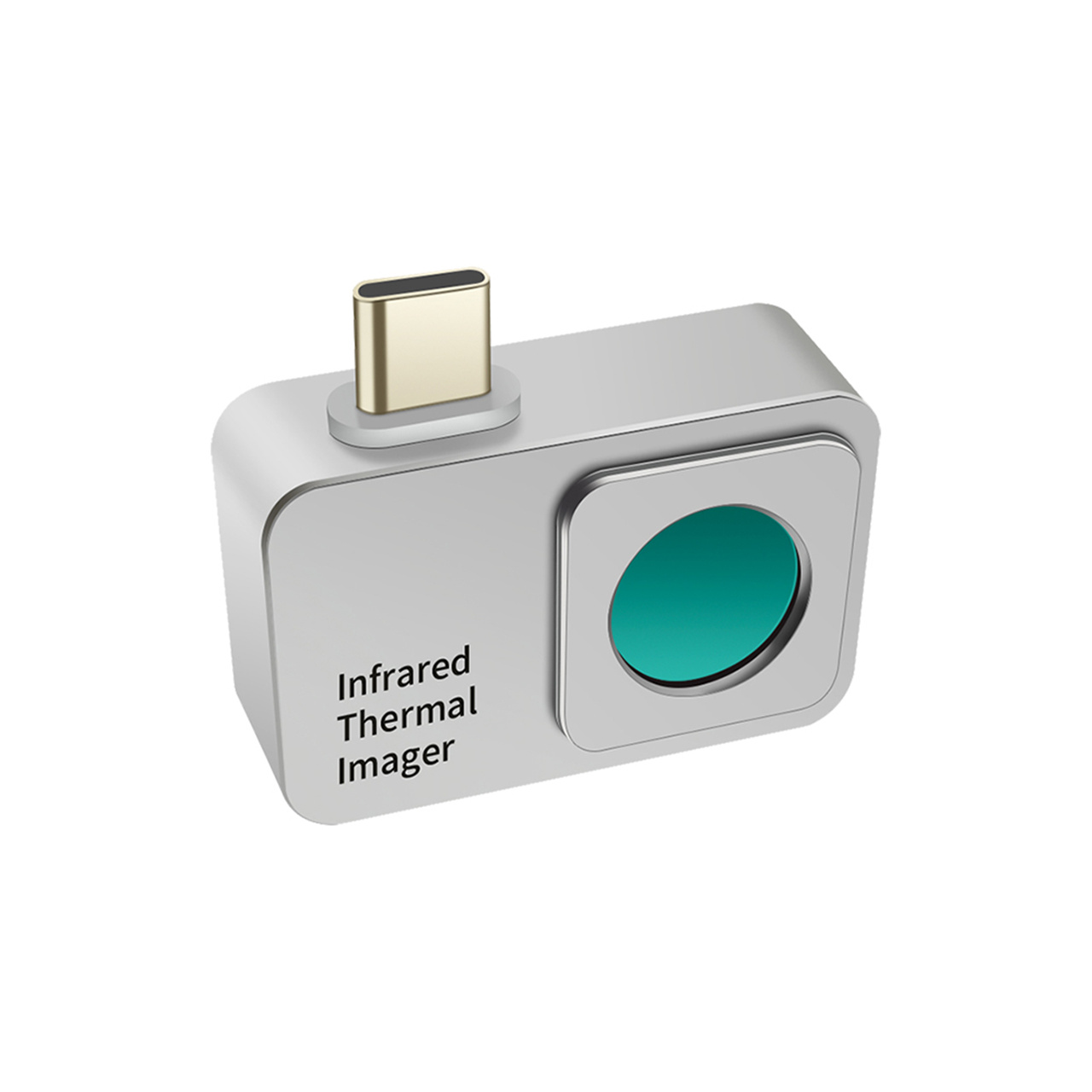
Shenzhen Dianyang Technology Co., Ltd. is a subsidiary of VHD (Shenzhen VHD Technology Co., Ltd.), a publicly listed company on the Shenzhen Stock Exchange. This strategic affiliation gives Dianyang unique access to VHD’s advanced R&D platforms, high-precision manufacturing systems, and rigorous quality management practices—enabling us to deliver thermal imaging products of higher reliability and consistency than typical ODMs.
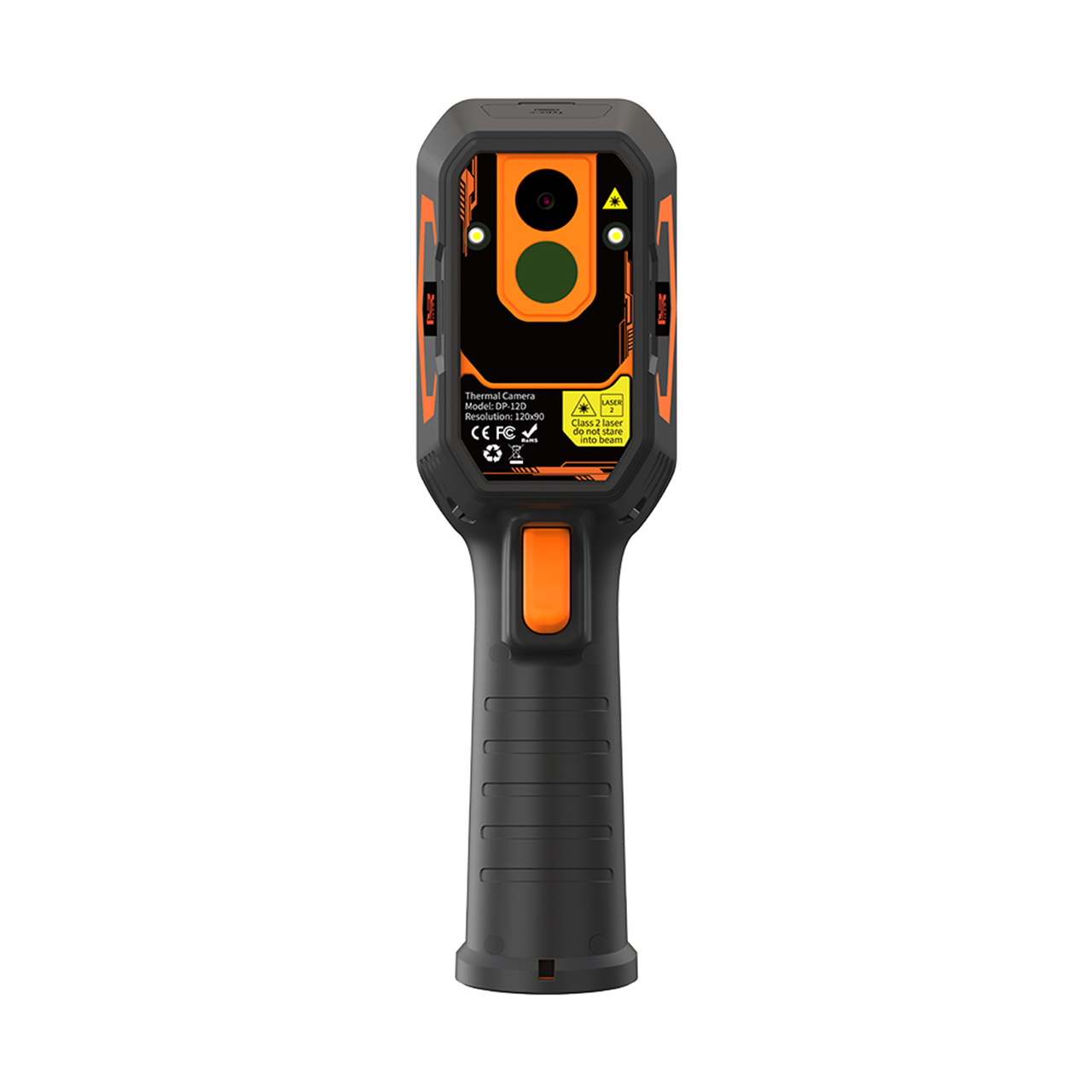
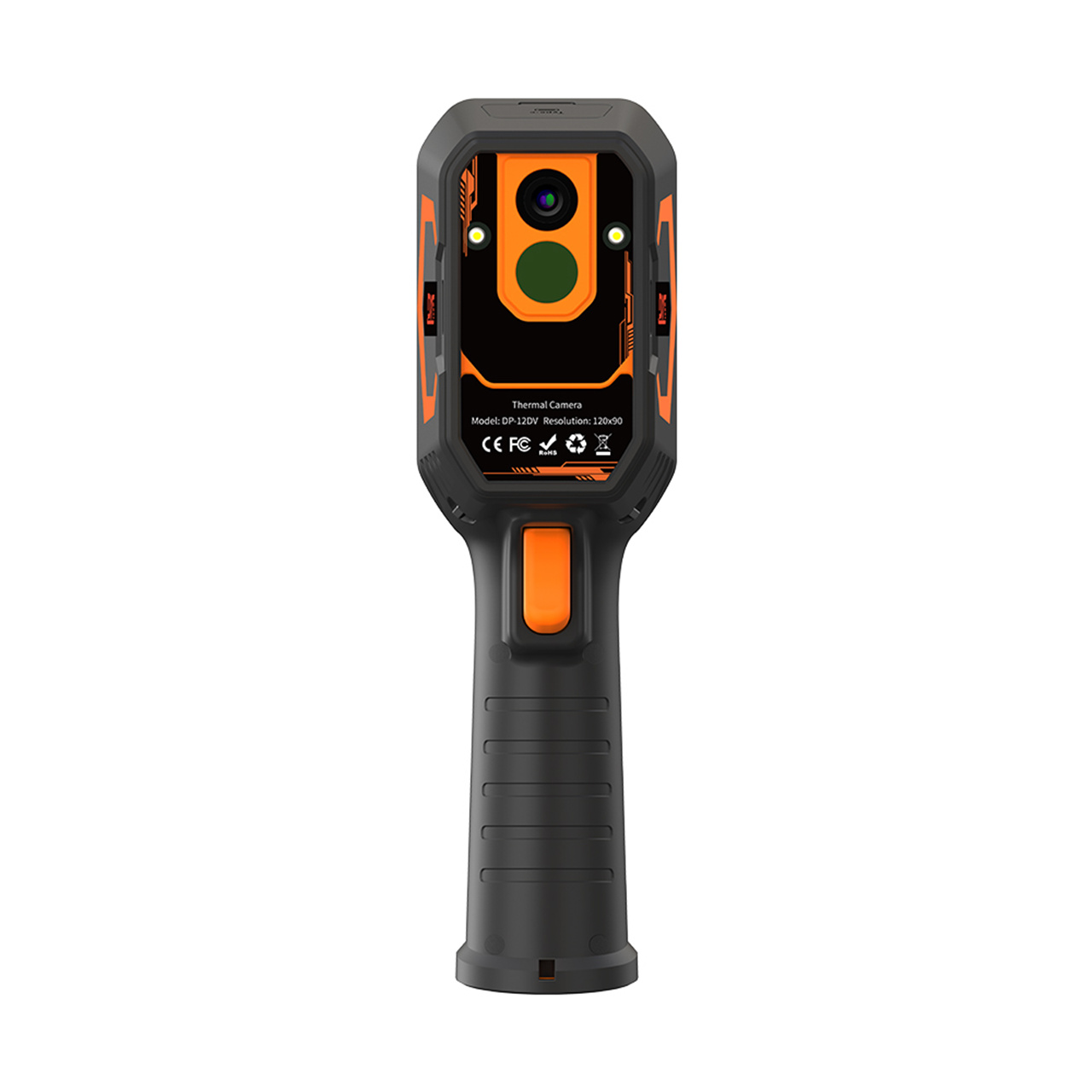
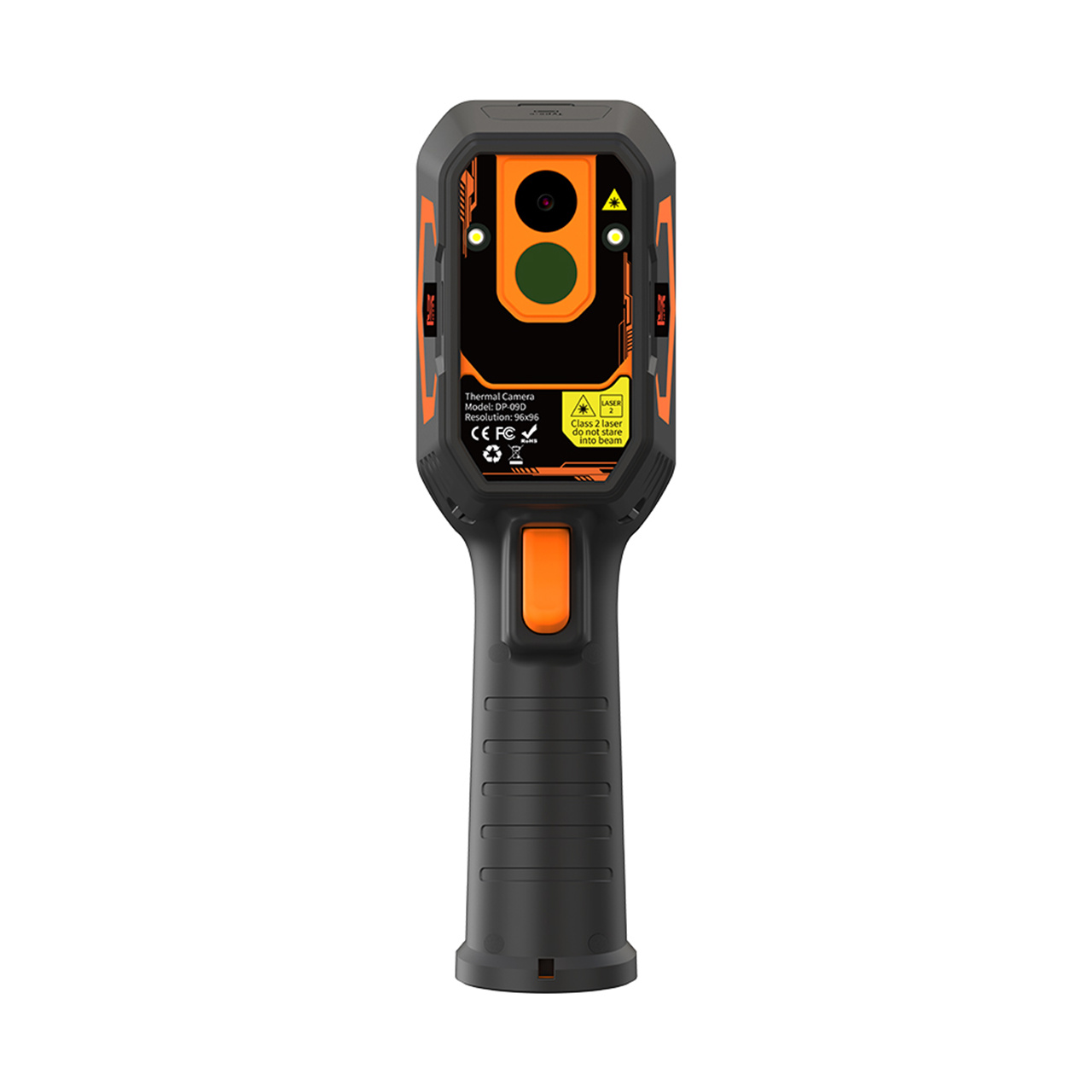
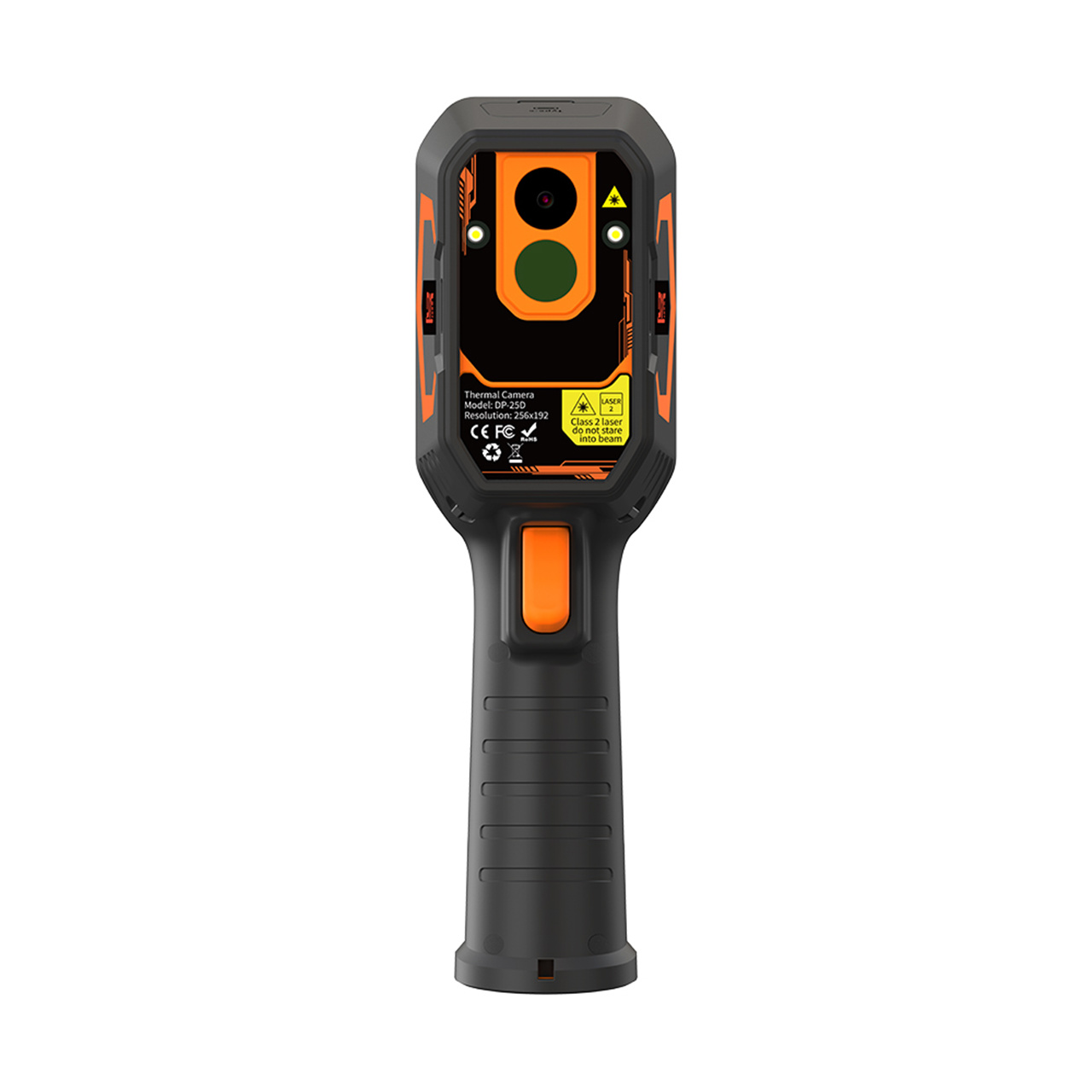
We specialize in ODM/OEM services for infrared thermal imaging solutions, including handheld thermal imagers, smartphone-connected thermal cameras, thermal analyzers, and thermal imaging telescopes. Our products serve global customers in power inspection, building diagnostics, firefighting, industrial maintenance, and outdoor applications.
Canada’s diverse climate, massive geographical expanse, and highly industrialized economy present a unique environment where pocket thermal cameras are no longer luxury tools but essential operational equipment. From the sub-zero winters of the Yukon and Northwest Territories to the bustling metropolitan areas of Toronto, Vancouver, and Montreal, thermal imaging technology plays a pivotal role in maintaining structural safety, optimizing energy efficiency, and preventing costly industrial downtime.
With Canada's commitment to reducing greenhouse gas emissions and achieving net-zero building standards, energy conservation is at the forefront of municipal and federal policies. Programs like the Canada Greener Homes Initiative and provincial rebate programs have spurred a massive demand for home energy audits. Home inspectors and energy advisors rely heavily on pocket thermal cameras. These portable devices are perfect for detecting thermal bridging, identifying missing insulation in double-stud walls, and locating air leakage around doors and windows during blower door tests. In cities like Winnipeg or Calgary, where winter temperatures drop below -30°C, even minor insulation gaps can lead to astronomical heating bills and structural damage from ice damming.
Canada’s economy is heavily anchored in resource extraction—mining in Ontario and Quebec, oil and gas in Alberta, and forestry in British Columbia. Pocket thermal cameras provide field engineers and maintenance technicians with a non-contact, safe method to monitor high-voltage electrical substations, heavy mining machinery, and refinery pipelines. Because these devices fit easily into a pocket or utility belt, technicians can routinely perform preventative maintenance checks, identifying overheated bearings, overloaded circuits, or failing steam traps before they cause catastrophic failures or endanger worker safety in remote, hard-to-reach locations.
The complexity of Canadian HVAC systems, which must handle both extreme summer heat and freezing winter cold, requires precise diagnostics. Radiant floor heating is highly popular in modern Canadian homes. When a leak or blockage occurs, a pocket thermal camera allows plumbers to map the hot water pipes underneath concrete or hardwood flooring without destructive demolition. Similarly, HVAC technicians use pocket-sized imagers to balance air distribution, check heat exchanger integrity, and verify the performance of commercial heat recovery ventilators (HRVs).
The global infrared thermal imaging market is undergoing rapid technological advancements, driven by the demand for smaller, smarter, and more cost-effective devices. Canadian businesses are quick adopters of these emerging trends, seeking tools that integrate seamlessly with their digital workflows.
One of the most significant trends is the shift from bulky, pistol-grip thermal cameras to pocket-sized units and smartphone plug-in modules. Devices like the H1FB Mobile Phone Infrared Thermal Imager transform a standard smartphone into a high-performance diagnostic tool. This integration allows technicians to capture thermal images, analyze temperature profiles on high-resolution smartphone screens, and instantly email PDF reports to clients directly from the job site, streamlining administrative tasks.
Modern pocket thermal cameras are increasingly incorporating AI algorithms to automatically detect anomalies, predict component failures, and filter out reflections or false alarms. When paired with cloud databases, thermal data collected from various sites across Canada can be centralized and analyzed over time, enabling predictive maintenance schedules that minimize downtime for large-scale utility providers and manufacturing plants.
Understanding how pocket thermal cameras perform in real-world Canadian scenarios highlights the versatility and robustness of Dianyang's product line.
In northern territories, maintaining structural integrity against permafrost degradation and extreme cold is a constant challenge. Maintenance crews use pocket thermal cameras to monitor the thermal envelope of buildings and utility pipelines, preventing structural shifting and freezing of critical water and waste lines.
Utility workers in Ontario and British Columbia inspect overhead distribution lines and substation panels. The ability of pocket-sized thermal cameras to measure temperatures up to 550°C allows crews to identify hot spots in transformers and fuses before they lead to regional power outages during winter storms.
In the agricultural hubs of Saskatchewan and Manitoba, farmers utilize thermal imaging to monitor grain storage temperatures (preventing spoilage from moisture buildup) and check the health of livestock by detecting localized inflammation or fever early.
On Canada's east and west coasts, marine engineers use pocket thermal cameras to inspect ship engines, electrical systems, and exhaust manifolds while at sea, ensuring safe operations under challenging maritime conditions.
Our dedicated engineering team applies Design for Manufacturing (DFM), Design for Testability (DFT), thermal simulation, and EMC pre-compliance analysis to optimize performance and accelerate development. We also support clients in obtaining key certifications such as CE, FCC, RoHS, REACH, CB, UKCA, KC, and PSE, ensuring seamless compliance with Canadian and international regulatory frameworks.
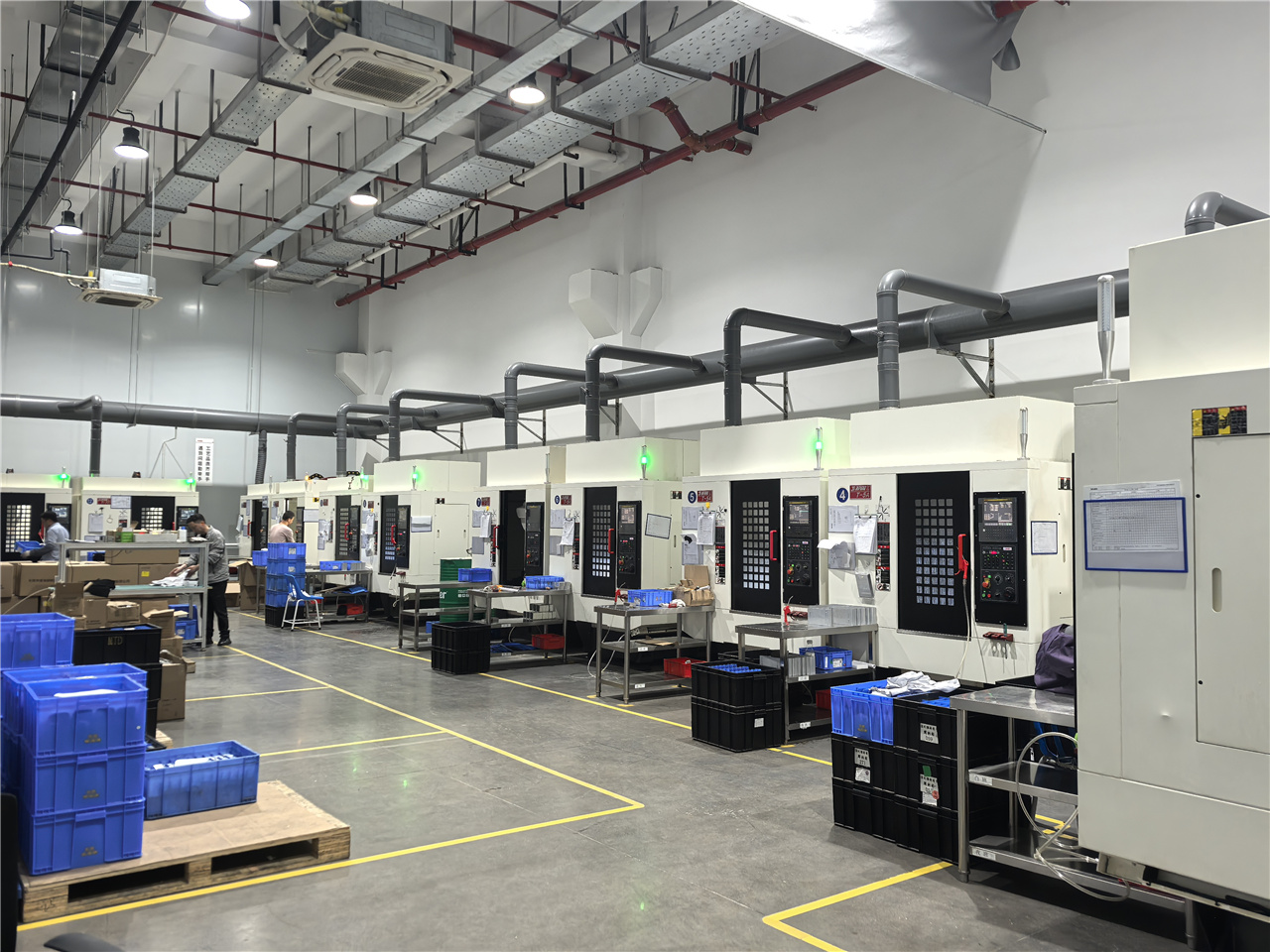
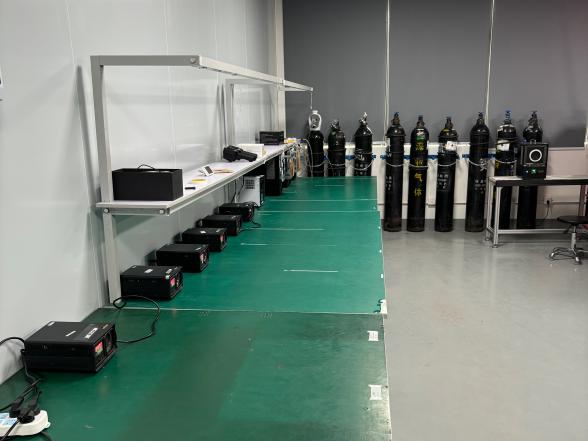
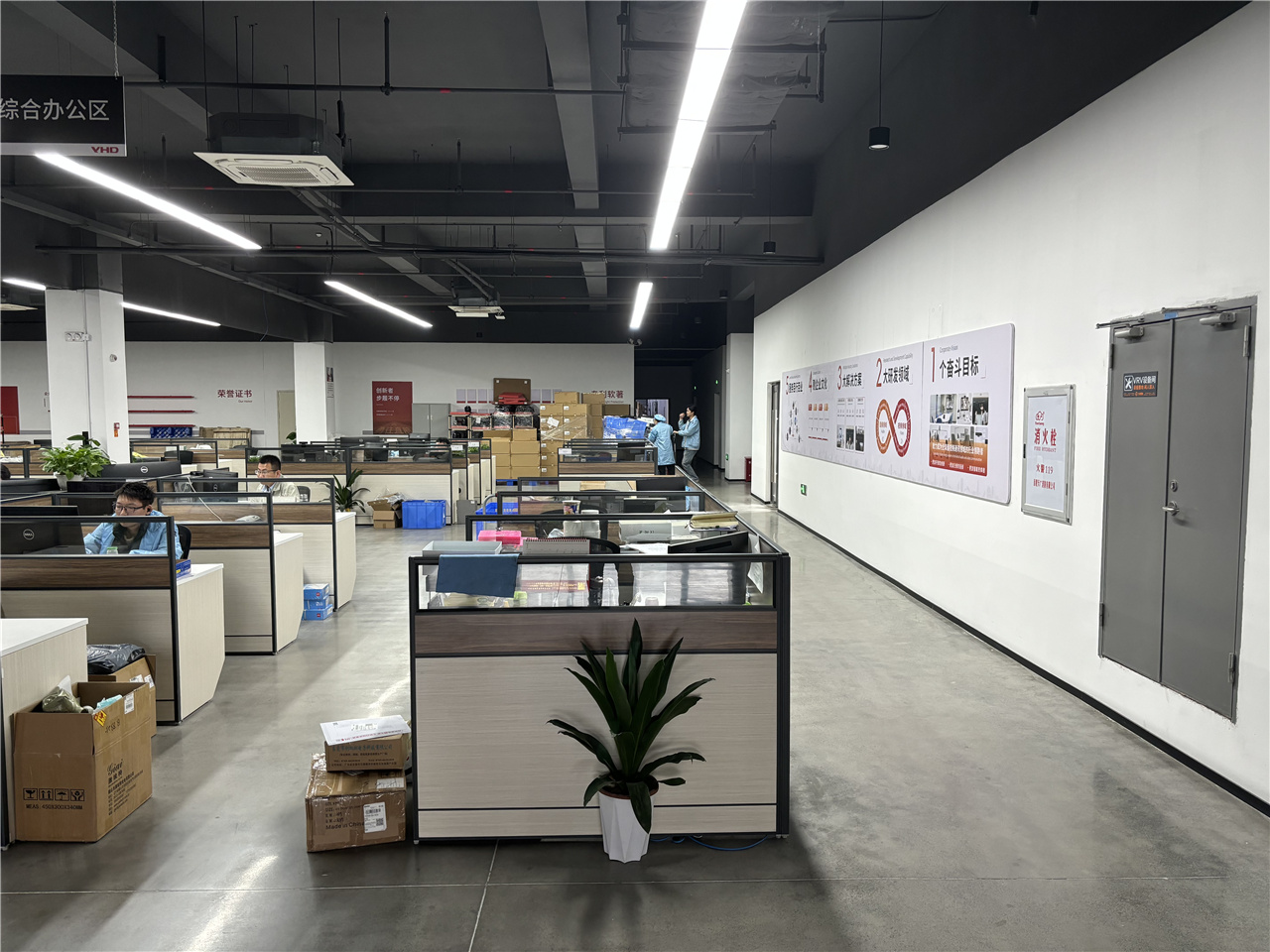
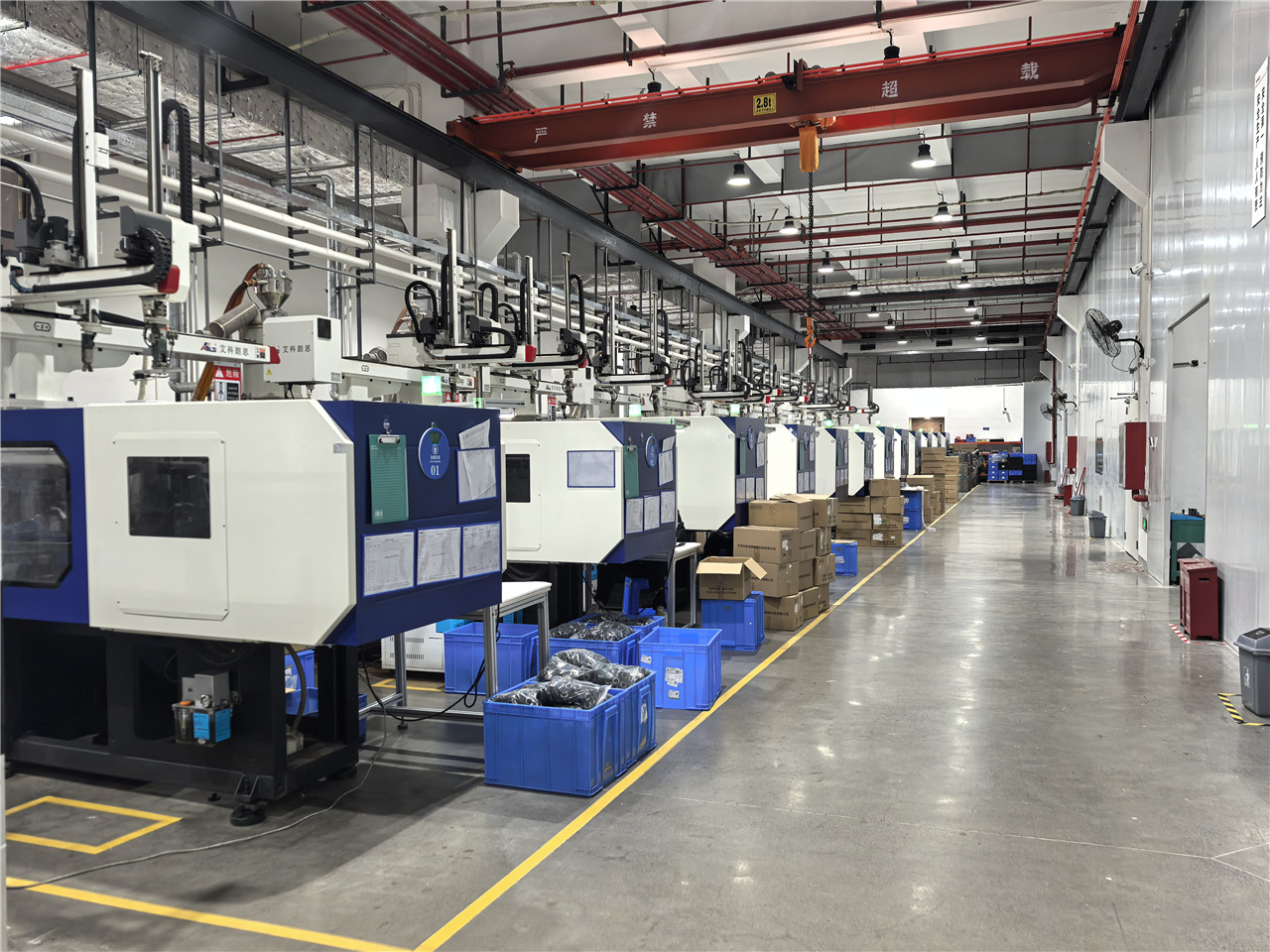
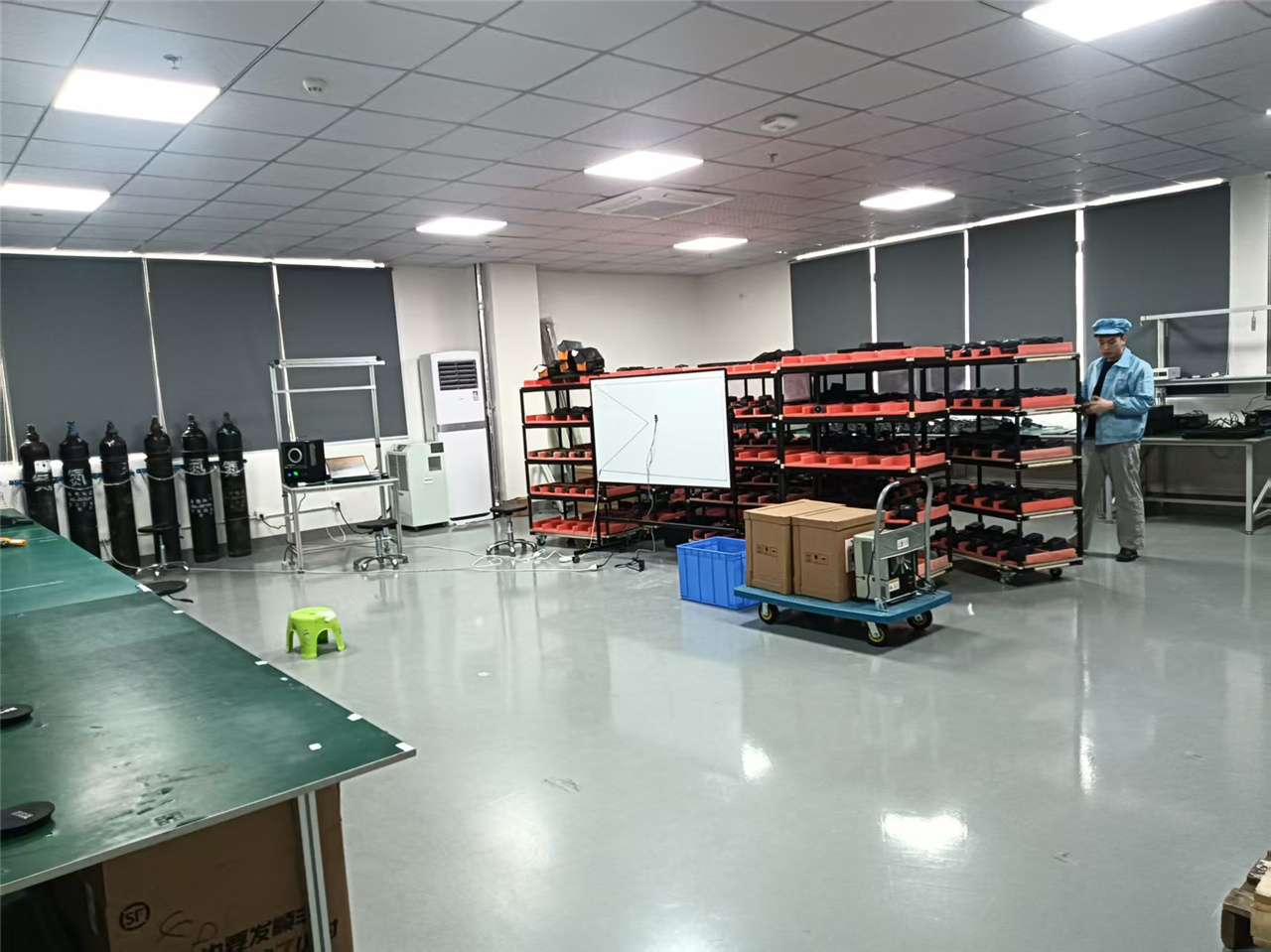
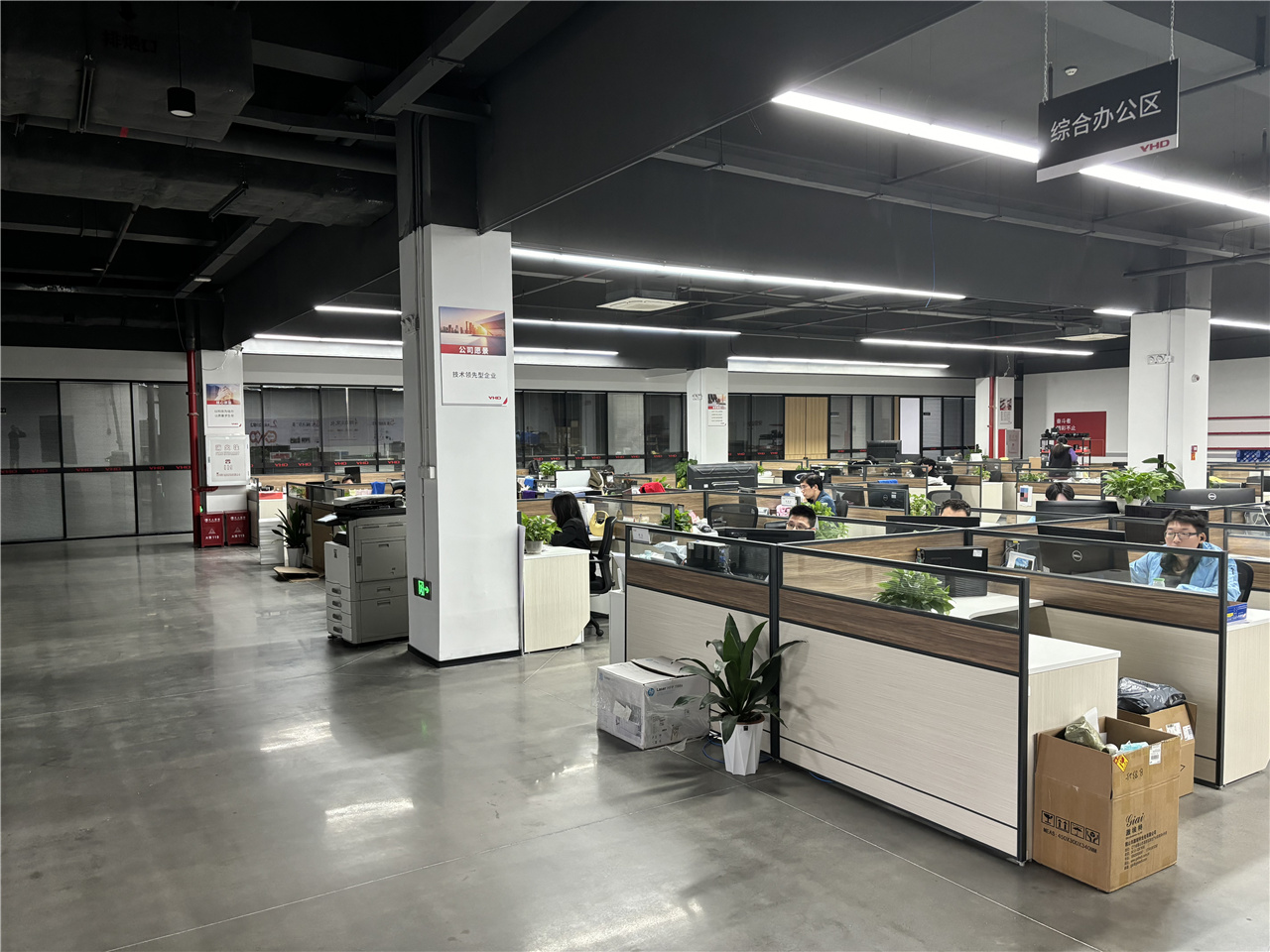
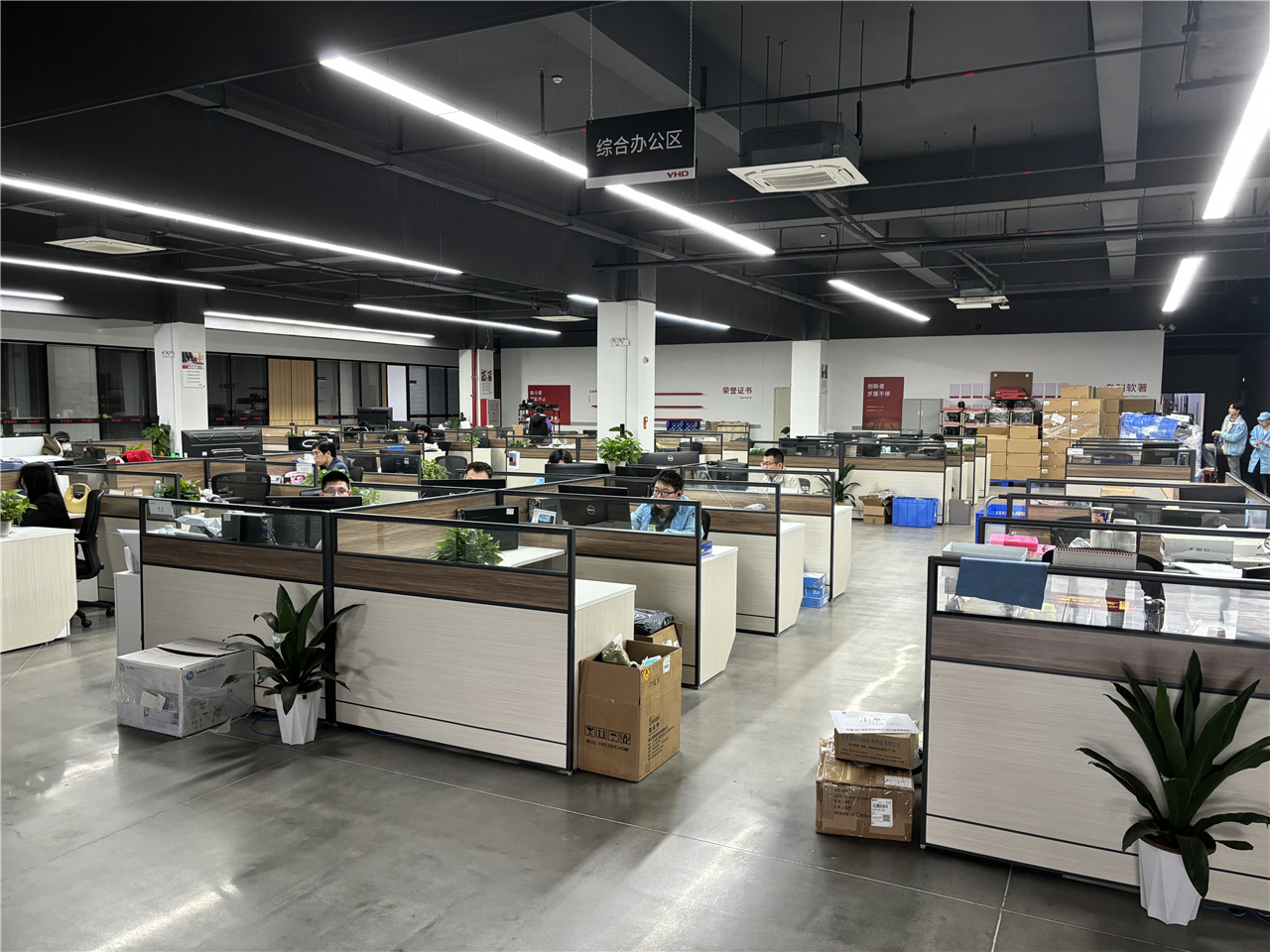
Our structured NPI (New Product Introduction) process typically delivers certified prototypes within 8–12 weeks. Combined with stable supply chain support and group-level technical resources, we ensure on-time delivery and long-term product reliability. By combining focused thermal imaging expertise with the backing of a listed parent company, Dianyang offers a rare blend of agility, quality, and scalability—helping Canadian partners bring high-performance, certified thermal products to market with confidence.