
Leave Your Message
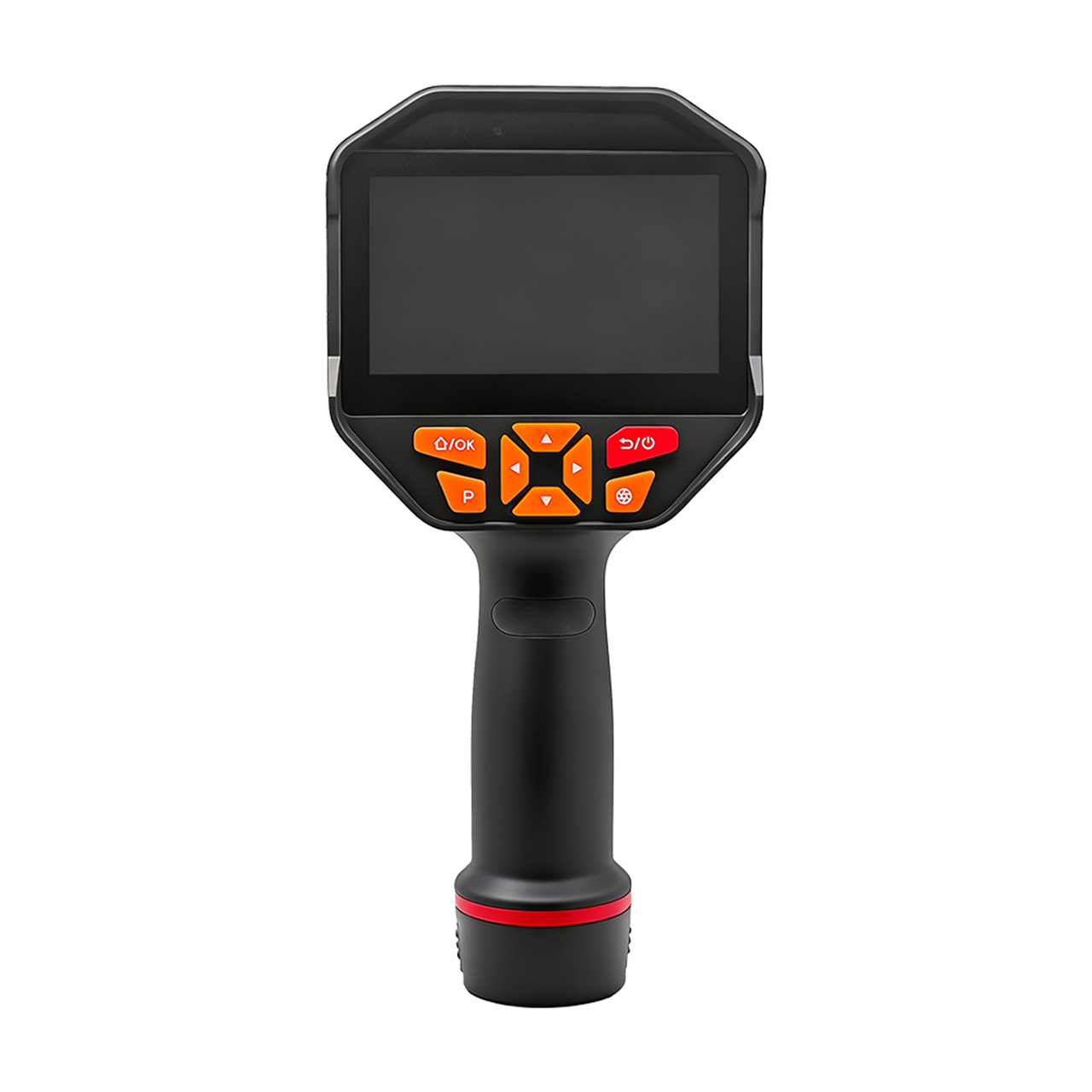
In today's rapidly evolving construction and facility management landscape, building energy audits have become essential for reducing operational costs, improving sustainability, and meeting increasingly stringent environmental regulations. At the heart of modern energy auditing lies thermal imaging technology—specifically, surveillance imagers designed for building energy assessments.
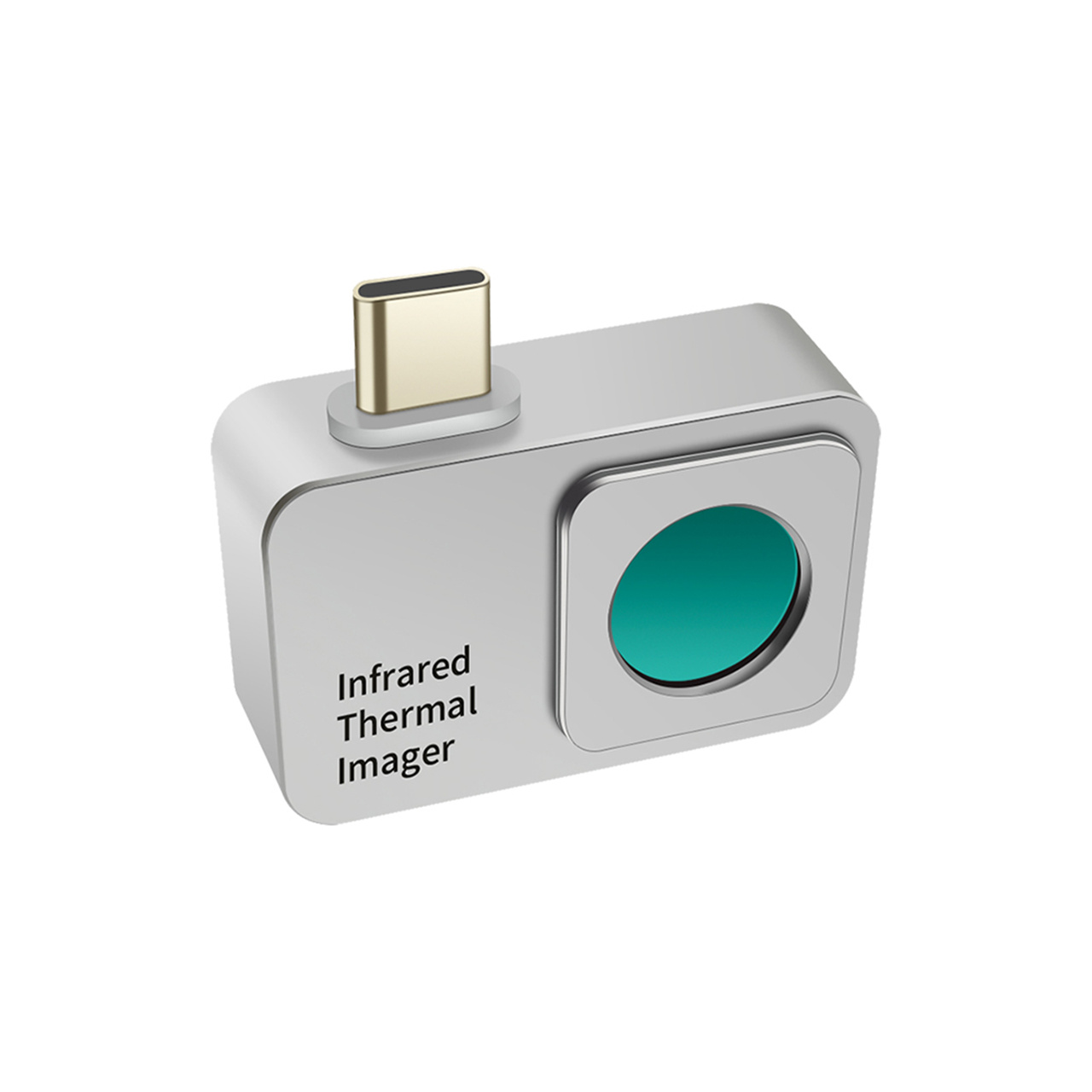
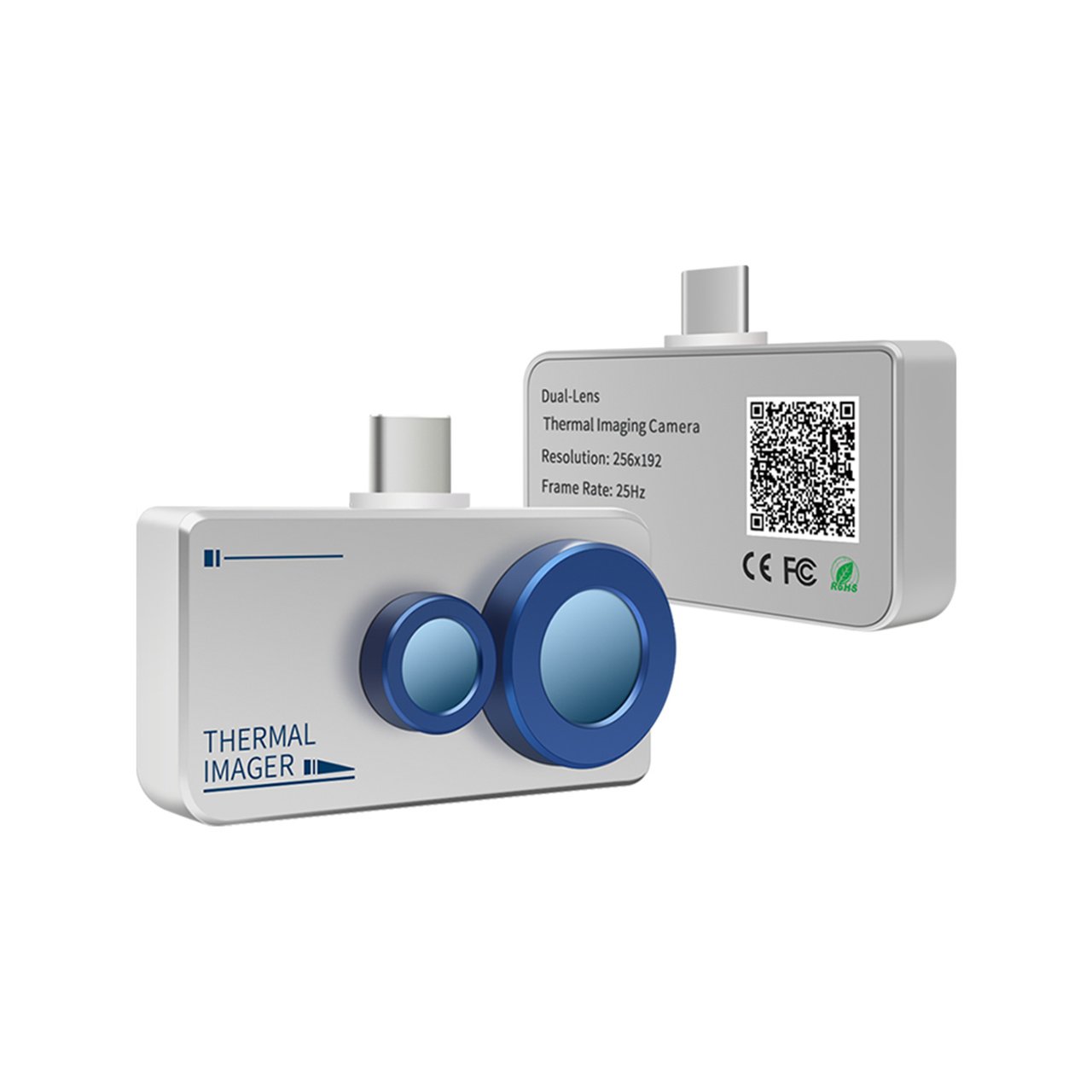
Thermal imaging cameras, also known as infrared cameras or thermal surveillance imagers, provide non-invasive, real-time visualization of heat patterns across building structures. These advanced devices detect infrared radiation emitted by objects and convert it into visible images, revealing temperature variations that are invisible to the naked eye. This capability makes them indispensable tools for identifying energy inefficiencies, insulation defects, moisture intrusion, air leakage, and electrical anomalies.
The global building energy management market is projected to reach $18.9 billion by 2028, with thermal imaging technology playing a pivotal role in this growth. As energy costs continue to rise and environmental consciousness increases, facility managers, energy auditors, and building inspectors are increasingly turning to thermal surveillance imagers to optimize building performance and reduce carbon footprints.
The building energy audit industry has witnessed transformative growth over the past decade, driven by several key factors:
Governments worldwide are implementing stricter building energy codes and mandating regular energy audits for commercial properties. The European Union's Energy Performance of Buildings Directive (EPBD) and similar regulations in North America and Asia have created substantial demand for thermal imaging services.
With energy costs accounting for 20-30% of total building operational expenses, organizations are actively seeking technologies that can identify and eliminate energy waste. Thermal imaging provides immediate ROI by pinpointing areas where heating and cooling losses occur.
Corporate sustainability initiatives and green building certifications (LEED, BREEAM, WELL) require comprehensive energy assessments. Thermal surveillance imagers provide the documentation and evidence needed for these certifications.
Modern thermal imagers have become more affordable, portable, and user-friendly. High-resolution sensors, smartphone integration, and AI-powered analysis have democratized access to professional-grade thermal imaging technology.
Thermal imagers instantly reveal areas where insulation is missing, compressed, or improperly installed. These deficiencies can account for 25-35% of heating and cooling losses in typical commercial buildings.
When combined with blower door tests, thermal cameras visualize air infiltration points around windows, doors, electrical outlets, and building envelope penetrations, enabling targeted sealing efforts.
Thermal imaging assesses ductwork integrity, identifies blocked vents, detects failing heating elements, and verifies proper air distribution—critical for maintaining optimal indoor environmental quality while minimizing energy consumption.
Hidden moisture problems lead to mold growth, structural degradation, and increased heating/cooling loads. Thermal cameras detect temperature differentials caused by evaporative cooling, revealing moisture intrusion before visible damage occurs.
Overheating electrical components, loose connections, and overloaded circuits appear as hot spots in thermal images, preventing potential fires while identifying sources of parasitic electrical loads.
Structural elements that conduct heat more readily than surrounding materials create thermal bridges. Identifying these allows for targeted remediation, significantly improving overall building thermal performance.
The next generation of thermal surveillance imagers incorporates machine learning algorithms that automatically identify and classify energy efficiency issues. AI-powered systems can:
Rather than periodic audits, the industry is moving toward continuous thermal monitoring using networked thermal sensors. These systems provide:
Advanced systems now combine thermal imaging with LiDAR or photogrammetry to create three-dimensional thermal models of entire buildings. This technology enables:
UAV-mounted thermal cameras are revolutionizing large-scale building assessments, particularly for:
In commercial office environments, thermal surveillance imagers address specific challenges:
Glass façades are notorious for thermal inefficiency. Thermal imaging identifies failing gaskets, delaminated glazing units, and thermal bridging in aluminum framing systems. Studies show that addressing these issues can reduce HVAC loads by 15-25%.
Data centers and server rooms require precise thermal management. Thermal cameras identify hot spots, verify proper airflow patterns, and ensure cooling system effectiveness—critical for preventing equipment failure and optimizing energy consumption.
Advanced thermal imaging systems can detect occupancy patterns, enabling dynamic HVAC control that reduces energy consumption in unoccupied zones while maintaining comfort in active areas.
During tenant build-outs, thermal imaging verifies that new construction meets energy codes and doesn't compromise existing building thermal performance.
Industrial applications present unique opportunities for thermal surveillance technology:
Thermal imaging identifies opportunities to capture and reuse waste heat from manufacturing processes, boilers, and exhaust systems. In heavy industry, heat recovery can reduce energy costs by 10-30%.
Failed steam traps, leaking valves, and poorly insulated pipes are easily detected with thermal cameras. A single failed steam trap can waste $5,000-$10,000 annually in energy costs.
Continuous thermal monitoring of high-temperature equipment detects refractory degradation, insulation failure, and process inefficiencies before they lead to costly shutdowns.
While primarily acoustic, thermal imaging can detect temperature changes associated with compressed air leaks, particularly in combination with ultrasonic detection methods.
The residential sector represents the largest potential market for thermal imaging energy audits:
Hospitals and healthcare facilities face unique energy challenges that thermal surveillance addresses:
Operating rooms, laboratories, and pharmaceutical storage areas require precise temperature control. Thermal imaging verifies HVAC system performance and identifies potential failures before they compromise patient safety or product integrity.
Thermal cameras can detect HVAC system failures that might compromise isolation room negative pressure, preventing potential disease transmission.
Autoclaves, sterilizers, and other critical equipment require thermal monitoring to ensure proper operation and energy efficiency.
Healthcare facilities operate continuously, making energy efficiency critical. Thermal imaging identifies opportunities to reduce consumption without compromising the healing environment.
The financial justification for thermal surveillance imagers in building energy audits is compelling:
For energy auditors, facility managers, and building consultants, thermal imaging represents a significant business opportunity:

We provide professional consultation to help you choose the optimal thermal imaging solution based on your application, budget, and technical requirements. Our engineering team can recommend suitable sensors, lenses, temperature ranges, and interface options.
We support full customization, including: Housing & industrial design, PCB and hardware customization, Firmware / APP / PC software development, Branding, packaging, and UI customization, Specialized algorithms (temperature analysis, AI/ML, etc.). Our R&D team works closely with you from concept to mass production.
We offer detailed datasheets, SDK/API, integration guidelines, and sample testing reports to ensure clear understanding before purchase.
Evaluation samples are available for testing and validation. We provide quick dispatch and technical support during your trial phase.

Each project is assigned a dedicated project manager and engineer to ensure smooth communication, timely updates, and technical alignment.
We implement strict QC standards, including incoming testing, calibration, NUC tests, aging tests, and final inspections. All units follow ISO-based production workflows.
We support small-batch pilot runs, medium-volume scaling, and mass production with stable lead times and cost-effective solutions.
Production progress, inspection reports, and shipping timelines are shared with customers to ensure full transparency.
Our engineering team provides prompt technical support for integration, SDK usage, firmware configuration, and product debugging.
All products come with a standard warranty. We offer: Free repair or replacement for manufacturing defects, Paid maintenance for out-of-warranty products, Fast turnaround for urgent cases.
We regularly release firmware updates, bug fixes, and feature improvements to enhance product performance and stability.
We commit to stable supply, component lifecycle management, and long-term product support to ensure your business continuity.

Thermal surveillance imagers have evolved from specialized diagnostic tools to essential instruments in the global effort to improve building energy efficiency. As technology continues to advance—incorporating AI, IoT connectivity, and enhanced imaging capabilities—these devices will become even more powerful and accessible.
For building owners, facility managers, energy auditors, and sustainability professionals, investing in thermal imaging technology represents not just a tool purchase, but a strategic commitment to operational excellence, environmental stewardship, and long-term cost management.
The integration of thermal imaging into standard building management practices is no longer optional—it's a competitive necessity. Organizations that embrace this technology today position themselves as leaders in the sustainable building movement, realizing immediate operational benefits while contributing to global climate goals.
Whether you're conducting your first energy audit or managing a portfolio of thousands of buildings, thermal surveillance imagers provide the visibility, precision, and actionable intelligence needed to transform building energy performance in the 21st century.