Leave Your Message
Japan's thermal imaging and surveillance technology sector represents a sophisticated ecosystem driven by industrial excellence, stringent safety regulations, and technological innovation
Japan's surveillance imaging market has experienced remarkable growth, with the thermal imaging sector valued at over ¥45 billion in 2024 and projected to reach ¥68 billion by 2028. This expansion is fueled by Japan's aging infrastructure, increasing emphasis on preventive maintenance, and the government's Society 5.0 initiative that promotes smart technology integration across industries.
The Japanese market distinguishes itself through its preference for high-precision, reliable equipment with long operational lifespans. Industrial clients, particularly in manufacturing, energy, and construction sectors, prioritize equipment that meets rigorous Japanese Industrial Standards (JIS) and can withstand the country's diverse climate conditions—from Hokkaido's harsh winters to Okinawa's humid subtropical environment.
Japan's manufacturing sector, representing 20% of GDP, extensively utilizes thermal imaging for quality control in automotive production, semiconductor fabrication, and precision machinery manufacturing. Companies like Toyota, Sony, and Mitsubishi Heavy Industries employ thermal surveillance systems for detecting micro-defects in production lines, monitoring equipment temperature during operation, and ensuring optimal performance in clean room environments.
Following the 2011 Fukushima incident, Japan's energy sector has intensified safety protocols. Thermal imaging plays a critical role in inspecting power transmission networks, solar panel installations (Japan has 67GW of solar capacity), and wind farms. Tokyo Electric Power Company (TEPCO) and other utilities conduct regular thermal surveys of substations, transformers, and distribution lines to prevent failures and optimize maintenance schedules.
Japan's building sector faces unique challenges including earthquake resilience requirements and energy efficiency mandates. Thermal imaging is essential for detecting heat loss in buildings, identifying structural defects, and ensuring compliance with the Energy Conservation Act. The market for building diagnostics using thermal technology grows at 8.5% annually, driven by Tokyo's preparation for major redevelopment projects and nationwide infrastructure renewal programs.
Japanese companies are pioneering AI-enhanced thermal imaging systems that automatically detect anomalies, predict equipment failures, and generate maintenance reports. NEC, Fujitsu, and Hitachi are developing integrated platforms that combine thermal data with IoT sensors for comprehensive facility management. The AI-powered thermal imaging market in Japan is expected to grow at 15% CAGR through 2030.
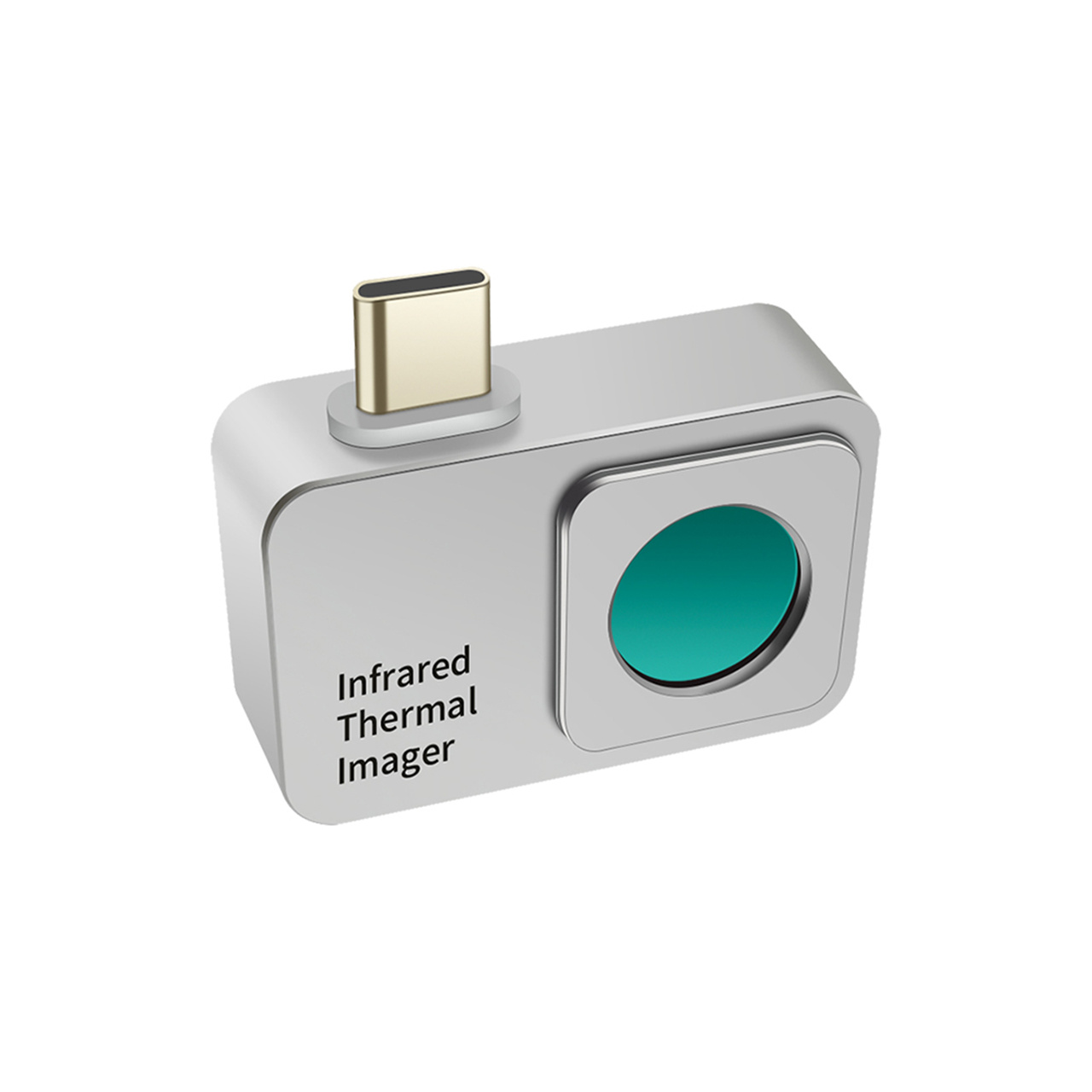
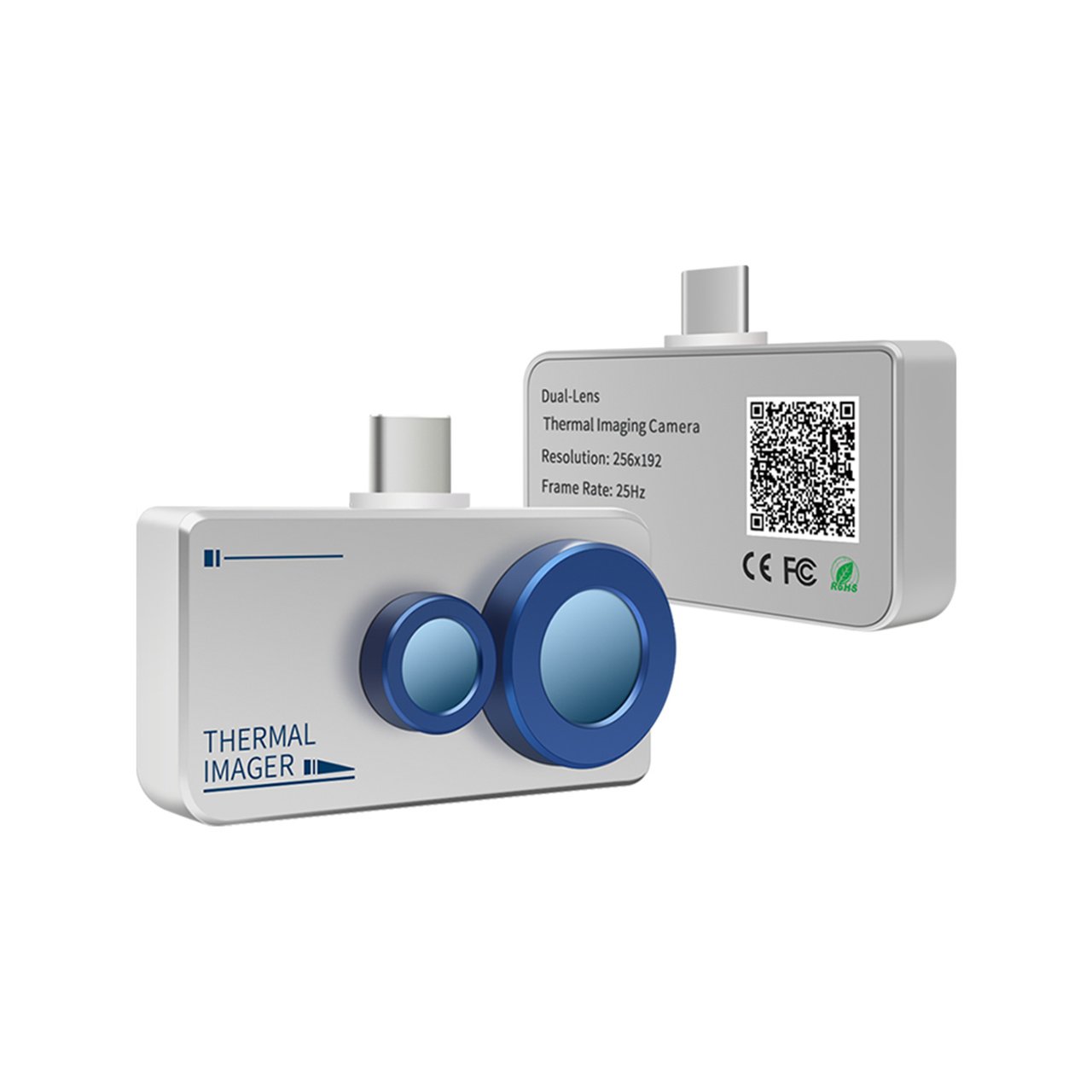
Reflecting Japan's expertise in miniaturization, there's strong demand for smartphone-compatible thermal cameras and compact handheld devices. These portable solutions appeal to SMEs, independent contractors, and maintenance professionals who need affordable, user-friendly diagnostic tools. The mobile thermal imaging segment grew 22% year-over-year in 2024.
Japan's regulatory framework significantly influences the surveillance imaging market. The Fire Service Act mandates thermal inspections for certain facility types, while the Building Standards Law requires periodic structural assessments. Additionally, the Electrical Safety Law necessitates regular thermal surveys of electrical installations. Compliance with these regulations drives consistent demand for certified thermal imaging equipment.
Equipment must obtain PSE (Product Safety Electrical Appliance & Materials) certification and often requires additional certifications depending on application areas. The stringent certification process ensures high quality but creates barriers for foreign manufacturers unfamiliar with Japanese regulatory requirements.
Japan's extensive railway network, including the Shinkansen bullet train system covering 3,000+ kilometers, employs thermal imaging for track inspection, pantograph monitoring, and brake system analysis. East Japan Railway Company (JR East) uses thermal cameras to detect overheating components during maintenance windows, preventing service disruptions. The railway thermal inspection market alone represents ¥8 billion annually.
Airports like Narita and Haneda utilize thermal imaging for runway inspection, aircraft maintenance checks, and perimeter security. All Nippon Airways (ANA) and Japan Airlines (JAL) incorporate thermal surveys in their aircraft maintenance protocols, detecting potential issues in engines, hydraulic systems, and electrical components before they escalate.
Given Japan's vulnerability to natural disasters—earthquakes, tsunamis, typhoons, and volcanic activity—thermal imaging has become essential for emergency services. Fire departments across Japan's 47 prefectures deploy thermal cameras for search and rescue operations, fire investigation, and hazardous material response. The Tokyo Fire Department alone operates over 200 thermal imaging devices across its stations.
Volcanic monitoring stations use thermal imaging to detect temperature changes in active volcanoes like Mount Fuji, Sakurajima, and Mount Aso. The Japan Meteorological Agency integrates thermal data with seismic information to improve eruption prediction models, protecting millions of residents in volcanic regions.
Japan's high-tech agriculture sector adopts thermal imaging for crop health monitoring, greenhouse climate control, and livestock management. Precision agriculture initiatives in Hokkaido and Kyushu use thermal drones to assess crop water stress, optimize irrigation, and detect plant diseases early. The agricultural thermal imaging market grows particularly in vertical farming operations around Tokyo and Osaka, where temperature control is critical.
Food processing facilities employ thermal imaging for quality assurance, ensuring proper cooking temperatures, detecting contamination risks, and monitoring cold chain integrity. Major food manufacturers like Ajinomoto, Kikkoman, and Meiji integrate thermal inspection into their production lines to meet Japan's stringent food safety standards.
Japanese universities and research institutions utilize advanced thermal imaging for materials science, robotics development, and medical research. RIKEN, Japan's largest research institute, employs thermal cameras in various projects from studying heat dissipation in next-generation semiconductors to analyzing thermal signatures in biological systems. The academic and research segment represents a growing niche market with specialized requirements for high-resolution, multi-spectral imaging capabilities.
Shenzhen Dianyang Technology Co., Ltd. is a subsidiary of VHD (Shenzhen VHD Technology Co., Ltd.), a publicly listed company on the Shenzhen Stock Exchange. This strategic affiliation gives Dianyang unique access to VHD's advanced R&D platforms, high-precision manufacturing systems, and rigorous quality management practices—enabling us to deliver thermal imaging products of higher reliability and consistency than typical ODMs.
We specialize in ODM/OEM services for infrared thermal imaging solutions, including handheld thermal imagers, smartphone-connected thermal cameras, thermal analyzers, and thermal imaging telescopes. Our products serve global customers in power inspection, building diagnostics, firefighting, industrial maintenance, and outdoor applications.
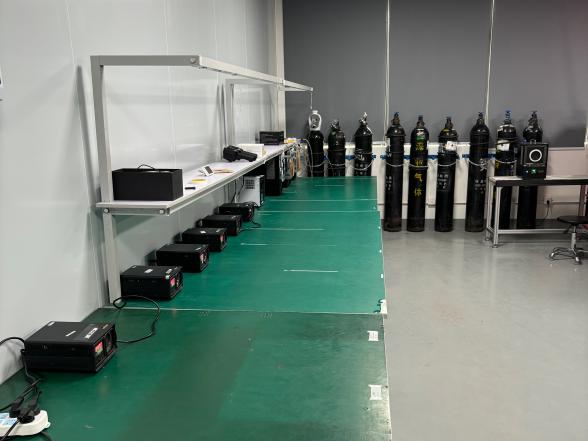
Understanding Japan's stringent regulatory requirements, Dianyang maintains comprehensive certification capabilities. Our dedicated engineering team applies Design for Manufacturing (DFM), Design for Testability (DFT), thermal simulation, and EMC pre-compliance analysis to optimize performance and accelerate development. We support clients in obtaining key certifications such as CE, FCC, RoHS, REACH, CB, UKCA, KC, and PSE—ensuring seamless market entry into Japan.
Our structured NPI (New Product Introduction) process typically delivers certified prototypes within 8-12 weeks. Combined with stable supply chain support and group-level technical resources, we ensure on-time delivery and long-term product reliability that meets Japanese quality expectations.
We recognize that Japanese industrial clients require specialized features—from Japanese language interfaces to specific measurement ranges suited for local applications. Our ODM/OEM services enable complete customization of thermal imaging solutions, whether for Tokyo metropolitan infrastructure projects, Osaka manufacturing facilities, or Hokkaido agricultural operations.
Recent projects include developing ruggedized thermal imagers for railway maintenance in extreme weather conditions, compact smartphone-compatible devices for building inspectors navigating dense urban environments, and high-precision industrial cameras for semiconductor manufacturing quality control.
We provide comprehensive technical support with understanding of Japanese business practices and communication preferences. Our team offers Japanese-language documentation, training programs, and responsive after-sales service that aligns with Japan's expectations for customer support excellence.
By combining focused thermal imaging expertise with the backing of a listed parent company, Dianyang offers a rare blend of agility, quality, and scalability—helping Japanese partners bring high-performance, certified thermal products to market with confidence. We view each relationship as a long-term partnership rather than a transactional engagement.
As Japan advances toward its Society 5.0 vision—a super-smart society that integrates cyberspace and physical space—thermal imaging technology will play an increasingly central role. The convergence of thermal imaging with 5G networks, edge computing, and artificial intelligence creates unprecedented opportunities for real-time monitoring, predictive maintenance, and automated inspection systems.
The Japanese government's Green Growth Strategy, targeting carbon neutrality by 2050, will drive demand for energy efficiency solutions where thermal imaging is indispensable. Building energy audits, industrial process optimization, and renewable energy facility management will all require advanced thermal surveillance capabilities.
Furthermore, Japan's demographic challenges—with 29% of the population over 65—necessitate automation and remote monitoring solutions. Thermal imaging integrated with robotics and autonomous systems will help address labor shortages in inspection, maintenance, and security sectors.
New applications continue to emerge across Japan's technology landscape. Smart cities like Fujisawa SST and Kashiwa-no-ha integrate thermal sensors into urban infrastructure for traffic management, public safety, and energy optimization. Healthcare facilities explore thermal imaging for non-contact patient monitoring and infection control—applications that gained prominence during the COVID-19 pandemic and continue to evolve.
The automotive industry, as Japan transitions toward electric vehicles, requires thermal imaging for battery management system testing, charging infrastructure inspection, and autonomous vehicle sensor validation. Toyota's commitment to producing 3.5 million EVs annually by 2030 signals substantial demand for thermal testing equipment.
Entering Japan's sophisticated thermal imaging market requires more than quality products—it demands understanding of local business culture, regulatory landscape, and customer expectations. Dianyang's combination of technical excellence, manufacturing capability, and flexibility positions us as an ideal partner for companies seeking to establish or expand their presence in Japan.
Our parent company VHD's public listing status provides financial stability and transparency that Japanese corporations value in long-term supplier relationships. Meanwhile, our focused expertise in thermal imaging allows us to remain agile and responsive to specific market needs—a balance rarely found in the industry.
Whether you're a Japanese distributor seeking reliable OEM products, an industrial company requiring customized thermal solutions, or an international firm entering the Japanese market, Dianyang offers the technical capability, quality assurance, and partnership approach necessary for success in Japan's demanding but rewarding thermal imaging sector.