Leave Your Message
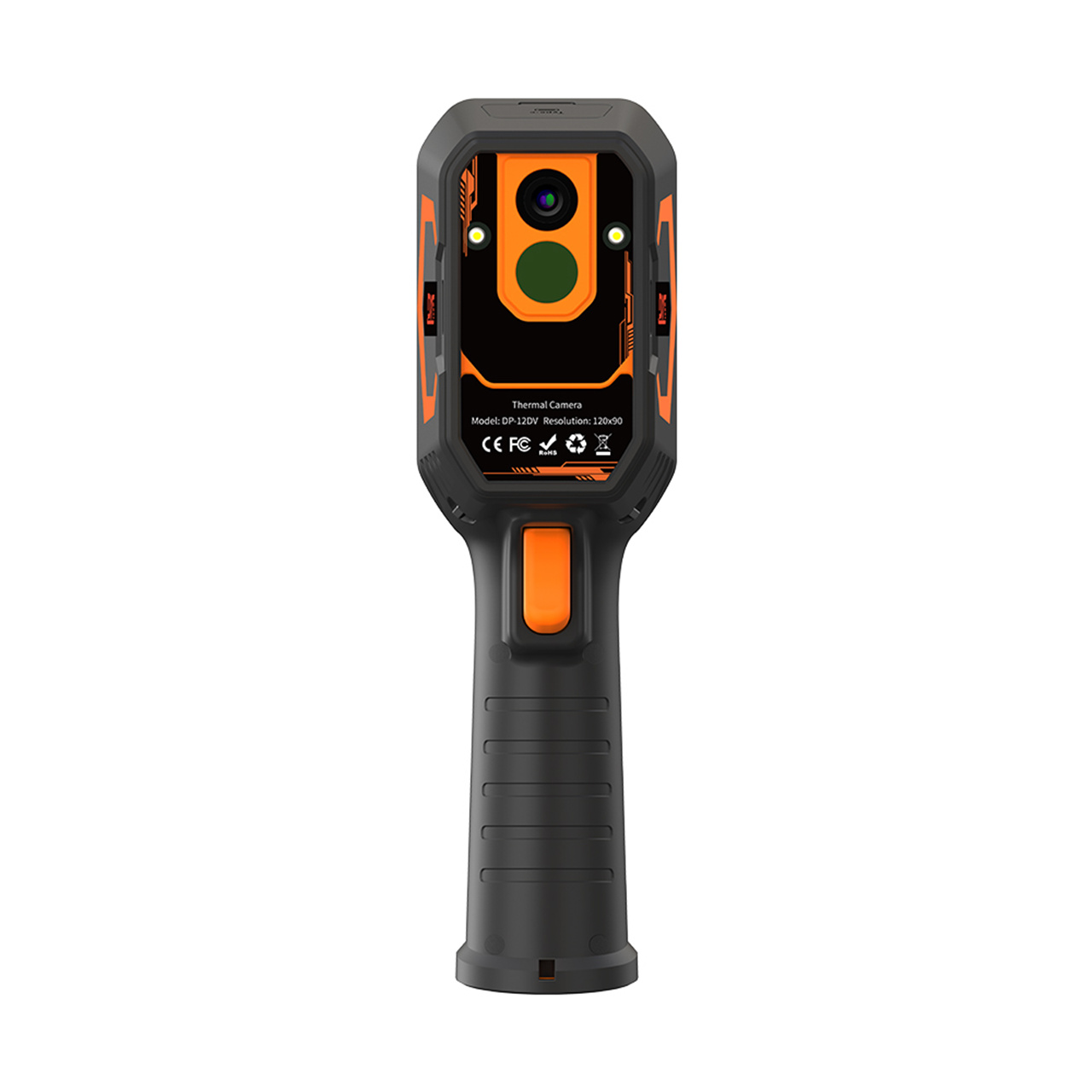
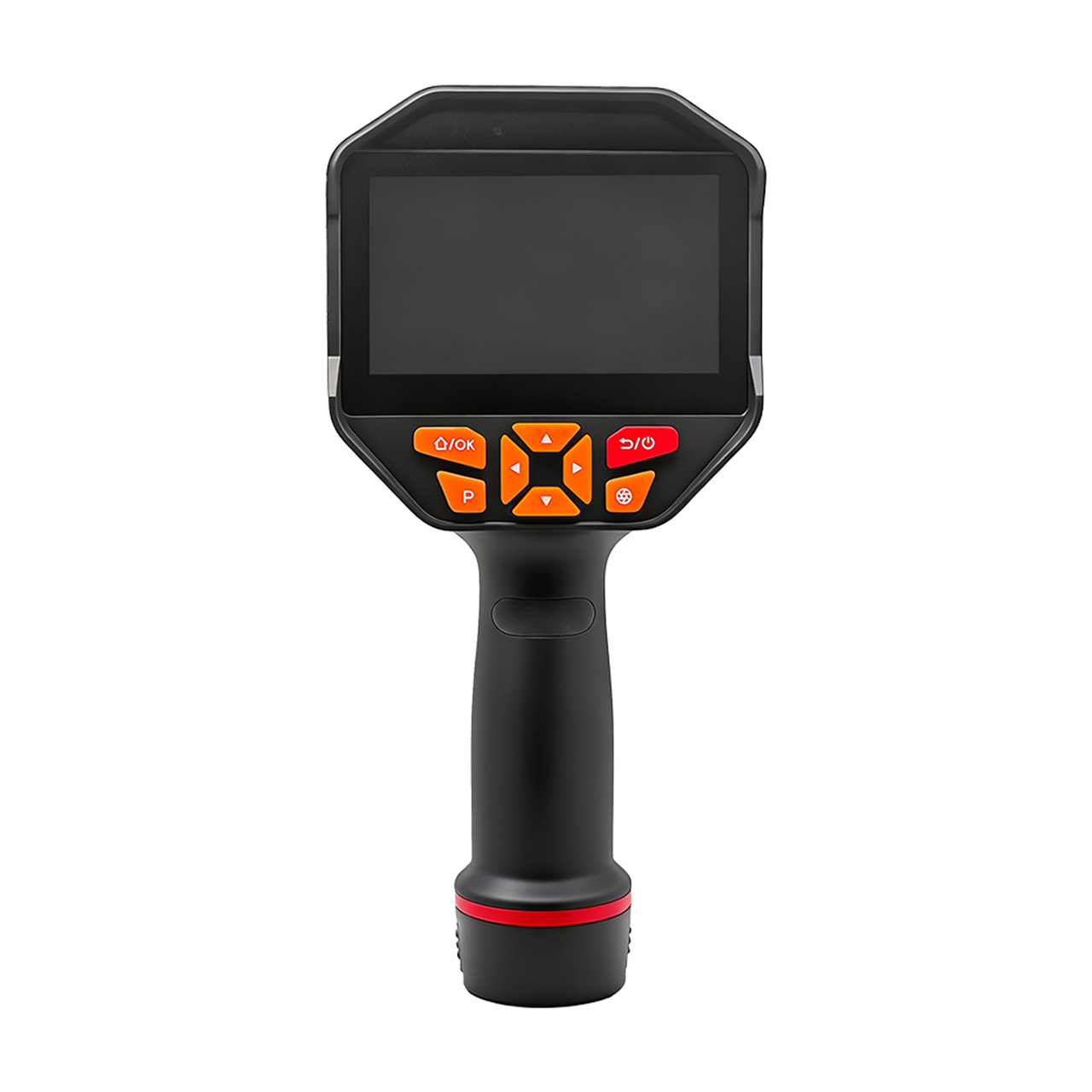
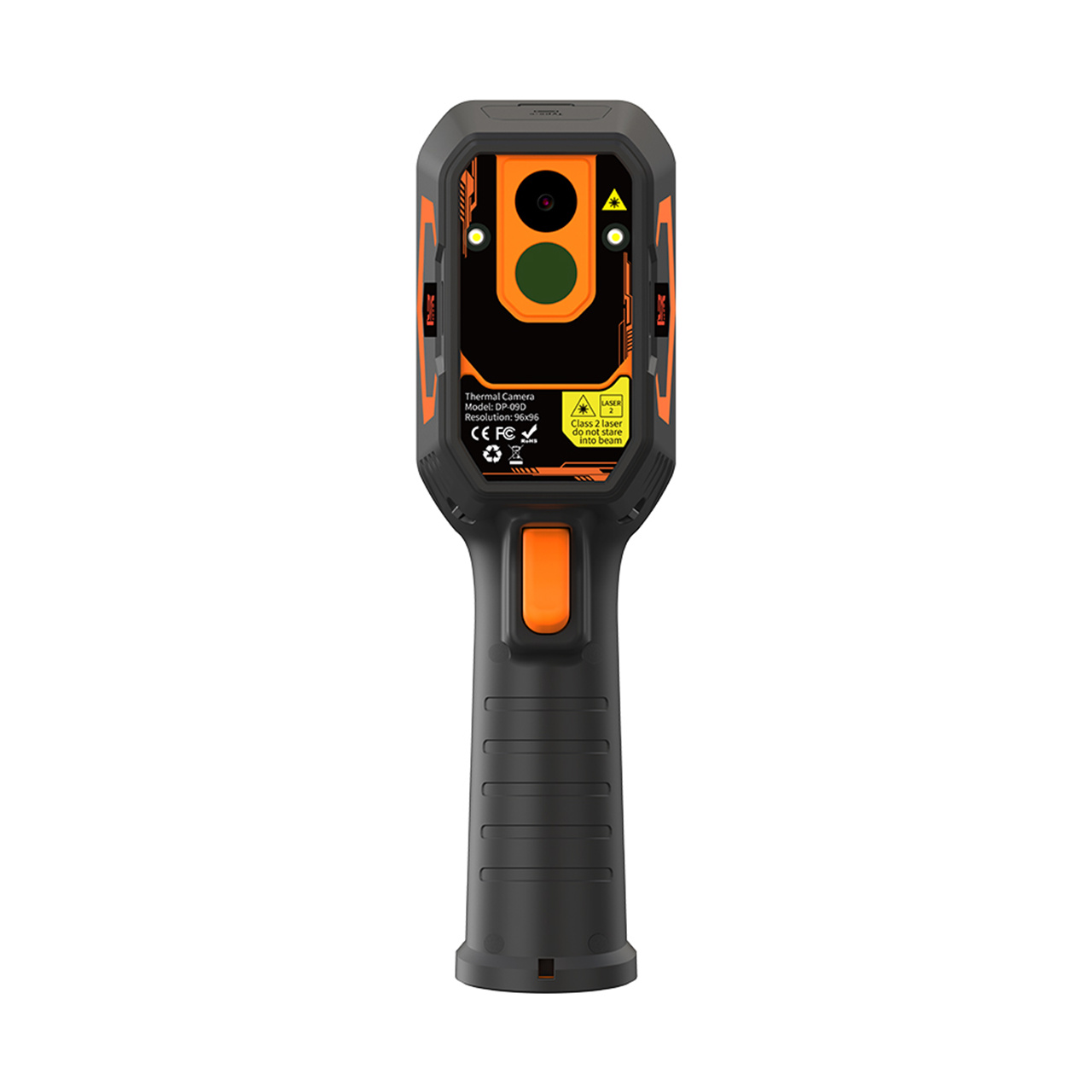
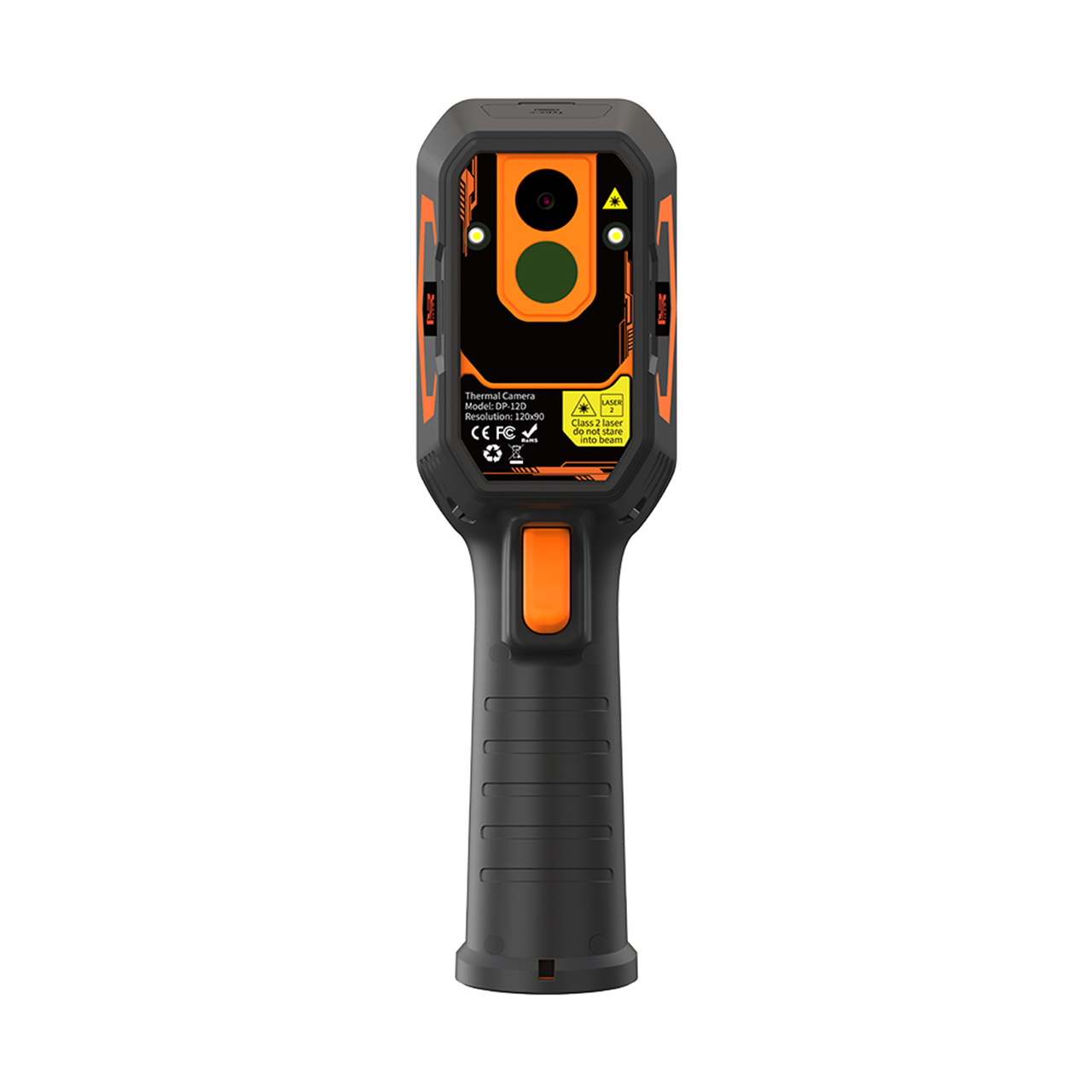
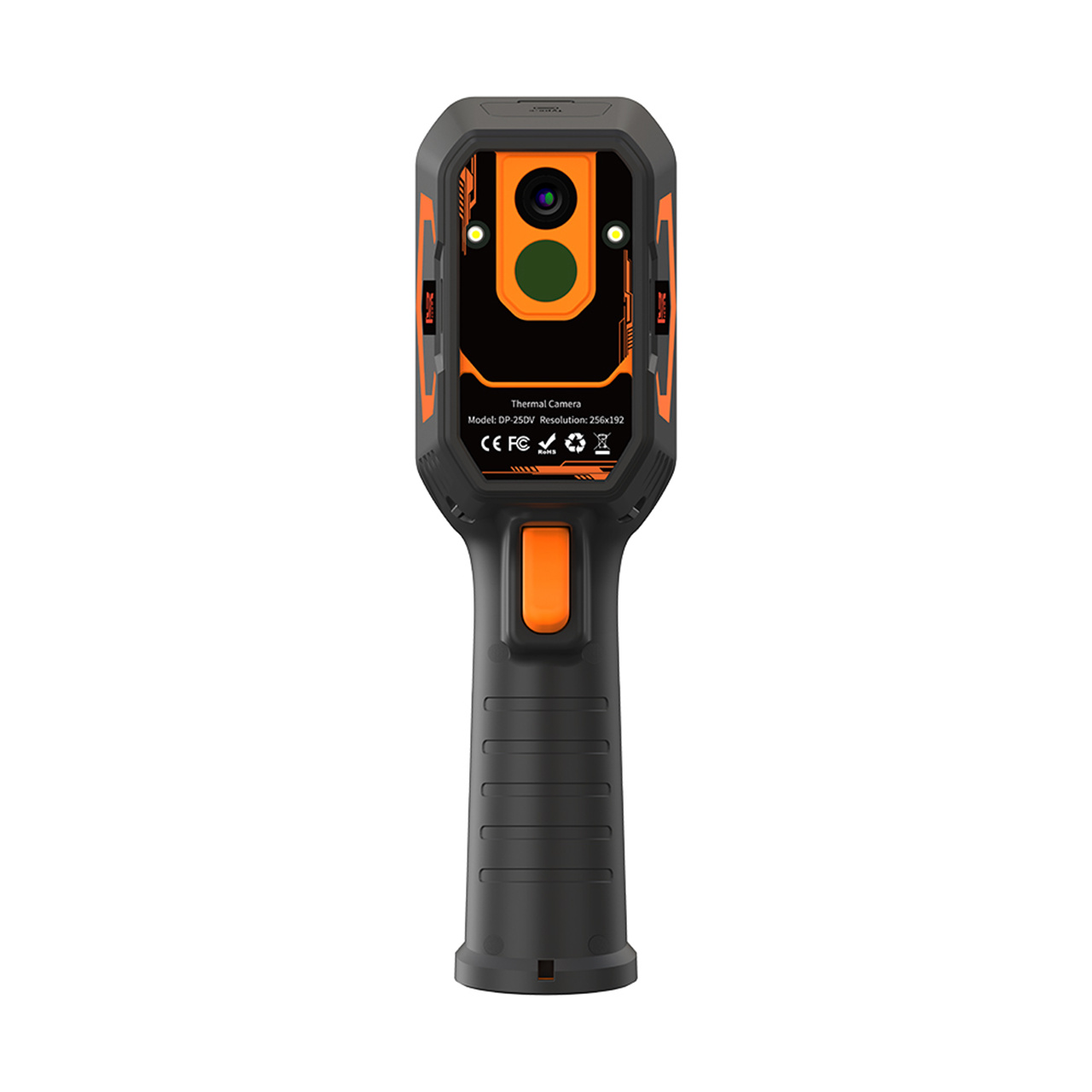
In the contemporary era of sustainable development and stringent environmental regulations, the efficiency of commercial and industrial infrastructure has never been under more scrutiny. Buildings account for nearly 40% of global energy consumption and a significant portion of greenhouse gas emissions. As governments and international bodies enforce stricter carbon neutrality goals, such as LEED (Leadership in Energy and Environmental Design) and BREEAM certifications, facility managers and energy auditors are under immense pressure to identify and rectify energy wastage. This is where the Tactical Thermal Imager for Building Energy Audits transitions from being a specialized luxury to an absolute industrial necessity.
Historically, energy audits relied heavily on theoretical calculations, utility bill analysis, and visual inspections, which often failed to pinpoint the exact locations of energy loss. Today, the commercial landscape is revolutionized by tactical thermography. A tactical thermal imager provides non-destructive, real-time visual data of temperature differentials, allowing auditors to literally "see" energy escaping. In industrial settings, where HVAC systems and heavy machinery consume massive amounts of power, a minor insulation failure or duct leak can result in thousands of dollars in wasted energy annually. The integration of high-resolution thermal imaging into routine facility maintenance programs is now a standard operating procedure for Fortune 500 companies aiming to optimize their operational expenditure (OPEX) and achieve ESG (Environmental, Social, and Governance) targets.
Modern building codes mandate rigorous energy efficiency standards. Tactical thermal imagers provide the empirical data required by inspectors to verify that insulation installation meets ASHRAE standards. By documenting thermal bridges and air leaks, auditors can generate comprehensive reports necessary for acquiring green building certifications, thereby increasing the property's market value and operational sustainability.
The return on investment (ROI) for deploying a tactical thermal imager in building energy audits is exceptionally rapid. By identifying hidden issues such as failing HVAC compressors, missing cellulose insulation, or compromised roofing membranes before they necessitate catastrophic repairs, facility managers can implement targeted, cost-effective remediations. The energy savings realized in a single heating or cooling season often surpass the cost of the equipment.
The versatility of a tactical thermal imager for building energy audits extends far beyond simple temperature reading. It is a comprehensive diagnostic tool capable of revealing a multitude of invisible building pathologies. By understanding the specific emissivity of building materials and the dynamics of thermal bridging, auditors can uncover critical flaws across various building systems.
The building envelope is the primary barrier between the conditioned interior and the external environment. Any compromise here results in massive energy hemorrhaging. A tactical thermal imager excels at detecting missing, damaged, or settled insulation within wall cavities without the need to drill holes or remove drywall. During winter, areas with poor insulation will appear significantly colder from the inside (or warmer from the outside) compared to well-insulated sections. Furthermore, thermal imaging is the perfect companion for Blower Door tests. When the building is depressurized, cold outside air is sucked through cracks and poor weatherstripping. The thermal imager visually captures these air leaks as dark, sprawling plumes, allowing contractors to seal the exact points of infiltration.
Heating, Ventilation, and Air Conditioning (HVAC) systems are the lungs of any commercial building. Inefficient HVAC operation is a leading cause of inflated energy bills. Tactical thermal imagers are deployed to inspect miles of hidden ductwork for leaks, disconnections, or blockages. An auditor can quickly scan ceiling grids and instantly identify areas where conditioned air is escaping into unconditioned plenums. Additionally, scanning the HVAC mechanical components—such as motors, bearings, and compressors—can reveal overheating issues caused by friction or electrical imbalances, enabling predictive maintenance before a complete system failure occurs during peak operational hours.
While primarily used for energy conservation, building energy audits also encompass safety and electrical efficiency. Loose connections, oxidized switches, and unbalanced loads create resistance, which manifests as heat. A tactical thermal imager can safely scan high-voltage electrical panels, transformers, and switchgears from a distance. Identifying a "hot spot" on a breaker not only prevents potential catastrophic fires but also eliminates the energy wasted through electrical resistance. This dual-purpose capability makes the thermal imager an invaluable asset for comprehensive facility audits.
Commercial buildings frequently utilize flat roof systems, which are prone to membrane degradation and subsurface moisture accumulation. Wet insulation loses its thermal resistance (R-value), leading to massive heat loss/gain. Because water retains solar heat longer than dry roofing materials, a tactical thermal imager used just after sunset can clearly outline areas of trapped moisture. These compromised zones radiate heat back into the cool evening sky, appearing as glowing patches on the imager's display. This allows for precise, localized repairs rather than expensive, full-roof replacements.
The technological evolution of the tactical thermal imager for building energy audits is accelerating at an unprecedented pace, driven by the integration of Artificial Intelligence (AI), miniaturization, and cloud computing. The future of thermography is not just about capturing an image; it is about intelligent data interpretation and automated reporting.
AI-Powered Automated Diagnostics: Modern tactical thermal imagers are increasingly equipped with edge-computing AI algorithms. These smart devices can automatically differentiate between a normal structural thermal bridge (like a wooden stud) and a genuine insulation void. AI integration reduces the learning curve for novice auditors and significantly speeds up the inspection process by highlighting critical anomalies in real-time, overlaying diagnostic data directly onto the visual spectrum image.
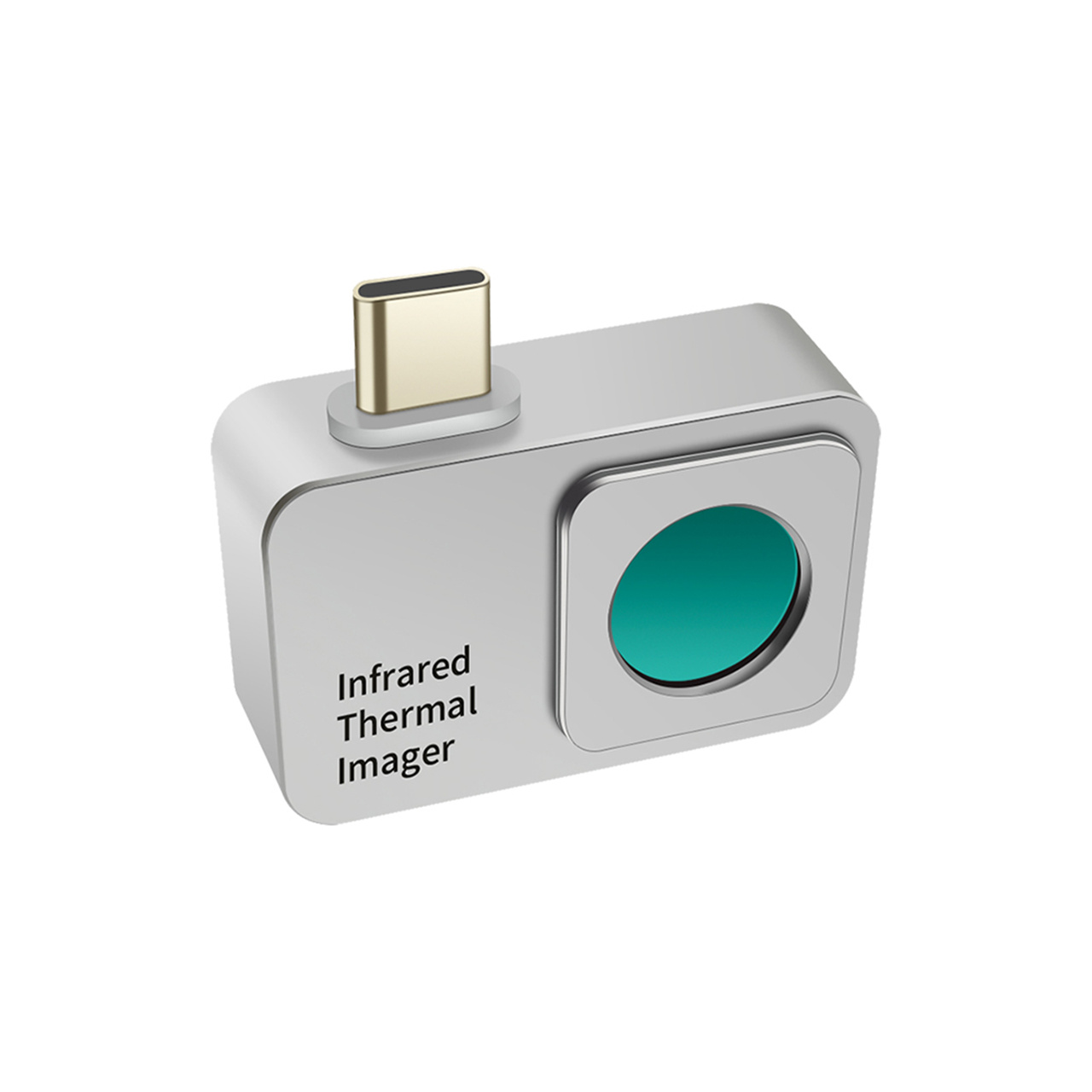
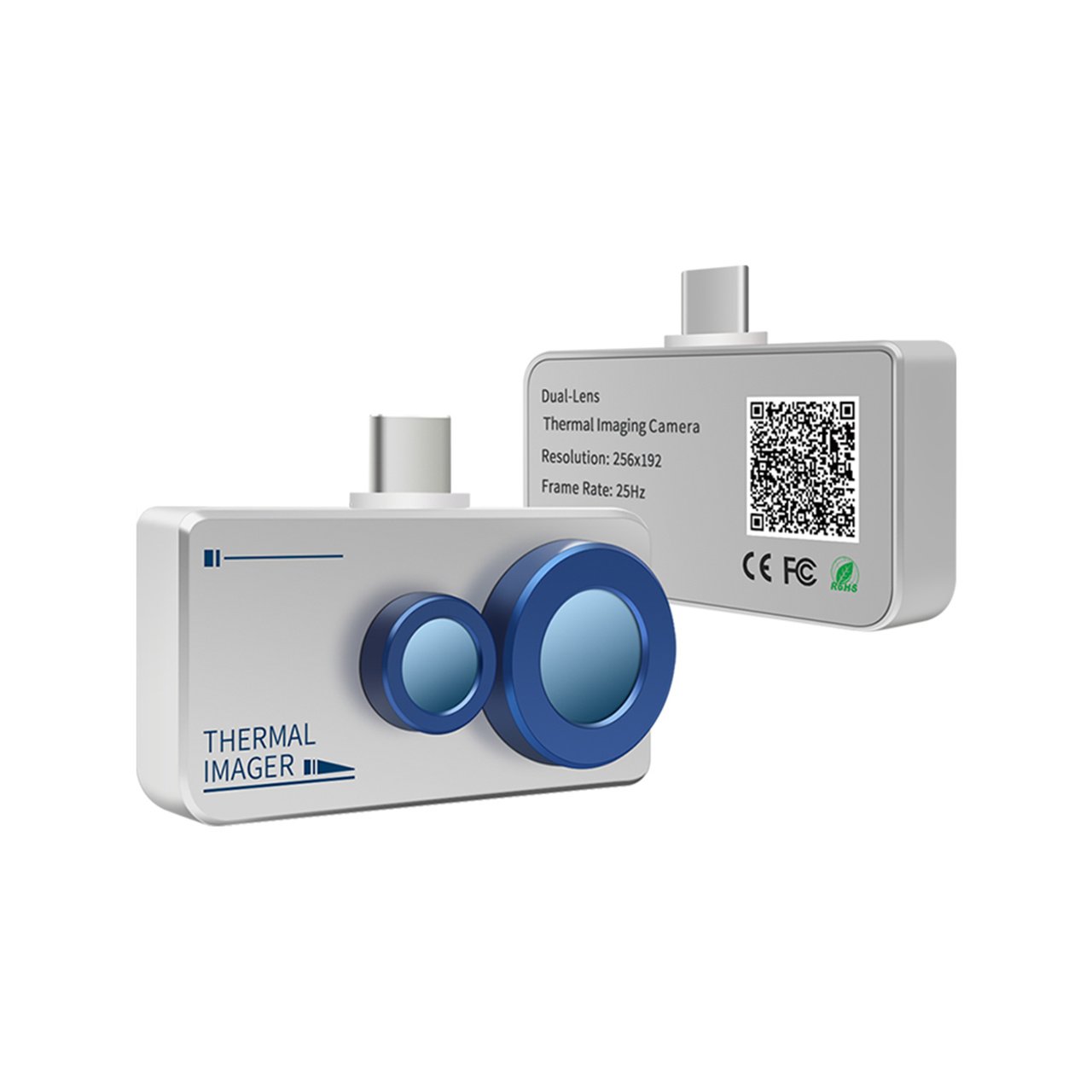
Smartphone Integration and Miniaturization: The democratization of thermal technology is a massive trend. Professional-grade thermal sensors are now miniaturized to attach directly to smartphones, as seen in models like the H1FB and H2F6B. These modular tactical thermal imagers leverage the immense processing power and connectivity of modern smartphones, allowing auditors to capture, analyze, and instantly email comprehensive energy audit reports to clients or maintenance teams directly from the field.
Cloud-Based Predictive Analytics: The future of building energy audits lies in continuous monitoring rather than periodic inspections. Tactical thermal imagers are becoming IoT (Internet of Things) enabled, capable of uploading thermal data to cloud platforms. Here, historical data is analyzed to predict degradation trends. For example, tracking the gradual temperature increase of an industrial HVAC motor over six months allows algorithms to predict the exact week it will fail, optimizing maintenance schedules and ensuring zero unplanned downtime.
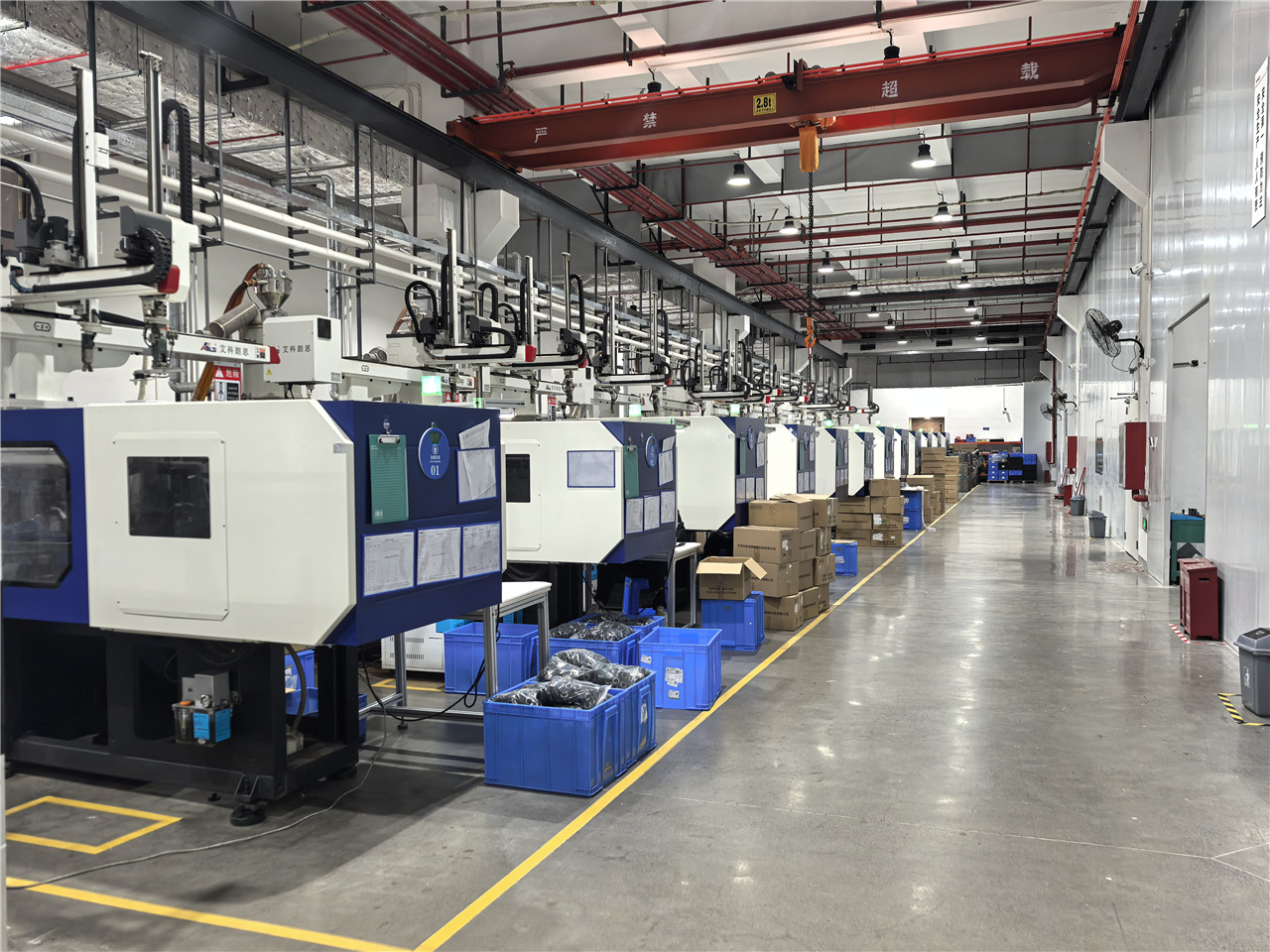
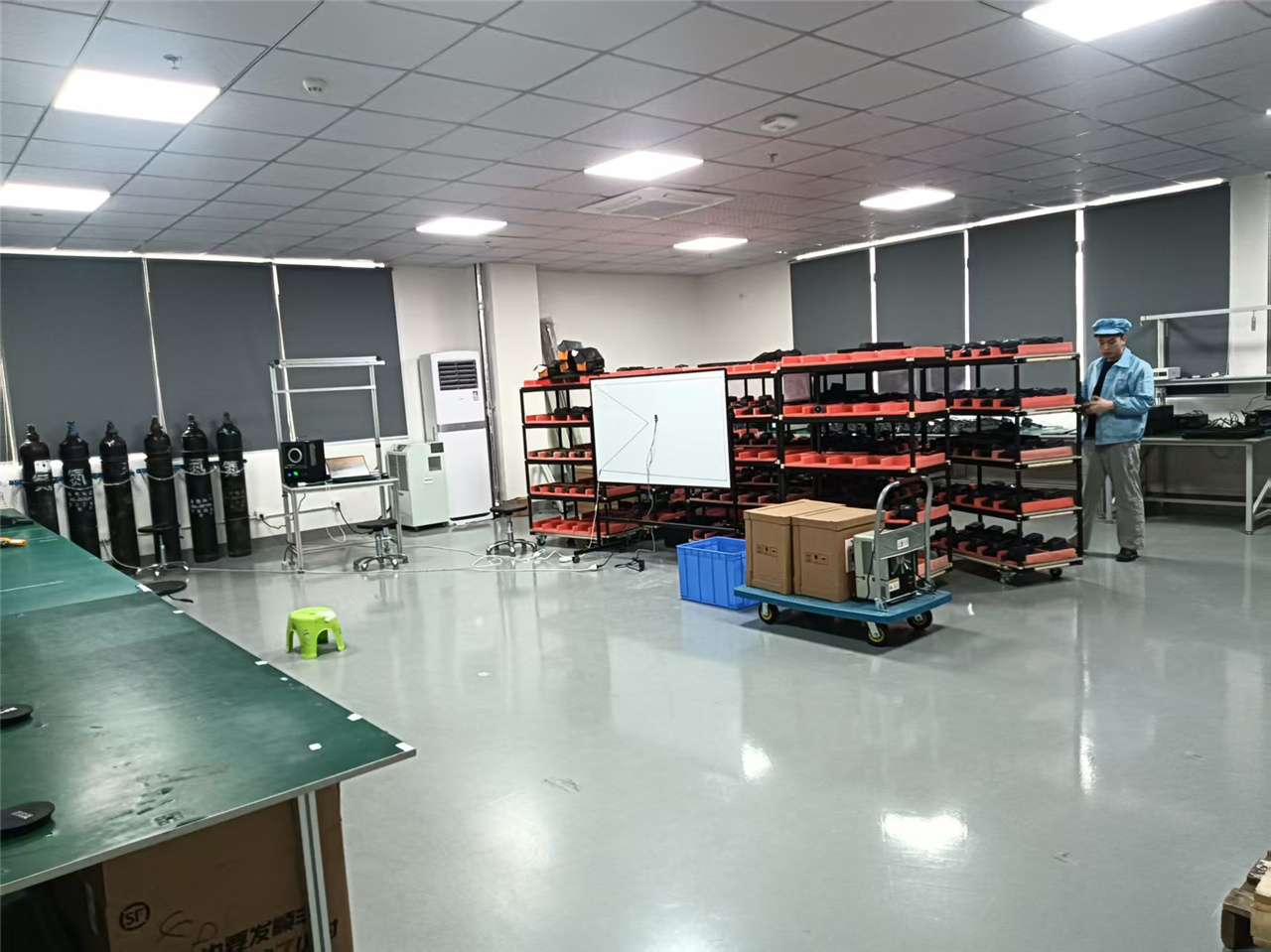
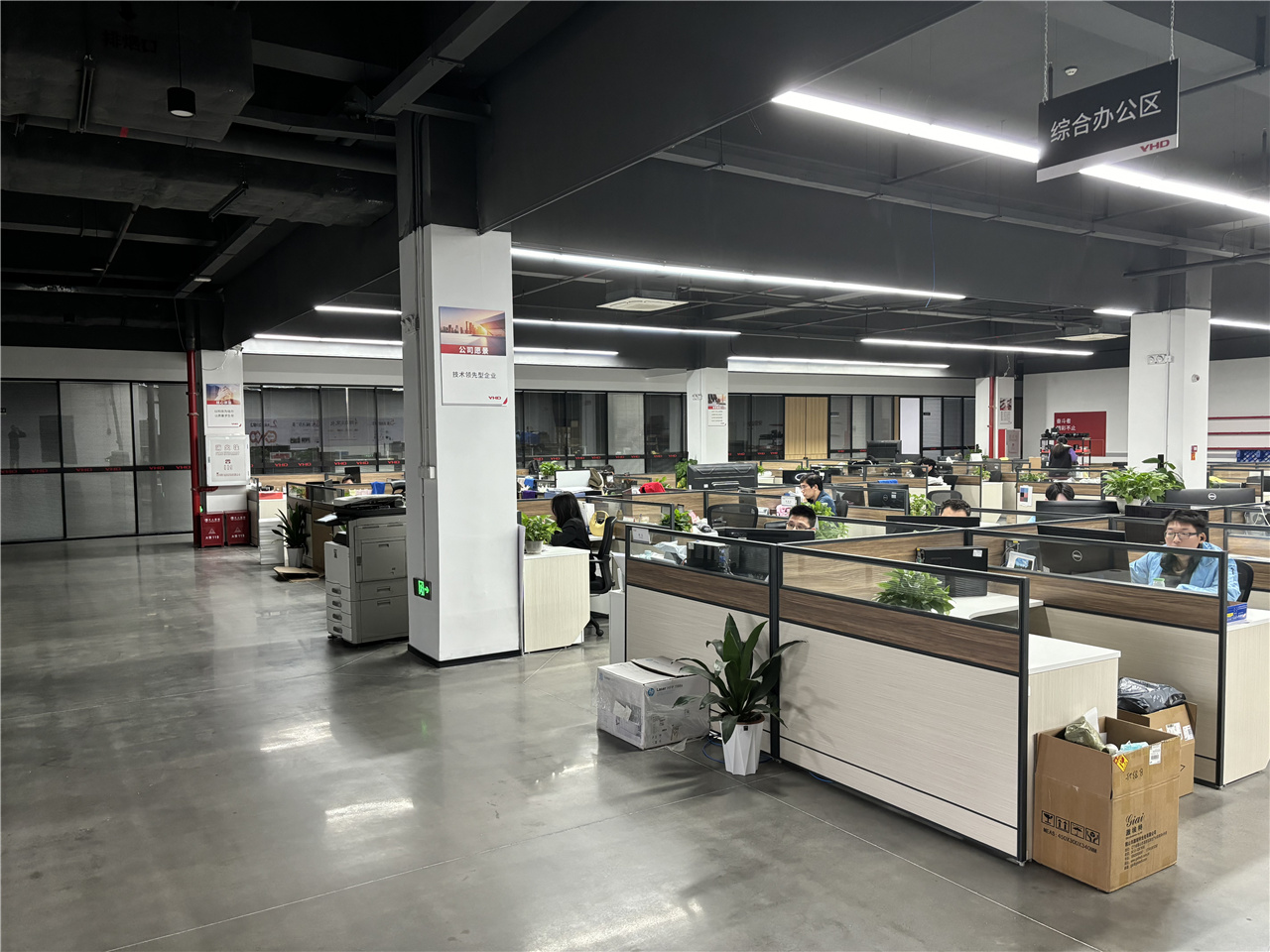
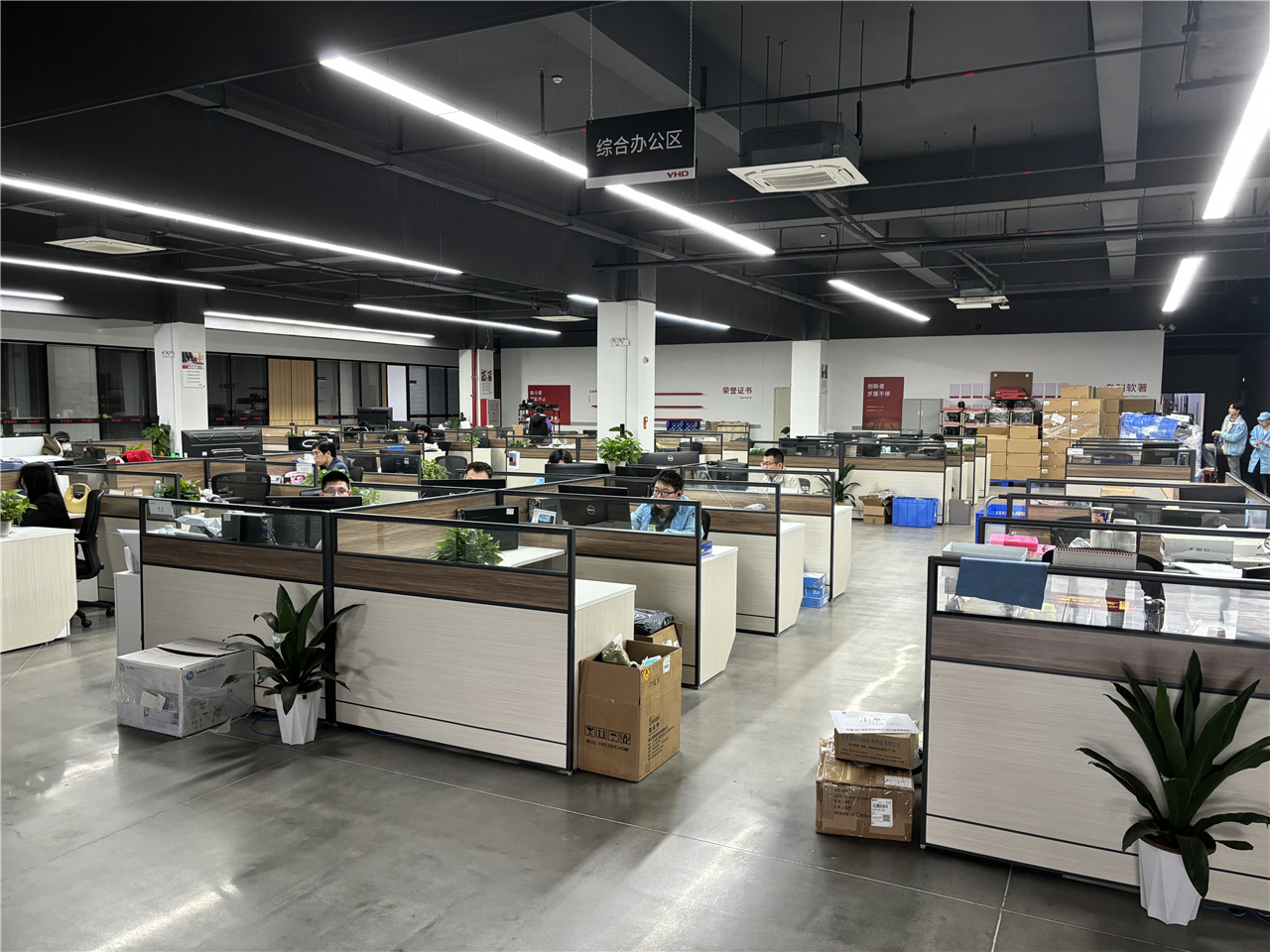
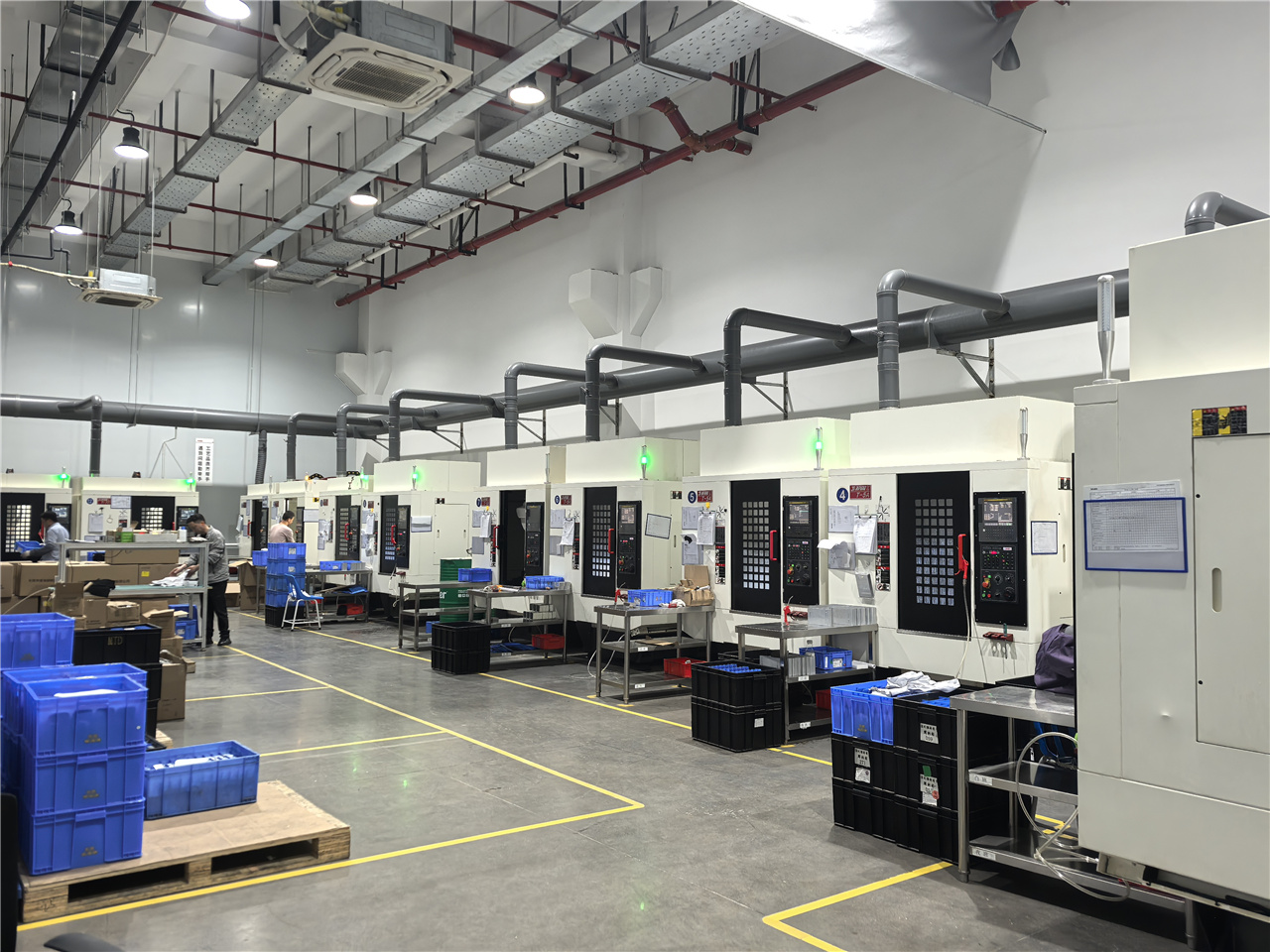
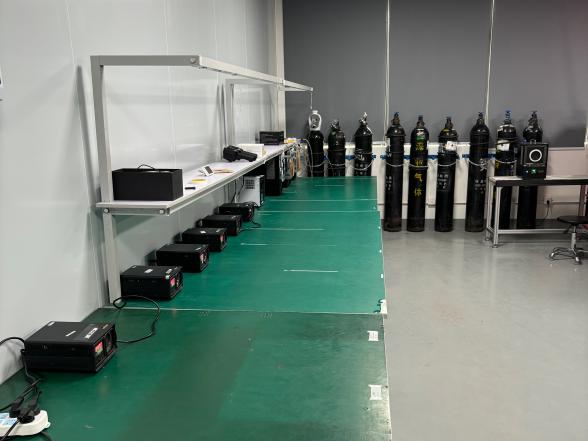
Shenzhen Dianyang Technology Co., Ltd. is a subsidiary of VHD (Shenzhen VHD Technology Co., Ltd.), a publicly listed company on the Shenzhen Stock Exchange. This strategic affiliation gives Dianyang unique access to VHD’s advanced R&D platforms, high-precision manufacturing systems, and rigorous quality management practices—enabling us to deliver tactical thermal imagers and building diagnostic products of higher reliability and consistency than typical ODMs.
We specialize in ODM/OEM services for infrared thermal imaging solutions, including handheld thermal imagers, smartphone-connected thermal cameras, thermal analyzers, and thermal imaging telescopes. Our products serve global customers in power inspection, building energy audits, firefighting, industrial maintenance, and outdoor applications.
Our dedicated engineering team applies Design for Manufacturing (DFM), Design for Testability (DFT), thermal simulation, and EMC pre-compliance analysis to optimize performance and accelerate development. We also support clients in obtaining key certifications such as CE, FCC, RoHS, REACH, CB, UKCA, KC, and PSE. By combining focused thermal imaging expertise with the backing of a listed parent company, Dianyang offers a rare blend of agility, quality, and scalability—helping global partners bring high-performance, certified thermal products to market with confidence.
Just Diligent, Keen on Control: Our structured NPI process typically delivers certified prototypes within 8–12 weeks. Combined with stable supply chain support and group-level technical resources, we ensure on-time delivery and long-term product reliability.