
Leave Your Message
Professional-grade thermal imagers designed for renewable energy diagnostics
The global solar energy industry has experienced exponential growth over the past decade, with installed photovoltaic (PV) capacity exceeding 1,000 GW worldwide. As solar installations proliferate across residential, commercial, and utility-scale projects, the need for effective maintenance and diagnostic tools has become paramount. Tactical thermal imagers have emerged as indispensable instruments for solar panel inspection, enabling technicians to identify defects, hotspots, and performance issues that are invisible to the naked eye.
Solar panels operate by converting sunlight into electricity through photovoltaic cells. However, various factors can compromise their efficiency: manufacturing defects, microcracks, cell degradation, soiling, shading, and electrical connection failures. These issues often manifest as temperature anomalies that can be detected using infrared thermal imaging technology. A malfunctioning solar cell typically operates at a higher temperature than its properly functioning counterparts, creating distinct thermal signatures that trained inspectors can identify and analyze.
Traditional visual inspections are time-consuming, labor-intensive, and often fail to detect subsurface or electrical issues. In contrast, thermal imaging provides a non-contact, non-destructive testing method that can rapidly scan large arrays of solar panels, identifying problems before they lead to significant energy losses or safety hazards. This technology has become essential for quality control during installation, routine maintenance, and troubleshooting of underperforming systems.
The thermal imaging market for renewable energy applications has witnessed substantial growth, driven by increasing solar installations and heightened awareness of preventive maintenance benefits. According to industry reports, the global thermal imaging market is projected to reach $8.5 billion by 2027, with renewable energy inspection representing one of the fastest-growing segments.
Solar installation companies, maintenance service providers, and energy asset management firms are increasingly incorporating thermal imaging into their standard operating procedures. Major solar farm operators now mandate thermal inspections as part of their quality assurance protocols, recognizing that early detection of defects can prevent costly system failures and maximize return on investment. Insurance companies and warranty providers are also requiring thermal inspection documentation to validate claims and assess risk.
The adoption of drone-mounted thermal cameras has revolutionized large-scale solar farm inspections, enabling rapid assessment of thousands of panels in a fraction of the time required for manual inspection. However, handheld tactical thermal imagers remain essential for detailed analysis, verification of drone findings, and inspection of rooftop installations where aerial surveys may not be practical or permitted.
Identify overheating cells and bypass diode failures that can lead to permanent panel damage and fire hazards. Thermal imagers detect temperature differentials as small as 0.1°C, enabling precise localization of problem areas.
Quantify energy losses due to soiling, shading, or degradation. Thermal data helps prioritize maintenance activities and validate cleaning effectiveness, maximizing energy production and system ROI.
Establish thermal baselines and track panel performance over time. Trend analysis enables predictive maintenance strategies that prevent catastrophic failures and extend system lifespan.
Verify proper installation and identify manufacturing defects during commissioning. Thermal inspection provides objective documentation for warranty claims and acceptance testing.
Detect electrical faults, connection issues, and arc flash risks before they cause equipment damage or personnel injury. Thermal imaging enables safe, non-contact assessment of energized systems.
Minimize downtime and reduce repair costs through early problem detection. Thermal inspection programs typically deliver ROI within the first year through prevented failures and optimized maintenance scheduling.
The thermal imaging industry is experiencing rapid technological advancement, driven by improvements in detector technology, image processing algorithms, and integration with artificial intelligence. Several key trends are shaping the future of solar panel inspection:
Artificial Intelligence and Machine Learning: Advanced software now incorporates AI algorithms that can automatically detect and classify thermal anomalies, reducing inspector training requirements and improving consistency. Machine learning models trained on thousands of thermal images can identify subtle patterns indicative of specific defect types, enabling more accurate diagnosis and prognosis.
Higher Resolution and Sensitivity: Next-generation thermal detectors offer increased pixel counts and improved thermal sensitivity, enabling detection of smaller defects at greater distances. This advancement is particularly valuable for drone-based inspections and large-scale solar farms where inspection efficiency is critical.
Multi-Spectral Integration: Combining thermal imaging with visible light cameras and other sensors provides comprehensive diagnostic information. Fused imagery helps correlate thermal anomalies with physical defects, environmental conditions, or installation characteristics.
Cloud-Based Analytics: Modern thermal imagers increasingly feature wireless connectivity and cloud integration, enabling real-time data sharing, collaborative analysis, and centralized asset management. Cloud platforms facilitate trend analysis across multiple sites and support predictive maintenance programs.
Miniaturization and Smartphone Integration: Compact thermal cameras that connect to smartphones are democratizing access to thermal imaging technology, enabling smaller installation companies and individual technicians to perform professional-grade inspections without significant capital investment.
Comprehensive analysis of tactical thermal imager deployment across diverse solar energy contexts
Large solar installations spanning hundreds of acres present unique inspection challenges that tactical thermal imagers are uniquely positioned to address. Utility-scale facilities typically contain 100,000 to over 1 million individual solar panels, making comprehensive visual inspection impractical. Thermal imaging enables systematic assessment of entire installations, identifying underperforming strings, faulty inverters, and damaged panels that impact overall system output.
Operations and maintenance teams at utility-scale facilities employ both drone-mounted and handheld thermal imagers in complementary roles. Aerial thermal surveys provide rapid initial assessment, scanning thousands of panels per hour to identify areas requiring closer examination. Ground-based tactical thermal imagers then enable detailed investigation of flagged anomalies, verification of findings, and precise diagnosis of root causes.
Seasonal inspection programs leverage thermal imaging to optimize performance throughout the year. Spring inspections following winter weather identify storm damage and moisture intrusion. Summer thermal surveys during peak production periods detect hotspots and electrical issues exacerbated by high ambient temperatures. Fall assessments prepare systems for winter operation and identify maintenance priorities before weather conditions complicate repairs.
Thermal imaging data integration with SCADA systems and performance monitoring platforms enables correlation of thermal anomalies with electrical production data, environmental conditions, and historical performance trends. This comprehensive approach supports data-driven decision-making regarding maintenance priorities, warranty claims, and asset management strategies.
Commercial rooftop solar systems present distinct inspection challenges compared to ground-mounted arrays. Access limitations, safety considerations, and proximity to building infrastructure require specialized inspection approaches where portable tactical thermal imagers excel. These installations typically range from 50 kW to several megawatts, representing significant capital investments that justify regular thermal inspection programs.
Thermal imaging proves particularly valuable for commercial installations due to the higher consequences of failure. Rooftop system malfunctions can damage building infrastructure, create fire hazards, or interrupt business operations. Regular thermal inspections identify developing problems before they escalate, protecting both the solar investment and the underlying building assets.
Building-integrated photovoltaic (BIPV) systems, where solar panels serve as architectural elements, present additional complexity. Thermal imaging helps assess not only electrical performance but also building envelope integrity, identifying areas where panel mounting or sealing may compromise weatherproofing or insulation performance.
Commercial system inspections often coincide with broader facility maintenance programs, enabling efficient resource utilization. Thermal imagers used for solar panel inspection can also assess HVAC systems, electrical distribution equipment, and building envelope performance, providing comprehensive facility condition assessment.
The residential solar market has experienced explosive growth, with millions of homes worldwide now equipped with photovoltaic systems. Homeowners typically lack technical expertise to assess system health, creating opportunities for service providers offering thermal inspection services. Tactical thermal imagers enable technicians to provide professional diagnostic services, identifying issues that impact system performance and longevity.
Common residential solar issues detectable through thermal imaging include improper installation, roof penetration leaks, animal damage, vegetation shading, and component degradation. Annual thermal inspections help homeowners maximize their solar investment, ensure warranty compliance, and maintain optimal energy production.
The compact size and user-friendly interfaces of modern tactical thermal imagers make them ideal for residential service applications. Technicians can quickly assess systems during routine maintenance visits, providing homeowners with visual documentation of system condition and justification for recommended repairs or upgrades.
Smartphone-connected thermal cameras are particularly well-suited for residential applications, enabling service providers to capture, annotate, and share thermal images with homeowners immediately. This transparency builds customer confidence and facilitates informed decision-making regarding system maintenance and optimization.
Thermal imaging plays a critical role in solar panel manufacturing quality control and post-installation commissioning. Module manufacturers employ thermal testing to verify cell uniformity, detect manufacturing defects, and validate electrical performance before products leave the factory. Electroluminescence and thermal imaging testing have become standard quality assurance procedures for reputable manufacturers.
During installation and commissioning, thermal imaging verifies proper system assembly, electrical connections, and initial performance. Pre-energization thermal surveys identify installation errors such as damaged panels, reversed polarity, or inadequate grounding. Post-energization thermal baseline documentation establishes reference data for future comparison, enabling early detection of developing issues during warranty periods.
Third-party inspection services increasingly utilize thermal imaging for independent verification of system quality and performance. These assessments protect investor interests, validate contractor workmanship, and provide objective documentation for warranty administration and performance guarantee verification.
Shenzhen Dianyang Technology Co., Ltd. is a subsidiary of VHD (Shenzhen VHD Technology Co., Ltd.), a publicly listed company on the Shenzhen Stock Exchange. This strategic affiliation gives Dianyang unique access to VHD's advanced R&D platforms, high-precision manufacturing systems, and rigorous quality management practices—enabling us to deliver thermal imaging products of higher reliability and consistency than typical ODMs.
We specialize in ODM/OEM services for infrared thermal imaging solutions, including handheld thermal imagers, smartphone-connected thermal cameras, thermal analyzers, and thermal imaging telescopes. Our products serve global customers in power inspection, building diagnostics, firefighting, industrial maintenance, and outdoor applications.
Our thermal imaging solutions for solar panel inspection incorporate cutting-edge detector technology, advanced image processing algorithms, and intuitive user interfaces designed specifically for renewable energy applications. We understand the unique requirements of solar diagnostics and have optimized our products accordingly.
Key technical capabilities include high thermal sensitivity for detecting subtle temperature variations, wide temperature measurement ranges suitable for diverse environmental conditions, and specialized solar panel inspection modes that enhance anomaly detection. Our devices feature built-in analysis tools, customizable alarm thresholds, and comprehensive reporting capabilities that streamline inspection workflows.
Our dedicated engineering team applies Design for Manufacturing (DFM), Design for Testability (DFT), thermal simulation, and EMC pre-compliance analysis to optimize performance and accelerate development. We also support clients in obtaining key certifications such as CE, FCC, RoHS, REACH, CB, UKCA, KC, and PSE.
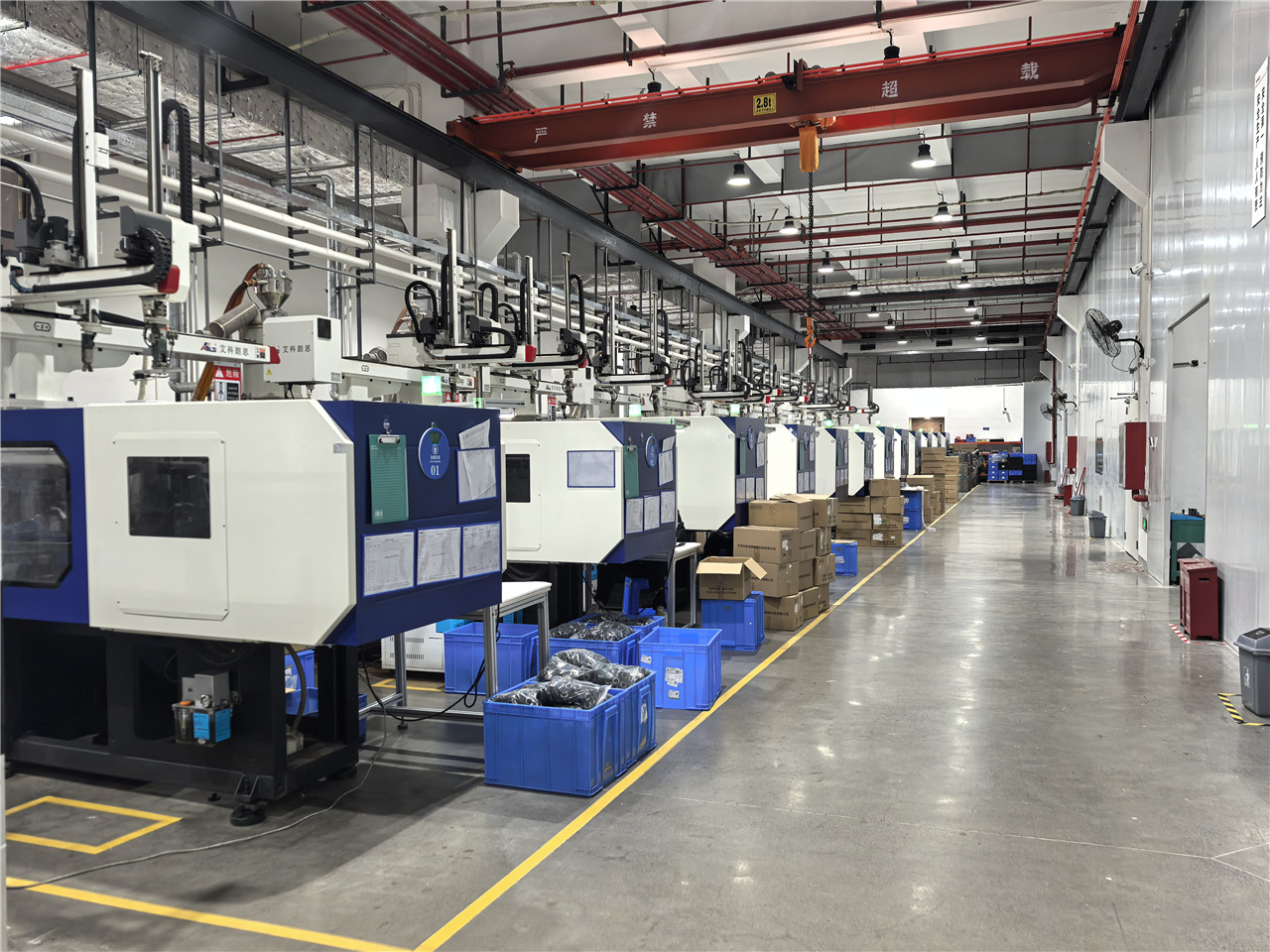
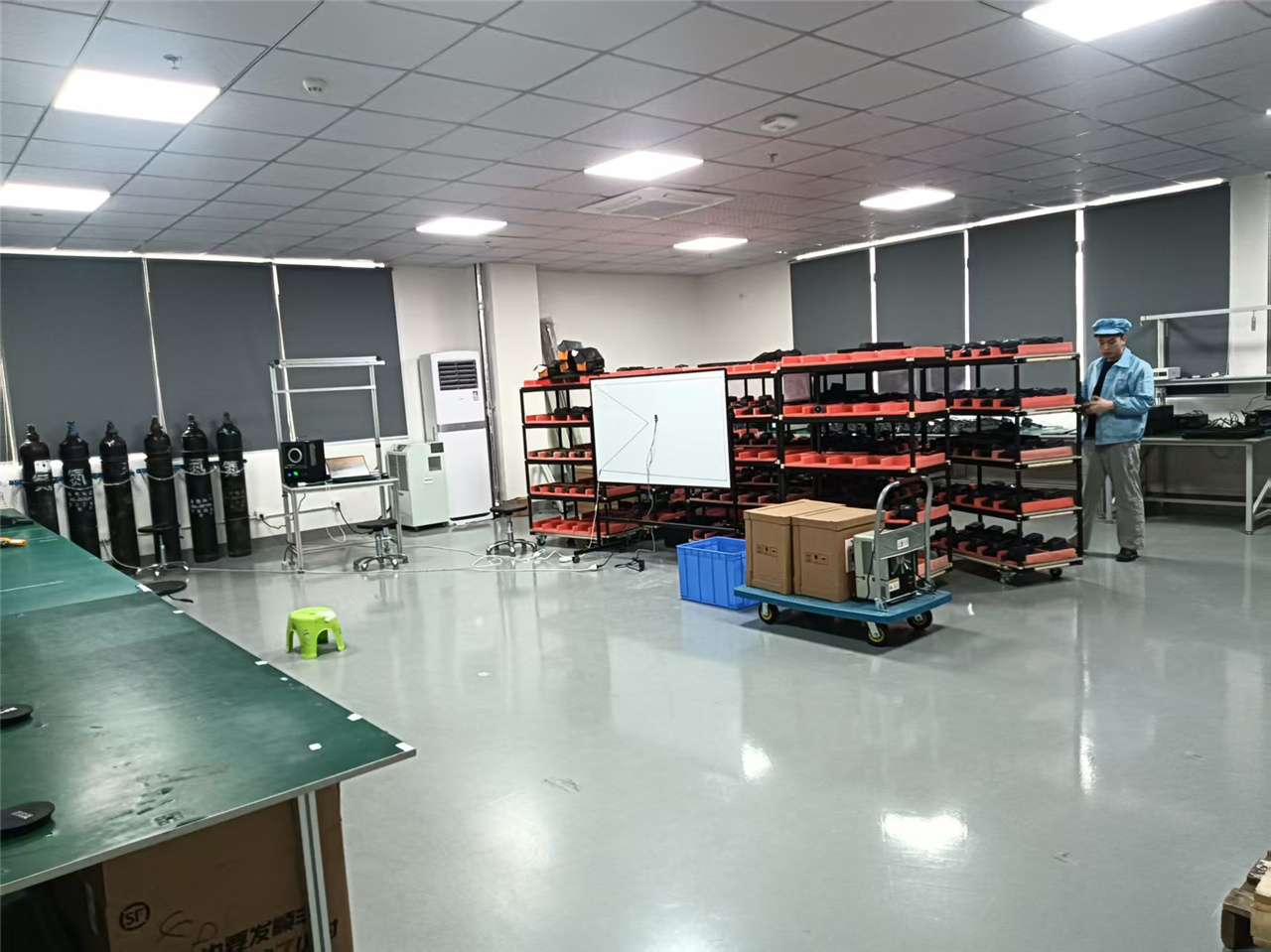
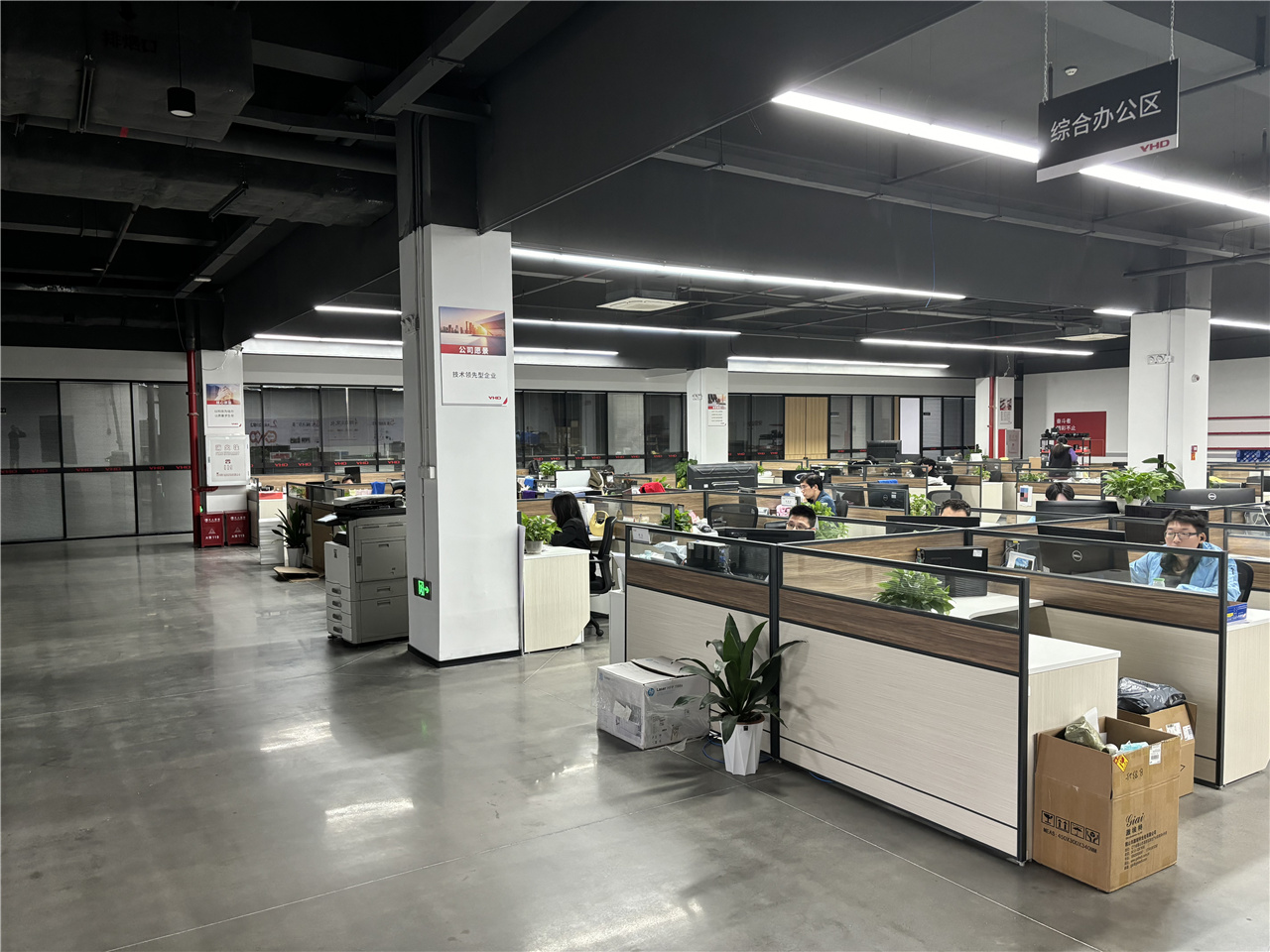
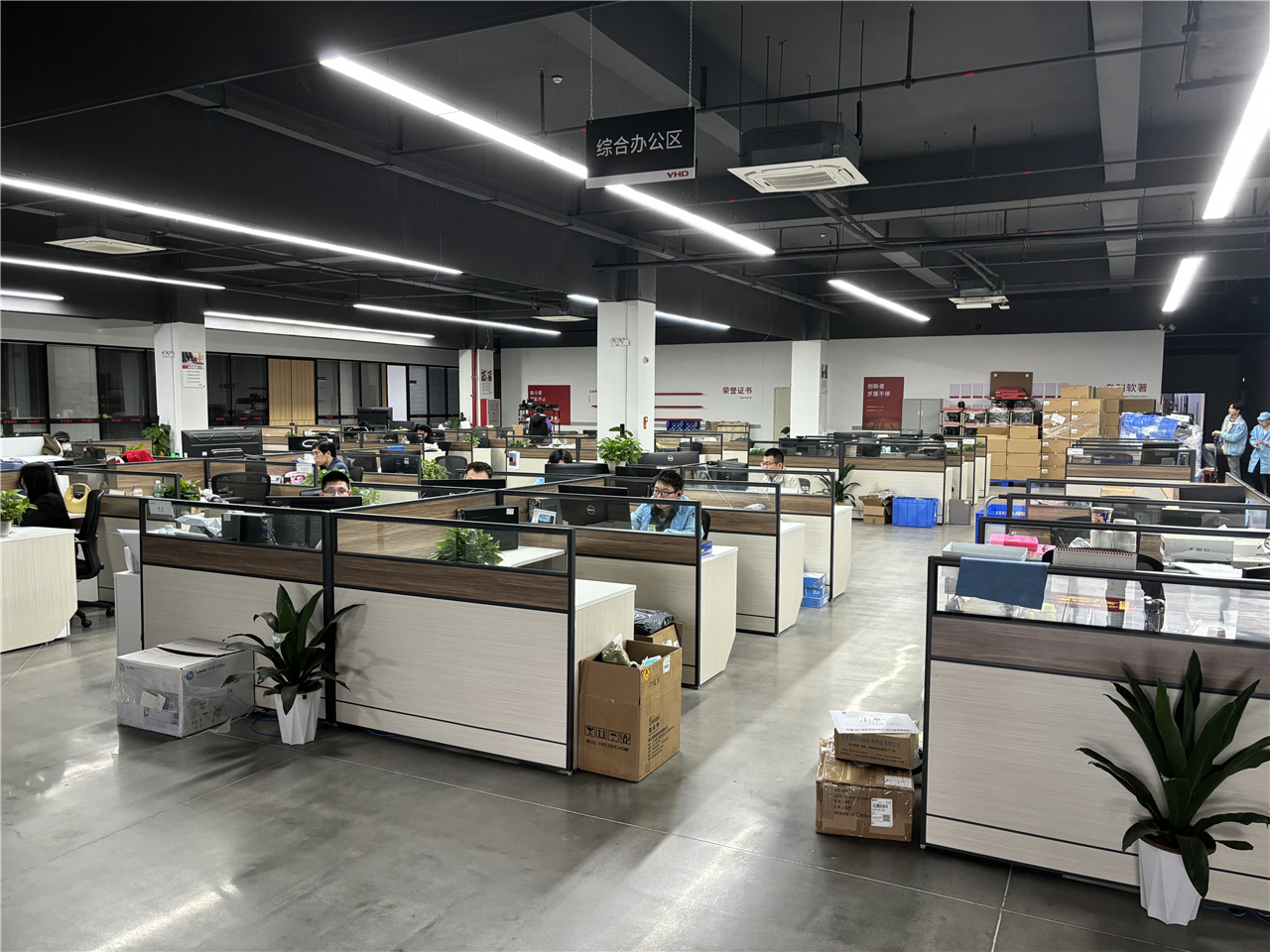
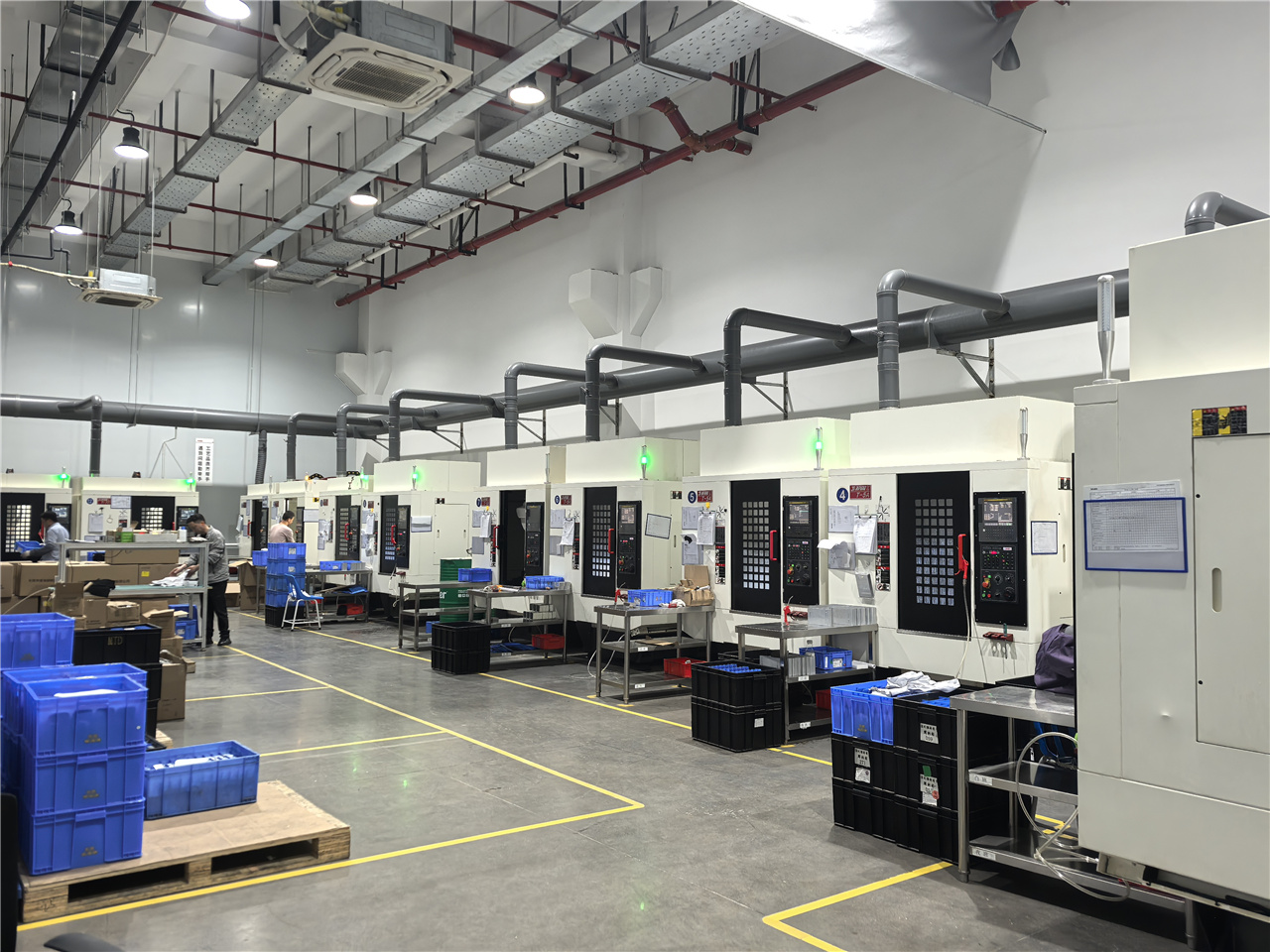
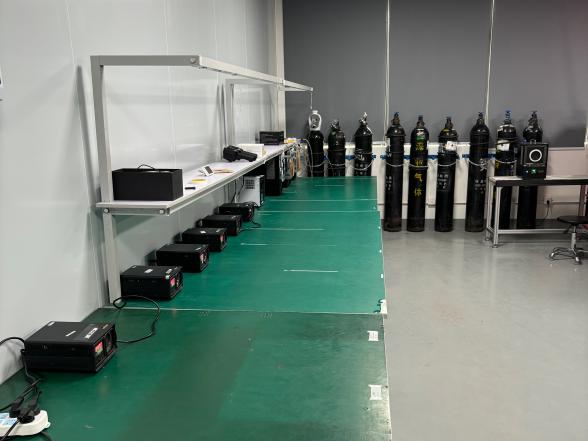
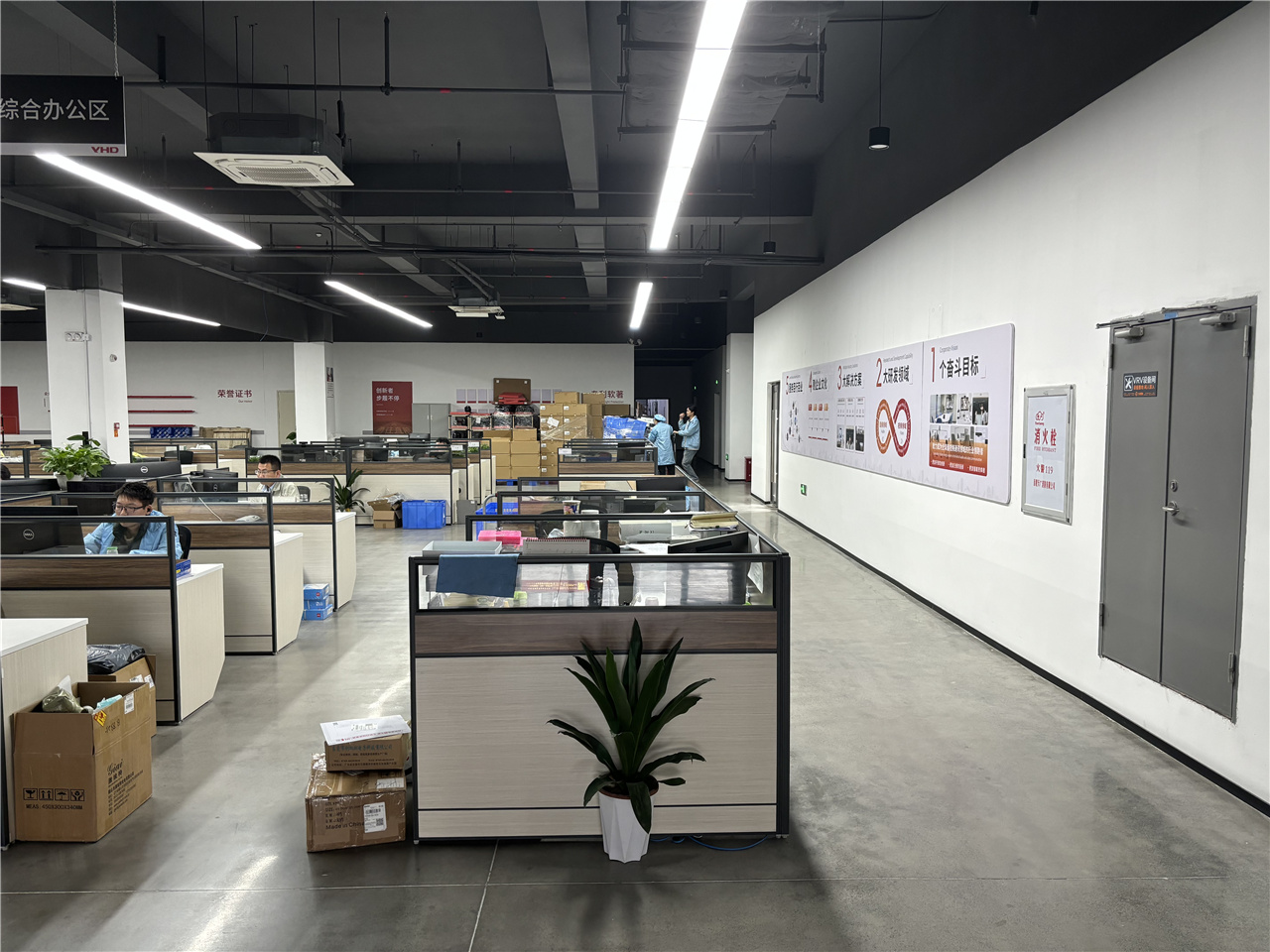
Our structured NPI process typically delivers certified prototypes within 8–12 weeks. Combined with stable supply chain support and group-level technical resources, we ensure on-time delivery and long-term product reliability.
By combining focused thermal imaging expertise with the backing of a listed parent company, Dianyang offers a rare blend of agility, quality, and scalability—helping global partners bring high-performance, certified thermal products to market with confidence.
As the solar energy industry continues its rapid expansion, the demand for sophisticated thermal inspection solutions will only intensify. Dianyang is committed to advancing thermal imaging technology to meet evolving market needs, investing in research and development focused on enhanced sensitivity, artificial intelligence integration, and seamless connectivity with solar asset management platforms.
We recognize that effective solar panel inspection requires more than just hardware—it demands comprehensive solutions encompassing training, software, and ongoing support. Our customer success programs provide technical training, application guidance, and continuous product updates to ensure our partners maximize the value of their thermal imaging investments.
The transition to renewable energy represents one of humanity's most critical challenges and opportunities. By providing the diagnostic tools necessary to optimize solar system performance, reliability, and longevity, we contribute to the global effort to build a sustainable energy future. Every thermal inspection that prevents a system failure, extends equipment life, or improves energy production represents a tangible contribution to this vital mission.
Comprehensive solutions for every inspection requirement and budget
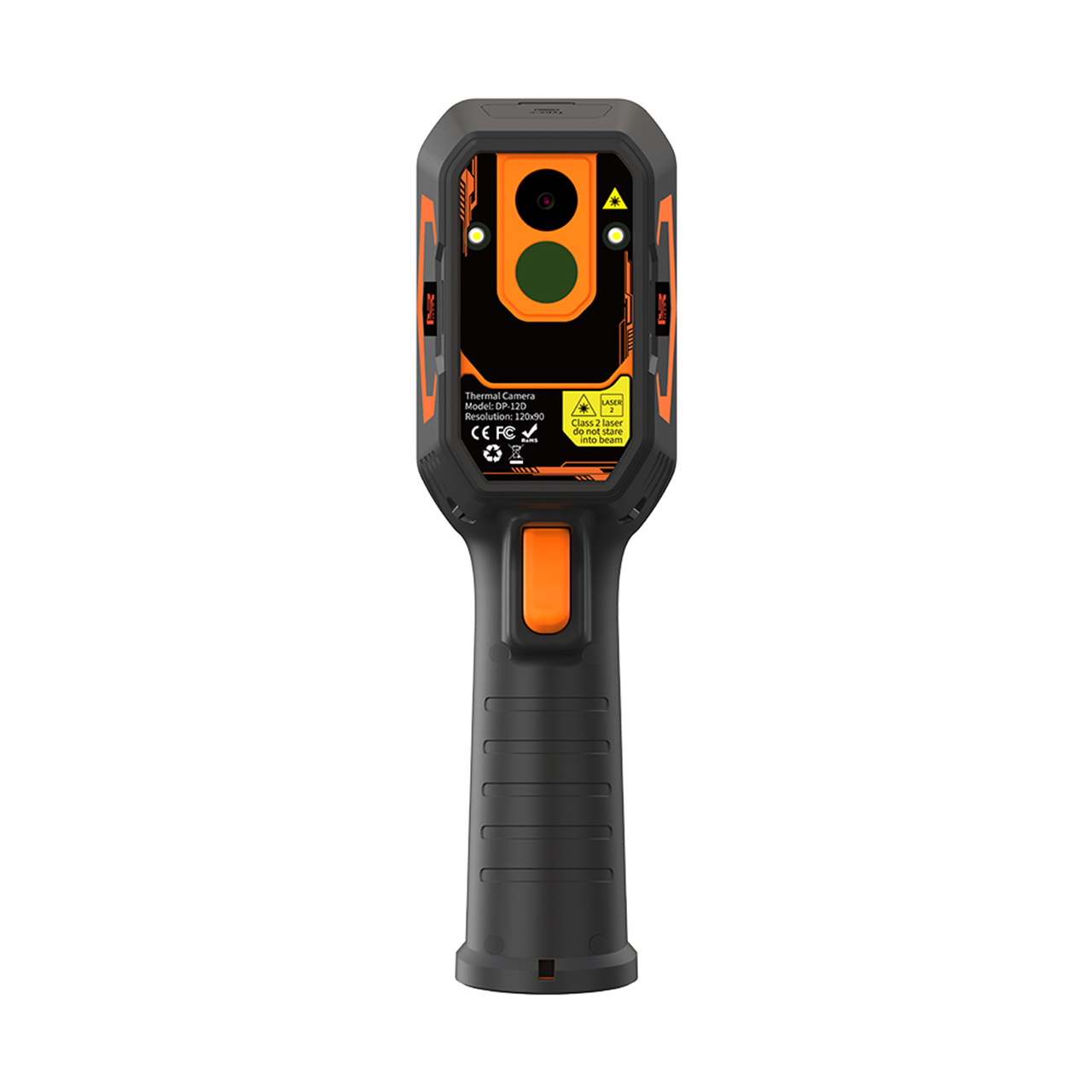
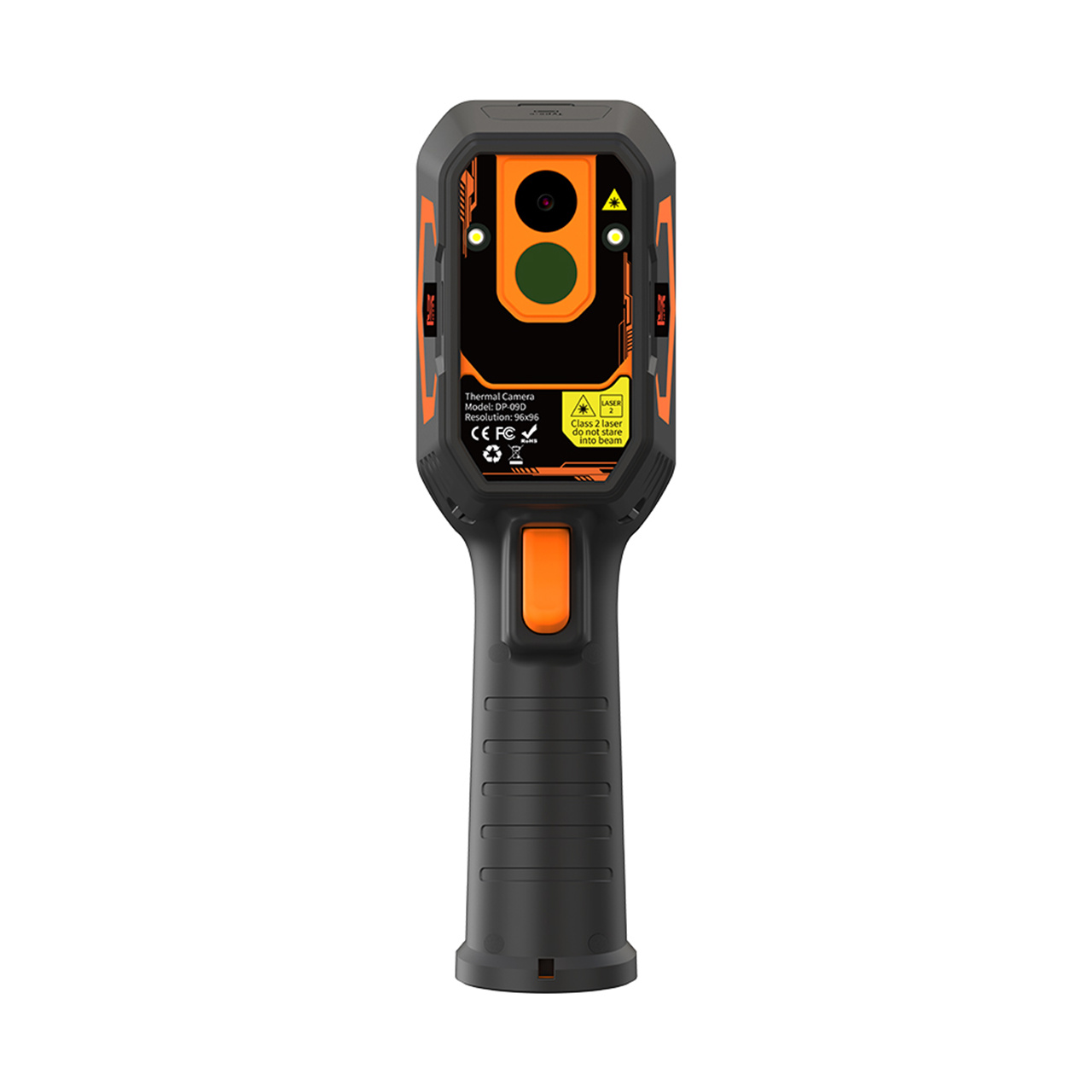
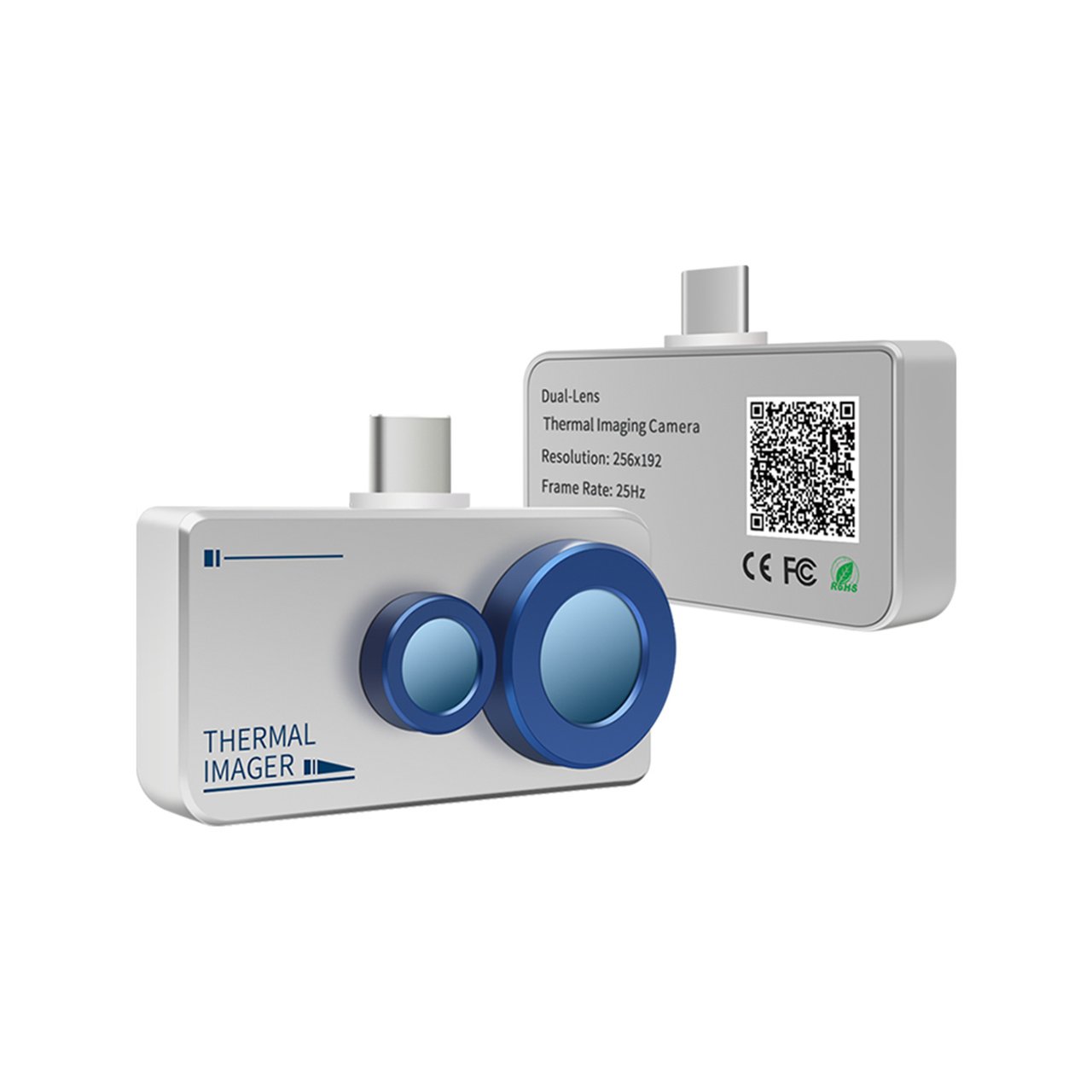
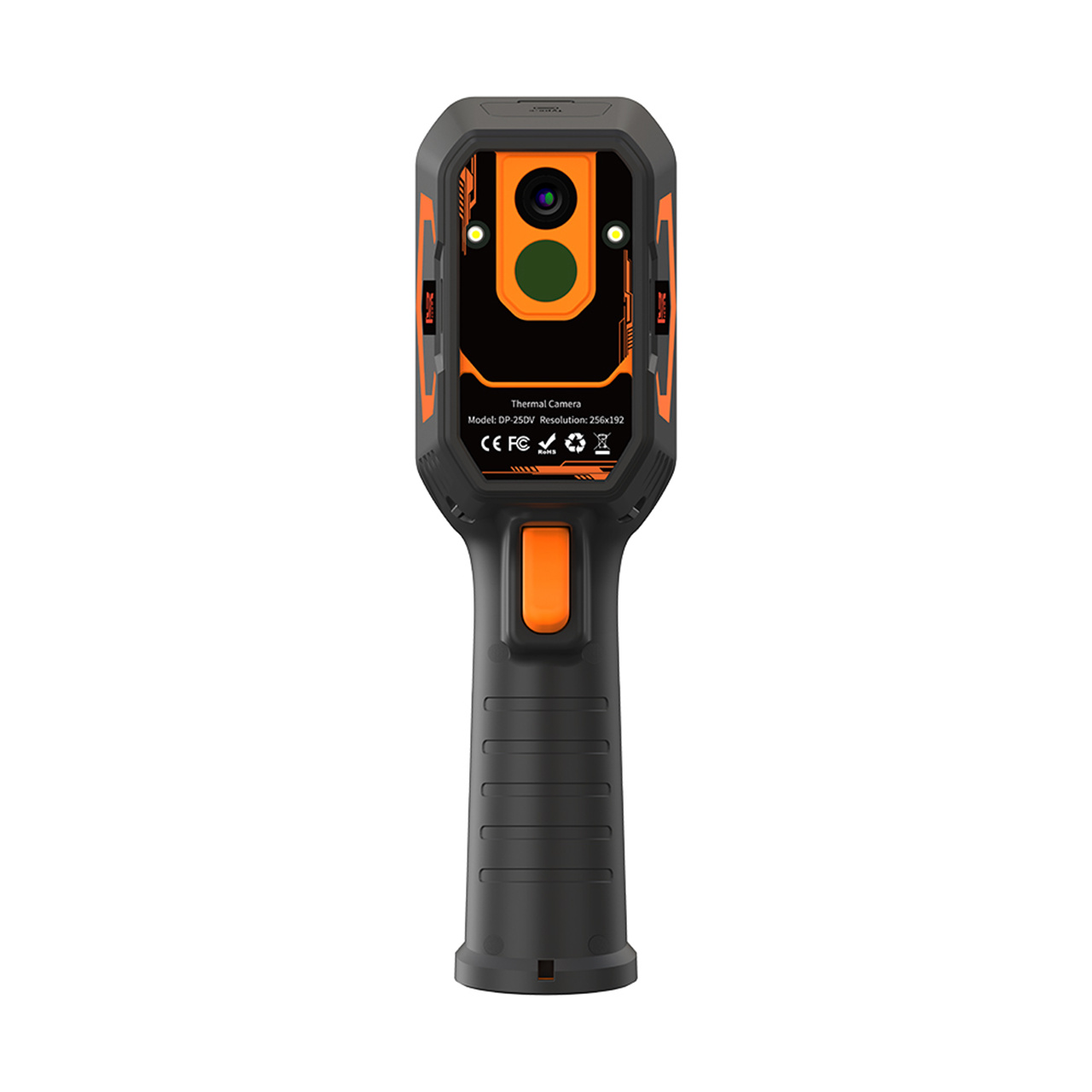
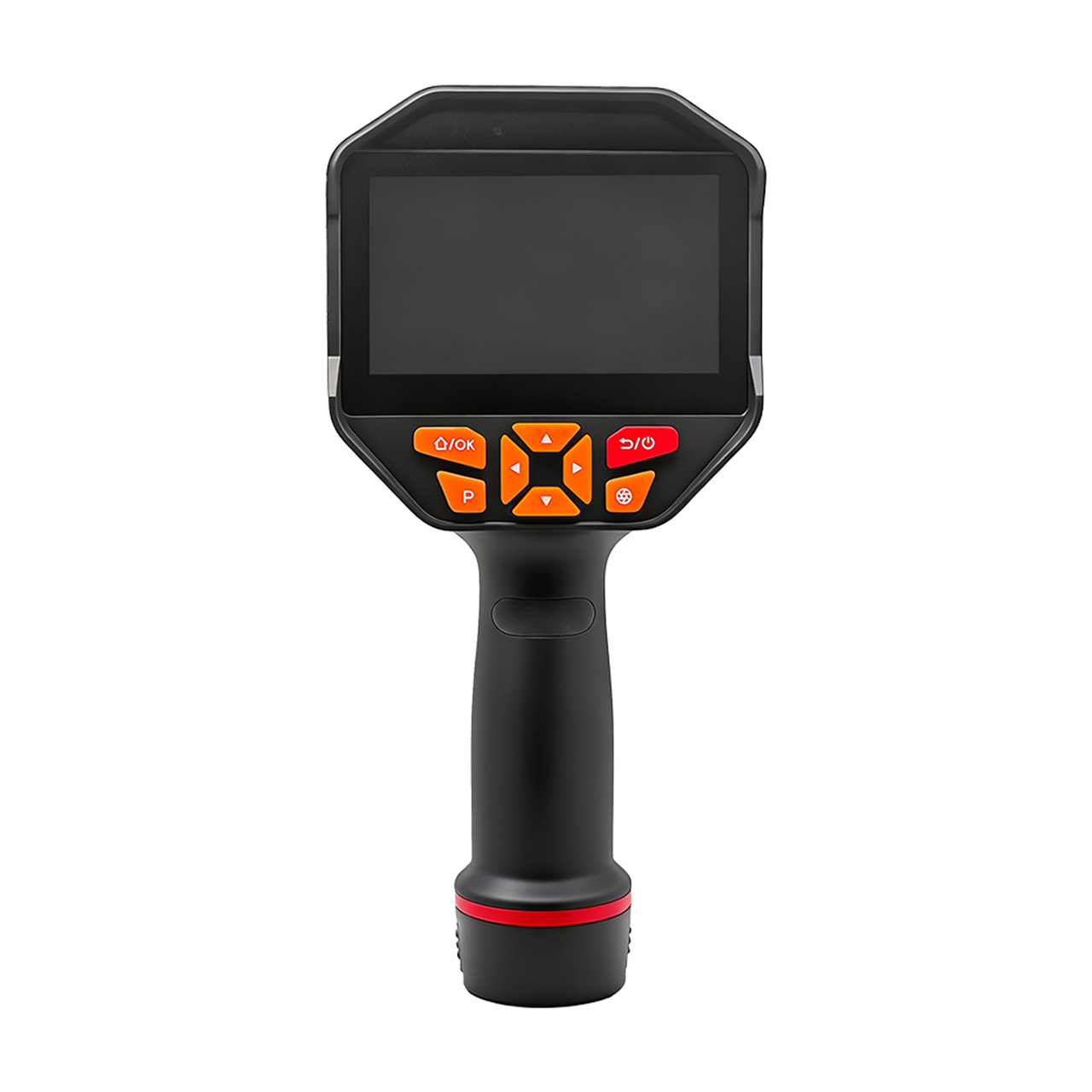
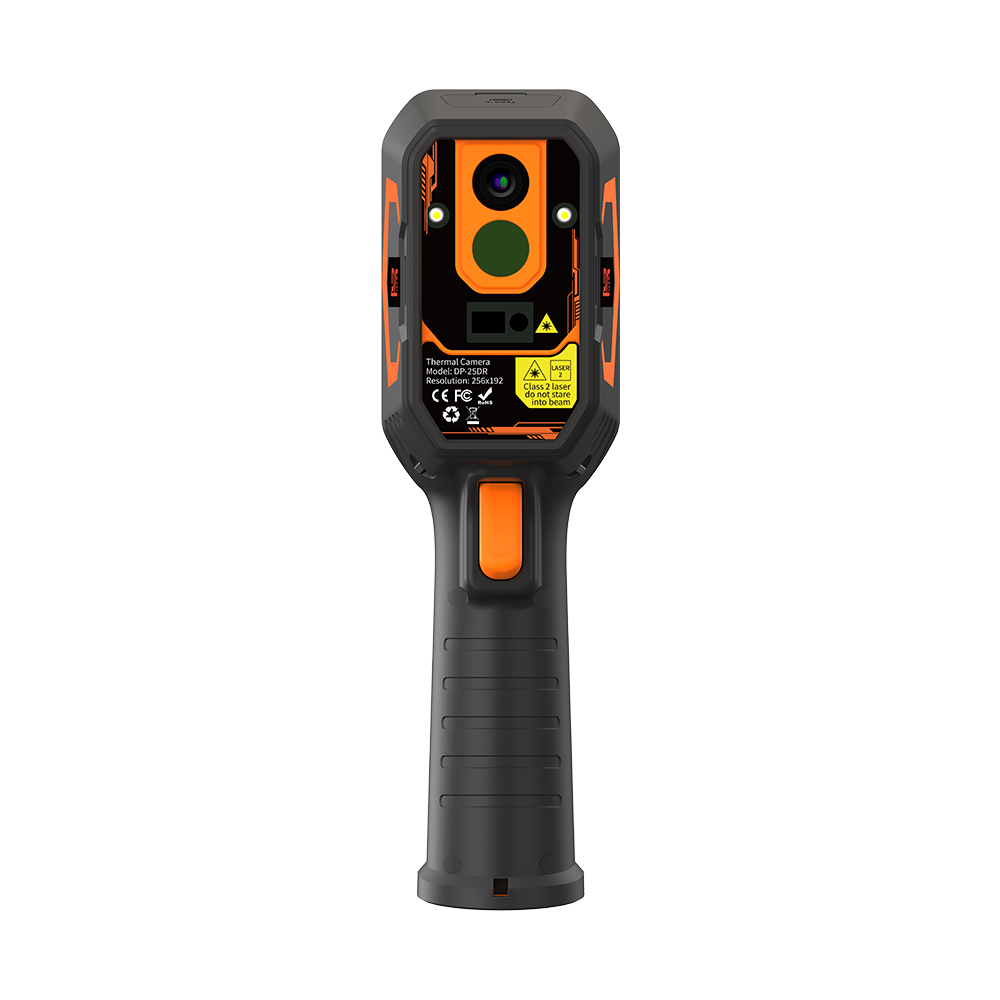
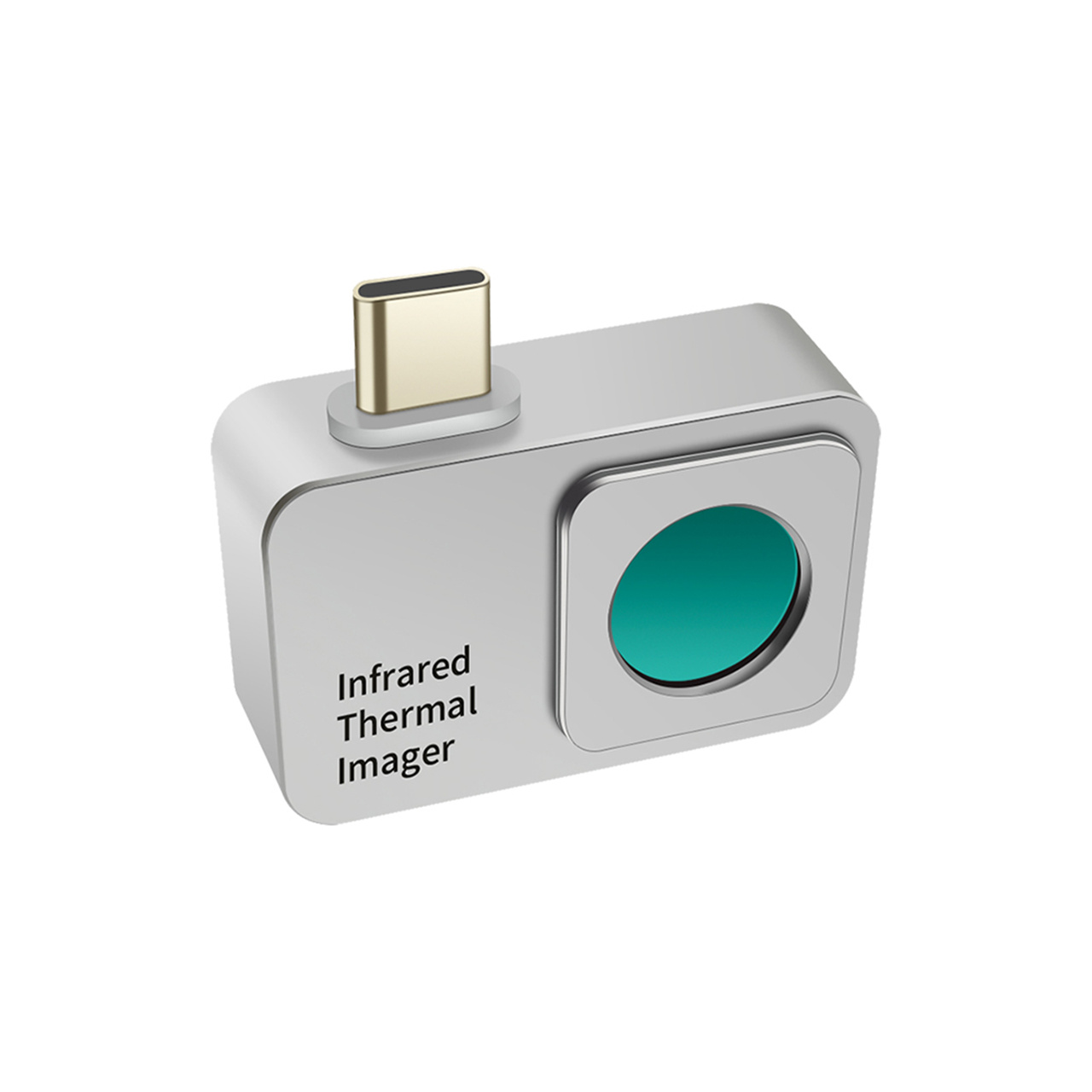
The integration of tactical thermal imaging into solar panel inspection protocols represents a fundamental advancement in renewable energy asset management. As solar installations continue to proliferate globally, the ability to rapidly and accurately assess system health, identify developing issues, and optimize performance becomes increasingly critical to the industry's success and sustainability.
Thermal imaging technology has evolved from a specialized diagnostic tool to an essential component of comprehensive solar maintenance programs. The convergence of improved detector technology, artificial intelligence, wireless connectivity, and user-friendly interfaces has democratized access to professional-grade thermal inspection capabilities, enabling organizations of all sizes to implement effective monitoring and maintenance strategies.
Looking forward, the continued advancement of thermal imaging technology—coupled with growing industry recognition of its value—positions tactical thermal imagers as indispensable tools for maximizing solar energy system performance, reliability, and return on investment. Whether deployed at utility-scale solar farms, commercial rooftop installations, or residential systems, thermal imaging provides the actionable intelligence necessary to ensure solar energy fulfills its promise as a cornerstone of global sustainable energy infrastructure.
Dianyang Technology remains committed to advancing this critical technology, supporting our global partners with innovative products, comprehensive technical support, and a shared vision of a sustainable energy future powered by optimized, reliable solar generation systems.