Leave Your Message
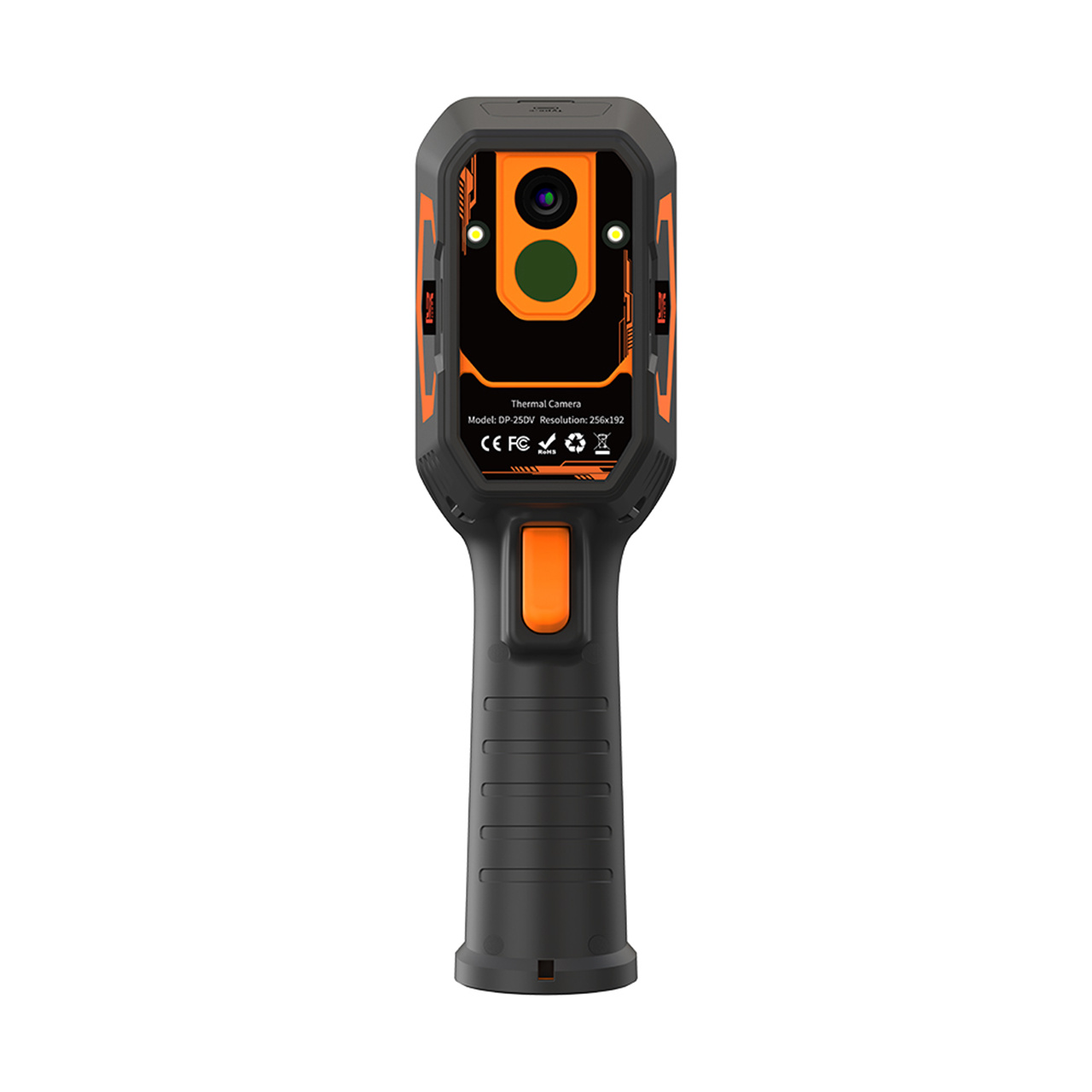
The global transition towards renewable energy has propelled the solar photovoltaic (PV) industry into unprecedented growth. As solar farms expand from commercial rooftops to massive utility-scale desert installations, the complexity of Operations and Maintenance (O&M) has escalated exponentially. The cornerstone of ensuring maximum energy yield and safeguarding Return on Investment (ROI) lies in the rapid, accurate detection of module anomalies. This is where a specialized Thermal Analyzer for Solar Panel Inspection becomes an indispensable asset.
Unlike traditional visual inspections or electrical testing that require shutting down strings and causing downtime, modern thermal analyzers operate in real-time under natural sunlight. By detecting the infrared radiation emitted by PV modules, these sophisticated devices translate microscopic temperature differentials into high-resolution thermal maps. This technology allows technicians to instantly identify "hot spots"—areas where defective cells consume power instead of generating it, turning that energy into localized heat. Left unchecked, these hot spots can lead to severe degradation, backsheet blistering, glass shattering, and in extreme cases, catastrophic fire hazards.
The current industrial landscape dictates that solar assets must operate at peak efficiency for 25 to 30 years. However, environmental stressors, manufacturing micro-cracks, and installation mishandling contribute to an annual degradation rate that can severely impact the Levelized Cost of Energy (LCOE). From a commercial perspective, deploying high-grade thermal analyzers is no longer viewed as an optional expense but as a critical preventive maintenance investment.
Major asset managers and EPC (Engineering, Procurement, and Construction) firms are now mandating 100% thermal baseline inspections during the commissioning phase of new solar parks. This ensures that any modules damaged during transport or installation are replaced under warranty before the plant is handed over. Furthermore, annual or bi-annual thermographic surveys are often required by insurance companies to underwrite the operational risks of large-scale PV plants. The integration of thermal imaging into standard O&M protocols has proven to reduce troubleshooting time by up to 70%, directly translating to higher grid output and millions of dollars in saved revenue over a plant's lifecycle.
For utility-scale solar farms spanning thousands of acres, manual ground inspections are financially and logistically unviable. Thermal analyzers integrated into Unmanned Aerial Vehicles (UAVs) have revolutionized this space. Flying at optimal altitudes, these radiometric cameras capture thousands of thermal images per hour. Advanced software stitches these images into an orthomosaic thermal map of the entire site. This macro-level view allows operators to detect string-level outages, blown fuses in combiner boxes, and widespread Potential Induced Degradation (PID) across entire blocks in a fraction of the time.
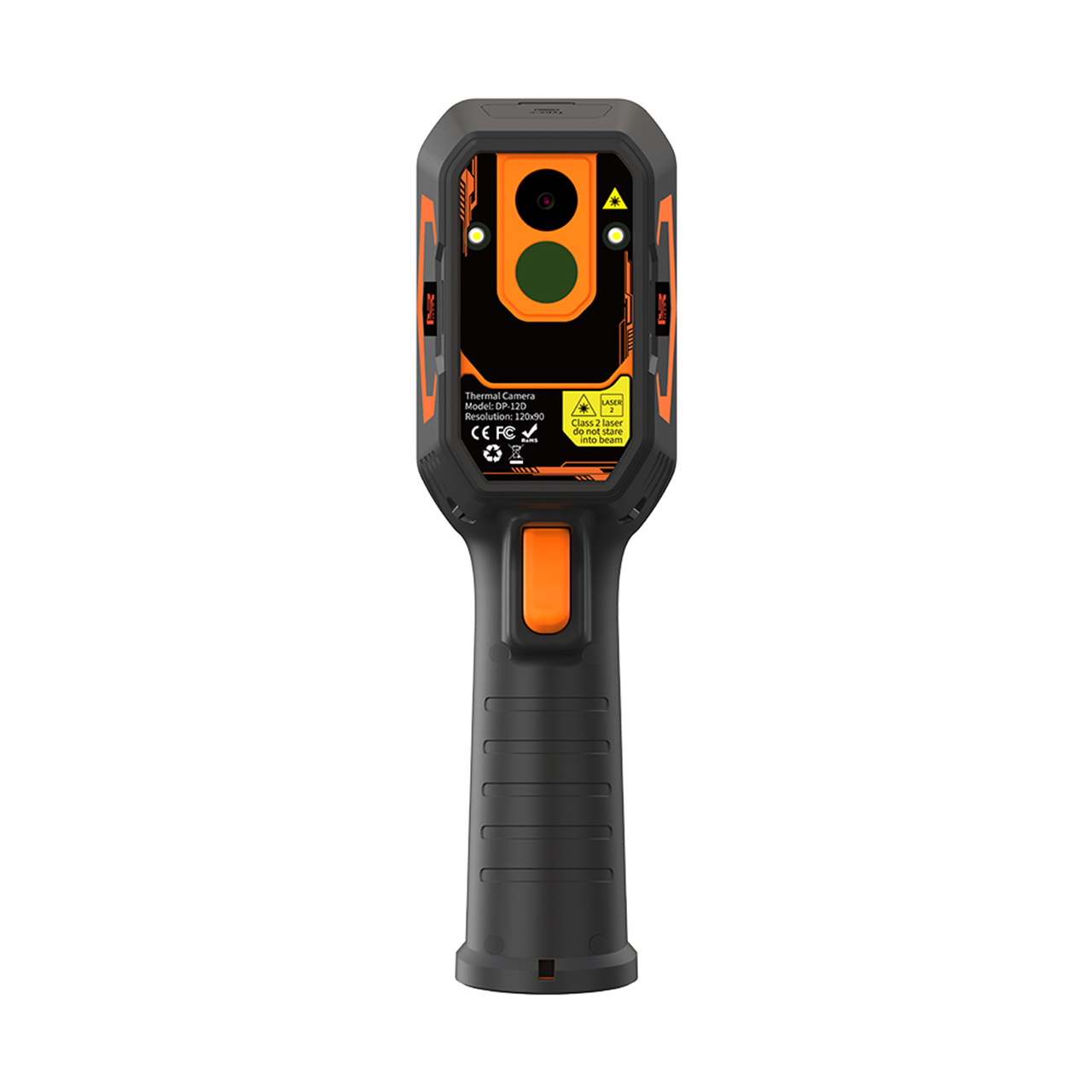
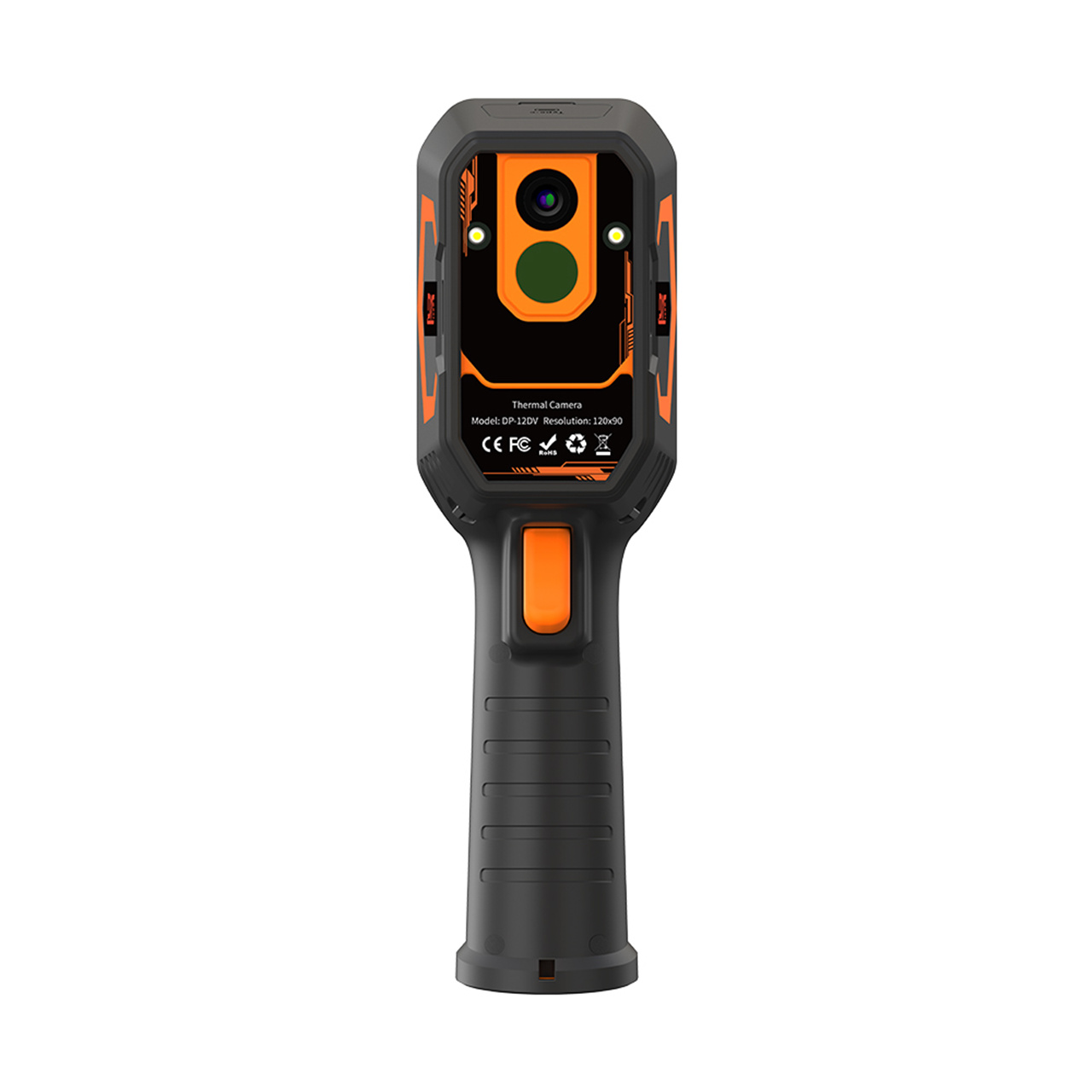
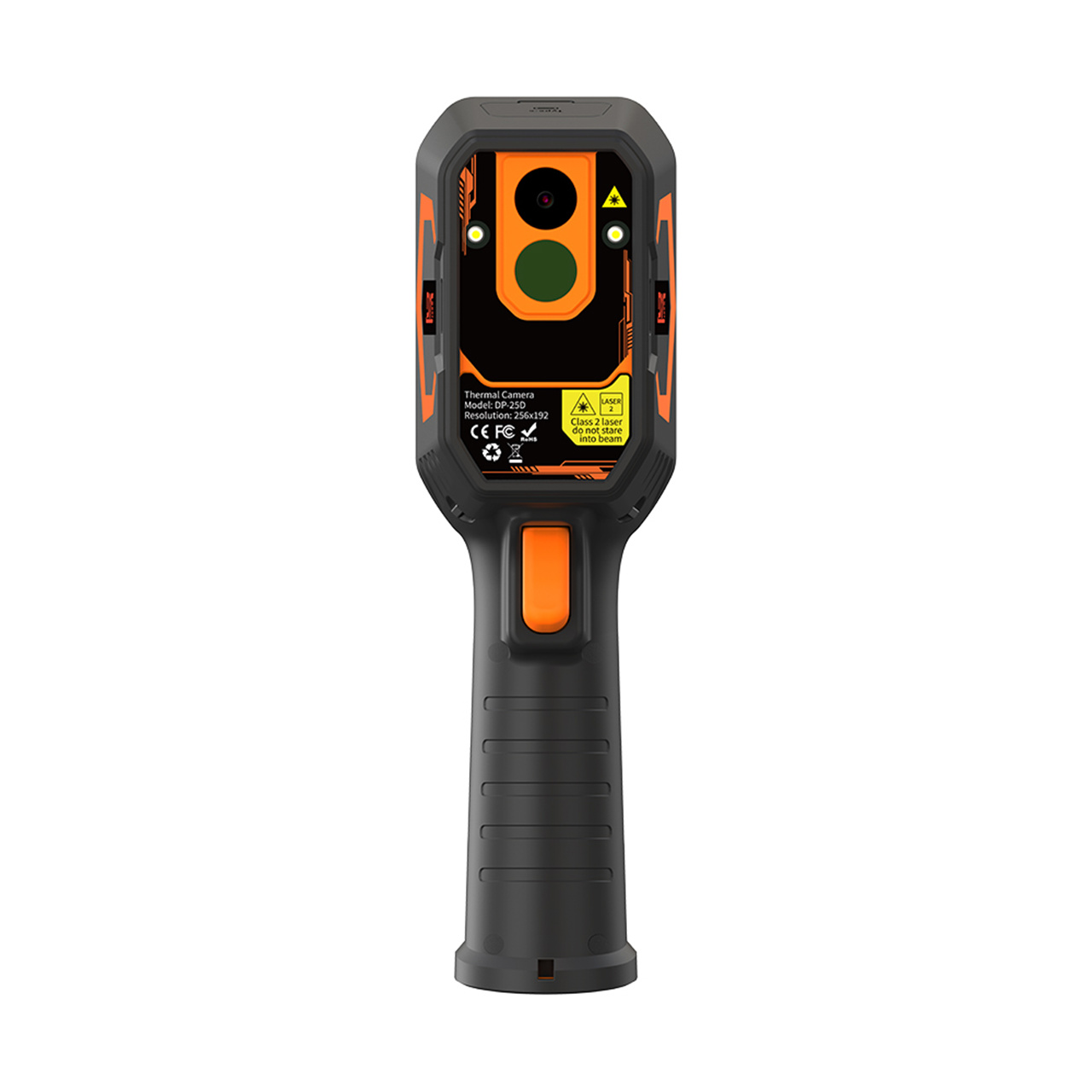
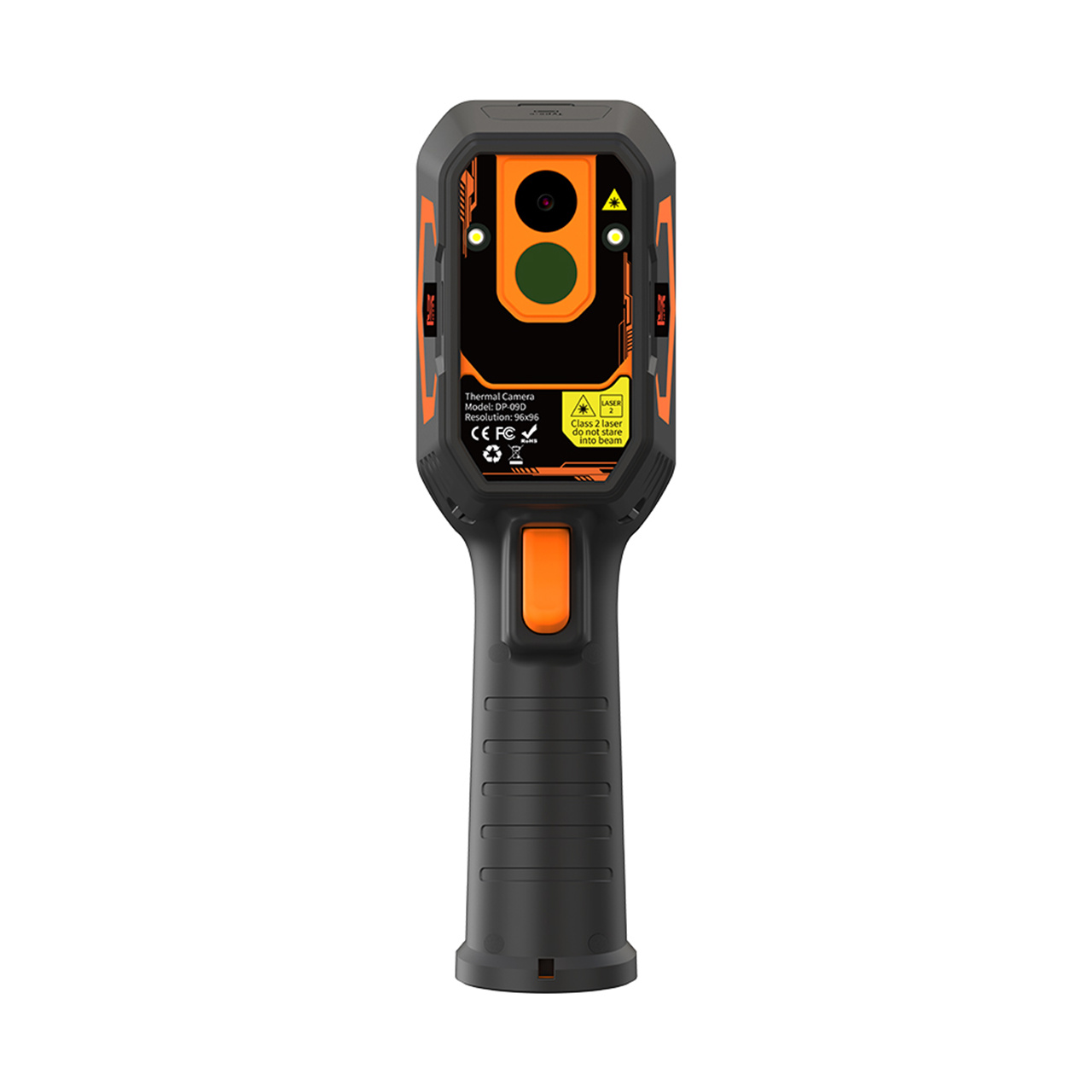
While drones excel at macro-inspections, handheld thermal analyzers are essential for micro-diagnostics. Once an anomaly is flagged from the air, ground crews deploy with high-resolution handheld units to perform root-cause analysis. These devices allow technicians to differentiate between a temporary shadow cast by soiling (bird droppings, leaves) and a permanent internal defect like a shattered cell or a failed bypass diode. The ability to manually adjust emissivity and capture blended visible/thermal images ensures precise documentation for warranty claims.
The application of thermal analyzers extends upstream to the manufacturing floor. Before panels are shipped, they undergo rigorous testing. While Electroluminescence (EL) imaging is common, thermal analysis under reverse bias testing provides immediate feedback on the thermal behavior of the module. It helps manufacturers identify shunt resistances and non-uniform current distributions, ensuring that only Tier-1 quality panels reach the global market. This stringent quality control is vital for maintaining brand reputation and minimizing field failure rates.
Solar panels are only one part of the equation. The Balance of System (BoS) components, particularly inverters and transformers, are the heart of power conversion. Thermal analyzers are routinely used to scan inverter cooling fins, internal IGBT modules, AC/DC connection terminals, and high-voltage substation switchgear. Detecting an overheating connection before it arcs and causes a catastrophic failure prevents widespread power outages and ensures the safety of the plant personnel.
The future of the Thermal Analyzer for Solar Panel Inspection is intrinsically linked to Artificial Intelligence (AI) and the Internet of Things (IoT). As the volume of thermal data generated by solar farms reaches petabyte levels, manual analysis is no longer sufficient. The current development trend is shifting heavily towards automated defect recognition (ADR).
Modern thermal analysis software now utilizes deep learning algorithms trained on millions of annotated thermal images of solar panels. When a drone completes a survey, the AI can automatically process the data, detect anomalies, classify them by IEC standards (e.g., diode failure, single cell hot spot, PID, string offline), and generate a comprehensive PDF report with exact GPS coordinates for each defect. This drastically reduces data processing time from weeks to mere hours.
Furthermore, the integration of edge computing into the thermal cameras themselves is an emerging trend. Next-generation analyzers are capable of running lightweight AI models locally. This allows a drone or a handheld device to alert the operator in real-time, highlighting a critical defect on the screen before the inspection is even finished. Combined with IoT connectivity, these devices can instantly upload critical findings to a cloud-based Asset Management Platform, triggering automated work orders for the maintenance crew. This proactive, predictive maintenance model is setting the new standard for the global solar industry.
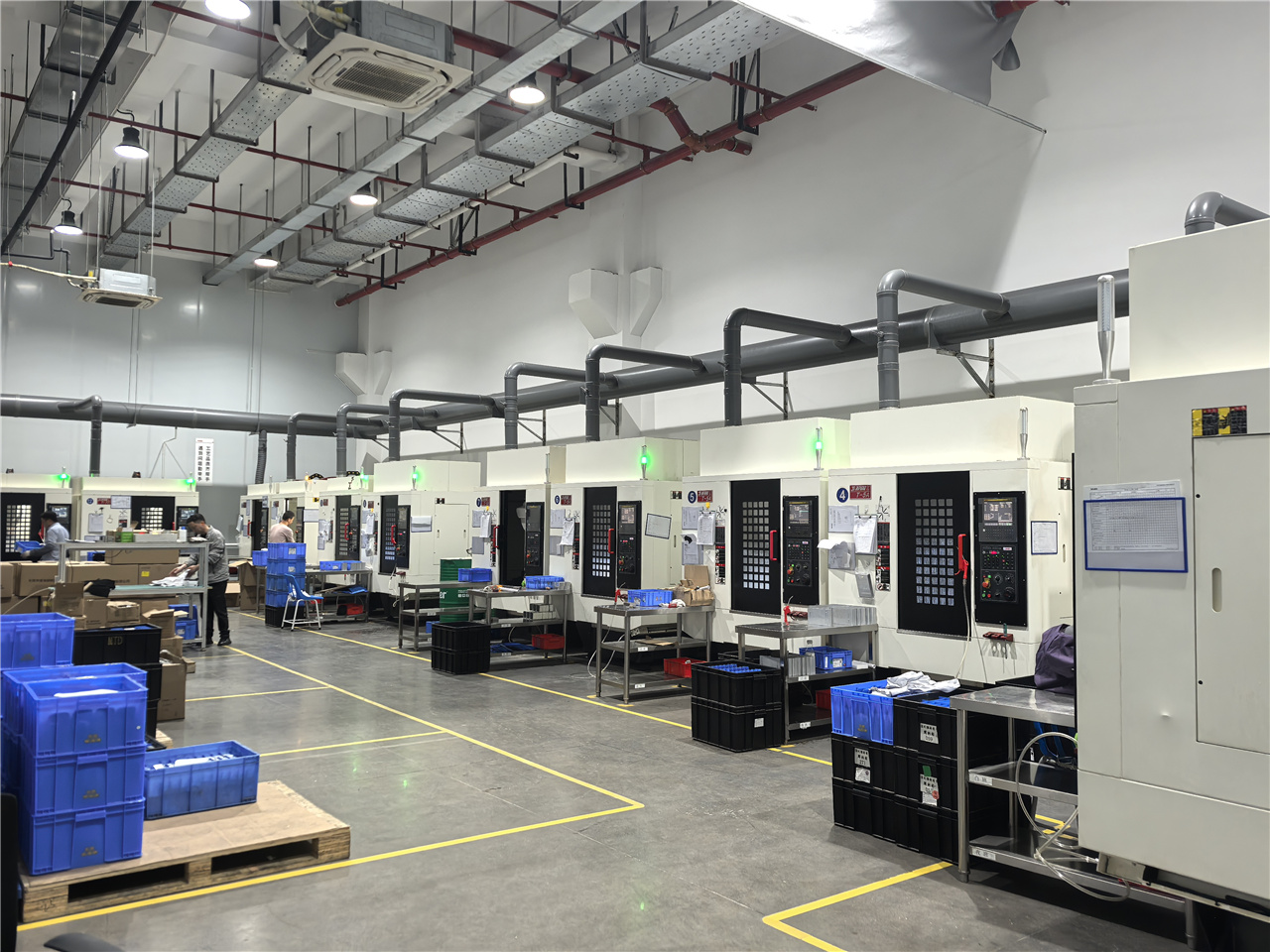
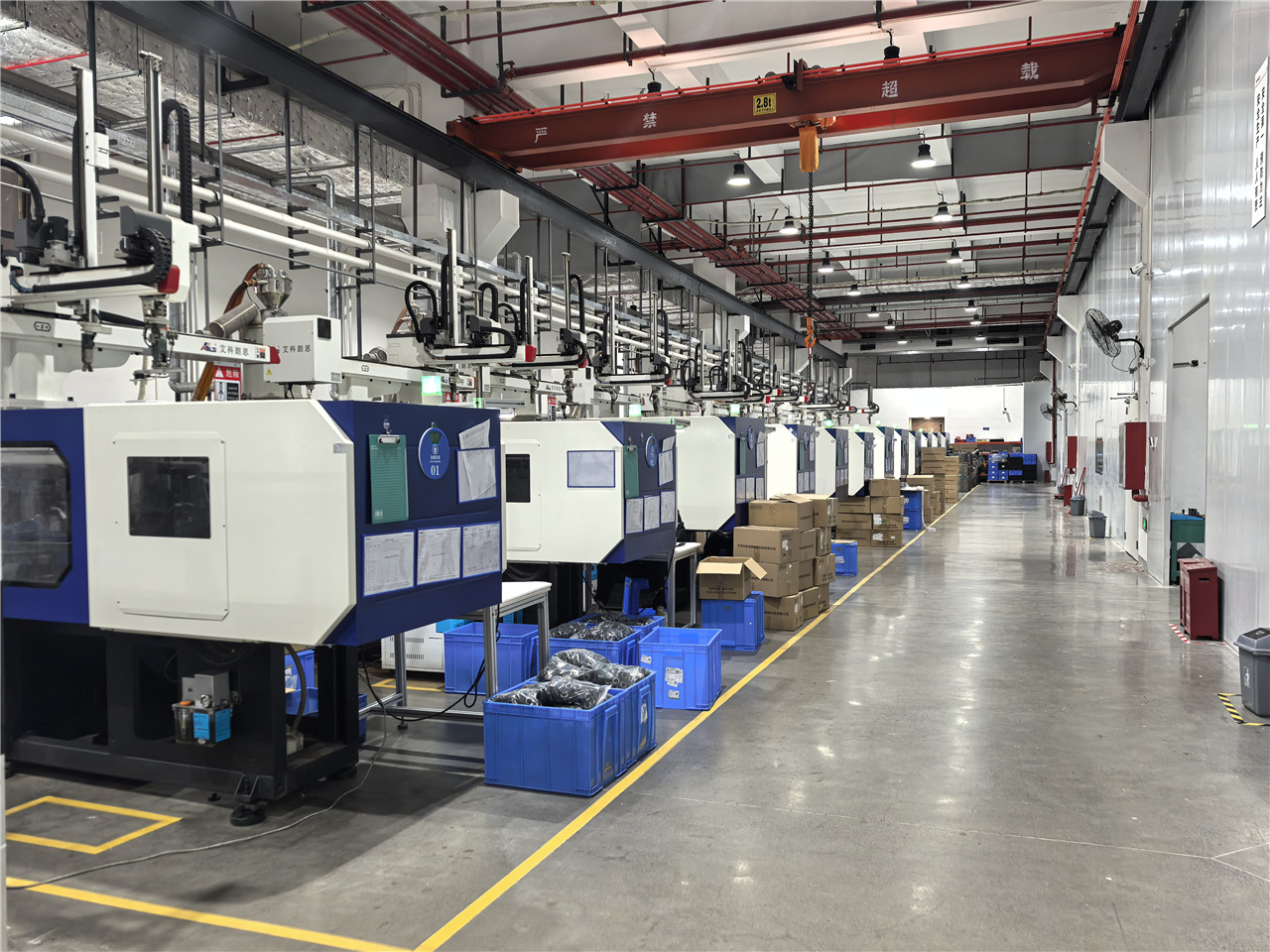
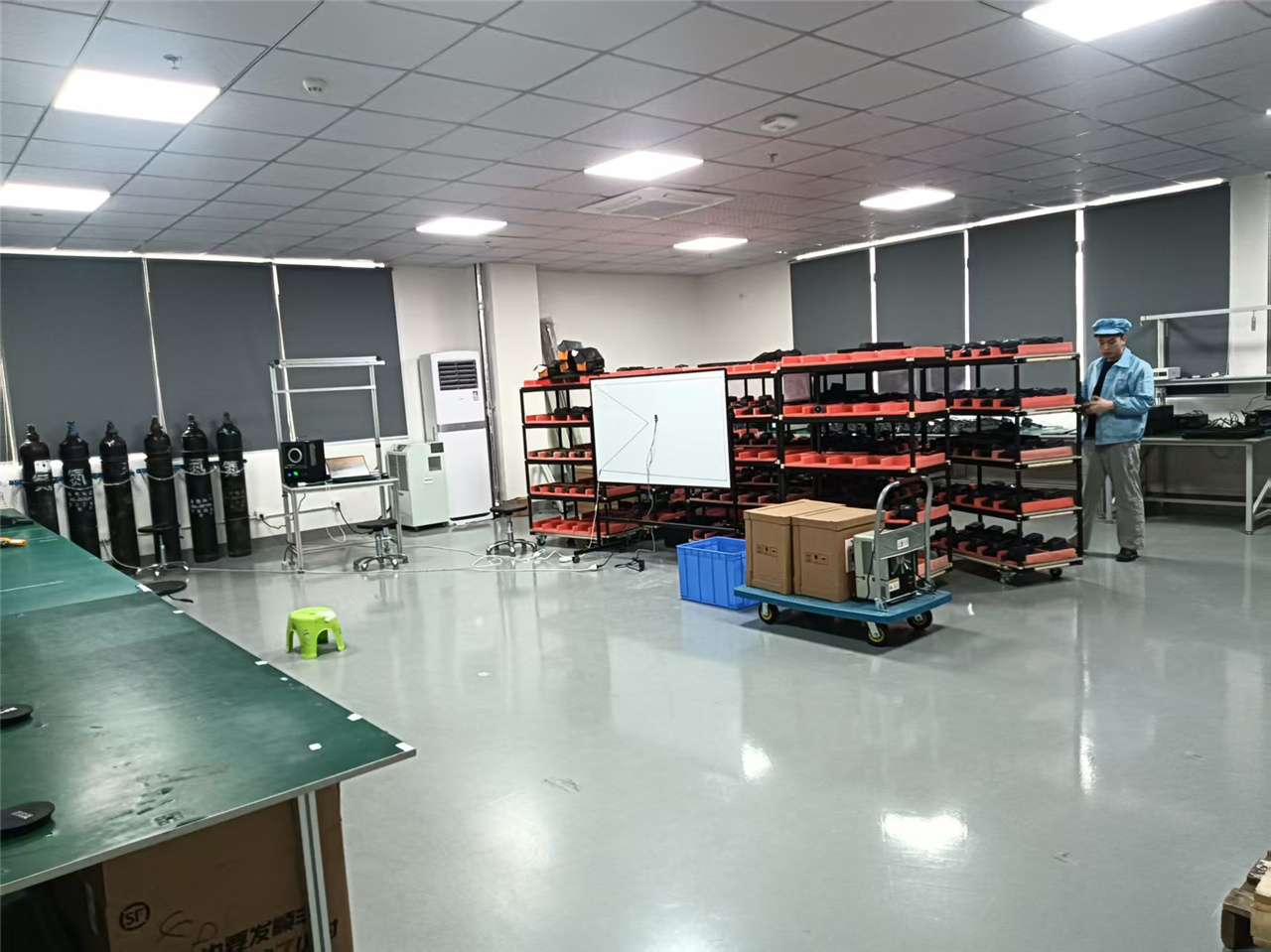
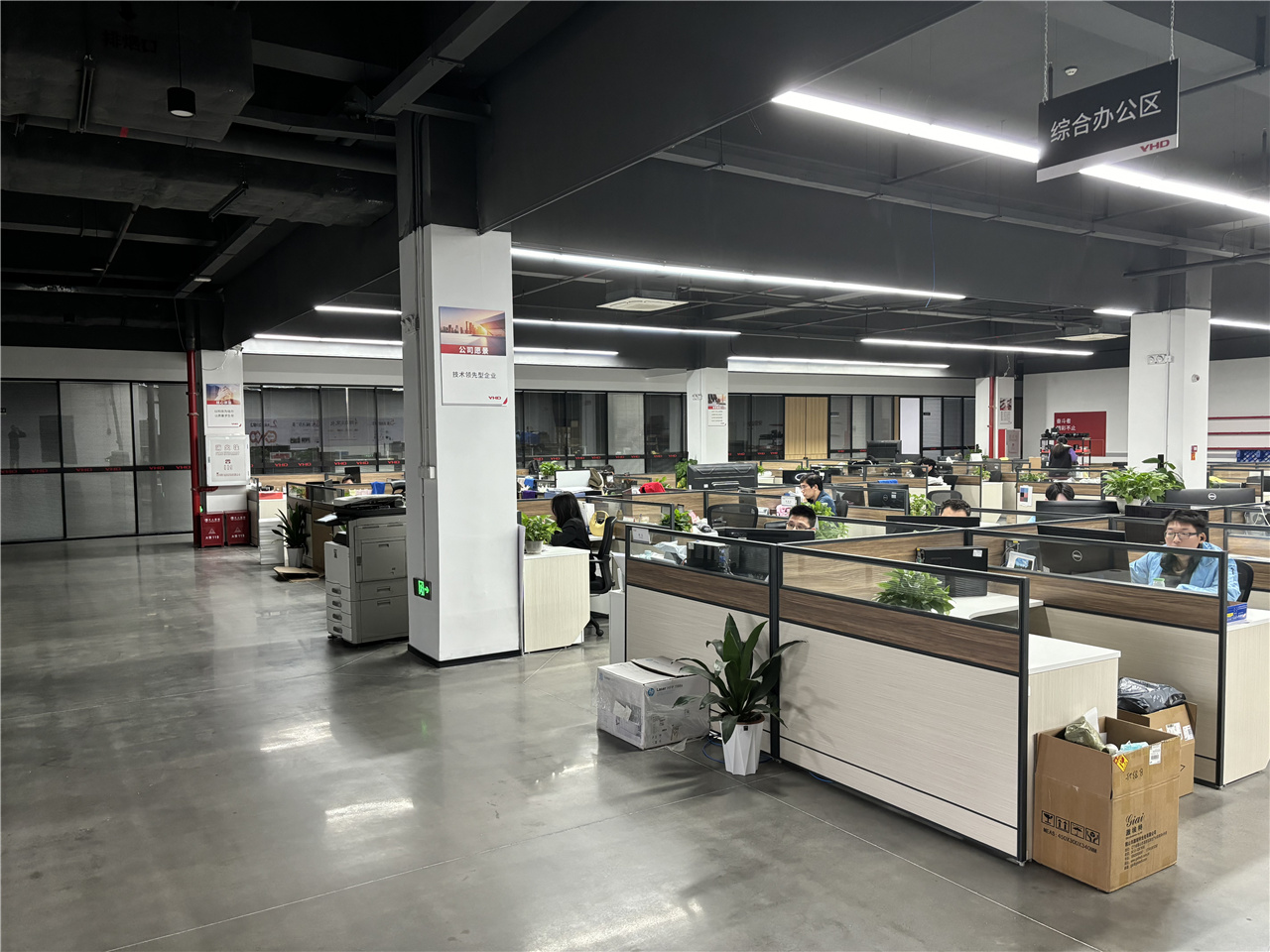
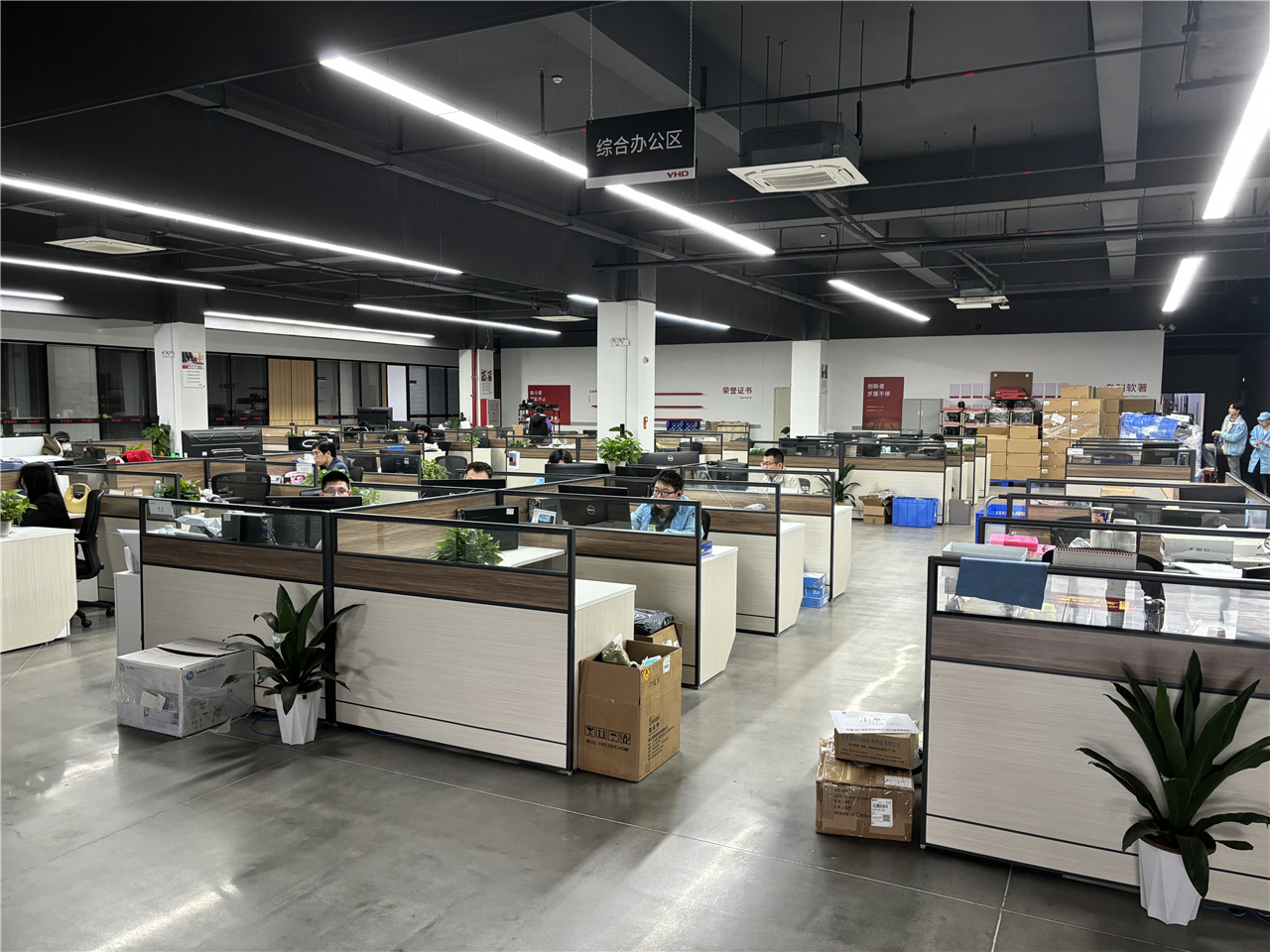
Shenzhen Dianyang Technology Co., Ltd. is a subsidiary of VHD (Shenzhen VHD Technology Co., Ltd.), a publicly listed company on the Shenzhen Stock Exchange. This strategic affiliation gives Dianyang unique access to VHD’s advanced R&D platforms, high-precision manufacturing systems, and rigorous quality management practices—enabling us to deliver thermal imaging products of higher reliability and consistency than typical ODMs.
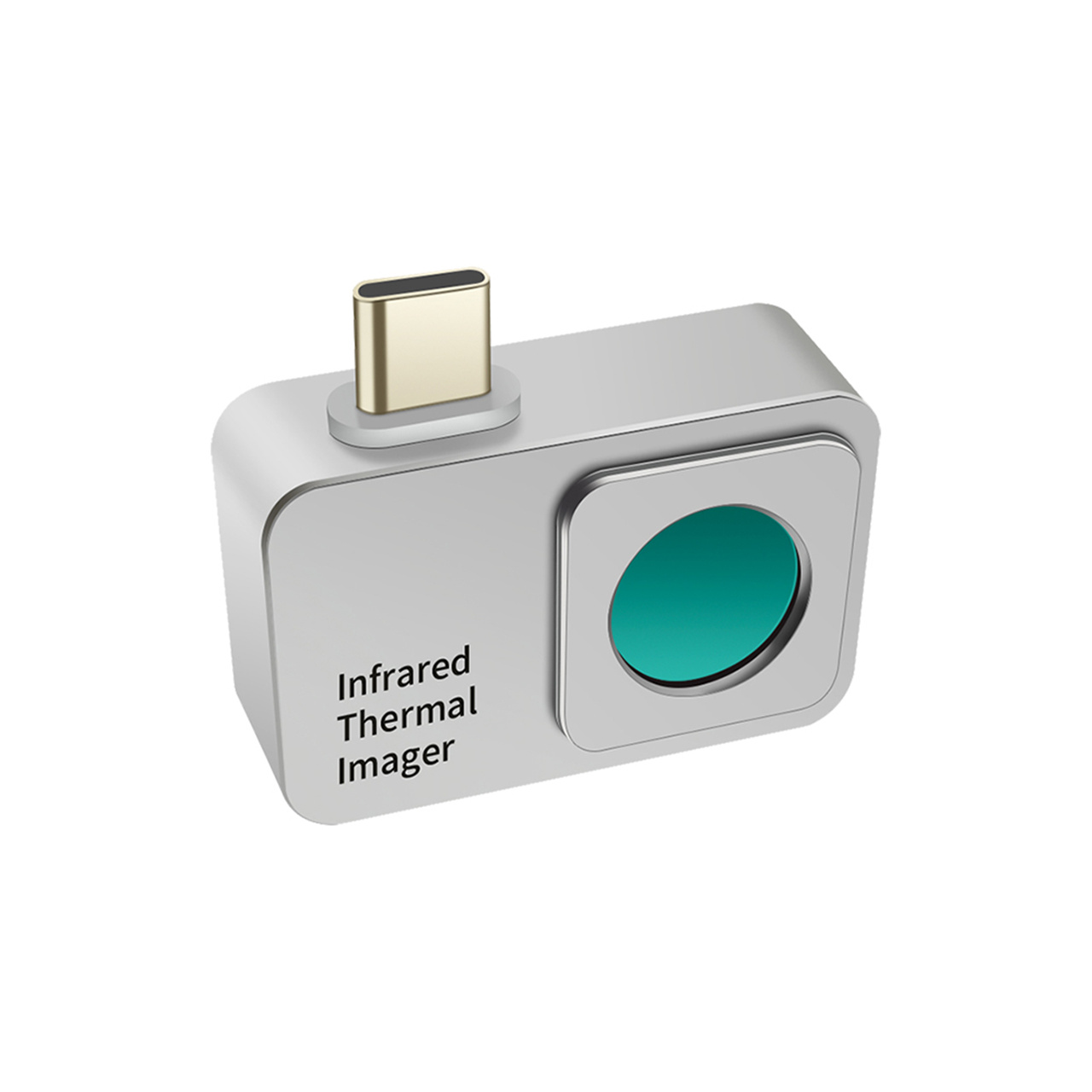
We specialize in ODM/OEM services for infrared thermal imaging solutions, including handheld thermal imagers, smartphone-connected thermal cameras, thermal analyzers, and thermal imaging telescopes. Our products serve global customers in power inspection, building diagnostics, firefighting, industrial maintenance, and outdoor applications.
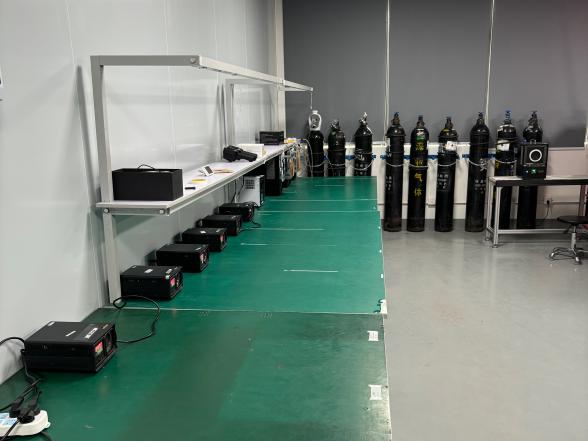
Our dedicated engineering team applies Design for Manufacturing (DFM), Design for Testability (DFT), thermal simulation, and EMC pre-compliance analysis to optimize performance and accelerate development. We also support clients in obtaining key certifications such as CE, FCC, RoHS, REACH, CB, UKCA, KC, and PSE.
Our structured NPI process typically delivers certified prototypes within 8–12 weeks. Combined with stable supply chain support and group-level technical resources, we ensure on-time delivery and long-term product reliability.
By combining focused thermal imaging expertise with the backing of a listed parent company, Dianyang offers a rare blend of agility, quality, and scalability—helping global partners bring high-performance, certified thermal products to market with confidence.