Leave Your Message
Explore our top-tier smartphone and handheld infrared thermal imagers specifically optimized for detecting sub-surface temperature anomalies, moisture mapping, and hydronic radiant floor leak detection.
The implementation of a Thermal Analyzer for underfloor heating leak detection represents a monumental shift in building maintenance, property management, and industrial facility oversight. Underfloor heating systems, particularly hydronic radiant floors, provide unparalleled comfort and energy efficiency. However, when the concealed network of PEX or copper pipes develops a micro-leak, the consequences can be catastrophic. Traditional detection methods involved destructive testing—tearing up expensive hardwood, tile, or concrete slabs based on guesswork or acoustic listening devices that struggle in noisy environments. Today, cutting-edge infrared thermal imaging technology transforms this blind search into an exact science.
By measuring the infrared radiation emitted by surfaces, a high-resolution thermal analyzer translates invisible heat signatures into vivid thermograms. Water escaping from a heated pipe alters the thermodynamic profile of the surrounding flooring material. A thermal camera captures this specific Delta-T (temperature differential), displaying the leak as a distinct, abnormal "bloom" or "plume" of heat. This non-destructive testing (NDT) methodology not only saves thousands of dollars in unnecessary demolition but also drastically reduces system downtime.
Eliminate the need for exploratory demolition. Pinpoint the exact location of sub-surface water leaks through concrete, wood, and tile with millimeter precision.
Reduce labor costs and insurance claims. Rapid diagnostics mean faster repairs, minimizing disruption in commercial real estate and industrial facilities.
Modern thermal analyzers utilize AI algorithms to differentiate between normal pipe heat dissipation and irregular moisture spread, reducing false positives.
The utility of a thermal analyzer extends far beyond simple leak detection. Understanding the diverse applications across different sectors highlights the indispensable nature of this technology in modern infrastructure management.
In residential settings, homeowners often notice a drop in boiler pressure or an unexplained increase in water bills before they see physical water damage. Using a thermal analyzer, technicians can map the entire layout of the underfloor heating manifold. By increasing the system's temperature slightly, the thermal camera can trace the exact path of the water. A leak will manifest as an irregular, spreading thermal pool, breaking the linear pattern of the pipes. This allows plumbers to remove a single tile or a small section of hardwood rather than destroying the entire floor, preserving the home's aesthetics and structural integrity.
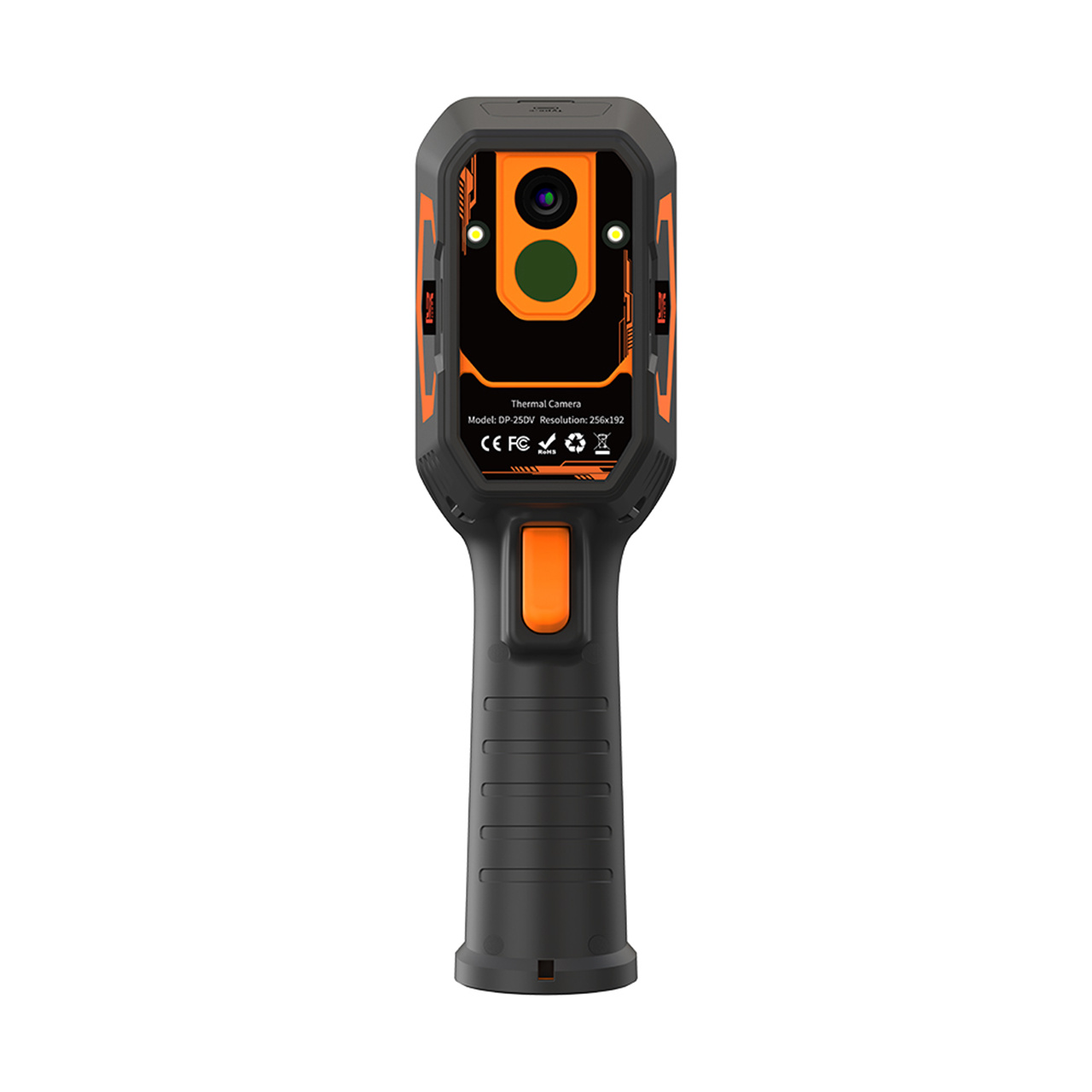
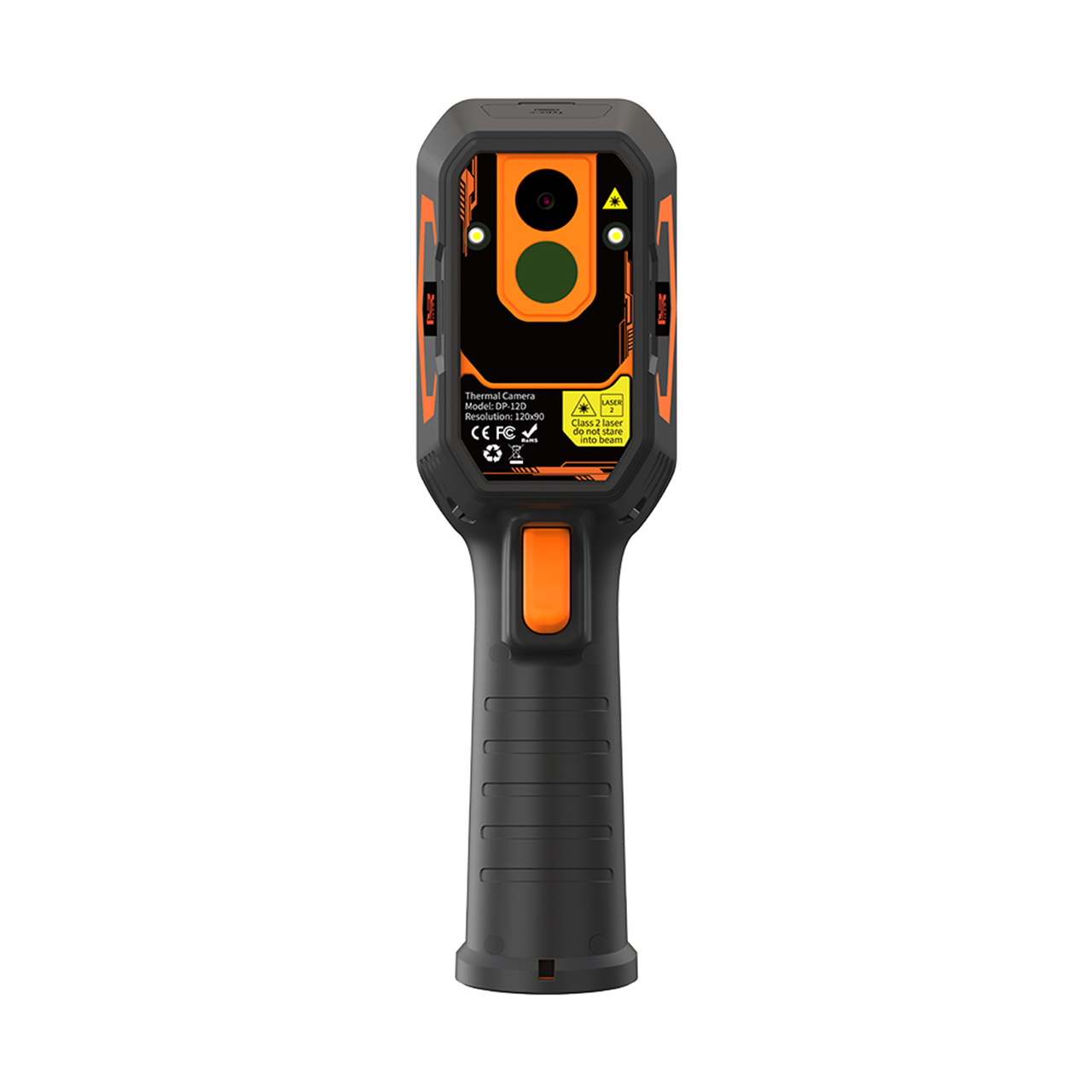
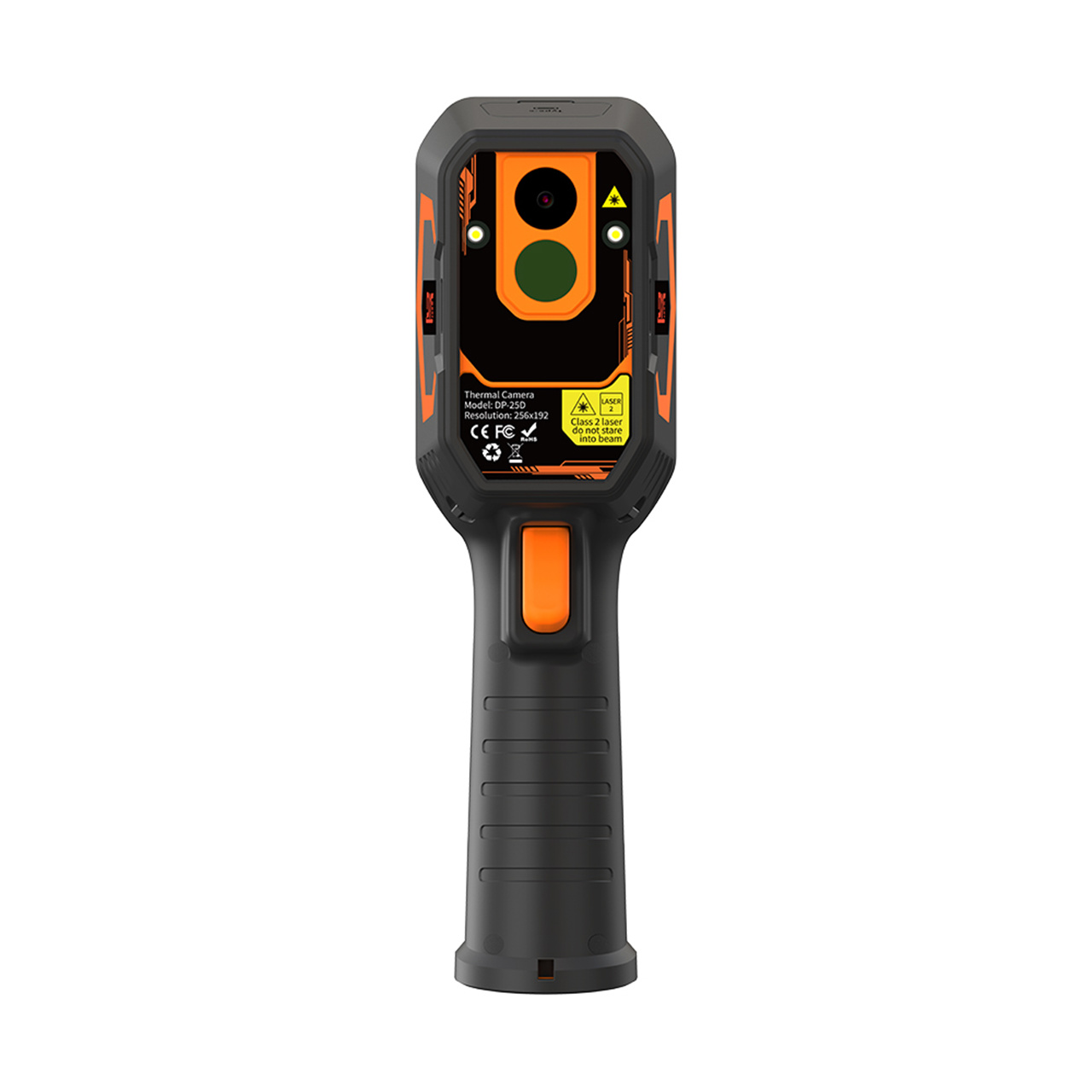
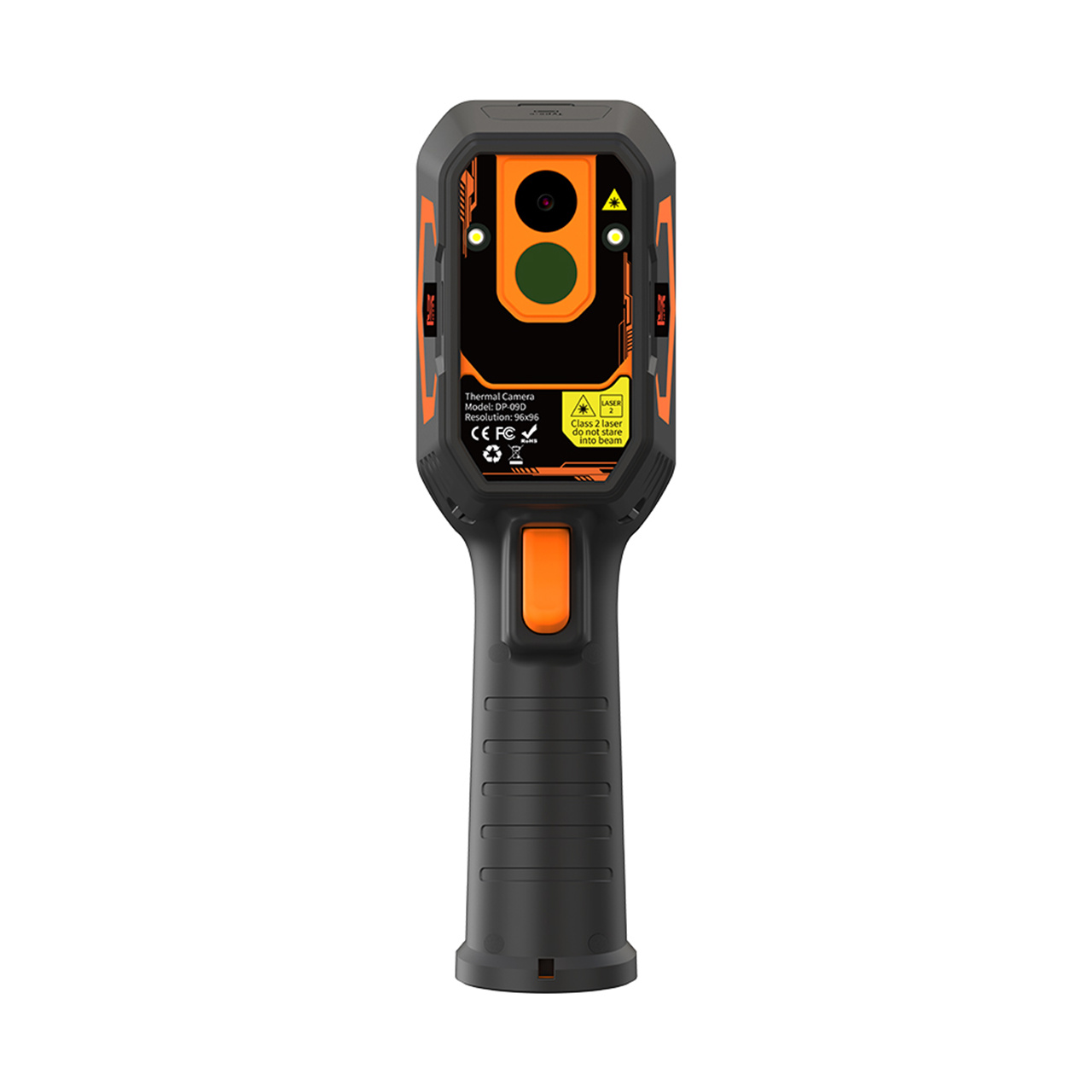
In commercial buildings, hospitals, and industrial warehouses, underfloor heating systems are vast and complex. A leak here can compromise structural foundations, damage sensitive inventory, or create hazardous working conditions. Industrial-grade handheld thermal imagers (like the DP-64D) with high thermal sensitivity (NETD
Beyond leaks, thermal analyzers are exceptional tools for identifying blockages and sludge buildup (magnetite) within hydronic systems. A blocked pipe will show a sudden drop in temperature along its path. By identifying these cold spots, maintenance teams can perform targeted power-flushing, restoring the system to optimal energy efficiency. This proactive approach significantly reduces carbon footprints and operational heating costs.
The landscape of thermal imaging is evolving rapidly, driven by advancements in microbolometer technology, artificial intelligence, and IoT connectivity. The modern Thermal Analyzer for underfloor heating leak detection is no longer just a standalone camera; it is a smart, connected diagnostic hub.
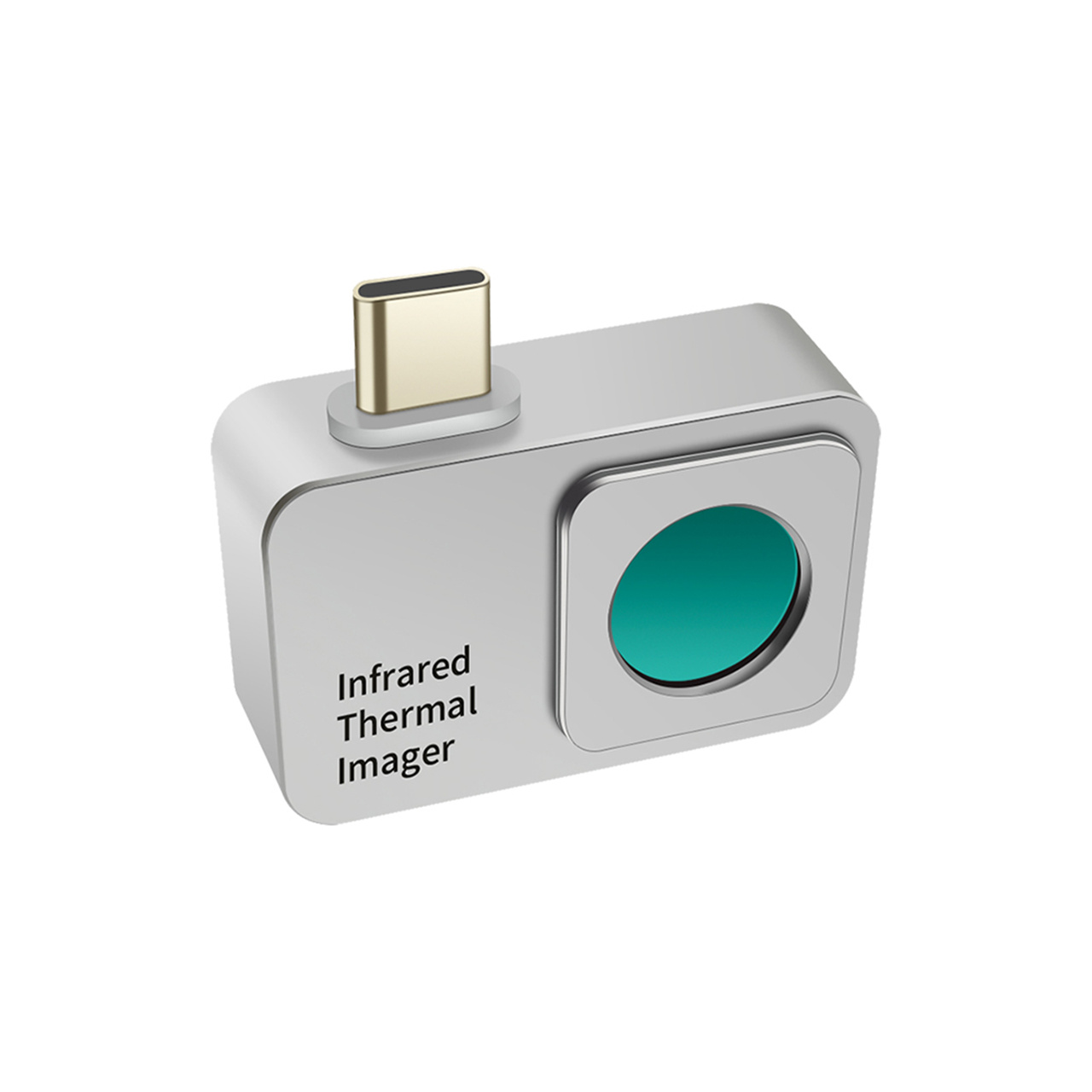
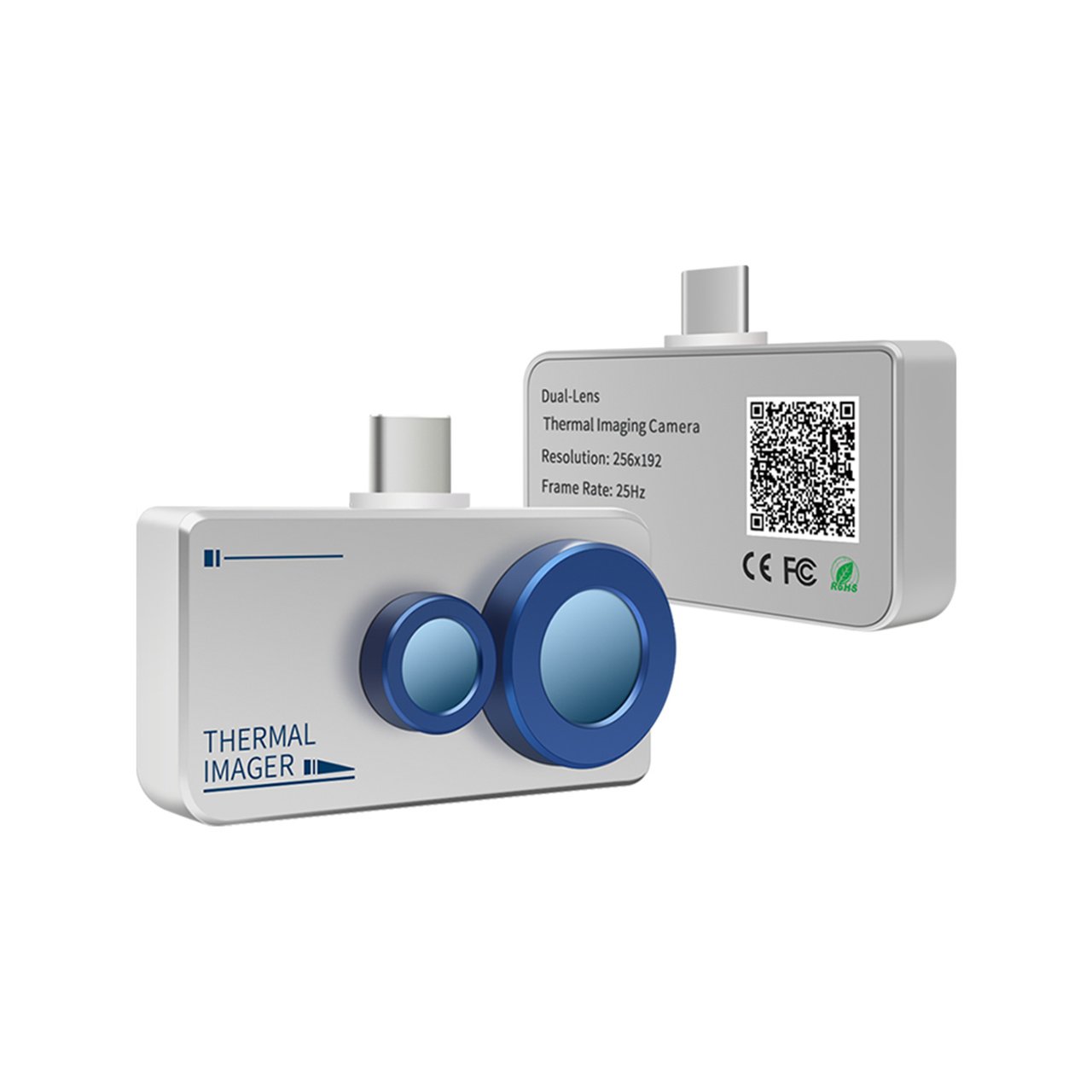
Smartphone Integration and Miniaturization: Devices like the H1FB and H2FB represent a massive shift towards portability. By leveraging the processing power and high-resolution screens of modern smartphones, these plug-and-play thermal modules democratize advanced diagnostics. Plumbers and HVAC technicians can now carry a powerful thermal analyzer in their pocket, instantly capturing radiometric images, overlaying them with visual spectrum photos (MSX technology), and generating comprehensive PDF reports directly from their mobile devices to send to clients or insurance companies.
AI and Edge Computing: The next frontier involves AI-driven image processing. Future thermal analyzers will feature edge-AI algorithms trained on thousands of thermal images of floor heating systems. These algorithms will automatically highlight anomalies, calculate the exact depth of the pipe based on thermal diffusion rates through specific materials (like screed or concrete), and predict the severity of the leak. This reduces the reliance on operator experience and drastically lowers the learning curve for new technicians.
Cloud Connectivity and Predictive Maintenance: Industrial thermal cameras are increasingly IoT-enabled. Data captured during routine floor inspections can be uploaded to cloud platforms where historical thermal trends are analyzed. If a specific zone of an underfloor heating system shows a gradual temperature variance over six months, the system can flag it for predictive maintenance before a physical leak even occurs.
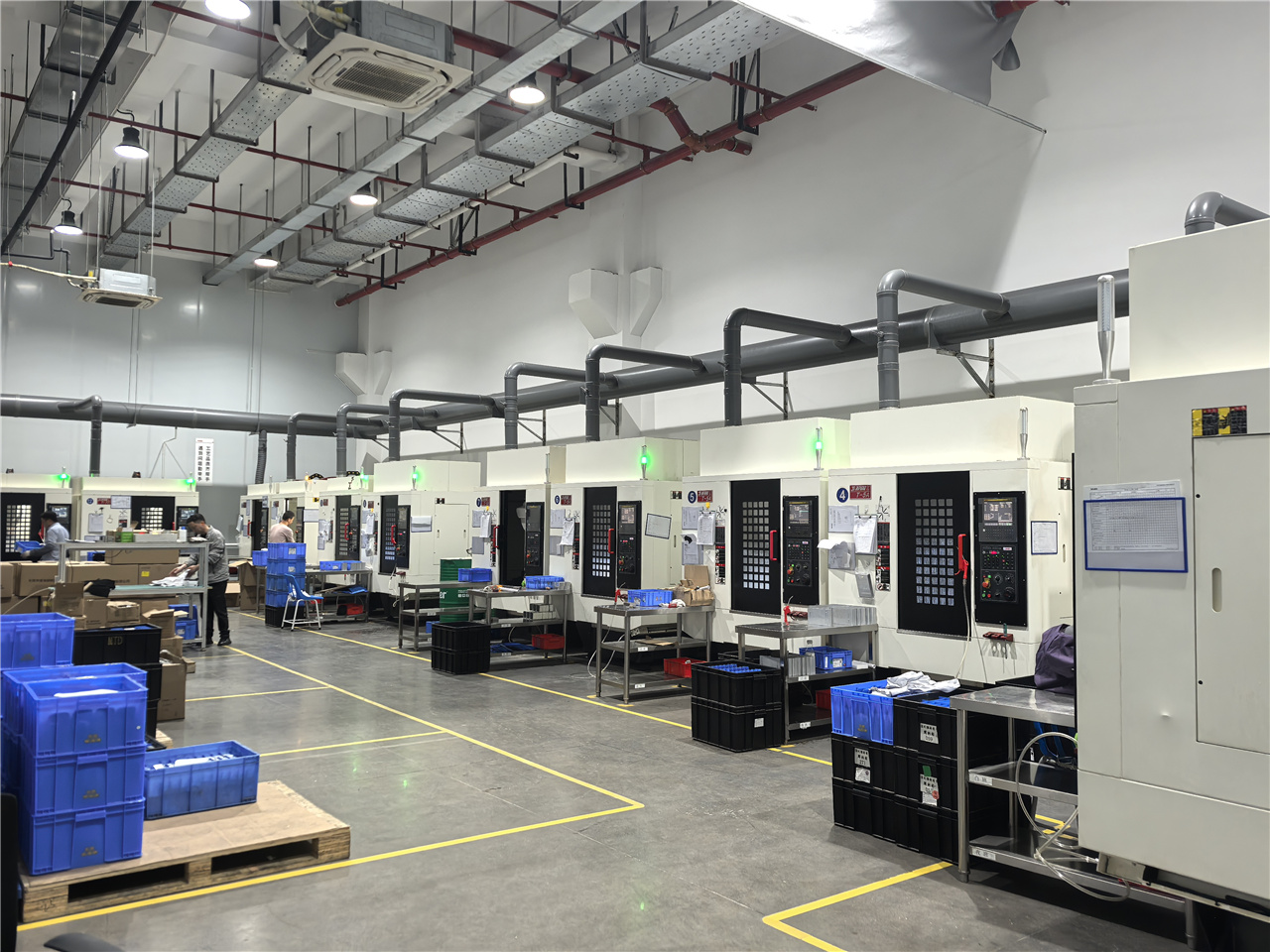
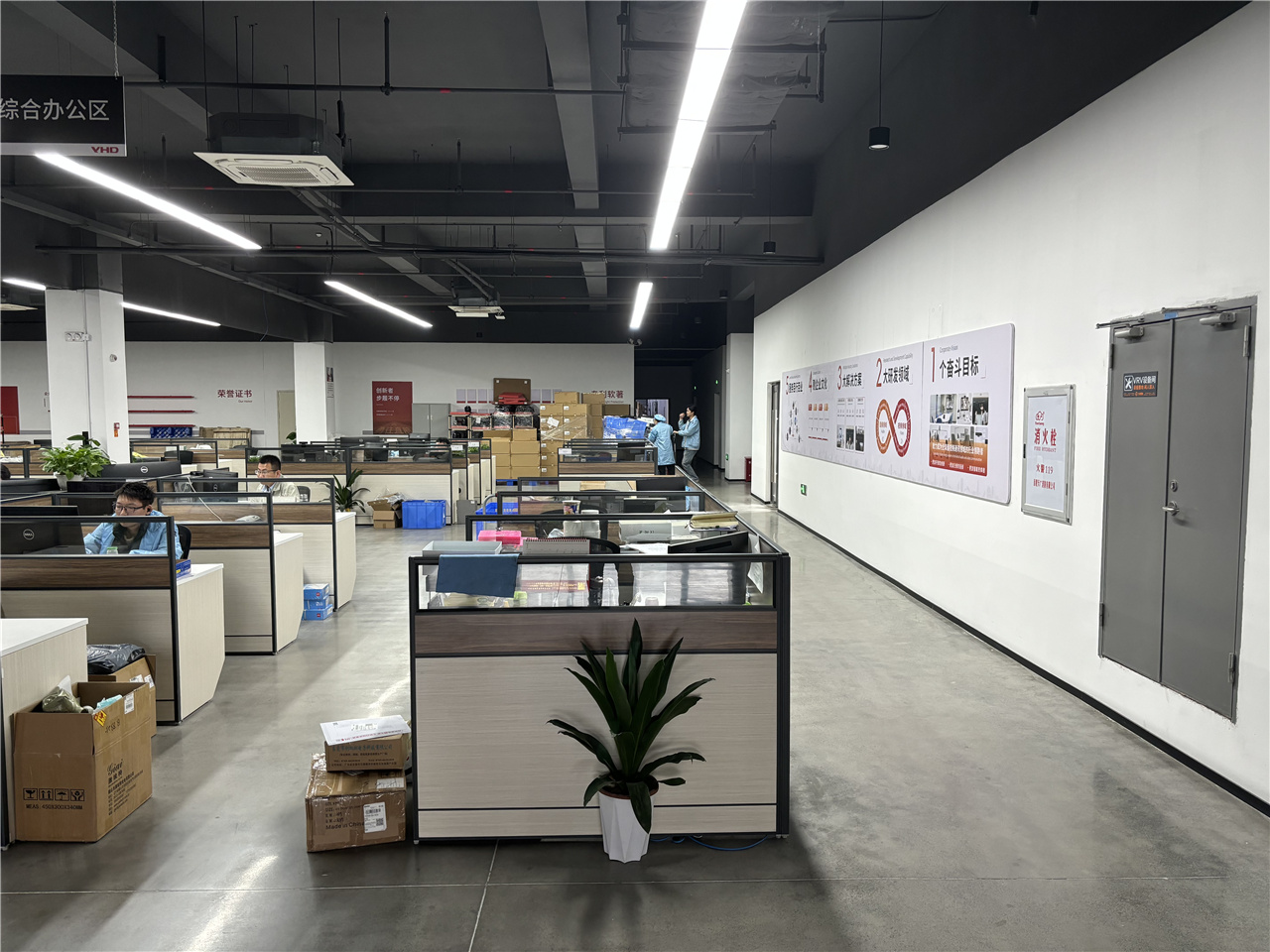
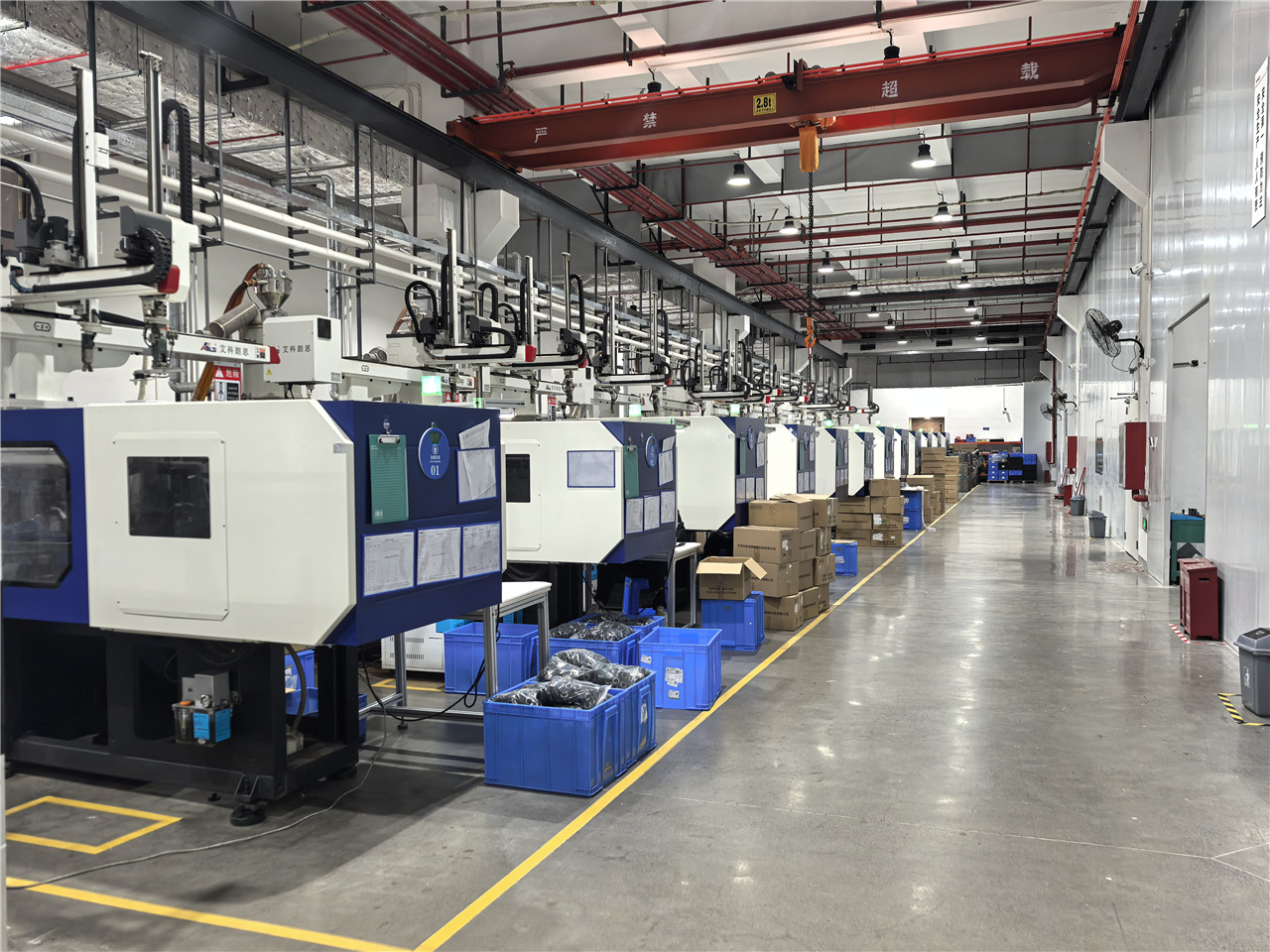
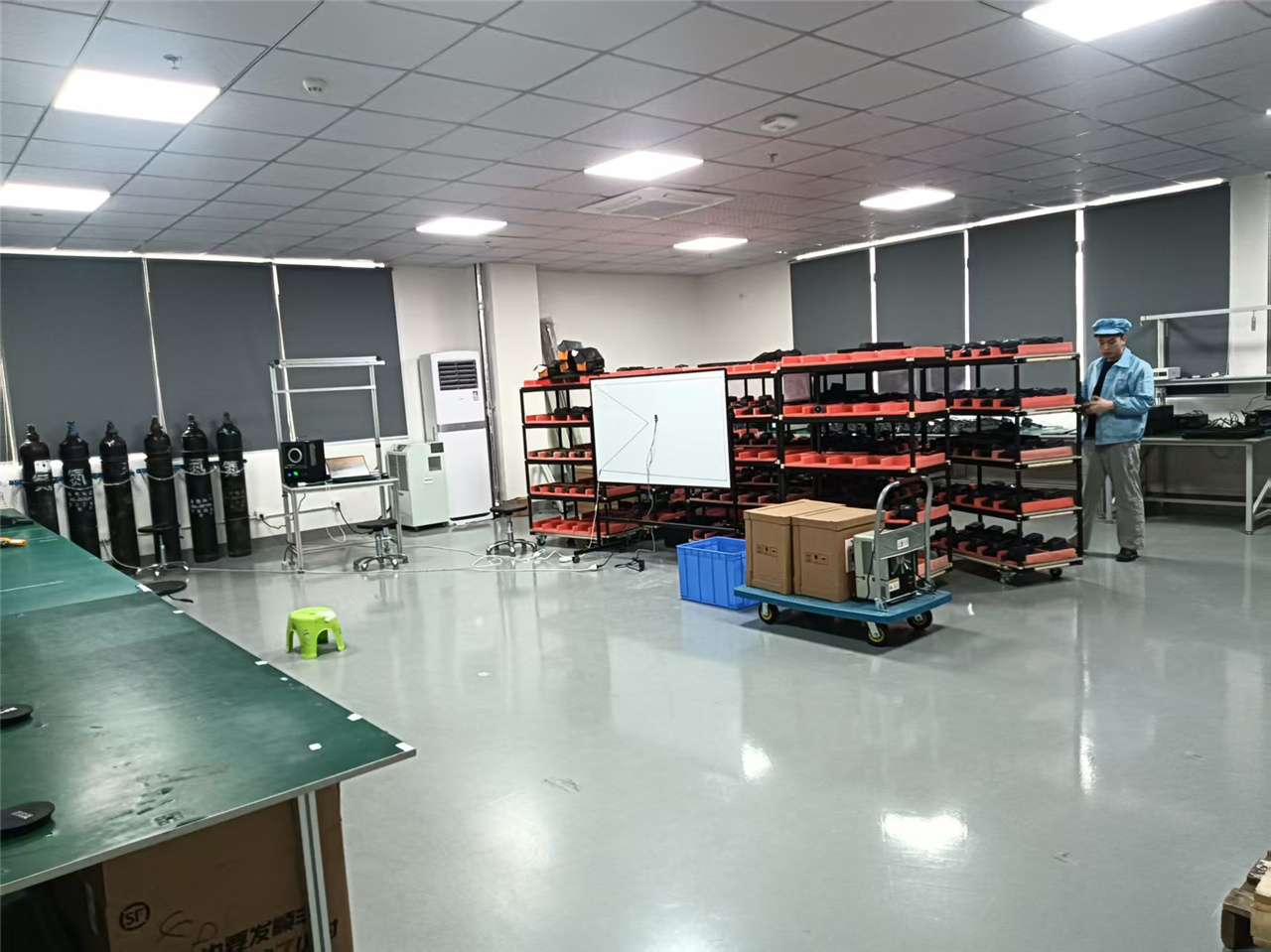
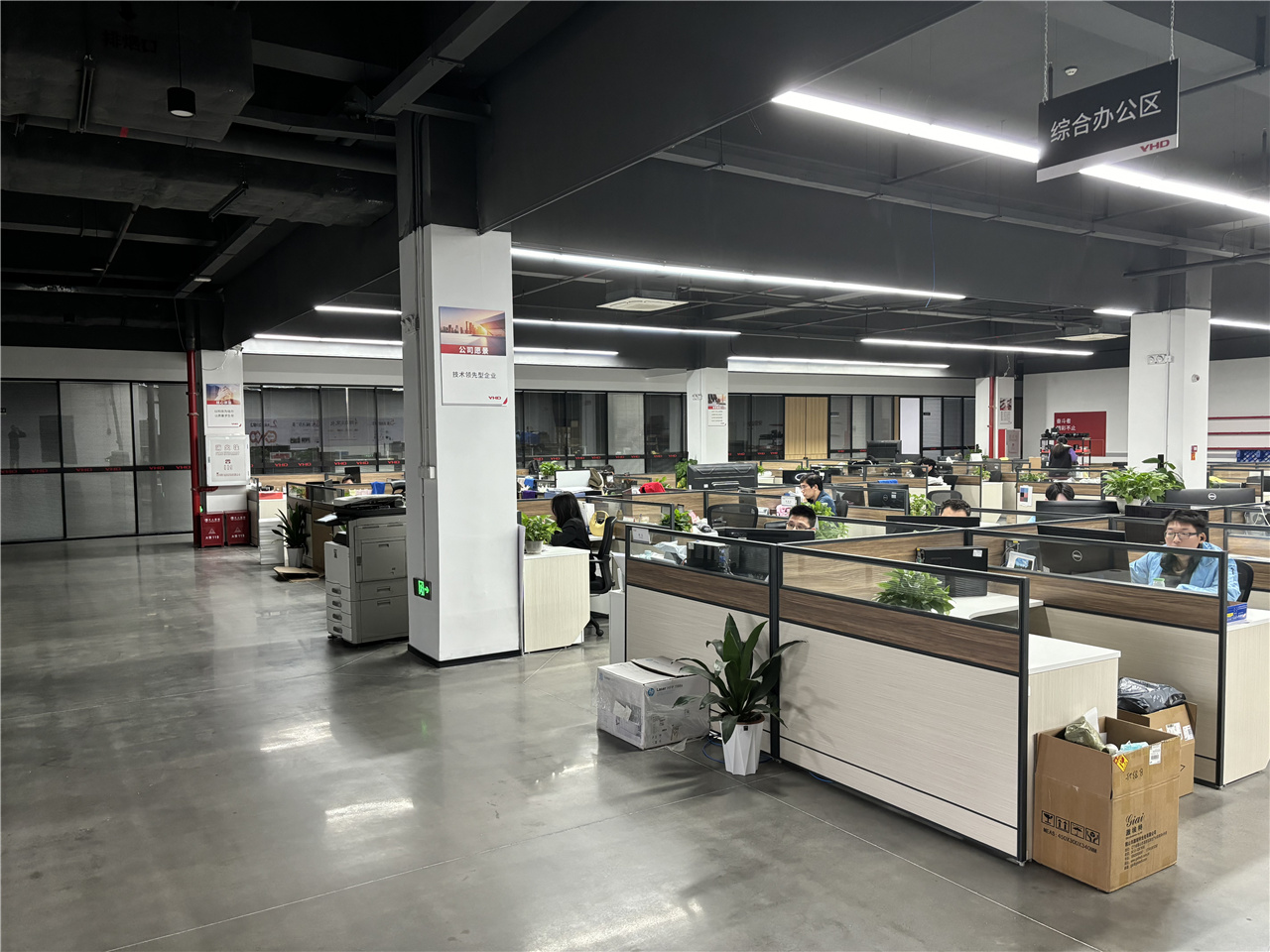
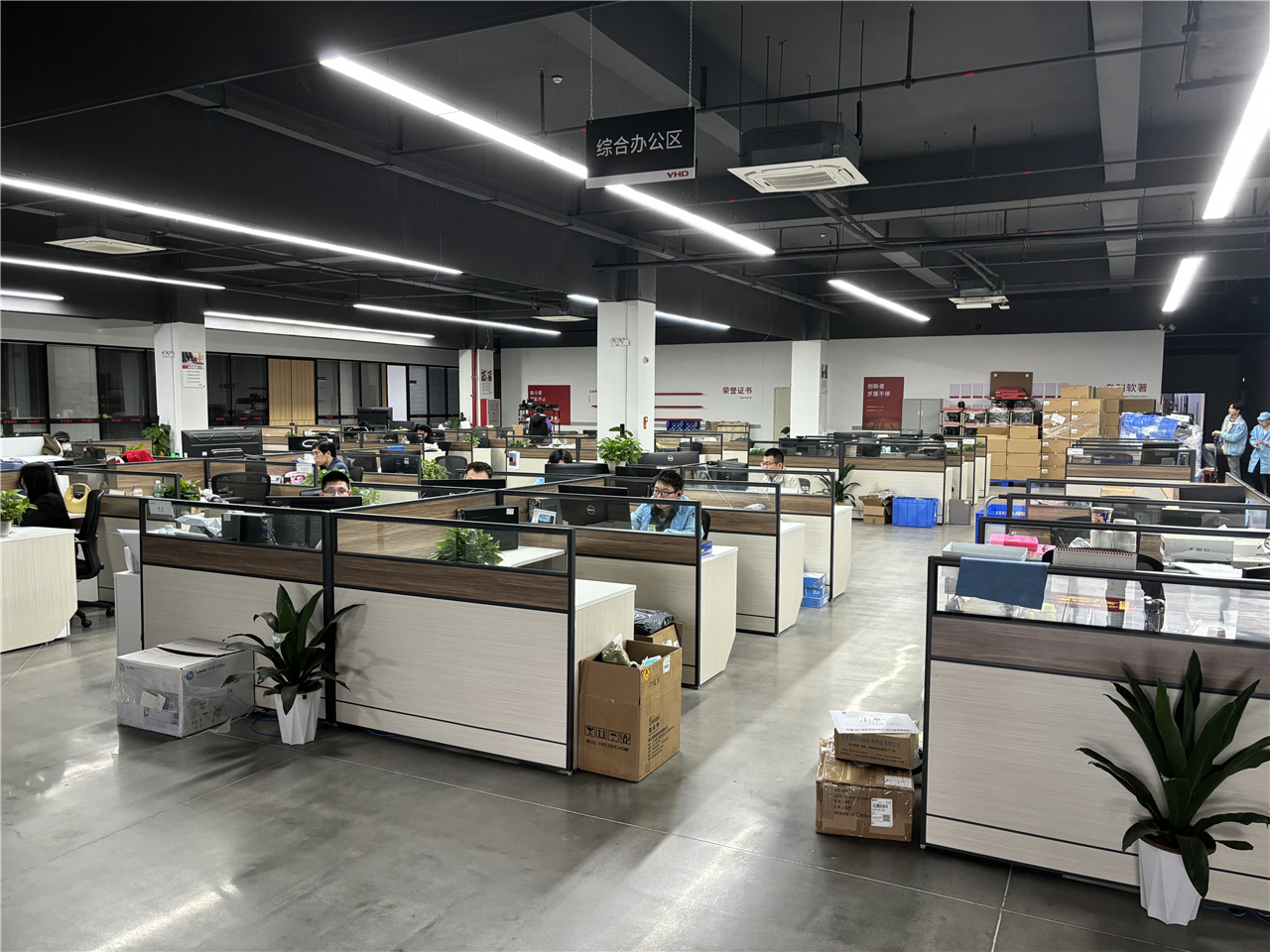
Shenzhen Dianyang Technology Co., Ltd. is a subsidiary of VHD (Shenzhen VHD Technology Co., Ltd.), a publicly listed company on the Shenzhen Stock Exchange. This strategic affiliation gives Dianyang unique access to VHD’s advanced R&D platforms, high-precision manufacturing systems, and rigorous quality management practices—enabling us to deliver thermal imaging products of higher reliability and consistency than typical ODMs.
We specialize in ODM/OEM services for infrared thermal imaging solutions, including handheld thermal imagers, smartphone-connected thermal cameras, thermal analyzers, and thermal imaging telescopes. Our products serve global customers in power inspection, building diagnostics, firefighting, industrial maintenance, and outdoor applications.
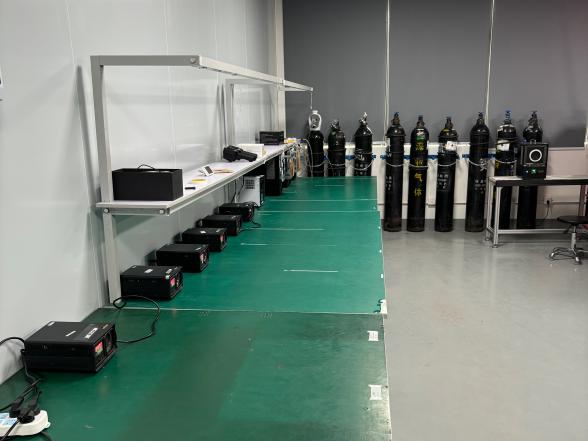
Our dedicated engineering team applies Design for Manufacturing (DFM), Design for Testability (DFT), thermal simulation, and EMC pre-compliance analysis to optimize performance and accelerate development. We also support clients in obtaining key certifications such as CE, FCC, RoHS, REACH, CB, UKCA, KC, and PSE.
Our structured NPI process typically delivers certified prototypes within 8–12 weeks. Combined with stable supply chain support and group-level technical resources, we ensure on-time delivery and long-term product reliability. By combining focused thermal imaging expertise with the backing of a listed parent company, Dianyang offers a rare blend of agility, quality, and scalability—helping global partners bring high-performance, certified thermal products to market with confidence.
Discover our full range of thermal analyzers, engineered for flawless performance in underfloor heating leak detection, industrial maintenance, and professional building diagnostics.