
Leave Your Message
In today's rapidly evolving industrial landscape, automated production line monitoring has become a cornerstone of operational excellence. Thermal imaging devices have emerged as critical tools for ensuring quality control, preventing equipment failures, and optimizing manufacturing processes. These sophisticated instruments provide real-time temperature data and visual insights that enable manufacturers to detect anomalies, prevent costly downtime, and maintain consistent product quality across diverse industrial applications.
The integration of thermal imaging technology into automated production lines represents a paradigm shift in industrial monitoring. Unlike traditional inspection methods that rely on manual checks or contact-based sensors, thermal imaging devices offer non-contact, comprehensive temperature mapping of entire production areas. This capability is particularly valuable in high-speed manufacturing environments where continuous monitoring is essential but physical access may be limited or unsafe.
• The global thermal imaging market for industrial applications is projected to reach $4.8 billion by 2027, with production line monitoring accounting for over 35% of this growth.
• Companies implementing thermal imaging for automated monitoring report an average 40% reduction in unplanned downtime.
• Early detection of equipment anomalies through thermal monitoring can prevent failures costing up to $260,000 per hour in lost production.
The current industrial landscape shows widespread adoption of thermal imaging technology across multiple sectors. In automotive manufacturing, thermal cameras monitor welding processes, brake system testing, and paint curing operations. Electronics manufacturers use thermal imaging to detect overheating components on circuit boards during production testing. Food processing facilities employ these devices to ensure proper cooking temperatures and identify contamination risks. The pharmaceutical industry relies on thermal monitoring for critical temperature-controlled processes in drug manufacturing and storage.
Recent technological advancements have made thermal imaging devices more accessible and cost-effective. High-resolution sensors now capture detailed thermal images with 640×480 pixels or higher, while improved processing capabilities enable real-time analysis of multiple monitoring points simultaneously. Wireless connectivity and cloud integration have transformed standalone thermal cameras into networked monitoring systems that provide comprehensive facility-wide oversight.
The future of thermal imaging for automated production line monitoring is being shaped by several transformative trends. Artificial intelligence and machine learning algorithms are revolutionizing how thermal data is interpreted, moving beyond simple temperature threshold alerts to predictive analytics that can forecast equipment failures days or weeks in advance. These intelligent systems learn normal thermal patterns for each production line component and automatically flag deviations that may indicate developing problems.
Edge Computing Integration: Next-generation thermal cameras incorporate powerful onboard processors that perform advanced analytics locally, reducing latency and bandwidth requirements while enabling faster response times.
Hyperspectral Thermal Imaging: Emerging technologies combine thermal imaging with spectral analysis, providing simultaneous temperature and material composition data for enhanced quality control.
Augmented Reality Interfaces: AR-enabled thermal imaging systems overlay real-time temperature data onto physical equipment views, enhancing maintenance efficiency and operator training.
5G Connectivity: Ultra-fast wireless networks enable deployment of mobile thermal monitoring systems that can be repositioned quickly across production facilities without infrastructure changes.
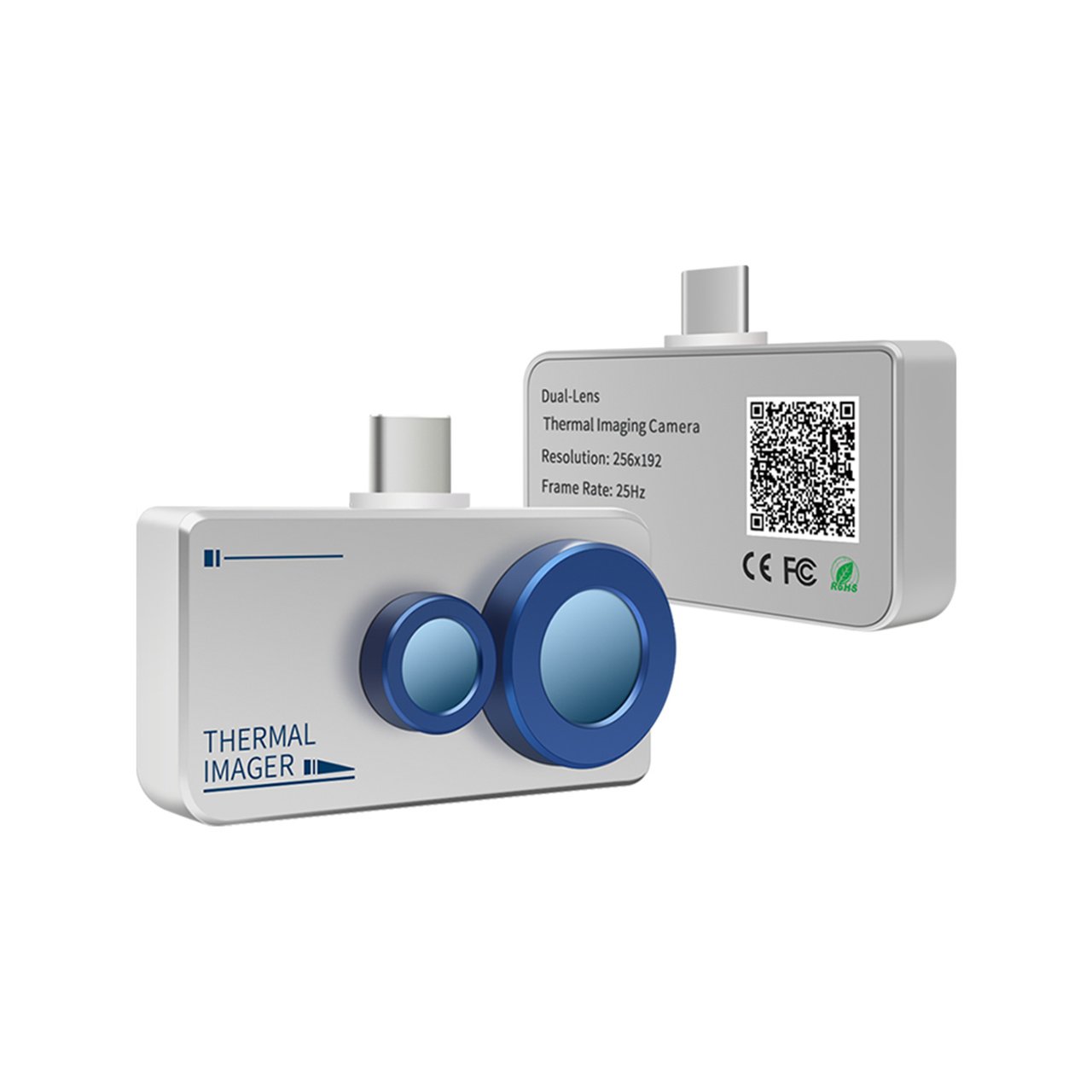
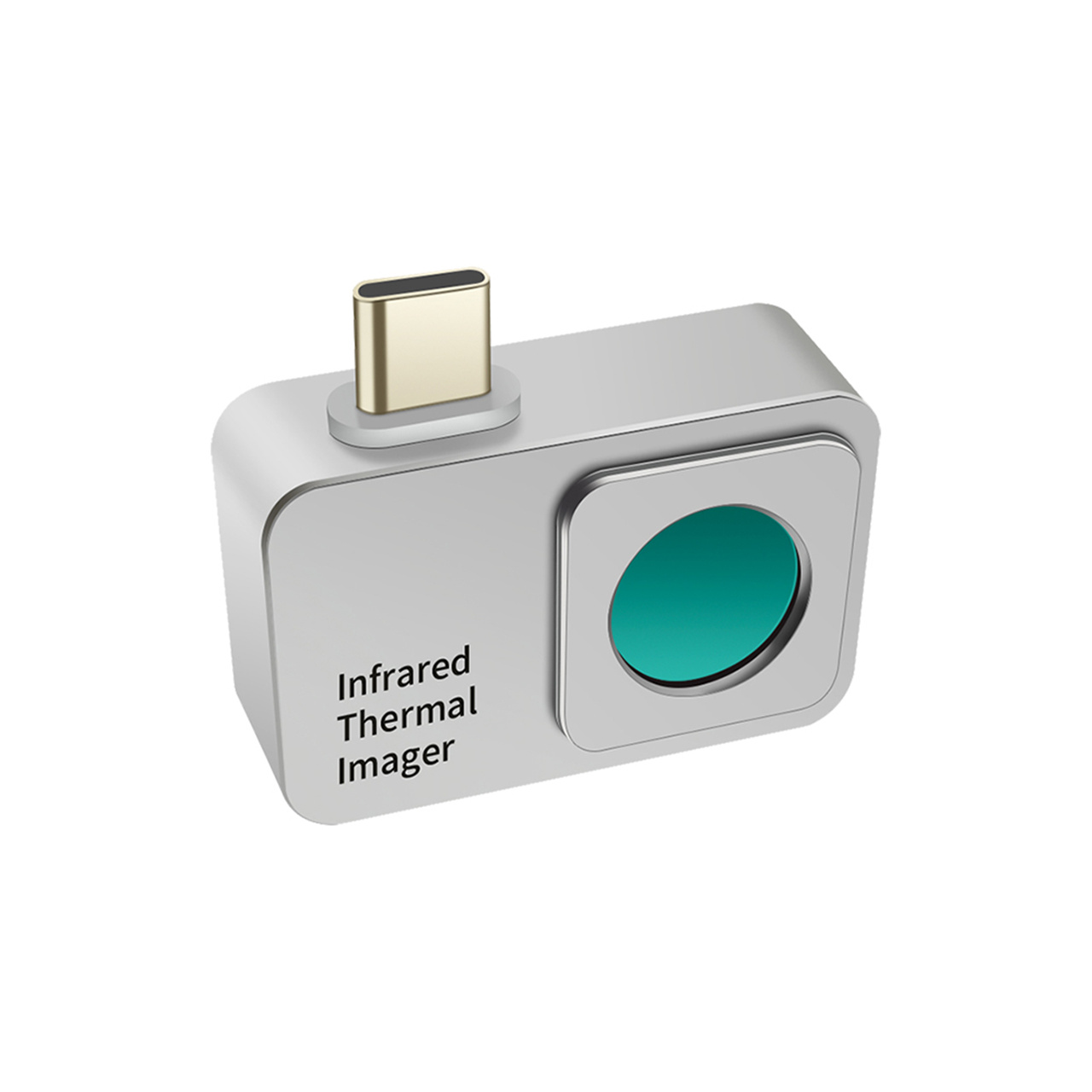
Miniaturization continues to expand application possibilities. Smartphone-connected thermal imagers now offer professional-grade capabilities in compact, portable formats, enabling maintenance personnel to conduct spot checks and troubleshooting throughout facilities. These mobile solutions complement fixed installation cameras, providing flexible monitoring options that adapt to changing production requirements.
The convergence of thermal imaging with other sensing technologies is creating comprehensive monitoring ecosystems. Integration with vibration sensors, acoustic monitoring, and visual inspection systems provides multi-dimensional equipment health assessments. This sensor fusion approach delivers more accurate diagnostics and reduces false alarms that can plague single-technology monitoring systems.
Thermal imaging devices excel at monitoring electrical infrastructure in production facilities. Overheating electrical connections, overloaded circuits, and failing components generate distinctive thermal signatures long before visible damage occurs. Automated thermal monitoring systems continuously scan electrical panels, motor control centers, and power distribution equipment, alerting maintenance teams to developing issues. This proactive approach prevents electrical failures that could halt entire production lines and pose serious safety hazards. Advanced systems can track thermal trends over time, identifying gradual degradation that indicates components approaching end-of-life.
Many manufacturing processes require precise temperature control to ensure product quality. Thermal imaging provides comprehensive temperature mapping across process equipment, identifying hot spots, cold spots, and temperature variations that could affect product consistency. In plastic injection molding, thermal cameras monitor mold temperatures to ensure uniform heating and optimal cycle times. Chemical processing facilities use thermal imaging to verify reactor temperatures and detect potential reaction anomalies. Food processing operations employ thermal monitoring to validate cooking, pasteurization, and cooling processes meet safety standards.
Rotating machinery, bearings, gearboxes, and hydraulic systems generate heat patterns that reveal their operational condition. Thermal imaging devices detect bearing failures, misalignment, lubrication problems, and mechanical wear before catastrophic failures occur. Automated monitoring systems establish thermal baselines for each piece of equipment and continuously compare current temperatures against these references. Deviations trigger maintenance alerts, enabling condition-based maintenance strategies that optimize equipment life while minimizing maintenance costs. Integration with computerized maintenance management systems (CMMS) streamlines work order generation and maintenance scheduling.
Thermal imaging enables non-destructive quality inspection for products where temperature uniformity indicates proper manufacturing. Semiconductor manufacturing uses thermal imaging to verify chip bonding and detect delamination. Composite material production employs thermal inspection to identify voids, delaminations, and cure inconsistencies. Battery manufacturing facilities use thermal imaging to test cell performance and detect internal defects. These inspection applications often integrate directly into production lines, enabling 100% inspection at production speeds without slowing throughput.
Thermal imaging reveals energy losses throughout production facilities. Insulation deficiencies, steam leaks, compressed air leaks, and inefficient heat transfer in process equipment all appear clearly in thermal images. Automated monitoring systems can quantify energy losses and prioritize efficiency improvements based on potential savings. Some advanced systems integrate with building management systems to automatically adjust HVAC operations based on thermal data, optimizing energy consumption while maintaining proper environmental conditions for production processes.
Industries with continuous production processes—including steel manufacturing, glass production, paper mills, and chemical plants—particularly benefit from thermal imaging monitoring. These facilities operate 24/7 with equipment running at extreme temperatures where failures can be catastrophic. Thermal imaging systems provide continuous oversight of critical equipment including furnaces, kilns, reactors, and heat exchangers. Advanced analytics detect subtle temperature changes that indicate refractory degradation, catalyst deactivation, or process upsets, enabling corrective action before production quality suffers or equipment fails.
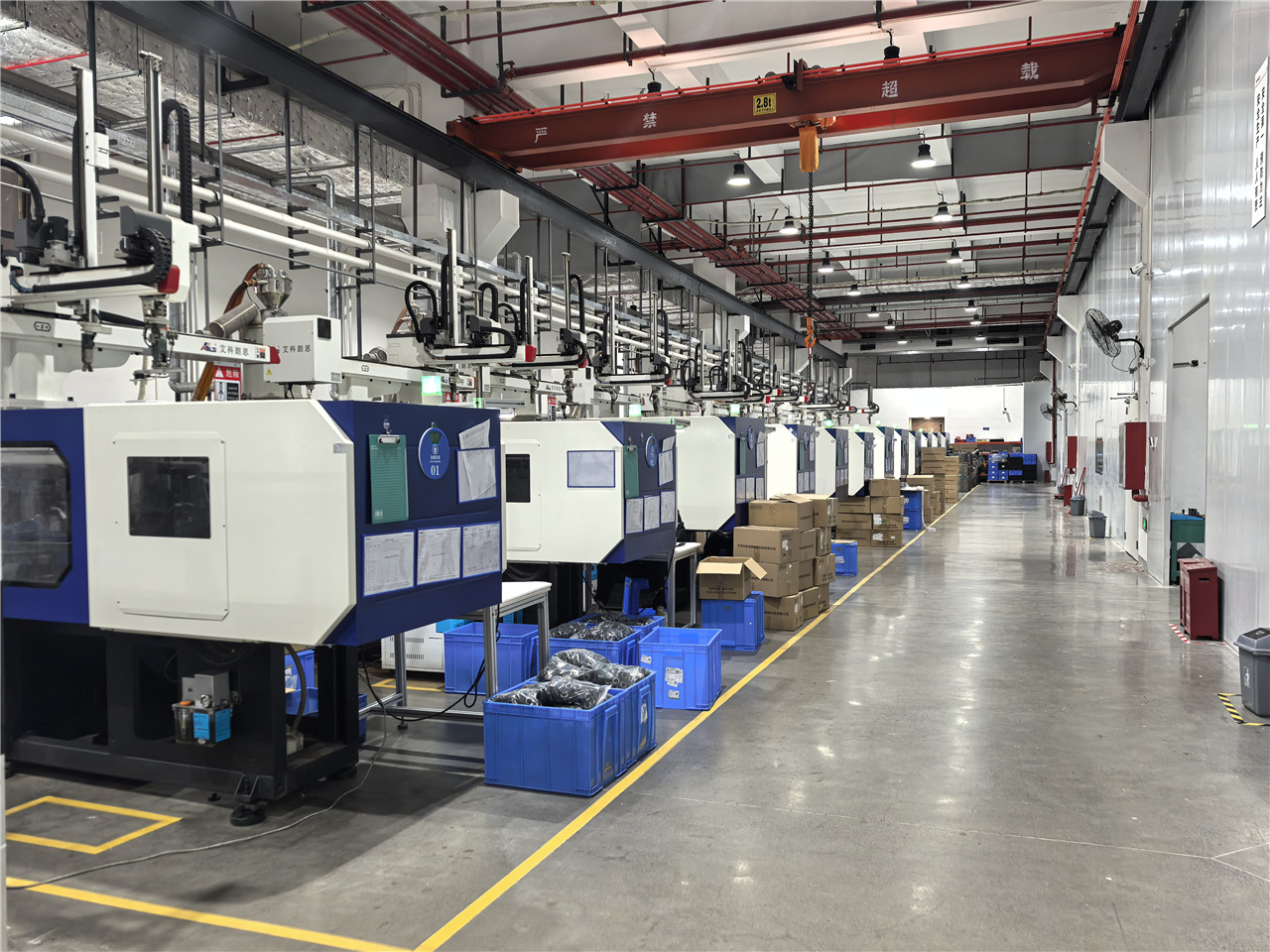
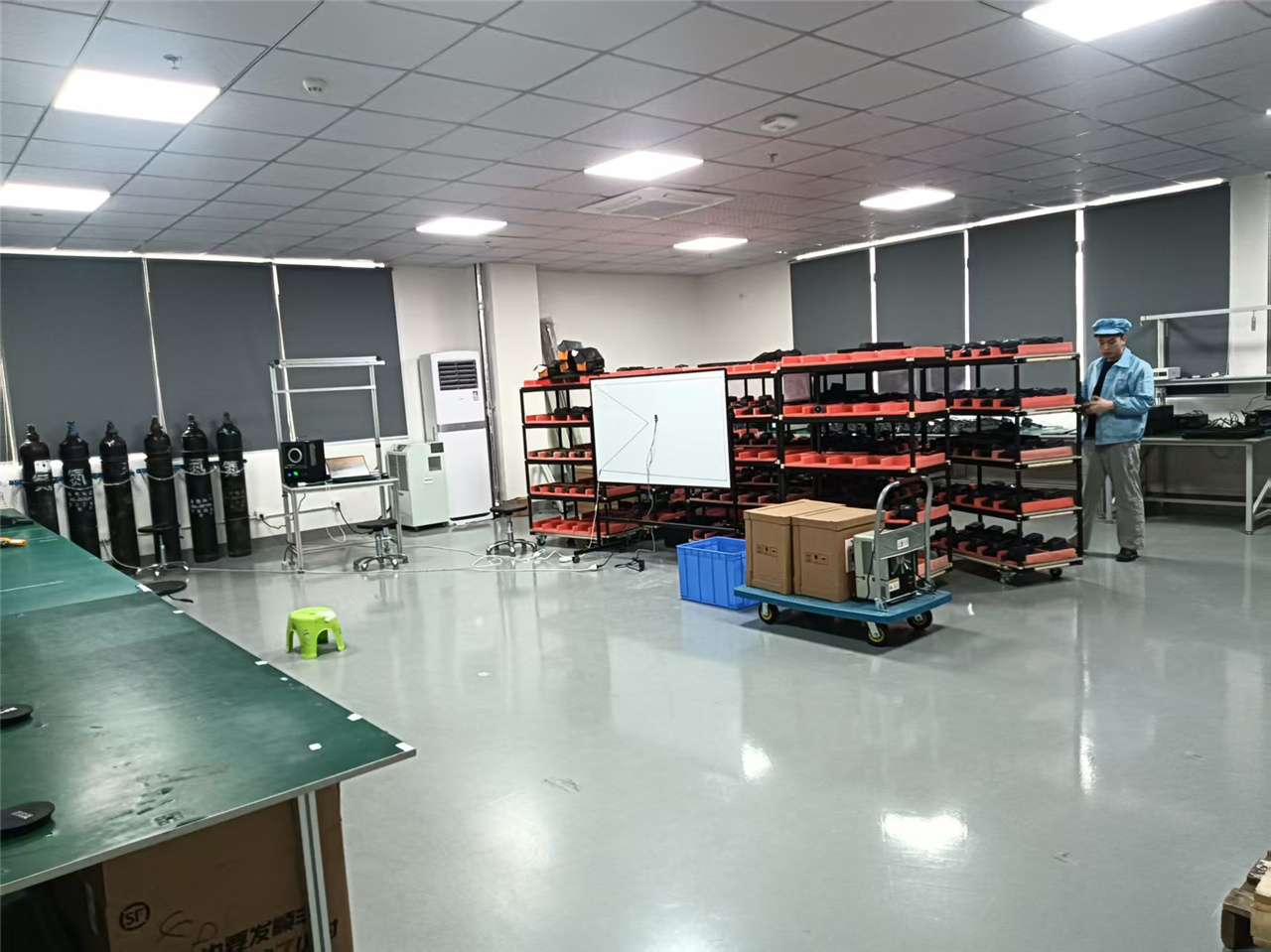
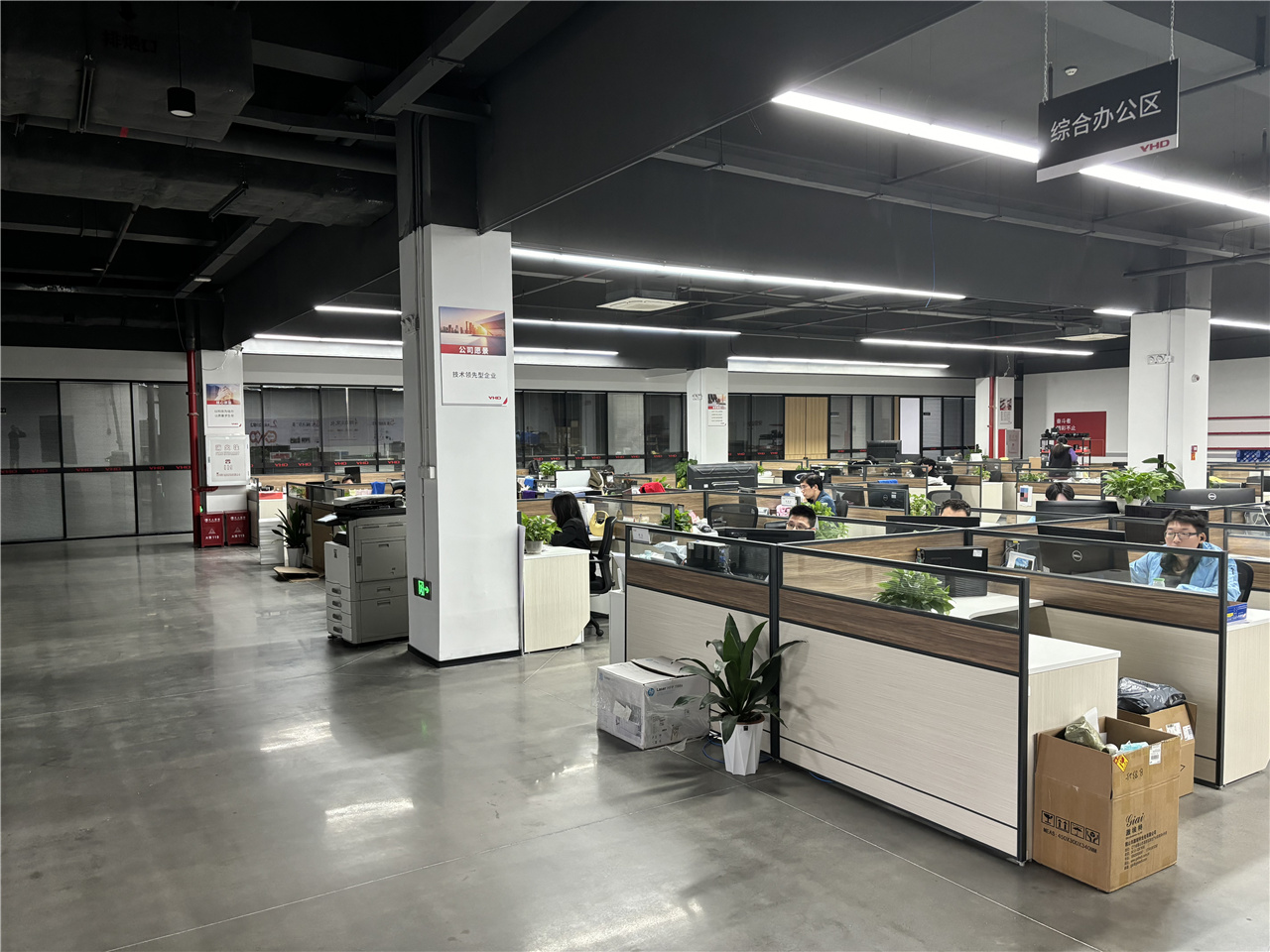
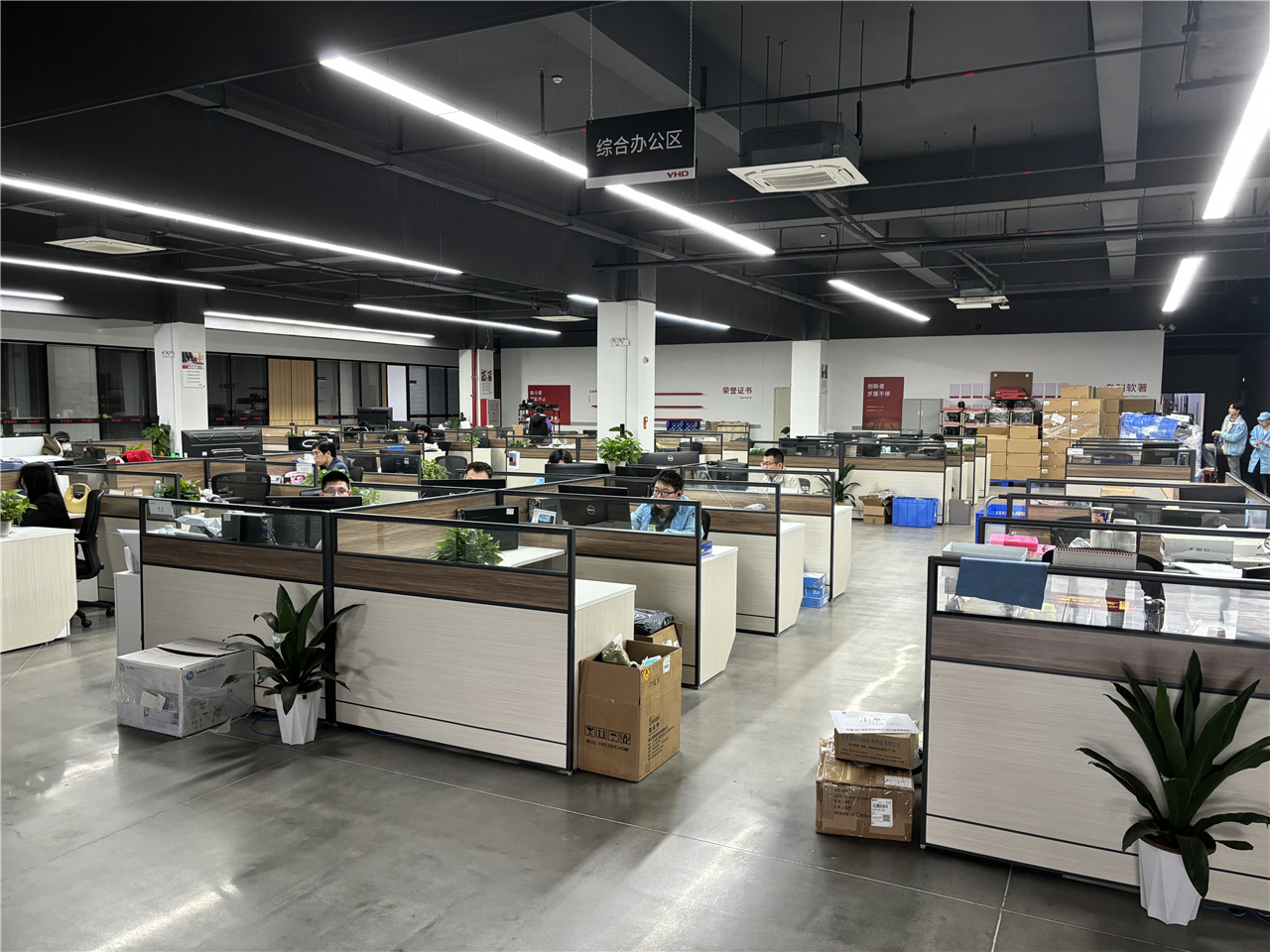
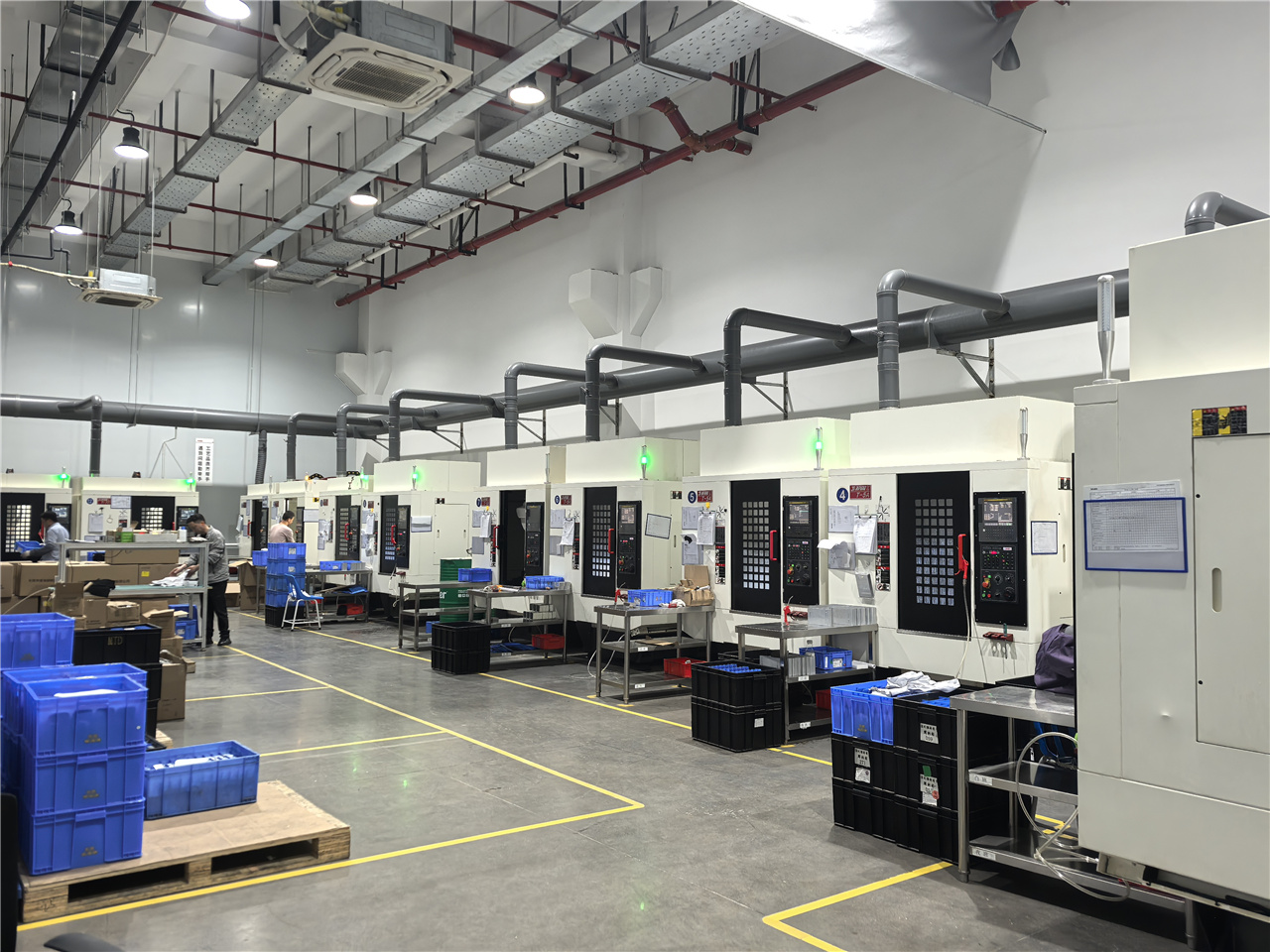
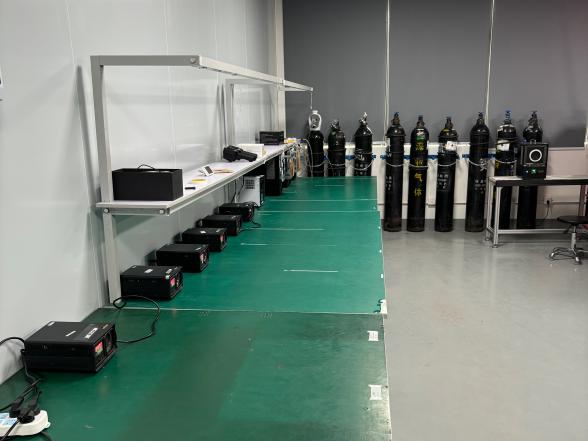
Shenzhen Dianyang Technology Co., Ltd. is a subsidiary of VHD (Shenzhen VHD Technology Co., Ltd.), a publicly listed company on the Shenzhen Stock Exchange. This strategic affiliation gives Dianyang unique access to VHD's advanced R&D platforms, high-precision manufacturing systems, and rigorous quality management practices—enabling us to deliver thermal imaging products of higher reliability and consistency than typical ODMs.
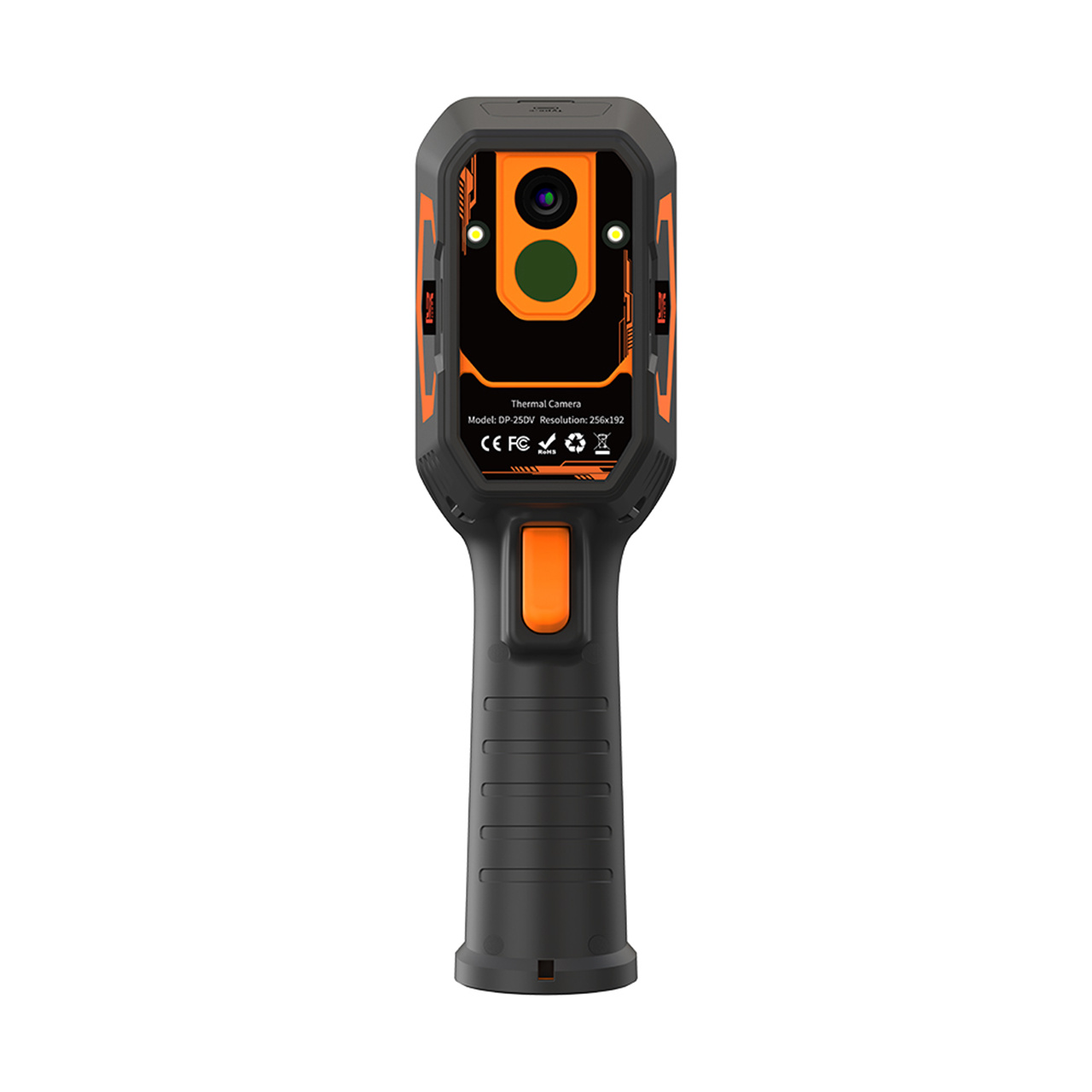
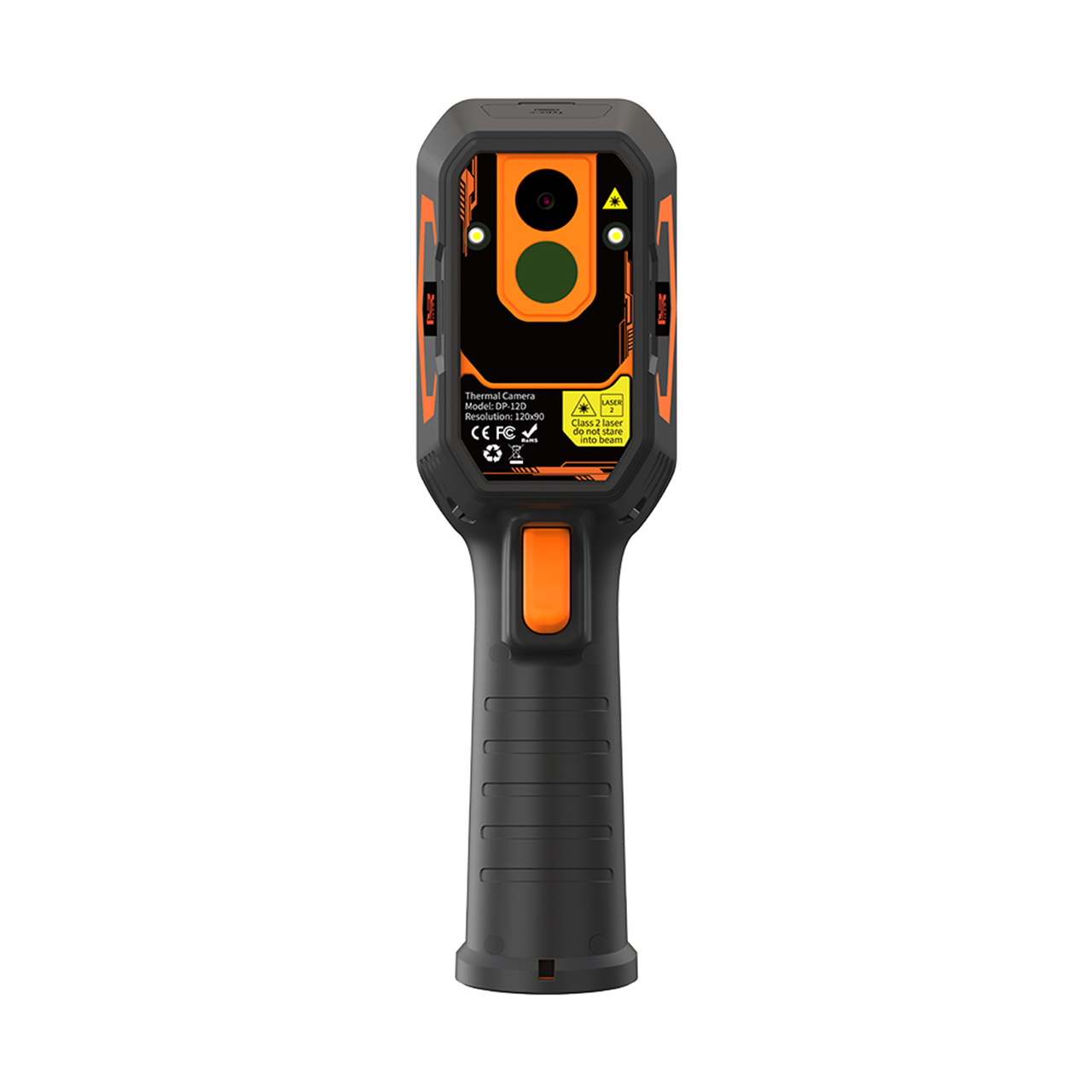
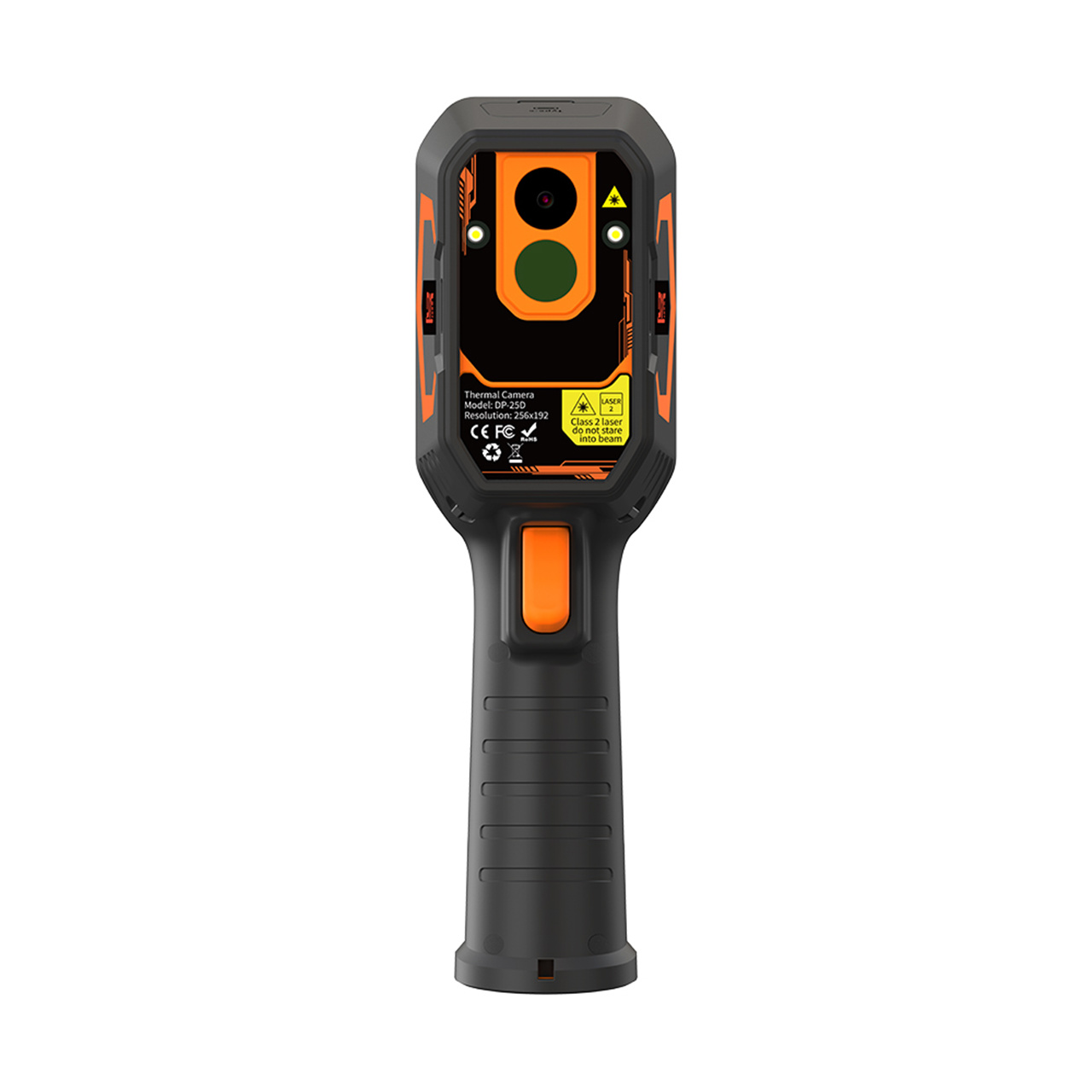
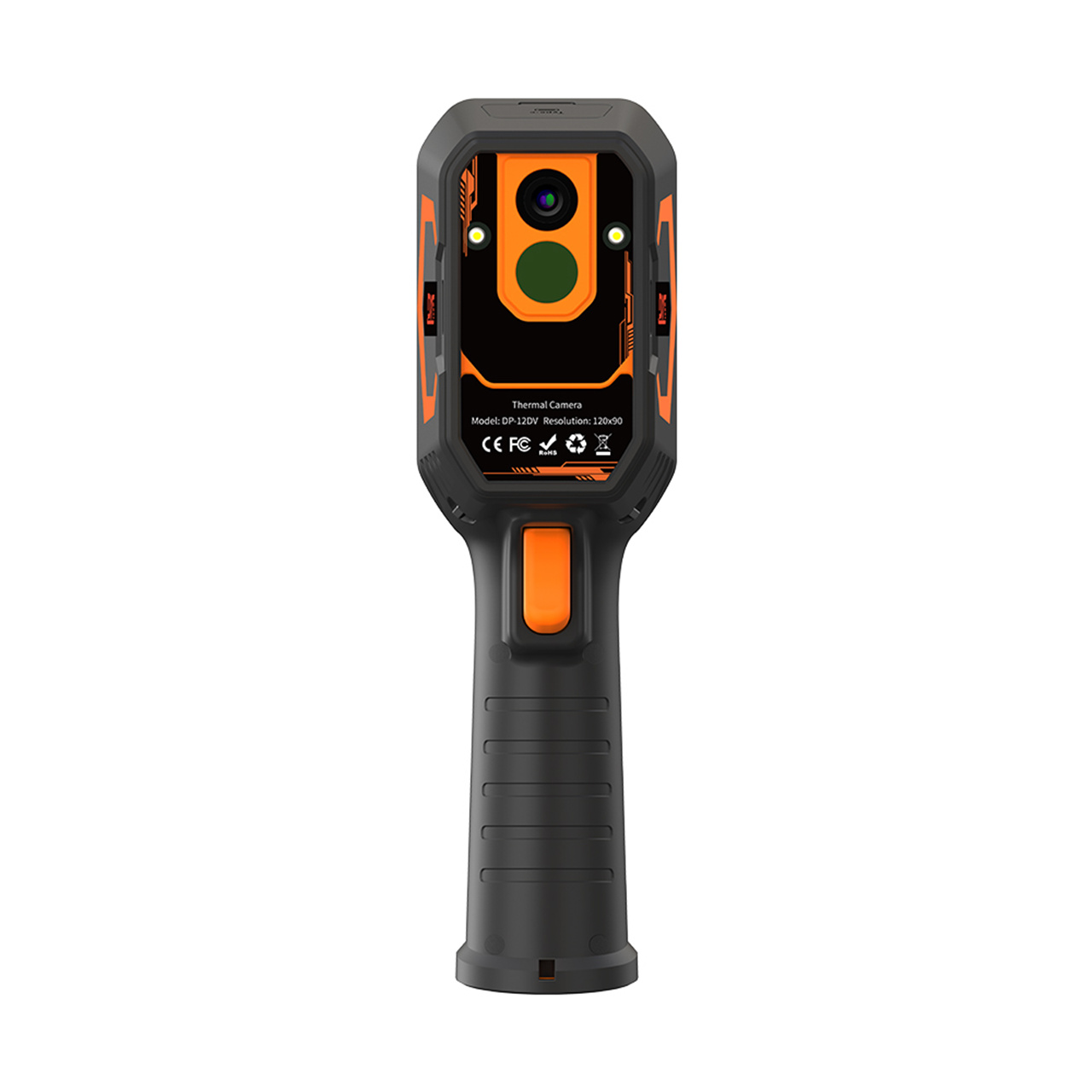
We specialize in ODM/OEM services for infrared thermal imaging solutions, including handheld thermal imagers, smartphone-connected thermal cameras, thermal analyzers, and thermal imaging telescopes. Our products serve global customers in power inspection, building diagnostics, firefighting, industrial maintenance, and outdoor applications.
Our dedicated engineering team applies Design for Manufacturing (DFM), Design for Testability (DFT), thermal simulation, and EMC pre-compliance analysis to optimize performance and accelerate development. We also support clients in obtaining key certifications such as CE, FCC, RoHS, REACH, CB, UKCA, KC, and PSE.
Our structured NPI process typically delivers certified prototypes within 8–12 weeks. Combined with stable supply chain support and group-level technical resources, we ensure on-time delivery and long-term product reliability.
By combining focused thermal imaging expertise with the backing of a listed parent company, Dianyang offers a rare blend of agility, quality, and scalability—helping global partners bring high-performance, certified thermal products to market with confidence.
Successful deployment of thermal imaging devices for automated production line monitoring requires careful planning and systematic implementation. Organizations should begin with a comprehensive assessment of their monitoring needs, identifying critical equipment, process parameters requiring temperature control, and potential failure modes that thermal imaging can detect. This assessment informs camera selection, positioning, and integration requirements.
Camera placement is crucial for effective monitoring. Fixed-installation cameras should provide unobstructed views of target equipment with appropriate field-of-view angles and working distances. Environmental factors including ambient temperature, humidity, dust, and vibration must be considered when selecting camera housings and mounting hardware. In harsh environments, protective enclosures with environmental controls may be necessary to ensure reliable operation.
✓ Conduct thermal survey to establish baseline temperature profiles
✓ Define temperature thresholds and alarm criteria for each monitoring point
✓ Integrate with existing automation and monitoring systems
✓ Develop response protocols for thermal alerts
✓ Train operators and maintenance personnel on system operation
✓ Establish regular calibration and maintenance schedules
Integration with existing plant systems maximizes value from thermal monitoring investments. Modern thermal imaging devices offer multiple communication protocols including Ethernet, Modbus, OPC-UA, and MQTT, enabling seamless integration with SCADA systems, distributed control systems (DCS), and manufacturing execution systems (MES). This integration allows thermal data to be correlated with other process variables, providing comprehensive operational insights.
Professional thermal imaging solutions for every application

Thermal imaging technology has evolved from a specialized diagnostic tool to an essential component of modern automated production line monitoring systems. As manufacturing becomes increasingly automated and interconnected, the role of thermal imaging will continue to expand. The convergence of thermal imaging with artificial intelligence, edge computing, and IoT connectivity is creating intelligent monitoring ecosystems that not only detect problems but predict them, optimize processes, and enhance overall operational efficiency.
Organizations that embrace thermal imaging technology gain significant competitive advantages through reduced downtime, improved product quality, enhanced safety, and optimized energy consumption. The return on investment from thermal monitoring systems typically manifests within the first year of operation through prevented failures, reduced maintenance costs, and improved operational efficiency. As thermal imaging devices become more affordable and capable, their adoption across all manufacturing sectors will accelerate.
The future promises even more sophisticated thermal monitoring capabilities. Advances in sensor technology will deliver higher resolution images with improved thermal sensitivity. Enhanced processing power will enable more complex real-time analytics. Improved connectivity will facilitate seamless integration across enterprise systems. For manufacturers committed to operational excellence, thermal imaging devices for automated production line monitoring represent not just a technology investment, but a strategic imperative for remaining competitive in an increasingly demanding global marketplace.
With our comprehensive ODM/OEM capabilities, advanced manufacturing infrastructure, and commitment to quality, Dianyang Technology stands ready to support your thermal imaging needs for automated production line monitoring. Whether you require standard products or customized solutions, our team delivers the reliability, performance, and support that modern manufacturing demands. Contact us today to discover how our thermal imaging solutions can transform your production monitoring capabilities.