Leave Your Message
Electrical substations are critical nodes in power distribution networks, serving as the backbone of modern electrical infrastructure. These facilities house transformers, switchgear, circuit breakers, bus bars, and countless electrical connections that operate under high voltage and current loads. The reliable operation of substations is paramount to ensuring uninterrupted power supply to industrial, commercial, and residential consumers. However, the harsh operating conditions—including electrical stress, thermal cycling, environmental exposure, and mechanical wear—make substation equipment vulnerable to various failure modes.
Traditional maintenance approaches relied heavily on scheduled inspections, manual testing, and reactive repairs following equipment failures. This methodology often resulted in unexpected outages, costly emergency repairs, safety hazards, and reduced equipment lifespan. The advent of thermal imaging technology has revolutionized substation maintenance by enabling non-contact, real-time temperature monitoring and early detection of potential failures before they escalate into critical problems.
Thermal imaging devices detect infrared radiation emitted by objects, converting it into visible thermal images that reveal temperature distributions. In electrical substations, abnormal heat patterns often indicate underlying problems such as loose connections, overloaded circuits, insulation degradation, or component defects. By identifying these thermal anomalies during routine inspections, maintenance teams can implement corrective actions proactively, preventing equipment failures, reducing downtime, and enhancing overall system reliability.
The global market for thermal imaging in electrical maintenance has experienced significant growth, driven by increasing investments in power infrastructure modernization, stricter safety regulations, and the adoption of predictive maintenance strategies. According to industry research, the thermal imaging market for industrial applications is projected to reach $4.5 billion by 2028, with electrical utilities representing one of the largest end-user segments. This growth reflects the widespread recognition of thermal imaging as an indispensable tool for maintaining electrical assets efficiently and safely.
Identify overheating components, loose connections, and insulation failures before they cause equipment damage or system outages, enabling proactive maintenance interventions.
Conduct inspections from safe distances without physical contact with energized equipment, significantly reducing risks of electrical shock, arc flash incidents, and worker injuries.
Prevent costly emergency repairs, minimize unplanned downtime, extend equipment lifespan, and optimize maintenance resource allocation through condition-based maintenance strategies.
Perform comprehensive thermal surveys without disrupting substation operations, eliminating the need for equipment shutdowns and maintaining continuous power supply.
Generate detailed thermal reports with temperature measurements, trend analysis, and historical comparisons to support informed maintenance planning and asset management.
Assess environmental factors affecting equipment performance, detect cooling system inefficiencies, and identify thermal stress patterns caused by ambient conditions.
Comprehensive thermal imaging solutions for every aspect of electrical infrastructure
Power transformers are among the most expensive and critical assets in substations. Thermal imaging enables early detection of cooling system failures, winding hot spots, tap changer problems, and bushing deterioration. Regular thermal surveys help identify abnormal temperature rises that may indicate oil circulation issues, core lamination faults, or internal winding damage. By monitoring transformer thermal signatures over time, maintenance teams can track equipment health trends and schedule interventions before catastrophic failures occur.
Switchgear assemblies contain numerous electrical connections, contacts, and mechanical components that are prone to thermal anomalies. Thermal imaging reveals loose bolted connections, contact erosion, insulation breakdown, and overloaded circuits. Circuit breakers, which must operate reliably under fault conditions, can develop contact resistance issues that manifest as localized heating. Regular thermal inspections ensure these protective devices remain operational when needed most, preventing cascading failures and improving system protection reliability.
Bus bars distribute electrical power throughout substations and are subject to thermal expansion, mechanical stress, and connection degradation. Thermal imaging identifies high-resistance connections caused by loose hardware, corrosion, or inadequate contact pressure. These thermal hotspots, if left unaddressed, can lead to connection failure, arcing, and potential fire hazards. Thermal surveys provide quantitative temperature data that helps prioritize maintenance activities based on severity and criticality of detected anomalies.
Electrical insulators and bushings provide critical insulation between high-voltage conductors and grounded structures. Contamination, moisture ingress, internal defects, or tracking can compromise insulator performance and create thermal signatures detectable by infrared cameras. Thermal imaging complements visual inspections by revealing internal problems not visible externally, such as bushing moisture contamination or partial discharge activity that generates localized heating. Early detection prevents insulation failures that could cause flashovers and equipment damage.
Many substation components rely on cooling systems—including forced air, oil circulation, or radiator assemblies—to dissipate heat generated during operation. Thermal imaging verifies proper cooling system operation by identifying blocked radiators, failed fans, restricted oil flow, or heat exchanger fouling. Temperature distribution analysis across cooling surfaces reveals performance degradation that may not be apparent through other monitoring methods, enabling timely maintenance to prevent thermal overload conditions.
Capacitor banks used for power factor correction and voltage support can develop internal faults that produce abnormal heating. Thermal imaging detects failed capacitor units, unbalanced phase currents, and connection problems within capacitor assemblies. Similarly, reactors used for current limiting or harmonic filtering can exhibit thermal anomalies indicating turn-to-turn faults, core saturation, or cooling deficiencies. Regular thermal monitoring ensures these reactive power compensation devices operate efficiently and reliably.
The electrical utility sector has witnessed accelerated adoption of thermal imaging technology as part of comprehensive asset management programs. Utilities worldwide are transitioning from time-based maintenance schedules to condition-based and predictive maintenance strategies that leverage thermal imaging data alongside other diagnostic techniques. This shift is driven by aging infrastructure, increasing electricity demand, regulatory pressure for improved reliability, and the economic benefits of preventing unplanned outages.
Modern thermal imaging devices for substation maintenance have evolved significantly from early-generation systems. Today's cameras offer higher resolution sensors (up to 1280×1024 pixels), wider temperature measurement ranges (-40°C to +2000°C), improved thermal sensitivity (down to 0.02°C NETD), and enhanced image processing capabilities. Advanced features such as radiometric video recording, GPS tagging, voice annotation, and wireless connectivity enable more efficient data collection and analysis workflows.
Integration with Digital Technologies: The convergence of thermal imaging with digital technologies represents a major trend reshaping substation maintenance practices. Modern thermal cameras can integrate with asset management systems, computerized maintenance management systems (CMMS), and enterprise resource planning (ERP) platforms. This integration enables automated workflow management, historical trend analysis, and data-driven decision support. Cloud-based thermal imaging platforms facilitate remote data access, collaborative analysis, and centralized reporting across multiple substations and organizational levels.
Artificial Intelligence and Machine Learning: AI-powered thermal imaging solutions are emerging as game-changers in substation maintenance. Machine learning algorithms can automatically detect thermal anomalies, classify fault types, assess severity levels, and recommend corrective actions. These intelligent systems learn from historical inspection data to improve detection accuracy and reduce false positives. Automated anomaly detection significantly reduces analysis time and enables less experienced technicians to perform effective thermal inspections with expert-level interpretation support.
Unmanned aerial vehicles (UAVs) equipped with thermal imaging cameras are revolutionizing substation inspections by enabling rapid, comprehensive surveys from optimal viewing angles. Drone-based thermal inspections reduce inspection time, improve personnel safety, and access equipment locations difficult or dangerous to reach with handheld cameras. Automated flight planning and AI-assisted image analysis further enhance inspection efficiency and consistency. Regulatory frameworks are evolving to accommodate expanded use of drones for utility infrastructure inspection.
Continuous Monitoring Systems: Fixed thermal imaging systems for continuous substation monitoring represent an emerging application segment. These permanently installed cameras provide 24/7 thermal surveillance of critical equipment, enabling real-time anomaly detection and immediate alert generation. Continuous monitoring complements periodic inspections by capturing intermittent thermal events, tracking temperature trends under varying load conditions, and providing early warning of rapidly developing faults. As camera costs decrease and analytics capabilities improve, continuous thermal monitoring is becoming economically viable for critical substation assets.
Standardization and Best Practices: Industry organizations have developed comprehensive standards and guidelines for electrical thermography, including NETA (International Electrical Testing Association) specifications, ASTM standards, and IEEE recommendations. These standards define inspection procedures, temperature rise criteria, reporting requirements, and technician qualification levels. Standardization promotes consistent inspection quality, facilitates benchmarking across organizations, and supports regulatory compliance. Professional certification programs ensure thermal imaging technicians possess necessary knowledge and skills for effective substation inspections.
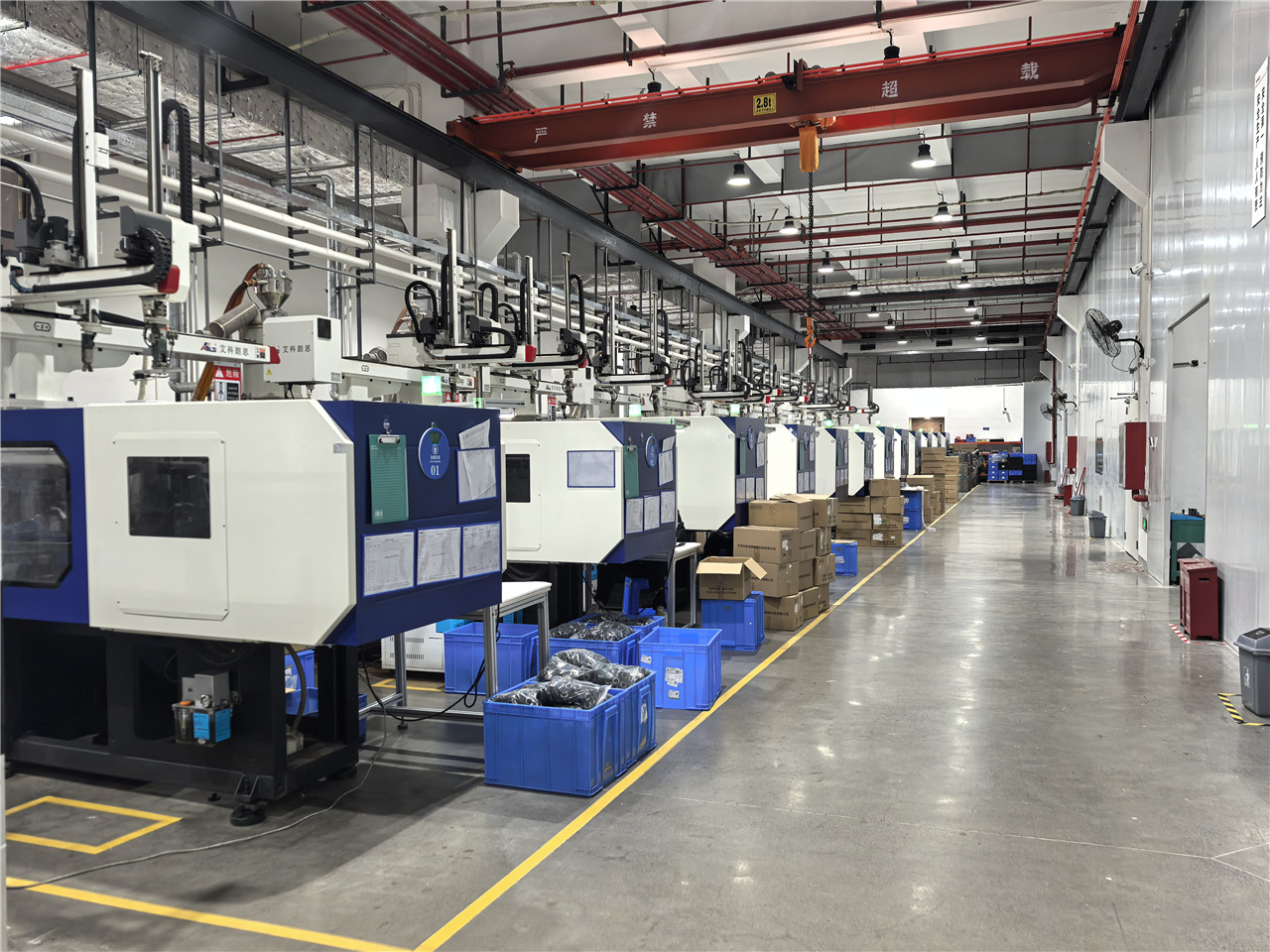
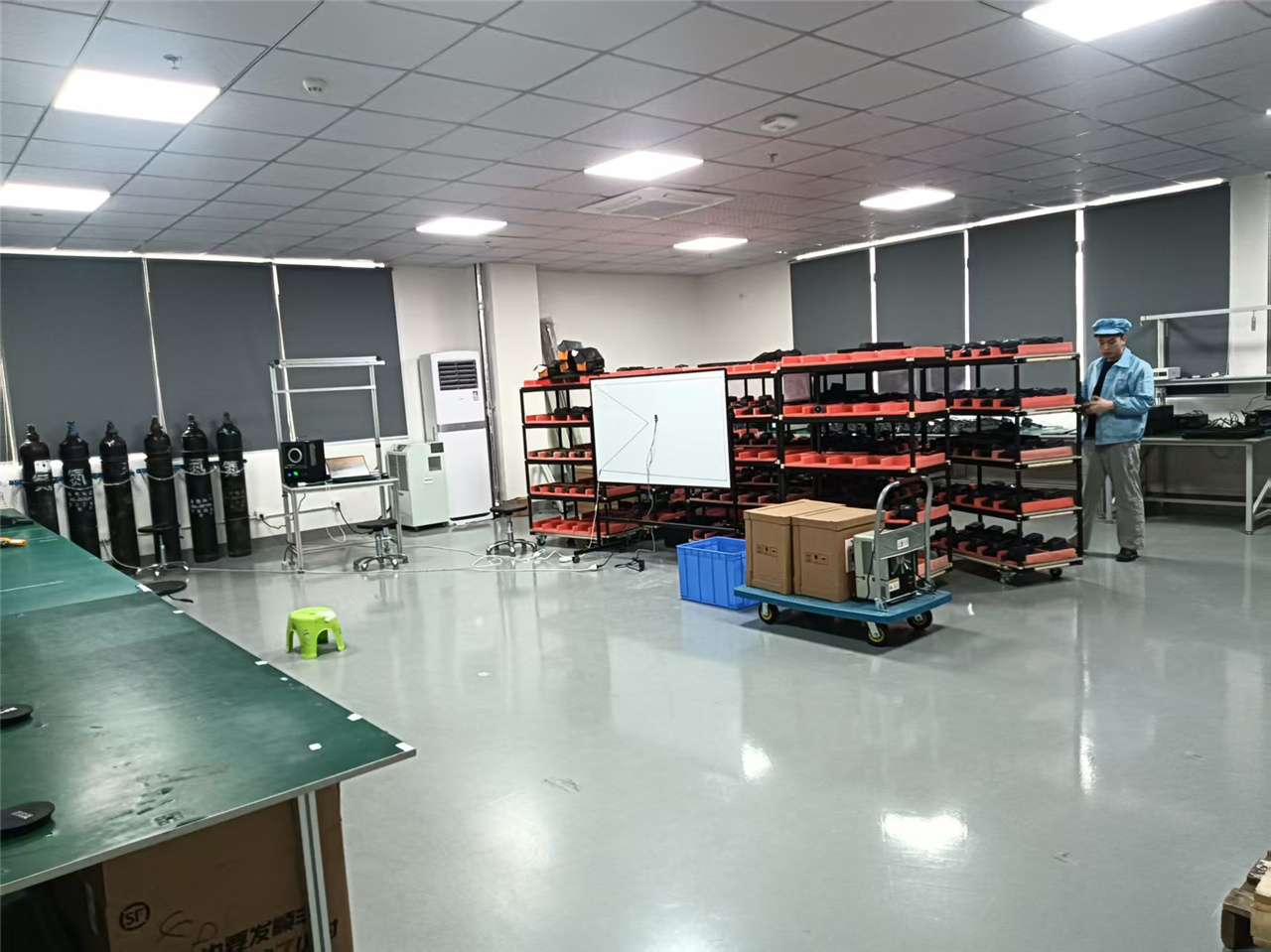
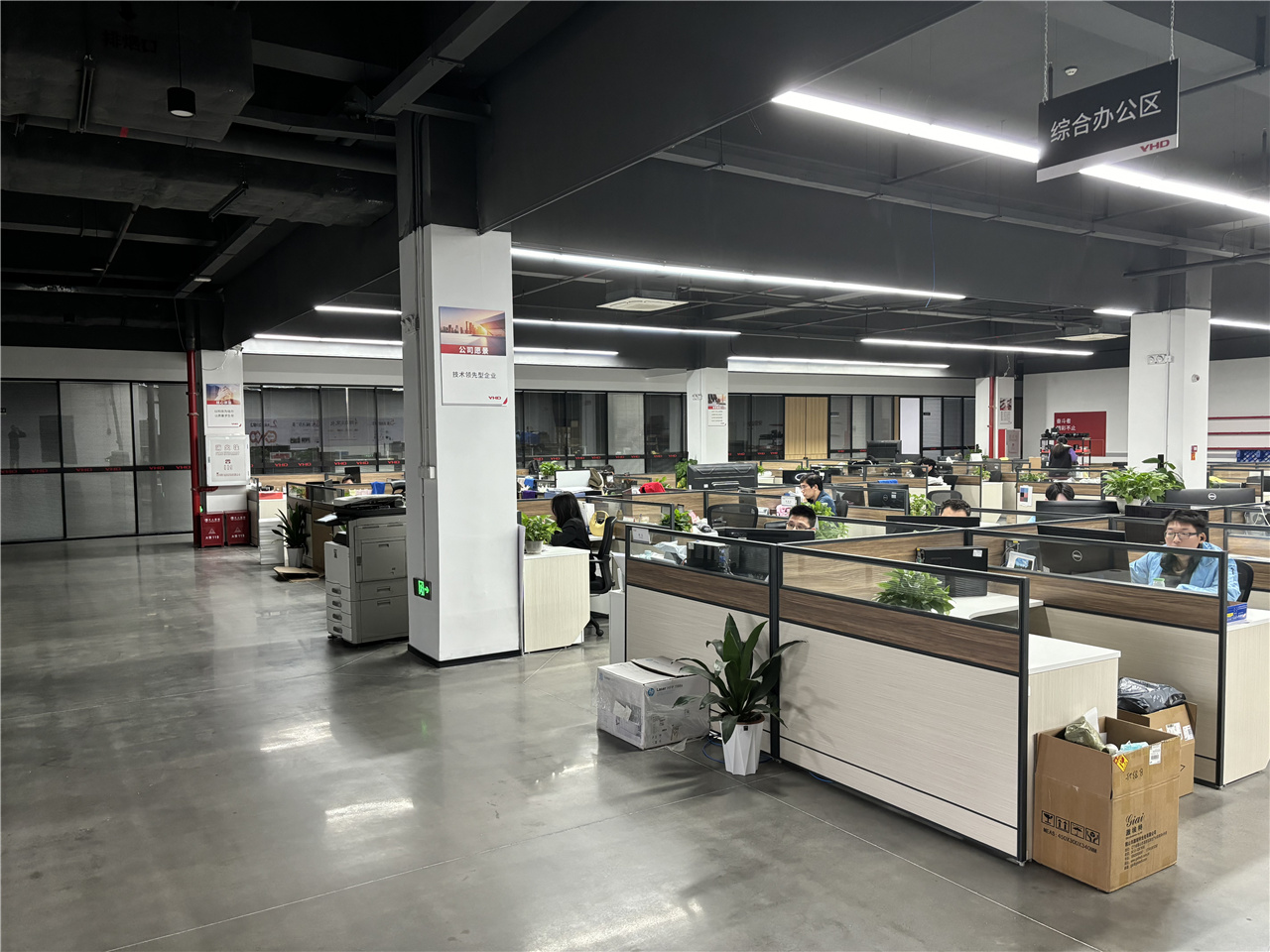
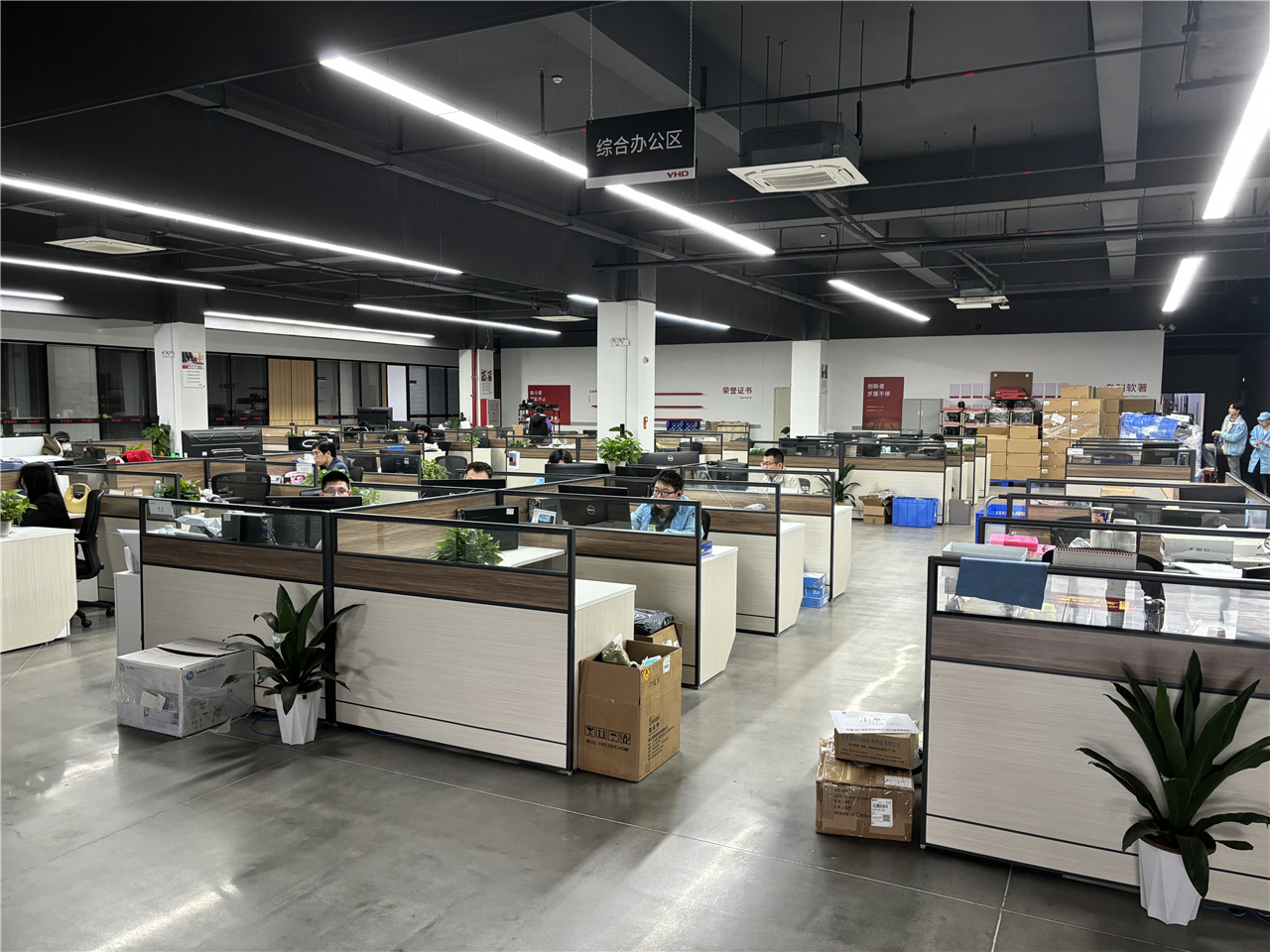
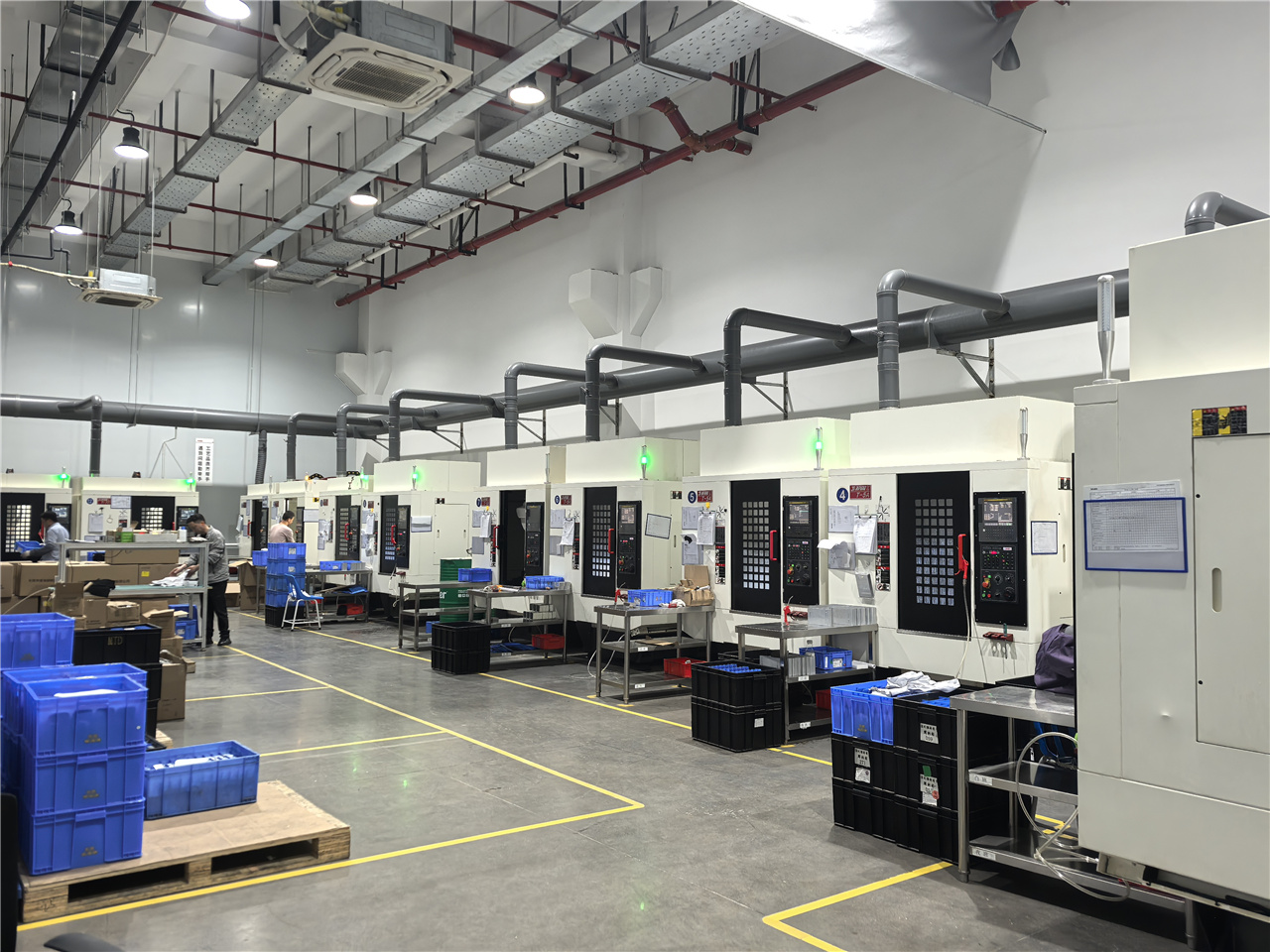
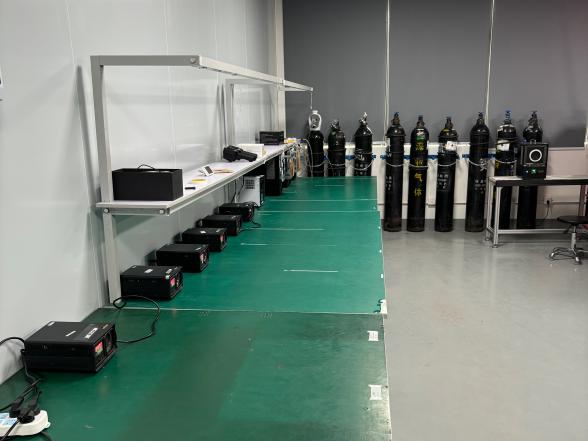
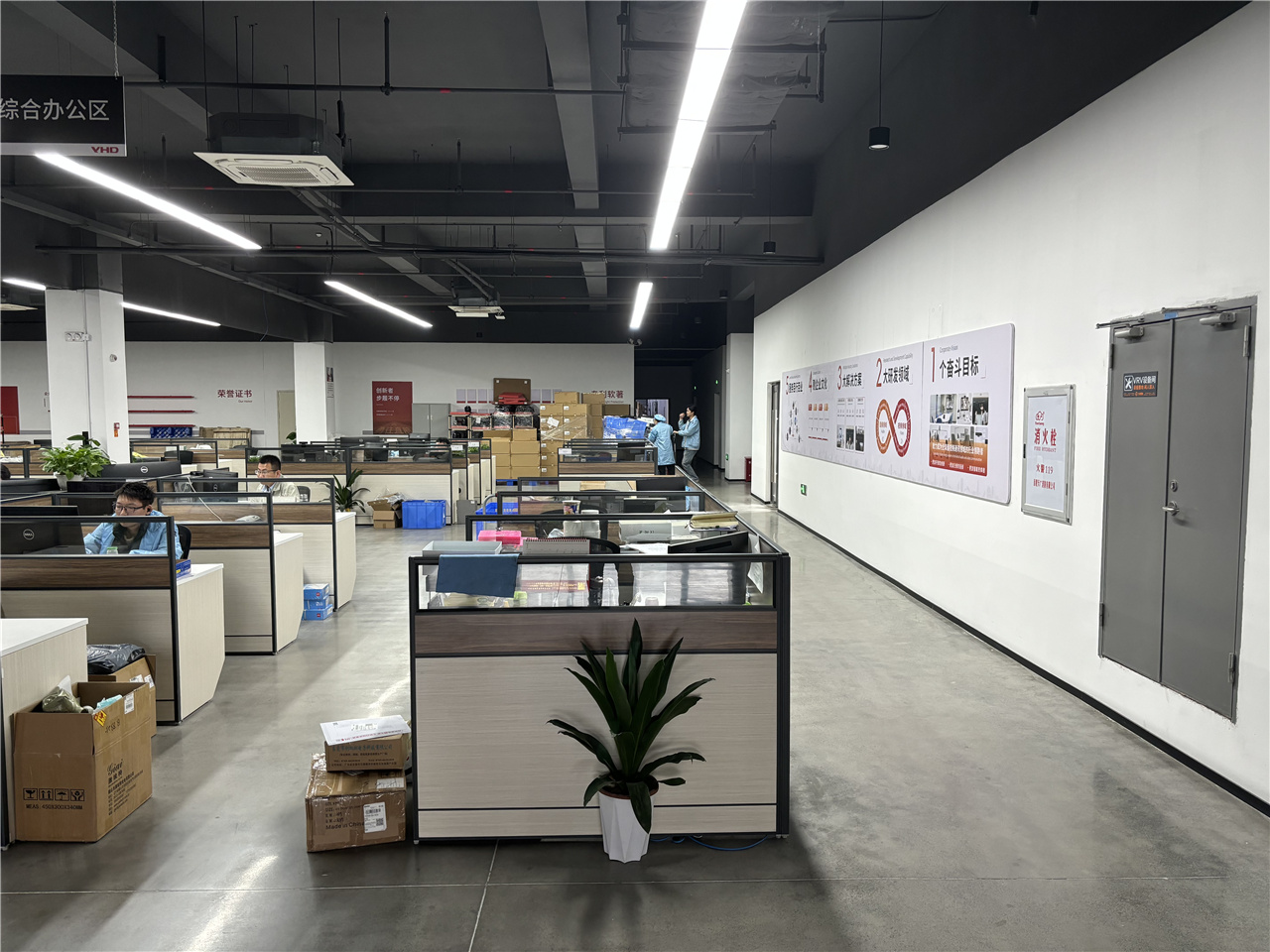
Shenzhen Dianyang Technology Co., Ltd. is a subsidiary of VHD (Shenzhen VHD Technology Co., Ltd.), a publicly listed company on the Shenzhen Stock Exchange. This strategic affiliation gives Dianyang unique access to VHD's advanced R&D platforms, high-precision manufacturing systems, and rigorous quality management practices—enabling us to deliver thermal imaging products of higher reliability and consistency than typical ODMs.
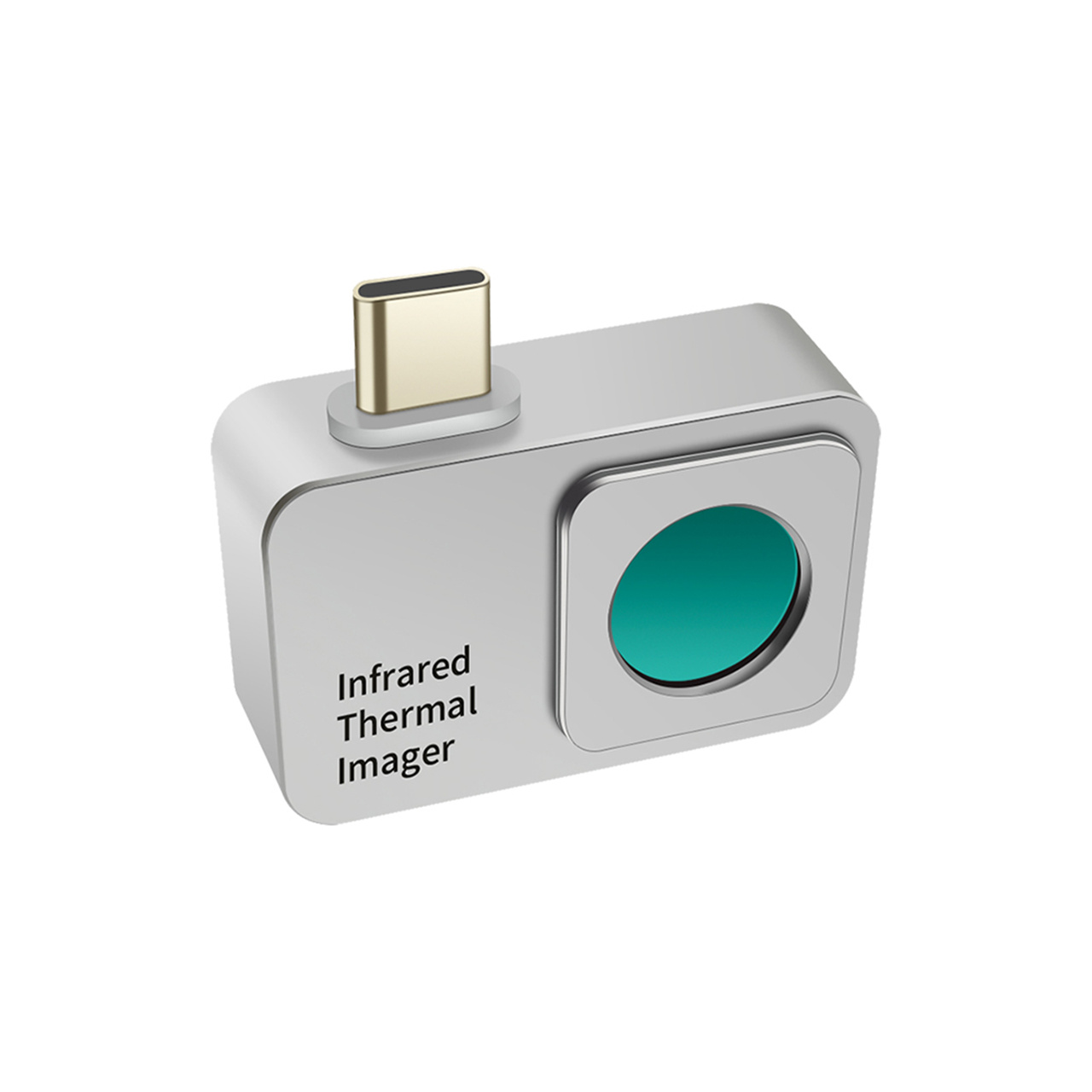
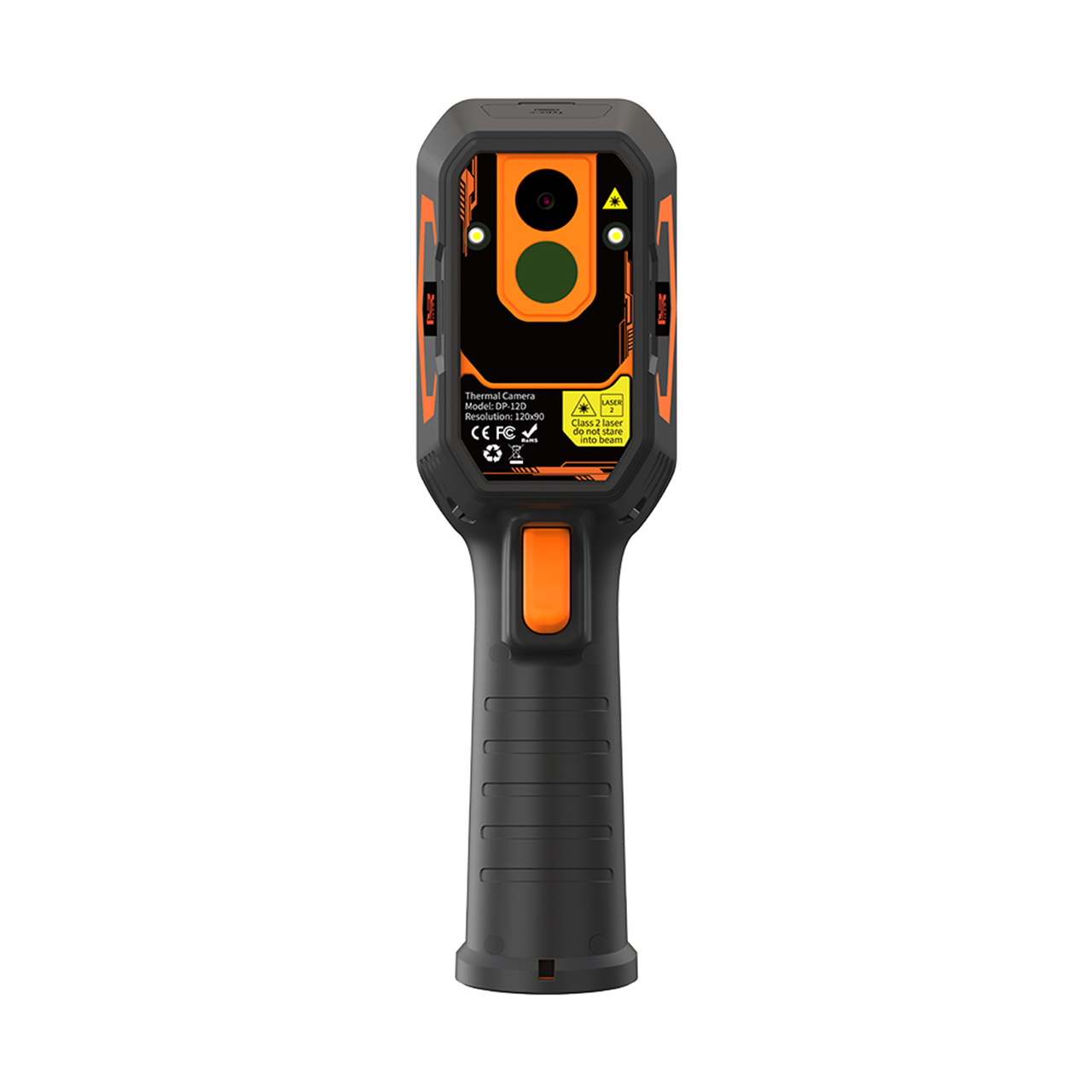
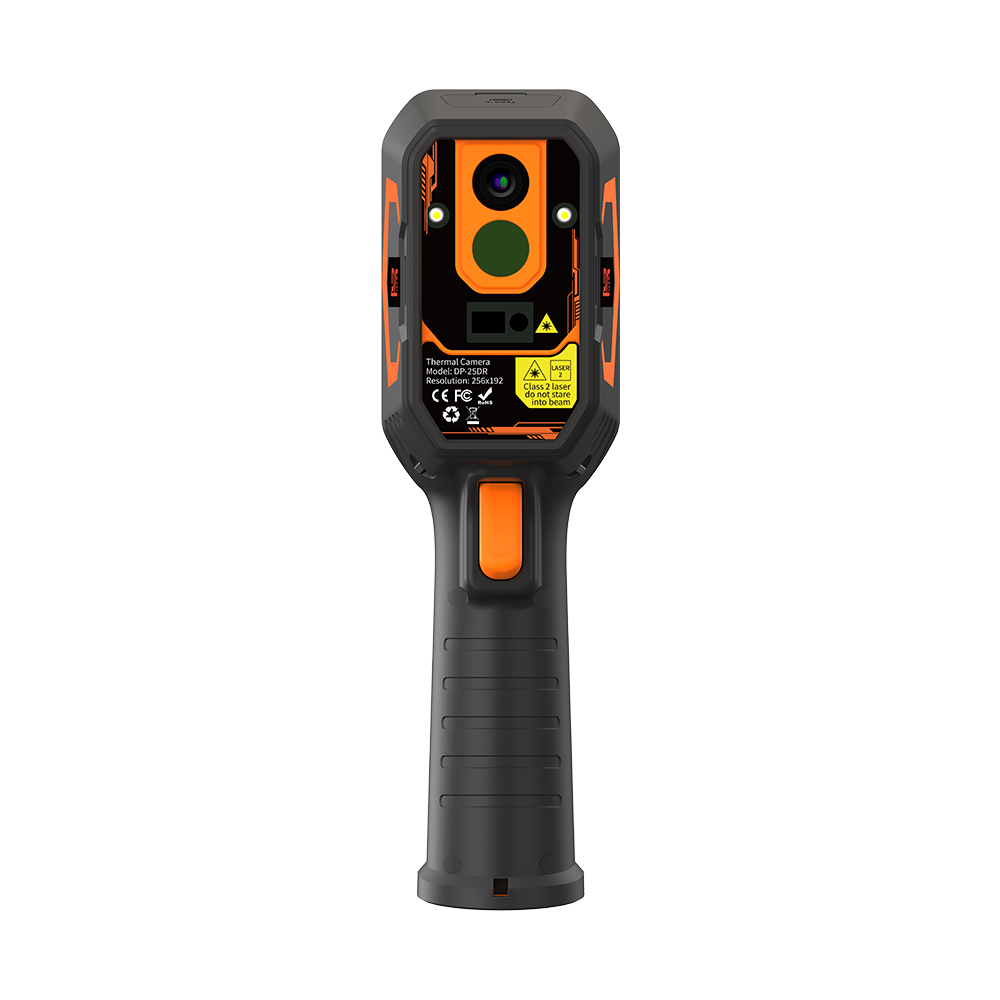
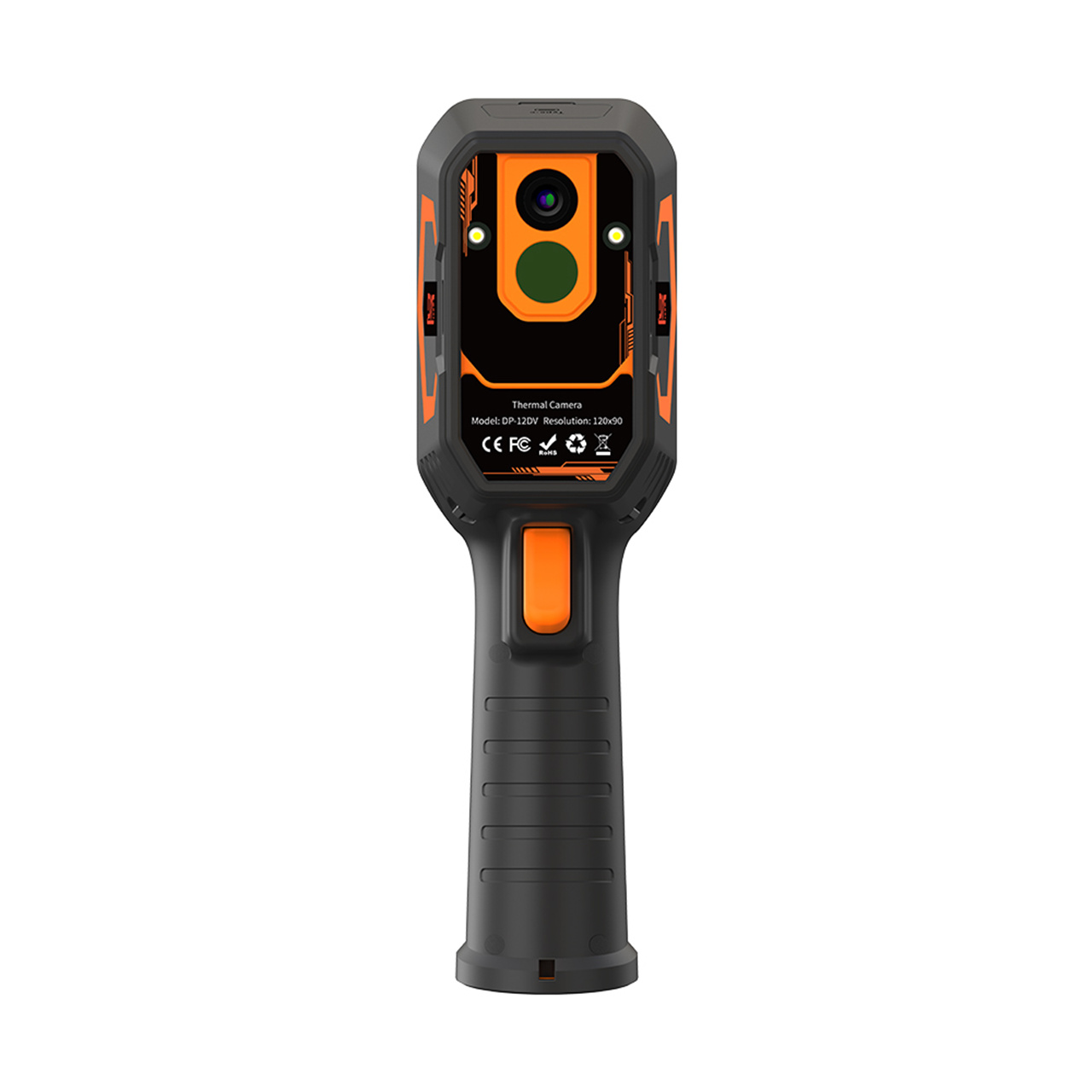
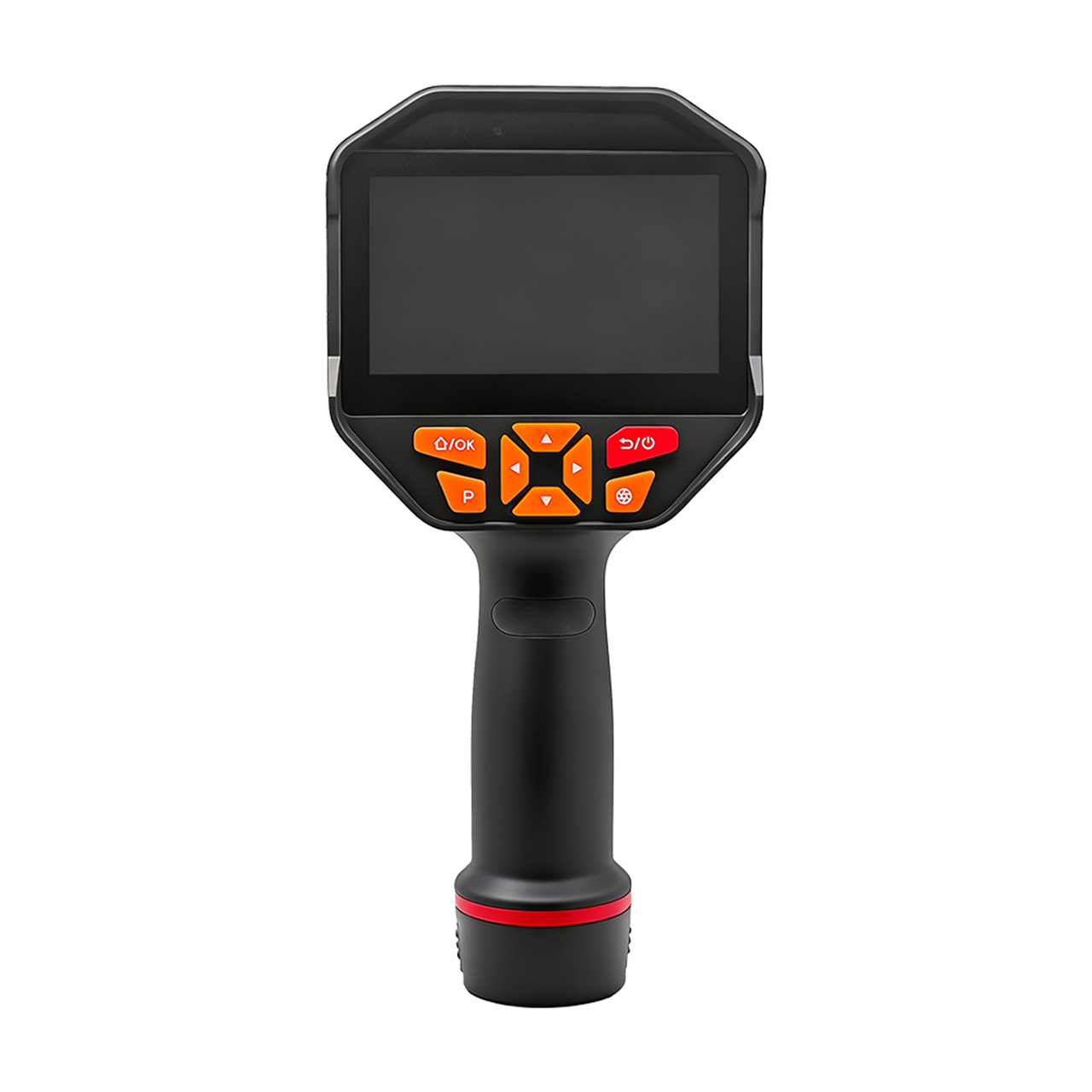
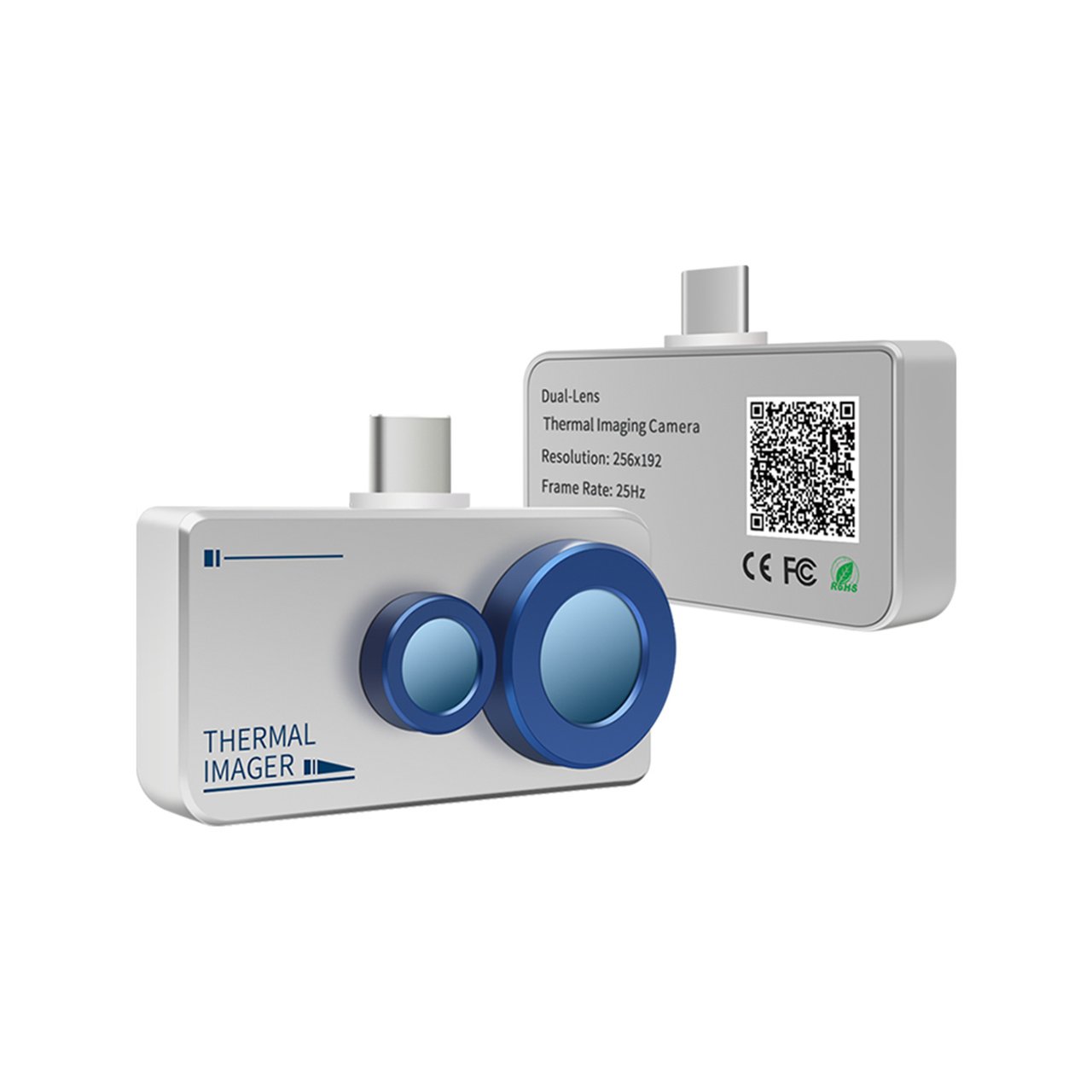
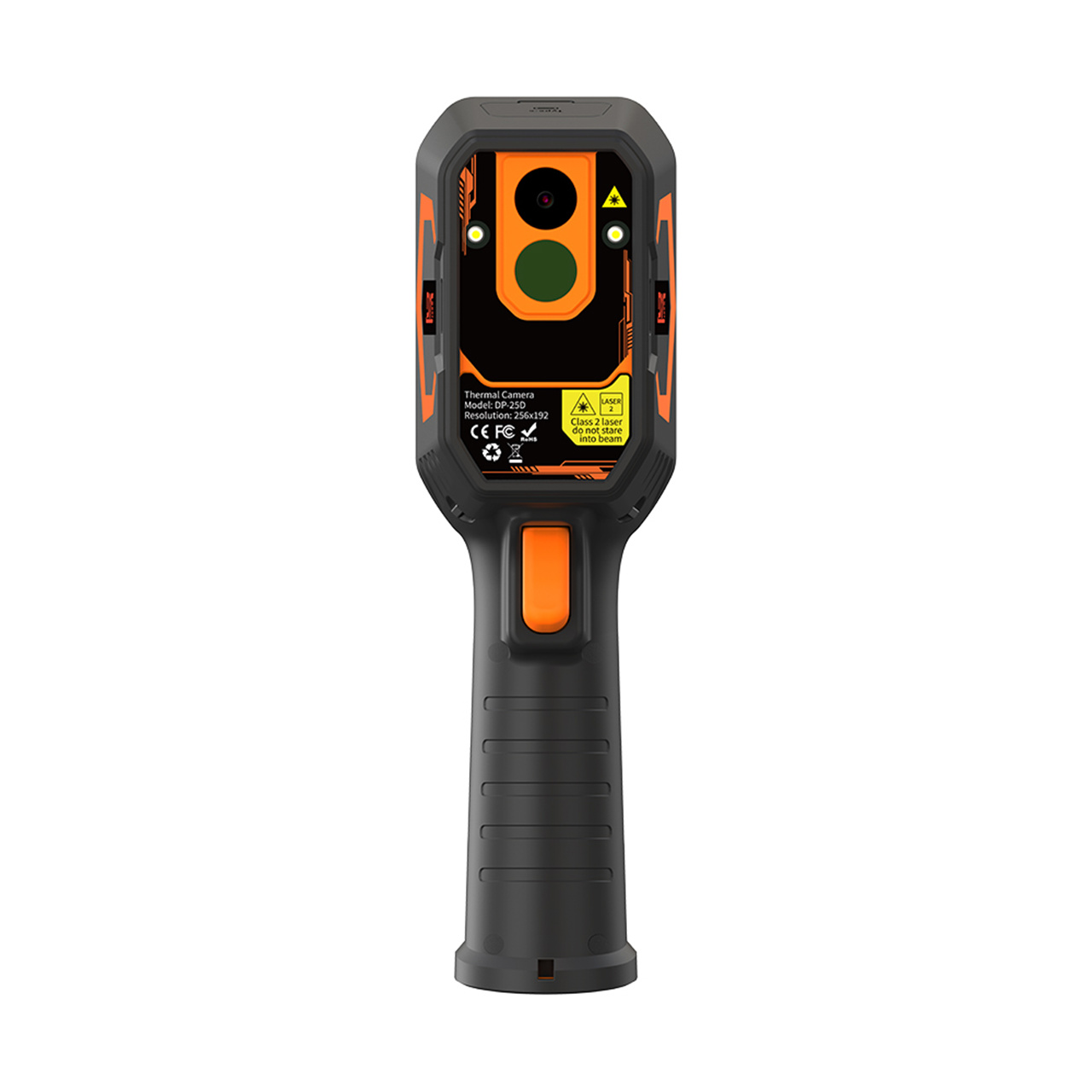
We specialize in ODM/OEM services for infrared thermal imaging solutions, including handheld thermal imagers, smartphone-connected thermal cameras, thermal analyzers, and thermal imaging telescopes. Our products serve global customers in power inspection, building diagnostics, firefighting, industrial maintenance, and outdoor applications.
Our dedicated engineering team applies Design for Manufacturing (DFM), Design for Testability (DFT), thermal simulation, and EMC pre-compliance analysis to optimize performance and accelerate development. We also support clients in obtaining key certifications such as CE, FCC, RoHS, REACH, CB, UKCA, KC, and PSE.
Our structured NPI process typically delivers certified prototypes within 8–12 weeks. Combined with stable supply chain support and group-level technical resources, we ensure on-time delivery and long-term product reliability.
By combining focused thermal imaging expertise with the backing of a listed parent company, Dianyang offers a rare blend of agility, quality, and scalability—helping global partners bring high-performance, certified thermal products to market with confidence.
Professional thermal imaging solutions designed for electrical infrastructure