
Leave Your Message
In today's era of sustainability and energy conservation, thermal sensors for building energy audits have emerged as indispensable tools for identifying energy inefficiencies, reducing operational costs, and enhancing building performance. These advanced infrared thermal imaging devices enable professionals to visualize temperature variations across building envelopes, HVAC systems, electrical installations, and insulation structures with unprecedented accuracy.
Building energy audits utilizing thermal sensors provide comprehensive insights into heat loss, air leakage, moisture intrusion, and thermal bridging—critical factors that significantly impact energy consumption. By detecting invisible thermal patterns, these sensors empower energy auditors, facility managers, architects, and building inspectors to make data-driven decisions that optimize energy efficiency and reduce carbon footprints.
The integration of thermal imaging technology in building energy audits represents a paradigm shift from traditional inspection methods to non-invasive, real-time diagnostic solutions. Modern thermal sensors offer high-resolution imaging, precise temperature measurement, advanced analytical software, and seamless integration with building information modeling (BIM) systems, making them essential instruments in the pursuit of net-zero energy buildings and sustainable construction practices.
The global thermal imaging market for building diagnostics has experienced exponential growth, with projections indicating a compound annual growth rate (CAGR) exceeding 8% through 2030. This surge is driven by stringent energy efficiency regulations, green building certifications (LEED, BREEAM, WELL), and increasing awareness of operational cost savings. Commercial real estate, industrial facilities, and residential construction sectors are rapidly adopting thermal sensor technology as standard practice in energy auditing protocols.
Government mandates and international standards such as ISO 50001 (Energy Management Systems), ASHRAE Standard 55 (Thermal Environmental Conditions), and various building energy codes have made thermal imaging an essential component of compliance verification. Energy performance certificates (EPCs) in Europe, energy audits mandated by the Energy Independence and Security Act (EISA) in the United States, and similar regulations worldwide have created substantial demand for professional-grade thermal sensors.
The convergence of thermal sensing technology with Internet of Things (IoT), artificial intelligence (AI), and building automation systems (BAS) has transformed energy auditing from periodic assessments to continuous monitoring solutions. Smart buildings now incorporate permanent thermal sensor installations that provide real-time energy performance data, predictive maintenance alerts, and automated climate control optimization, representing a multi-billion dollar market opportunity.
Beyond traditional building audits, thermal sensors have found specialized applications across diverse sectors: pharmaceutical facilities requiring precise temperature control, data centers managing thermal loads, cold storage facilities preventing energy losses, historical building preservation, and industrial process optimization. Each sector demands customized thermal imaging solutions with specific resolution, temperature range, and analytical capabilities.
Advanced sensors deliver thermal images with resolutions up to 640×480 pixels or higher, enabling detection of minute temperature variations and precise identification of energy loss points.
Professional thermal sensors cover temperature ranges from -40°C to +1200°C, accommodating diverse building systems from frozen pipes to industrial heating elements.
State-of-the-art sensors achieve thermal sensitivity (NETD) as low as 0.03°C, detecting subtle temperature differences critical for identifying insulation defects and air infiltration.
Integrated Wi-Fi, Bluetooth, and cloud connectivity enable instant data sharing, remote collaboration, and seamless integration with energy management software platforms.
Embedded software features include temperature measurement tools, thermal pattern analysis, moisture detection algorithms, and automated report generation for comprehensive audit documentation.
Modern thermal sensors offer 8-12 hours of continuous operation, supporting full-day energy audits without interruption, with quick-charge capabilities and interchangeable battery systems.
Thermal sensors excel at identifying thermal bridging, insulation gaps, air leakage paths, and moisture intrusion in walls, roofs, foundations, and windows. Energy auditors can quantify heat loss, prioritize remediation efforts, and validate insulation installation quality. Advanced thermal imaging reveals hidden structural defects, condensation risks, and thermal bypass conditions that conventional inspection methods cannot detect.
Comprehensive thermal analysis of heating, ventilation, and air conditioning systems enables detection of duct leakage, blocked airflow, inefficient heat exchangers, refrigerant issues, and unbalanced distribution. Thermal sensors identify hot and cold spots in ductwork, assess insulation effectiveness, verify proper system operation, and guide maintenance scheduling to maximize HVAC efficiency and reduce energy consumption by 20-40%.
Thermal imaging provides non-contact inspection of electrical panels, connections, transformers, and distribution systems, identifying overheating components, loose connections, unbalanced loads, and potential fire hazards. Preventive maintenance guided by thermal data reduces downtime, extends equipment lifespan, and prevents catastrophic failures, with documented energy savings from correcting electrical inefficiencies.
Solar panel installations, geothermal systems, and wind energy infrastructure benefit from thermal sensor diagnostics. Auditors can identify malfunctioning photovoltaic cells, thermal losses in geothermal piping, bearing issues in wind turbines, and optimize renewable energy system performance. Thermal analysis ensures maximum return on investment for sustainable energy installations.
Hidden water leaks, pipe insulation deficiencies, radiant heating system malfunctions, and hot water distribution inefficiencies are readily identified through thermal imaging. Early detection prevents water damage, mold growth, and energy waste from heating lost water, with thermal sensors detecting temperature anomalies behind walls and under floors without destructive investigation.
Manufacturing facilities, processing plants, and industrial operations utilize thermal sensors to identify energy losses in furnaces, boilers, steam systems, compressed air systems, and production equipment. Process optimization guided by thermal data reduces energy intensity, improves product quality, and enhances operational efficiency across diverse industrial applications.
The next generation of thermal sensors incorporates machine learning algorithms that automatically identify energy inefficiencies, classify defect types, predict failure patterns, and generate actionable recommendations. AI-powered thermal imaging systems will reduce the expertise required for interpretation, accelerate audit processes, and improve diagnostic accuracy through pattern recognition trained on millions of thermal images.
Unmanned aerial vehicles (UAVs) equipped with thermal sensors are revolutionizing large-scale building envelope assessments, roof inspections, and solar farm diagnostics. Drone-based thermography enables rapid, safe, and cost-effective surveying of difficult-to-access areas, with automated flight planning and thermal data processing creating comprehensive 3D thermal models of entire building complexes.
Permanent thermal sensor installations are emerging as components of building management systems, providing 24/7 energy performance monitoring, real-time anomaly detection, and automated alert systems. This shift from periodic audits to continuous thermal monitoring enables proactive energy management, immediate response to efficiency degradation, and verification of energy conservation measure effectiveness.
Advanced sensors combining thermal imaging with visible light, moisture detection, and gas sensing capabilities provide comprehensive building diagnostics in a single device. Multi-spectral analysis enhances defect identification accuracy, correlates thermal patterns with structural conditions, and delivers holistic building performance assessments beyond temperature measurement alone.
Cloud platforms aggregating thermal audit data across building portfolios enable comparative analysis, performance benchmarking, and identification of systemic issues. Big data analytics applied to thermal imaging datasets reveal optimization opportunities, validate energy modeling predictions, and support evidence-based policy development for building energy standards.
Ongoing advances in microbolometer technology and manufacturing processes are reducing thermal sensor costs while improving performance. Smartphone-attachable thermal cameras and low-cost handheld devices are democratizing access to thermal imaging, expanding the market from specialized professionals to facility managers, homeowners, and small businesses conducting DIY energy assessments.

We provide professional consultation to help you choose the optimal thermal imaging solution based on your application, budget, and technical requirements. Our engineering team can recommend suitable sensors, lenses, temperature ranges, and interface options.
We support full customization, including: Housing & industrial design, PCB and hardware customization, Firmware / APP / PC software development, Branding, packaging, and UI customization, Specialized algorithms (temperature analysis, AI/ML, etc.). Our R&D team works closely with you from concept to mass production.
We offer detailed datasheets, SDK/API, integration guidelines, and sample testing reports to ensure clear understanding before purchase.
Evaluation samples are available for testing and validation. We provide quick dispatch and technical support during your trial phase.

Each project is assigned a dedicated project manager and engineer to ensure smooth communication, timely updates, and technical alignment.
We implement strict QC standards, including incoming testing, calibration, NUC tests, aging tests, and final inspections. All units follow ISO-based production workflows.
We support small-batch pilot runs, medium-volume scaling, and mass production with stable lead times and cost-effective solutions.
Production progress, inspection reports, and shipping timelines are shared with customers to ensure full transparency.
Our engineering team provides prompt technical support for integration, SDK usage, firmware configuration, and product debugging.
All products come with a standard warranty. We offer: Free repair or replacement for manufacturing defects, Paid maintenance for out-of-warranty products, Fast turnaround for urgent cases.
We regularly release firmware updates, bug fixes, and feature improvements to enhance product performance and stability.
We commit to stable supply, component lifecycle management, and long-term product support to ensure your business continuity.

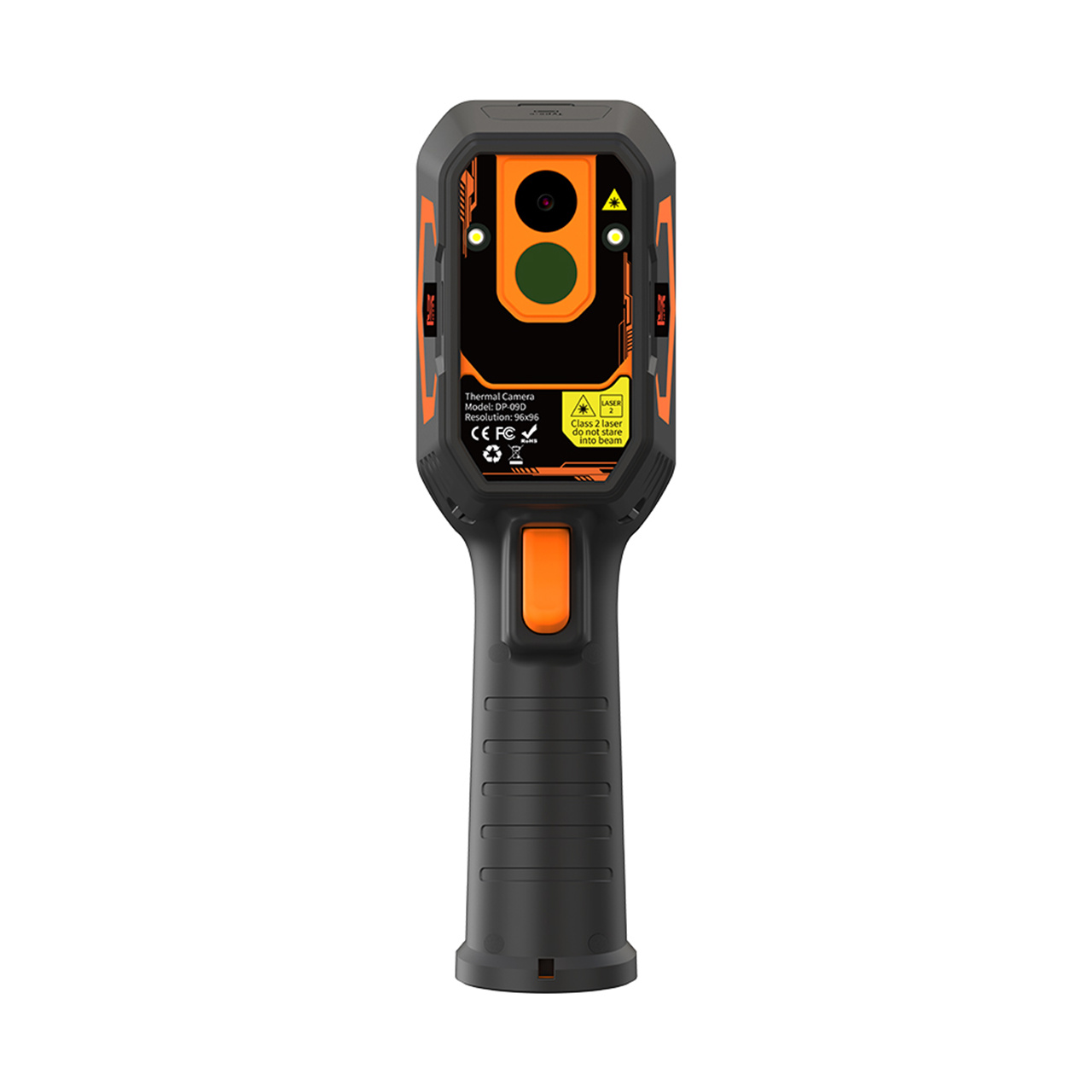 DP-09D Infrared Thermal Camera
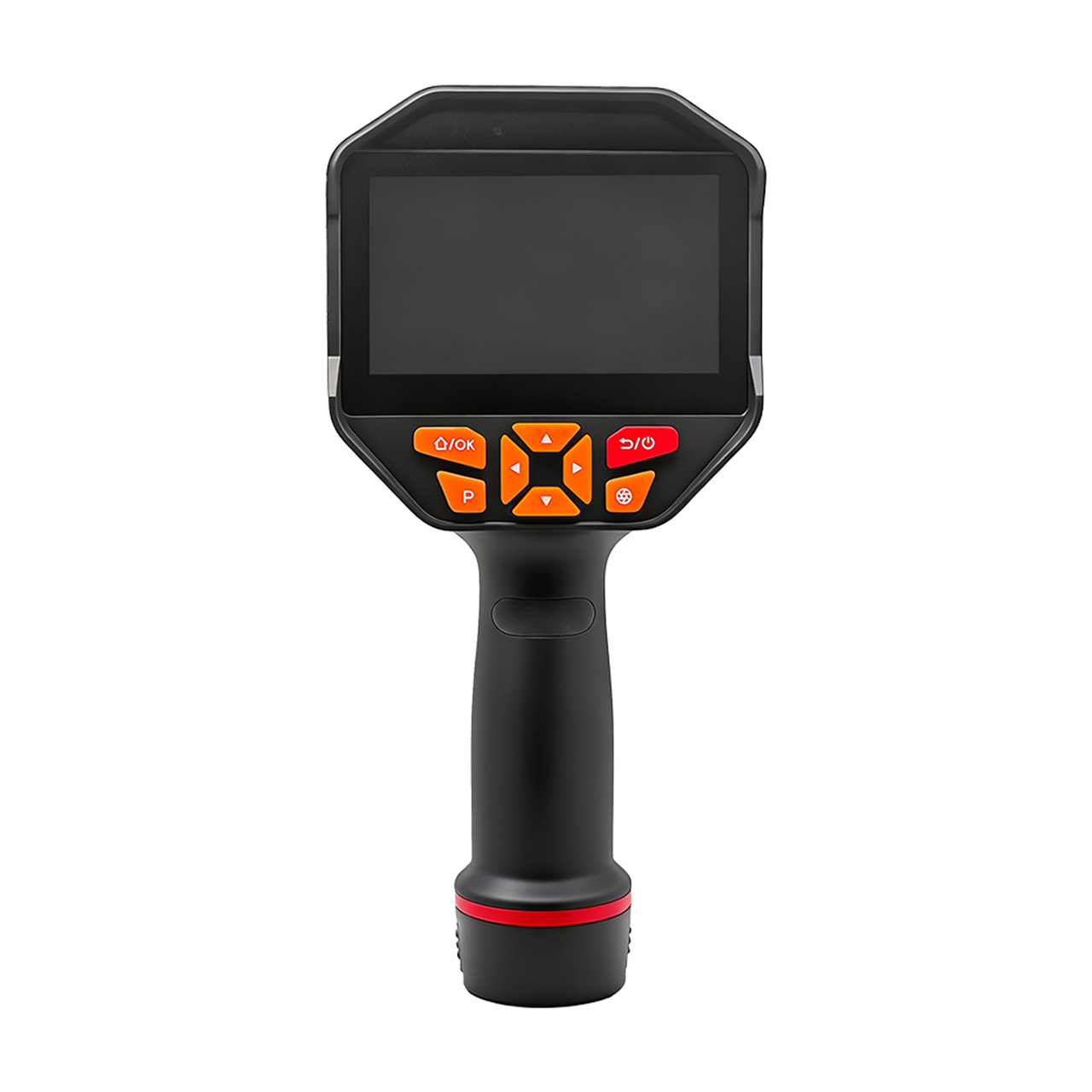 DP-64D professional-grade handheld thermal imager
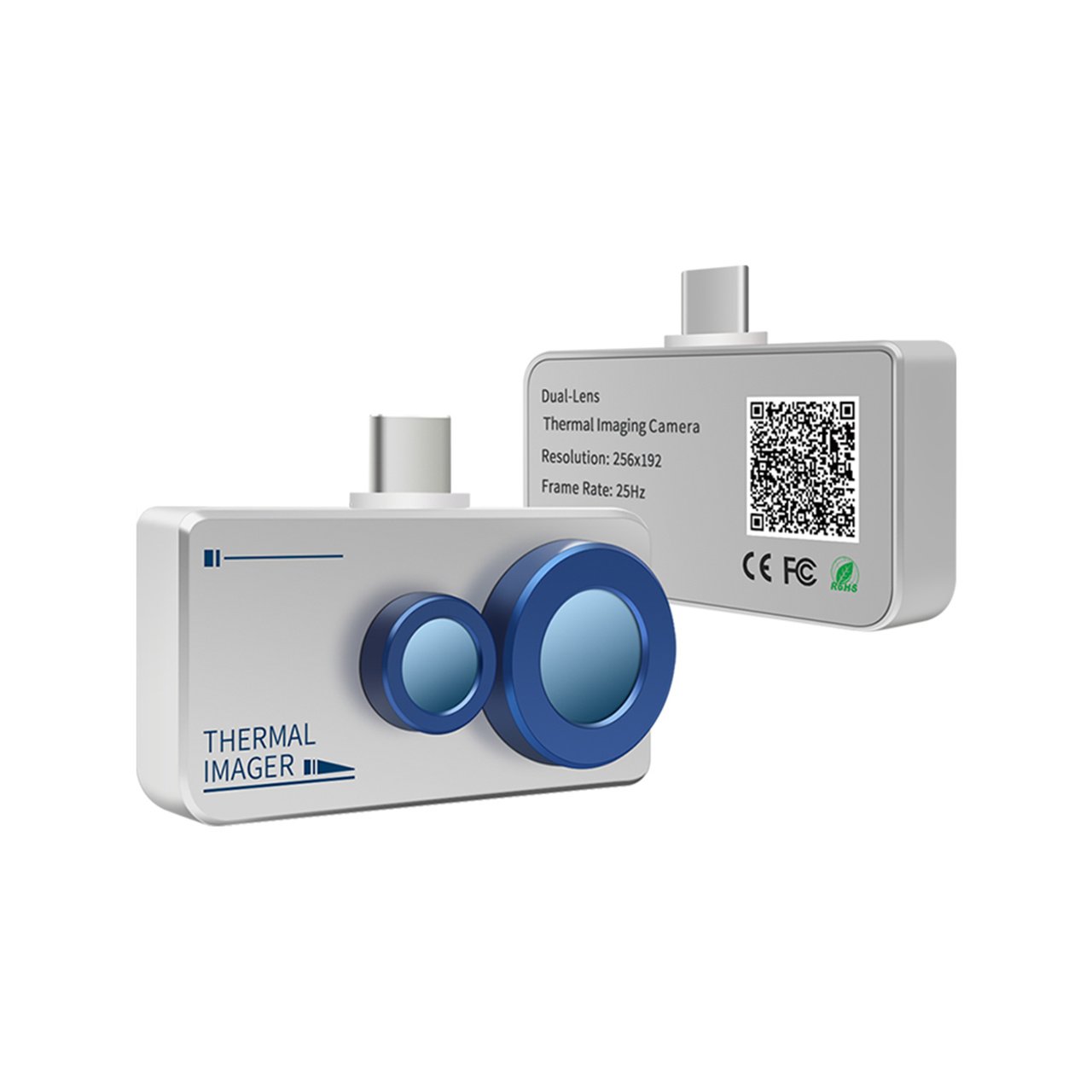 H2F6B mobile phone infrared thermal imager
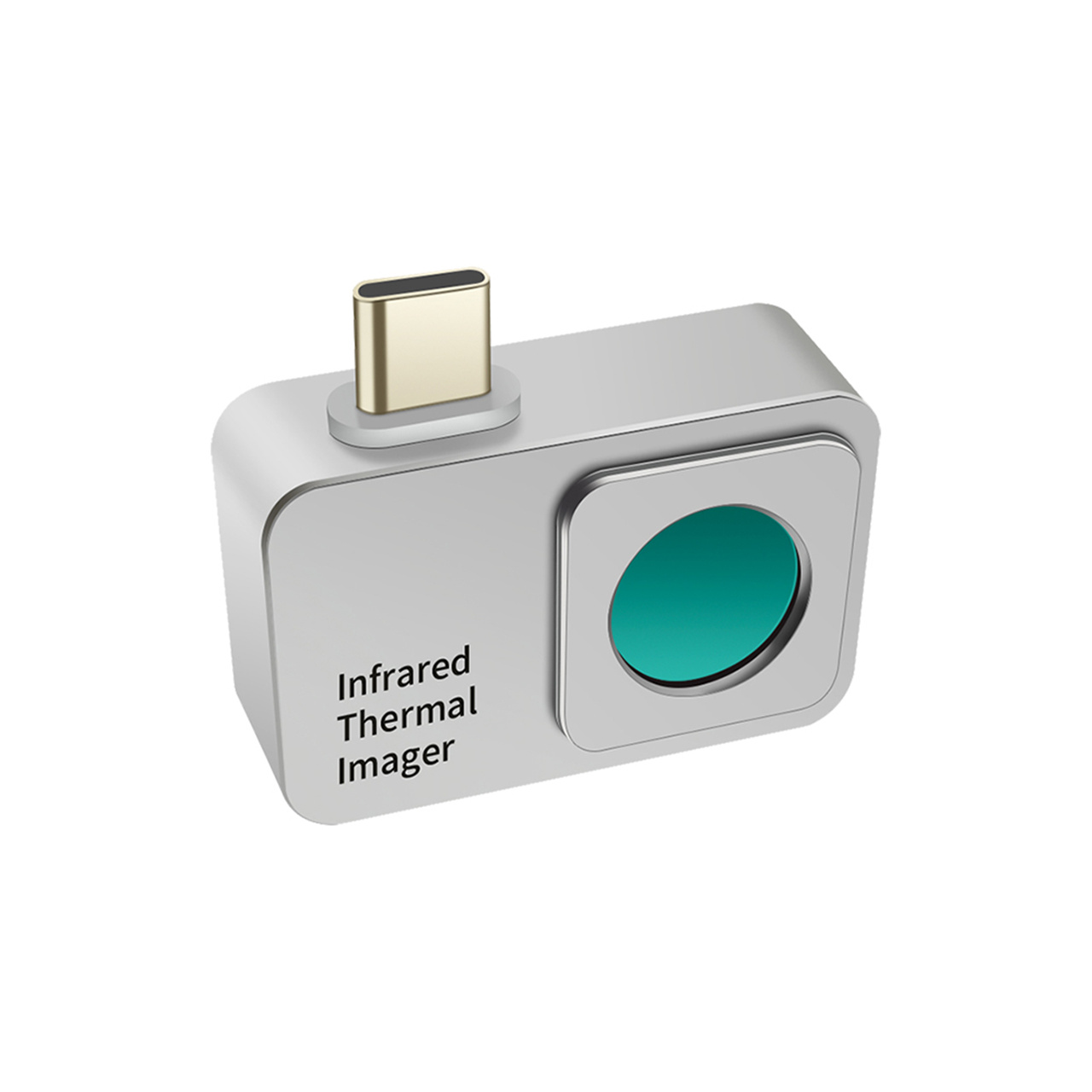 H1FB mobile phone infrared thermal imager
DP-38D professional-grade handheld thermal imager
H2FB mobile phone infrared thermal imager
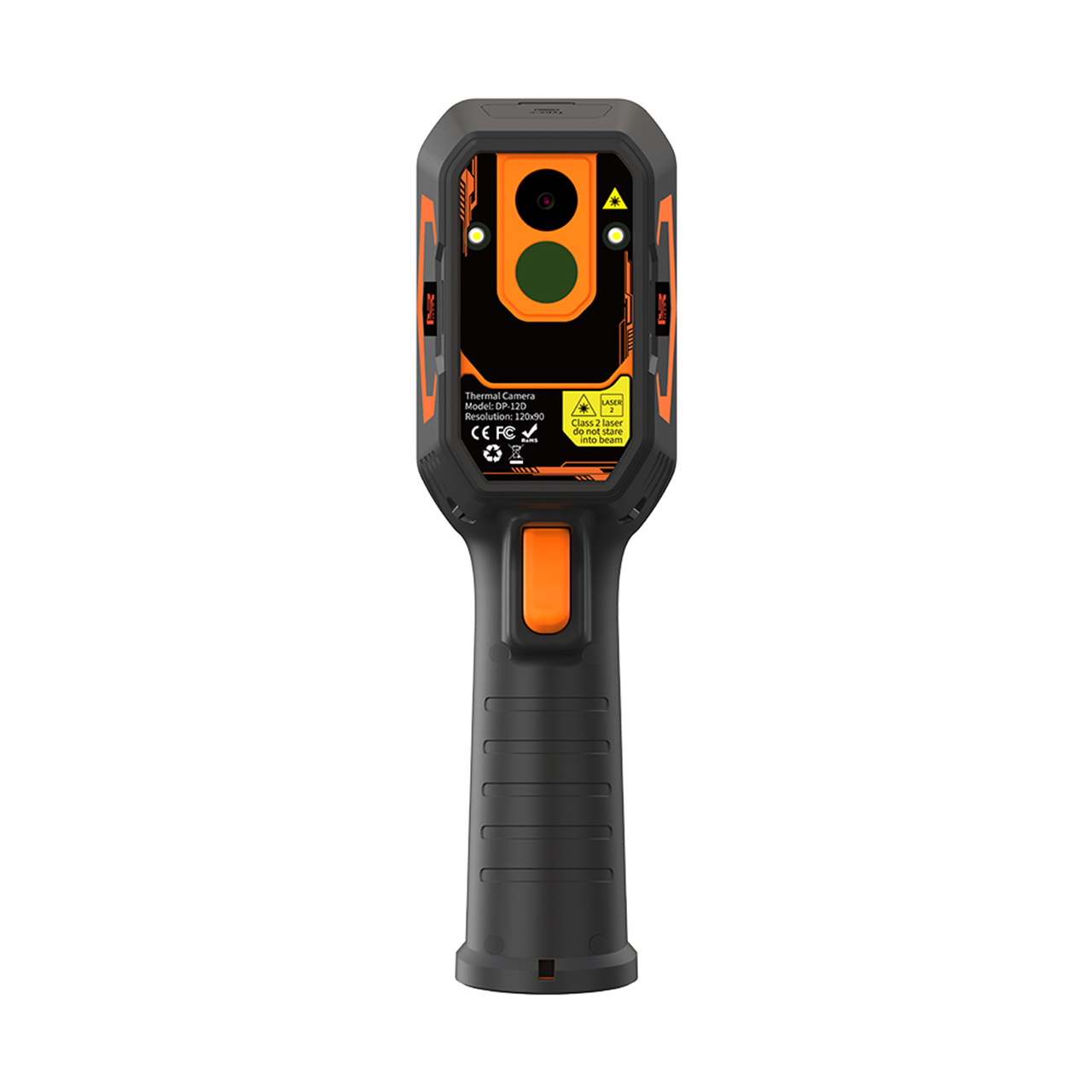 DP-12D Infrared Thermal Camera
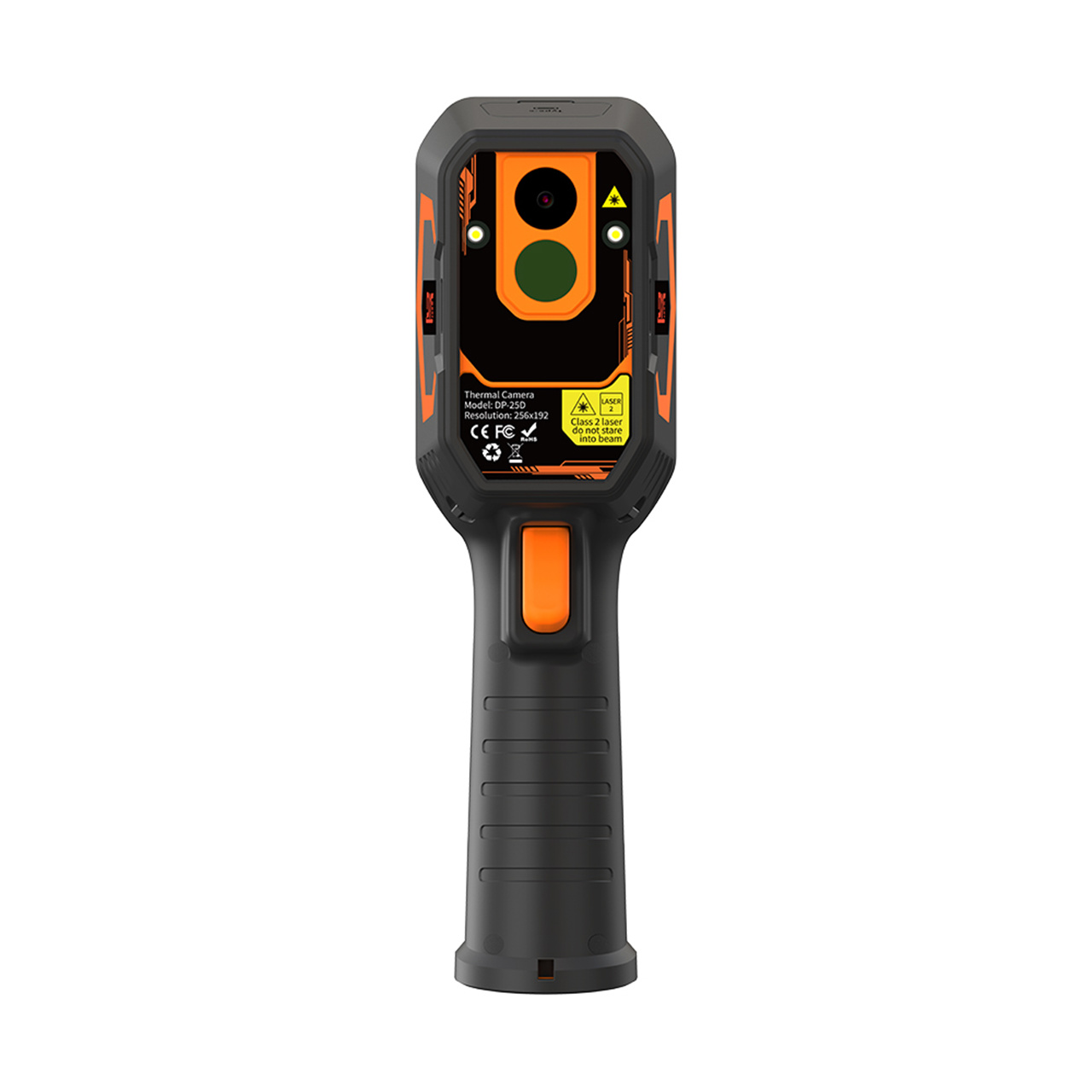 DP-25D Infrared Thermal Camera