Leave Your Message
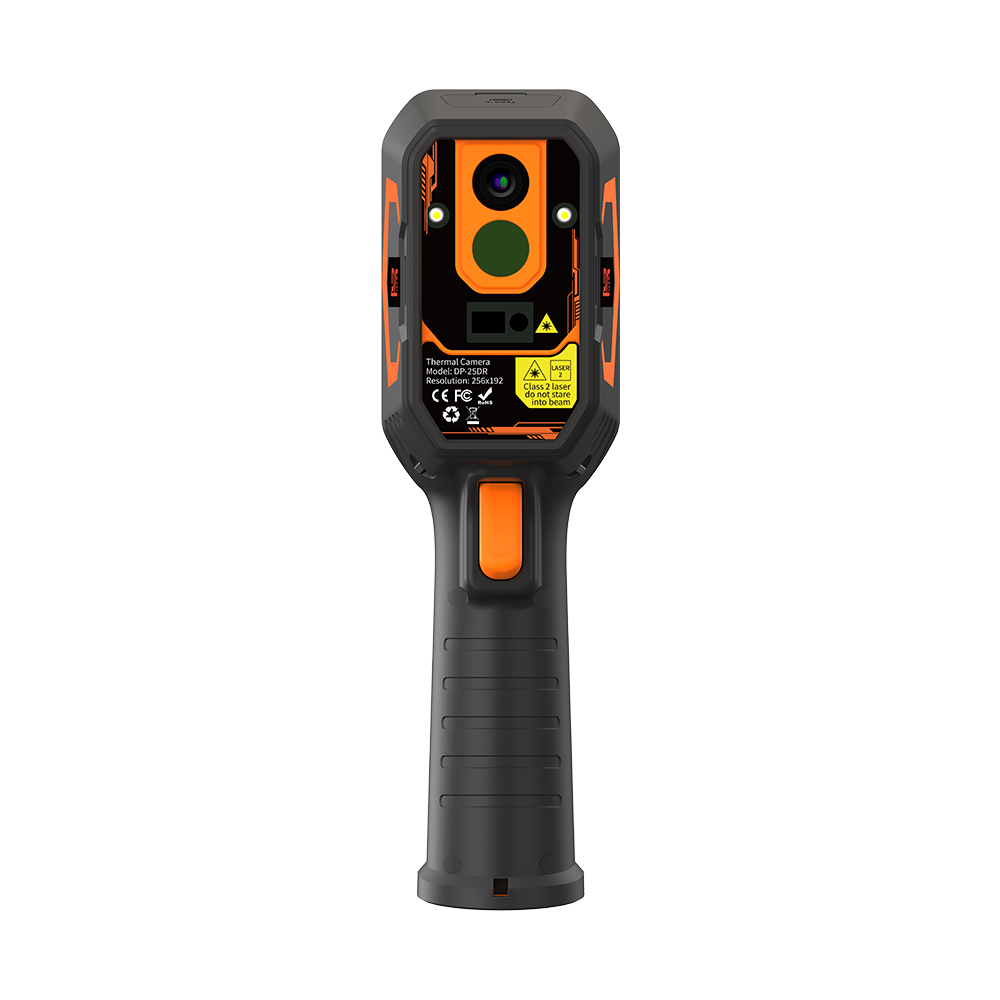
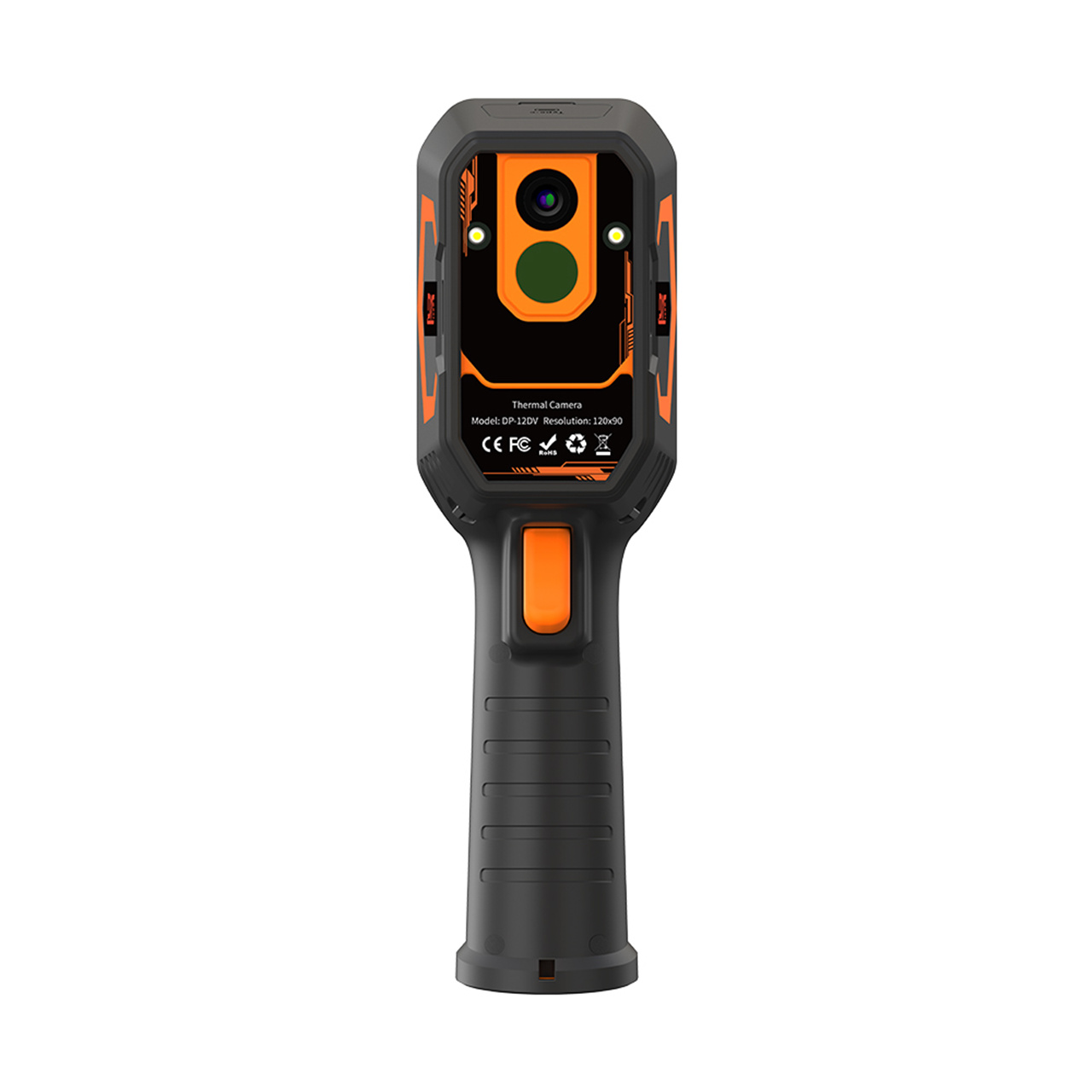
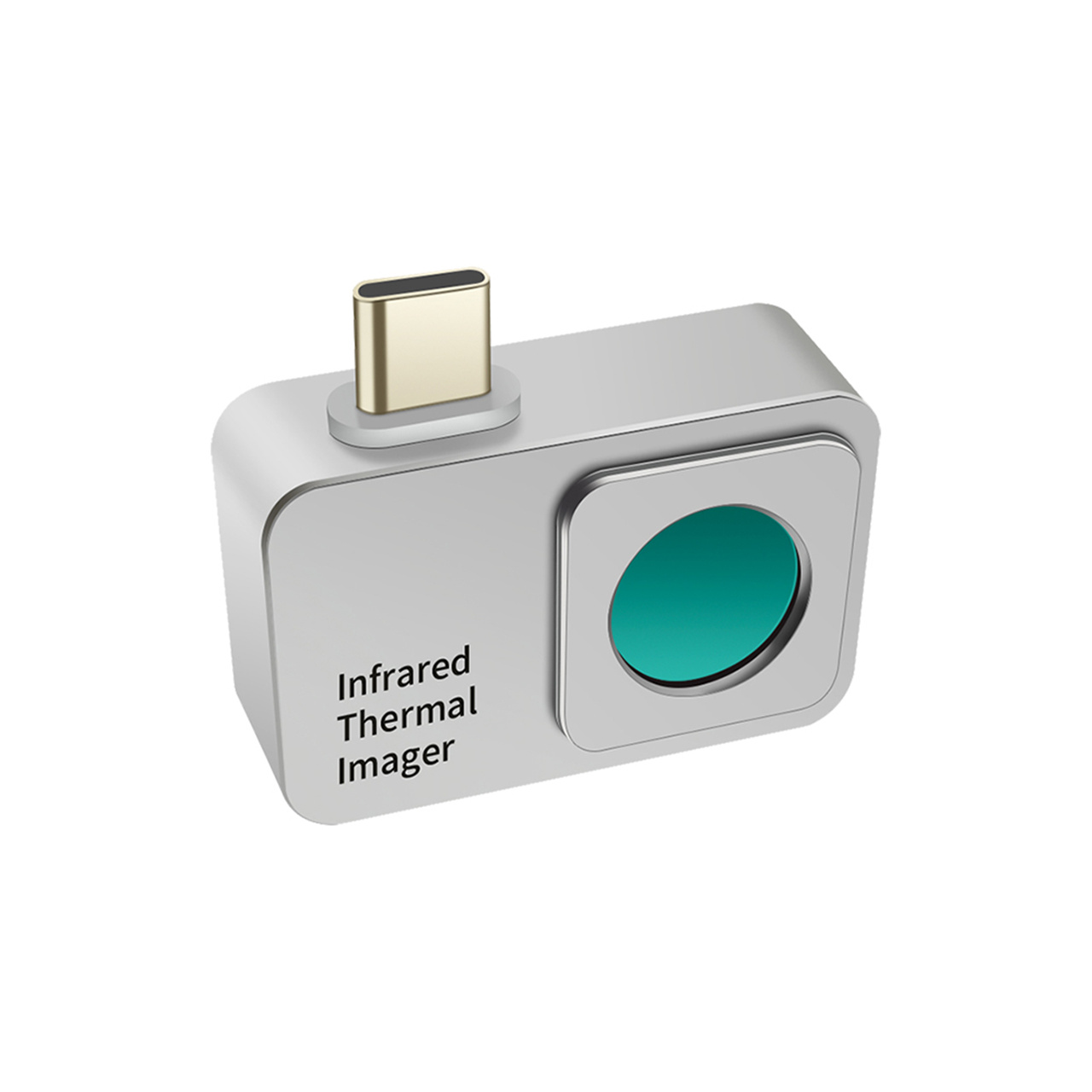
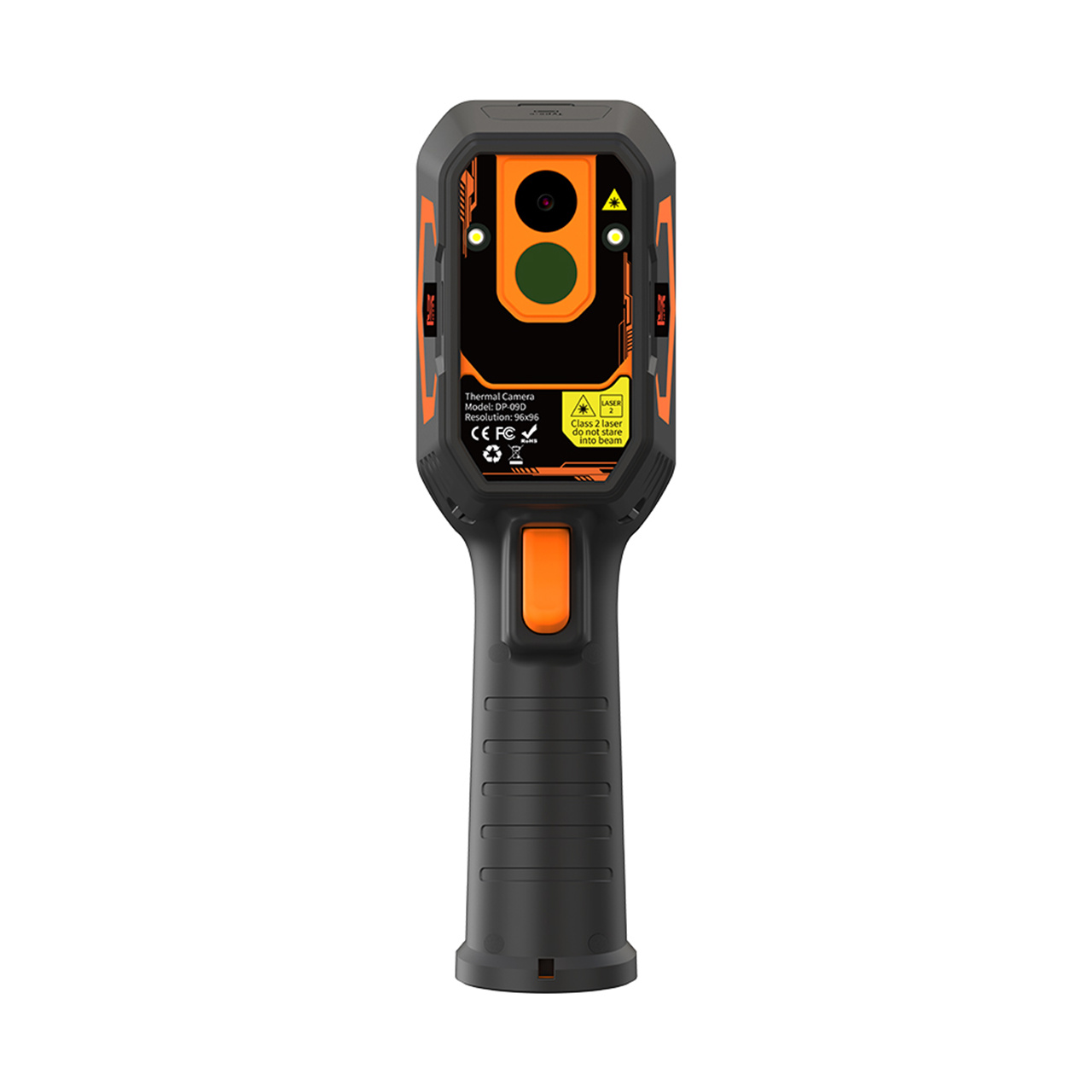
Underfloor heating systems have become increasingly popular in modern residential and commercial buildings, offering efficient, comfortable, and aesthetically pleasing climate control solutions. However, detecting leaks in these concealed heating systems presents unique challenges that traditional inspection methods struggle to address effectively. Thermal sensors and infrared thermal imaging technology have emerged as the industry-leading solution for non-invasive, accurate, and rapid leak detection in underfloor heating installations.
The application of thermal sensors for underfloor heating leak detection represents a significant technological advancement in building maintenance and facility management. These sophisticated devices utilize infrared radiation detection to identify temperature anomalies beneath floor surfaces, enabling technicians to pinpoint leak locations without destructive investigation methods. This technology has transformed the approach to preventive maintenance, reducing repair costs, minimizing property damage, and extending the operational lifespan of heating systems.
As the global market for smart building technologies continues to expand, thermal sensing applications in HVAC diagnostics are experiencing unprecedented growth. Industry analysts project the thermal imaging market for building inspection to reach substantial valuations by 2030, driven by increasing adoption in both retrofit projects and new construction developments. The integration of AI-enhanced thermal analysis, mobile connectivity, and cloud-based reporting systems is creating new opportunities for proactive facility management and predictive maintenance strategies.
Identify leaks without removing flooring materials, saving time, money, and preserving property integrity while maintaining system operation during inspection.
Complete comprehensive floor area scans in minutes rather than hours, enabling immediate decision-making and reducing system downtime significantly.
Advanced thermal sensors detect temperature variations as small as 0.1°C, ensuring even minor leaks are identified before they escalate into major problems.
Eliminate exploratory demolition costs and reduce labor expenses through targeted repair approaches based on precise thermal mapping data.
Generate thermal images and detailed reports that provide visual evidence for insurance claims, quality assurance, and maintenance records.
Regular thermal inspections enable proactive identification of developing issues, preventing catastrophic failures and extending system longevity.
Property managers and homeowners utilize thermal sensors to conduct routine inspections of underfloor heating systems in apartments, condominiums, and single-family homes. Early leak detection prevents water damage to flooring materials, subflooring, and structural elements, protecting property values and reducing insurance claims. The technology is particularly valuable in multi-story buildings where leaks can affect multiple units.
Office buildings, retail spaces, and hospitality venues employ thermal imaging for maintaining large-scale underfloor heating installations. Facility managers benefit from the ability to inspect extensive floor areas quickly during off-hours, minimizing disruption to business operations. The technology supports compliance with building codes and energy efficiency standards while optimizing heating system performance.
Hospitals, clinics, and medical centers require continuous operation of climate control systems with zero tolerance for failures. Thermal sensors enable non-invasive inspections in sterile environments, patient care areas, and operating rooms where traditional leak detection methods would be impractical or prohibited. Preventive maintenance programs utilizing thermal imaging ensure uninterrupted patient comfort and safety.
Manufacturing facilities with heated floor systems in production areas, warehouses, and clean rooms benefit from thermal sensor technology to maintain optimal working conditions. The ability to detect leaks without halting production processes provides significant operational advantages. Integration with facility management systems enables automated monitoring and predictive maintenance scheduling.
Schools, universities, and training facilities utilize underfloor heating extensively in classrooms, libraries, and common areas. Thermal imaging allows maintenance teams to conduct inspections during breaks and holidays, ensuring systems are fully operational when students return. The technology supports budget-conscious maintenance strategies by preventing costly emergency repairs.
Restoration projects and heritage buildings with modern underfloor heating installations require especially careful maintenance approaches. Thermal sensors provide the non-invasive inspection capability essential for protecting irreplaceable flooring materials, historic tiles, and architectural features while ensuring modern comfort systems function properly.
The evolution of thermal sensor technology continues to accelerate, driven by advances in detector materials, image processing algorithms, and connectivity standards. Microbolometer technology improvements are reducing sensor costs while improving performance, making thermal imaging accessible to broader market segments. The integration of thermal sensing with other diagnostic technologies—such as acoustic leak detection and moisture meters—creates comprehensive inspection systems that address multiple failure modes simultaneously.
Industry experts anticipate that artificial intelligence and machine learning will fundamentally transform thermal imaging applications over the next decade. Automated leak classification systems will distinguish between active leaks, thermal bridging, and normal temperature variations with minimal human interpretation. Cloud-based thermal databases will enable comparative analysis across similar installations, identifying system-wide issues and optimizing heating system designs based on real-world performance data.

We provide professional consultation to help you choose the optimal thermal imaging solution based on your application, budget, and technical requirements. Our engineering team can recommend suitable sensors, lenses, temperature ranges, and interface options.
We support full customization, including: Housing & industrial design, PCB and hardware customization, Firmware / APP / PC software development, Branding, packaging, and UI customization, Specialized algorithms (temperature analysis, AI/ML, etc.). Our R&D team works closely with you from concept to mass production.
We offer detailed datasheets, SDK/API, integration guidelines, and sample testing reports to ensure clear understanding before purchase.
Evaluation samples are available for testing and validation. We provide quick dispatch and technical support during your trial phase.


Our engineering team provides prompt technical support for integration, SDK usage, firmware configuration, and product debugging.
All products come with a standard warranty. We offer: Free repair or replacement for manufacturing defects, Paid maintenance for out-of-warranty products, Fast turnaround for urgent cases
We regularly release firmware updates, bug fixes, and feature improvements to enhance product performance and stability.
We commit to stable supply, component lifecycle management, and long-term product support to ensure your business continuity.