Leave Your Message
In today's rapidly evolving manufacturing landscape, thermal sensor modules have become indispensable tools for automated production line monitoring. These sophisticated devices leverage infrared thermal imaging technology to detect temperature variations, identify equipment malfunctions, ensure product quality, and prevent costly downtime. As Industry 4.0 continues to reshape manufacturing processes worldwide, the integration of thermal sensing technology represents a critical advancement in predictive maintenance, quality assurance, and operational efficiency.
The global thermal imaging market for industrial applications is projected to reach $4.8 billion by 2028, driven by increasing demand for non-contact temperature measurement, real-time monitoring capabilities, and the growing emphasis on workplace safety. Modern thermal sensor modules offer unprecedented precision, with some systems capable of detecting temperature differences as small as 0.05°C, making them ideal for identifying subtle anomalies before they escalate into major production issues.
Thermal sensor modules provide continuous, non-invasive monitoring of production equipment, enabling manufacturers to transition from reactive maintenance to predictive maintenance strategies. By detecting thermal anomalies in real-time, these systems can identify overheating motors, electrical faults, bearing failures, and process irregularities before they cause equipment failure or product defects. This proactive approach reduces unplanned downtime by up to 70%, extends equipment lifespan by 20-40%, and significantly improves overall equipment effectiveness (OEE).
Thermal sensors continuously monitor electrical panels, circuit breakers, transformers, and motor control centers. By detecting hot spots and temperature anomalies, they prevent electrical fires, reduce energy waste, and ensure compliance with safety regulations. Early detection of electrical faults can prevent catastrophic failures that could halt entire production lines.
Bearings, motors, gearboxes, pumps, and conveyor systems generate characteristic thermal signatures. Thermal imaging modules detect abnormal temperature patterns indicating wear, misalignment, lubrication issues, or impending failure. This enables scheduled maintenance during planned downtime rather than emergency repairs during production hours.
In manufacturing processes involving heat treatment, welding, molding, or curing, maintaining precise temperature profiles is critical for product quality. Thermal sensor modules provide real-time verification that processes remain within specification, automatically triggering alerts or adjustments when deviations occur, ensuring consistent product quality and reducing scrap rates.
Thermal imaging excels at detecting internal defects, voids, delamination, and inconsistencies in products that are invisible to conventional optical inspection. Applications include composite materials inspection, semiconductor manufacturing, food processing quality control, and pharmaceutical packaging verification.
Production environments require strict temperature and humidity control for optimal operation. Thermal sensor arrays monitor HVAC system performance, detect insulation failures, identify air leaks, and ensure environmental conditions remain within acceptable parameters for both equipment operation and worker comfort.
Thermal monitoring systems provide early warning of fire hazards by detecting abnormal heat buildup in combustible materials, friction-generating equipment, or electrical systems. Integration with automated fire suppression systems enables rapid response to potential fire situations, protecting both personnel and assets.
Modern thermal sensor modules increasingly feature IoT connectivity, enabling seamless integration with Manufacturing Execution Systems (MES), Enterprise Resource Planning (ERP) platforms, and cloud-based analytics. This connectivity facilitates centralized monitoring of distributed production facilities, advanced data analytics, and machine learning-powered predictive maintenance algorithms that continuously improve accuracy and reduce false alarms.
AI-enhanced thermal imaging systems learn normal thermal patterns for each piece of equipment and process, automatically identifying anomalies that deviate from established baselines. These intelligent systems reduce the need for manual interpretation, provide actionable insights, and continuously improve their diagnostic capabilities through ongoing learning from operational data.
Advances in uncooled microbolometer technology and MEMS fabrication have dramatically reduced the size and cost of thermal sensors while improving performance. This democratization of thermal imaging technology makes it economically viable for small and medium-sized manufacturers to implement comprehensive thermal monitoring programs that were previously accessible only to large enterprises.
Next-generation thermal sensors offer significantly higher resolution (up to 1024×768 pixels) and improved thermal sensitivity (NETD
Modern thermal sensor modules incorporate powerful onboard processors that perform image analysis, anomaly detection, and decision-making at the edge, reducing latency and network bandwidth requirements. This enables immediate response to critical situations without dependence on cloud connectivity, crucial for time-sensitive manufacturing processes.
Increasing regulatory requirements for workplace safety, energy efficiency, and product quality drive adoption of thermal monitoring systems. Industries such as food processing, pharmaceuticals, automotive, and aerospace face stringent documentation requirements that thermal imaging systems help satisfy through automated data collection, archival, and reporting capabilities.
In semiconductor fabrication facilities, thermal sensor modules monitor wafer processing equipment, lithography systems, and chemical vapor deposition chambers where temperature uniformity is critical. Even minor temperature variations can cause defects in nanometer-scale features, making thermal monitoring essential for yield optimization. Advanced thermal imaging systems verify that heating and cooling cycles follow precise profiles, detecting equipment drift before it affects product quality.
Modern automotive production lines utilize hundreds of robotic welding stations, paint booths, and curing ovens. Thermal sensor modules monitor weld quality in real-time, verify paint curing temperatures, detect overheating in robotic actuators, and ensure proper operation of battery pack assembly systems for electric vehicles. Integration with production control systems enables automatic adjustment of process parameters to maintain optimal conditions.
Food safety regulations require strict temperature control during cooking, pasteurization, sterilization, and cold chain management. Thermal imaging provides continuous verification of process temperatures, detects hot and cold spots in processing equipment, monitors refrigeration system performance, and ensures packaging seal integrity. Automated documentation satisfies HACCP and FDA requirements while reducing manual inspection labor.
Pharmaceutical production demands rigorous environmental control and process validation. Thermal sensors monitor freeze dryers, autoclaves, incubators, and cleanroom HVAC systems. They verify that sterilization cycles achieve required temperatures, detect contamination risks from equipment malfunctions, and provide the detailed documentation required for regulatory compliance and batch release certification.
In steel mills, foundries, and metal fabrication facilities, thermal imaging monitors furnace refractory condition, detects ladle and crucible wear, verifies heat treatment processes, and ensures proper cooling rates for metallurgical properties. High-temperature thermal sensors withstand harsh industrial environments while providing accurate measurements of molten metal and hot forming processes.
The pharmaceutical industry particularly benefits from thermal monitoring's ability to provide continuous, non-contact verification of critical process parameters. Unlike traditional contact thermocouples that require periodic calibration and can introduce contamination risks, thermal imaging systems provide comprehensive spatial temperature mapping without physical contact, reducing validation burden while improving process understanding.
Implementing thermal sensor modules for automated production line monitoring delivers measurable financial returns through multiple mechanisms. Studies show that comprehensive thermal monitoring programs typically achieve ROI within 12-18 months through reduced downtime, extended equipment life, energy savings, and improved product quality.
Predictive maintenance enabled by thermal monitoring reduces maintenance costs by 25-30% compared to reactive maintenance approaches. By identifying developing problems early, repairs can be scheduled during planned downtime using standard parts and regular labor rates, avoiding premium costs for emergency repairs, expedited parts shipping, and overtime labor.
Unplanned equipment failures can cost manufacturers $50,000 to $250,000 per hour depending on industry and production volume. Thermal monitoring's early warning capabilities reduce unplanned downtime by 35-45%, translating directly to increased production capacity and revenue. For high-volume continuous processes, even modest improvements in uptime generate substantial financial benefits.
Real-time thermal monitoring ensures processes remain within specification, reducing defect rates by 20-40%. Lower scrap rates, reduced rework, fewer customer returns, and improved brand reputation contribute to both cost savings and revenue enhancement. In regulated industries, consistent quality documentation also reduces compliance risks and audit findings.
Beyond direct cost savings, thermal monitoring systems provide valuable operational data that supports continuous improvement initiatives. Historical thermal data enables root cause analysis of recurring problems, validates the effectiveness of process improvements, and supports data-driven decision making throughout the organization.
Shenzhen Dianyang Technology Co., Ltd. is a subsidiary of VHD (Shenzhen VHD Technology Co., Ltd.), a publicly listed company on the Shenzhen Stock Exchange. This strategic affiliation gives Dianyang unique access to VHD's advanced R&D platforms, high-precision manufacturing systems, and rigorous quality management practices—enabling us to deliver thermal imaging products of higher reliability and consistency than typical ODMs.
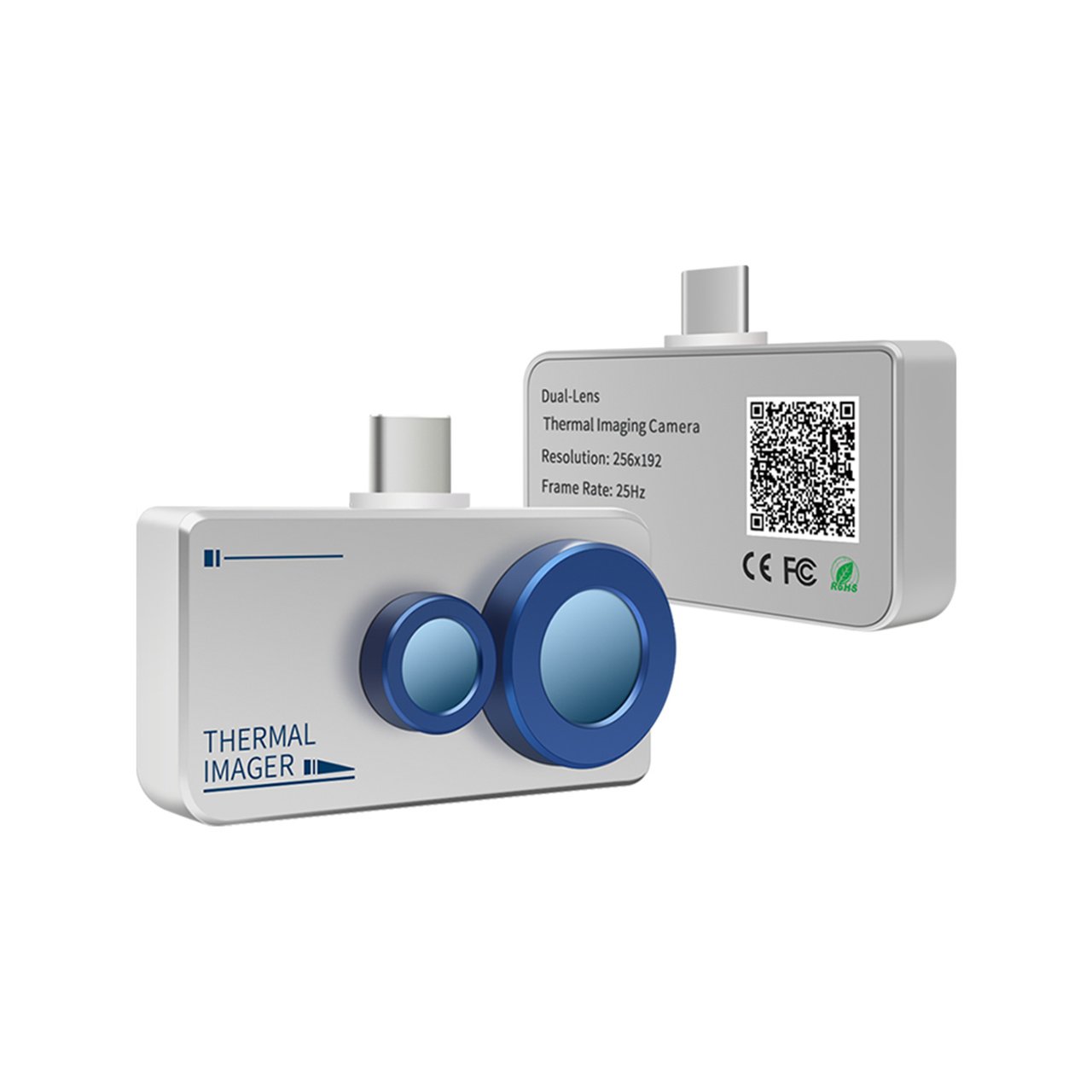
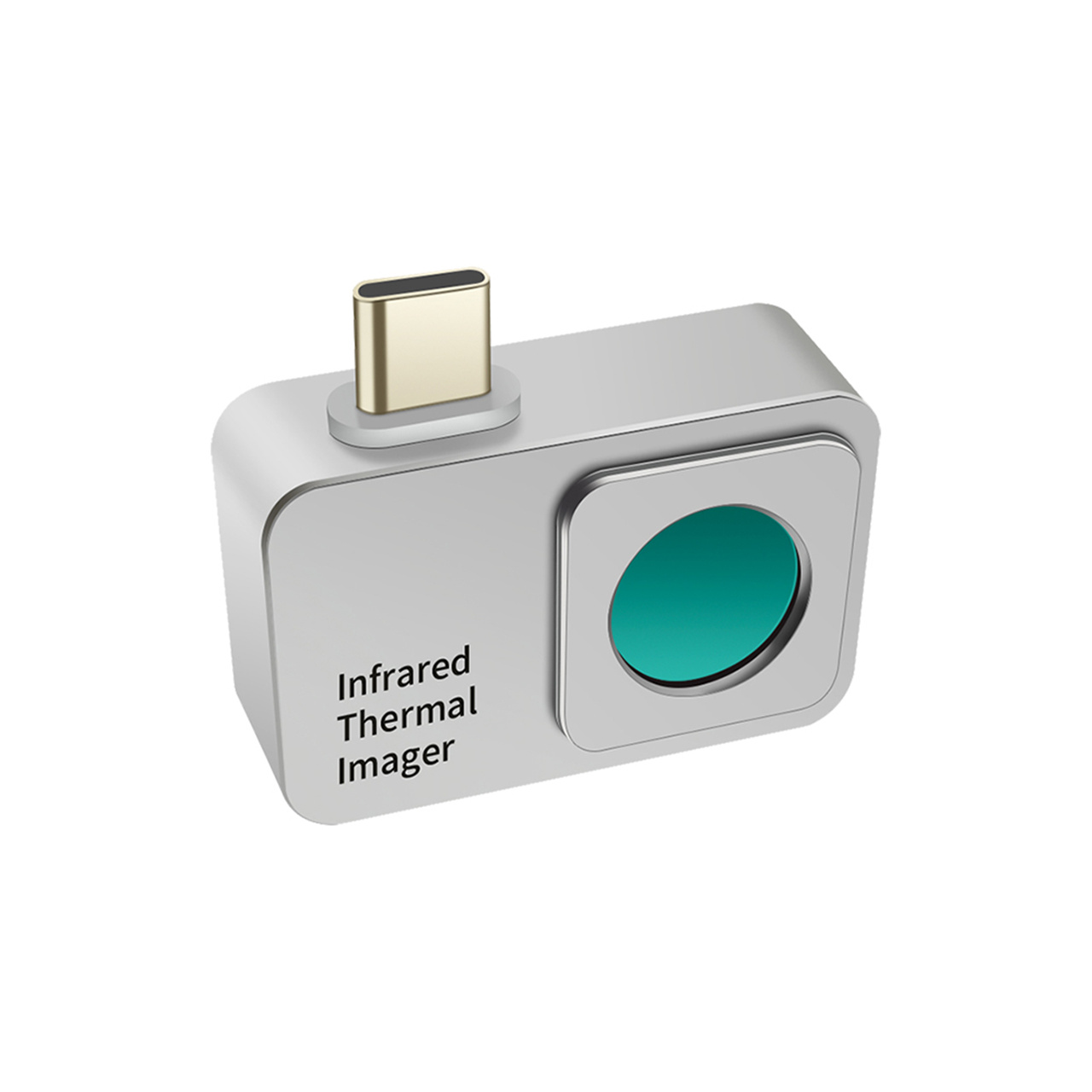
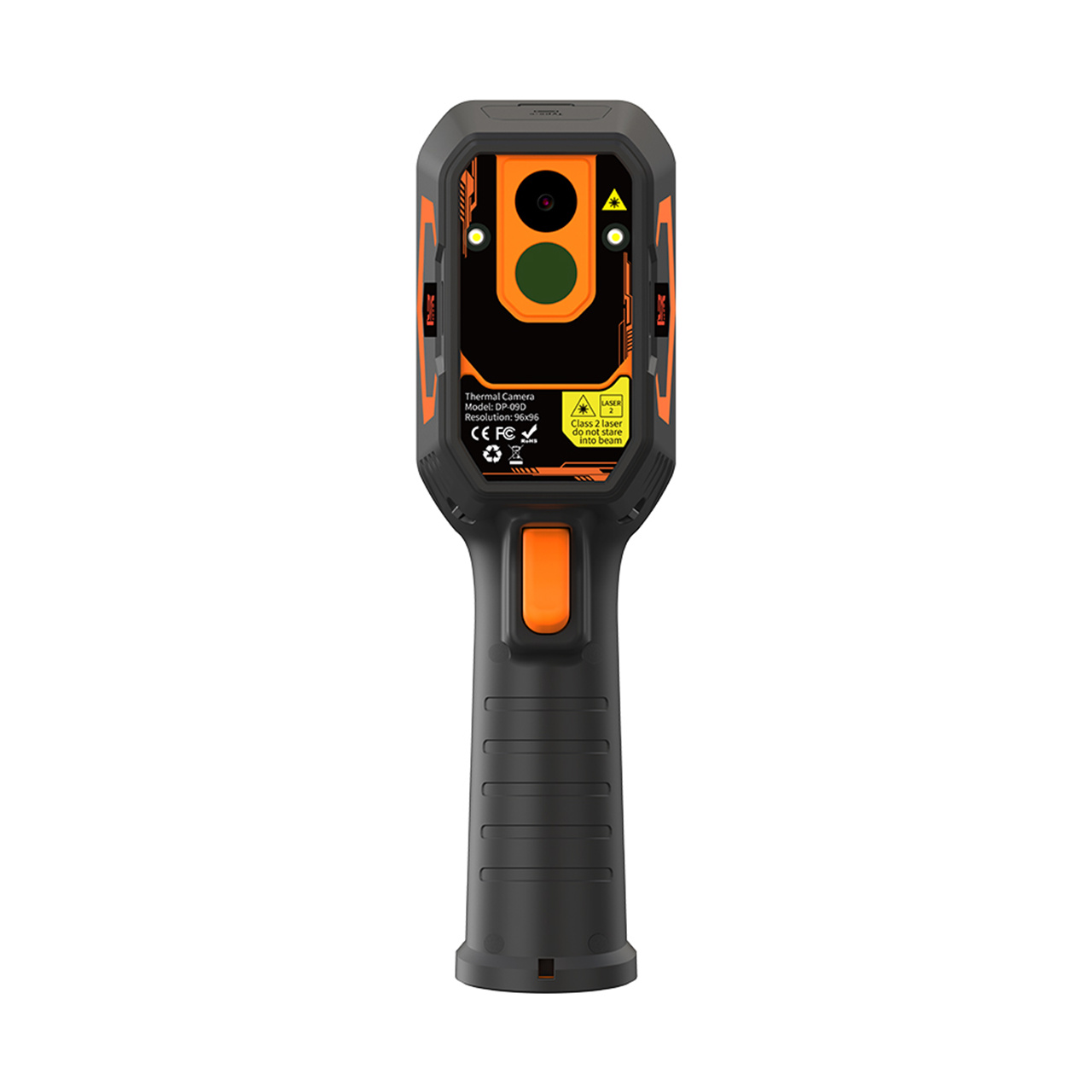
We specialize in ODM/OEM services for infrared thermal imaging solutions, including handheld thermal imagers, smartphone-connected thermal cameras, thermal analyzers, and thermal imaging telescopes. Our products serve global customers in power inspection, building diagnostics, firefighting, industrial maintenance, and outdoor applications.
Our dedicated engineering team applies Design for Manufacturing (DFM), Design for Testability (DFT), thermal simulation, and EMC pre-compliance analysis to optimize performance and accelerate development. We also support clients in obtaining key certifications such as CE, FCC, RoHS, REACH, CB, UKCA, KC, and PSE.
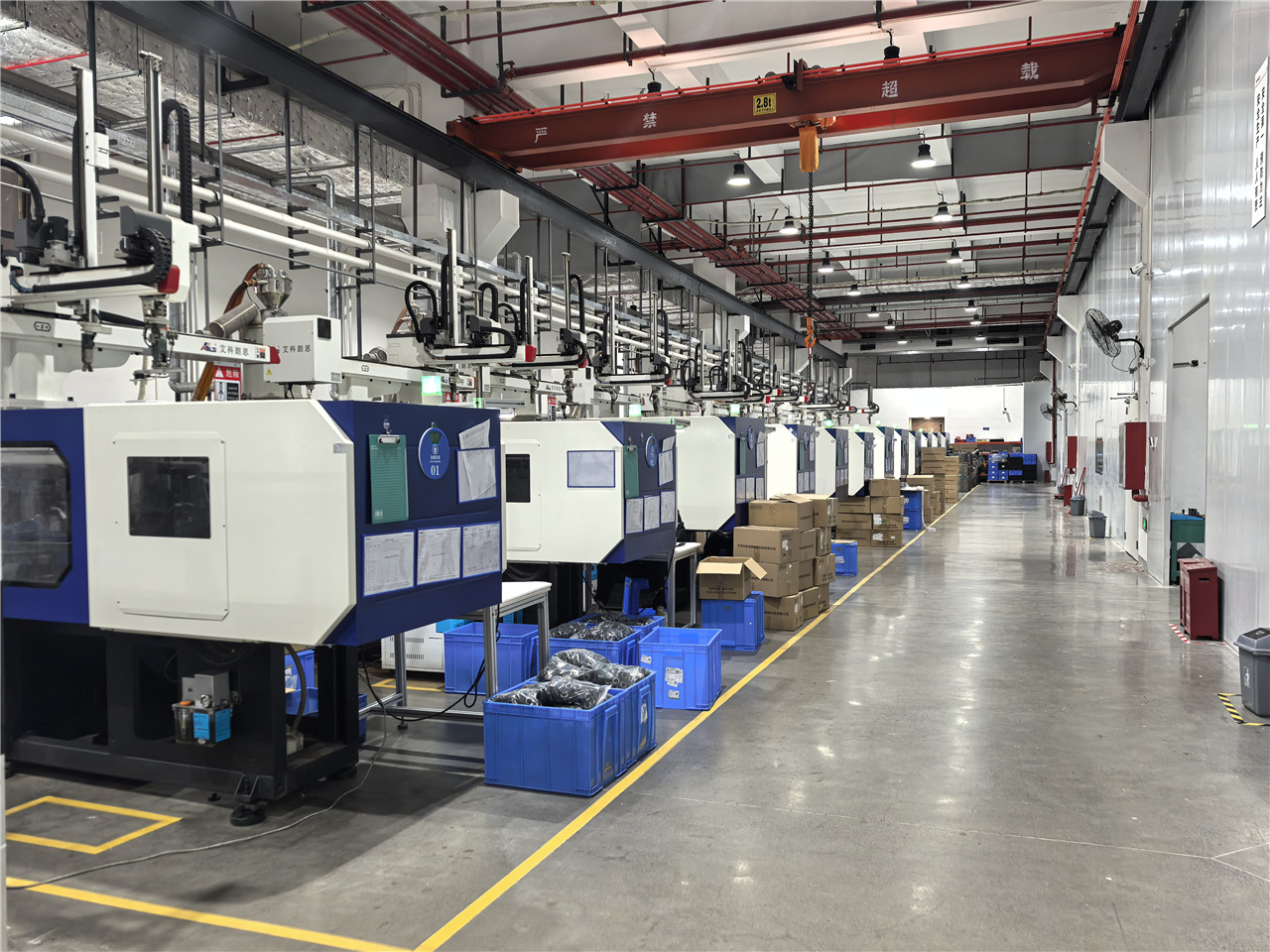
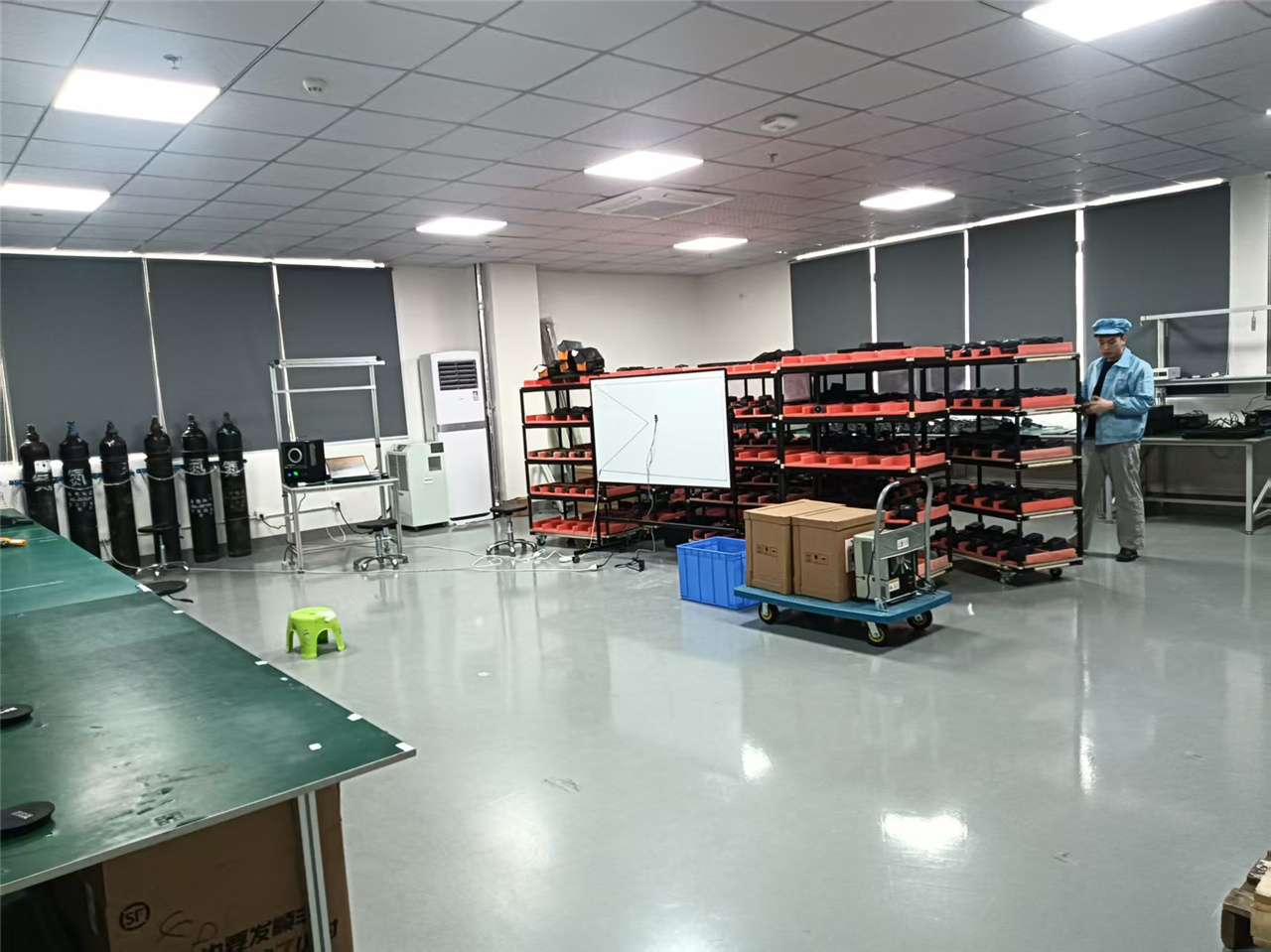
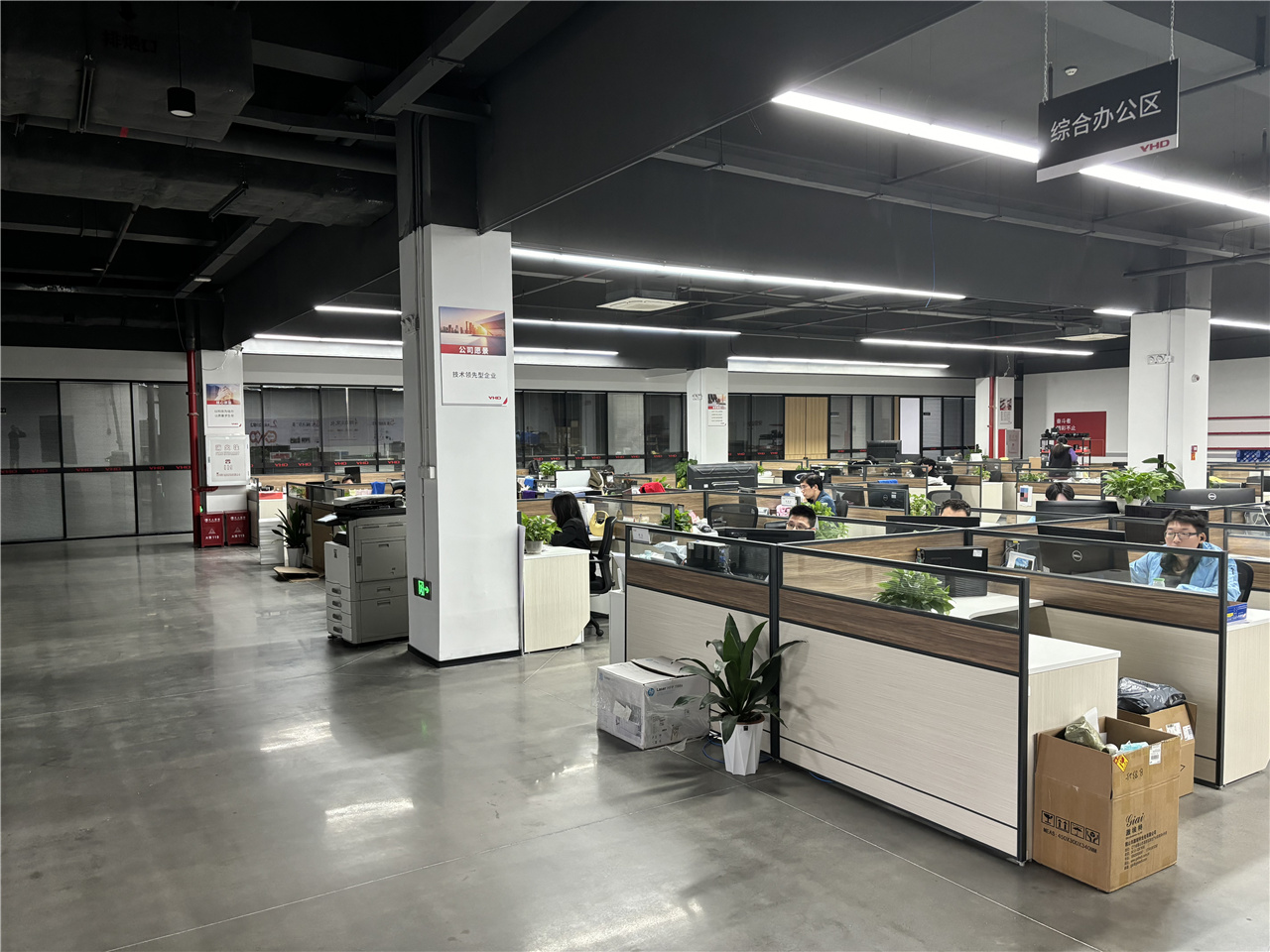
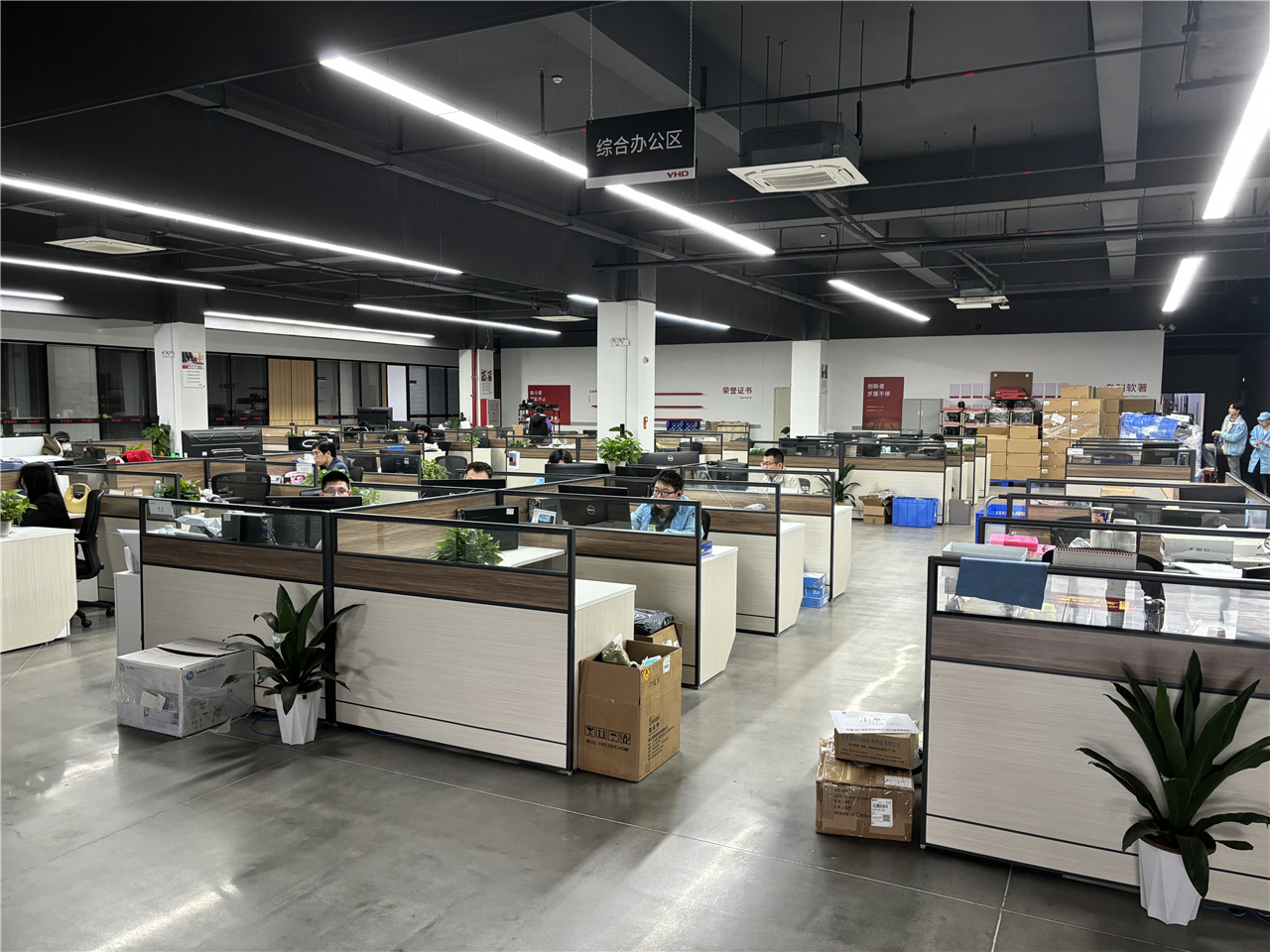
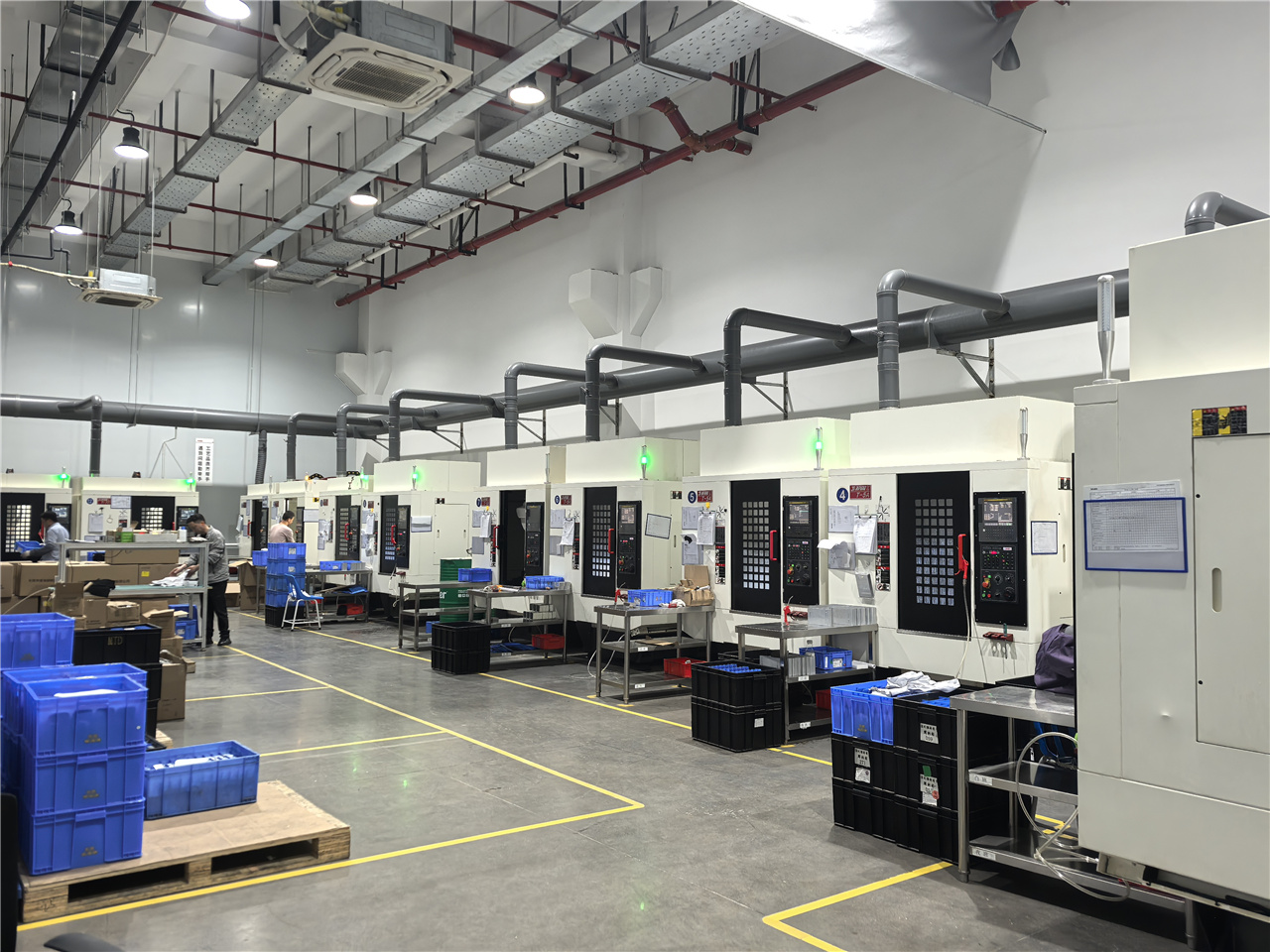
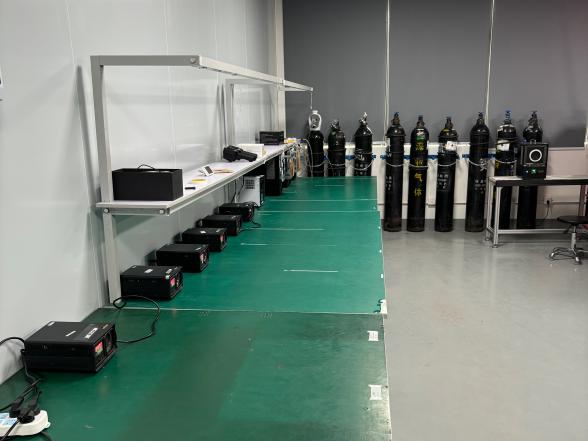
Our structured NPI process typically delivers certified prototypes within 8–12 weeks. Combined with stable supply chain support and group-level technical resources, we ensure on-time delivery and long-term product reliability. By combining focused thermal imaging expertise with the backing of a listed parent company, Dianyang offers a rare blend of agility, quality, and scalability—helping global partners bring high-performance, certified thermal products to market with confidence.