Leave Your Message
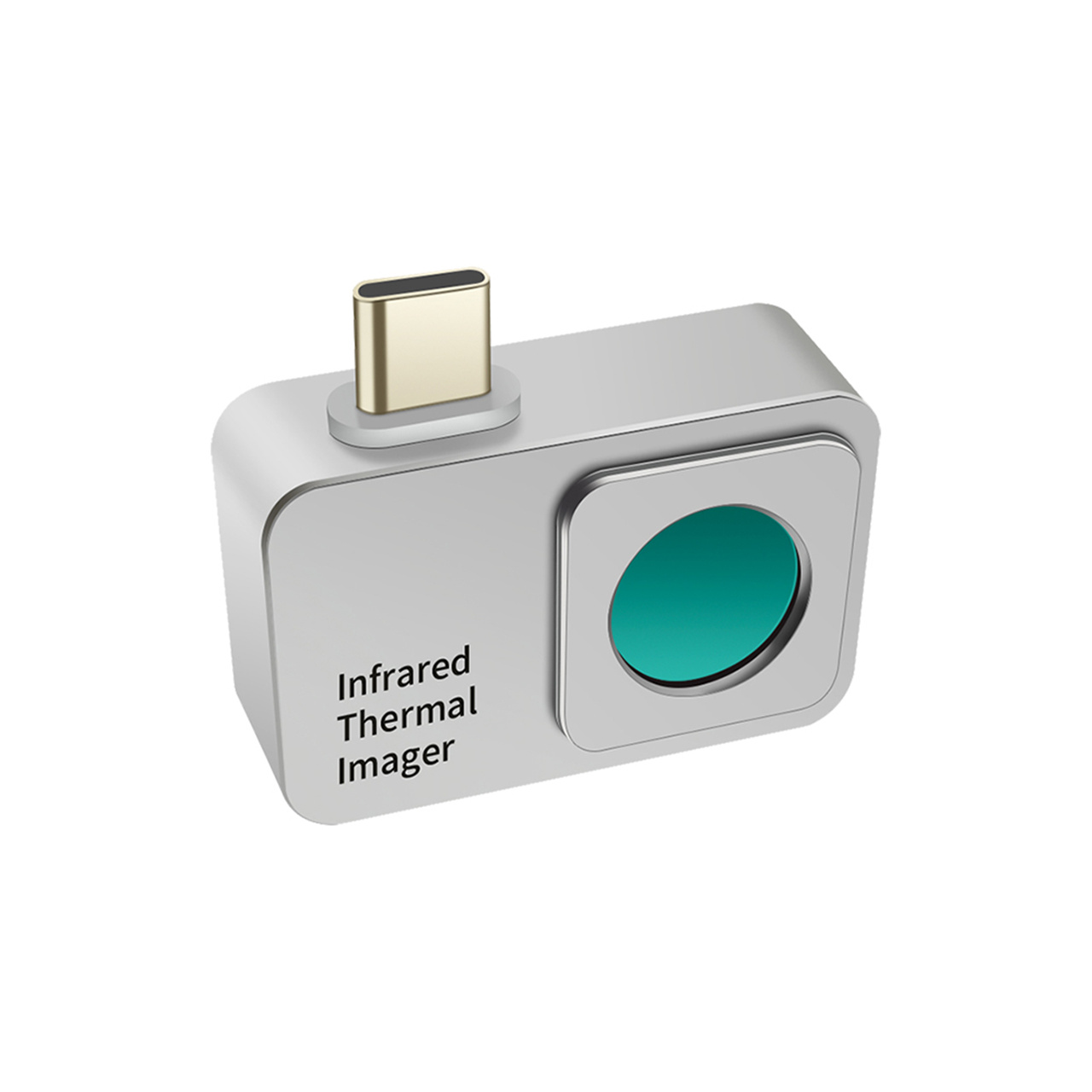
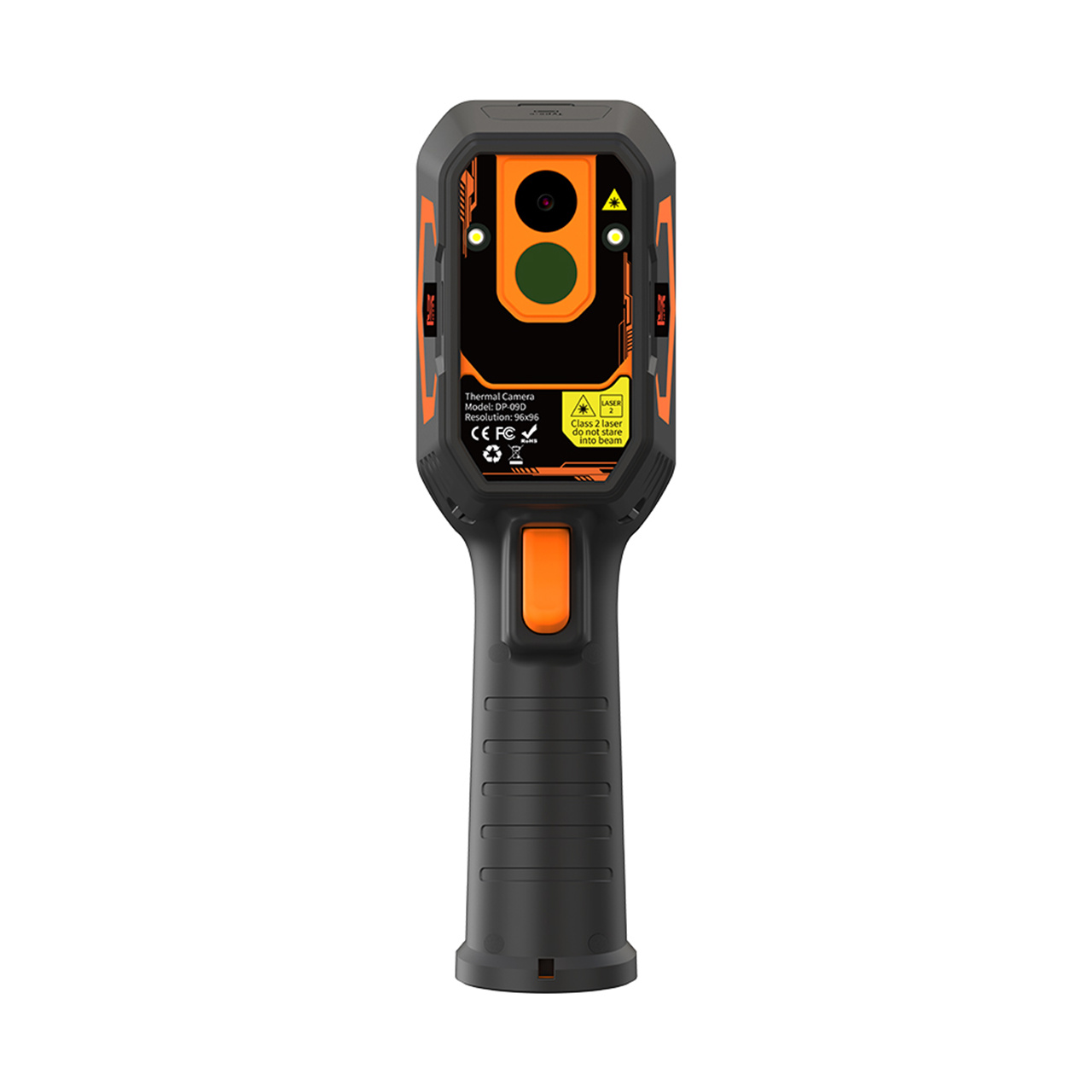
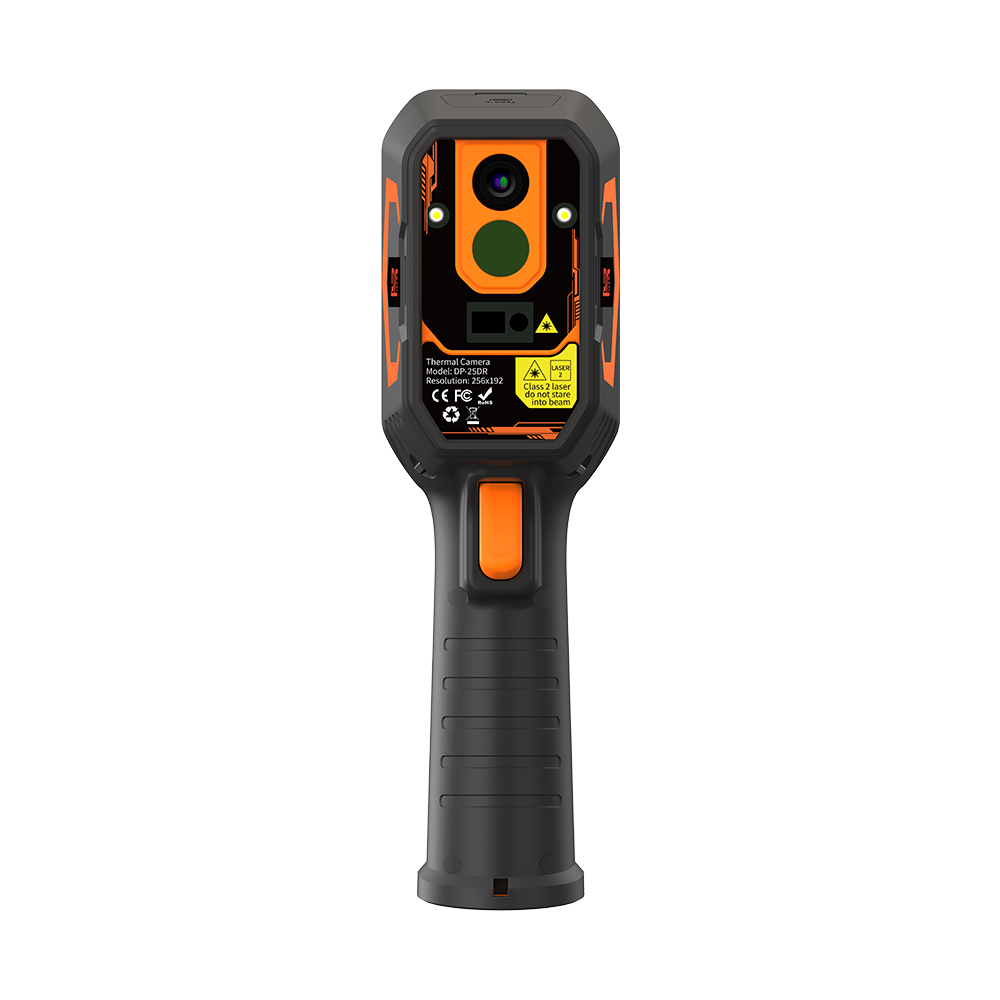
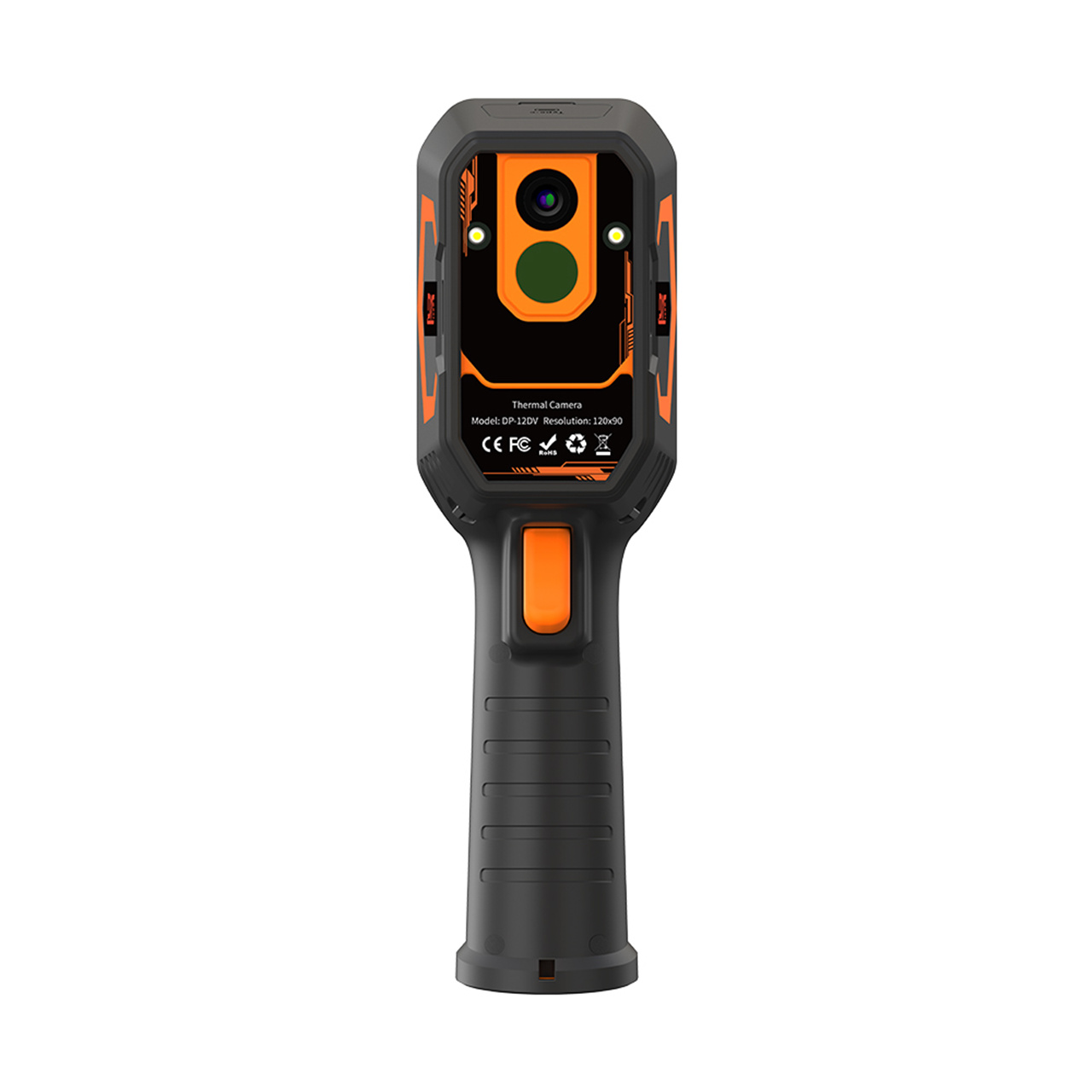
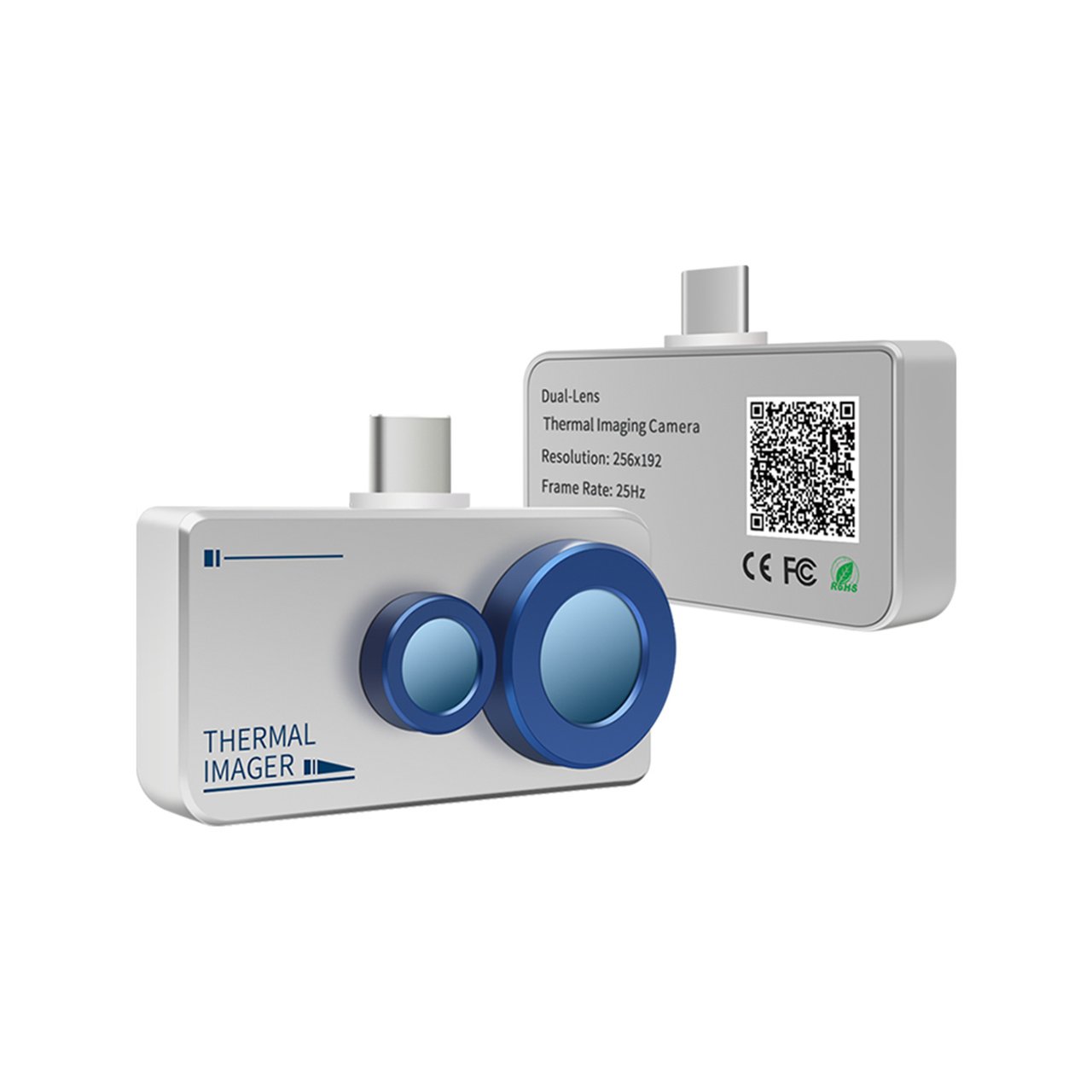
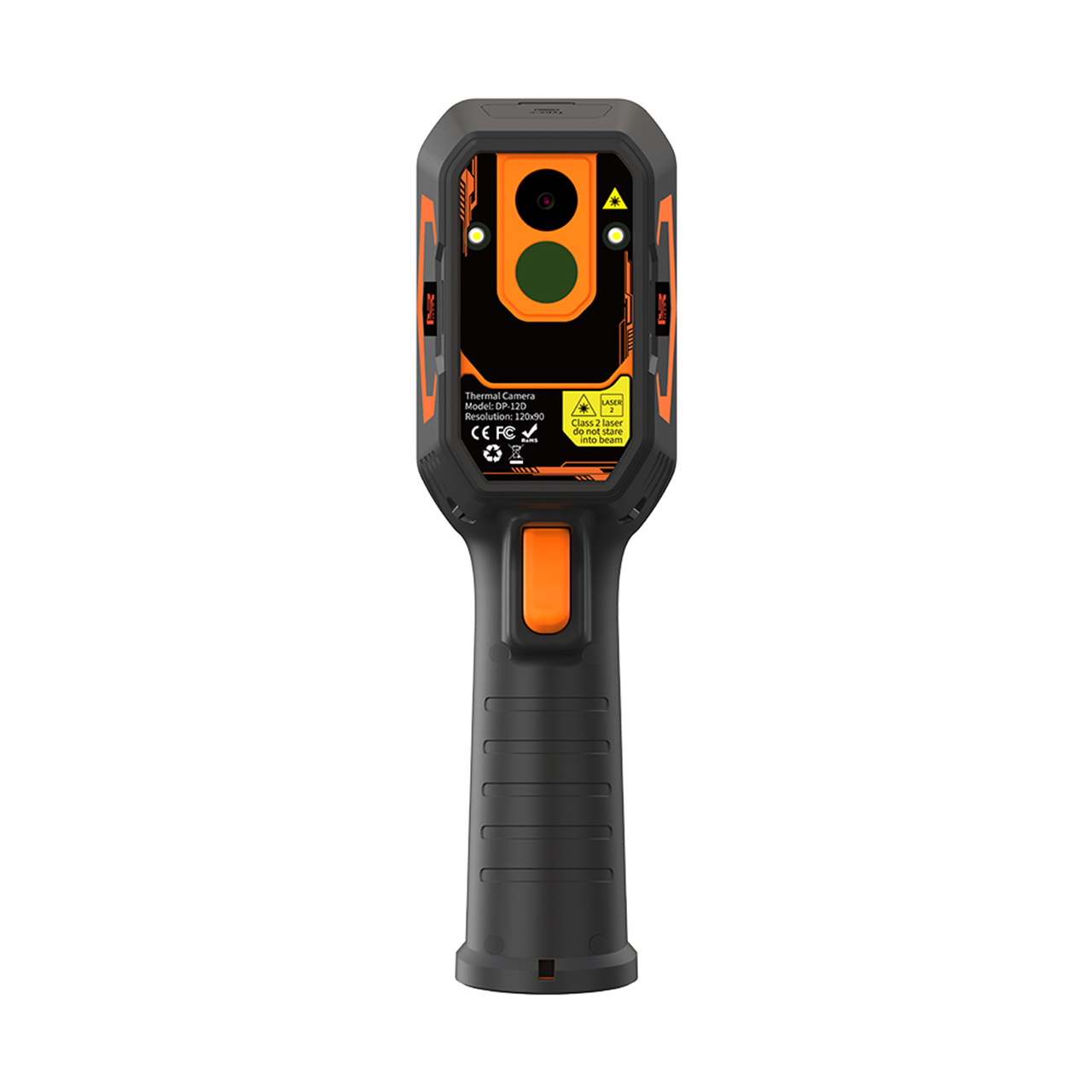
The global landscape of electrical substation maintenance is undergoing a profound paradigm shift. Historically, grid operators and utility companies relied heavily on time-based maintenance schedules and reactive troubleshooting. However, with the exponential increase in global energy demand and the integration of complex renewable energy sources, the tolerance for grid downtime has virtually vanished. Today, the Thermal Sensor Module for Electrical Substation Maintenance stands at the forefront of predictive maintenance technology, offering unparalleled visibility into the invisible thermal dynamics of high-voltage infrastructure.
Electrical substations are the critical nodes of any power distribution network. They house highly sensitive and expensive equipment, including power transformers, circuit breakers, disconnect switches, and busbars. When these components begin to fail, they rarely do so instantaneously. Instead, degradation manifests as an increase in electrical resistance, which inevitably produces localized heat. By deploying advanced infrared thermal imaging technology, maintenance teams can visualize these thermal anomalies long before a catastrophic failure occurs. This proactive approach not only prevents devastating power outages but also extends the lifecycle of multi-million-dollar capital equipment.
From a commercial perspective, the adoption of continuous thermal monitoring in substations is accelerating rapidly. Regulatory bodies worldwide are imposing stricter penalties for unplanned outages, driving utility companies to invest heavily in smart grid technologies. The thermal sensor module market is no longer limited to handheld inspection devices used during periodic walk-throughs. The industry is aggressively moving towards fixed-mount, continuous monitoring systems integrated with Industrial Internet of Things (IIoT) platforms. These automated systems provide 24/7 surveillance of critical assets, transmitting real-time radiometric data to centralized control rooms.
Furthermore, the cost of manufacturing high-resolution microbolometers has decreased significantly over the last decade. This democratization of thermal technology allows for large-scale deployment across secondary and tertiary substations, which were previously deemed too cost-prohibitive to monitor continuously. As a result, the ROI (Return on Investment) for installing thermal sensor modules is now calculated not in years, but in months, primarily driven by the avoidance of single catastrophic failure events and the optimization of workforce deployment.


The application of thermal sensor modules in electrical substations extends far beyond simple temperature measurement. It involves complex thermographic analysis tailored to specific high-voltage components. Understanding these deep application scenarios is crucial for implementing an effective predictive maintenance strategy.
Transformers are the heart of the substation. A thermal sensor module can continuously monitor the transformer's main tank for abnormal heating patterns indicative of internal faults such as circulating currents or blocked cooling tubes. Furthermore, monitoring the load tap changer (LTC) is critical; excessive heat here often points to worn contacts or oil degradation. By utilizing high-resolution infrared cameras, operators can also detect low-oil levels within the conservator tank, as the thermal capacitance difference between the oil and the air creates a distinct thermal line visible only in the infrared spectrum.
Switchgear connections are highly susceptible to loosening due to thermal cycling and mechanical vibration. A loose connection increases electrical resistance, which generates heat according to Joule's law (I²R). If left undetected, this localized heating can melt the insulation, leading to a catastrophic phase-to-phase or phase-to-ground short circuit. Thermal sensor modules integrated into the switchgear housing or positioned on automated pan-tilt units can scan hundreds of connection points in minutes, identifying temperature differentials (Delta-T) as small as 0.1°C between phases.
High-voltage bushings are critical components that insulate the conductors passing through the grounded transformer tank. Degradation of the internal capacitive layers or oil leakage within the bushing alters its thermal signature. A healthy bushing typically exhibits a uniform temperature profile. However, an internally defective bushing will show localized hot spots or an abnormal temperature gradient. Similarly, surface contamination or micro-cracks on ceramic insulators can lead to tracking and corona discharge, phenomena that generate subtle thermal anomalies detectable by high-sensitivity thermal modules.
The future of Thermal Sensor Modules for Electrical Substation Maintenance is intrinsically linked to Artificial Intelligence (AI) and Machine Learning (ML). Modern thermal imaging systems are no longer passive observation tools; they are intelligent edge-computing devices. Embedded AI algorithms can now automatically identify specific substation components within the thermal image, apply the correct emissivity settings, and perform complex thermal diagnostics without human intervention.
These AI-driven modules can distinguish between normal operational heating (e.g., heating due to increased grid load or solar loading) and genuine fault conditions. By learning the historical thermal behavior of a specific transformer under various load and environmental conditions, the AI can establish a dynamic baseline. Any deviation from this baseline triggers an immediate alert to the SCADA system via standard industrial protocols like IEC 61850 or Modbus TCP. Furthermore, the integration of thermal modules onto autonomous inspection drones and robotic dogs is revolutionizing routine inspections, allowing for consistent, repeatable data collection in hazardous high-voltage environments without putting human personnel at risk.
Investing in high-quality Thermal Sensor Modules for Electrical Substation Maintenance is not merely a technical upgrade; it is a strategic financial decision with a profound impact on the bottom line. The economic justification for deploying these advanced infrared systems is multi-faceted, encompassing risk mitigation, operational efficiency, and regulatory compliance.
The replacement cost of a large power transformer can easily exceed several million dollars, not factoring in the astronomical costs associated with purchasing emergency power from other grids during an unplanned outage. By detecting thermal anomalies early, maintenance crews can schedule repairs during off-peak hours, avoiding the chaos and financial bleeding of a sudden blackout. This shift from reactive to predictive maintenance significantly extends the operational lifespan of aging grid infrastructure. A component that might have failed and caused collateral damage can instead be repaired or replaced at a fraction of the cost.
Substations are inherently dangerous environments. Traditional inspection methods often require personnel to enter restricted areas, exposing them to the risks of arc flashes and high-voltage electrocution. Fixed-mount thermal sensor modules and drone-integrated infrared cameras allow for comprehensive inspections from a safe distance or completely remote locations. This not only drastically reduces the risk of workplace injuries and associated liabilities but also optimizes labor deployment. Highly skilled thermographers and engineers can spend their time analyzing data and planning interventions rather than physically traveling between remote substations to perform manual scans.
In conclusion, as the electrical grid becomes more complex and the demand for uninterrupted power reaches unprecedented levels, the integration of intelligent, AI-powered thermal sensor modules is no longer optional. It is an absolute necessity for modern utility management, ensuring safety, reliability, and sustained economic performance in the face of evolving energy challenges.