
What Is an Infrared Thermal Camera and How Does It Work?
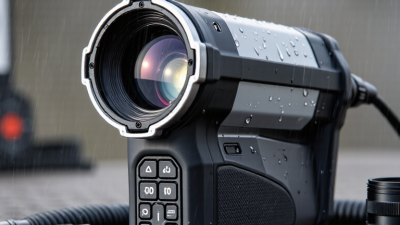
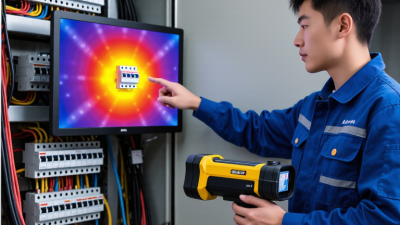
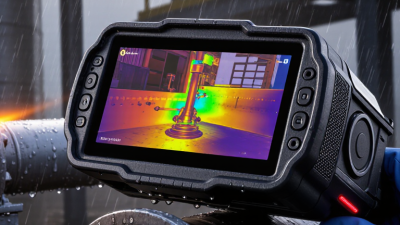
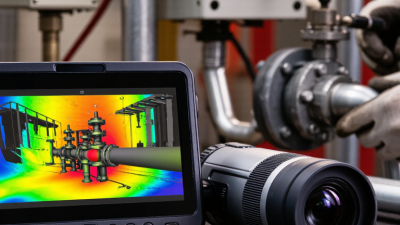
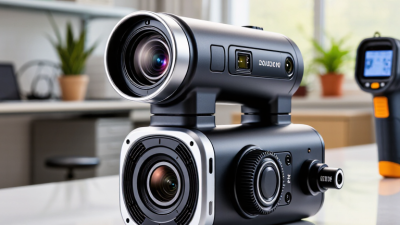
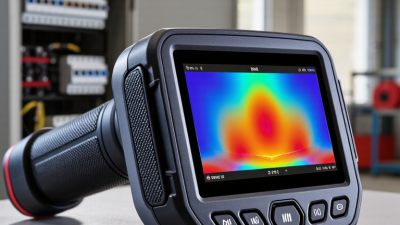
An [Infrared Thermal Camera](https://www.dytinfrared.com/discount-odm-infrared-thermal-camera-supplier-factories) basically turns heat into a visual image—you know, it doesn’t rely on regular visible light like your usual cameras do. Instead, it detects infrared radiation, which is emitted by stuff like people, machines, buildings, or pretty much anything warmer than its surroundings. Usually, the warmer areas show up as brighter spots, but just a heads-up—color palettes can be a bit tricky for folks who aren’t super experienced. Like, a bright white spot doesn’t automatically mean something’s wrong or a fault.
Here's how it works: it starts with a special lens—often made from germanium—that focuses the thermal energy onto what’s called a microbolometer array. Each tiny pixel changes its electrical resistance depending on the temperature, and then the software transforms all these signals into a temperature map you can interpret. But, keep in mind, factors like emissivity, reflected heat, distance, humidity, and airflow all influence what you see. Small details really matter. For instance, a shiny metal pipe might reflect heat from a nearby heater, creating a false hotspot—so you gotta be careful.
According to MarketsandMarkets’ 2024 Thermal Imaging Market report, the industry is expected to grow quite a bit through 2030—mainly because of increased use in industrial inspections, energy management, security, and medical research. Similarly, Grand View Research points out that there's rising demand for compact, connected thermal systems. All these reports show that the market’s got serious momentum, but it’s important to remember—they don’t guarantee perfect measurements. Field calibration is still really important.
Andrey Rogalski, a researcher in infrared detection, once said, “Infrared detector technology has made tremendous progress over the last few decades.” Now, that’s true—it’s gotten faster, smaller, and more sensitive. But, here’s the thing: technology alone can’t do all the work. A skilled professional still needs to have a good reference point—like knowing what a surface’s actual temperature should be, or understanding what they’re inspecting. That’s basically what this guide’s about: understanding how an Infrared Thermal Camera works, what that picture really shows, and where you might get fooled. Honestly, one of the biggest takeaways is pretty simple—heat can be measured pretty accurately, but understanding the context? That’s a whole different game. Because, at the end of the day, heat is measurable. Context is not.
Read more »