Leave Your Message
In today's rapidly evolving manufacturing landscape, automated production lines have become the backbone of industrial efficiency. The integration of waterproof thermal imaging technology represents a quantum leap in quality control, predictive maintenance, and operational safety. These advanced imaging systems provide real-time thermal data that enables manufacturers to detect anomalies, prevent equipment failures, and optimize production processes with unprecedented precision.
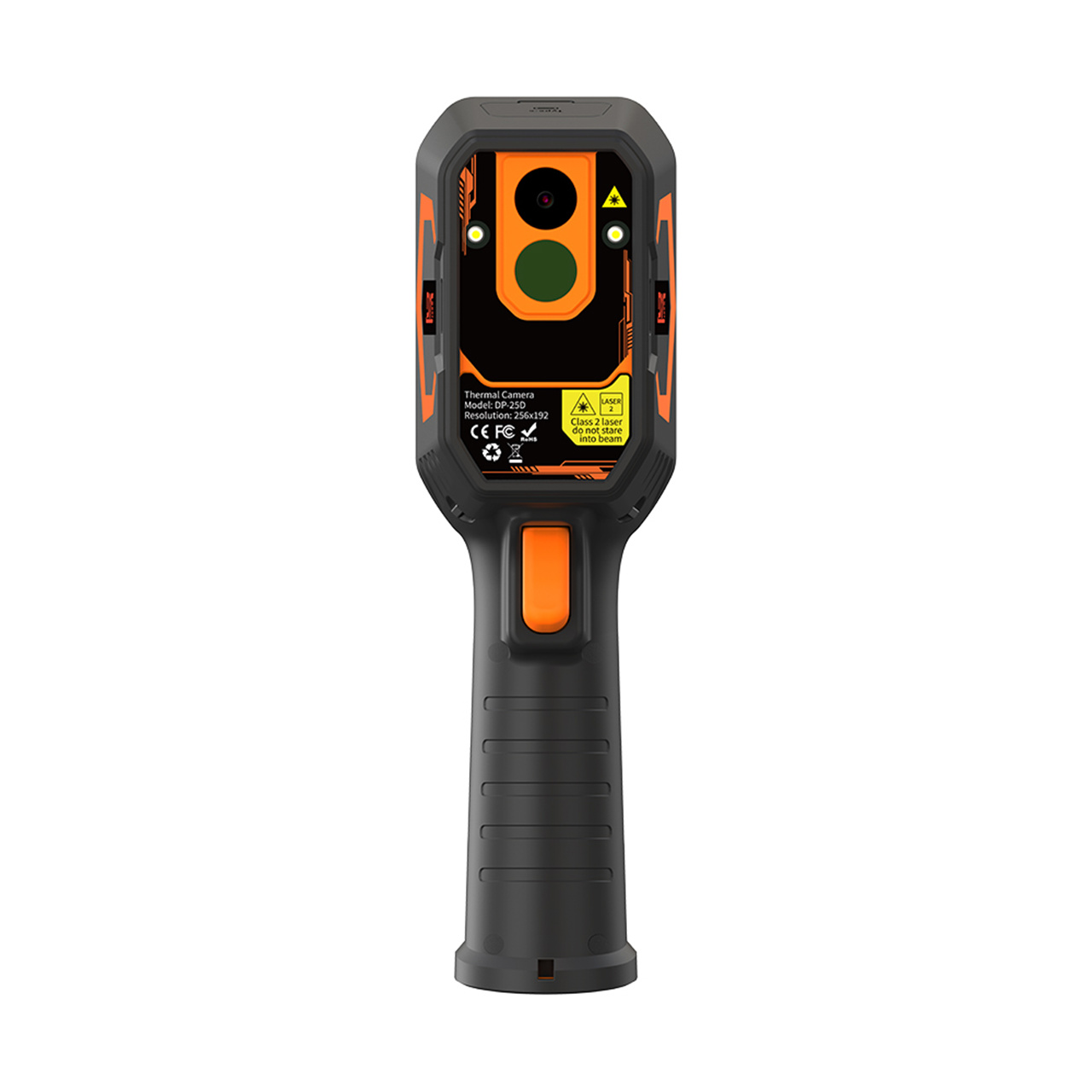
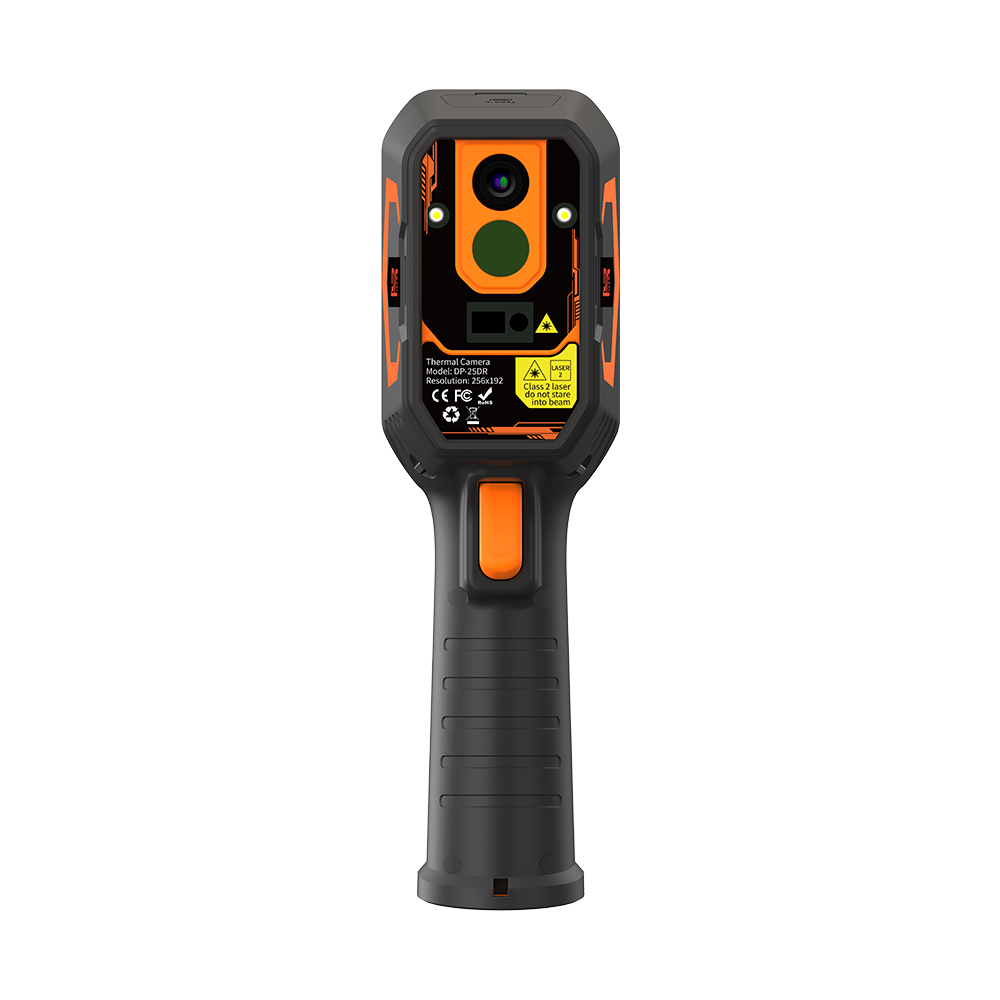
Waterproof thermal imagers designed specifically for automated production line monitoring combine rugged durability with cutting-edge infrared technology. These devices can withstand harsh industrial environments including high humidity, chemical exposure, and temperature extremes while delivering accurate thermal measurements. The waterproof capability ensures continuous operation even in wet processing environments such as food and beverage production, pharmaceutical manufacturing, and chemical processing facilities.
Modern waterproof thermal imagers are designed to seamlessly integrate with Industry 4.0 frameworks, enabling real-time data analytics, cloud connectivity, and AI-powered predictive maintenance algorithms. This integration transforms raw thermal data into actionable intelligence, reducing downtime by up to 45% and extending equipment lifespan by 30% according to recent industrial studies.
The global market for thermal imaging in industrial automation has experienced exponential growth, with projections indicating a compound annual growth rate (CAGR) of 8.7% through 2028. This surge is driven by increasing demand for non-contact temperature measurement, growing emphasis on workplace safety, and the proliferation of smart manufacturing initiatives. Waterproof thermal imagers have emerged as essential tools in sectors ranging from automotive assembly to semiconductor fabrication.
Manufacturing facilities worldwide are transitioning from reactive maintenance strategies to predictive and prescriptive approaches. Waterproof thermal imagers play a crucial role in this transformation by providing continuous monitoring capabilities that identify thermal anomalies before they escalate into costly failures. The ability to detect temperature variations as small as 0.1°C enables early identification of bearing wear, electrical hotspots, and process deviations.
Advanced sensors detect temperature variations with ±2% accuracy, enabling early identification of thermal anomalies in production processes and equipment.
Waterproof and dustproof design ensures reliable operation in demanding environments including washdown areas and humid conditions.
Continuous thermal surveillance with automated alert systems for immediate response to temperature deviations and process anomalies.
Integration with SCADA and MES systems for comprehensive thermal data analysis, trending, and predictive maintenance scheduling.
Measurement capabilities from -20°C to 550°C covering diverse industrial applications from cryogenic processes to high-temperature manufacturing.
Wireless communication protocols including Wi-Fi, Bluetooth, and industrial Ethernet for seamless integration with smart factory infrastructure.
In automotive assembly operations, waterproof thermal imagers monitor welding processes, paint curing temperatures, and electric vehicle battery assembly. The technology ensures consistent weld quality by verifying heat distribution patterns and detecting cold welds that could compromise structural integrity. Battery cell monitoring prevents thermal runaway conditions that pose safety risks.
Food and beverage production lines require stringent temperature control for food safety compliance. Waterproof thermal cameras monitor cooking, pasteurization, and cooling processes while withstanding frequent washdowns. The technology verifies that products reach required temperatures for pathogen elimination and detects equipment malfunctions that could compromise food safety.
Pharmaceutical manufacturing demands precise environmental control and equipment monitoring. Thermal imagers verify sterilization processes, monitor cleanroom HVAC systems, and detect hotspots in critical production equipment. The waterproof design accommodates sterile manufacturing environments requiring frequent sanitization.
In electronics manufacturing, thermal imaging identifies overheating components, verifies solder reflow profiles, and monitors PCB assembly processes. Early detection of thermal issues prevents defects and ensures product reliability. The technology is particularly valuable in high-volume production where manual inspection is impractical.
Lithium-ion battery production requires meticulous thermal management. Waterproof thermal imagers monitor electrode coating processes, formation cycling, and final testing. The technology detects internal short circuits and thermal inconsistencies that could lead to field failures or safety incidents.
In metal fabrication and processing, thermal imaging monitors furnace operations, rolling mill temperatures, and heat treatment processes. The waterproof capability is essential in environments with cooling water spray and steam. Real-time thermal data optimizes energy consumption and ensures metallurgical quality.
Chemical plants utilize waterproof thermal imagers to monitor reactor temperatures, detect pipeline leaks, and verify insulation integrity. The technology enhances safety by identifying thermal anomalies that could indicate dangerous conditions. Integration with process control systems enables automated safety responses.
Semiconductor fabs employ thermal imaging for wafer processing monitoring, cleanroom environmental control, and equipment thermal profiling. The precision required in chip manufacturing demands thermal measurement accuracy better than ±1°C, which advanced waterproof thermal imagers readily provide.
The convergence of artificial intelligence and thermal imaging is creating unprecedented capabilities in automated production monitoring. Machine learning algorithms now analyze thermal patterns to predict equipment failures weeks in advance, enabling proactive maintenance scheduling that minimizes production disruptions. Deep learning models trained on millions of thermal images can identify subtle anomalies that human operators might overlook.
Edge computing integration is another transformative trend, enabling thermal imagers to process data locally and make autonomous decisions without cloud connectivity. This capability is crucial for time-critical applications where millisecond response times are required. Edge AI algorithms can trigger immediate production line adjustments based on thermal data analysis.
The development of hyperspectral thermal imaging represents the next frontier in production line monitoring. These advanced systems capture thermal data across multiple infrared wavelengths, providing detailed material composition analysis alongside temperature measurement. This capability enables quality control applications that were previously impossible with conventional thermal imaging.
Manufacturing facilities implementing waterproof thermal imaging systems for automated production line monitoring report average ROI periods of 6-18 months. Benefits include 35-50% reduction in unplanned downtime, 20-30% decrease in energy consumption through process optimization, and 40-60% reduction in quality defects. The technology also significantly enhances workplace safety by identifying hazardous conditions before incidents occur.
Modern waterproof thermal imagers for production line monitoring feature high-resolution sensors ranging from 160×120 to 640×480 pixels, with some professional models offering 1024×768 resolution. Higher resolution enables detection of smaller thermal anomalies and more precise temperature measurement over larger areas. Frame rates of 30-60 Hz ensure smooth real-time monitoring of dynamic processes.
Thermal sensitivity (NETD) of 40-50 mK is standard in professional-grade devices, with premium models achieving 20 mK or better. This sensitivity level enables detection of minute temperature differences crucial for early fault detection. Spectral range typically covers 7.5-14 μm (long-wave infrared), optimized for industrial temperature measurement applications.
Advanced image processing algorithms including multi-point temperature measurement, area temperature analysis, and isothermal analysis provide comprehensive thermal data visualization. Customizable alarm thresholds with visual and audible alerts ensure immediate notification of anomalous conditions. Data logging capabilities with time-stamped thermal images support regulatory compliance and quality documentation requirements.
Shenzhen Dianyang Technology Co., Ltd. is a subsidiary of VHD (Shenzhen VHD Technology Co., Ltd.), a publicly listed company on the Shenzhen Stock Exchange. This strategic affiliation gives Dianyang unique access to VHD's advanced R&D platforms, high-precision manufacturing systems, and rigorous quality management practices—enabling us to deliver thermal imaging products of higher reliability and consistency than typical ODMs.
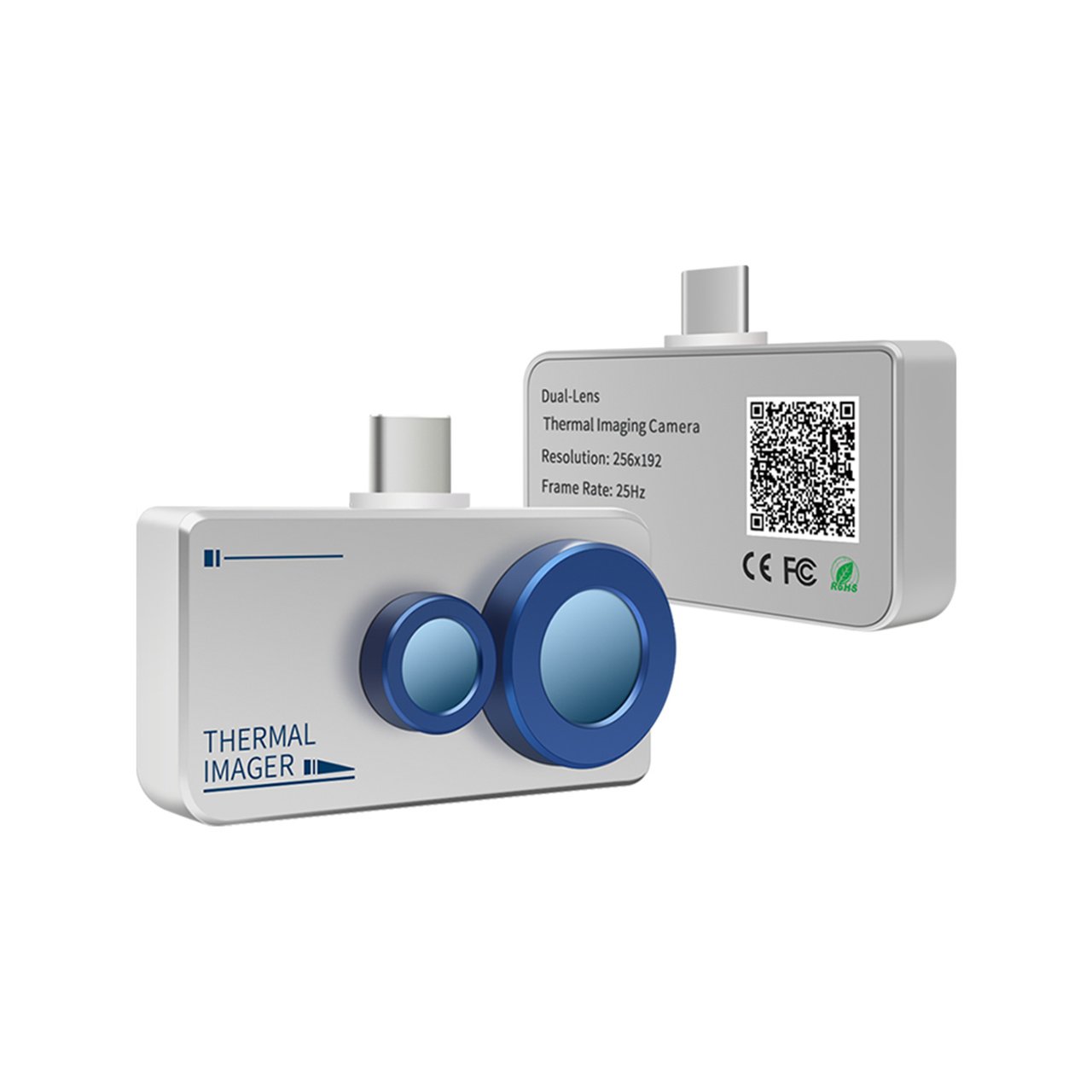
We specialize in ODM/OEM services for infrared thermal imaging solutions, including handheld thermal imagers, smartphone-connected thermal cameras, thermal analyzers, and thermal imaging telescopes. Our products serve global customers in power inspection, building diagnostics, firefighting, industrial maintenance, and outdoor applications.
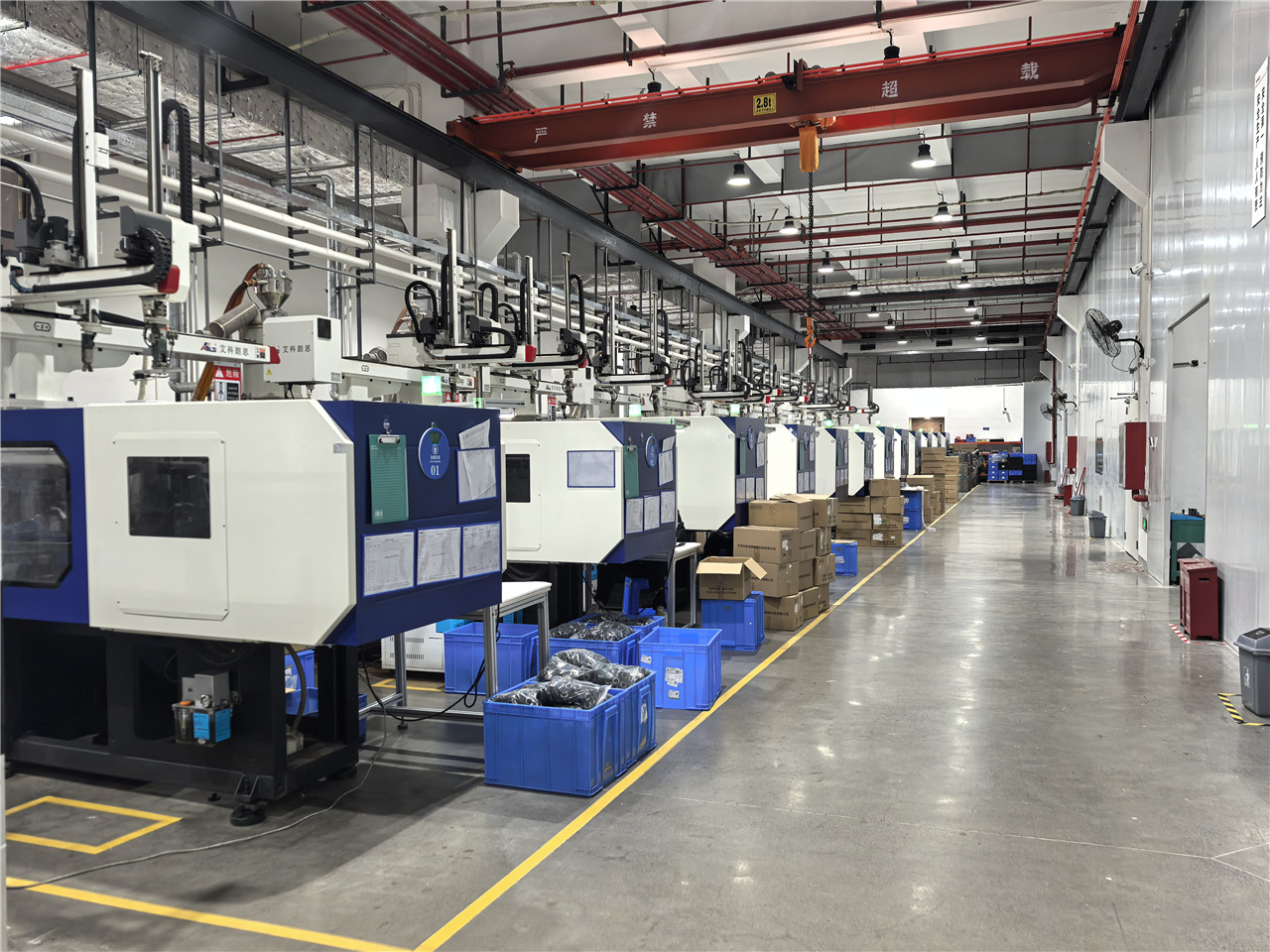
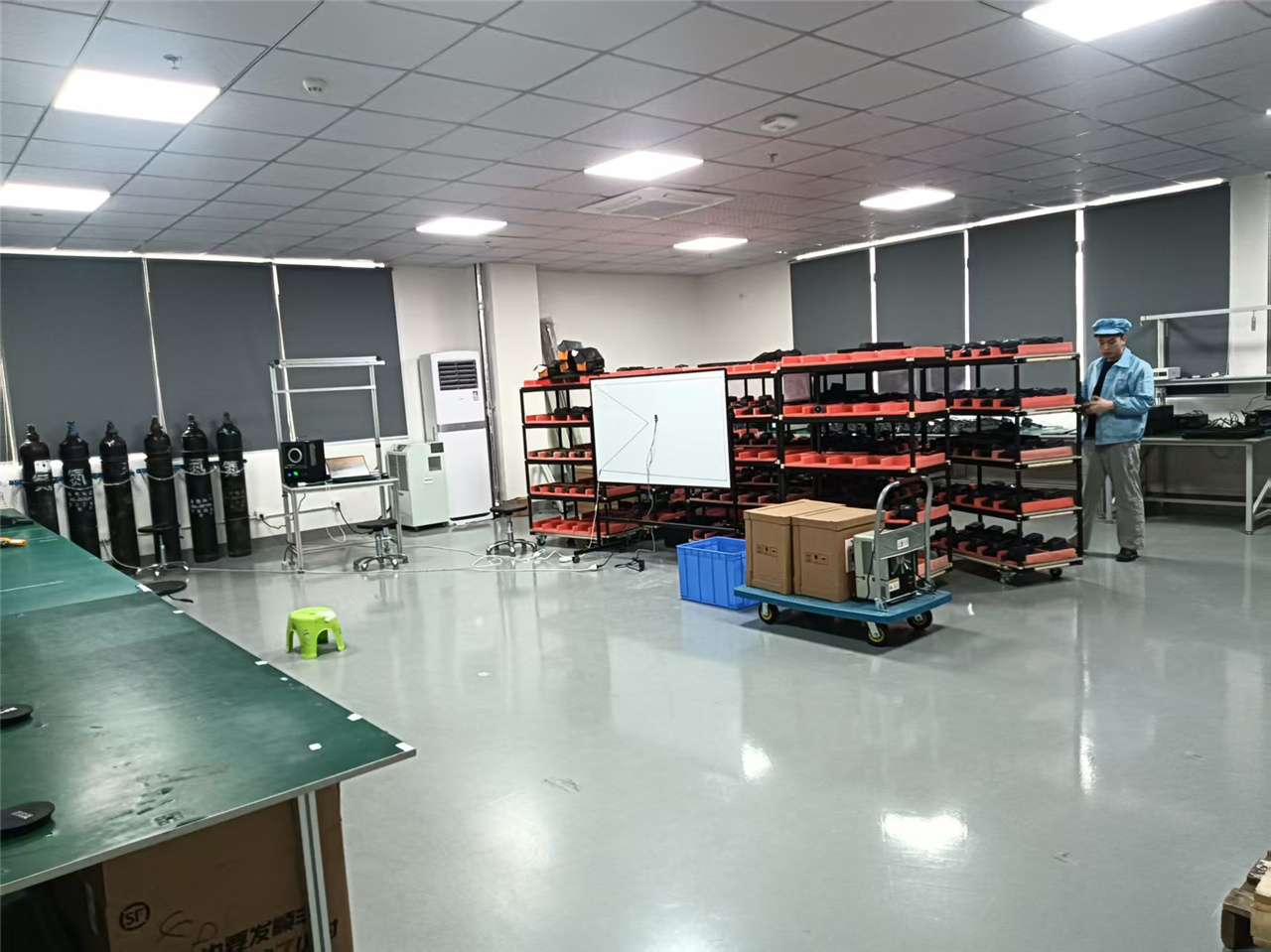
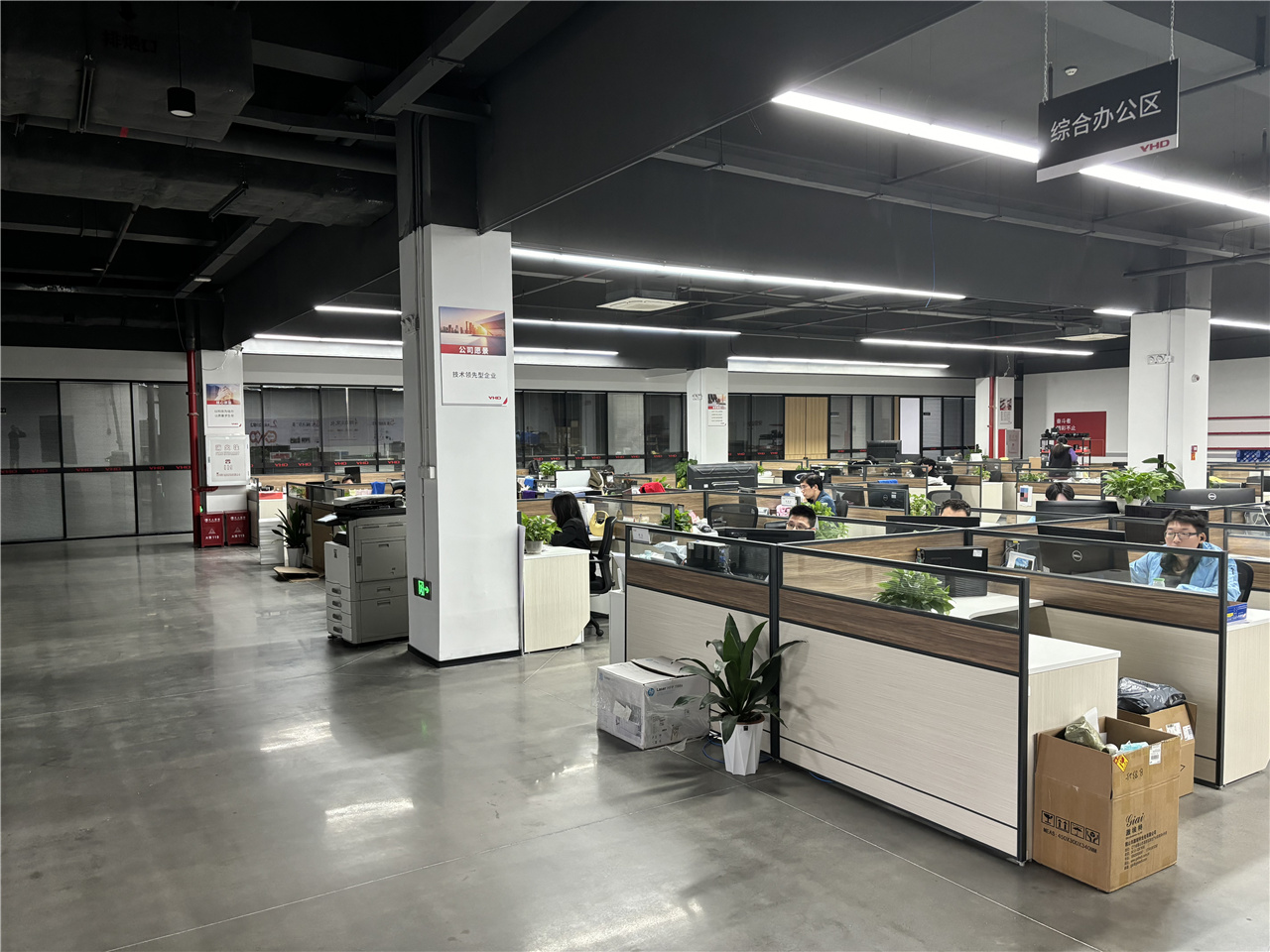
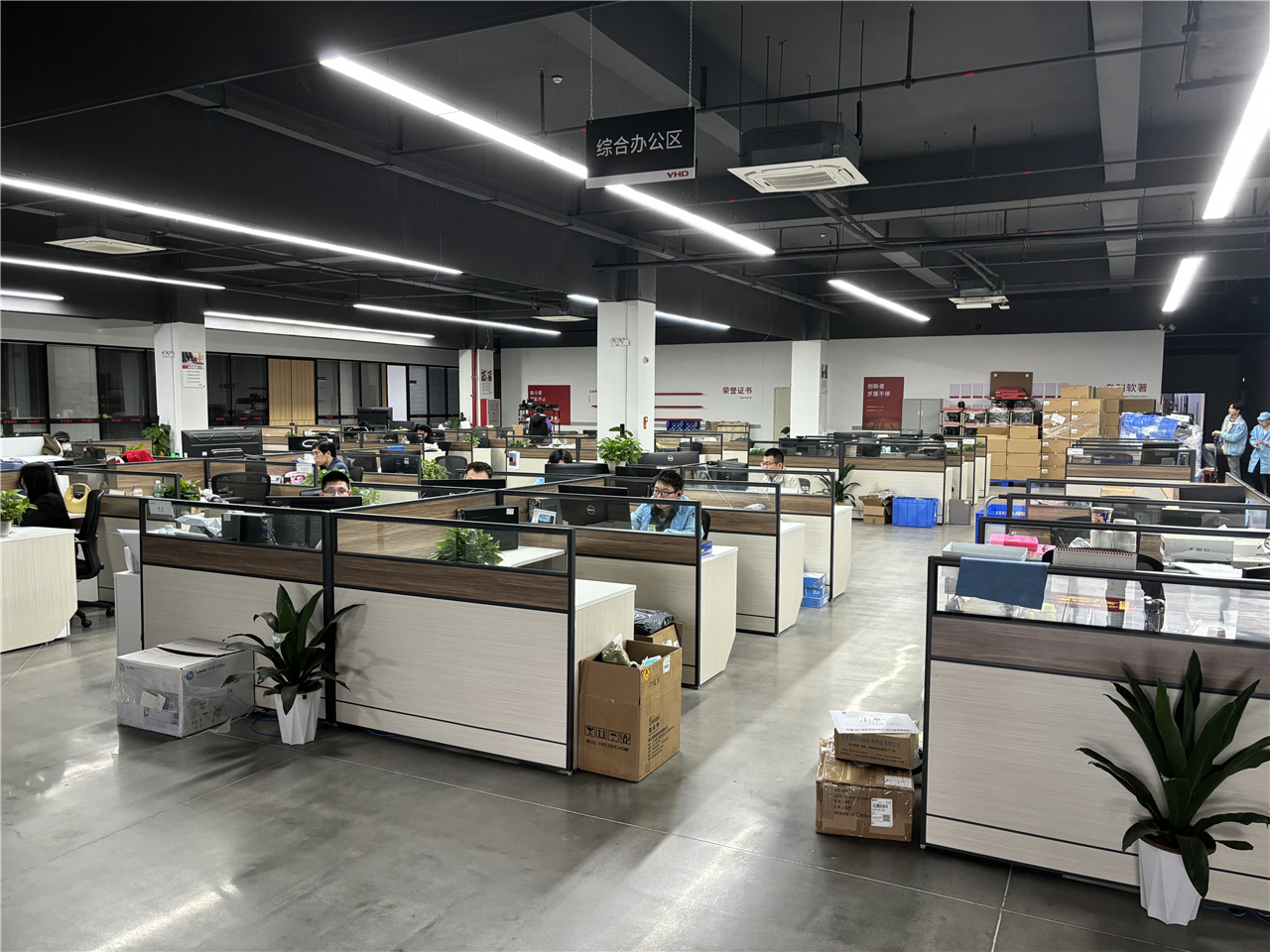
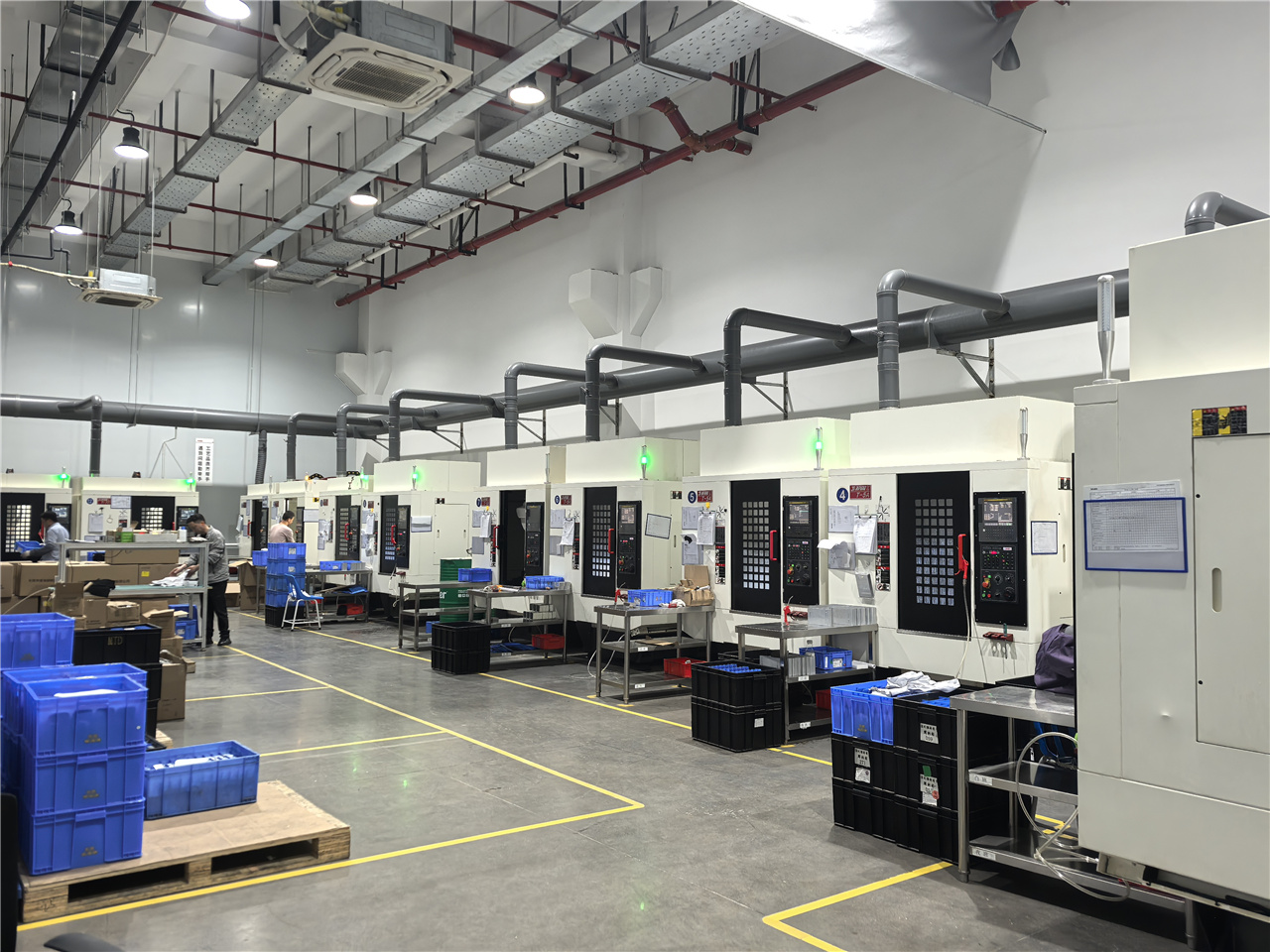
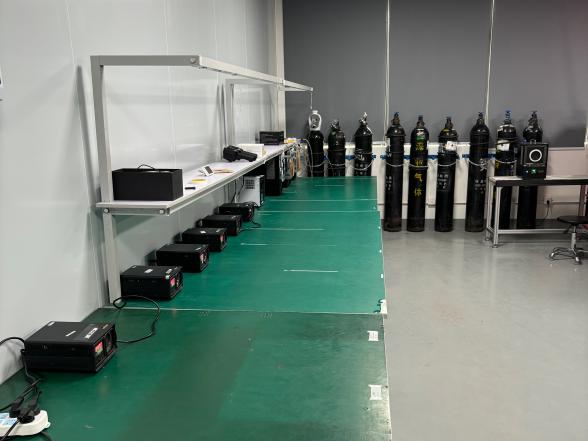
Our structured NPI process typically delivers certified prototypes within 8–12 weeks. Combined with stable supply chain support and group-level technical resources, we ensure on-time delivery and long-term product reliability.
By combining focused thermal imaging expertise with the backing of a listed parent company, Dianyang offers a rare blend of agility, quality, and scalability—helping global partners bring high-performance, certified thermal products to market with confidence.