Leave Your Message
Electrical substations serve as the backbone of modern power distribution networks, managing the flow of electricity from generation facilities to end users. These critical infrastructures operate continuously under demanding environmental conditions, making preventive maintenance not just important, but absolutely essential. Waterproof thermal imagers have emerged as indispensable tools in this field, enabling maintenance teams to identify potential failures before they escalate into costly outages or catastrophic equipment damage.
The integration of waterproof thermal imaging technology into substation maintenance protocols represents a paradigm shift from reactive to predictive maintenance strategies. Traditional inspection methods often require equipment shutdown and physical contact, creating both safety risks and operational disruptions. Modern waterproof thermal imagers allow technicians to conduct comprehensive inspections during operation, in any weather condition, detecting anomalies that would otherwise remain invisible until failure occurs.
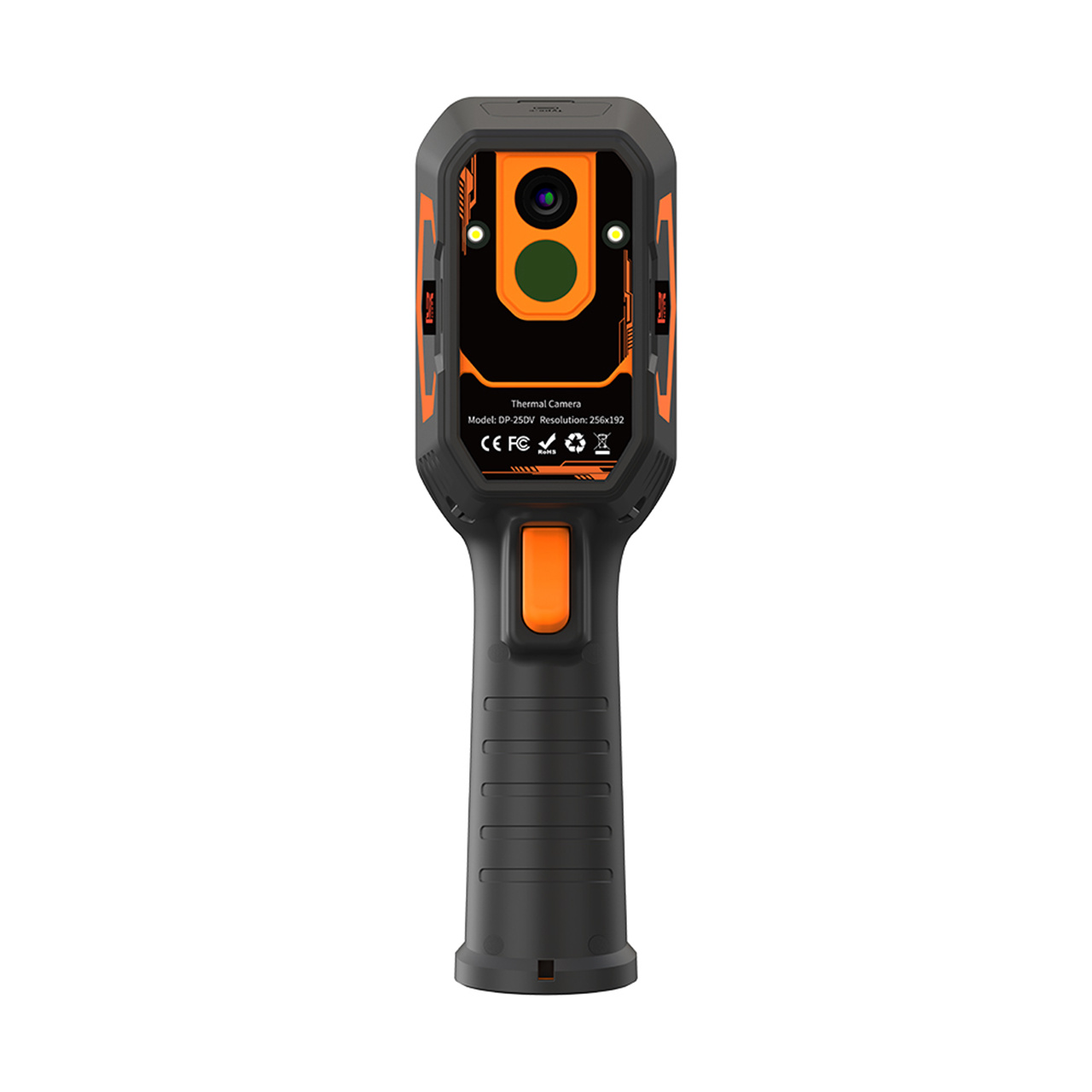
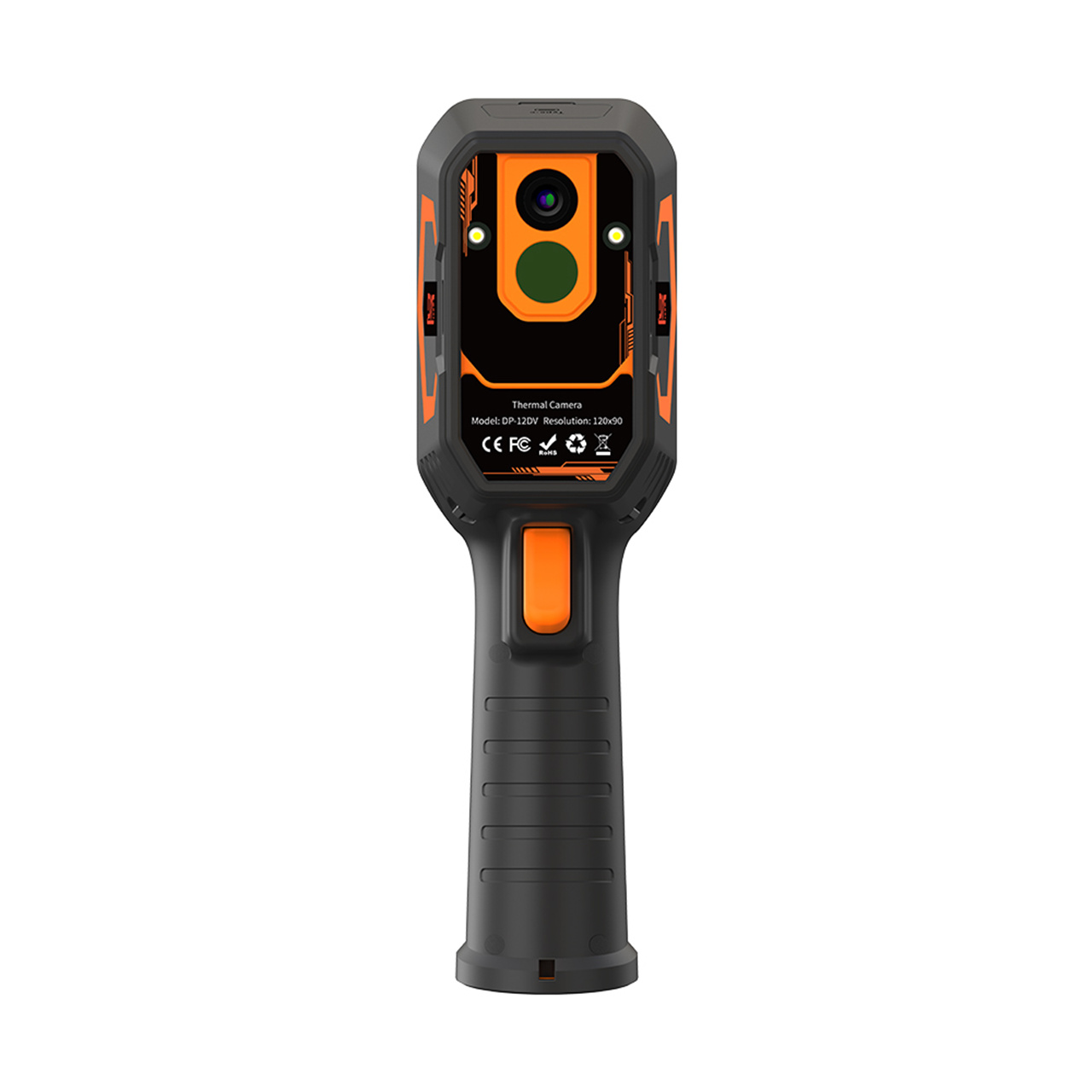
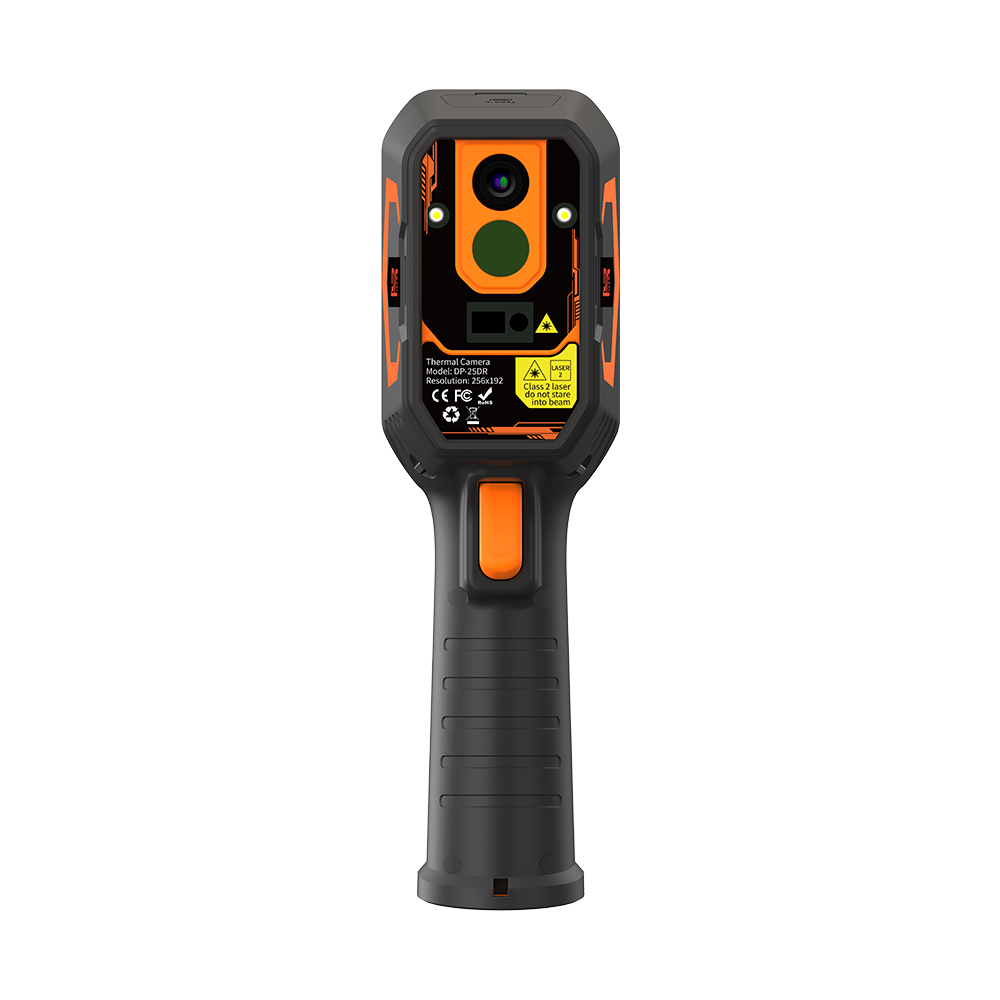
Electrical substations operate 24/7 in all weather conditions. Rain, snow, humidity, and extreme temperatures are constant challenges. A waterproof thermal imager ensures that critical inspections can continue regardless of environmental conditions, preventing maintenance delays that could compromise grid reliability. The IP65, IP66, or IP67 ratings common in industrial-grade thermal cameras provide protection against dust ingress and water jets from any direction, making them ideal for outdoor substation environments.
The global thermal imaging market for electrical infrastructure maintenance has experienced exponential growth, with the substation maintenance segment representing a significant portion of this expansion. According to industry analyses, the market is projected to reach $4.8 billion by 2027, driven by aging electrical infrastructure, increasing energy demand, and stringent safety regulations.
Major utility companies worldwide have adopted thermal imaging as a standard practice in their maintenance programs. In North America alone, over 85% of major utilities now incorporate regular thermal inspections into their preventive maintenance schedules. The European Union's infrastructure directives mandate periodic thermal assessments for critical electrical installations, further driving adoption. Asian markets, particularly China and India, are experiencing rapid growth as they modernize their electrical grids and implement smart grid technologies.
Detect hotspots in transformer windings, bushings, and cooling systems. Early identification of overheating can prevent catastrophic failures costing millions in equipment replacement and downtime. Thermal imaging reveals cooling system inefficiencies, oil leaks, and insulation degradation before visible symptoms appear.
Identify loose connections, contact wear, and overloaded circuits in switchgear assemblies. Thermal anomalies in circuit breakers, disconnect switches, and bus bars indicate developing faults that could lead to arcing, equipment damage, or fire hazards. Regular thermal scanning reduces unplanned outages by up to 70%.
Monitor capacitor bank temperatures to detect failing units before they explode or cause system instability. Thermal imaging reveals unbalanced loads, internal faults, and ventilation problems in capacitor installations, enabling targeted replacement and preventing cascading failures.
Examine bolted connections, compression fittings, and welded joints for signs of resistance heating. Even small temperature increases indicate developing problems that will worsen over time. Waterproof thermal imagers allow inspection during rain or snow when many connection problems become more pronounced.
Detect contamination, moisture ingress, and internal defects in insulators before they cause flashovers. Thermal patterns reveal tracking, corona discharge, and material degradation invisible to visual inspection. This is particularly critical in coastal or industrial areas with high pollution levels.
Identify overheating in cable terminations and joints caused by poor installation, moisture ingress, or material degradation. Underground cable systems benefit from thermal surveys that pinpoint problem areas without extensive excavation, saving both time and money.
A major metropolitan utility in Southeast Asia avoided a potentially catastrophic substation failure through routine thermal imaging inspection. During a quarterly survey using waterproof thermal cameras in heavy rain conditions, technicians identified a 45°C temperature anomaly in a 230kV transformer bushing connection.
Subsequent investigation revealed advanced corrosion in the bolted connection, hidden beneath weather seals and invisible to visual inspection. The connection was operating at only 40% of its designed contact area. Engineers calculated that complete failure would have occurred within 2-3 weeks, potentially causing a transformer explosion and affecting 2.3 million customers.
The repair, conducted during a planned maintenance window, cost $18,000. The estimated cost of the prevented failure: $12 million in equipment replacement, $8 million in emergency response, and $45 million in economic losses from the outage. This single detection justified the utility's entire thermal imaging program investment.

The thermal imaging industry is experiencing rapid technological advancement, with several trends reshaping how substations are maintained and monitored:
Machine learning algorithms now automatically identify anomalies, compare historical data, and predict failure timelines. Advanced systems can distinguish between normal operational variations and genuine fault conditions, reducing false positives by 85% and enabling less experienced technicians to perform expert-level assessments.
Modern thermal imagers upload data directly to cloud platforms for centralized analysis, trend tracking, and fleet-wide comparison. This enables utilities to identify systemic issues affecting multiple substations and optimize maintenance scheduling across their entire network. Real-time alerts notify managers of critical findings immediately.
Unmanned aerial vehicles equipped with waterproof thermal cameras enable inspection of hard-to-reach equipment without requiring specialized access equipment or exposing personnel to high-voltage hazards. Drone inspections reduce survey time by 60% while improving coverage and safety.
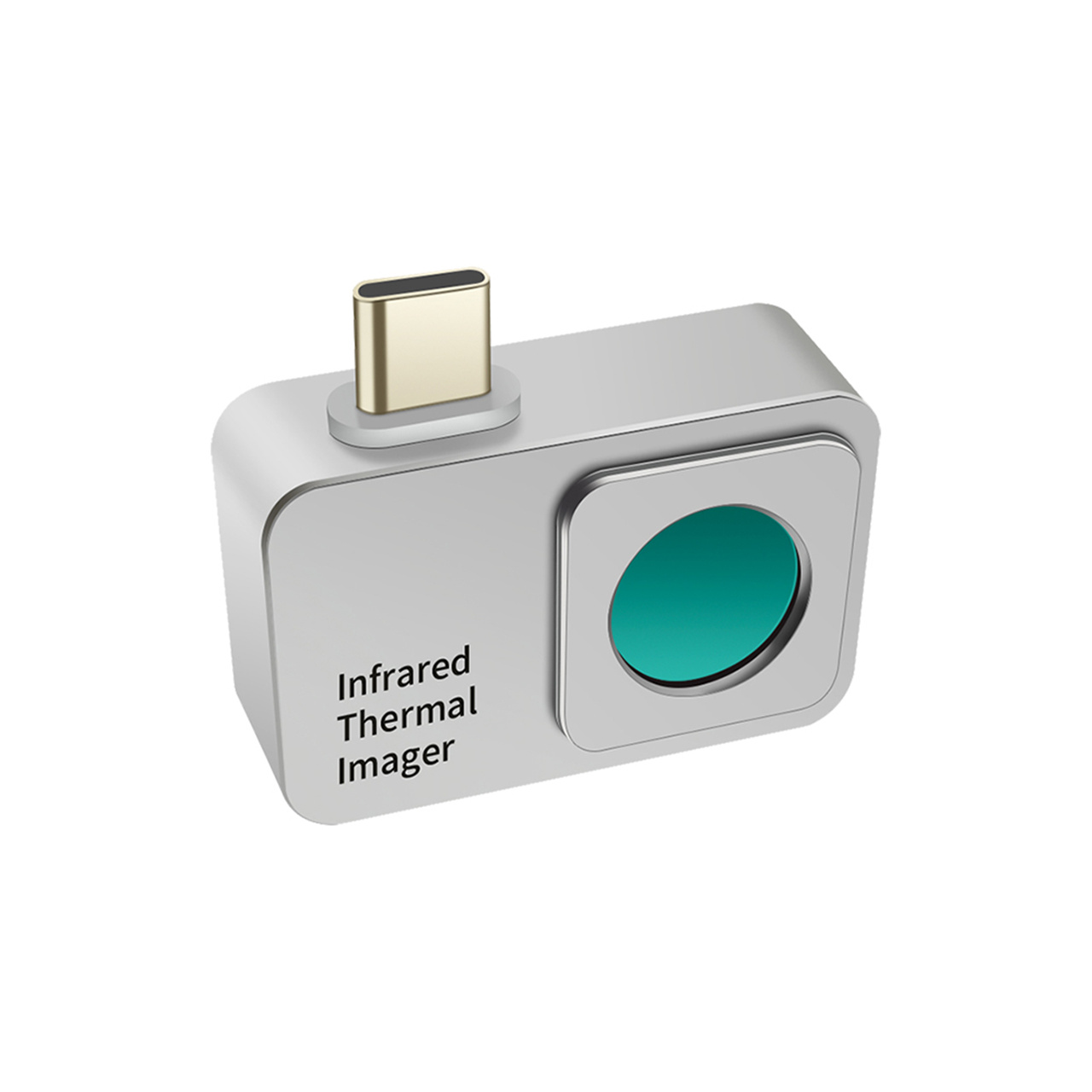
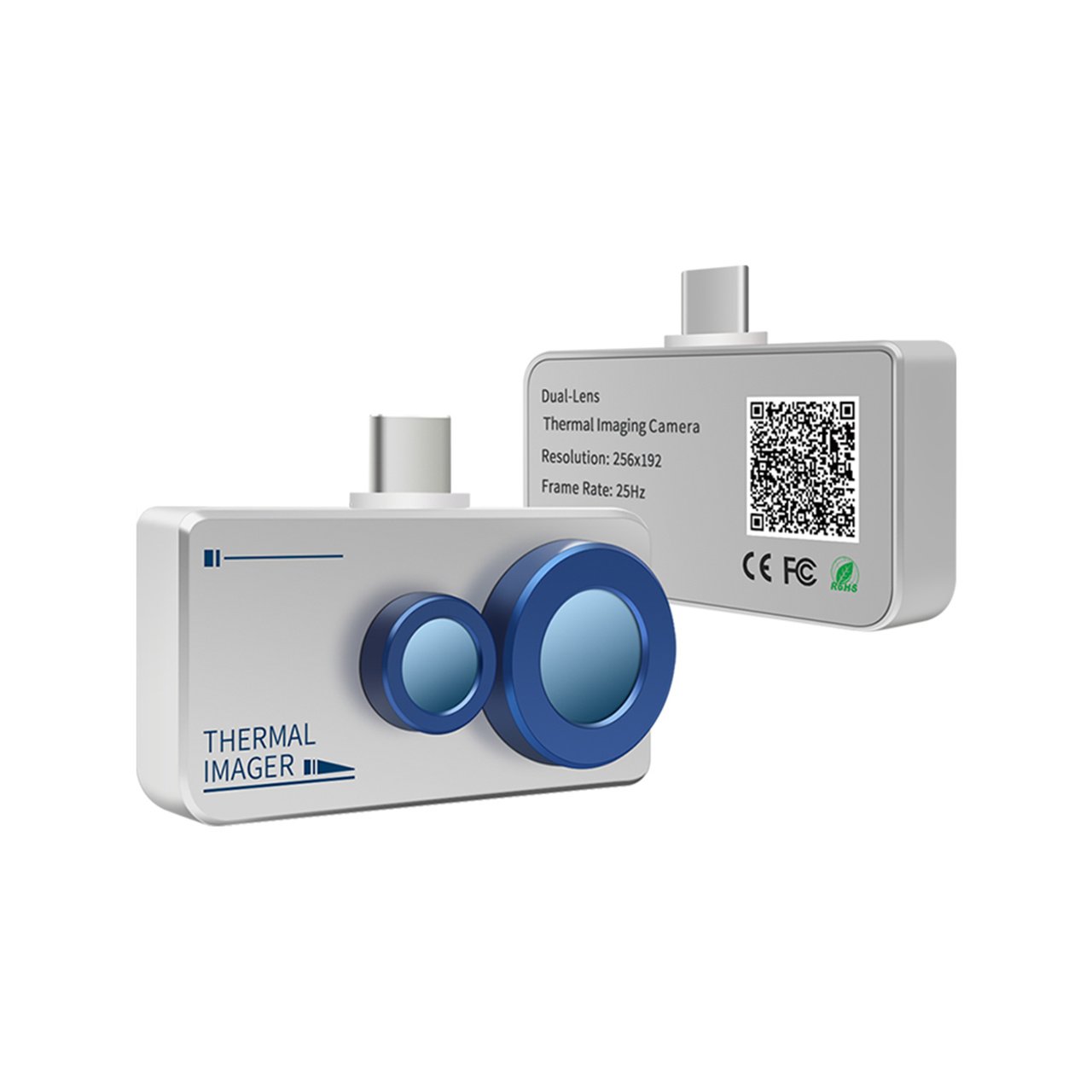
Smartphone-compatible thermal imagers bring professional-grade inspection capability to field technicians at a fraction of traditional camera costs. These devices integrate with maintenance management systems, enabling instant report generation and work order creation from the field.
Next-generation thermal sensors with 640x480 or higher resolution provide unprecedented detail, enabling detection of smaller anomalies at greater distances. This is particularly valuable in large substations where equipment may be 30-50 meters from safe inspection positions.
Fixed thermal cameras with weatherproof housings provide 24/7 monitoring of critical equipment. These systems track temperature trends continuously, alerting operators to gradual degradation that periodic inspections might miss. Integration with SCADA systems enables automated load reduction or equipment switching in response to thermal anomalies.
Leading utilities are developing digital twin models of their substations that integrate thermal imaging data with electrical load information, weather conditions, equipment age, and maintenance history. These sophisticated models predict equipment failures with 90%+ accuracy, optimize maintenance schedules, and simulate the impact of different operating scenarios. This represents the ultimate evolution of thermal imaging from a diagnostic tool to a core component of intelligent grid management.
Contemporary thermal imagers utilize uncooled microbolometer sensors with thermal sensitivity (NETD) as low as 40mK, enabling detection of temperature differences as small as 0.04°C. This extraordinary sensitivity reveals subtle anomalies that previous-generation equipment would miss entirely.
Wide temperature measurement ranges (-40°C to +1200°C) accommodate everything from ambient monitoring to arc flash detection. Multiple measurement modes including spot, area, and line temperature profiling provide comprehensive analysis capabilities. Automatic emissivity correction ensures accurate readings across different materials and surface conditions.
Industrial-grade waterproof thermal imagers withstand drops from 2 meters, operate in temperatures from -20°C to +50°C, and maintain full functionality in 95% humidity. Sealed optics prevent moisture condensation that would degrade image quality. Rubberized housings provide secure grip even with gloved hands.
IP67-rated models can withstand temporary submersion, while IP66 ratings protect against powerful water jets from any direction. This durability ensures reliable operation in the harsh conditions typical of outdoor substations, from tropical monsoons to arctic winters.

We provide professional consultation to help you choose the optimal thermal imaging solution based on your application, budget, and technical requirements. Our engineering team can recommend suitable sensors, lenses, temperature ranges, and interface options.
We support full customization, including: Housing & industrial design, PCB and hardware customization, Firmware / APP / PC software development, Branding, packaging, and UI customization, Specialized algorithms (temperature analysis, AI/ML, etc.). Our R&D team works closely with you from concept to mass production.
We offer detailed datasheets, SDK/API, integration guidelines, and sample testing reports to ensure clear understanding before purchase.
Evaluation samples are available for testing and validation. We provide quick dispatch and technical support during your trial phase.
Each project is assigned a dedicated project manager and engineer to ensure smooth communication, timely updates, and technical alignment.
We implement strict QC standards, including incoming testing, calibration, NUC tests, aging tests, and final inspections. All units follow ISO-based production workflows.
We support small-batch pilot runs, medium-volume scaling, and mass production with stable lead times and cost-effective solutions.
Production progress, inspection reports, and shipping timelines are shared with customers to ensure full transparency.

Our engineering team provides prompt technical support for integration, SDK usage, firmware configuration, and product debugging.
All products come with a standard warranty. We offer: Free repair or replacement for manufacturing defects, Paid maintenance for out-of-warranty products, Fast turnaround for urgent cases.
We regularly release firmware updates, bug fixes, and feature improvements to enhance product performance and stability.
We commit to stable supply, component lifecycle management, and long-term product support to ensure your business continuity.
Implementing a comprehensive thermal imaging program for substation maintenance delivers measurable economic benefits that typically justify the investment within 12-18 months. The financial advantages extend across multiple dimensions:
Early detection extends equipment life by 20-30% by enabling timely intervention before minor issues cause major damage. A single prevented transformer failure can save $2-8 million in replacement costs alone.
Unplanned outages cost utilities an average of $150,000-$500,000 per hour in direct costs and penalties. Thermal imaging programs reduce unplanned outages by 60-75%, delivering millions in annual savings for medium-sized utilities.
Thermal surveys identify problems quickly, reducing investigation time by 70%. Maintenance crews can prioritize work based on severity, optimizing resource allocation and reducing overtime costs.
Investment: Professional waterproof thermal imager: $8,000-$25,000 | Training and procedure development: $5,000-$10,000 | Annual program operation: $15,000-$30,000
Annual Benefits: Prevented equipment failures: $500,000-$2,000,000 | Reduced outage costs: $300,000-$1,500,000 | Optimized maintenance efficiency: $100,000-$300,000 | Extended equipment life: $200,000-$500,000
Net Annual Benefit: $1,100,000-$4,300,000 | Payback Period: 3-12 months
Successful thermal imaging programs require more than just purchasing equipment. Leading utilities follow these best practices:
Develop detailed inspection protocols specifying equipment to be surveyed, optimal inspection conditions (load levels, weather), measurement points, and acceptance criteria. Standardization ensures consistent results across different technicians and time periods.
Invest in Level I and Level II thermography certification for inspection personnel. Understanding thermal imaging principles, emissivity effects, reflection sources, and atmospheric attenuation is essential for accurate interpretation.
Establish thermal baselines for all equipment during normal operation. Future surveys compare against these baselines to identify changes, making anomaly detection more reliable and reducing false positives.
Conduct comprehensive surveys quarterly for critical equipment and annually for secondary equipment. Increase frequency during high-load periods (summer/winter peaks) when equipment stress is greatest.
Implement thermal imaging management software that stores images, tracks trends, generates reports, and integrates with maintenance management systems. Proper data management enables trend analysis and predictive maintenance.
Establish temperature rise criteria that trigger different response levels: Monitor (minor elevation), Schedule Repair (moderate concern), Urgent Repair (significant risk), Emergency (immediate threat). Clear thresholds enable consistent decision-making.