Leave Your Message
Japan's thermal imaging industry has experienced remarkable growth over the past decade, driven by the nation's commitment to technological innovation, industrial automation, and disaster preparedness. The waterproof thermal imager segment has become particularly crucial in Japan's unique environmental and industrial landscape, where high humidity, frequent rainfall, and coastal operations demand robust, weather-resistant equipment.
The Japanese thermal imaging market is valued at over $450 million annually, with waterproof models accounting for approximately 35% of total sales. This significant share reflects Japan's geographic and climatic realities—surrounded by ocean, experiencing seasonal typhoons, and maintaining extensive maritime industries. Major industrial hubs in Tokyo, Osaka, Nagoya, and Fukuoka have integrated waterproof thermal imagers across multiple sectors.
In manufacturing, Japanese companies like those in the automotive sector (Toyota, Honda, Nissan) and electronics manufacturing (Sony, Panasonic, Hitachi) utilize waterproof thermal imagers for quality control in humid production environments. These devices enable non-contact temperature measurement during paint curing processes, electronics assembly in clean rooms with controlled humidity, and outdoor equipment testing under various weather conditions.
Japan's extensive coastline and maritime economy make waterproof thermal imagers essential for shipbuilding, port operations, and marine research. Companies in Yokohama, Kobe, and Nagasaki shipyards employ these devices for hull inspection, engine room monitoring, and safety surveillance in all weather conditions.
Japan's aging infrastructure requires constant monitoring and maintenance. Waterproof thermal imagers have become indispensable tools for:
Given Japan's vulnerability to natural disasters—earthquakes, tsunamis, typhoons, and volcanic activity—waterproof thermal imagers play a critical role in emergency response. Fire departments in major cities maintain fleets of waterproof thermal cameras for search and rescue operations in flooded areas, smoke-filled environments, and during severe weather events. The Japan Meteorological Agency and disaster response teams utilize these devices for volcanic monitoring, earthquake damage assessment, and locating survivors in collapsed structures.
Japanese agriculture, known for its precision and technology integration, has adopted waterproof thermal imaging for:
Several key trends are shaping the waterproof thermal imager market in Japan:
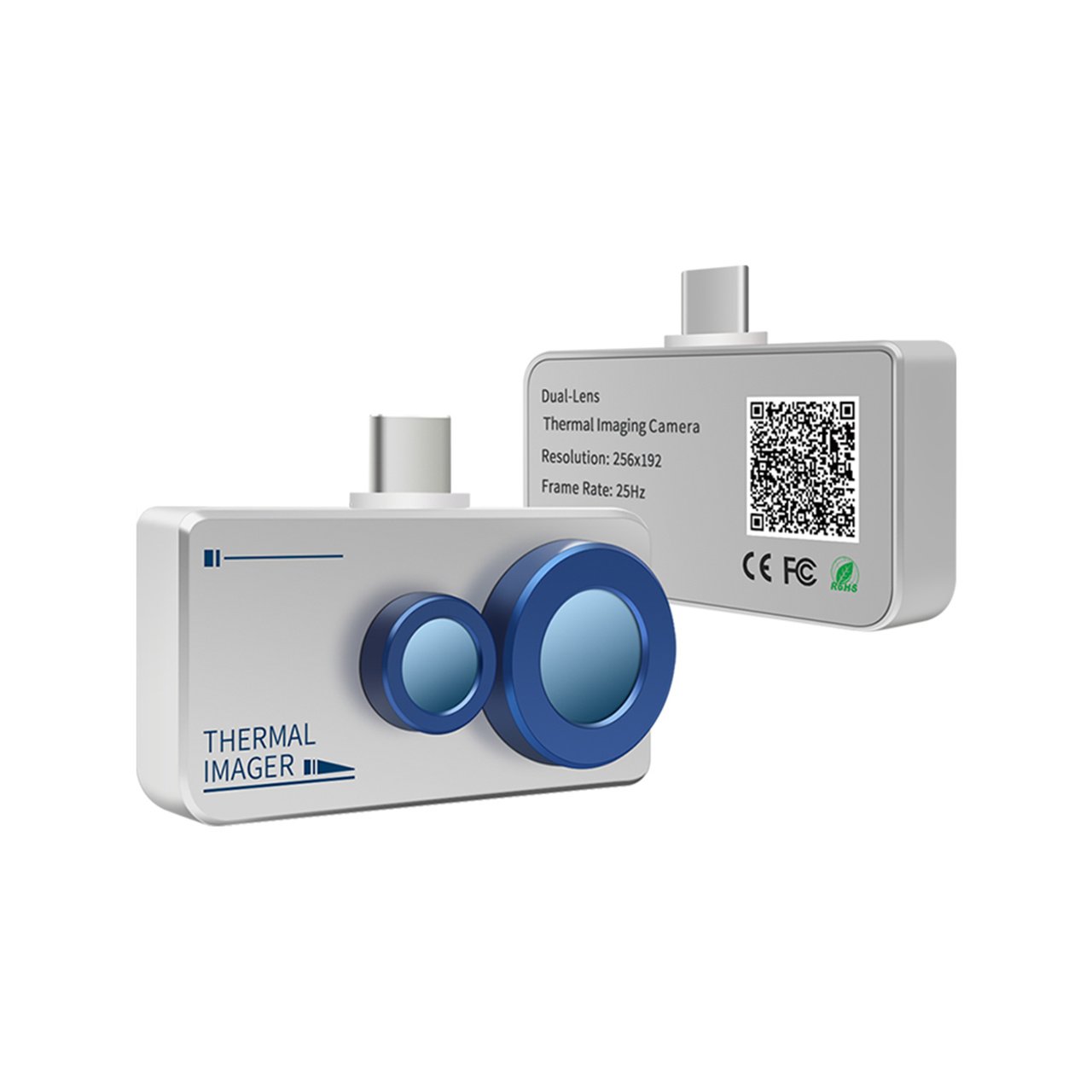
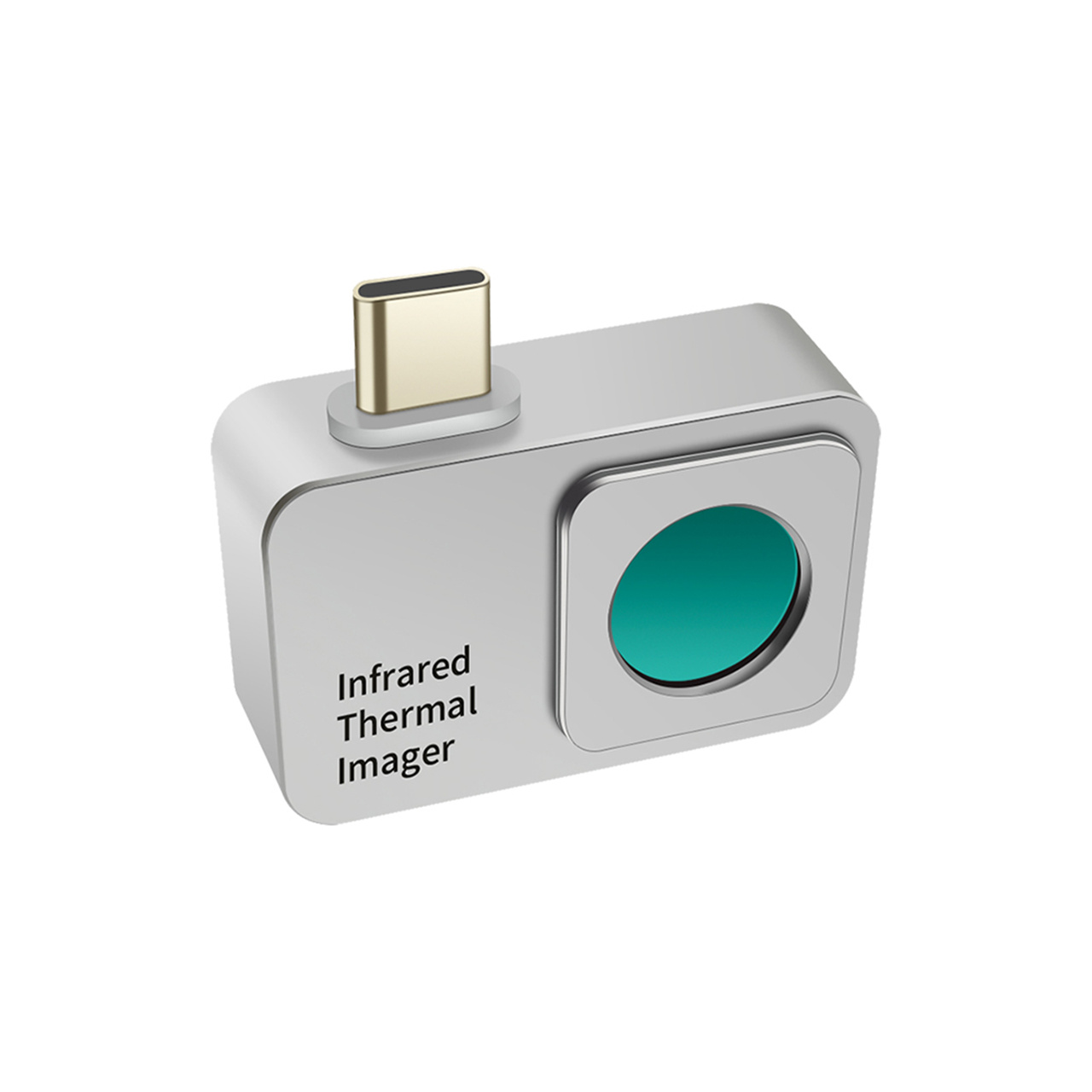
1. Miniaturization and Integration: Japanese manufacturers are leading the development of compact, smartphone-compatible thermal imaging modules that maintain waterproof ratings (IP67/IP68). This trend aligns with Japan's preference for portable, multifunctional devices.
2. AI and Machine Learning Integration: Advanced thermal imagers now incorporate AI algorithms for automated defect detection, predictive maintenance, and pattern recognition. Japanese companies are at the forefront of developing these intelligent systems, particularly for industrial automation applications.
3. Higher Resolution and Sensitivity: The market is shifting toward higher resolution sensors (640×480 and above) with improved thermal sensitivity (NETD
4. IoT Connectivity: Waterproof thermal imagers are increasingly equipped with wireless connectivity (Wi-Fi, Bluetooth, 5G) for real-time data transmission, cloud storage, and remote monitoring—critical for Japan's smart city initiatives and Industry 4.0 implementations.
5. Extended Battery Life and Durability: Manufacturers are developing devices with longer operational times and enhanced durability to withstand Japan's challenging environmental conditions, from sub-zero temperatures in Hokkaido to high humidity in Okinawa.
Japan maintains strict quality and safety standards for thermal imaging equipment. Waterproof thermal imagers must comply with:
The Japanese market exhibits distinct characteristics:
The waterproof thermal imager market in Japan is projected to grow at a CAGR of 8.5% through 2030, driven by:
The Tokyo Metro system, one of the world's busiest, employs waterproof thermal imagers for tunnel inspection, electrical system monitoring, and passenger safety surveillance. These devices must operate reliably in humid underground environments while providing accurate thermal data for predictive maintenance programs that prevent service disruptions.
The Japanese market features a mix of domestic and international suppliers. While global brands like FLIR (now Teledyne FLIR) and Fluke maintain strong positions, Japanese companies such as NEC, Mitsubishi, and specialized thermal imaging manufacturers are developing localized solutions optimized for Japanese applications. The market increasingly values suppliers who can provide comprehensive support, including Japanese-language documentation, local service centers, and customization capabilities.
Japan's emphasis on supply chain resilience, heightened after recent global disruptions, has led buyers to prefer suppliers with:

We provide professional consultation to help you choose the optimal thermal imaging solution based on your application, budget, and technical requirements. Our engineering team can recommend suitable sensors, lenses, temperature ranges, and interface options tailored to Japanese market needs.
We support full customization, including housing & industrial design, PCB and hardware customization, firmware/APP/PC software development, branding, packaging, and UI customization. Our R&D team works closely with you from concept to mass production, ensuring compliance with Japanese standards.
We offer detailed datasheets, SDK/API, integration guidelines, and sample testing reports to ensure clear understanding before purchase. Japanese-language documentation available upon request.
Evaluation samples are available for testing and validation. We provide quick dispatch and technical support during your trial phase, with special consideration for Japanese testing requirements and environmental conditions.

Each project is assigned a dedicated project manager and engineer to ensure smooth communication, timely updates, and technical alignment. We understand the importance of precision and punctuality in Japanese business culture.
We implement strict QC standards, including incoming testing, calibration, NUC tests, aging tests, and final inspections. All units follow ISO-based production workflows that meet or exceed Japanese quality expectations.
We support small-batch pilot runs, medium-volume scaling, and mass production with stable lead times and cost-effective solutions. Our manufacturing flexibility accommodates the varying needs of Japanese enterprises.
Production progress, inspection reports, and shipping timelines are shared with customers to ensure full transparency. We provide detailed documentation at every stage for complete traceability.

Our engineering team provides prompt technical support for integration, SDK usage, firmware configuration, and product debugging. Support available in English with Japanese language assistance for major clients.
All products come with a standard warranty. We offer free repair or replacement for manufacturing defects, paid maintenance for out-of-warranty products, and fast turnaround for urgent cases—critical for Japanese business continuity requirements.
We regularly release firmware updates, bug fixes, and feature improvements to enhance product performance and stability. Updates are tested for compatibility with Japanese market requirements.
We commit to stable supply, component lifecycle management, and long-term product support to ensure your business continuity. We understand the Japanese business philosophy of long-term relationships and mutual growth.