Leave Your Message
Explore our most popular waterproof thermal imaging cameras — engineered for reliability in harsh American industrial and field environments.
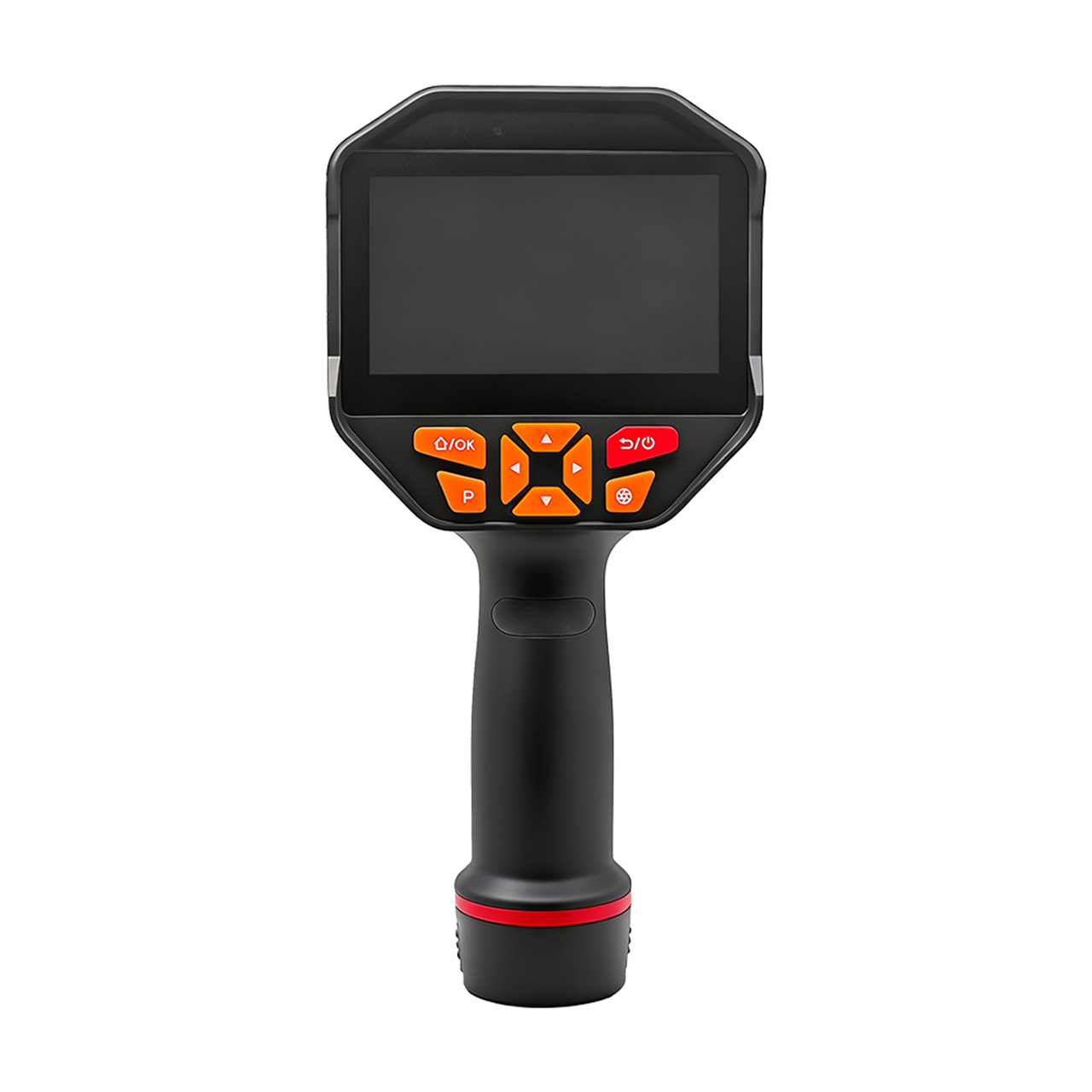
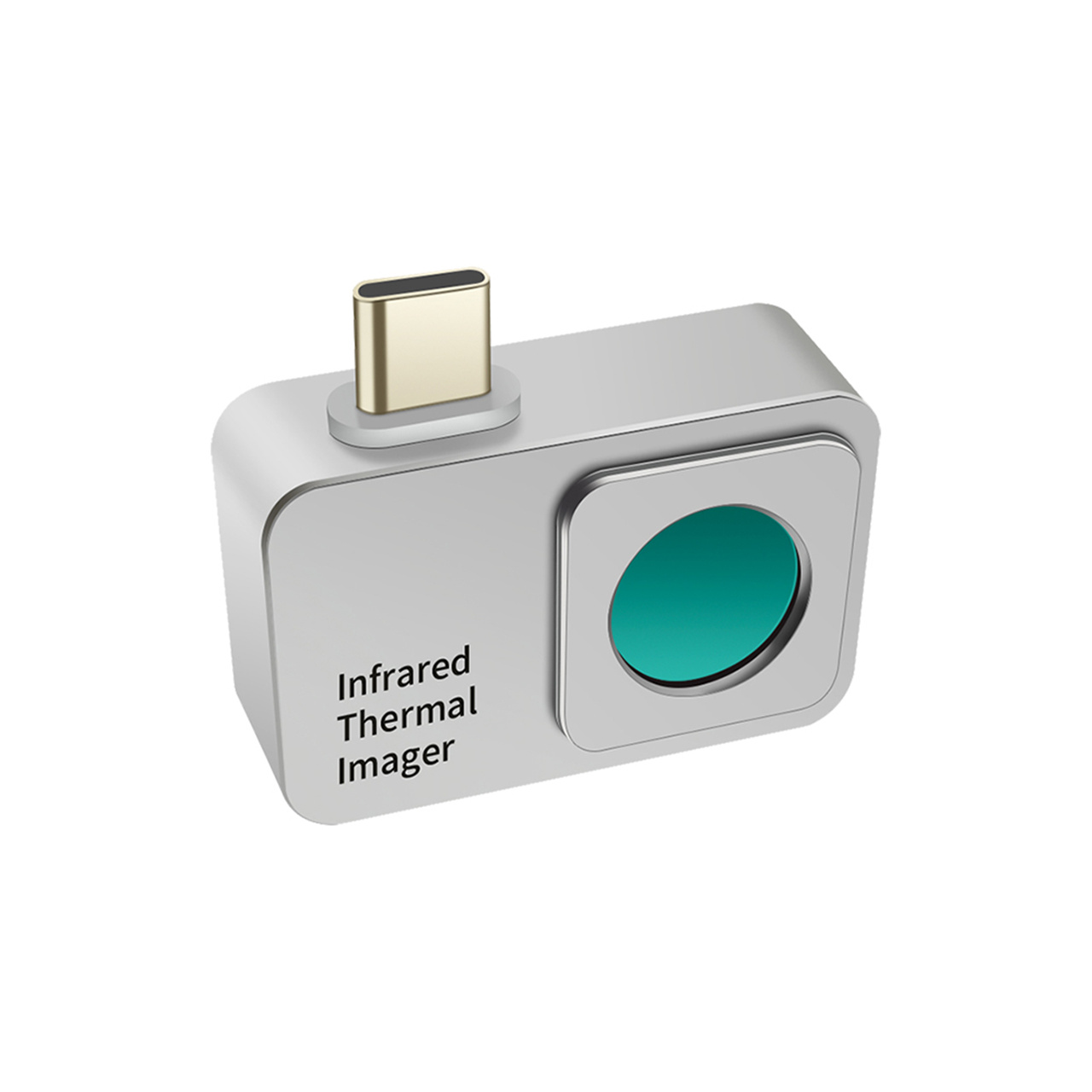
The U.S. thermal imaging market is one of the largest and fastest-growing globally, driven by expanding industrial infrastructure, strict safety regulations, and the rise of predictive maintenance programs.
From the oil fields of Texas to the electrical grids of California and the construction sites of New York, waterproof thermal imagers play a critical role in keeping American industries safe and efficient.
U.S. utility companies rely on waterproof thermal imagers to detect overheating transformers, faulty switchgear, and insulation failures — especially in outdoor substations exposed to rain and humidity across states like Florida, Louisiana, and the Pacific Northwest.
With ASHRAE standards and state energy codes tightening across California, New York, and Massachusetts, thermal imaging is now standard practice for detecting insulation gaps, moisture intrusion, and HVAC inefficiencies in commercial and residential buildings.
Fire departments across major U.S. cities including Los Angeles, Chicago, and Houston deploy waterproof thermal cameras for search-and-rescue operations, hotspot detection, and navigating smoke-filled environments where IP-rated durability is non-negotiable.
Manufacturing plants in the Midwest and Southeast use thermal imagers to implement predictive maintenance programs, identifying motor overheating, bearing failures, and steam trap issues before costly shutdowns occur — delivering measurable ROI.
In Texas, North Dakota, and Alaska, thermal imagers are essential for pipeline integrity checks, tank level monitoring, and flare stack analysis. Waterproof ratings ensure reliable operation in offshore platforms and extreme weather conditions.
The booming U.S. solar industry — particularly in Arizona, Nevada, and Texas — uses thermal imaging to identify underperforming panels, hot cells, and connection faults across vast utility-scale installations, often in high-heat, dusty, or wet conditions.
The American thermal imaging landscape is evolving rapidly. Here are the defining trends shaping procurement and deployment decisions for U.S. buyers in 2024–2025.
U.S. enterprises are integrating AI-driven anomaly detection into thermal imaging workflows, enabling automated fault classification and real-time alerts without manual review — dramatically reducing inspection labor costs.
Compact smartphone-attachable thermal imagers are gaining rapid adoption among U.S. electricians, HVAC technicians, and home inspectors who need portable, affordable solutions that connect directly to iOS and Android devices.
FAA-compliant drone thermal inspection programs are expanding across the U.S. for power line surveys, roof inspections, and wildfire monitoring — creating strong demand for lightweight, weatherproof thermal camera modules.
Buyers in U.S. industries increasingly specify IP54, IP65, or IP67 ratings as minimum requirements, driven by OSHA safety standards and deployment in outdoor, marine, and chemical plant environments where moisture resistance is critical.
Federal agencies including the U.S. Army Corps of Engineers, FEMA, and the Department of Energy are significantly increasing thermal imaging procurement for infrastructure assessment, disaster response, and energy efficiency programs.
As the U.S. EV market accelerates, thermal imagers are becoming standard tools for monitoring battery packs, charging station components, and high-voltage systems — a rapidly emerging vertical with strong growth projections through 2030.
Competitive OEM/ODM pricing for U.S. distributors, system integrators, and enterprise buyers. All prices are indicative FOB Shenzhen; contact us for CIF USA port quotations and volume discounts.
| Model | Resolution | Key Feature | Typical U.S. Application | MOQ (Units) | Est. Price Range (USD) |
|---|---|---|---|---|---|
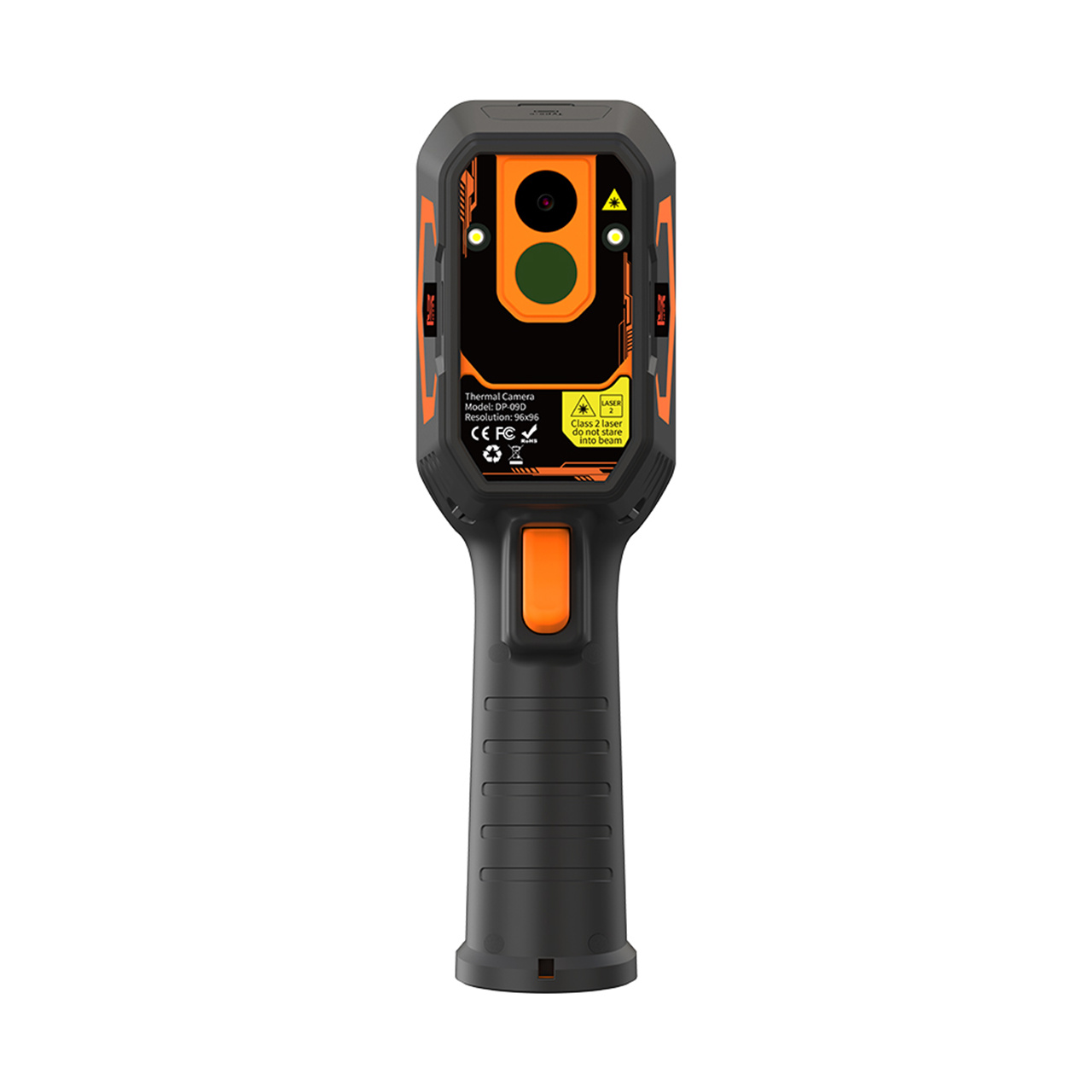
| DP-09D | 96×96 | Compact Industrial Infrared | HVAC, Electrical Panels | 50 | $180 – $260 |
| H2FB | 256×192 | Smartphone-Attachable, Compact | Home Inspection, Field Service | 50 | $220 – $340 |
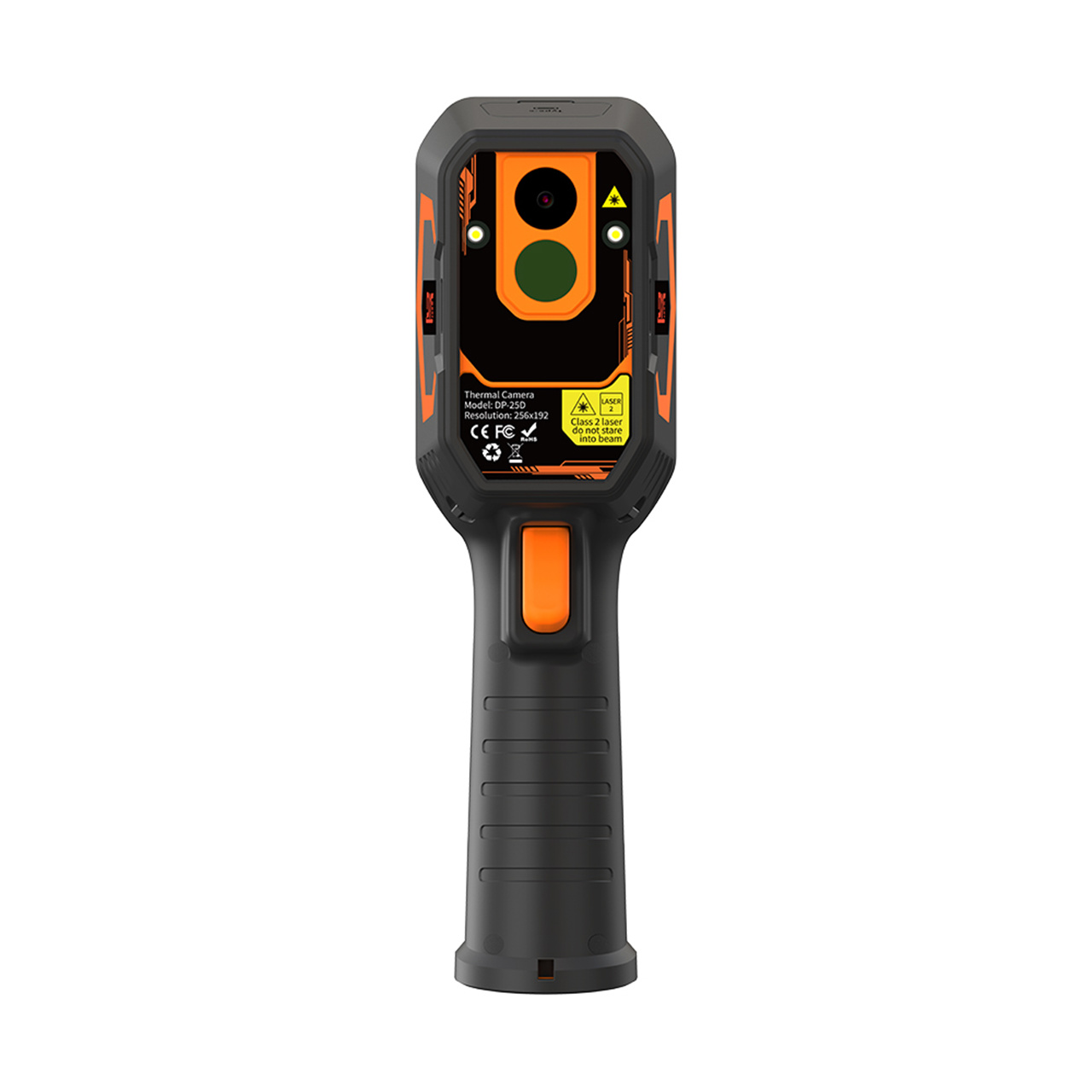
| DP-25D | 256×192 | -20°C to 550°C Range | Industrial Maintenance, Energy Audit | 30 | $320 – $480 |
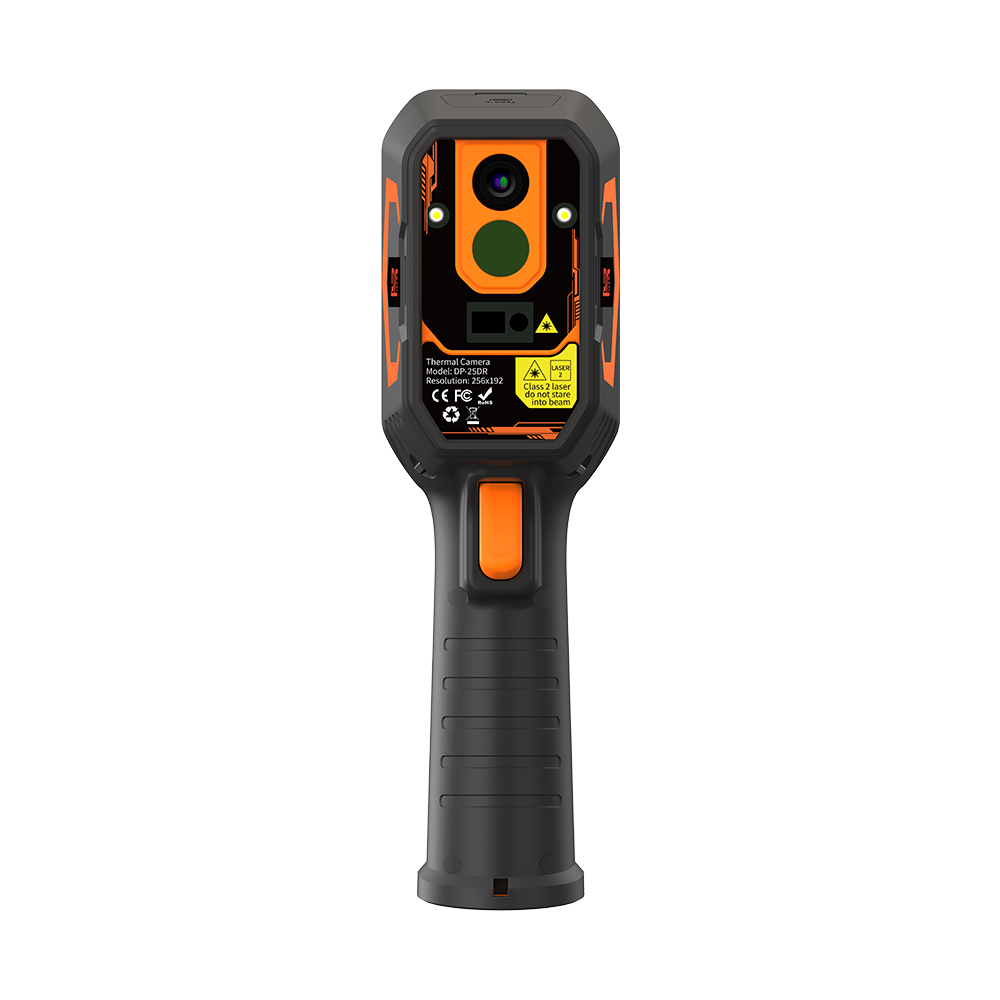
| DP-25DR | 256×192 | Dual-Light + Laser Measurement | Electrical Inspection, Oil & Gas | 30 | $380 – $560 |
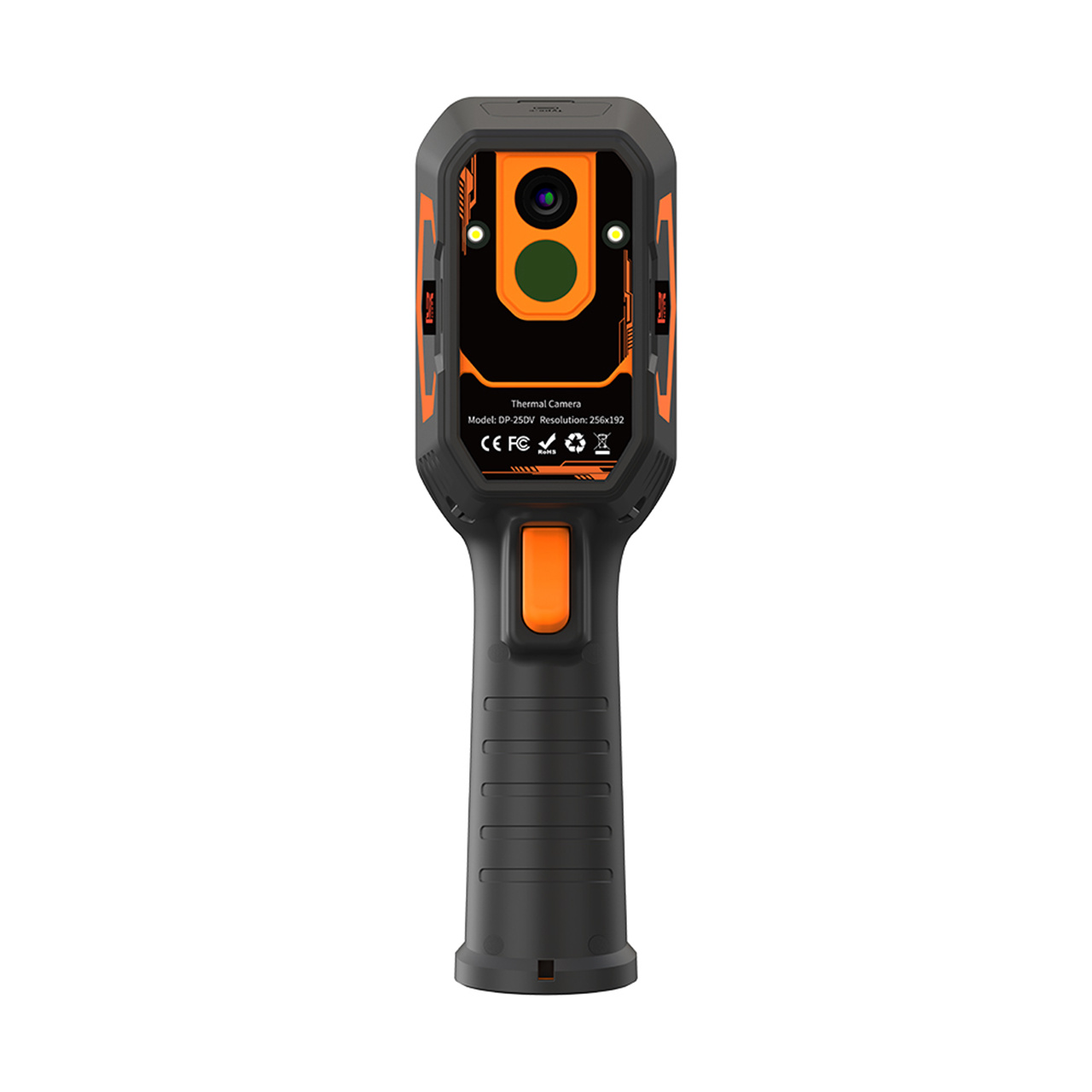
| DP-25DV | 256×192 | Efficient Inspection Grade | Building Diagnostics, Solar Farms | 30 | $360 – $520 |
| DP-38D | High Resolution | Professional Handheld | Firefighting, Industrial Plants | 20 | $480 – $720 |
| DP-64D | 640×512 | Professional Industrial Grade | Utility Inspection, Defense, R&D | 10 | $980 – $1,600 |
| Custom OEM/ODM | Customizable | Full Branding & Certification | All U.S. Verticals | 100 | Request Quote |
Across American worksites — from Pacific Northwest rain forests to Gulf Coast refineries and Midwest manufacturing floors — thermal imagers face constant exposure to moisture, dust, and chemical splashes. Our IP54–IP67 rated waterproof thermal cameras are engineered to perform reliably in these exact conditions, protecting your investment and ensuring uninterrupted inspections regardless of weather or environment.
Request Waterproof Spec SheetShenzhen Dianyang Technology Co., Ltd. is a subsidiary of VHD (Shenzhen VHD Technology Co., Ltd.), a publicly listed company on the Shenzhen Stock Exchange. This strategic affiliation gives Dianyang unique access to VHD's advanced R&D platforms, high-precision manufacturing systems, and rigorous quality management practices — enabling us to deliver thermal imaging products of higher reliability and consistency than typical ODMs.
We specialize in ODM/OEM services for infrared thermal imaging solutions, including handheld thermal imagers, smartphone-connected thermal cameras, thermal analyzers, and thermal imaging telescopes. Our products serve global customers — including a growing base of U.S. distributors and enterprise clients — in power inspection, building diagnostics, firefighting, industrial maintenance, and outdoor applications.
Our structured NPI process typically delivers certified prototypes within 8–12 weeks. Combined with stable supply chain support and group-level technical resources, we ensure on-time delivery and long-term product reliability for our American partners.
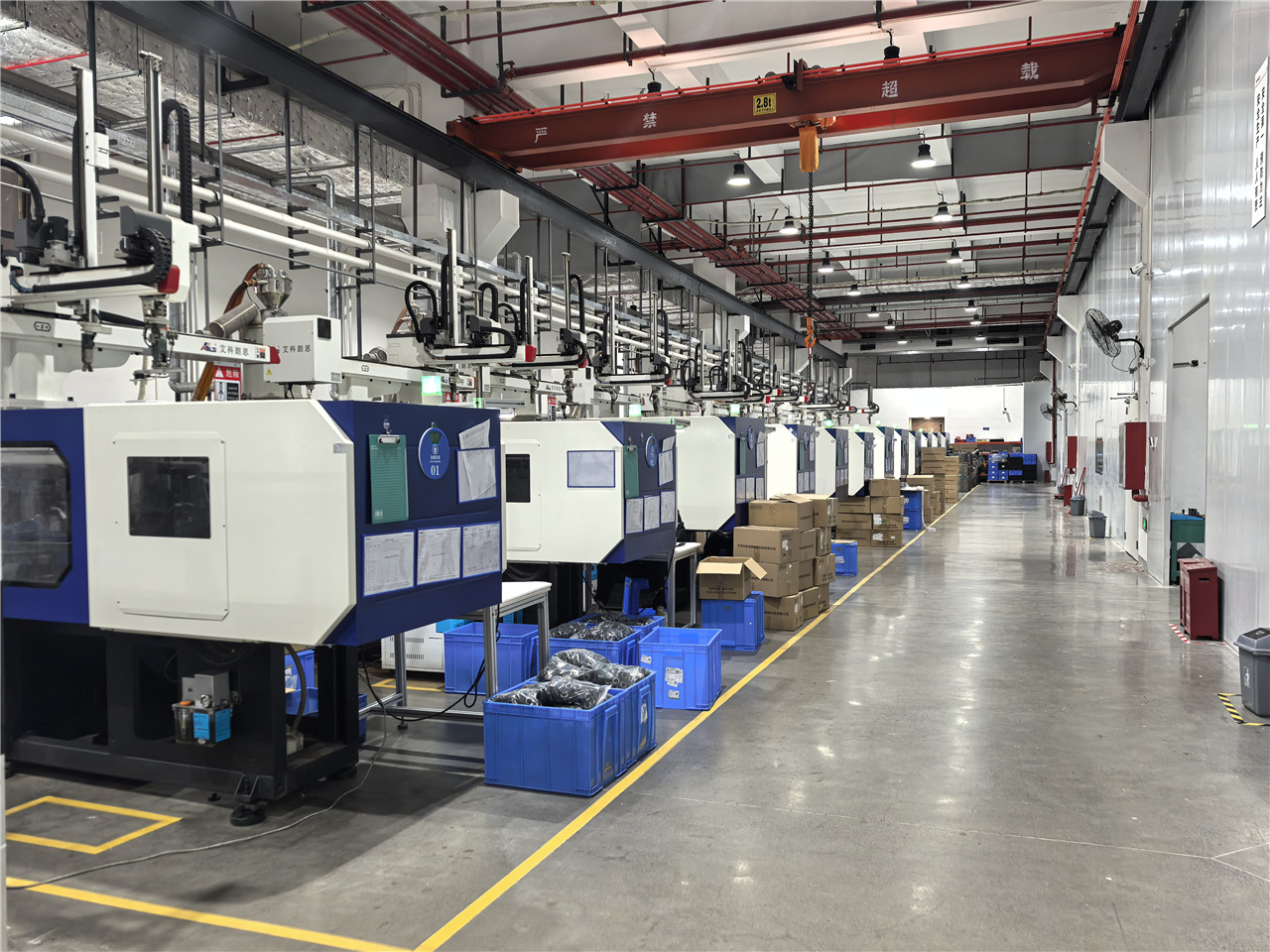
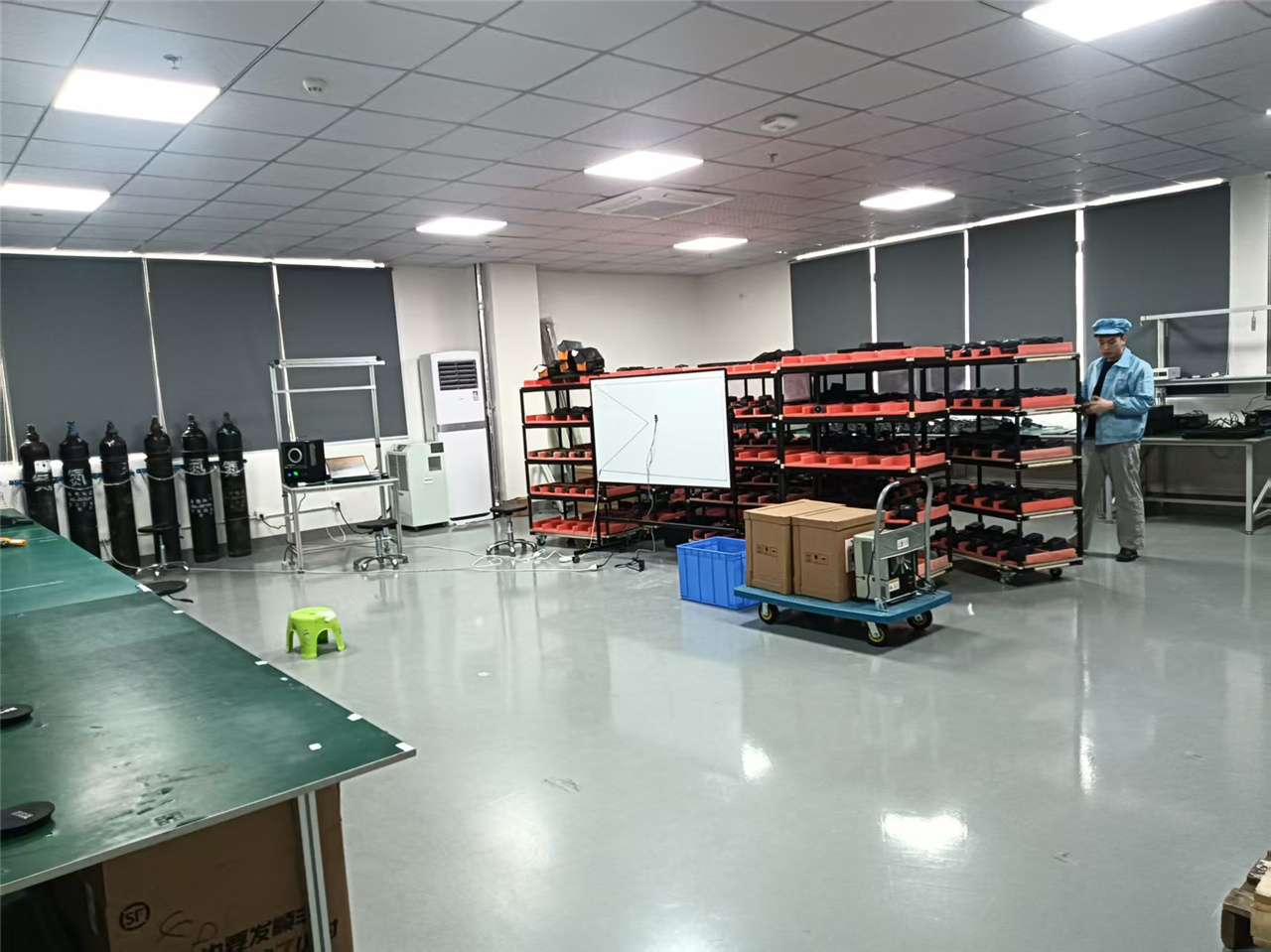
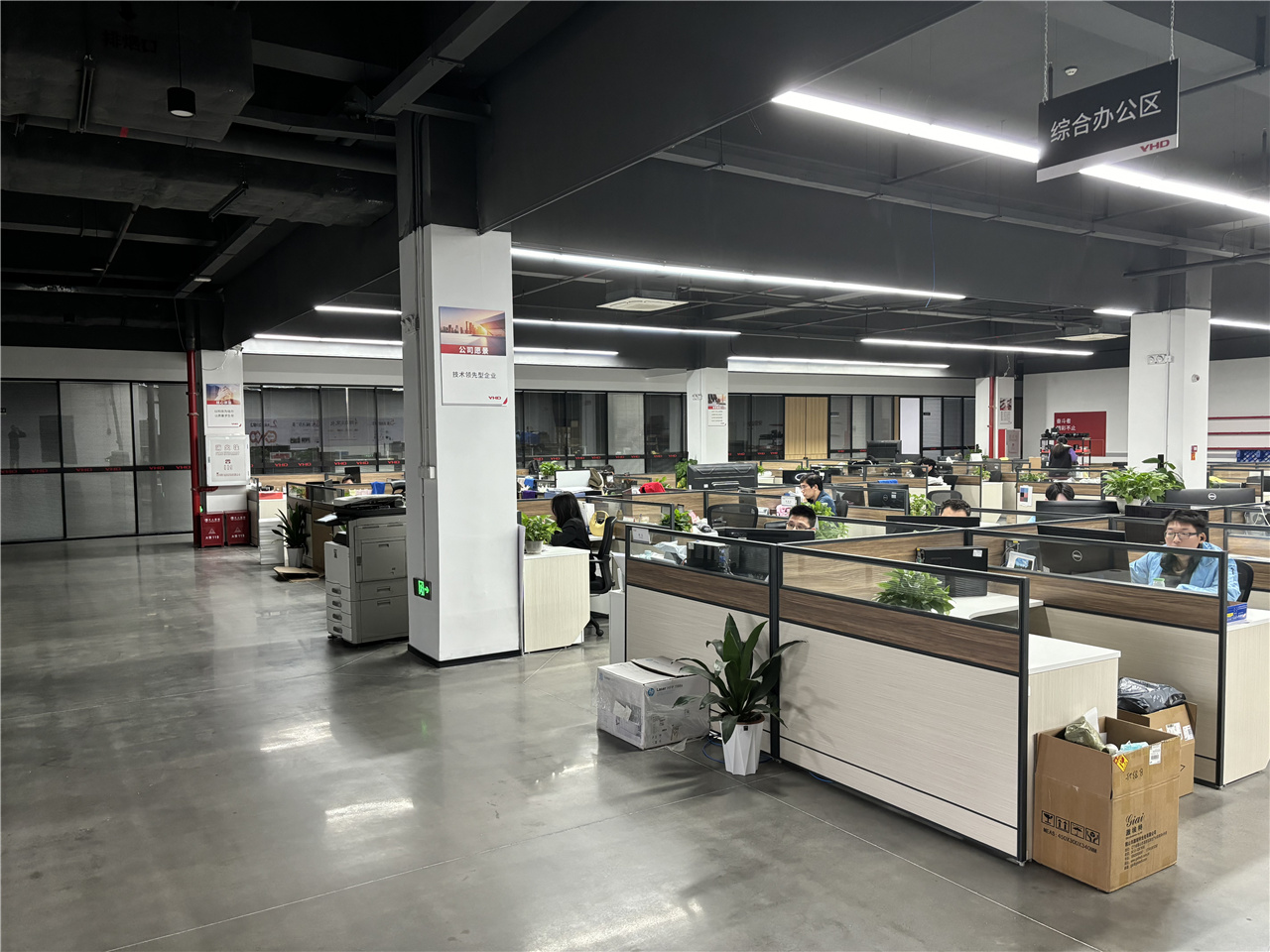
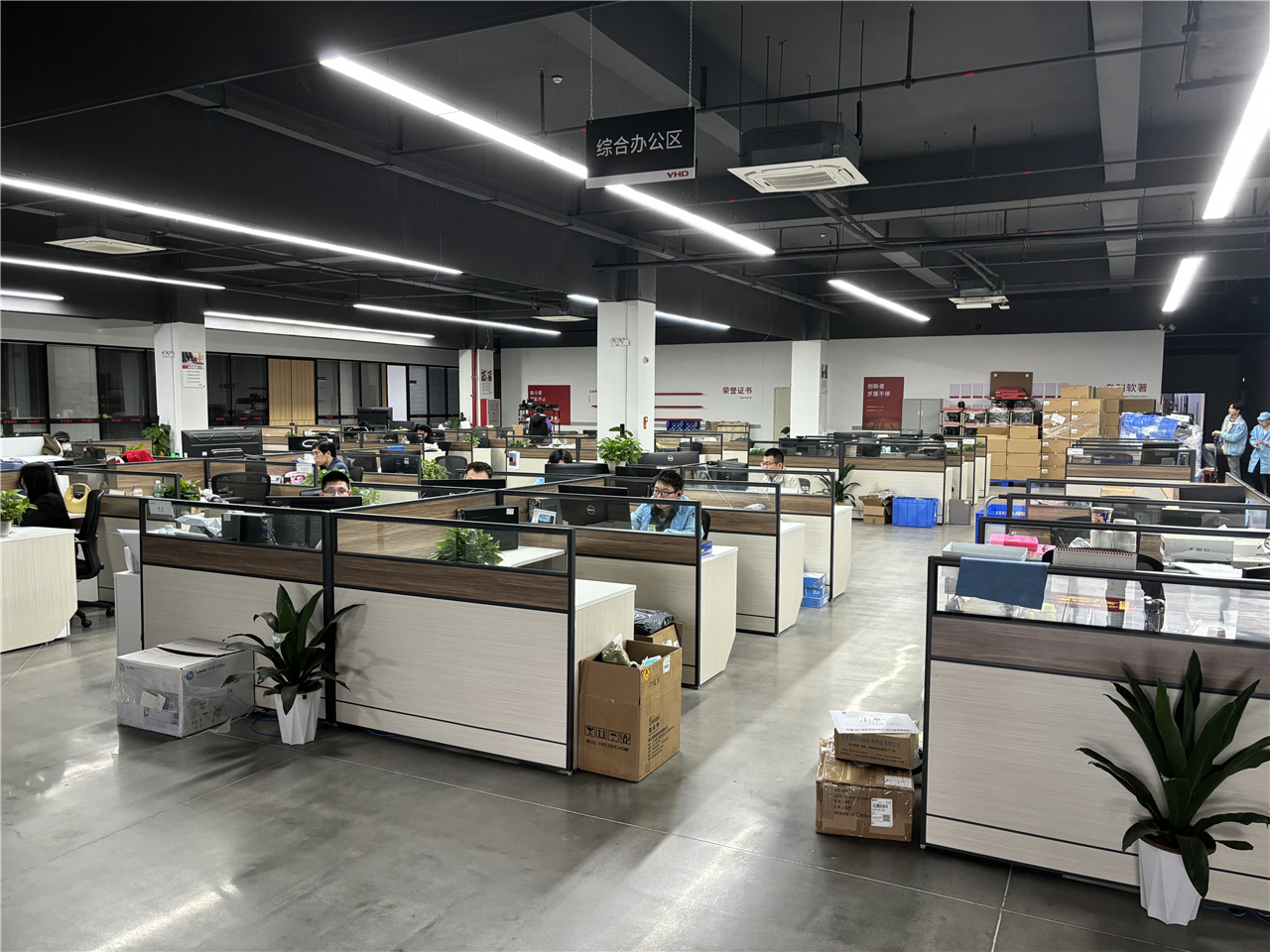
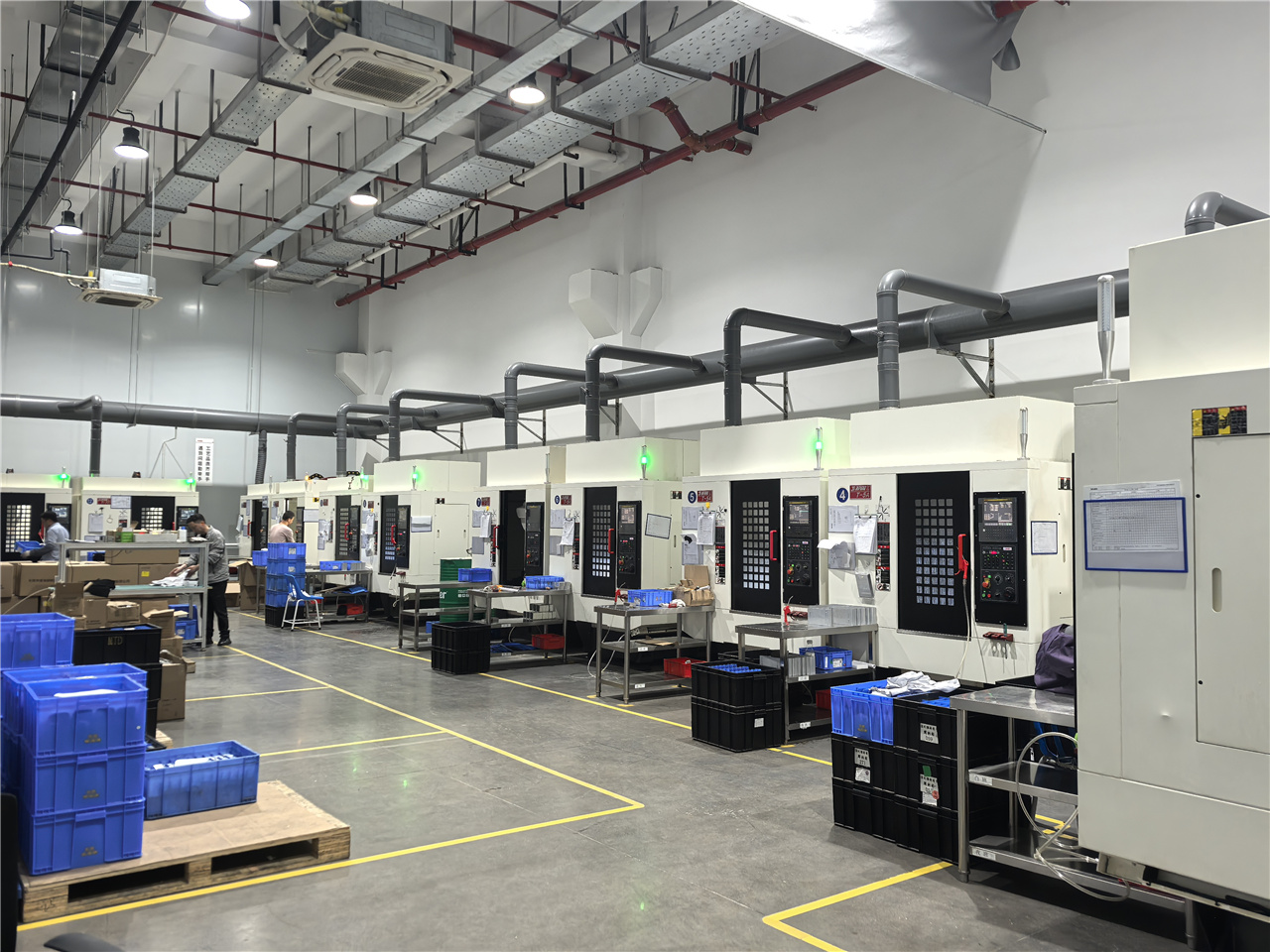
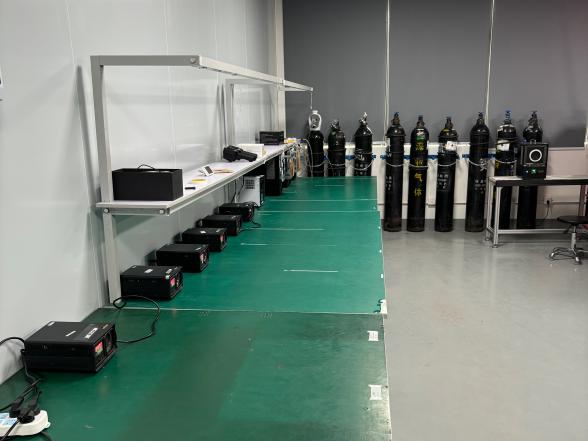
We support our U.S. partners in obtaining all required certifications for market entry and compliance. Our engineering team handles DFM, DFT, thermal simulation, and EMC pre-compliance analysis to accelerate your product launch.
Our structured New Product Introduction (NPI) process — combining DFM, DFT, thermal simulation, and EMC pre-compliance — ensures your custom thermal imager reaches the U.S. market on schedule and fully certified.
Requirements & Specification
DFM / DFT Design Review
Thermal Simulation & EMC Pre-Compliance
Prototype Build & Testing
Certification (FCC, CE, etc.)
Mass Production & Delivery
Browse our full range of FCC-compliant, waterproof-rated infrared thermal imaging cameras — available for OEM/ODM customization with your brand for the U.S. market.