Leave Your Message
Designed for fast evaluation, precision testing, and high-frequency deployment in Japanese mobility laboratories, electronic benches, and in-vehicle sensor networks.
The automotive industry in Japan stands at the apex of technological sophistication, global standard-setting, and rigorous safety discipline. Driven by pioneering initiatives from the Ministry of Land, Infrastructure, Transport and Tourism (MLIT) and key consortiums of Japanese automotive manufacturers, the shift toward Advanced Driver Assistance Systems (ADAS Level 2+ through Level 4 autonomous mobility) has exposed intrinsic limitations in traditional visual cameras, radar, and LiDAR sensors. Standard complementary metal-oxide-semiconductor (CMOS) optical cameras struggle critically under dense marine fog common to coastal prefectures, blizzard conditions in Hokkaido and Tohoku, and the high-contrast light shifts when navigating metropolitan underground expressways in Tokyo and Osaka.
To establish uncompromised 24/7 all-weather optical redundancy, Japanese automotive Tier-1 suppliers and OEMs are accelerating the adoption of Long-Wave Infrared (LWIR) thermal cameras. Operating in the 8 to 14 micrometer spectrum, uncooled microbolometer sensor modules detect intrinsic blackbody heat signatures rather than reflected ambient illumination. This fundamental capability ensures instantaneous, high-contrast identification of pedestrians, cyclists, wildlife, and thermal anomalies on asphalt, completely unaffected by solar glare, high-beam headlights, pitch-black rural roads, or dense atmospheric particulate matter.
Serving the Japanese automotive ecosystem demands more than high thermal sensitivity (NETD < 35mK); it necessitates a relentless commitment to durability, optical precision, and functional safety compliance. As a dedicated automotive thermal camera factory, our manufacturing processes align with the stringent standards expected across Japan's leading vehicle production centers in Aichi, Kanagawa, Hiroshima, and Shizuoka:
Our infrared thermal imaging modules serve dedicated, high-impact deployment vectors tailored specifically to Japan's geographic and operational requirements:
Real-time heat signature inspection during rapid charging and heavy regenerative braking. Prevents thermal runaway across lithium-ion battery modules and silicon carbide (SiC) power inverters.
Robust visual redundancy for compact commercial mobility and autonomous public shuttles operating in narrow urban corridors, pedestrian priority zones, and aging suburban communities.
Non-invasive micro-climate tracking. Analyzes facial skin temperature profiles to modulate zonal HVAC systems efficiently while monitoring driver alertness and medical distress triggers.

We provide professional consultation to help you choose the optimal thermal imaging solution based on your application, budget, and technical requirements. Our engineering team can recommend suitable sensors, lenses, temperature ranges, and interface options.
We support full customization, including: Housing & industrial design, PCB and hardware customization, Firmware / APP / PC software development, Branding, packaging, and UI customization, Specialized algorithms (temperature analysis, AI/ML, etc.), Our R&D team works closely with you from concept to mass production.
We offer detailed datasheets, SDK/API, integration guidelines, and sample testing reports to ensure clear understanding before purchase.
Evaluation samples are available for testing and validation. We provide quick dispatch and technical support during your trial phase.

Disciplined manufacturing processes, continuous NUC testing, and traceable component lineage tailored for Japanese Tier-1 audits.

Our engineering team provides prompt technical support for integration, SDK usage, firmware configuration, and product debugging.
All products come with a standard warranty. We offer: Free repair or replacement for manufacturing defects, Paid maintenance for out-of-warranty products, Fast turnaround for urgent cases.
We regularly release firmware updates, bug fixes, and feature improvements to enhance product performance and stability.
We commit to stable supply, component lifecycle management, and long-term product support to ensure your business continuity.
Sensor redundancy is the cornerstone of Japan's National Police Agency (NPA) and MLIT road safety mandates. While LiDAR provides centimeter-level spatial distance mapping and visible-spectrum cameras deliver high-definition color classification, both sensor suites suffer catastrophic degradation during heavy rainfall, dense steam from geothermal roadside vents, snow squalls, and direct blinding sunlight.
By integrating long-wave infrared sensors into vehicle front fascias, roof pods, and side mirrors, automotive perception architectures achieve complete modal diversity. Our factory equips Tier-1 system developers with:
We understand that Japanese procurement policies prioritize supply chain predictability, transparency, and product longevity. Every camera batch manufactured in our factory adheres to rigorous material traceability, Conflict Minerals compliance, and multi-year supply commitments. Our technical sales and FAE team works alongside Japanese engineering teams from early bench evaluation through road testing trials in Hokkaido test facilities, ensuring rapid integration, tailored lens configurations, and comprehensive SDK documentation.
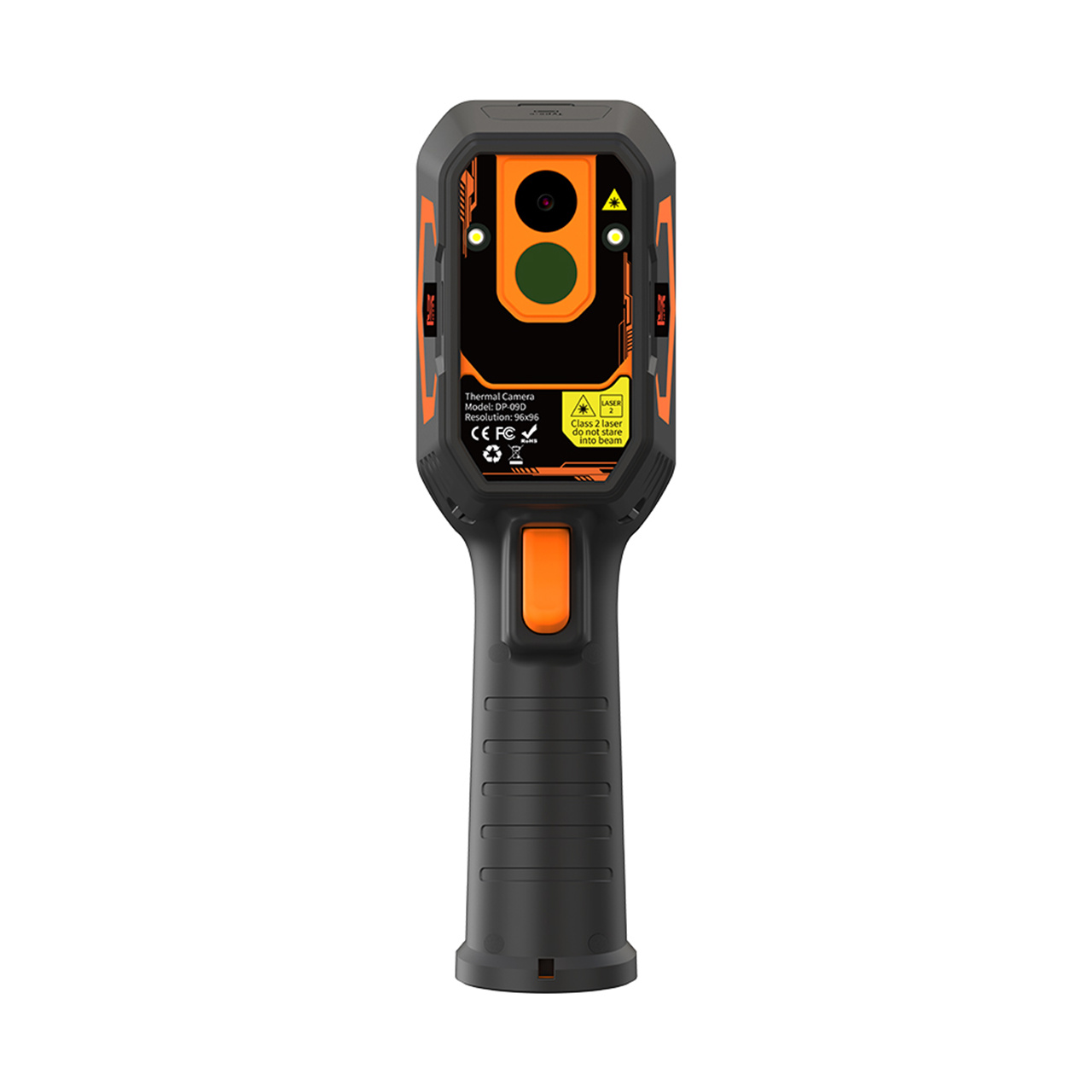
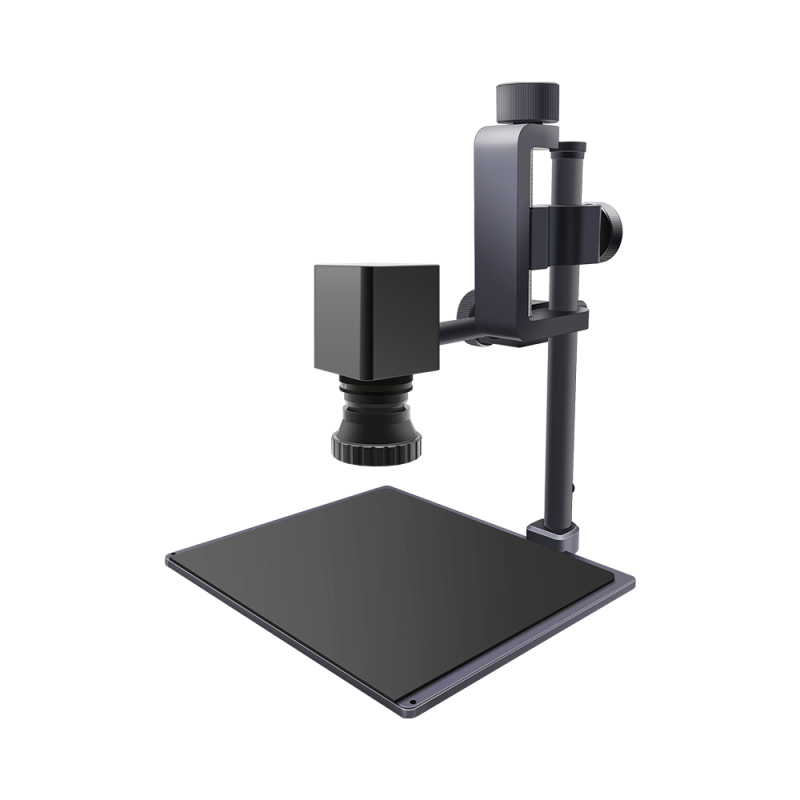
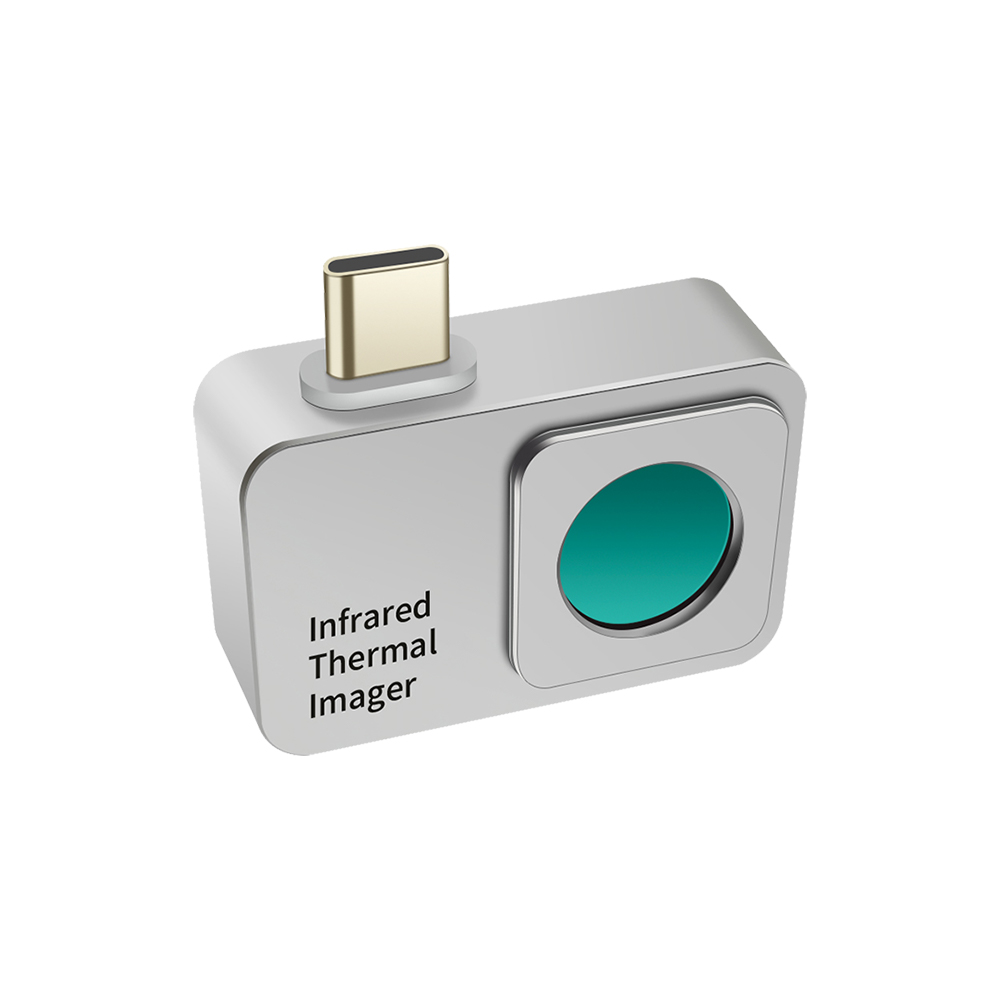
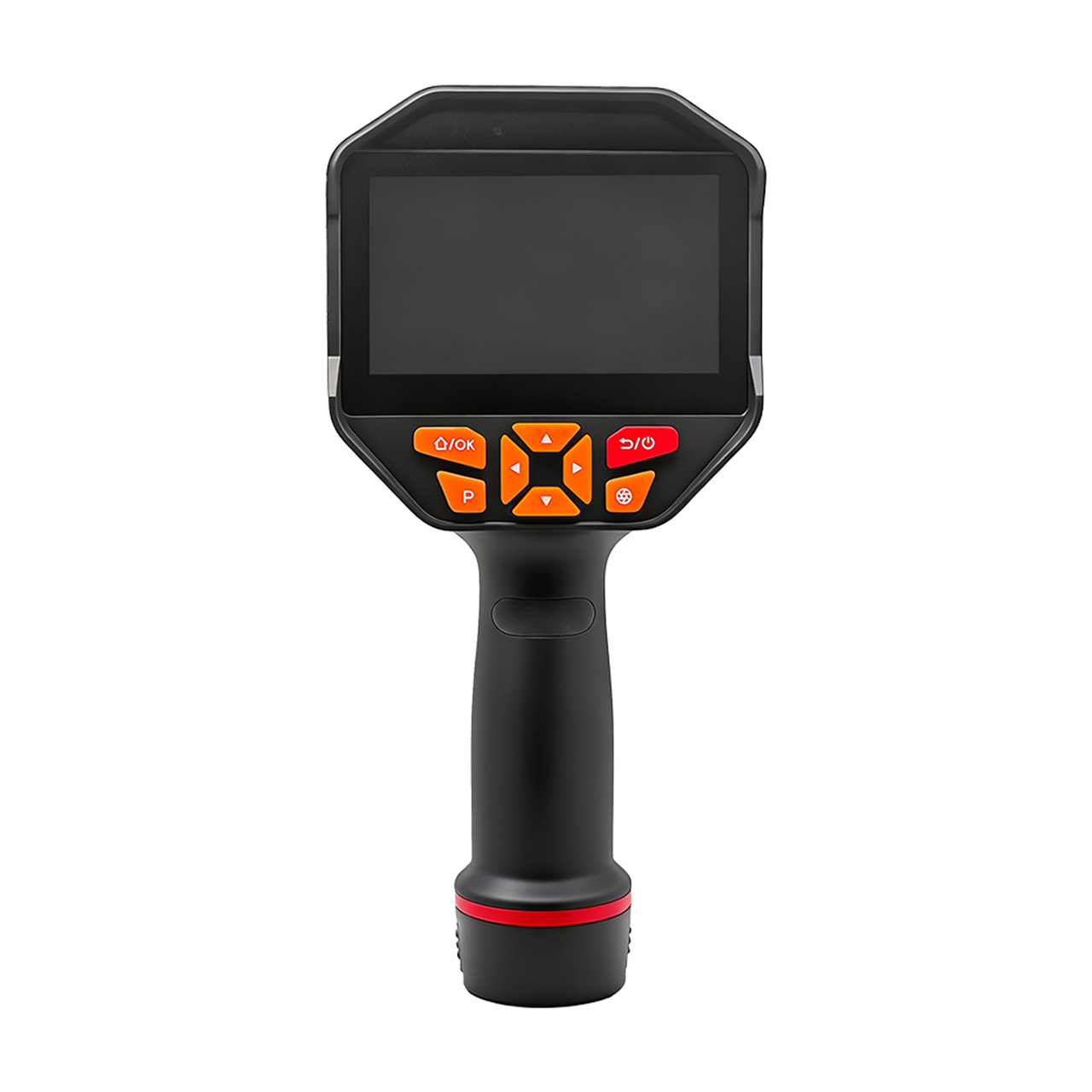
Explore our full line of handheld, mobile, and analytical thermal imaging devices serving automotive workshops, quality assurance lines, and electronics design labs across Japan.