
Hot Products
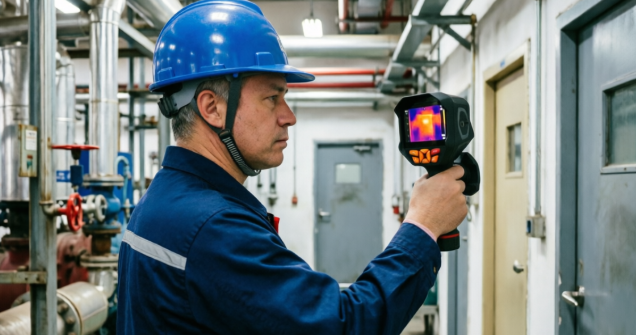
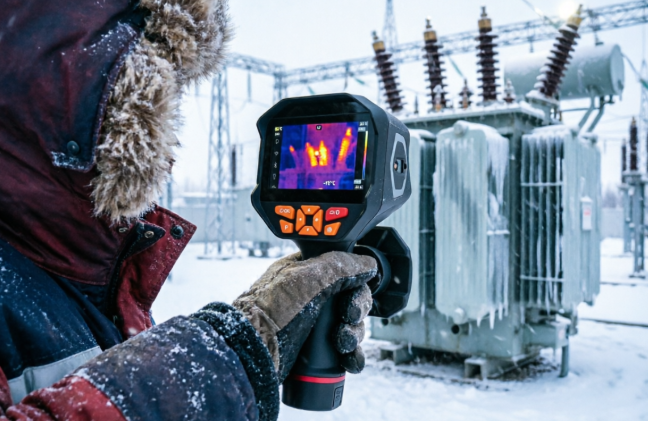
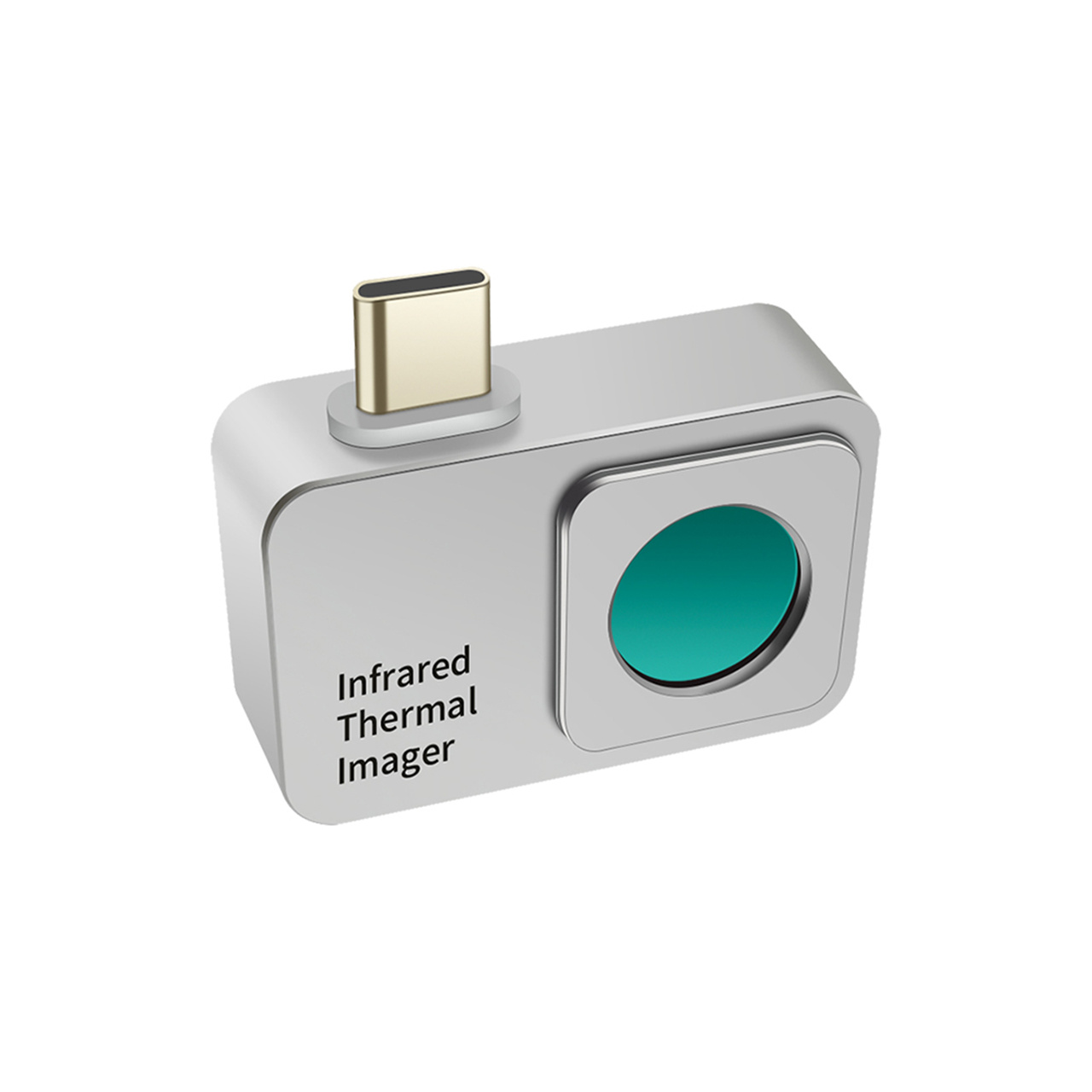
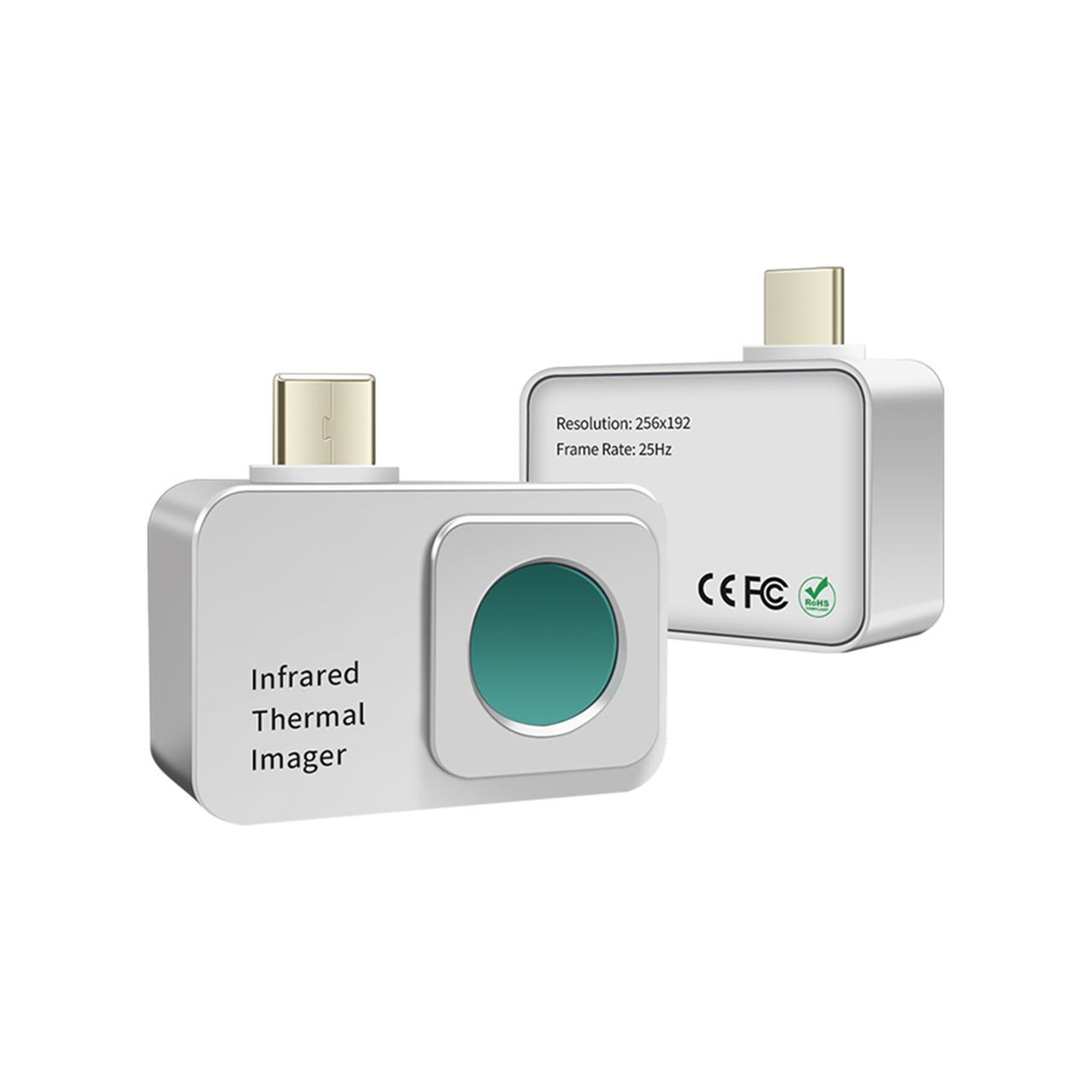
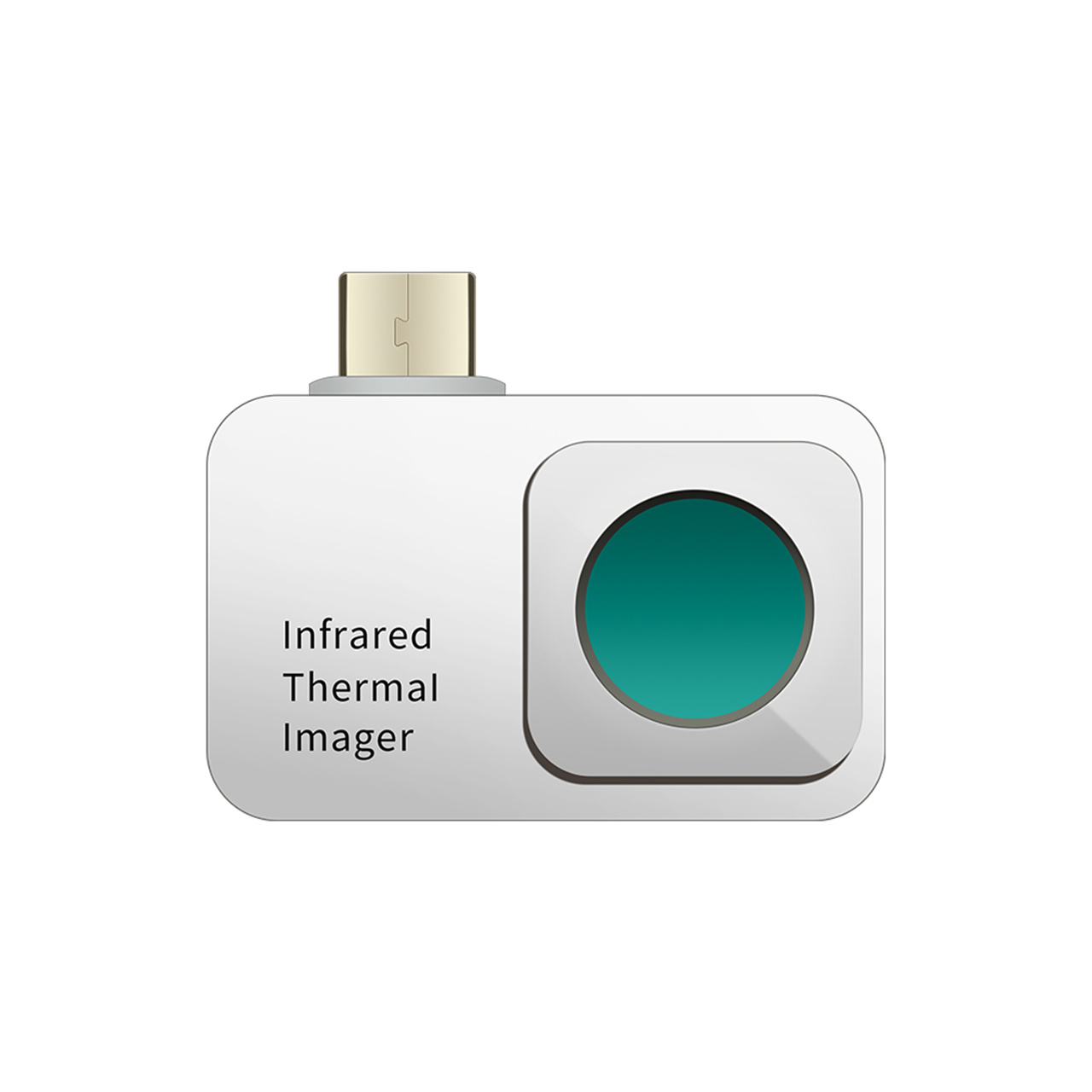
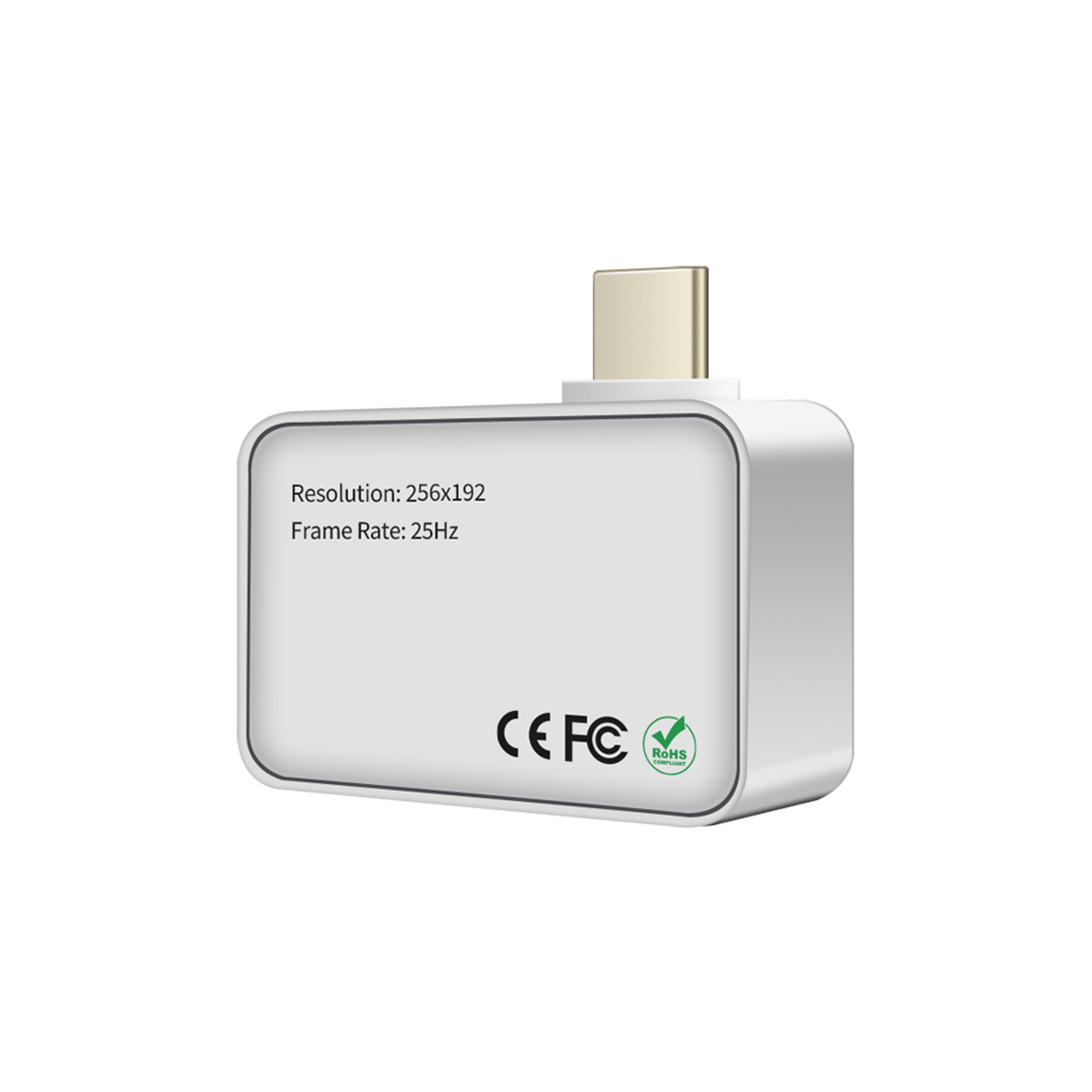
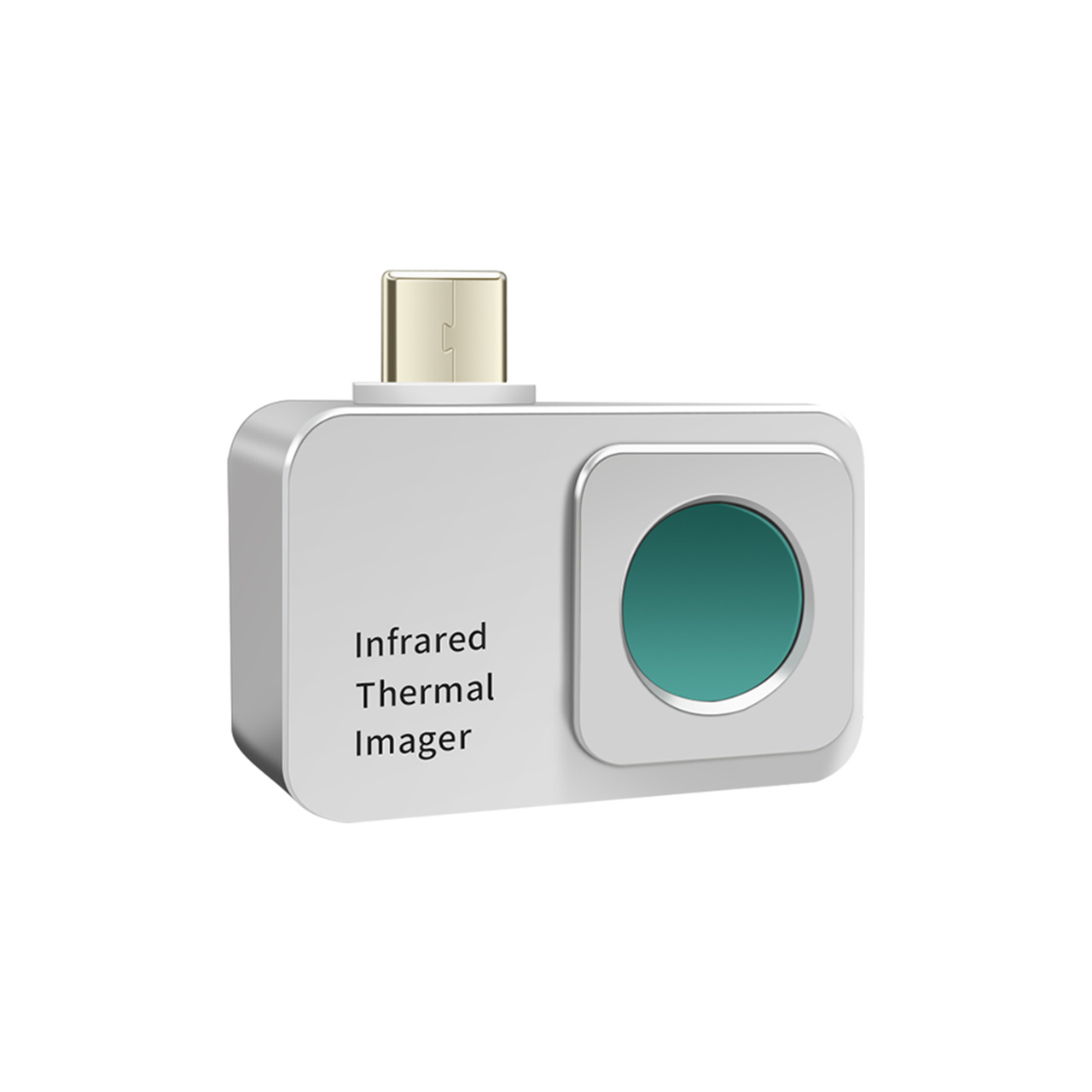
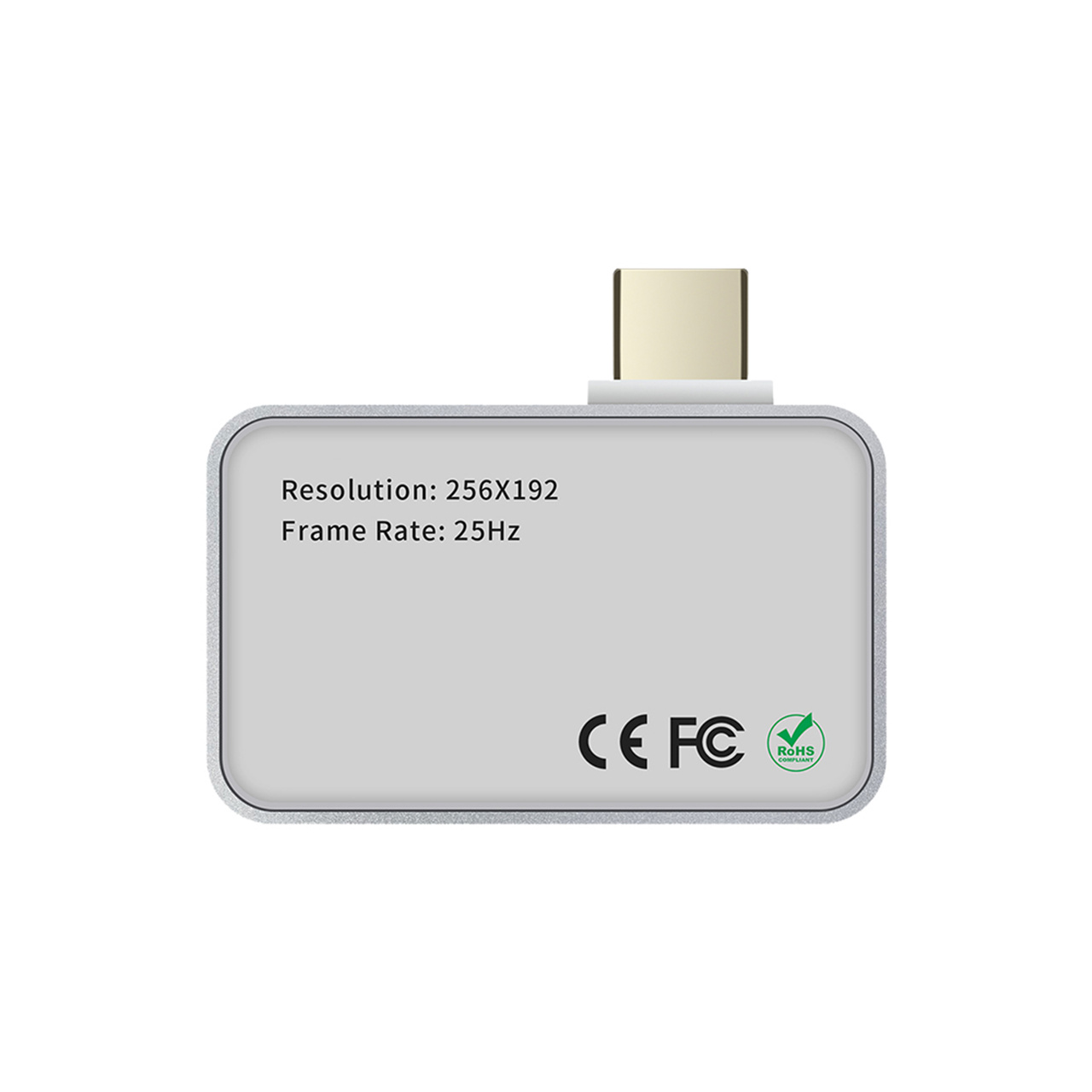
H2FB Mobile Phone Infrared Thermal Imager - 256x192 Resolution, Compact Design from China Suppliers and Factory
Versatile Specifications
📷
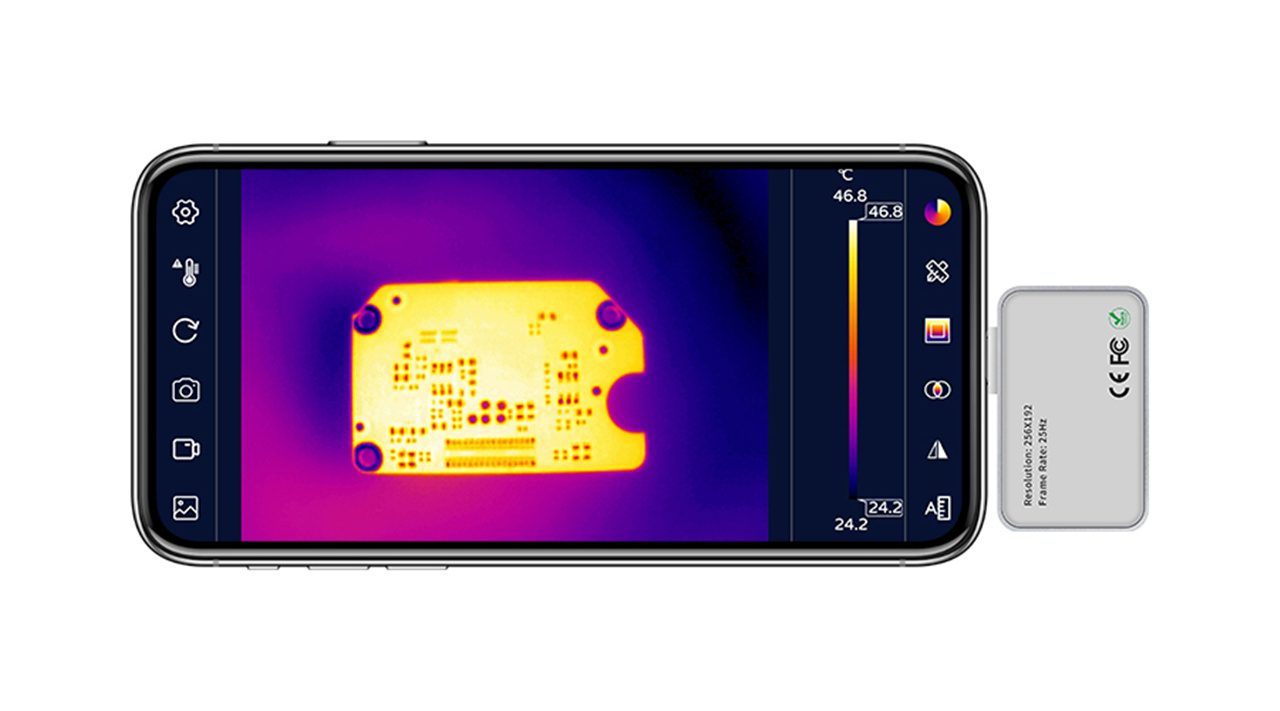
Infrared Sensor Resolution
The 256×192 resolution of the infrared sensor translates to enhanced image clarity.
📈
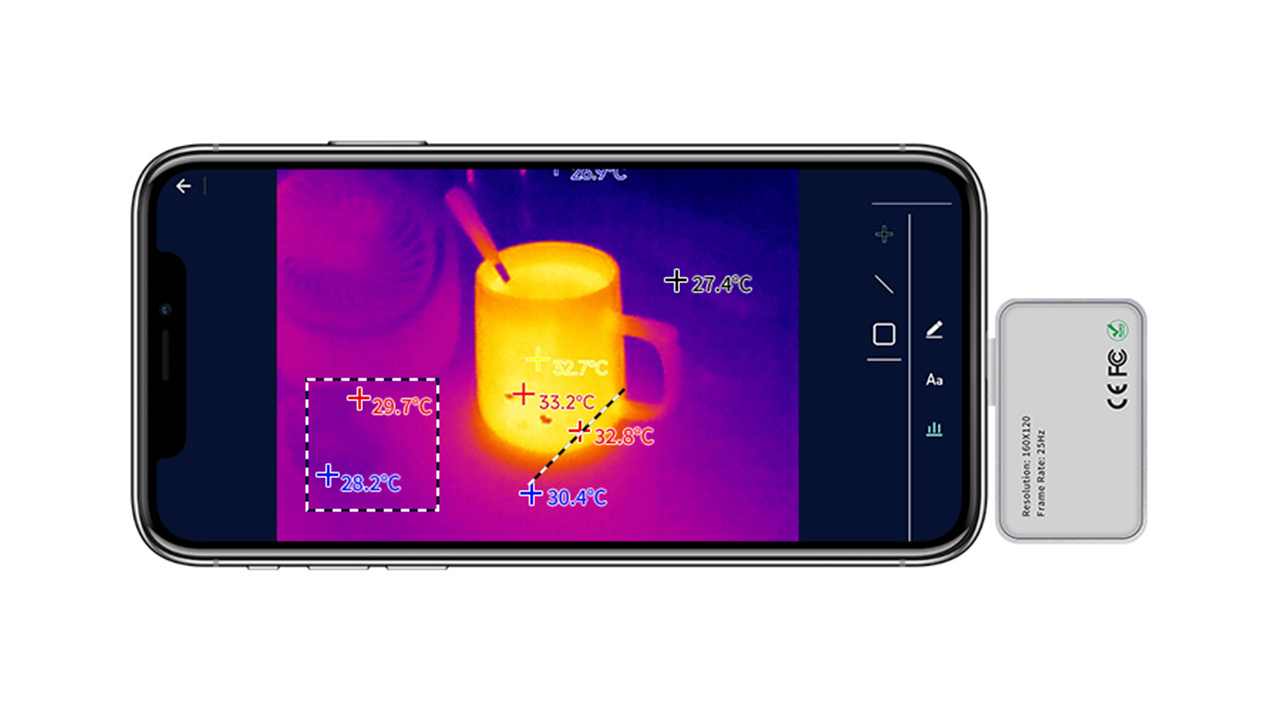
Self-Analysis Function
Users can mark key points, draw lines, and add boxes for targeted measurements—this multi-location simultaneous measurement capability helps boost detection efficiency significantly.
🌡
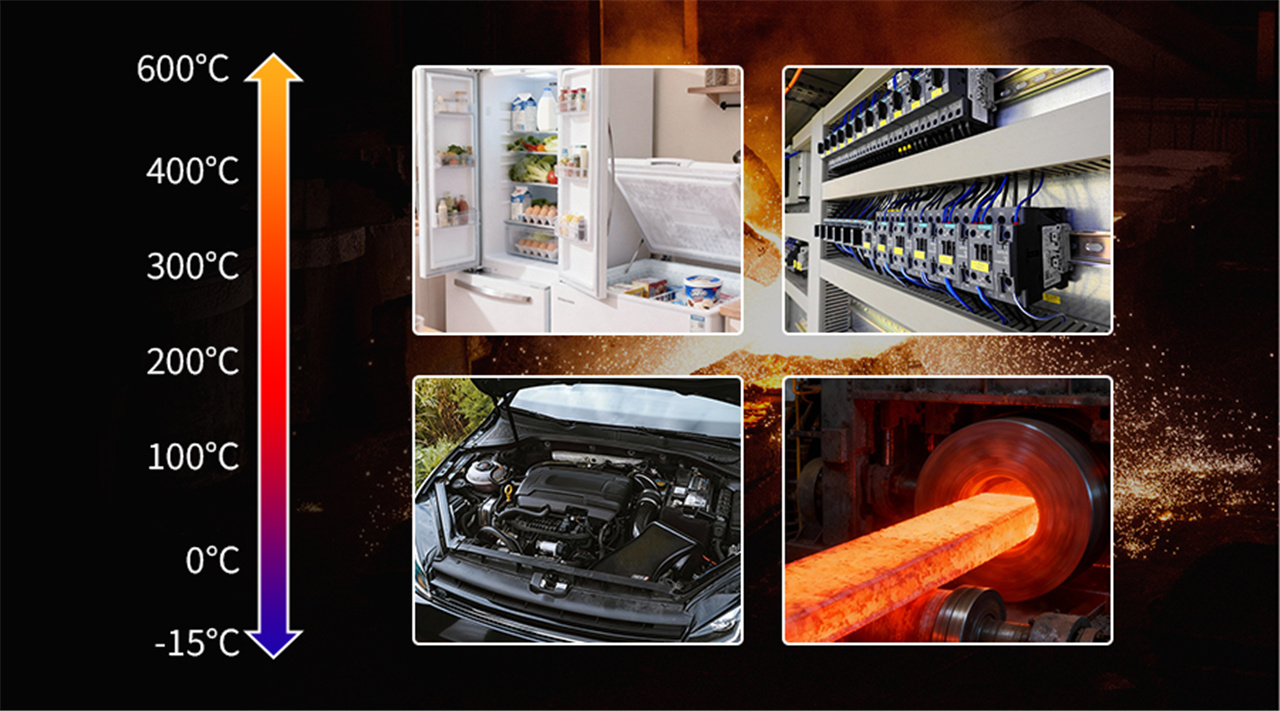
Temperature Measurement Range
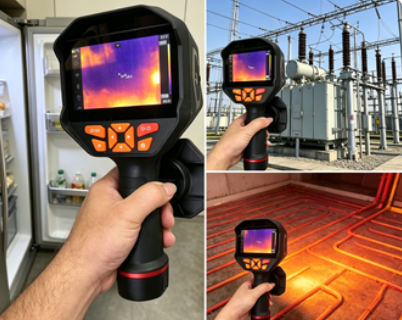
From low-temperature air leak detection and medium-temperature underfloor heating inspections to high-temperature electrical equipment maintenance, this device covers diverse user needs with its wide temperature measurement range of -15℃ to 600℃.
🔔
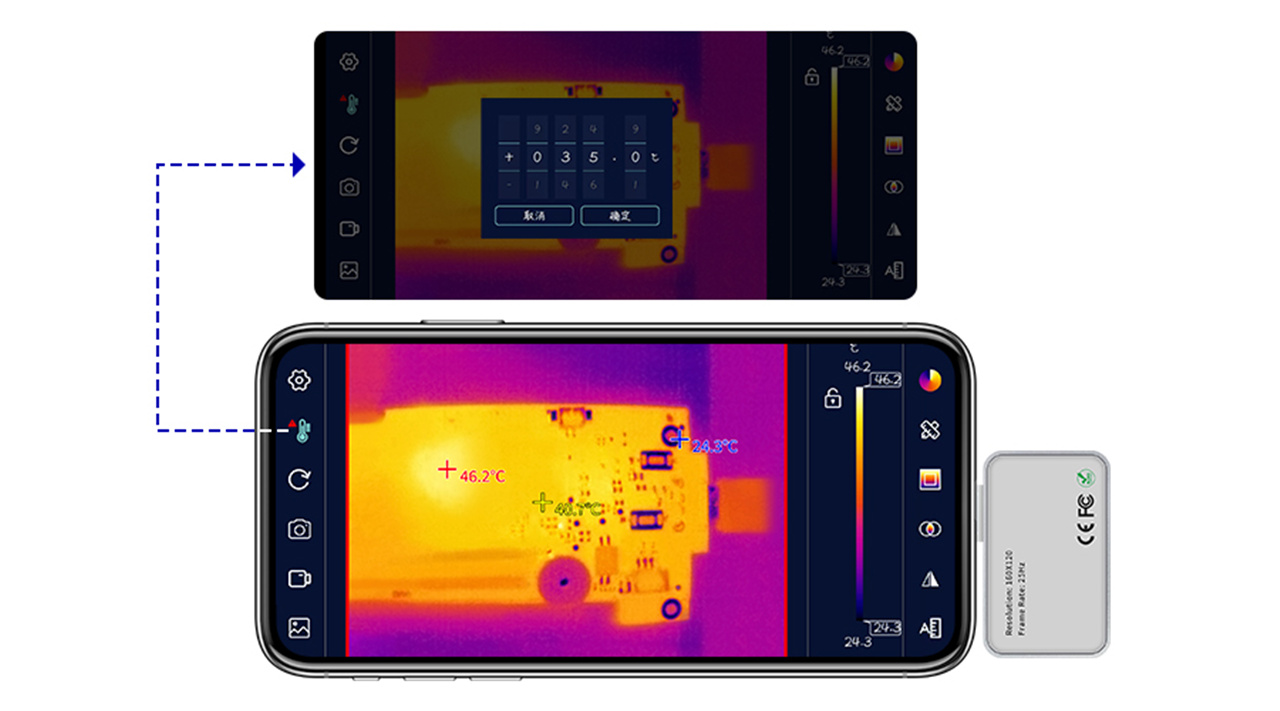
Temperature Alarm
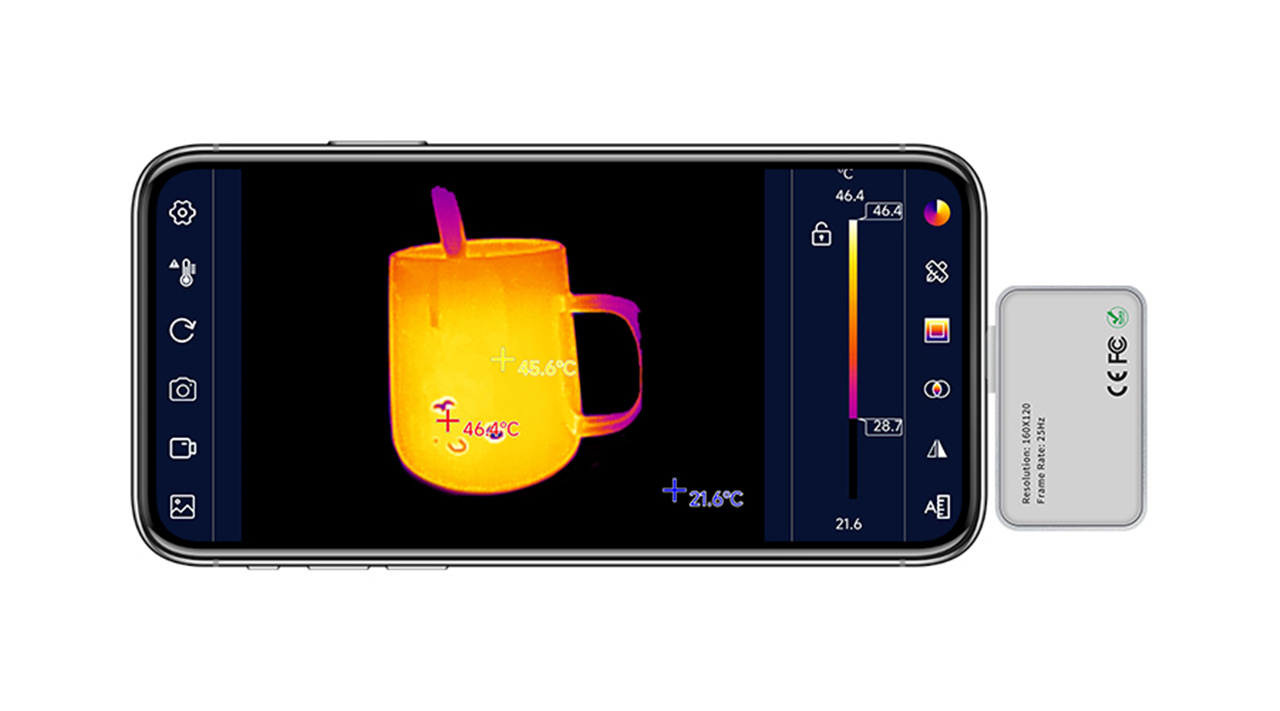
Based on different application demands, you can adjust the alarm temperature threshold as needed. The device will send a reminder via alarm once the temperature exceeds this set value.
🎯
Manual Temperature Range Adjustment
Tailor the temperature range to your desired viewing zone through manual adjustment—this screens out unrelated temperature details, ensuring objects at the target temperature are more distinguishable.
⚡
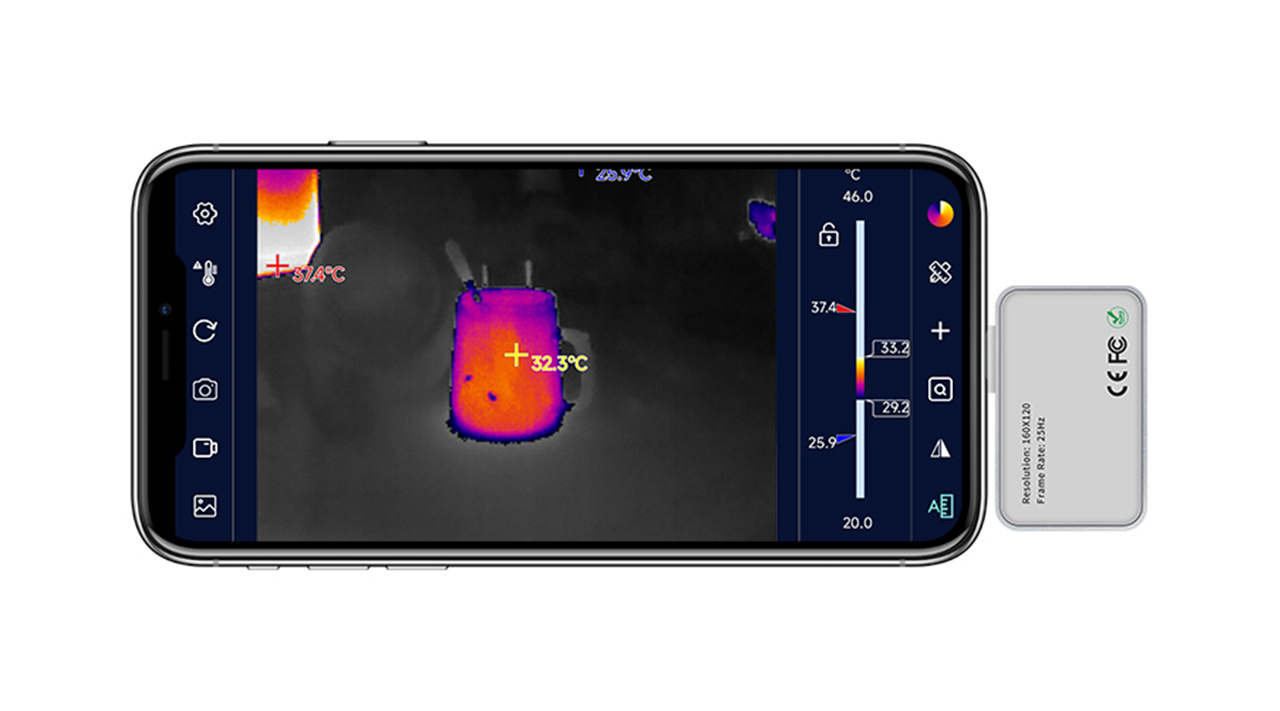
High Temperature Quick Check
With a one-click high-temperature quick search feature, the device helps users pinpoint high-temperature zones rapidly, significantly boosting work efficiency.
🌈
Palette
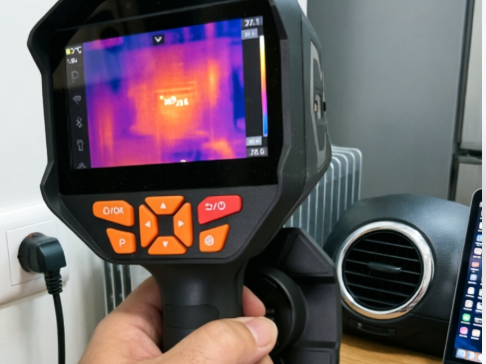
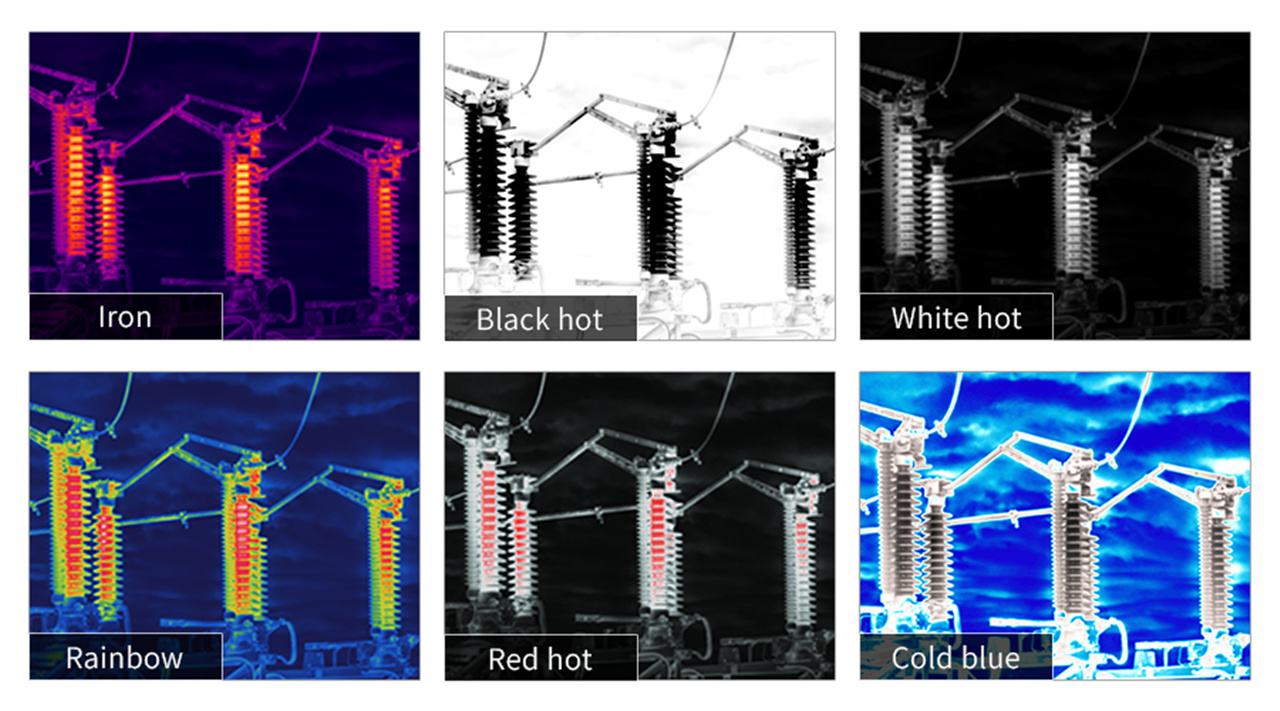
Six color palettes are available to meet different detection needs.
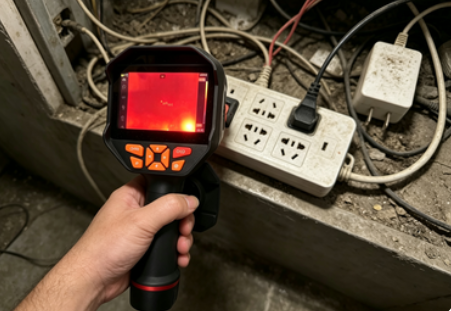
Iron red, red-hot, white-hot, and black-hot palettes highlight high-temperature zones, making them ideal for identifying temperature anomalies—such as in electrical equipment maintenance and power line inspections.
The rainbow palette displays clear temperature gradient patterns, enabling users to quickly spot abnormal high or low temperatures within a single scene and speed up thermal image analysis. For instance, when examining circuit boards, the color gradient helps track heat source spread and identify potential local overheating risks.
The cool blue palette excels at rendering low-temperature details, suiting low-temperature detection scenarios like water leaks and air conditioning cold air leakage checks.
📱
Portable and Easy to Use
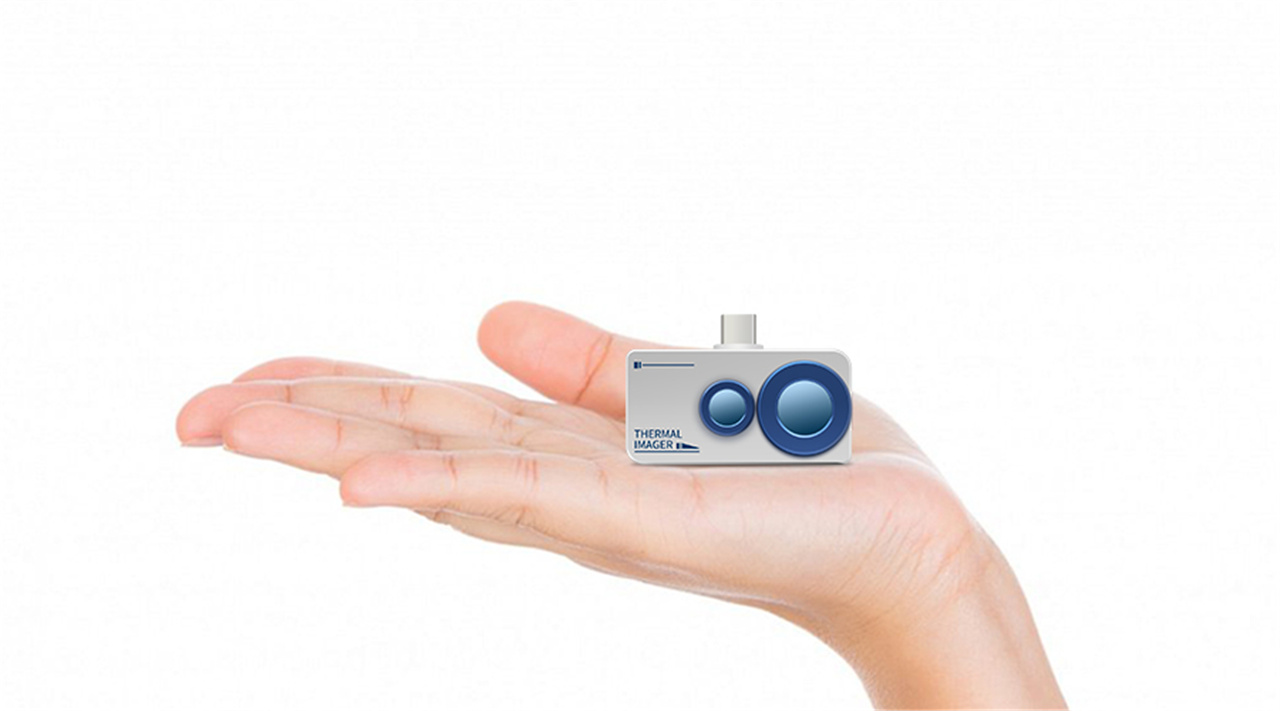
Boasting a compact, lightweight design, this device comes with a standard USB Type-C interface. Simply connect it to your mobile phone to use it instantly—no charging required, making it highly portable and easy to operate.
App Interface
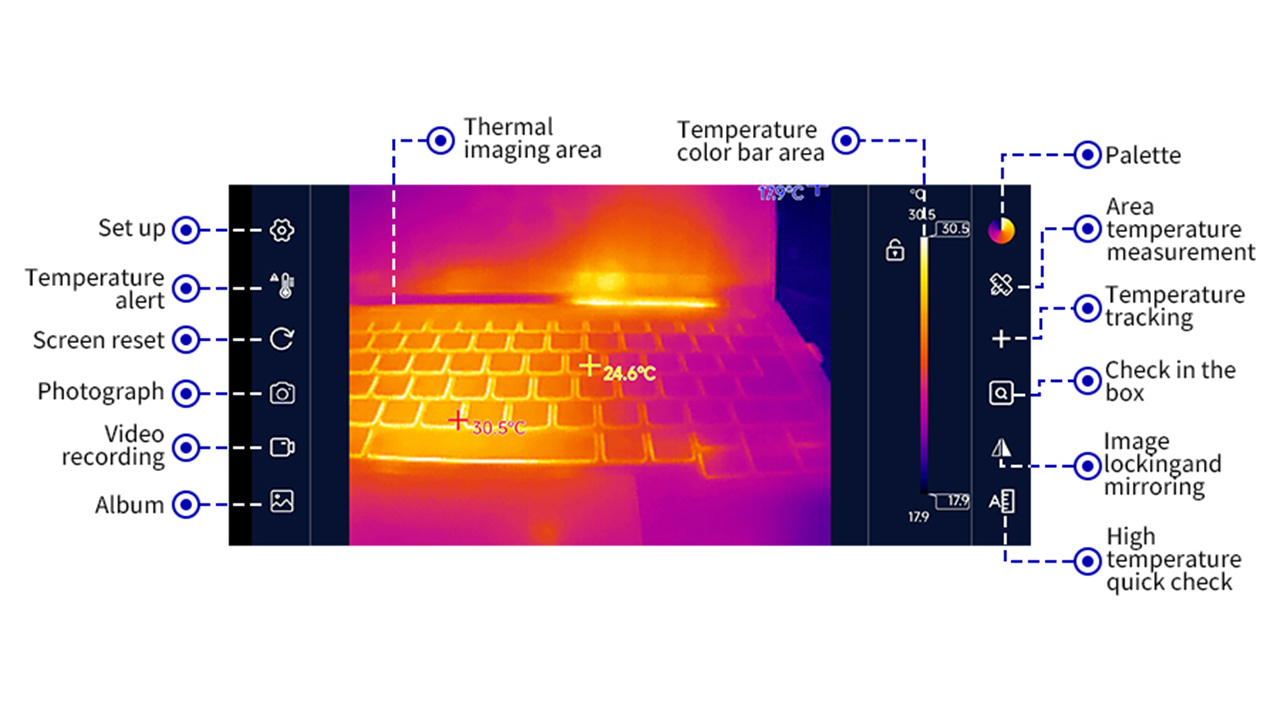
Frequently Asked Questions
Q
What is the infrared sensor resolution of the H2FB thermal imager?
The H2FB thermal imager features a 256×192 infrared sensor resolution, which delivers enhanced image clarity and allows users to capture more detailed thermal images for accurate analysis.
Q
What temperature range can the H2FB thermal imager measure?
The H2FB supports a wide temperature measurement range of -15℃ to 600℃, making it suitable for a variety of applications including air leak detection, underfloor heating inspections, and high-temperature electrical equipment maintenance.
Q
How does the temperature alarm feature work on the H2FB?
Users can set a custom temperature alarm threshold based on their specific application needs. When the measured temperature exceeds the set value, the device will automatically trigger an alarm notification to alert the user.
Q
How many color palettes does the H2FB thermal imager offer, and what are they used for?
The H2FB provides six color palettes: iron red, red-hot, white-hot, black-hot, rainbow, and cool blue. Each palette is designed for different detection scenarios—for example, cool blue is ideal for low-temperature inspections like water leaks, while the rainbow palette helps analyze temperature gradients in circuit board inspections.
Q
Does the H2FB thermal imager require a separate battery or charging?
No. The H2FB connects directly to your smartphone via a standard USB Type-C interface and draws power from the phone itself—no separate battery or charging is required, making it highly convenient for on-the-go use.
Q
What is the self-analysis function on the H2FB, and how does it improve efficiency?
The self-analysis function allows users to mark key points, draw lines, and add measurement boxes directly on the thermal image. This enables simultaneous multi-location temperature measurements, significantly improving detection efficiency and helping users identify problem areas faster.