
Hot Products
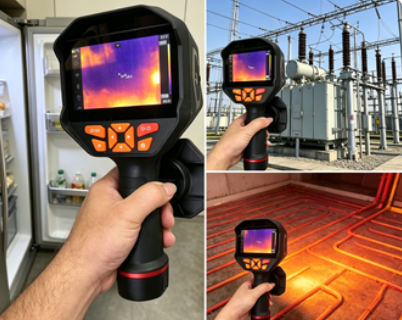
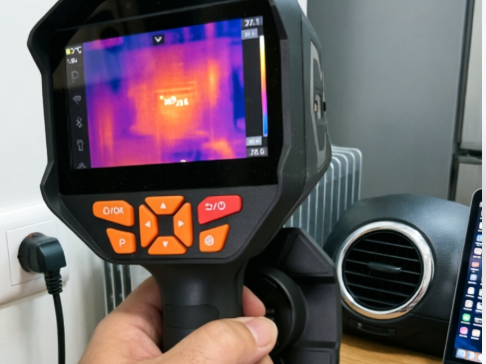
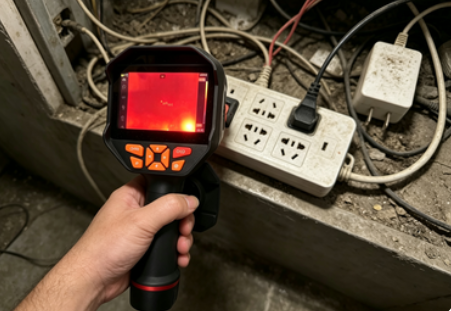
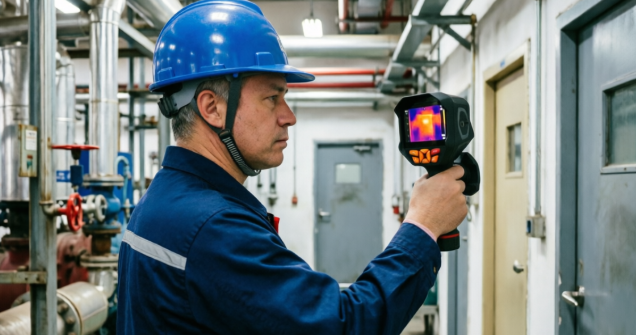
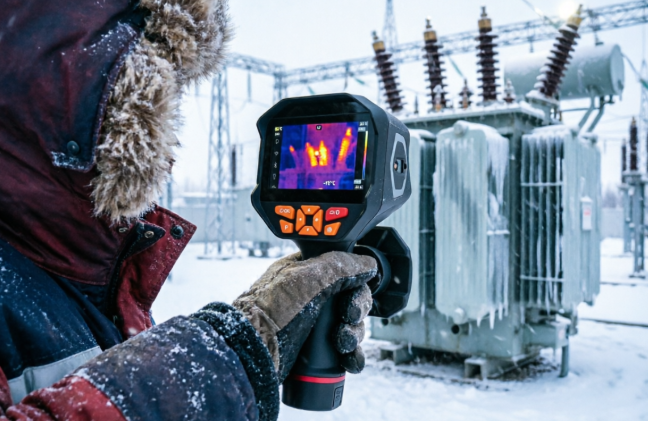
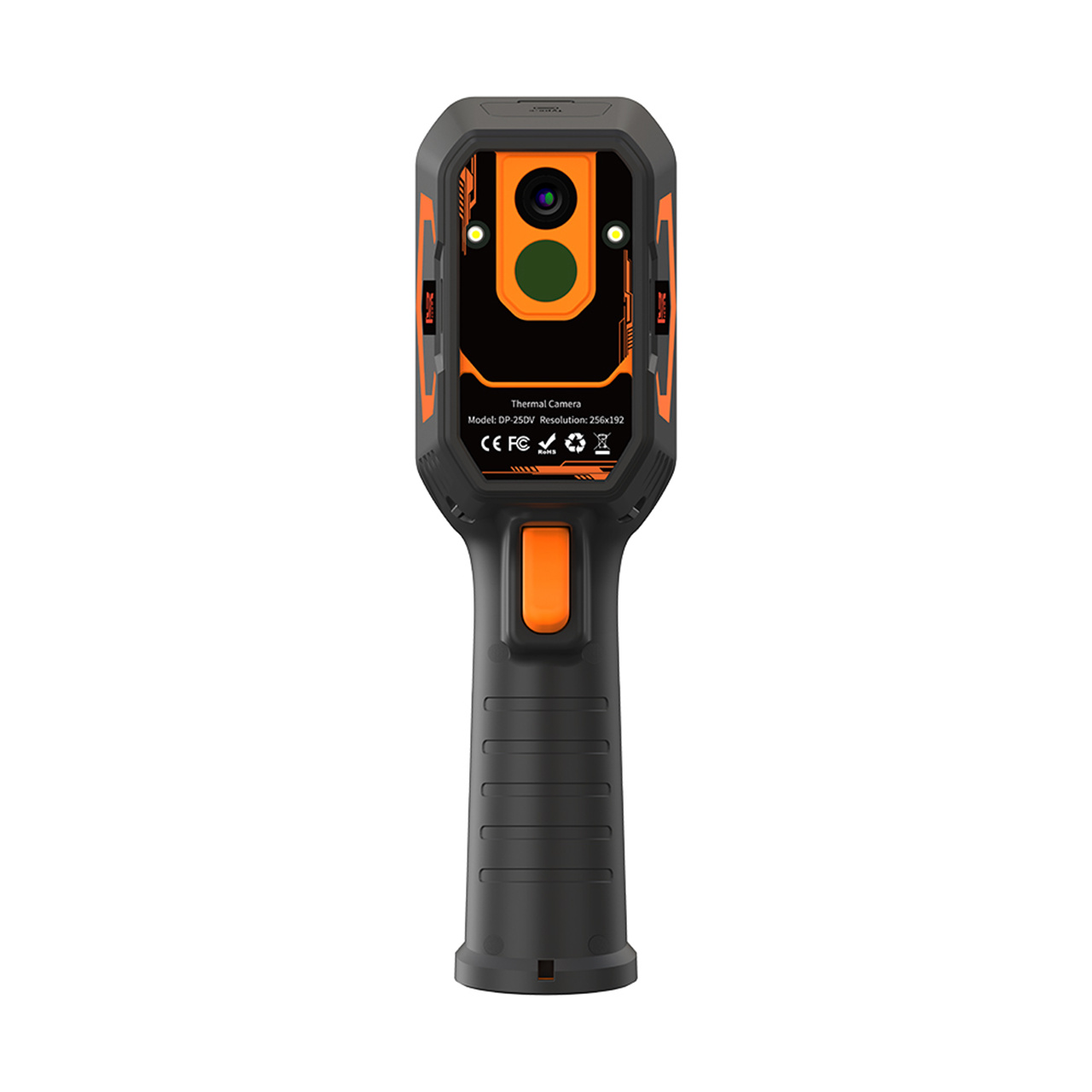
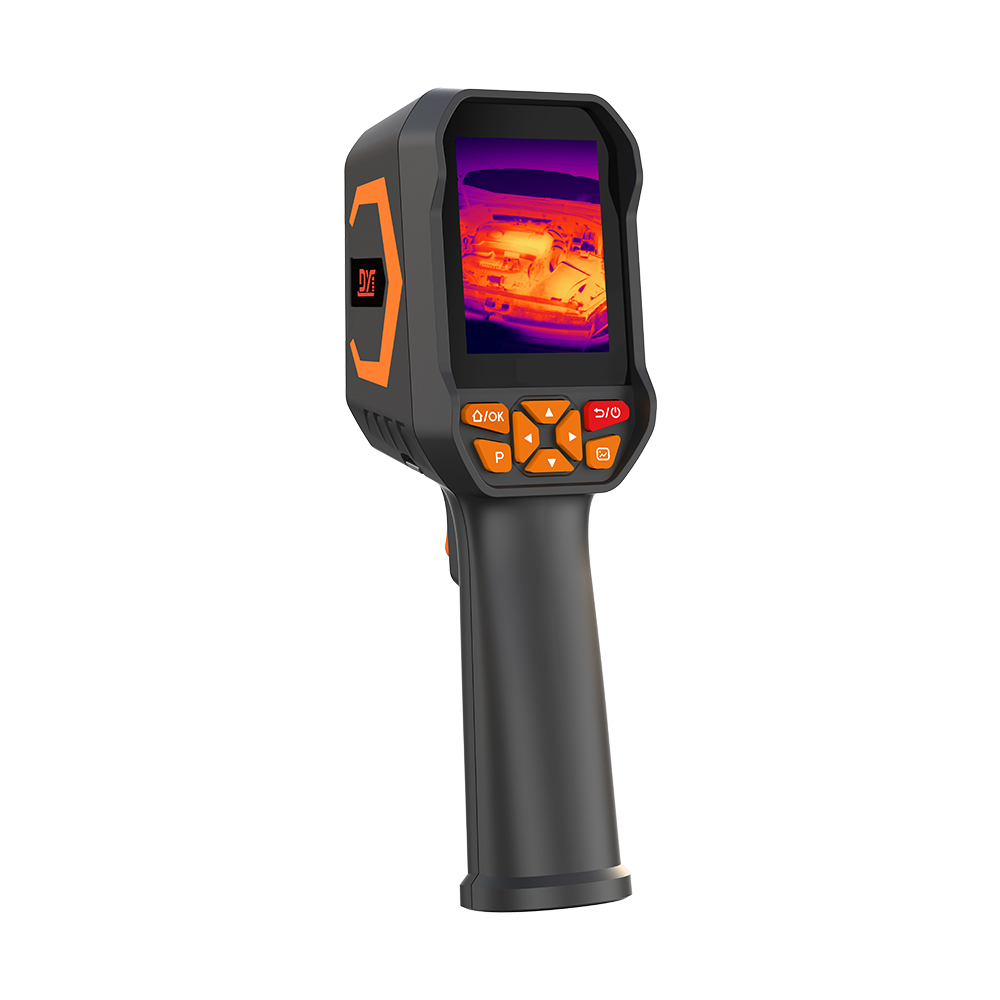
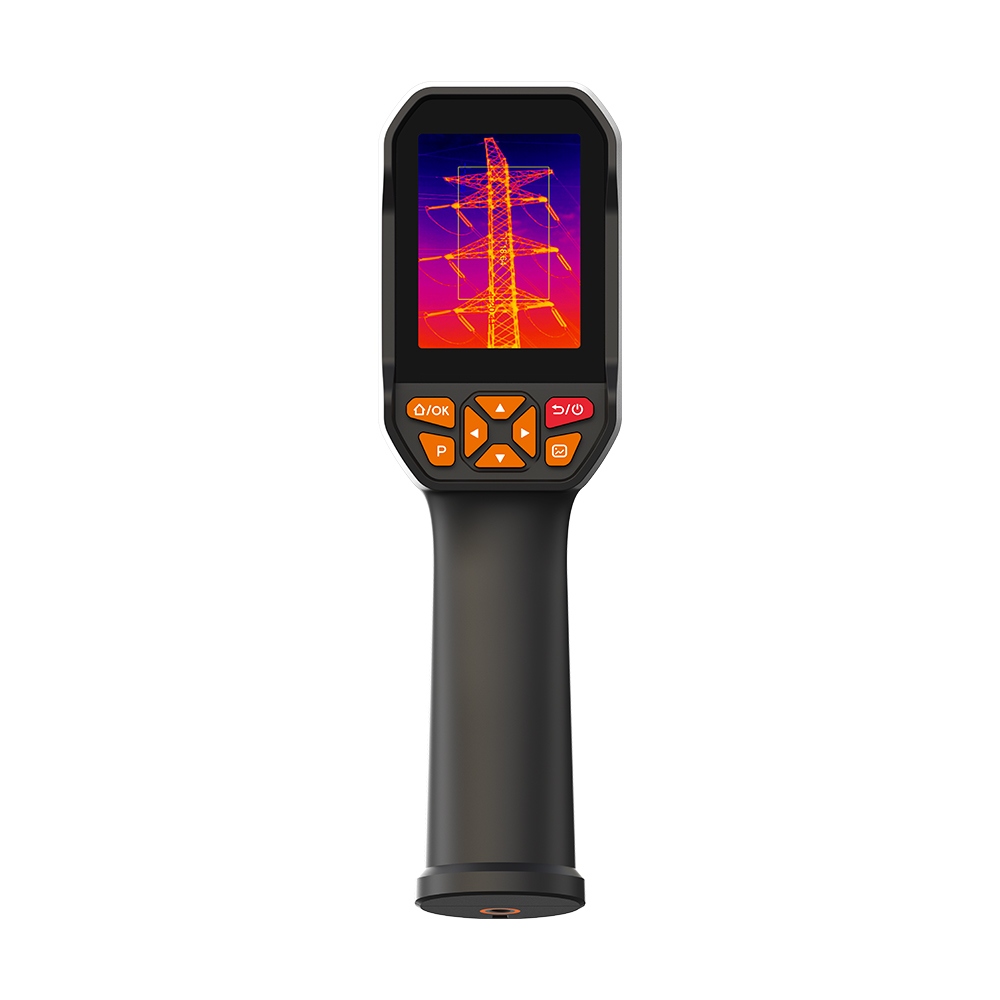
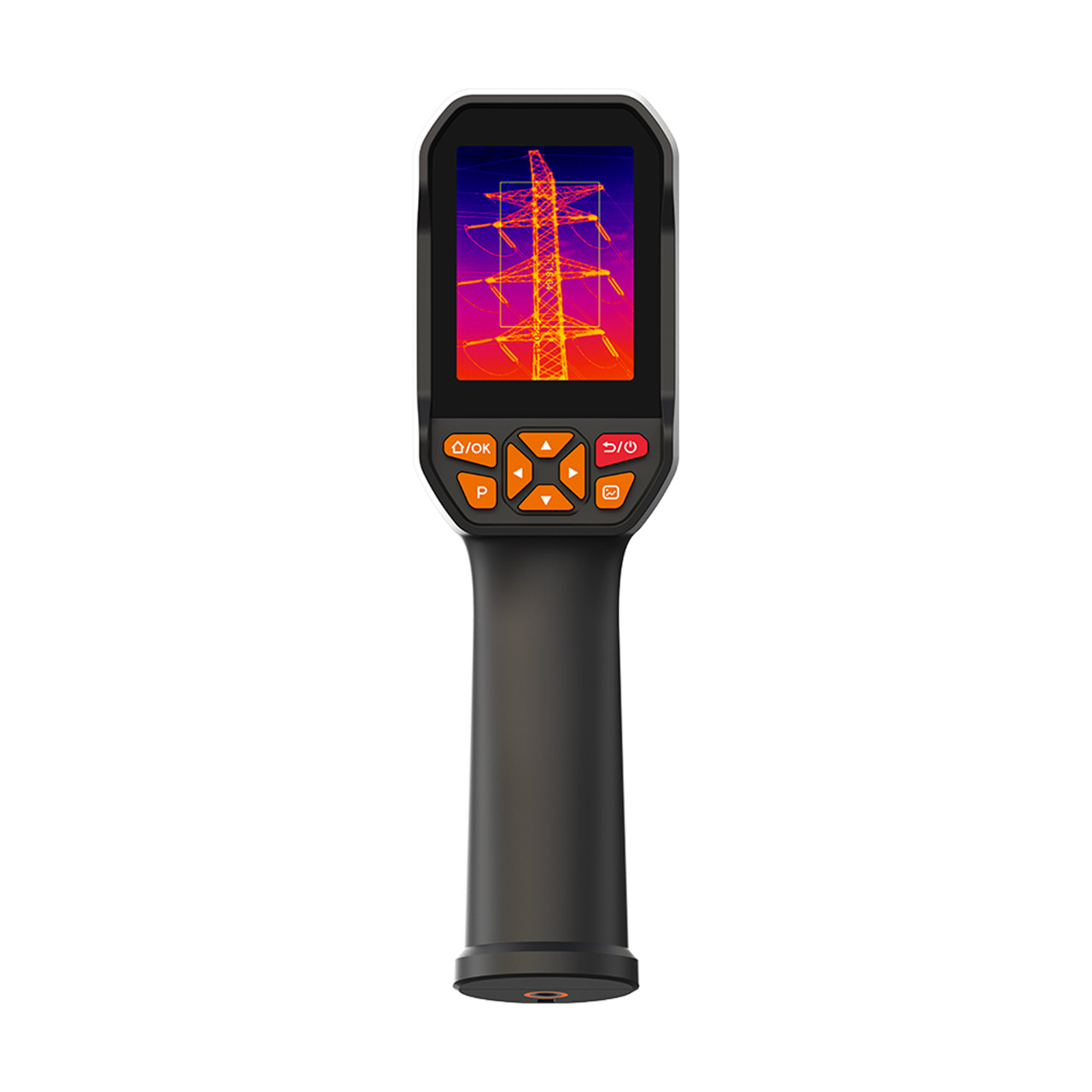
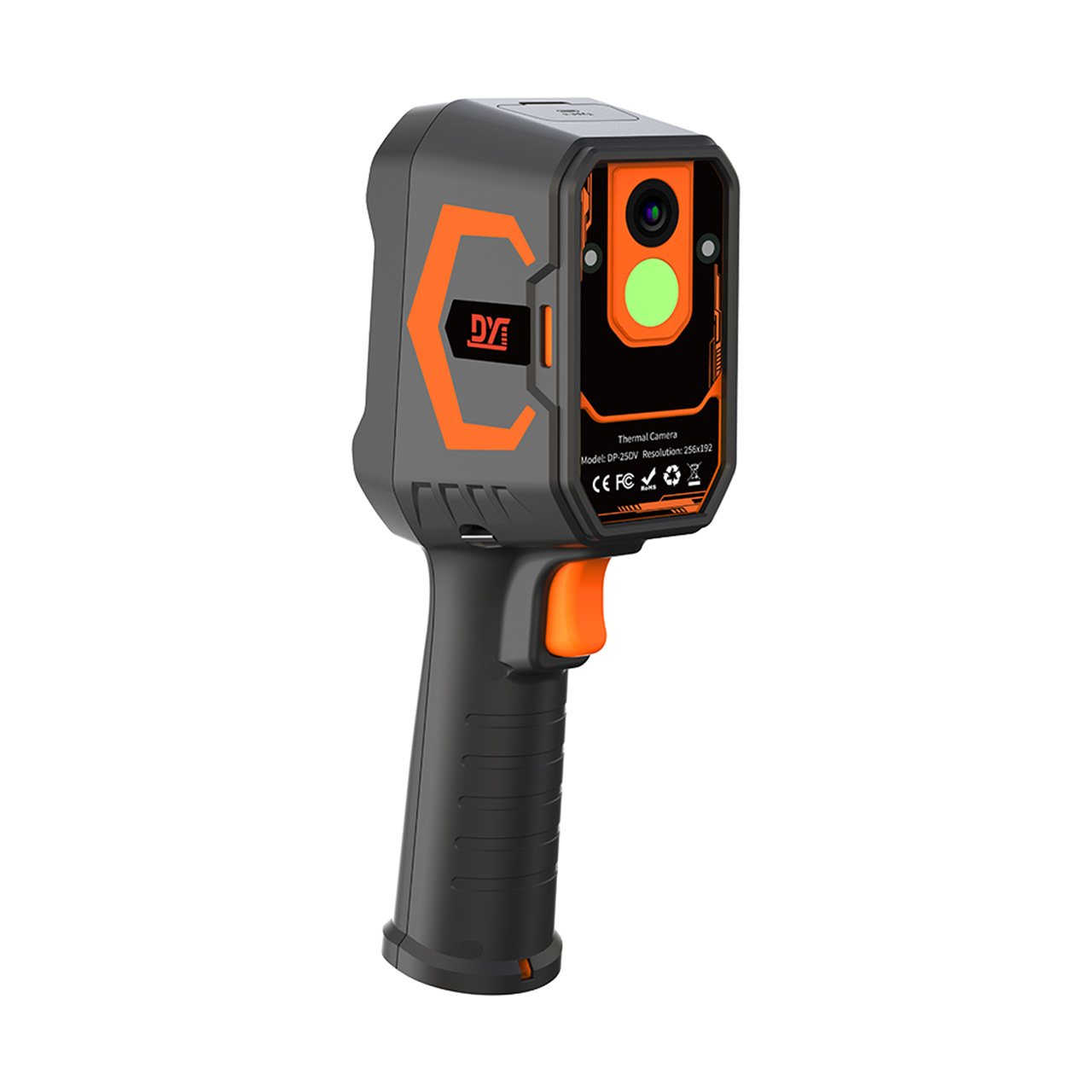
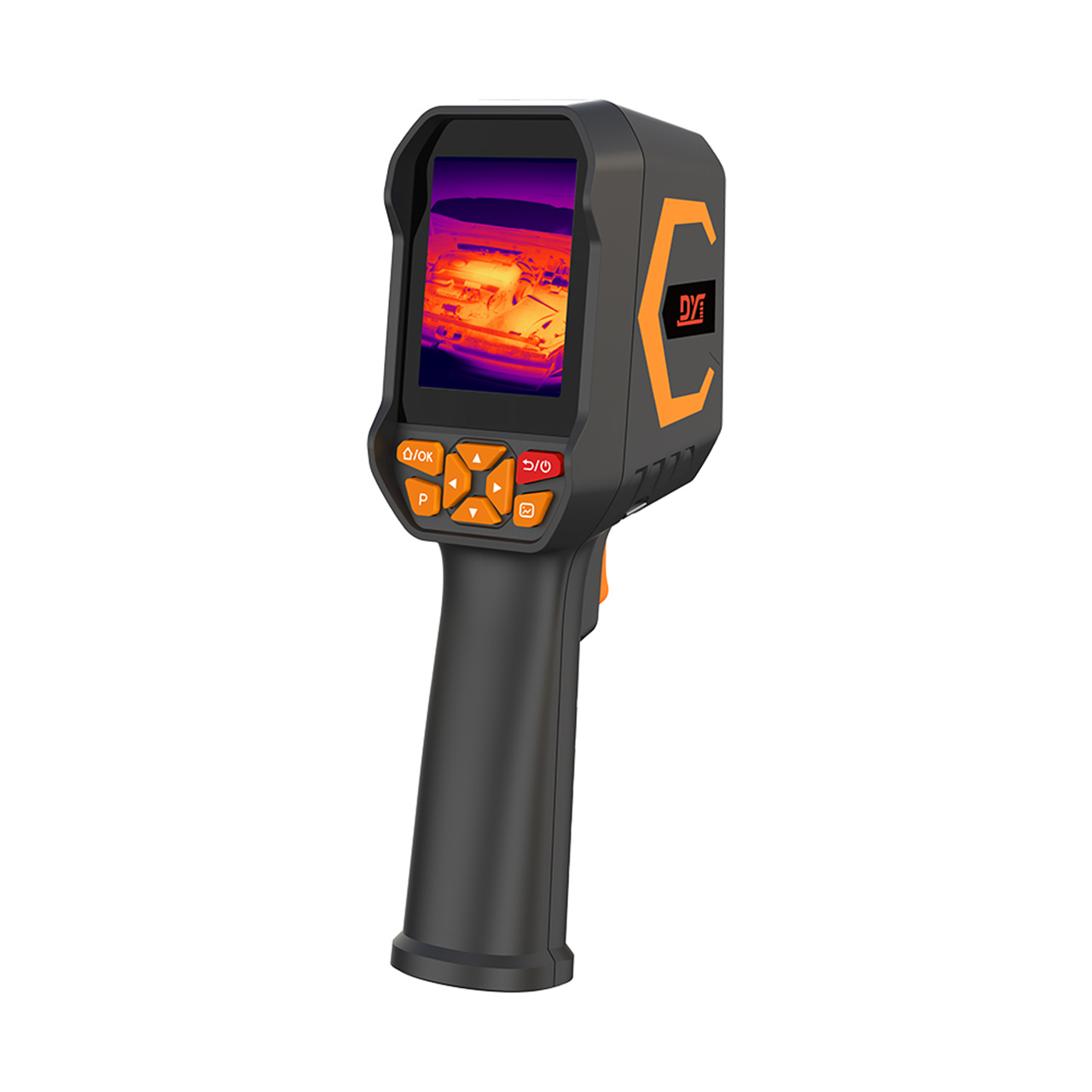
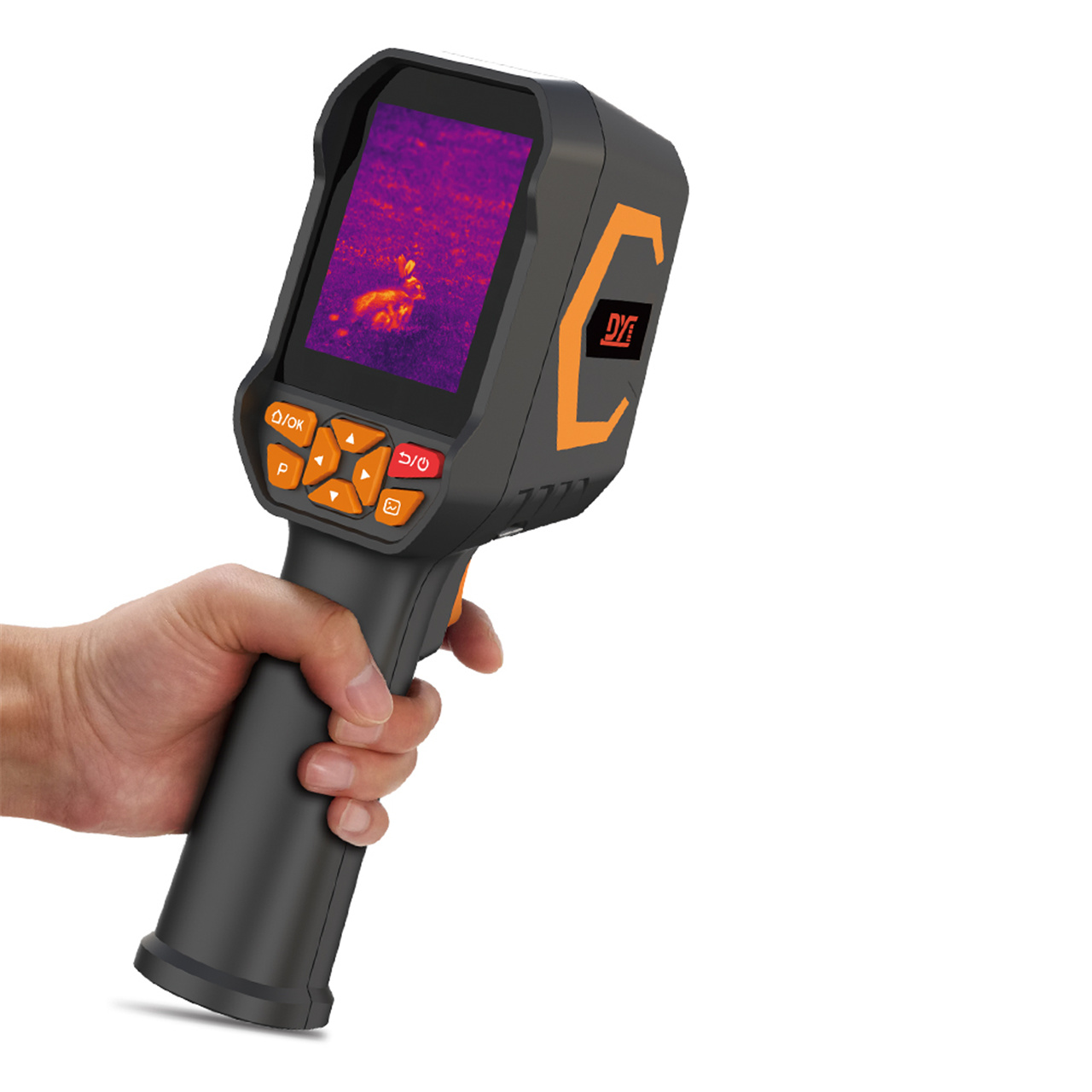
High-Performance DP-25DV Infrared Thermal Camera - China Suppliers & Factory | 256x192 Resolution & Dual-Light Imaging
Versatile Specifications
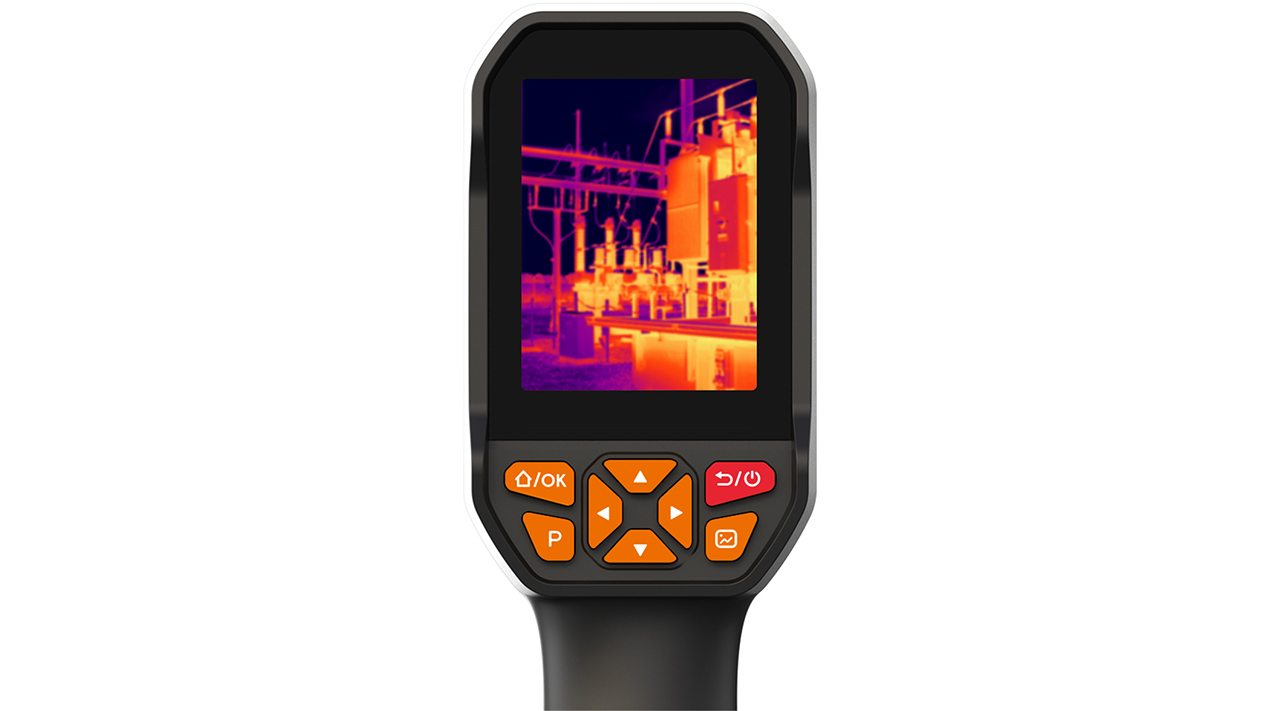
Infrared Sensor Resolution
256×192 infrared sensor resolution, with better image quality.
Multiple Image Modes
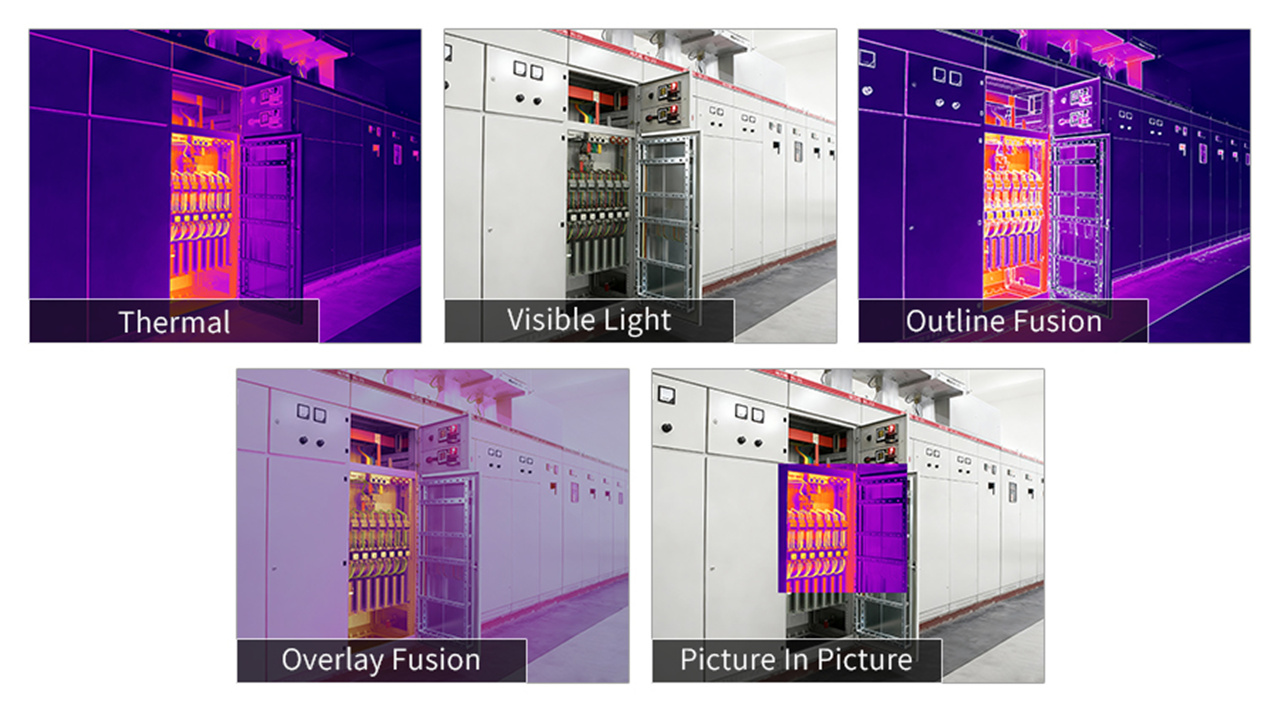
Infrared, visible light, edge blending, overlay blending, and picture-in-picture—these five image modes are all offered by the device.
Visible light plays a key supplementary role: it records labels, numbers, and colors that infrared can't, helping users quickly pinpoint where faults are in a scene.
Multiple Color Palettes
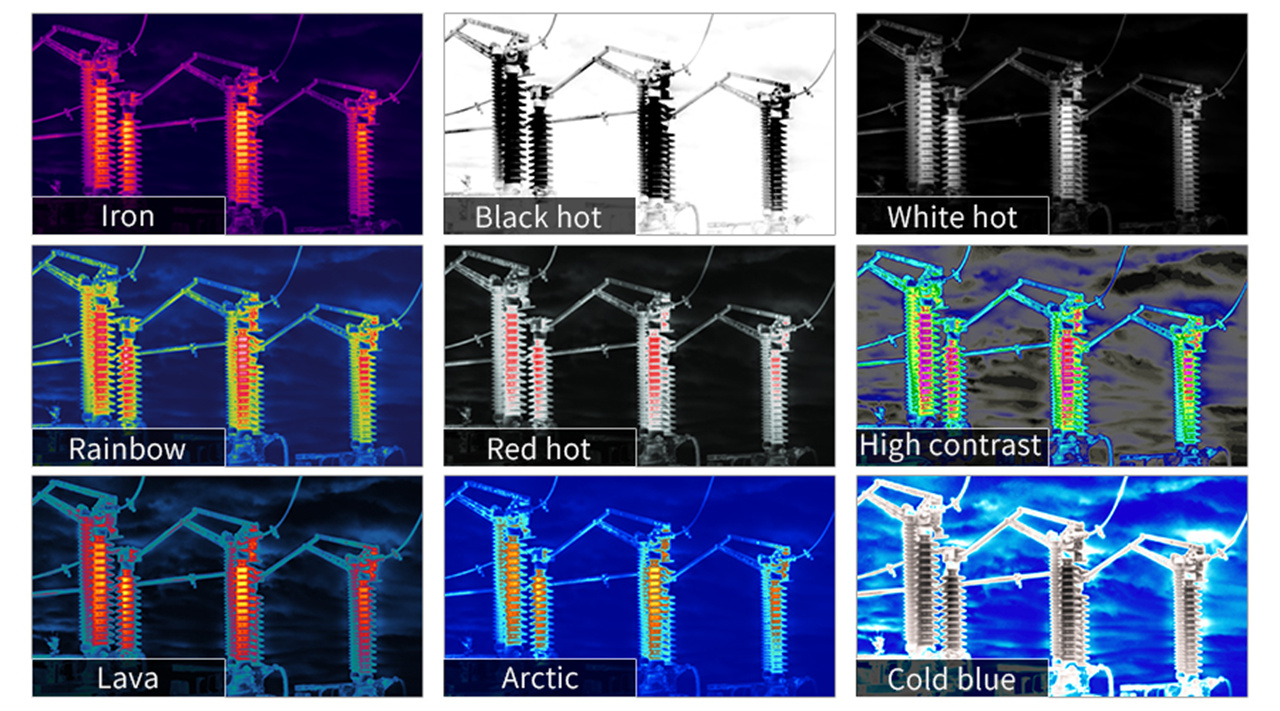
The device offers 9 color palettes in total, with each type designed for specific detection needs.
Iron red, white hot, black hot — rapidly spot potential high-temperature risks.
Rainbow & high-contrast — clearly recognize temperature gradient patterns and locate abnormal temperatures efficiently.
Arctic, lava, blue — excel at displaying low-temperature details for low-temperature detection scenarios.
Support Multiple Languages
11 different languages available to meet the needs of users in different regions.
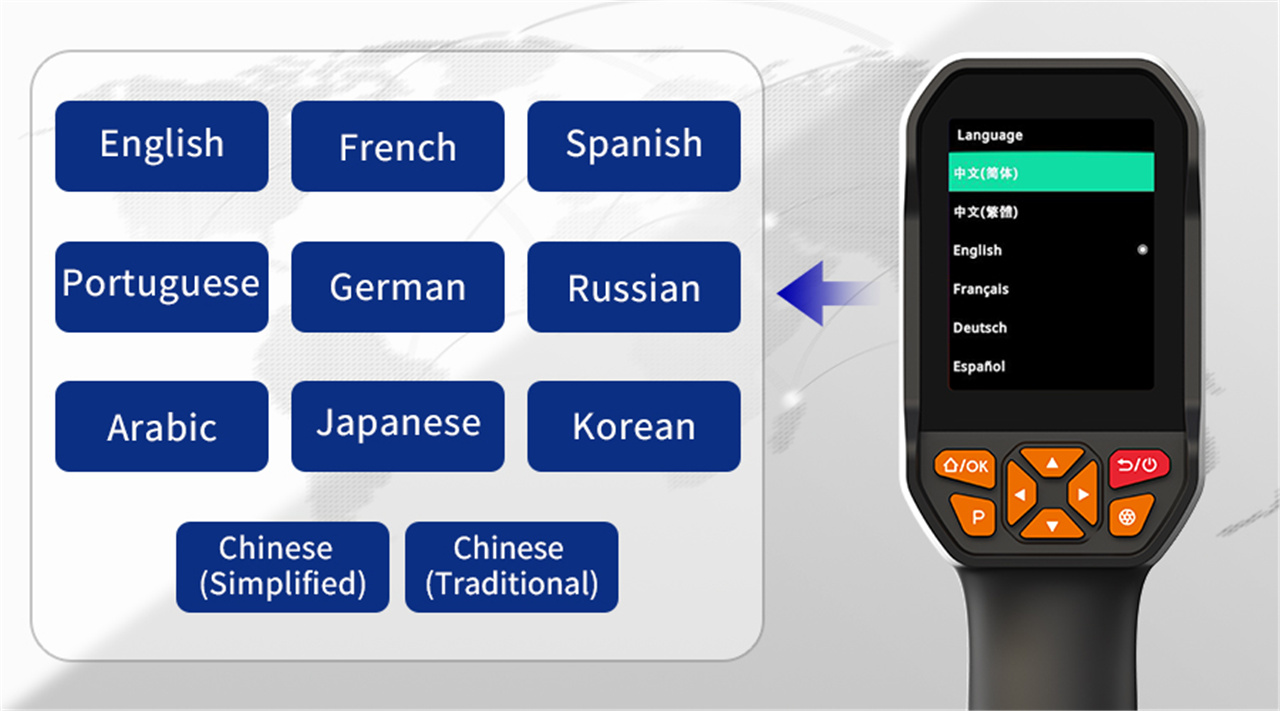
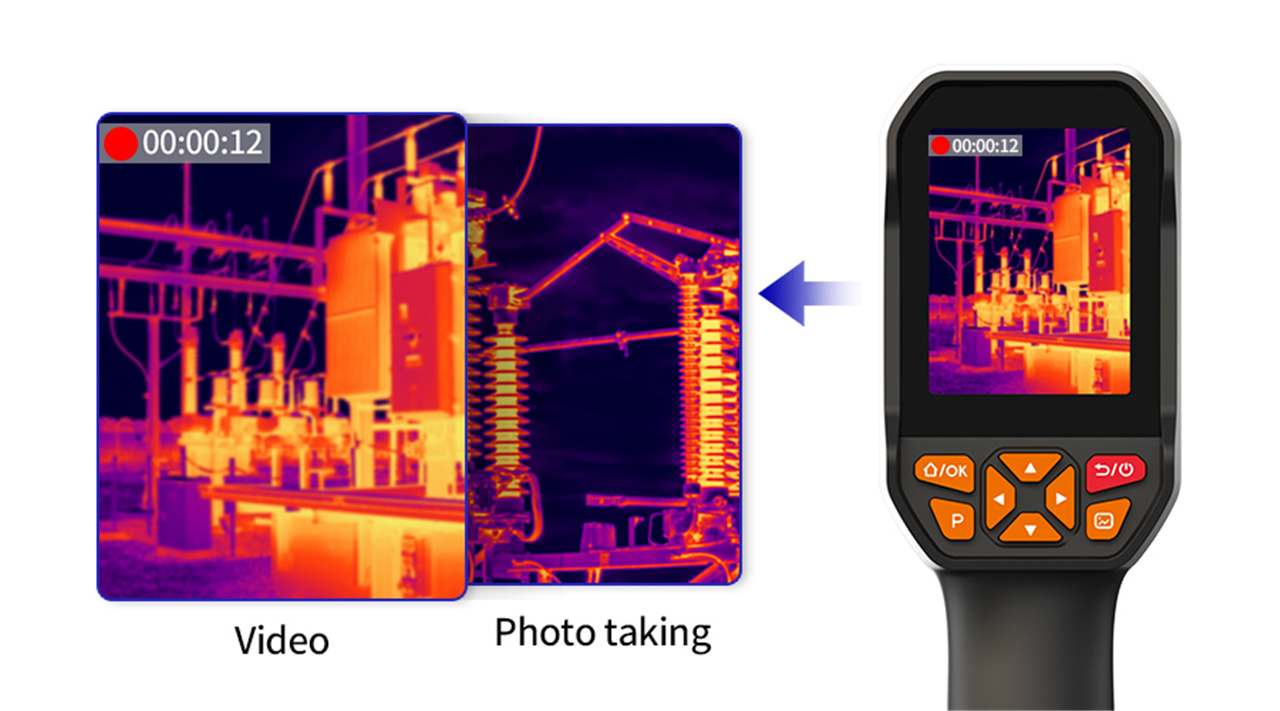
Photo Taking & Video Recording
Photos pack visible light, infrared, edge blending, overlay blending, and picture-in-picture effects all into one JPG file. Open with any regular image viewer, or use analysis software to dig into the details.
Videos recorded can be played on ordinary media players.
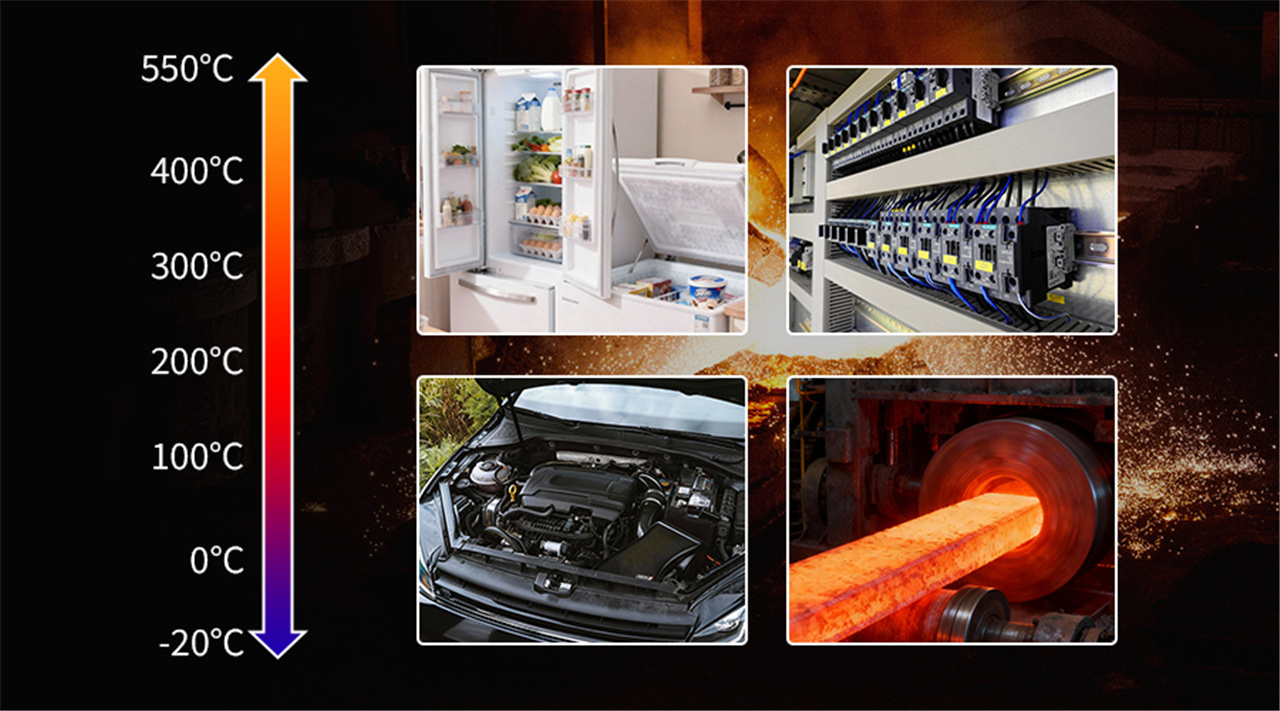
Temperature Measurement Range
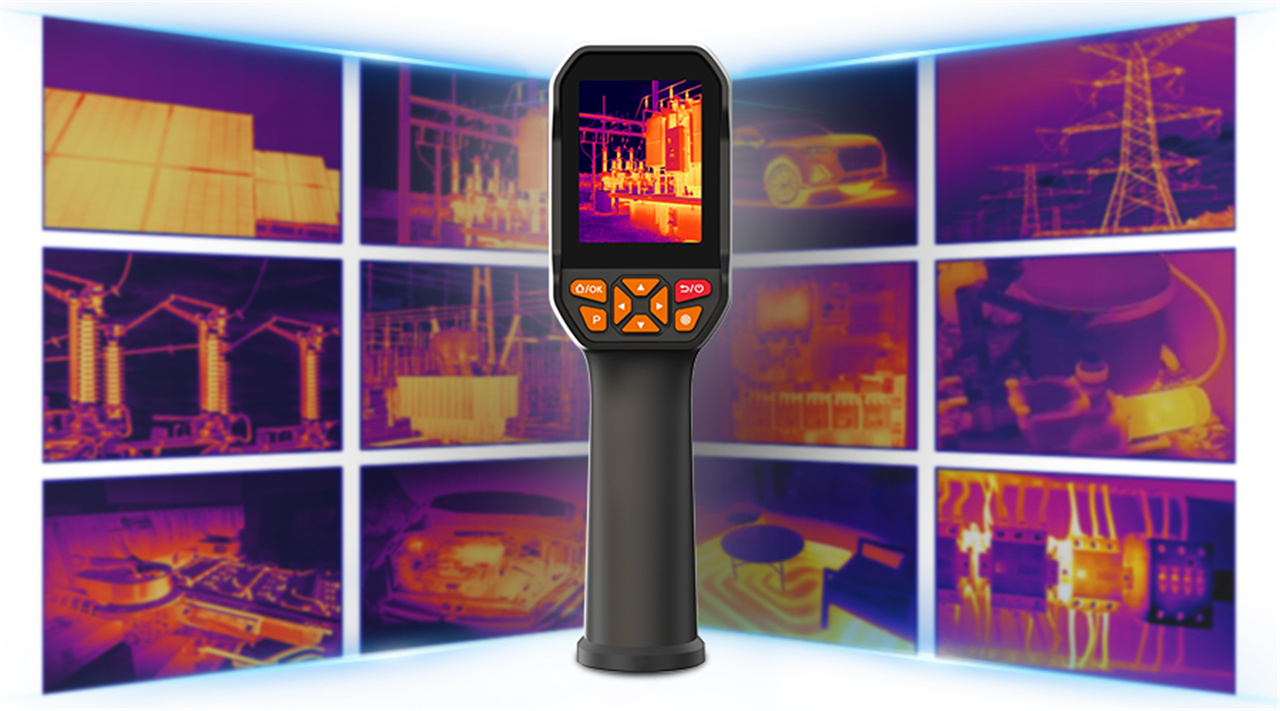
Temperature measurement range of -20°C to 550°C fully addresses the demands of low and medium-temperature environments.
By covering these scenarios in one device, it eliminates the requirement for multiple specialized tools, ultimately saving on costs.
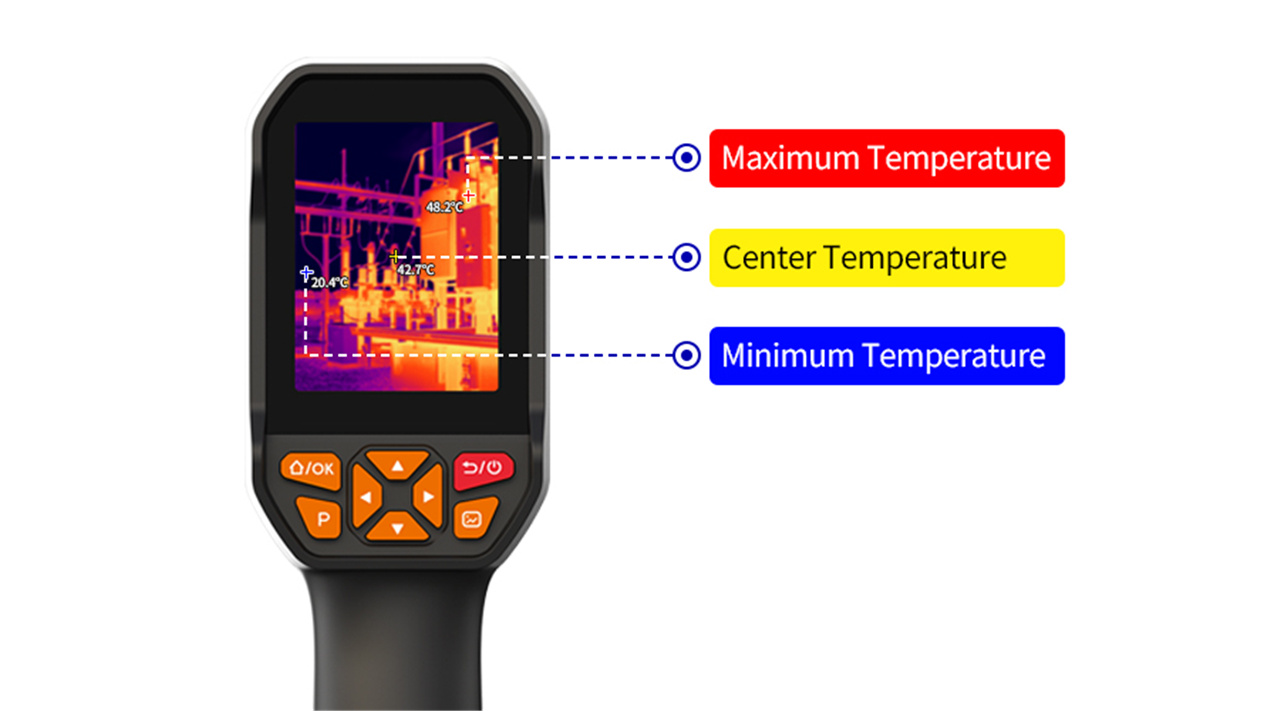
Temperature Tracking
Turn on temperature tracking to instantly view the highest and lowest temperatures in the scene—quickly identifying any spots where the temperature is acting abnormally.
Image Algorithms
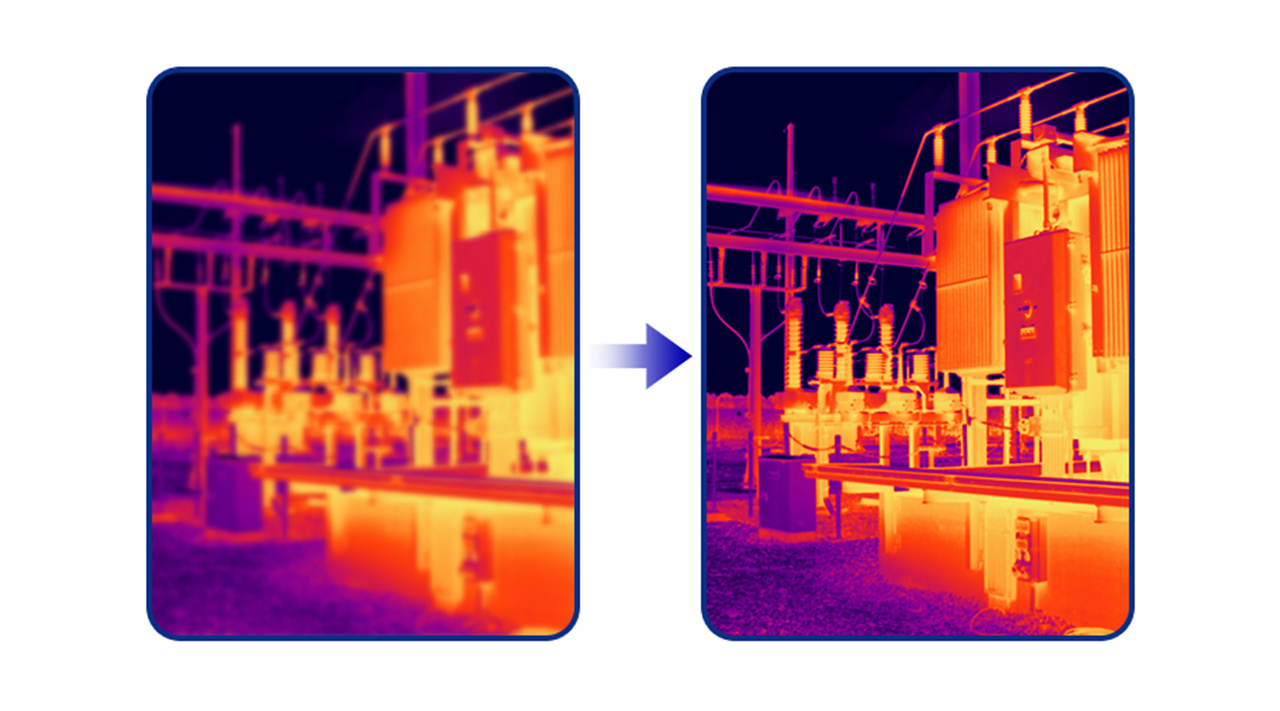
A specialized algorithm drives DDE enhancement, image saturation adjustment, gain adjustment, image detail optimization, and filtering.
These processes eliminate image noise and improve clarity, offering users an enhanced image viewing experience.
Built-in Storage Function
8GB built-in memory — supports storage of up to 20,000 photos.
Dedicated Analysis Software
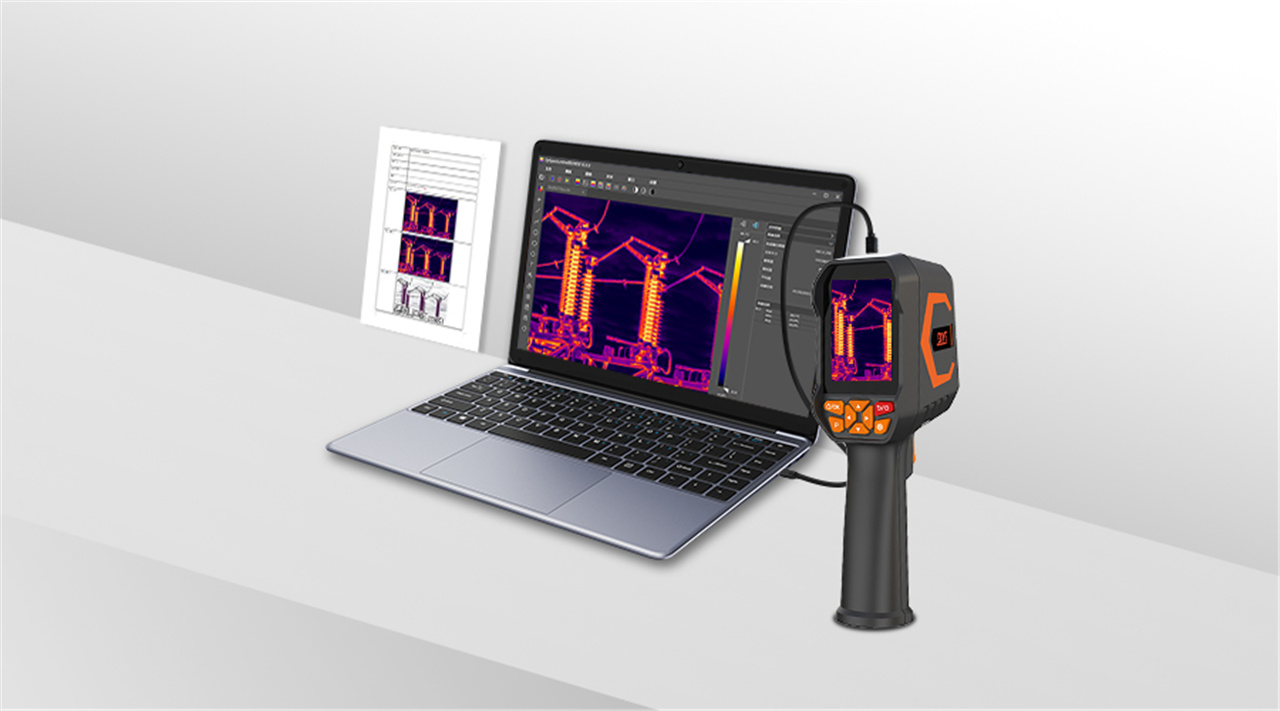
Use professional PC analysis software for a second round of analysis on photos taken with your handheld device.
Switch color palettes and image modes, adjust emissivity, and generate reports in Word, PDF, and other formats for easy tracking of analysis results.
Frequently Asked Questions
Q
What is the infrared sensor resolution of the DP-25DV thermal camera?
The DP-25DV features a 256×192 infrared sensor resolution, delivering high-clarity thermal images suitable for precise fault detection and temperature analysis.
Q
What image modes does the DP-25DV thermal imager support?
The device supports five image modes: infrared, visible light, edge blending, overlay blending, and picture-in-picture. The visible light mode records labels, numbers, and colors that infrared cannot capture, helping users quickly locate faults in a scene.
Q
What is the temperature measurement range of the DP-25DV?
The DP-25DV covers a temperature measurement range of -20°C to 550°C, making it suitable for both low-temperature and medium-temperature environments. This wide range eliminates the need for multiple specialized tools, saving users time and cost.
Q
How much storage does the DP-25DV have, and how many images can it store?
The DP-25DV is equipped with 8GB of built-in memory, which is sufficient to store up to 20,000 thermal images, ensuring users can work continuously in the field without worrying about running out of storage.
Q
Can the DP-25DV photos be analyzed on a PC?
Yes. Photos taken with the DP-25DV can be further analyzed using dedicated PC analysis software. The software allows you to switch color palettes, adjust image modes and emissivity, and generate professional reports in Word, PDF, and other formats.
Q
How many color palettes does the DP-25DV offer, and what are they used for?
The DP-25DV offers 9 color palettes. Iron red, white hot, and black hot are ideal for spotting high-temperature risks. Rainbow and high-contrast palettes help identify temperature gradient patterns. Arctic, lava, and blue palettes are optimized for low-temperature detection scenarios.