Leave Your Message
Discover our top-tier thermal imaging solutions, customized to meet the rigorous standards of Italy's industrial, automotive, and commercial sectors.
Italy stands as one of Europe's most dynamic and technologically advanced manufacturing hubs. The integration of the Infrared Imaging Module into Italy's core economic sectors has transformed traditional operations into smart, data-driven ecosystems. From the bustling automotive corridors of Emilia-Romagna to the high-tech energy grids spanning from Lombardy to Sicily, the demand for high-precision thermal imaging products has reached unprecedented levels.
As leading manufacturers and suppliers navigate the Italian market, the emphasis has shifted towards predictive maintenance, non-destructive testing (NDT), and stringent quality control. Italian enterprises, supported by the government's "Transizione 4.0" initiative, are heavily investing in Industry 4.0 technologies. Infrared imaging modules are at the forefront of this revolution, providing real-time temperature data that prevents catastrophic machinery failures, optimizes energy consumption, and ensures the safety of complex manufacturing processes.
Furthermore, the Italian commercial sector is witnessing a surge in the adoption of compact, easily integrable thermal cores. Original Equipment Manufacturers (OEMs) in Italy require modules that offer high resolution, low power consumption, and seamless connectivity with IoT (Internet of Things) networks. Whether it is monitoring the delicate temperature variations in pharmaceutical production lines in Milan or ensuring the structural integrity of aerospace components in Campania, the role of reliable infrared imaging manufacturers is more critical than ever.
The evolution of the Infrared Imaging Module in Italy is heavily influenced by rapid advancements in Artificial Intelligence (AI) and edge computing. The modern Italian industrial landscape no longer requires just a thermal image; it demands intelligent, automated analysis. Manufacturers are now producing smart thermal cameras equipped with built-in AI algorithms capable of instantly identifying anomalies, triggering automated alarms, and integrating directly into enterprise resource planning (ERP) systems.
Another significant trend is the miniaturization of uncooled microbolometers. As drones and unmanned aerial vehicles (UAVs) become standard tools for inspecting Italy's vast networks of solar farms, wind turbines, and high-voltage power lines (managed by entities like Enel and Terna), lightweight and highly sensitive thermal modules are essential. The shift towards SWIR (Short-Wave Infrared) and advanced LWIR (Long-Wave Infrared) technologies allows for better penetration through atmospheric obstacles, making them perfect for Italy's diverse geographic and climatic conditions.
Real-time thermal data analysis at the edge, reducing latency and enabling instant predictive maintenance in smart factories across Turin and Milan.
Crucial for inspecting photovoltaic panels and wind turbines, supporting Italy's aggressive renewable energy and sustainability goals.
Seamless integration with 5G networks, allowing centralized monitoring of decentralized manufacturing plants and power grids.
The versatility of the Infrared Imaging Module allows it to be perfectly tailored to Italy's unique cultural, agricultural, and industrial heritage. Below are some of the most prominent localized application scenarios where thermal imaging is making a profound impact.
In cities like Rome, Florence, and Venice, preserving centuries-old architecture is paramount. Thermal imaging modules are used for non-invasive diagnostics to detect hidden moisture, structural voids, and energy leaks in frescoes, cathedrals, and historical monuments without damaging the delicate surfaces.
Emilia-Romagna's "Motor Valley" is home to the world's most prestigious supercar manufacturers. Infrared imaging is heavily utilized in engine testing, tire friction analysis, and aerodynamic thermal profiling, ensuring peak performance and safety for high-speed vehicles.
In the rolling hills of Tuscany and Piedmont, winemakers employ drone-mounted thermal cameras to monitor vineyard health. By analyzing the crop water stress index (CWSI) through thermal data, agriculturists can optimize irrigation, ensuring the perfect yield for world-renowned Italian wines.
With a massive coastline and world-leading shipyards in Genoa and Viareggio, thermal imaging is critical for maritime navigation, night vision, search and rescue operations, and monitoring the complex engine rooms of luxury superyachts.
Monitoring active volcanoes such as Mount Etna and Vesuvius requires highly durable thermal modules. These devices provide continuous remote monitoring of surface temperature changes, offering vital early warning data for geological research and public safety.
As Italy grows its footprint in high-tech electronics, thermal analyzers are indispensable for inspecting Printed Circuit Boards (PCBs), identifying short circuits, and ensuring thermal dissipation in microelectronics during the R&D and QA phases.
Shenzhen Dianyang Technology Co., Ltd. is a subsidiary of VHD (Shenzhen VHD Technology Co., Ltd.), a publicly listed company on the Shenzhen Stock Exchange. This strategic affiliation gives Dianyang unique access to VHD’s advanced R&D platforms, high-precision manufacturing systems, and rigorous quality management practices—enabling us to deliver thermal imaging products of higher reliability and consistency than typical ODMs, perfectly suited for the demanding European and Italian markets.
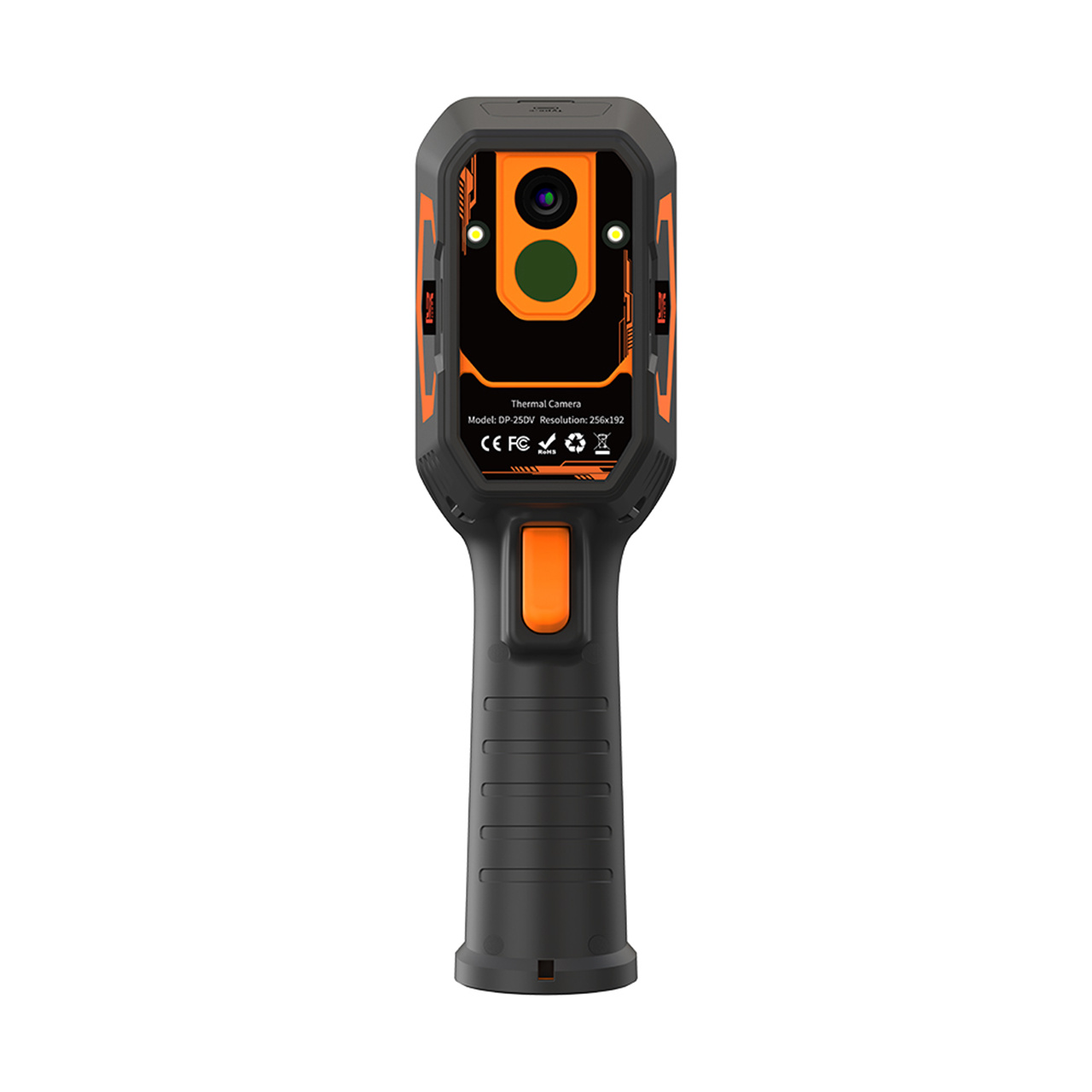
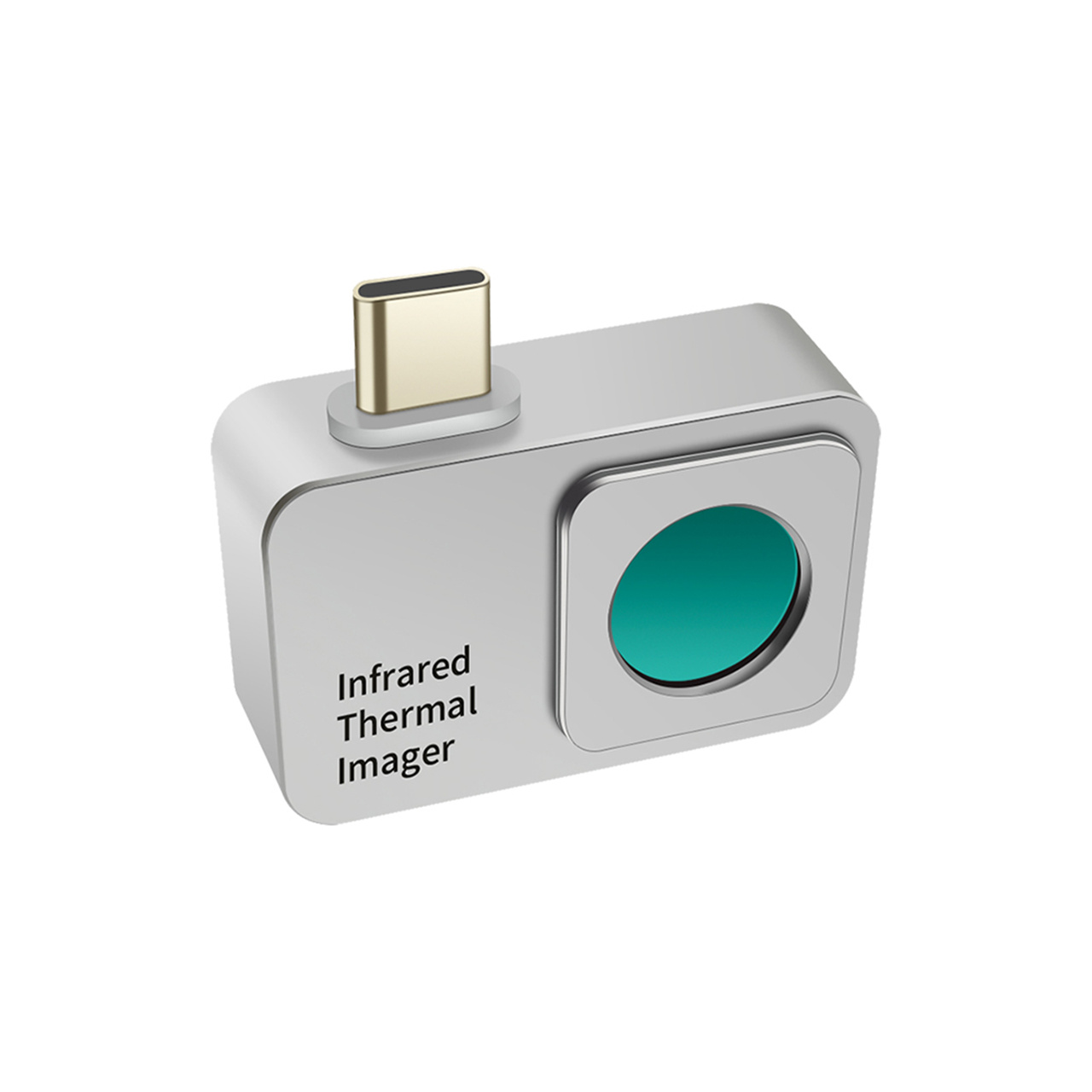
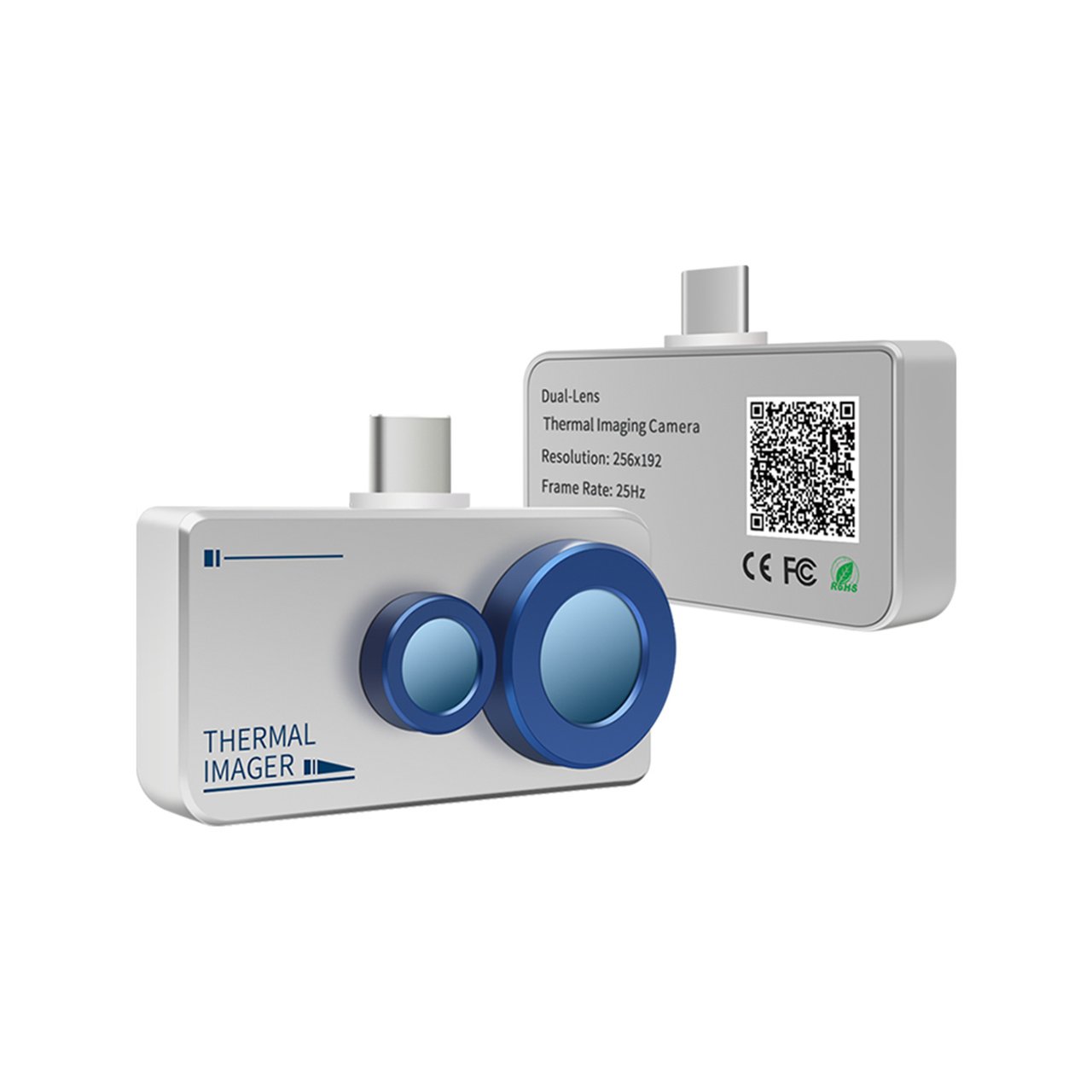
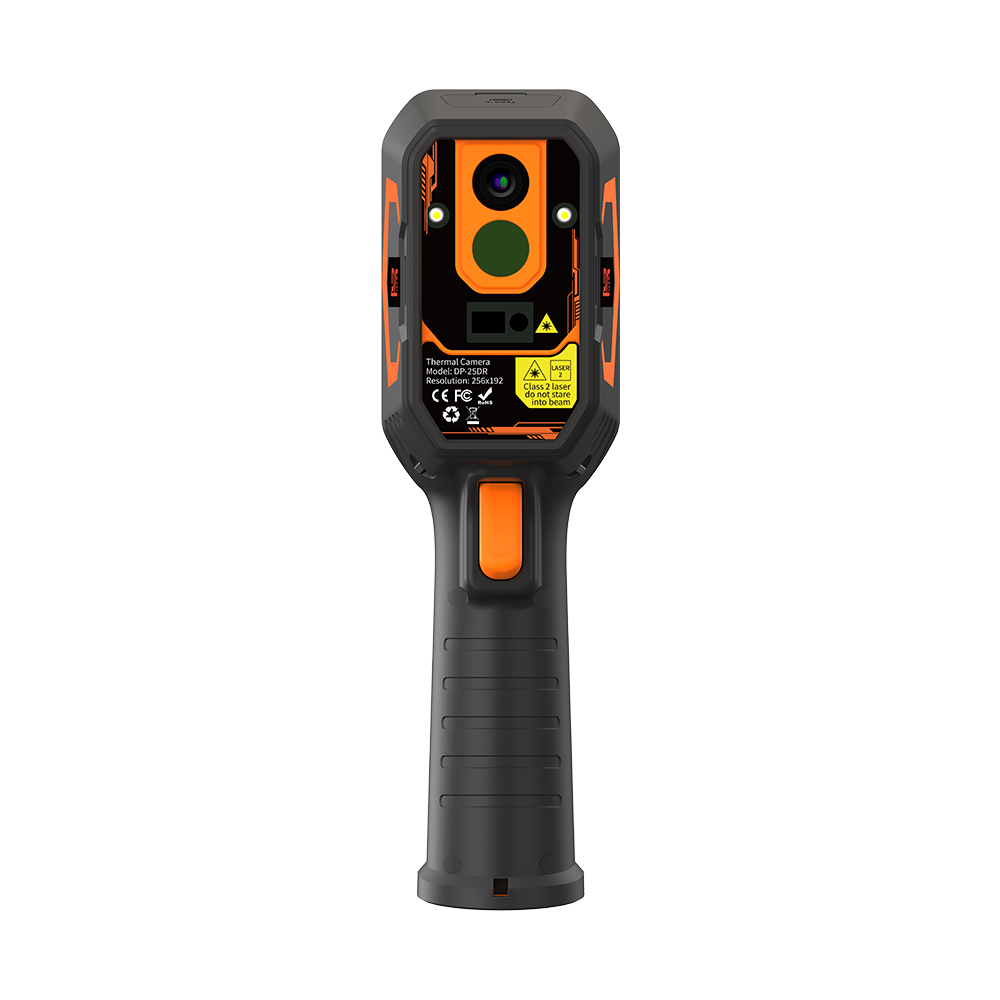
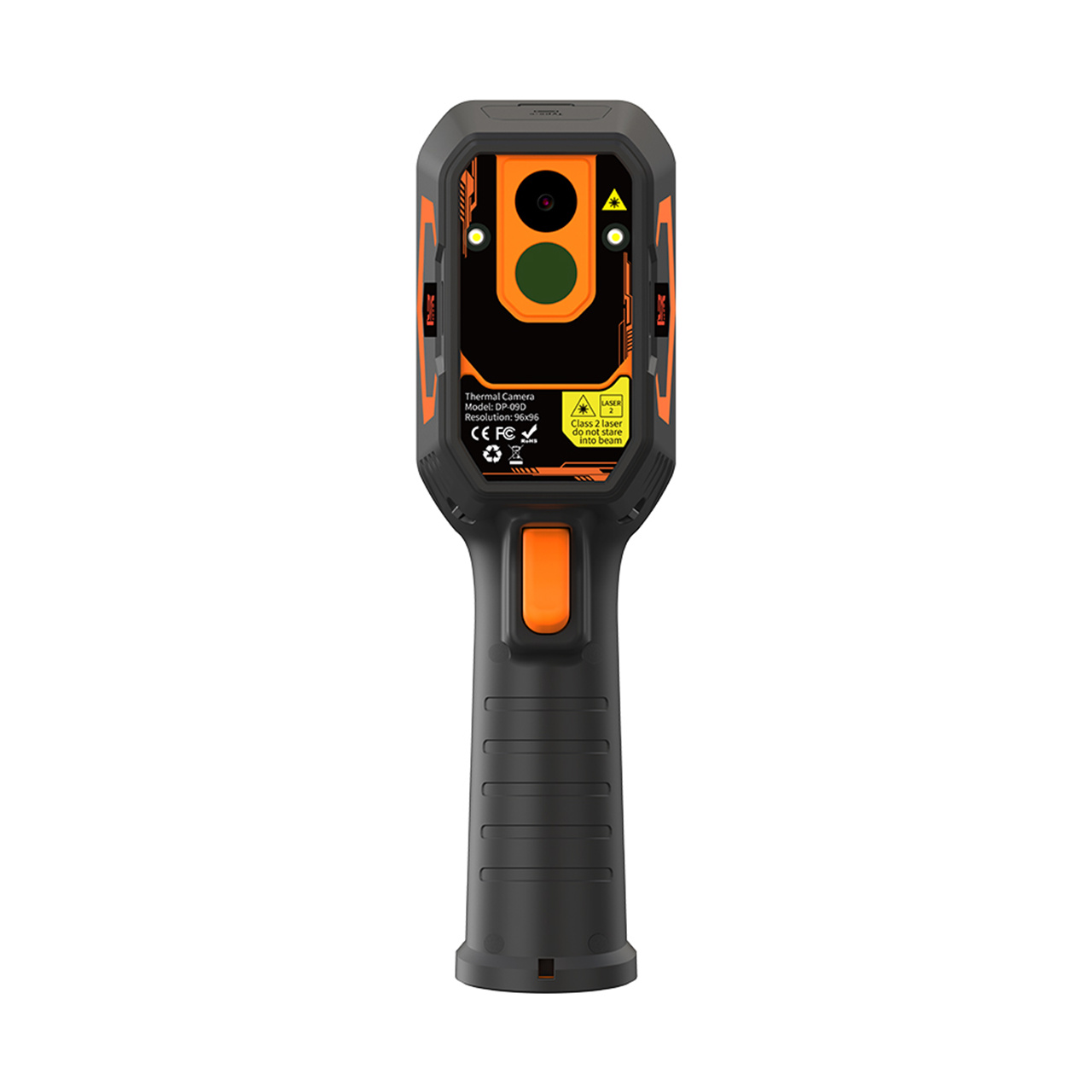
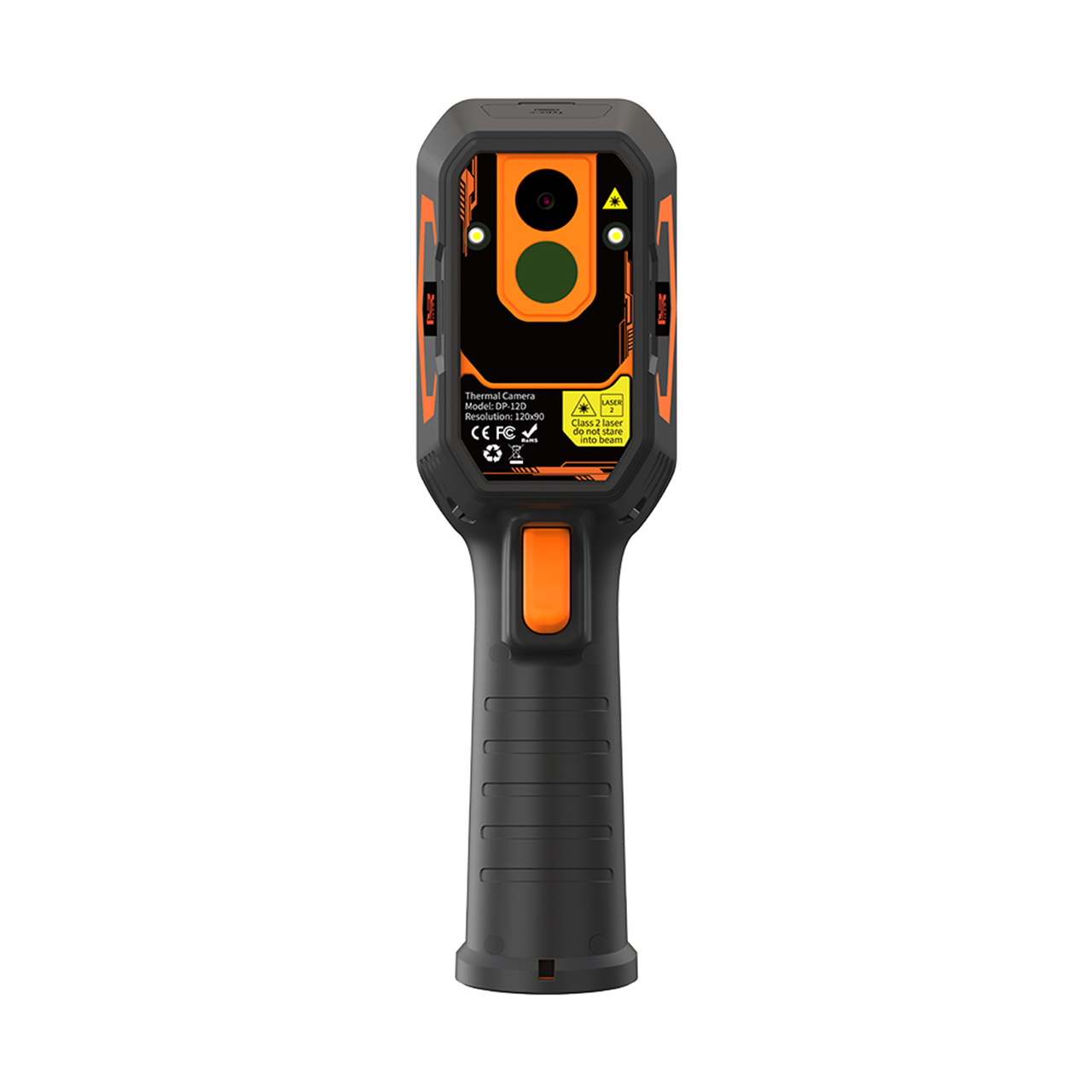
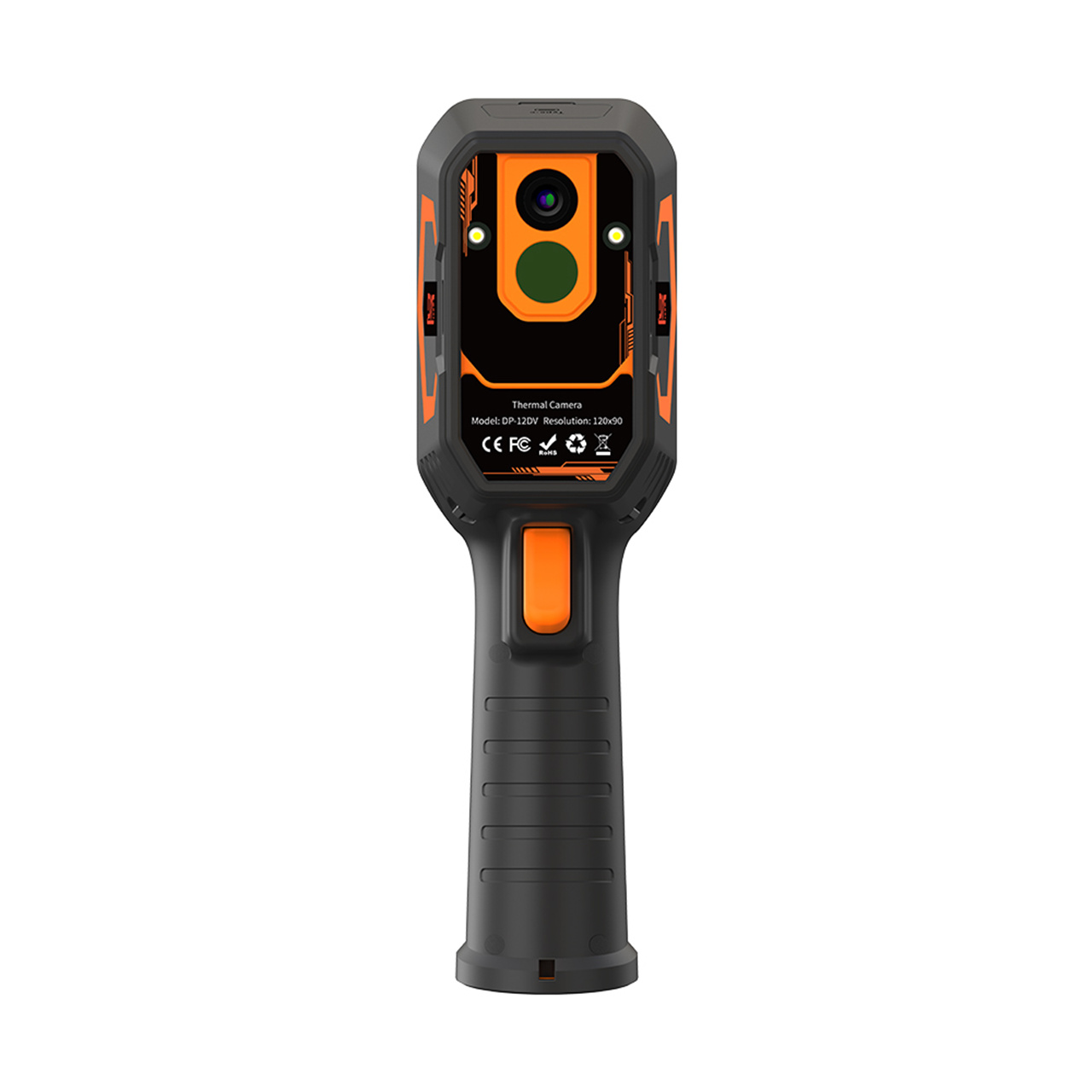
We specialize in ODM/OEM services for infrared thermal imaging solutions, including handheld thermal imagers, smartphone-connected thermal cameras, thermal analyzers, and thermal imaging telescopes. Our products serve global customers in power inspection, building diagnostics, firefighting, industrial maintenance, and outdoor applications.
Our dedicated engineering team applies Design for Manufacturing (DFM), Design for Testability (DFT), thermal simulation, and EMC pre-compliance analysis to optimize performance and accelerate development. We also support clients in obtaining key certifications such as CE, FCC, RoHS, REACH, CB, UKCA, KC, and PSE—ensuring full compliance with Italian and EU regulations.
Just Diligent, Keen on Control: Our structured NPI process typically delivers certified prototypes within 8–12 weeks. Combined with stable supply chain support and group-level technical resources, we ensure on-time delivery and long-term product reliability.
By combining focused thermal imaging expertise with the backing of a listed parent company, Dianyang offers a rare blend of agility, quality, and scalability—helping global partners bring high-performance, certified thermal products to market with confidence.
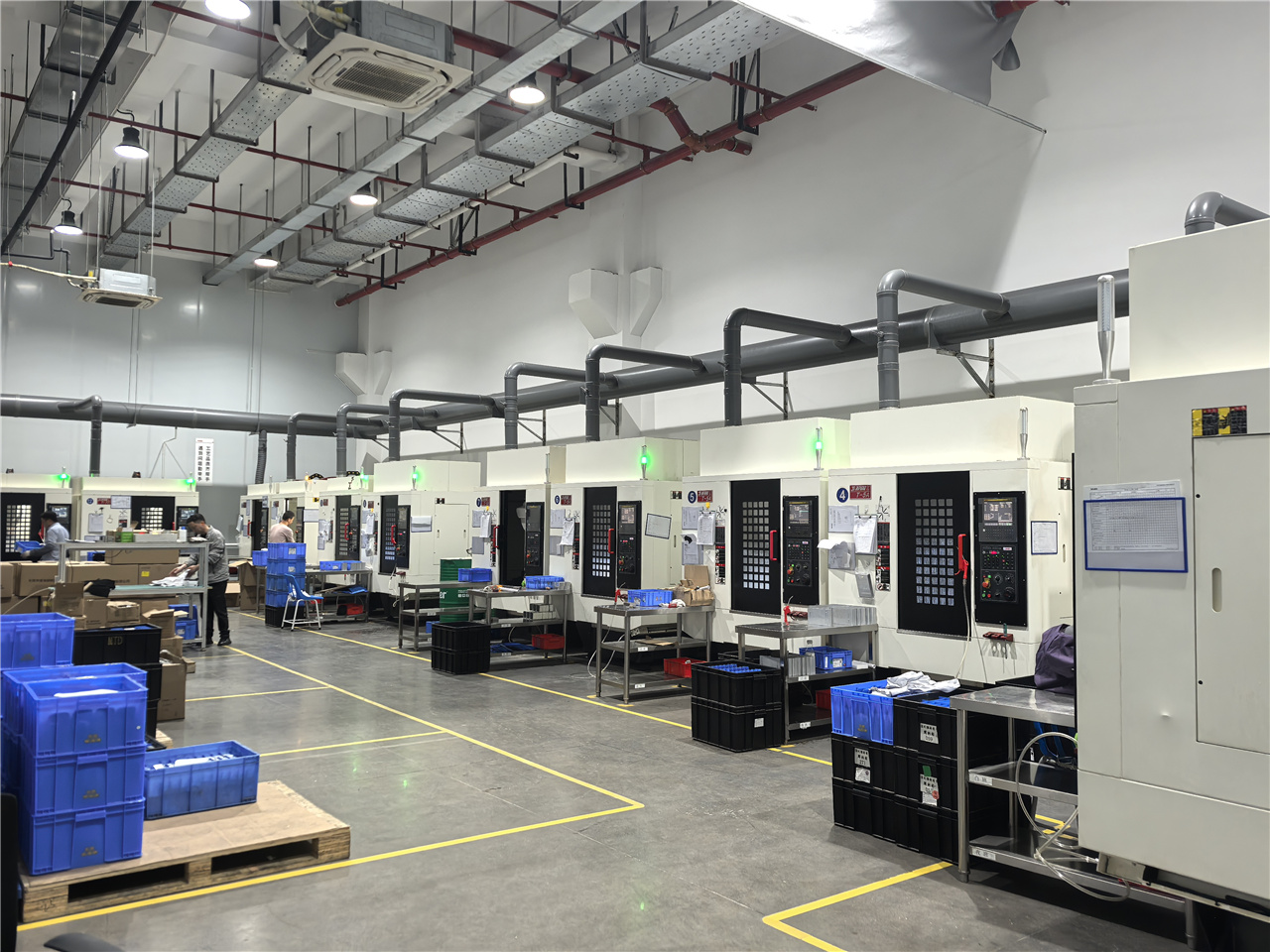
State-of-the-art facilities ensuring every Infrared Imaging Module meets the highest global standards.
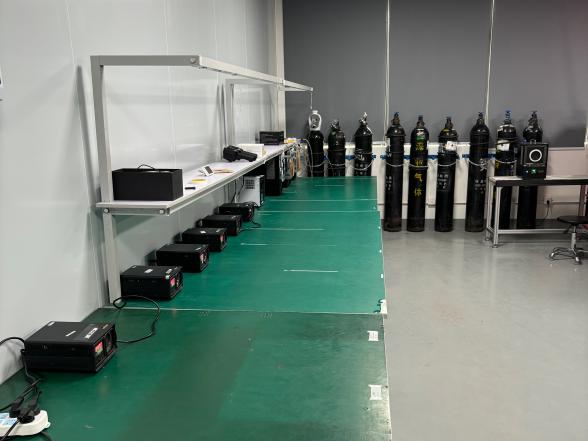
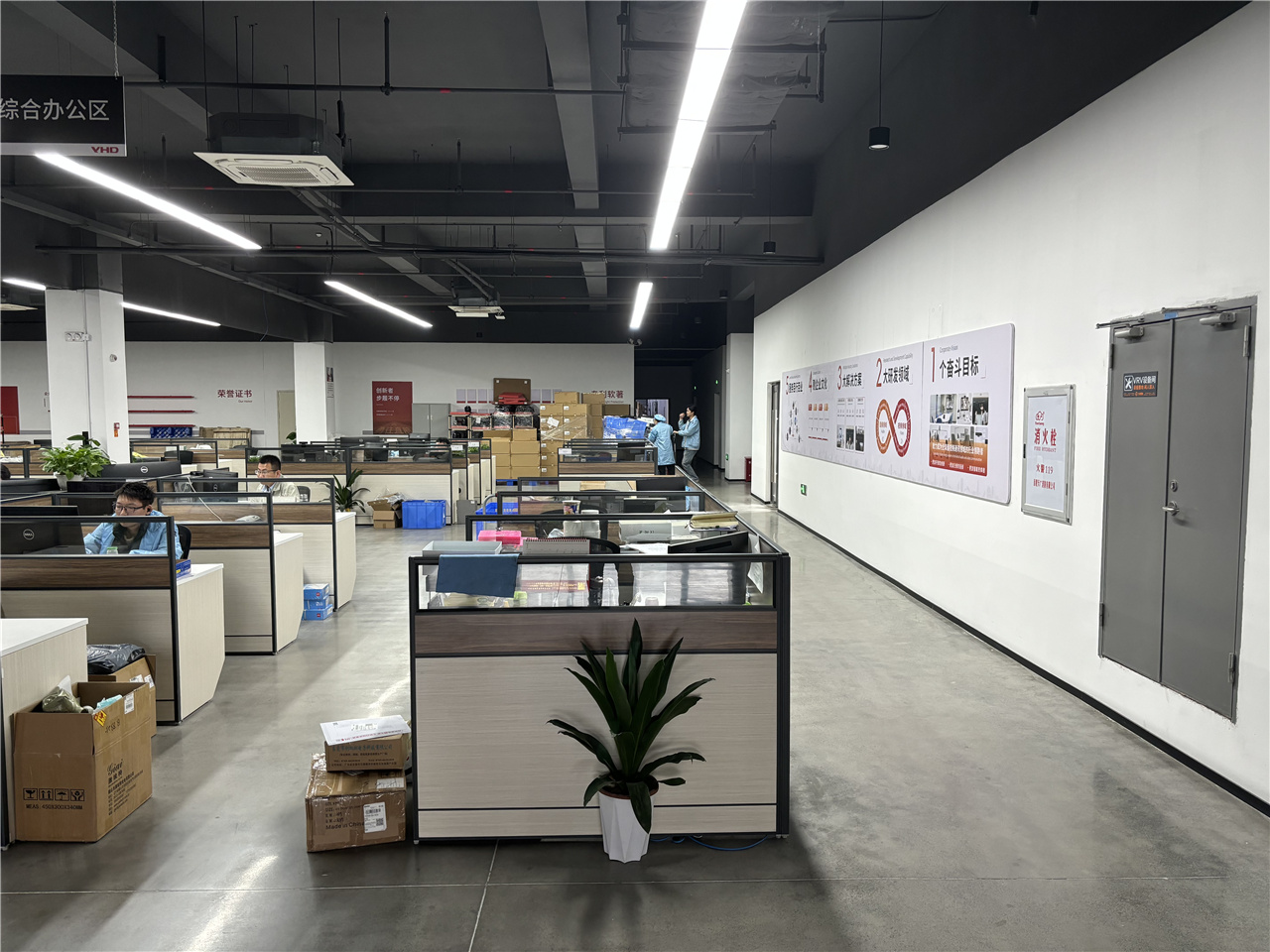
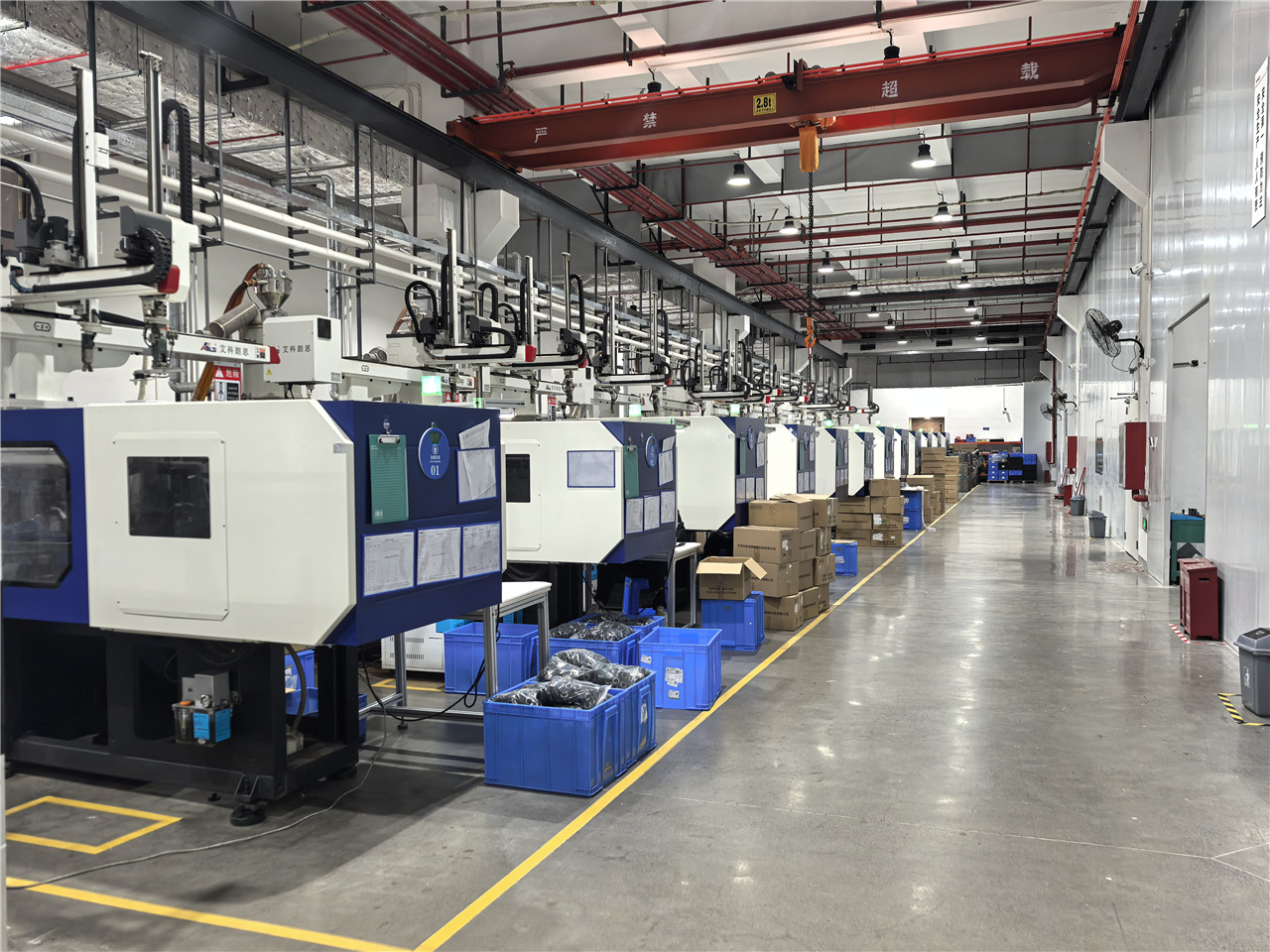
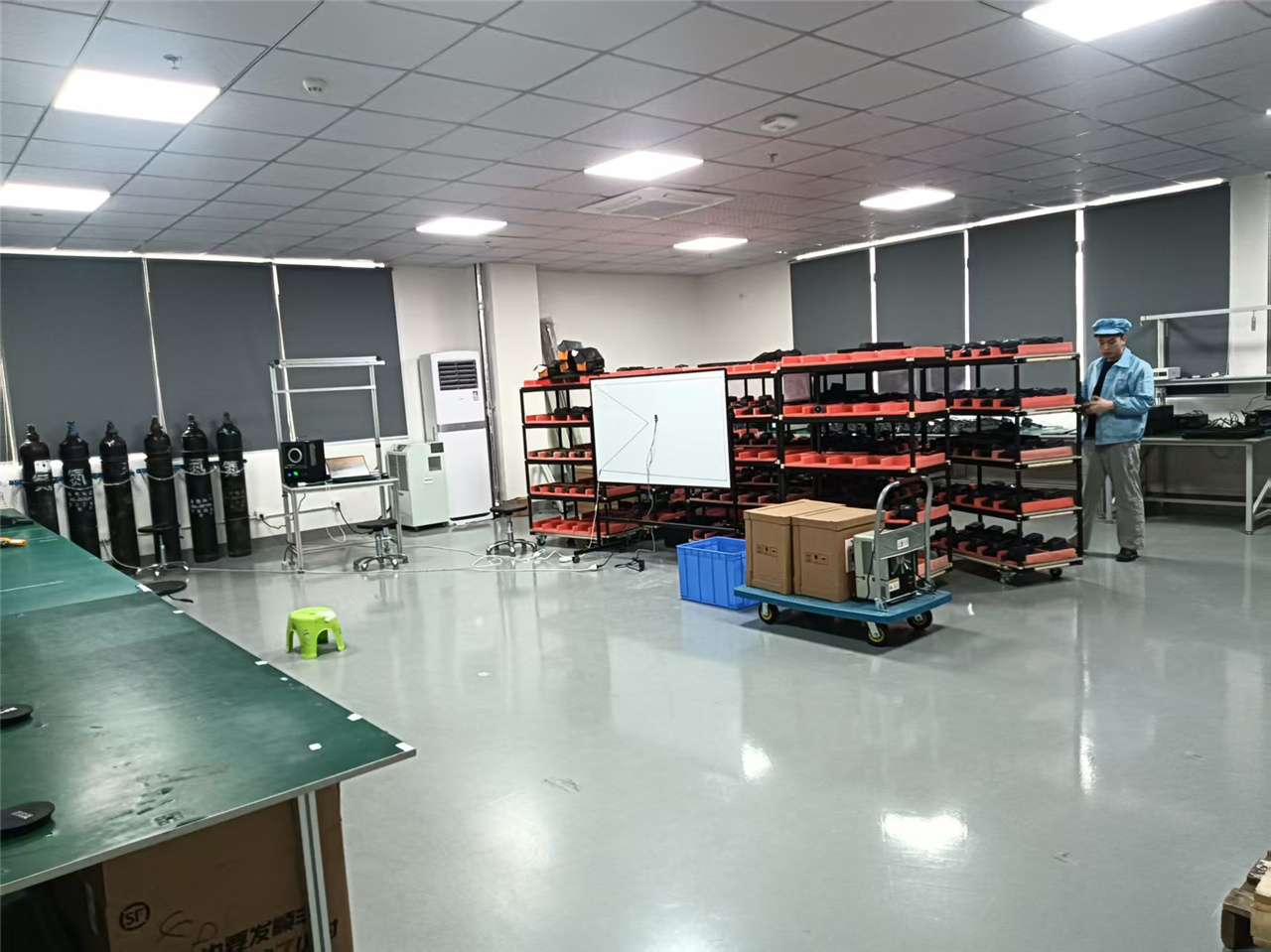
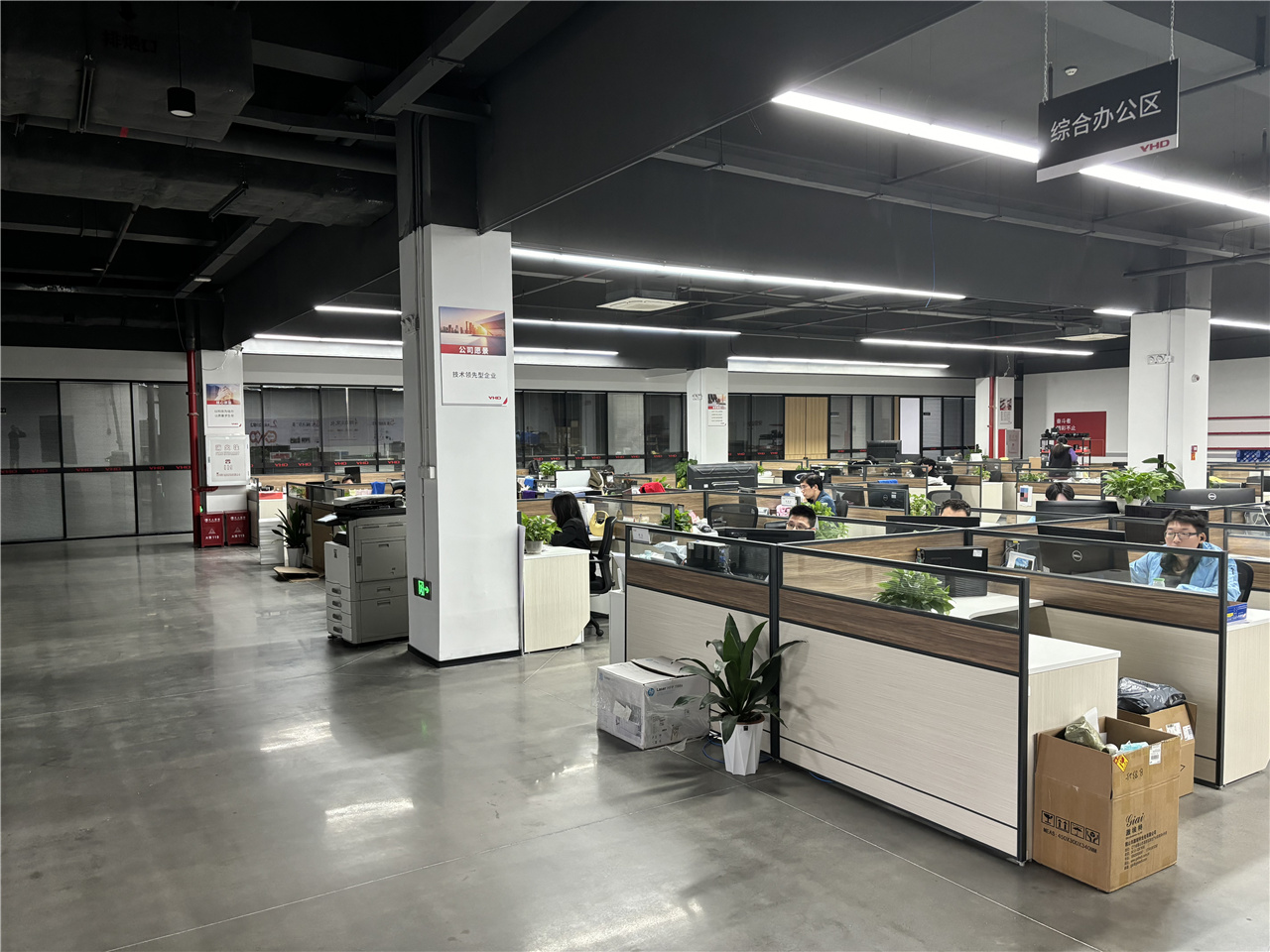
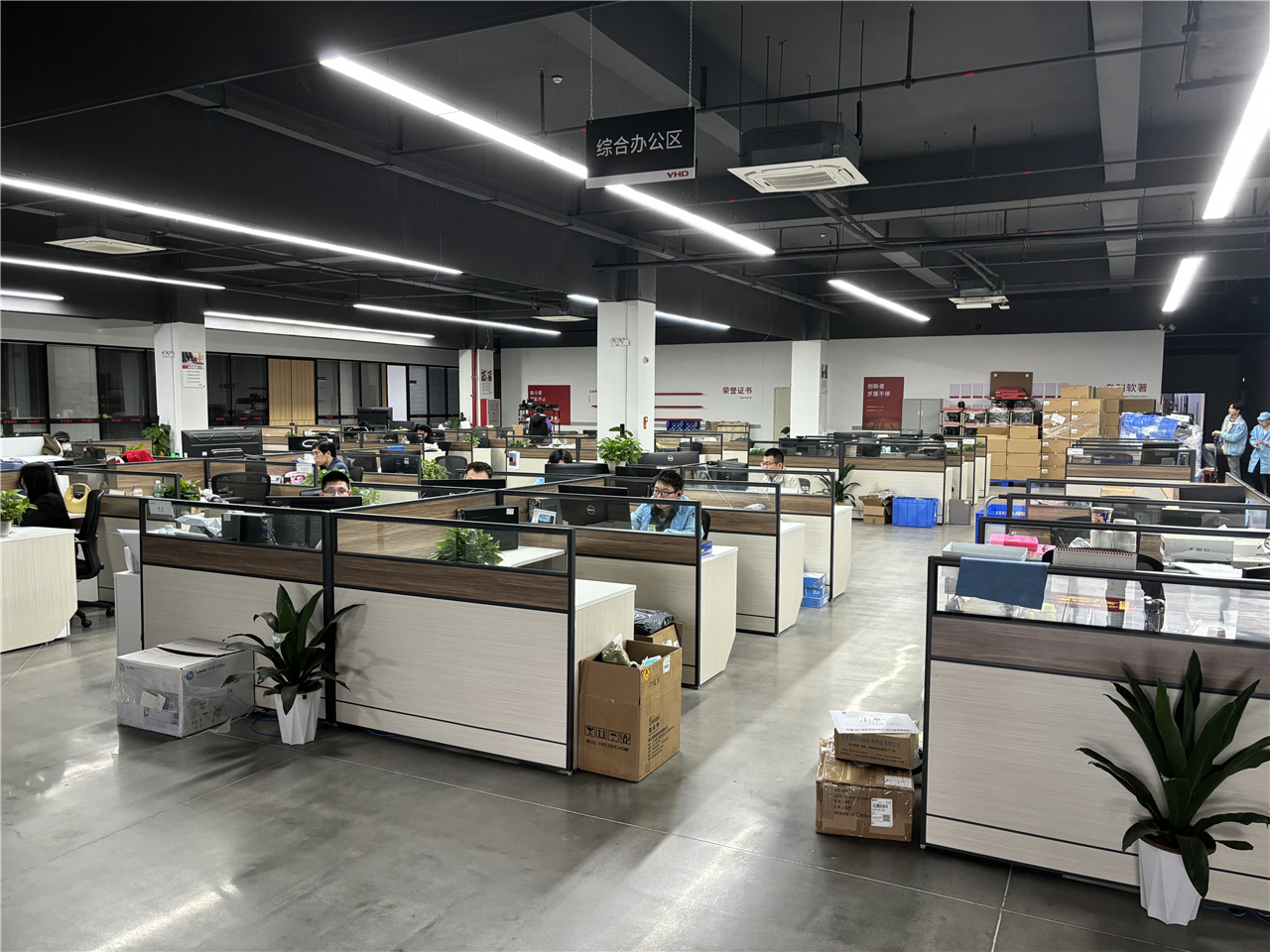
Explore our full range of thermal cameras and modules, designed to empower every sector from Italian heritage preservation to advanced automotive manufacturing.