Leave Your Message
France represents one of Europe's most dynamic markets for thermal imaging and surveillance technology. With its robust industrial base, extensive infrastructure networks, and stringent security requirements, the French market demands high-quality thermal imaging solutions across multiple sectors.
The French surveillance imager industry has experienced significant growth driven by increasing investments in smart city initiatives, industrial automation, and enhanced security measures. Major French cities including Paris, Lyon, Marseille, and Toulouse are implementing advanced thermal monitoring systems for public safety, building management, and critical infrastructure protection.
French regulations emphasize energy efficiency and building diagnostics, creating substantial demand for thermal imaging equipment in construction audits, HVAC optimization, and renewable energy installations. The country's commitment to reducing carbon emissions by 2050 has accelerated adoption of thermal imaging for energy loss detection and building envelope analysis.
The French thermal imaging market is projected to grow at a CAGR of 8.2% through 2030, driven by industrial modernization and security enhancement initiatives. Government programs supporting Industry 4.0 transformation have increased demand for predictive maintenance solutions utilizing thermal imaging technology.
French companies are investing heavily in thermal surveillance for perimeter security, especially in critical sectors such as nuclear facilities, transportation hubs, and government installations. The integration of AI-powered analytics with thermal imaging is creating new opportunities for intelligent surveillance systems.
French commercial and residential buildings are increasingly incorporating thermal imaging systems for automated climate control, energy management, and occupancy detection. Paris and Lyon lead in smart building deployments with thermal monitoring as a core component.
Manufacturing facilities across France are adopting thermal imaging for predictive maintenance programs. Industries including automotive, aerospace, and chemical processing use thermal cameras to detect equipment anomalies before failures occur, reducing downtime and maintenance costs.
French law enforcement and security agencies are expanding use of thermal imaging for border surveillance, crowd monitoring, and emergency response. The technology proves essential for night operations and adverse weather conditions common in various French regions.
French regulations mandate energy audits for large enterprises and public buildings, driving demand for certified thermal imaging equipment. Professional thermographers use advanced imagers to identify insulation defects, air leakage, and thermal bridges in building envelopes.
French agriculture, particularly viticulture in regions like Bordeaux and Burgundy, is adopting thermal imaging for crop health monitoring, irrigation optimization, and early disease detection. Precision agriculture initiatives integrate thermal data with other sensors for comprehensive farm management.
French fire brigades and industrial safety teams utilize thermal imaging for fire prevention inspections, hotspot detection, and search-and-rescue operations. The technology is particularly valuable in historical building preservation and industrial facility monitoring.
French manufacturing sectors including automotive (Renault, PSA), aerospace (Airbus), and luxury goods utilize thermal imaging for quality control, process monitoring, and equipment maintenance. Facilities in regions like Île-de-France and Auvergne-Rhône-Alpes deploy advanced thermal systems for production optimization.
French power distribution networks operated by companies like EDF and Enedis employ thermal imaging for substation monitoring, transformer inspection, and power line maintenance. Regular thermal surveys prevent equipment failures and ensure grid reliability across metropolitan and rural areas.
France's extensive architectural heritage requires specialized thermal imaging for non-invasive diagnostics. Thermal cameras help conservators identify moisture intrusion, structural issues, and insulation problems in châteaux, cathedrals, and monuments without damaging historical materials.
SNCF and French transportation authorities use thermal imaging for railway infrastructure inspection, including track monitoring, electrical system checks, and station security. High-speed rail networks require continuous thermal surveillance to ensure passenger safety and operational efficiency.
French commercial buildings and data centers implement thermal imaging for HVAC system optimization and climate control verification. The technology ensures compliance with France's RT 2020 environmental regulations and reduces energy consumption in office complexes and retail spaces.
French research institutions and technology companies use thermal imaging for materials science, electronics testing, and experimental validation. Organizations like CEA and CNRS incorporate thermal analysis in cutting-edge research across physics, chemistry, and engineering disciplines.
Shenzhen Dianyang Technology Co., Ltd. is a subsidiary of VHD (Shenzhen VHD Technology Co., Ltd.), a publicly listed company on the Shenzhen Stock Exchange. This strategic affiliation gives Dianyang unique access to VHD's advanced R&D platforms, high-precision manufacturing systems, and rigorous quality management practices—enabling us to deliver thermal imaging products of higher reliability and consistency than typical ODMs.
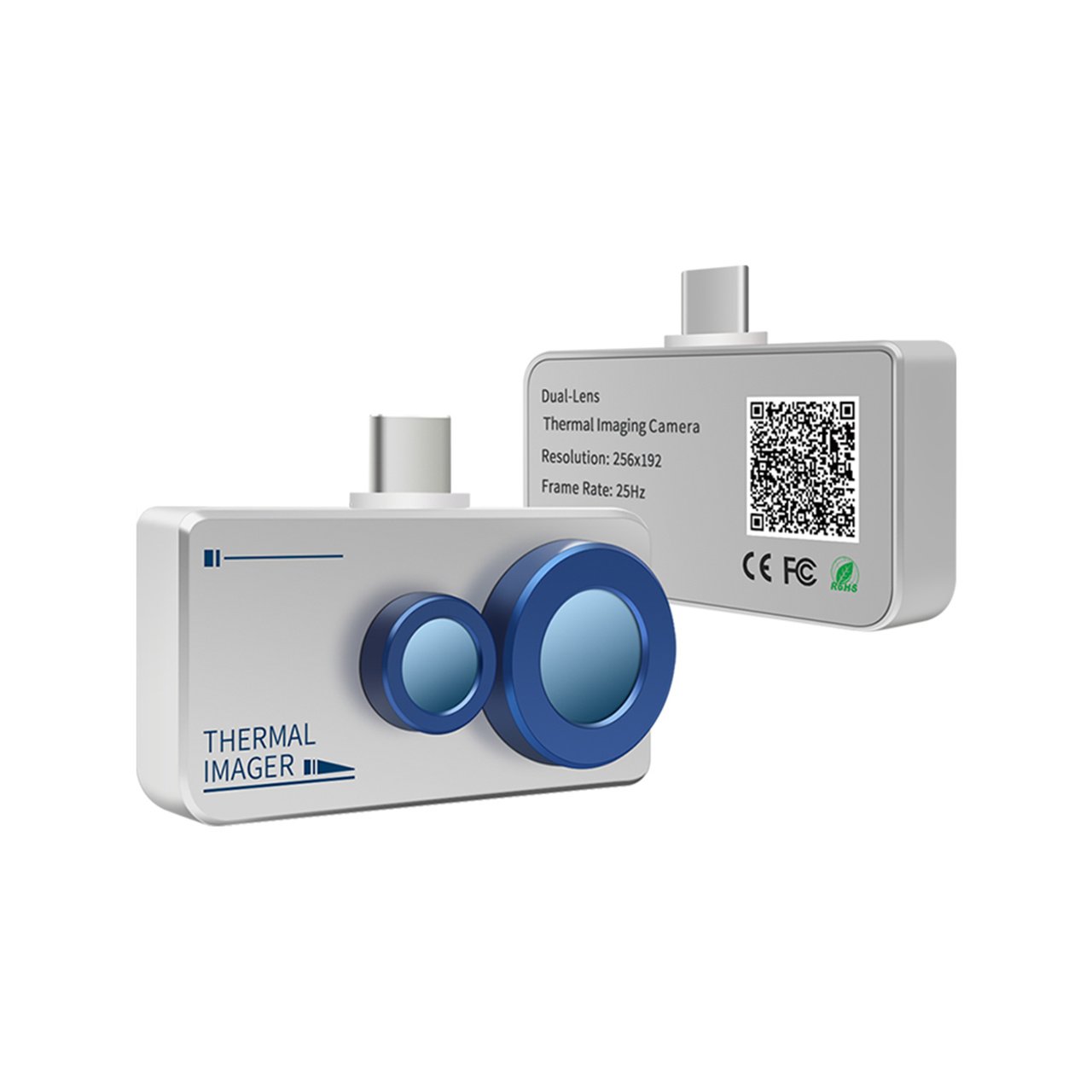
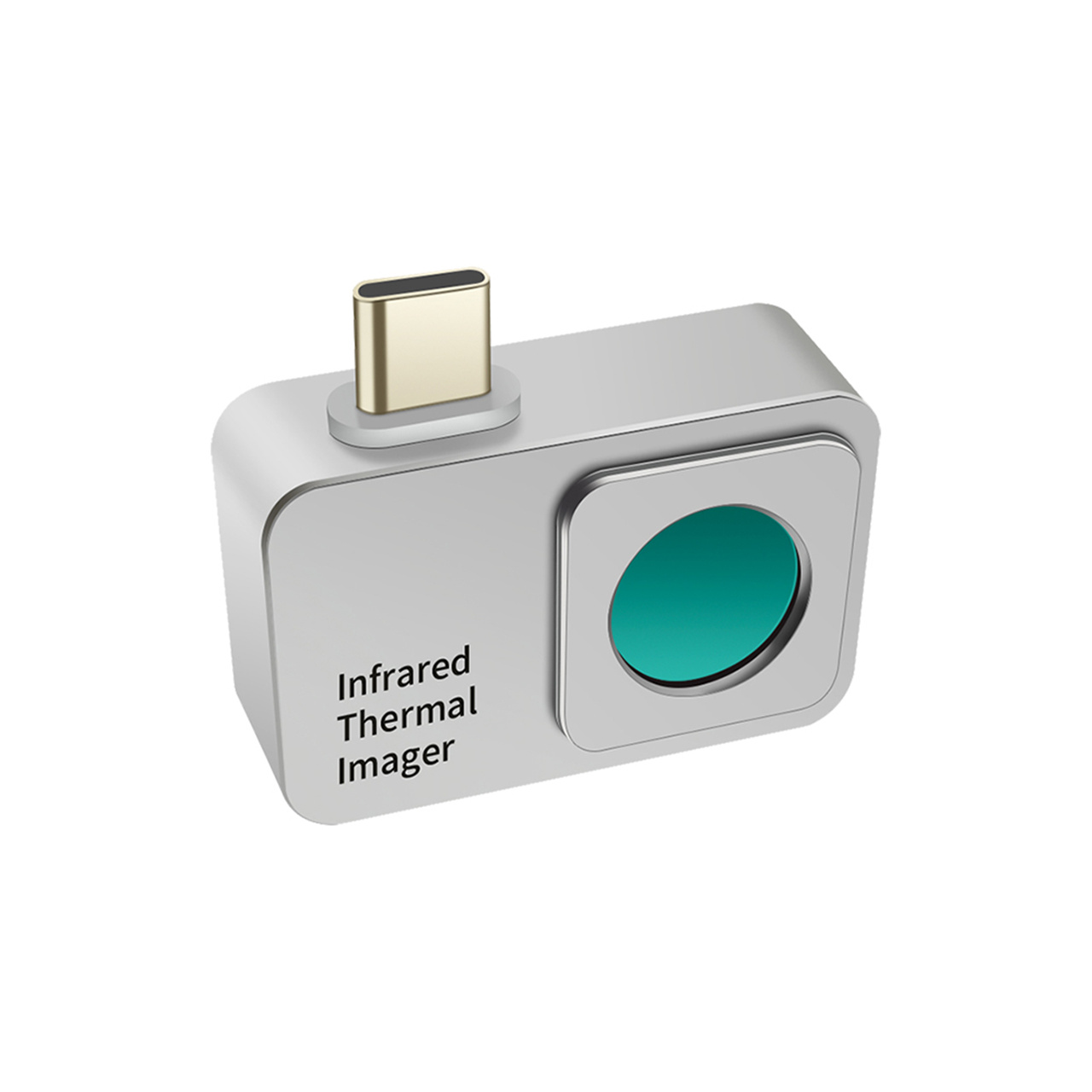
We specialize in ODM/OEM services for infrared thermal imaging solutions, including handheld thermal imagers, smartphone-connected thermal cameras, thermal analyzers, and thermal imaging telescopes. Our products serve global customers in power inspection, building diagnostics, firefighting, industrial maintenance, and outdoor applications.
Our dedicated engineering team applies Design for Manufacturing (DFM), Design for Testability (DFT), thermal simulation, and EMC pre-compliance analysis to optimize performance and accelerate development. We also support clients in obtaining key certifications such as CE, FCC, RoHS, REACH, CB, UKCA, KC, and PSE.
Our structured NPI process typically delivers certified prototypes within 8–12 weeks. Combined with stable supply chain support and group-level technical resources, we ensure on-time delivery and long-term product reliability.
By combining focused thermal imaging expertise with the backing of a listed parent company, Dianyang offers a rare blend of agility, quality, and scalability—helping global partners bring high-performance, certified thermal products to market with confidence.
Join Us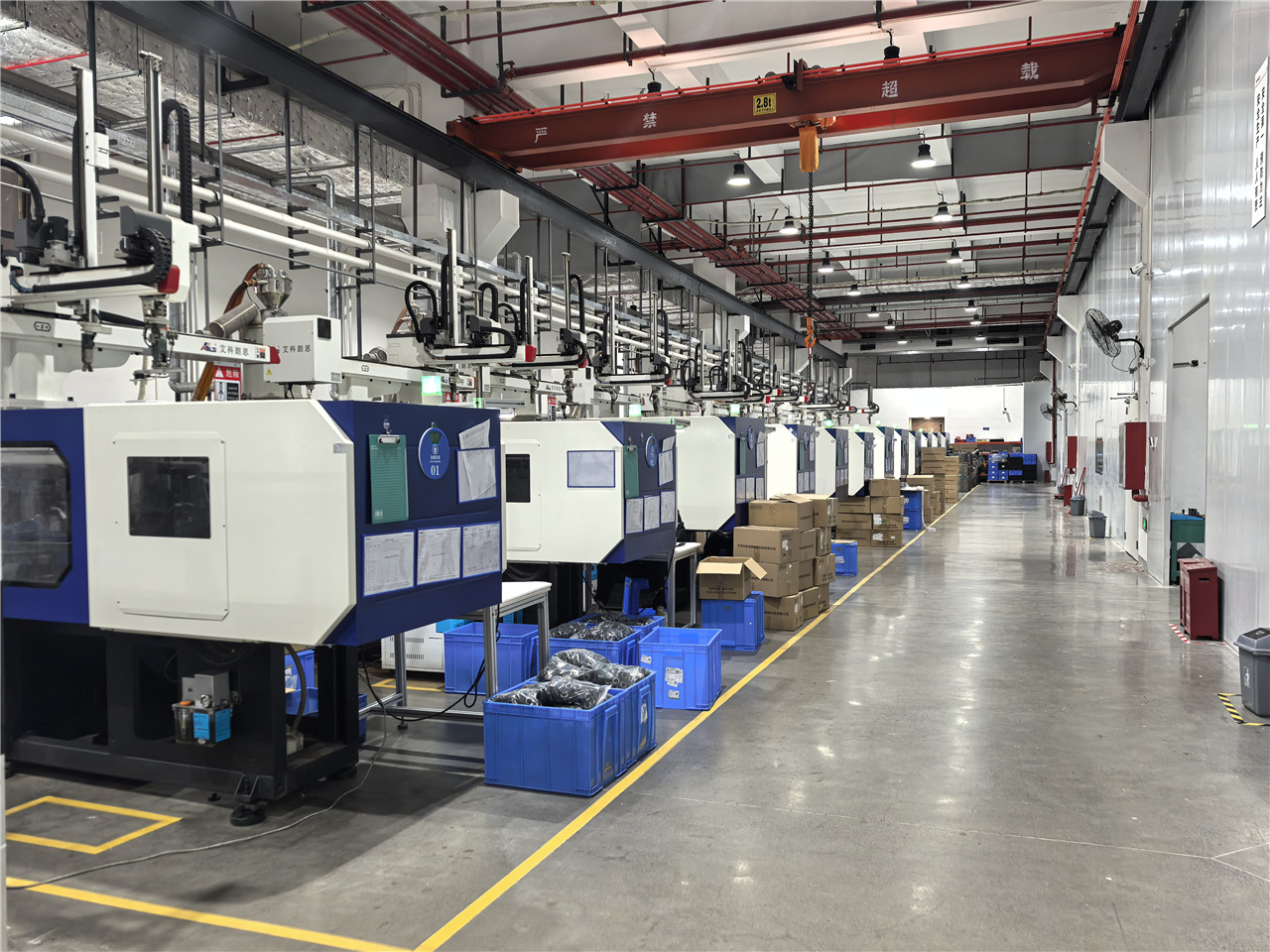
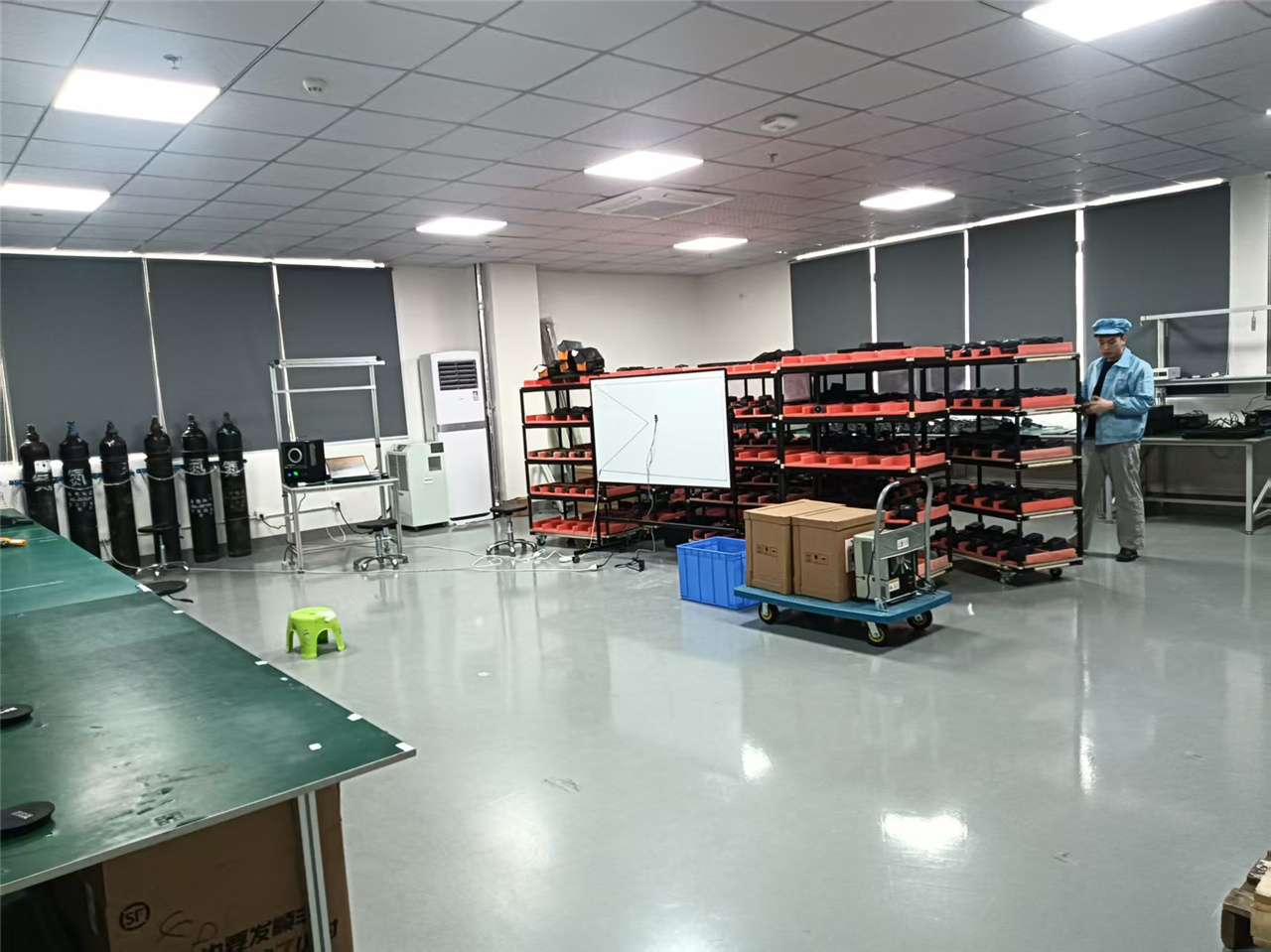
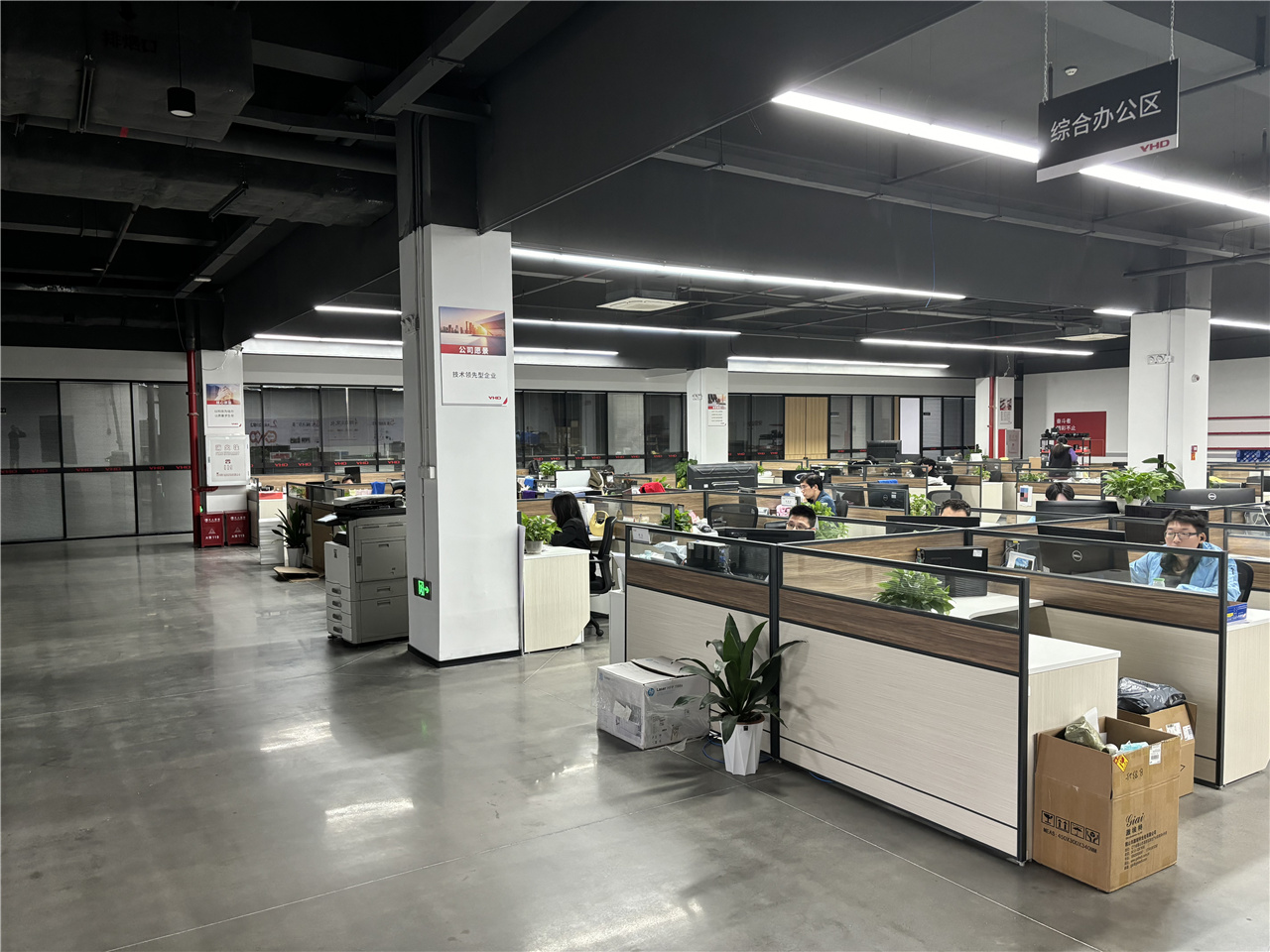
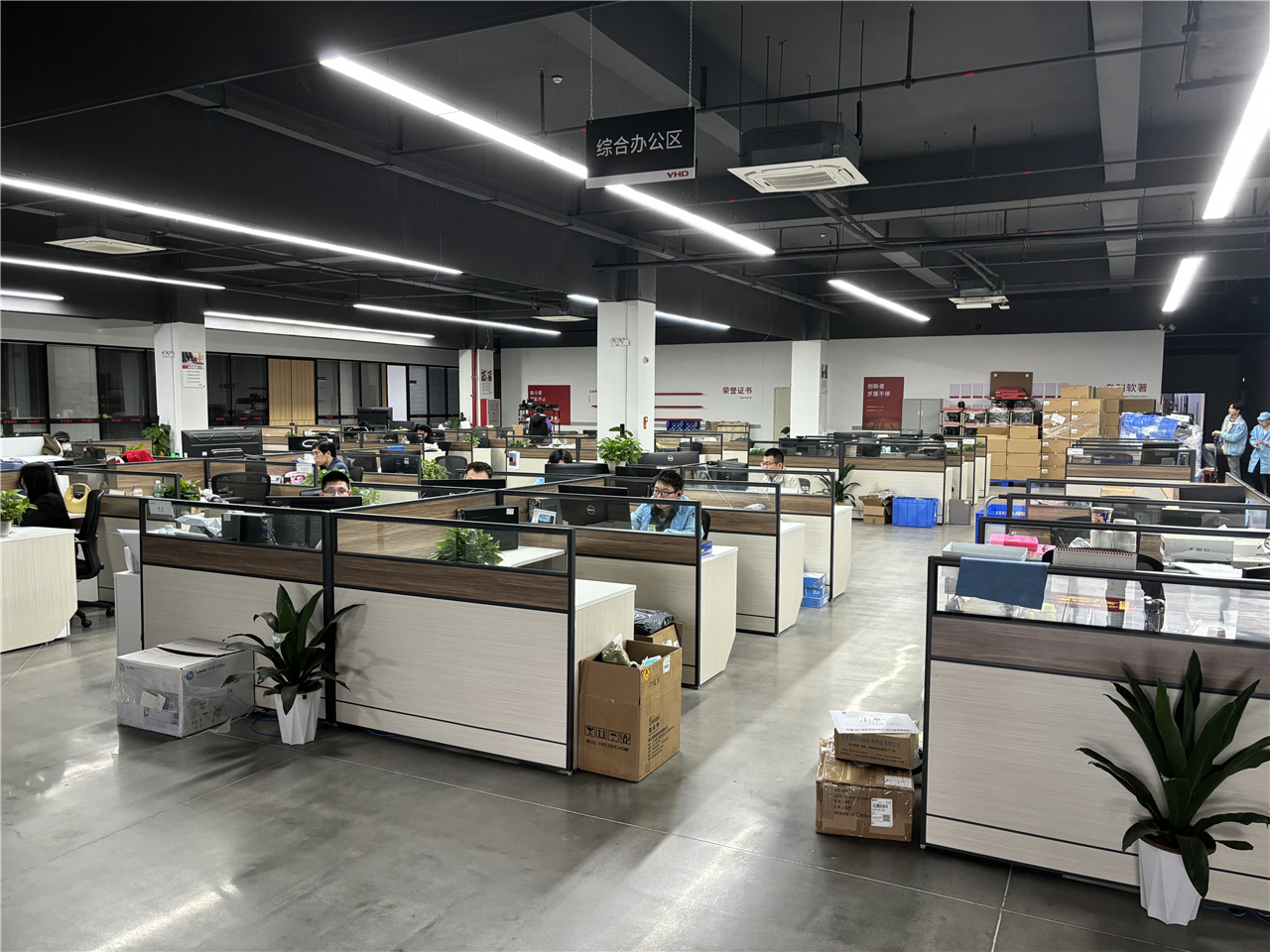
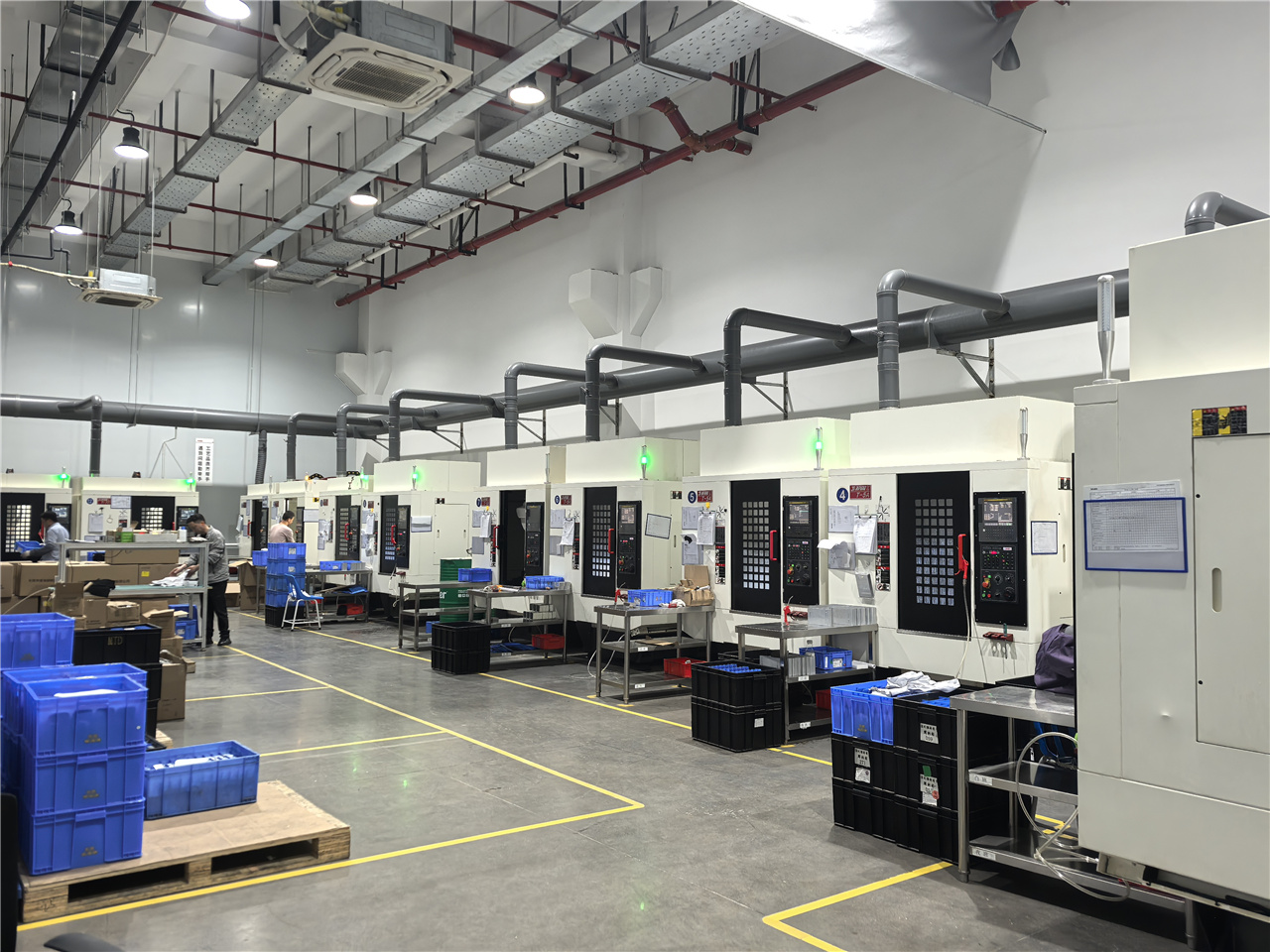
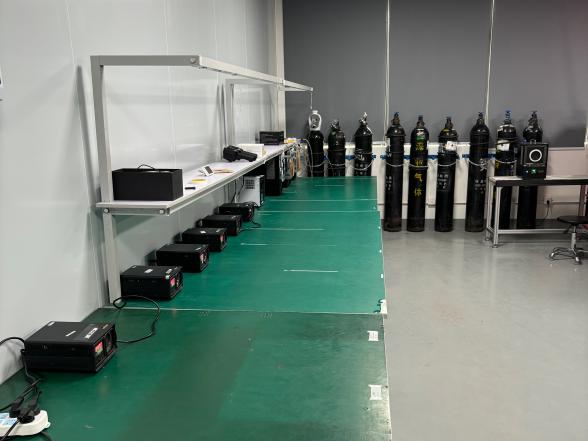
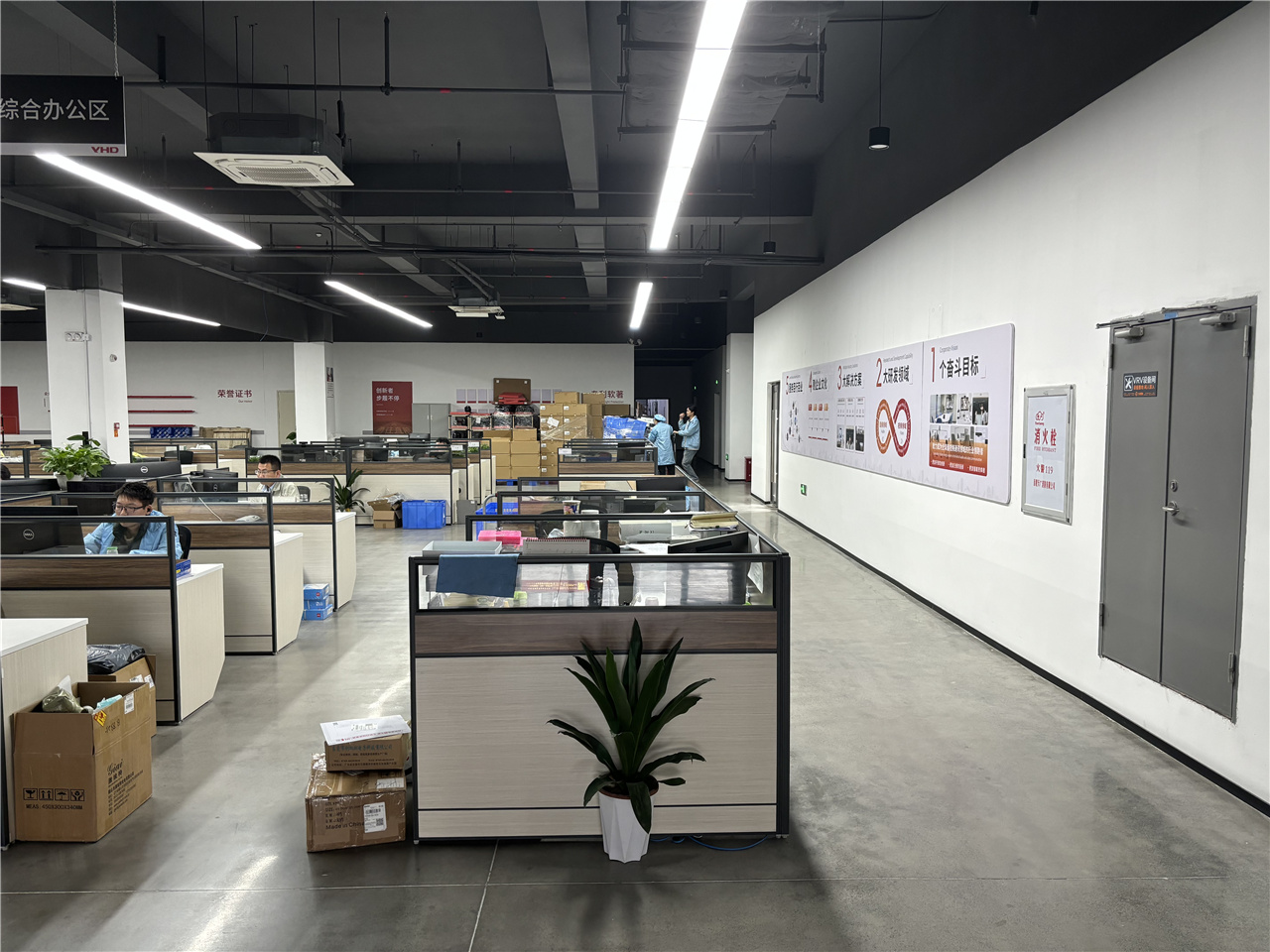
We understand the stringent requirements of the French market and European regulations. Our thermal imaging products are designed and manufactured to meet the highest quality standards, ensuring compliance with all necessary certifications for distribution and use in France.
Our commitment to quality extends beyond product manufacturing to include comprehensive technical support, localized documentation in French, and responsive customer service for French-speaking clients. We work closely with French distributors and system integrators to ensure seamless product integration and optimal performance.